The cultural phenomenon of Winnie the Pooh by A.A. Milne (1926) crosses generations and time. Winnie the Pooh still speaks to me as an adult within the adult world. It speaks to the child within and her curiosity and wonder at life. The characters are each archetypes of human desires and fears.
Pooh: a certified glutton who enjoys life and ‘hunny’ with its simplest pleasures to the fullest.
Piglet: a timid and skittish little pink lump who is afraid of joining the real world.
Tigger: a boundlessly energetic and enthusiastic type who tends to unintentionally annoy and overpower others.
Rabbit: a total stresshead who never ceases to fret and whirls around in a hurricane of worry.
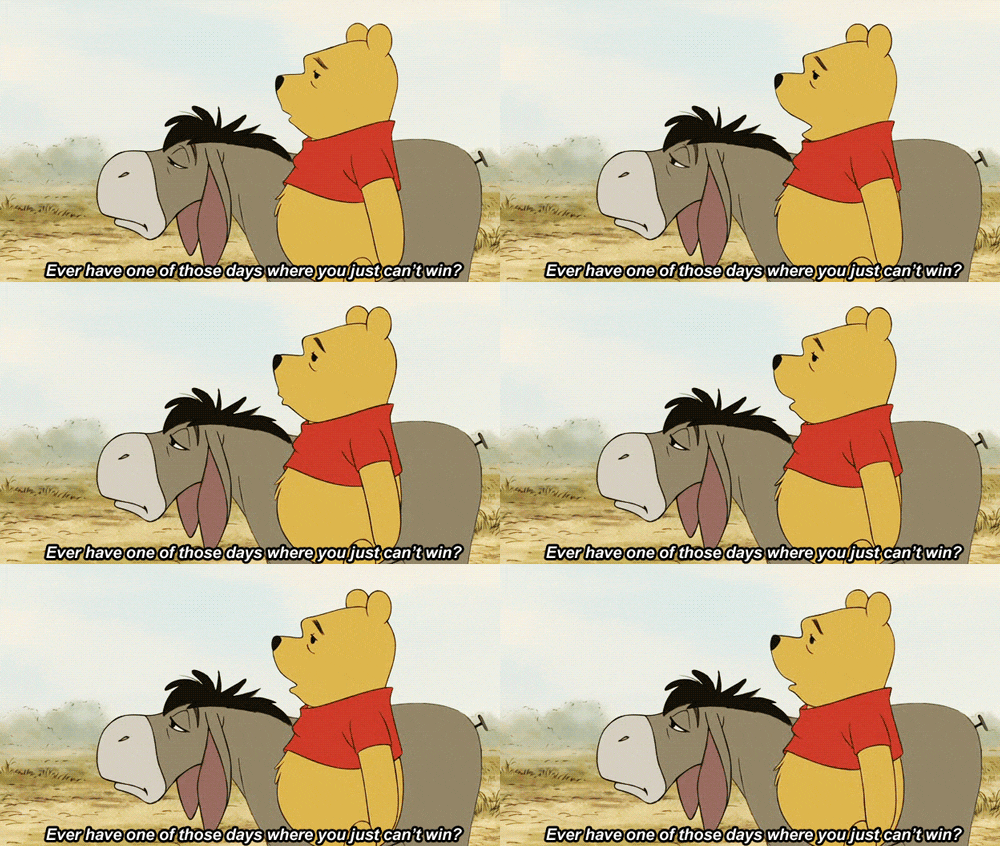
Eyeore: a melancholic recluse who has all but given up on life, yet still manages to keep things together with the help of others.
Owl: a blustering intellectual who tends to think he knows what he’s talking about, but often gets it wrong.
We recognise these traits to varying degrees within ourselves, which could explain why Pooh is so timeless.
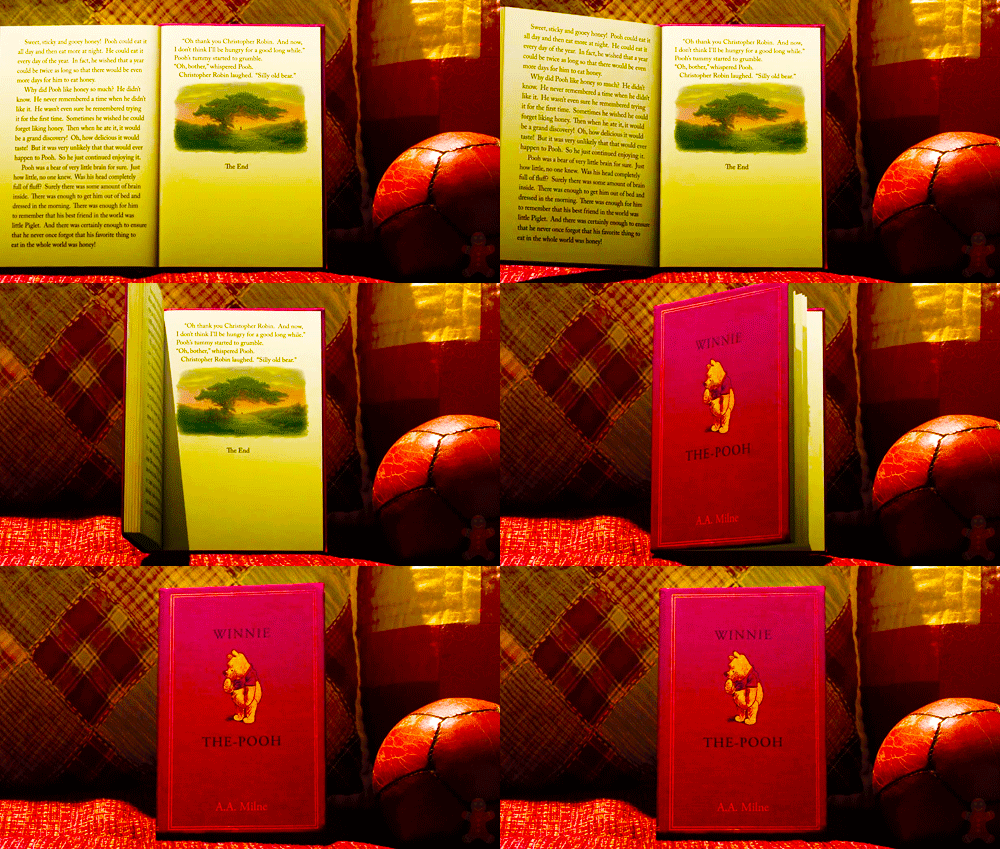
A wonderful continuation to popular cult of Winnie the Pooh is the book by Benjamin Hoff called The Tao of Pooh. Published in 1982 it combines eastern Tao/Zen philosophy with cleverly reimagined narratives from the legendary A.A. Milne stories.
The result is something overwhelmingly magical and special. A book brimming with timeless wisdom, childlike energy, the same wonder as the original series and simple advice that never goes out of fashion, much as the original book will never go out of fashion.
So here’s some of Benjamin Hoff’s advice as seen through the lens of Winnie the Pooh. If you ever get a chance to read this book, you really must…
“The honey doesn’t taste so good once it is being eaten; the goal doesn’t mean so much once it is reached; the reward is no so rewarding once it has been given. If we add up all the rewards in our lives, we won’t have very much. But if we add up the spaces *between* the rewards, we’ll come up with quite a bit. And if we add up the rewards *and* the spaces, then we’ll have everything – every minute of the time that we spent.” ― Benjamin Hoff, The Tao of Pooh
“The masters of life know the way, for they listen to the voice within them, the voice of wisdom and simplicity, the voice that reasons beyond cleverness and knows beyond knowledge.” ― Benjamin Hoff, The Tao of Pooh
“You complain that your tree is not valuable as lumber. But you could make use of the shade it provides, rest under its sheltering branches, and stroll beneath it, admiring its character and appearance. Since it would not be endangered by an axe, what could threaten its existence? It is useless to you only because you want to make it into something else and do not use it in its proper way.” ― Benjamin Hoff, The Tao of Pooh
“A clever mind is not a heart. Knowledge doesn’t really care, wisdom does.” ― Benjamin Hoff, The Tao of Pooh
“Wisdom, Happiness, and Courage are not waiting somewhere out beyond sight at the end of a straight line; they’re part of a continuous cycle that begins right here. They’re not only the ending, but the beginning as well.” ― Benjamin Hoff, The Tao of Pooh
“We don’t need to shift our responsibilities onto the shoulders of some deified Spiritual Superman, or sit around and wait for Fate to come knocking at the door. We simply need to believe in the power that’s within us, and use it. When we do that, and stop imitating others and competing against them, things begin to work for us.” ― Benjamin Hoff, The Tao of Pooh
“You’d be surprised how many people violate this simple principle every day of their lives and try to fit square pegs into round holes, ignoring the clear reality that Things Are As They Are.” ― Benjamin Hoff, The Tao of Pooh
“The main problem with this great obsession for saving time is very simple: you can’t save time. You can only spend it. But you can spend it wisely or foolishly.” ― Benjamin Hoff, The Tao of Pooh
“Things just happen in the right way, at the right time. At least when you let them, when you work with circumstances instead of saying, ‘This isn’t supposed to be happening this way,’ and trying harder to make it happen some other way.” ― Benjamin Hoff, The Tao of Pooh
“Do you really want to be happy? You can begin by being appreciative of who you are and what you’ve got.” ― Benjamin Hoff, The Tao of Pooh
“Lots of people talk to animals…Not very many listen though…that’s the problem.” ― Benjamin Hoff, The Tao of Pooh
“Like silence after noise, or cool, clear water on a hot, stuffy day, Emptiness cleans out the messy mind and charges up the batteries of spiritual energy. Many people are afraid of Emptiness, however, because it reminds them of Loneliness.” ― Benjamin Hoff, The Tao of Pooh
“The wise are who they are. They work with what they’ve got and do what they can do.” ― Benjamin Hoff, The Tao of Pooh
“Cleverness, after all, has its limitations. Its mechanical judgments and clever remarks tend to prove inaccurate with passing time, because it doesn’t look very deeply into things to begin with.” ― Benjamin Hoff, The Tao of Pooh
“Gathering, analyzing, sorting, and storing information—these functions and more the mind can perform so automatically, skillfully, and effortlessly that it makes the most sophisticated computer look like a plastic toy by comparison. But it can do infinitely more. To use the mind as it’s all too commonly used, on the kinds of things that it’s usually used on, is about as inefficient and inappropriate as using a magic sword to open up a can of beans. The power of a clear mind is beyond description. But it can be attained by anyone who can appreciate and utilize the value of Nothing.” ― Benjamin Hoff, The Tao of Pooh
Endless growth is the mantra of wealth funds, publicly listed companies and well-to-do boomers and aspirational designer clothing wearing millennials. It’s the catchcry of neoliberal flavours of capitalism. The only problem – and it’s a significant one – is that we live in a natural world with finite amounts of resources that are able to be exploited. You can pop into the catergory of “resources”, yourself and your loved ones too, because the philosophy of endless growth doesn’t care about moral and ethical obligations that people have to their fellow human beings or our planet.
Endless Growth exists in the present moment and future tense only and will hysterically talk about what the future might hold, if we all worked a little harder, had another child for the country, paid a little more taxes, send our best and brightest off to fight in a war and so on.
No amount of greenwashing about carbon credits, or “sustainable” meat, palm oil or seafood, or “green” energy etc. actually addresses the underlying problem, which is late stage capitalism’s obsession with growth. At any cost, even if it means blatant lying and deceiving citizens is a means to an end, in order to streamline growth.
Endless growth in living organisms = cancer. Endless growth is economic systems = cancer but of the cultural, economic and social kind l. Nothing that’s living can go on growing indefinitely.
As our ancestors in every culture of the world noted, nature, our bodies, seasons, music and everything that exists naturally exists in undulating rhythms, cycles circles and ultimatebalance.
All sounds really depressing right? We can console ourselves, although we may not be here as a species to witness the mea culpa moment of collective realisation. That eventually endless growth will need to slow down. This will force an equilibrium one way or another and the organisms that remain here, homo sapiens or other beings, will develop the requisite cognitive skills over many generations to decide what happens next and they may opt for another way of seeing the world, not endless growth.
If we are lucky, another scenario might present itself. Where people who remain here might be able to foresee the folly of endless growth and stop it before it’s too late.
What do you think of how we run our world? I would like to know…
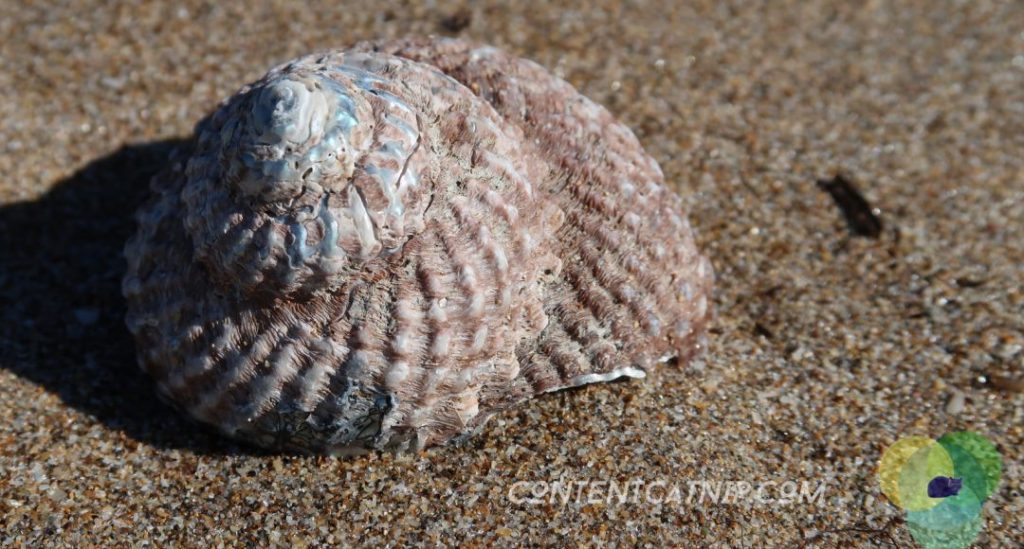
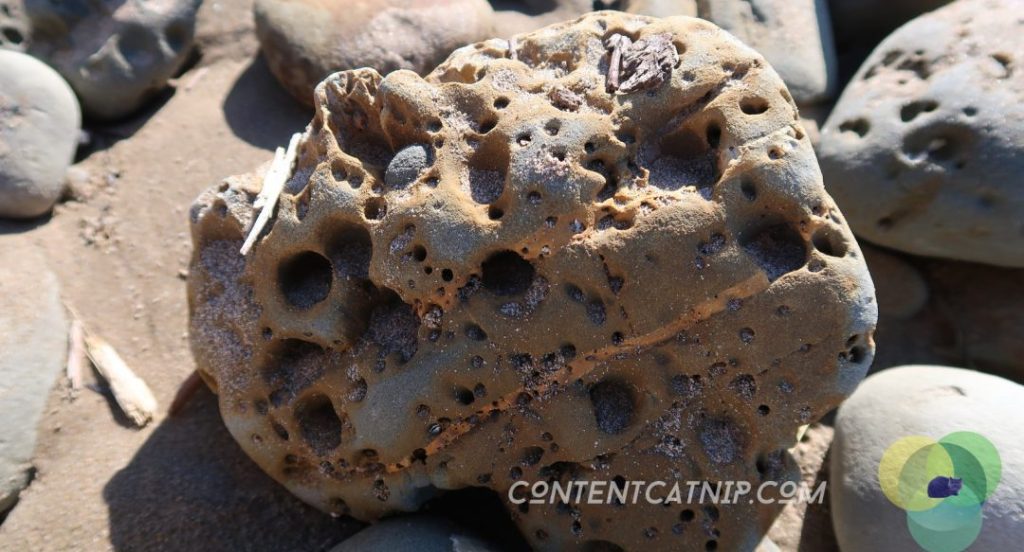
People seldom visit the Eastern Cape of the North Island because of its complete isolation from the rest of the country’s bustling travel routes. It’s quiet in terms of other cars – there are none, except for the occasional local farmer and logging truck ferrying wood from forests to the port in Gisborne. It’s an eight hour long drive between Gisborne and Opotiki in the Eastern Cape. It’s just you, your car and the road – there is something profoundly kiwi about that kind of isolation. There is a rugged, lonely and windswept beauty to these parts of New Zealand, and gigantic conch shells, and faded driftwood. Beach foraging here for treasures is next level. Peace and quiet here is abundant, other than the wild lashing wind.
The video
I also filmed our road trip. The track you are hearing is Halcyon&On&On by Orbital, a rave-era classic I love and it always makes me feel uplifted and happy and ready to embrace life with an open heart and open hands.
I superimposed some of my interesting oil, glitter and water experimentations over the top of my footage to get the full wavy-gravy trippy effect. In some parts I created a trippy glitch effect especially over the seagull.
I hope you enjoy my journey through the Eastern Cape.
Gisborne
We started our road trip in Gisborne to see my nan. What can
you really say about Gisborne. It has lovely beaches but mostly the place lives
up to its namesake of Poverty Bay, because there are a lot of people here who
don’t get the right opportunities to reach their full potential. Overall there
is a bit of a depressing vibe here.
Although I won’t harp on about the negatives about Gisborne, there are many positives too. There is a real sense of tight-knit community. If you have a car break down here you will get five people stopping within the first ten minutes. I saw this in action when I had a cousin break down on the main street, within minutes she had three carloads of people stop and ask if she needed help. My nan and I got our nails done in the local nail salon and it was really lovely. A lot of my distant relatives live here, it’s like going home, even though I have never lived there.
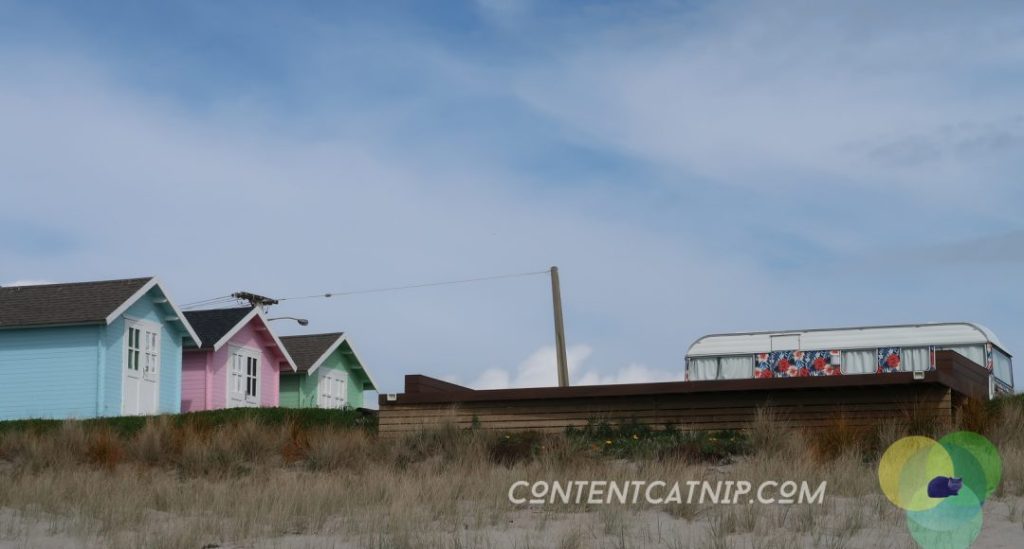
This was a rugged, beautiful beach about 16km out of
Gisborne with gigantic conch shells and driftwood that visitors had formed into
lovely huts. A local artist has erected a sign saying Turihaua which made me
remember the name . It was particularly windy and sunny this day, which made
the windswept beauty more vivid and enjoyable. There’s a camping
ground there and not much else, but if you are after complete
isolation and a beautiful wild beach, then this is the place and probably my
favourite beach in the Eastern Cape.
Tolaga Bay Wharf
Continuing up the eastern cape, we came to Tolaga Bay wharf.
This is a crumbling relic of a bygone era that has been faithfully restored by
the local community. It stretches out 100m and used to be used to ferry goods
to the area before the Second World War, after this it fell into disuse.
Walking along it with the white cliffs, the whole area was very scenic and
great for photos.
Tokamaru Bay
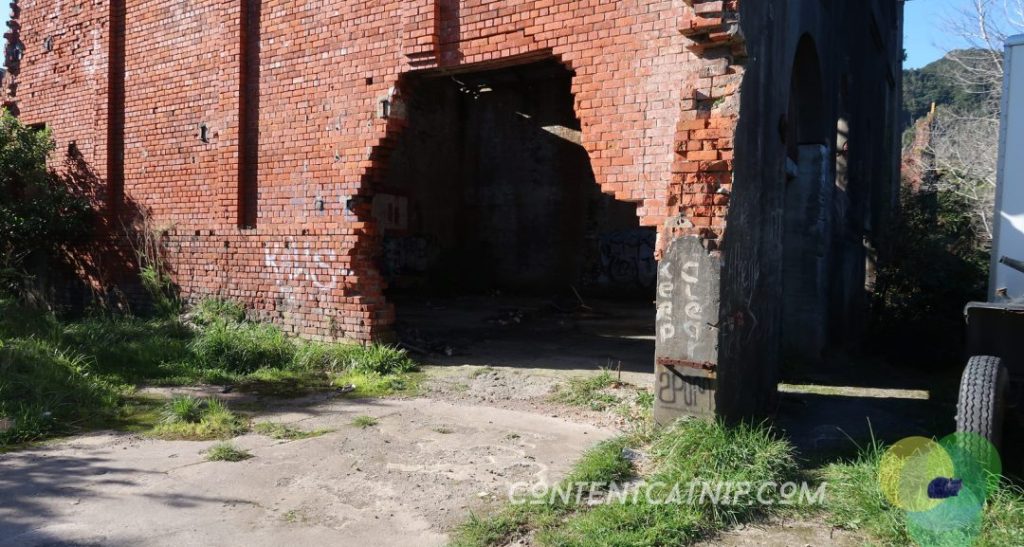
We stopped along the way in Tokamaru Bay. This area had a
real hippy, slightly abandoned atmosphere, as though it had seen better times.
Some of the buildings had been completely abandoned, or otherwise looked
shabby, which gave an eerie feeling to the place. A tiny beach hidden in a cove
there with a jetty was home to some local artists and sculptors, what a lovely
place to go off the grid!
Broken down factories in Tokamaru bay
Raukokore Church
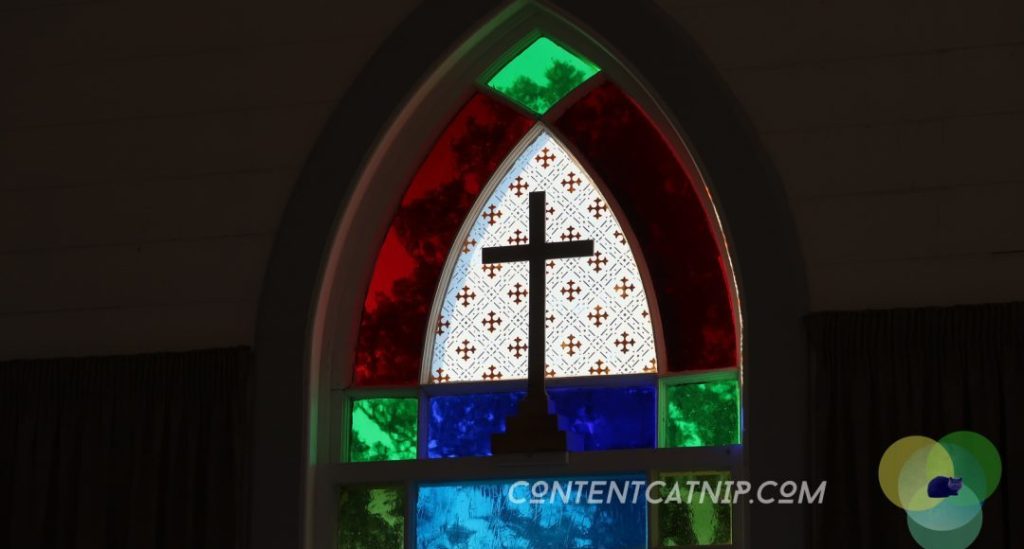
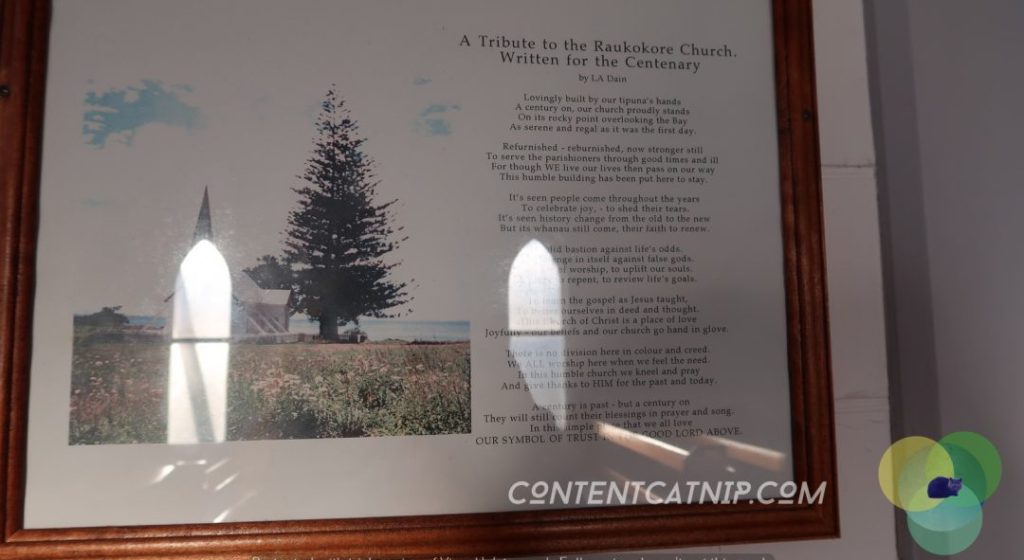
On the edge of the world it seems, there resides a windswept and century old church where parishoners have congregated and worshipped and families have grown and flourished. From looking at the poem in the church I could sense all of the lived history of the locals here. I love old and lonely churches, especially in the late afternoon as the sun streams through their leadlight windows. This one had a humble, peaceful and serene vibe, it smelt of warm wood and musty sea salt. I could sense all of the people singing there across the ages. I could have stayed in there a long time but I was hastened to go by my driving partner.
Pukehina Beach
We ended up road trip through the East Cape in Pukehina
Beach, a little beachside hamlet located in the Bay of Plenty in the North
Island of New Zealand between Opotiki and Tauranga.
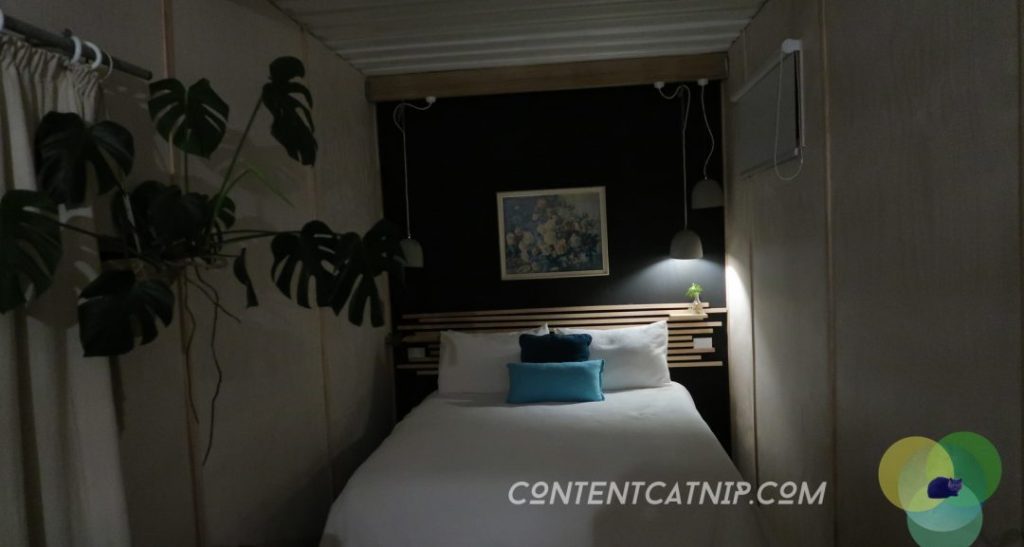
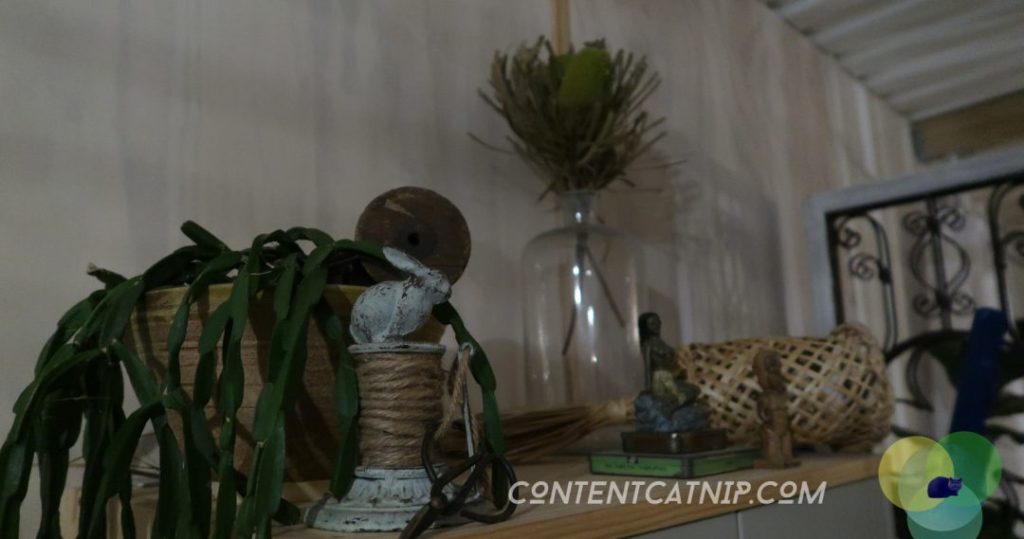
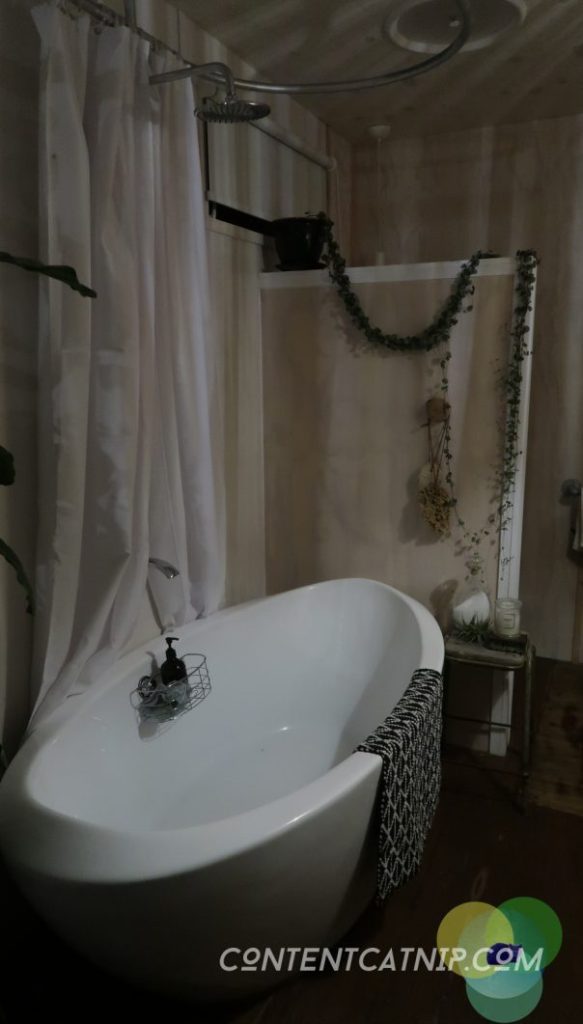
We stayed in an amazing accommodation there – a renovated
shipping container with funky retro décor inside.
Comfy bed in a shipping container through Airbnb Pukehina beach – was amazing!Staying in a shipping container through Air Bnb Pukehina beach A big luxurious bath in a shipping container through Air Bnb Pukehina beach
The area features a long peninsula of land with the Pacific
ocean on one side and a wetlands behind it. A long, long road of about 10 km in
length features baches (Kiwi beach houses) and a quirky, arty, laid-back vibe.
There is one pub which doubles as both a café and dairy during the day along
with a small fish and chip shop. There is something genuinely Kiwi about this
place that made me want to live here.
Beachy vibes in Pukehina beach An unconventional house in Pukehina beach
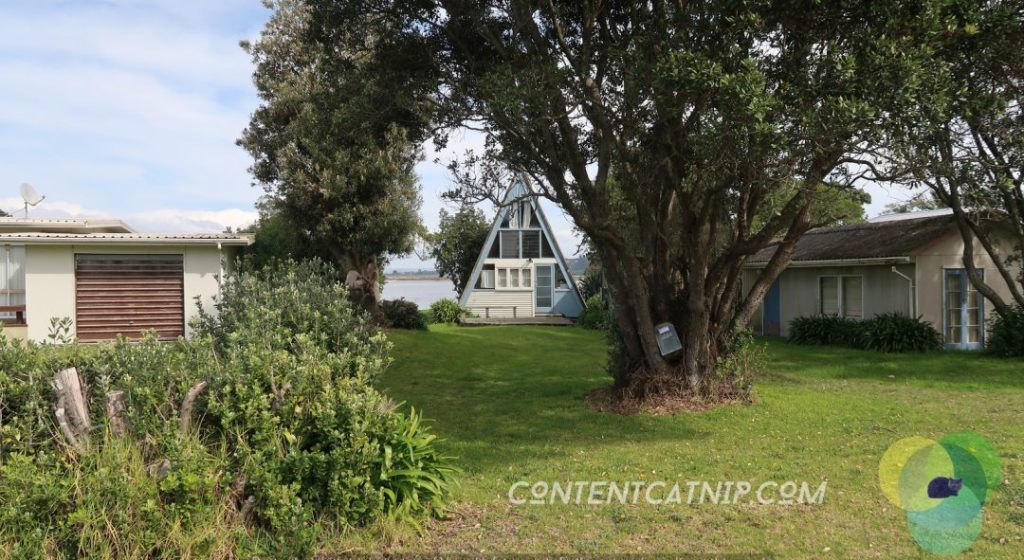
People have set up unconventional houses here, with
renovated corrugated iron sheds and shipping containers as homes. I really
admire this kind of DIY aesthetic, where anything goes and it’s a bit chaotic.
This kind of approach to design tends to result in a lot of weird eclectic
things which go towards making a place unique.
On the beach there were kms of houses facing the ocean,
along with vacant blocks. On browsing online I found that these blocks were
selling for about 300K. Not bad compared to Auckland prices. I had fantasies
about moving here, although really there’s nothing you could do here in terms
of work unless you either worked remotely, worked in the local fish and chip
shop or sold weed. Any of those options might work. It’s idyllic, very quiet,
and almost somnambulant in pace.
A sea-dwelling visitor
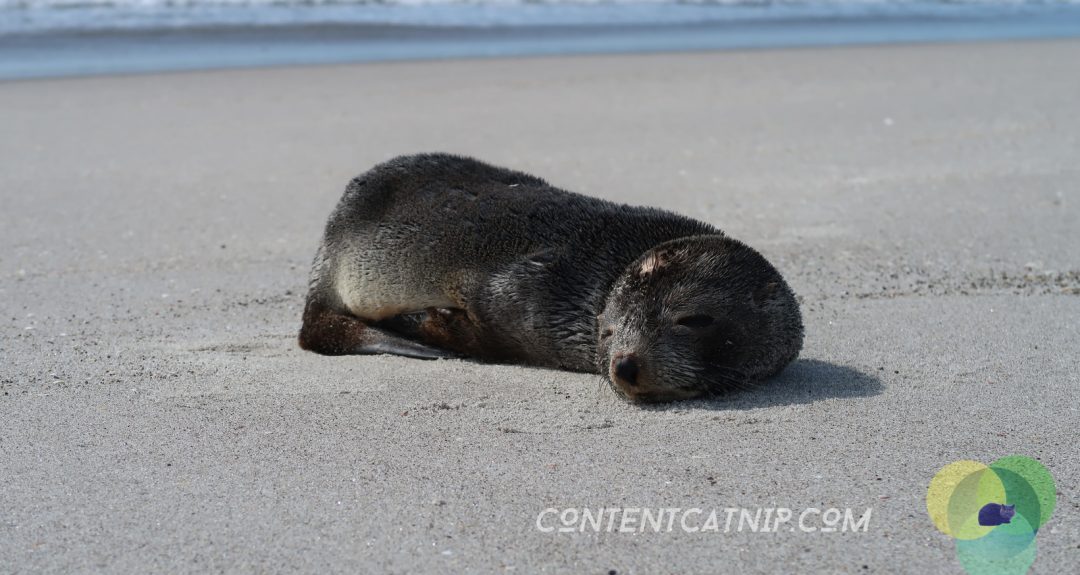
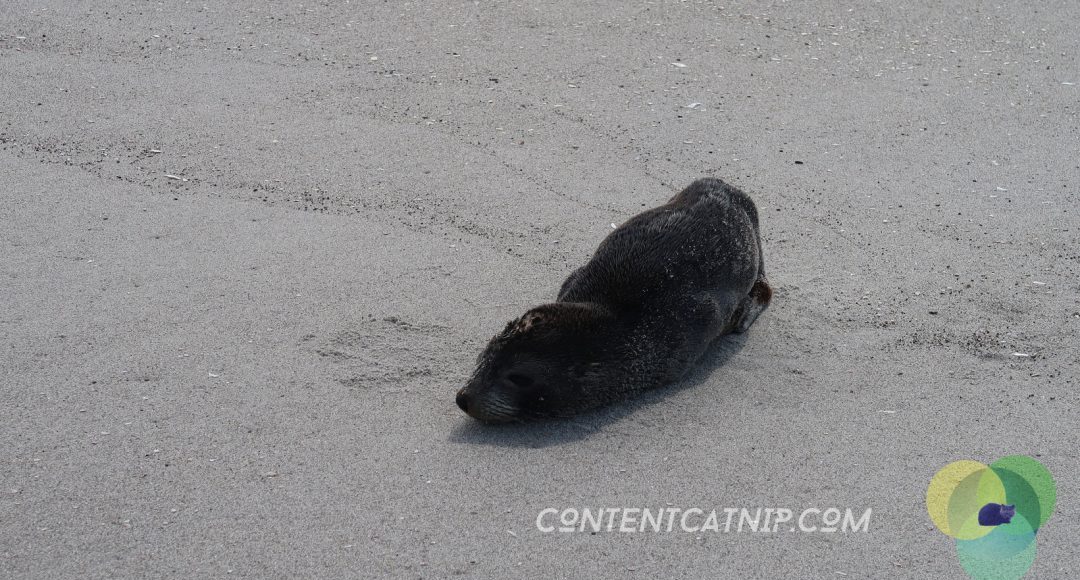
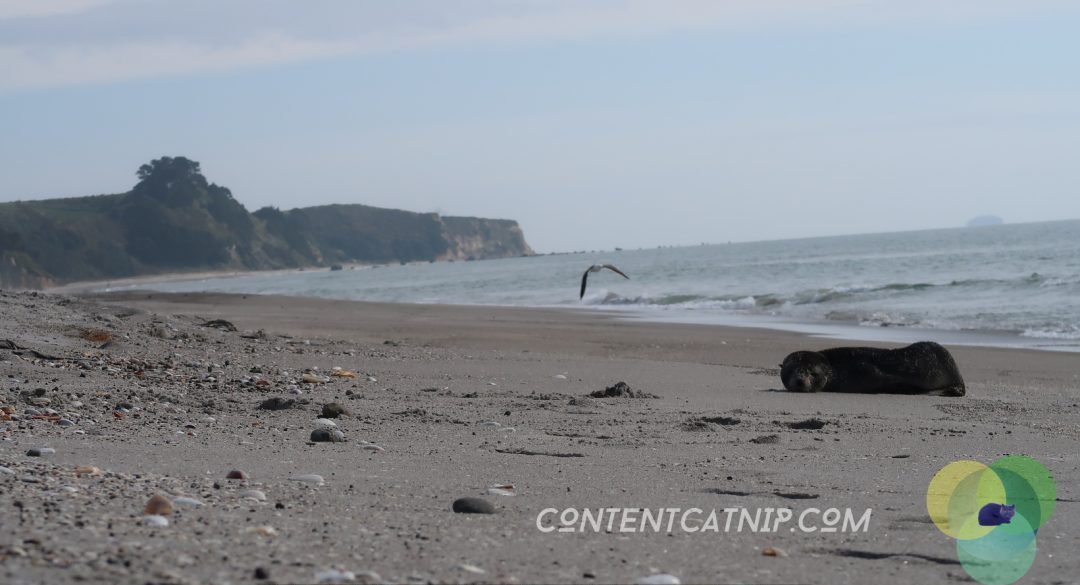
While walking along the sand we came upon a sea-dwelling visitor. A baby seal which looked slightly bothered by us walking past. He seemed to have a minor head injury, as though a dog had tried to take a piece out of him. Although that didn’t stop this plucky little beast from rearing up at us and chortling in a strange and amusing way.
A few years back I made the mistake of calling up Department of Conservation about baby seal that was wiggling itself perilously close to the road in Ruatoria, and was without her mother. I was told by the ranger to leave her alone and let nature run its course. I felt deep sadness to have to do this.
Get a time-traveller’s guide to #medieval #Europe, some timeless words from Albert Camus, a hand-sewn heart, homely and warming porridge meals, bewitching cat-eye makeup and much more. Welcome to edition #129 of #InterestingThings by #ContentCatnip
Just when you thought Australia’s megafauna couldn’t get any weirder – along comes a gigantic mega goose weighing 230 kilos.
Found in South Australia’s Lake Callabonna, an intact skull of the ancient megafauna bird, Genyornis newtoni, has finally been unearthed. This paints a vivid picture of this prehistoric giant.
The 230kg bird would have towered over today’s extant species. This extraordinary discovery reveals Genyornis had a powerful bite force, ideal for crushing plants and fruit, and a unique casque atop its head, suggesting it thrived in aquatic habitats. Read more at Cosmos Magazine.
Always imagine what it would be like to time-travel to medieval Europe or medieval Asia and how this would look?
This unique guide speaks to ‘you’ the viewer as though you are about to embark on a trip of a lifetime (or rather a millennium). Answering questions like, would you need to get a vaccination? what should or shouldn’t you say to the locals? etc. History through these terms is seen through new and exciting eyes…highly recommended!!
A dear friend of mine Rajan shared this with me when he realised I was feeling exhausted and burnt out, it helped me a lot. I know a lot of this quote is well-known and no doubt you’ve heard parts of it before…to me it still packs a punch when read as a whole thing:
In the midst of hate, I found there was, within me, an invincible love.
In the midst of tears, I found there was, within me, an invincible smile.
In the midst of chaos, I found there was, within me, an invincible calm…
In the midst of winter, I found there was, within me, an invincible summer.
And that makes me happy. For it says that no matter how hard the world pushes against me,
within me, there’s something stronger – something better, pushing right back.
Canadian macrame artist Janis Ledwell-Hunt’s intriguing growing heart
The surface of each of my sculptures is composed of thousands of tiny knots. Like nature, knots carry their metaphorical baggage with a certain nobility. Knots are sensible; they follow a logic; they grant security and safety if tied well; they repeat to form hypnotic, structured, geometric patterns; they tie together all loose ends; they truly can save us from a very bad day. But I prefer to subvert the seeming safety of knots in order to wrestle with their subtext. Knots are formed by tension: they’re constricted little clusters that are characteristically difficult to undo once fastened; and they are a means of hardening an otherwise soft and pliable fiber. In other words, knots express a relationship that is both felicitous and punitive.
The one thing all miserable people have in common is they trust others too much with their future. They go to school, get a job, and marry someone without questioning if they chose that path. They trust their doctors more than their body. They give up before they’ve even gotten started.
Then they wake up one day, ten years later and ask themselves, “What have I done?”
If you look around and see that 99% of people are unhappy, stop doing what they’re doing.
Back in 2017, after I heard Jordan Peterson say, “The amount of meaning in your life is directly related to the amount of responsibility you’re willing to take on,” I was never the same person again. I pursued that truth relentlessly and can report back now that he was 100% correct.
I see things like this and it reminds me how petty, self-absorbed and comfortable my own life is. I feel sad for these people and also grateful for my own life and my own warm and comfortable shelter when I see this.
Irrespective of your current challenges, you can always choose to return to your innate softness of being. Soften to your essence that is soft by nature. When you do so, your soft beingness extends into your reality, and life too softens for you.
I love oatmeal and to be honest I could have it at any time of the day not just breakfast, these remixe on the classic outmeal breakfast look amazing…interesting to see some savoury takes on it.
This macabre vintage science fiction painting captures so much human and alien emotion, note the vertical tear drops on the alien’s head! A mind-blowing artwork by Gary Ruddell from a short novella series by Robert Silverberg. Via Sci-Fi Art on Twitter
“Nothing is ever really lost to us as long as we remember it.”
~ Lucy Maud Montgomery
As long as you are breathing, there is more right with you than there is wrong, no matter how ill or how hopeless you may feel. But if you hope to mobilize your inner capacities for growth and for healing and to take charge in your life on a new level, a certain kind of effort and energy on your part will be required…. It will take conscious effort on your part to move in a direction of healing and inner peace. This means learning to work with the very stress and pain that is causing you to suffer.
Life has given me a lot of challenges, sometimes it feels overwhelming and insurmountable. Sometimes a light clicks on, that sublime light to make you really feel hopeful though. If you treat yourself gently and with self-care you will hear a loving voice inside of yourself saying “See! You can do this. See! It will get better. See! You do have choices and you do have power”. Lean into that voice, it’s the timeless higher part of you that only wants the best for you.
DIY Face Mask
I have a great recipe for a face mask which includes bentonite clay, almond oil banana, peppermint and coconut yogurt. This is so nourishing, cooling and soothing and literally rearranges my brain making me feel like a new person. I mix this in an iridescent phoenix bowl bought in Japan.
My vintage kimono
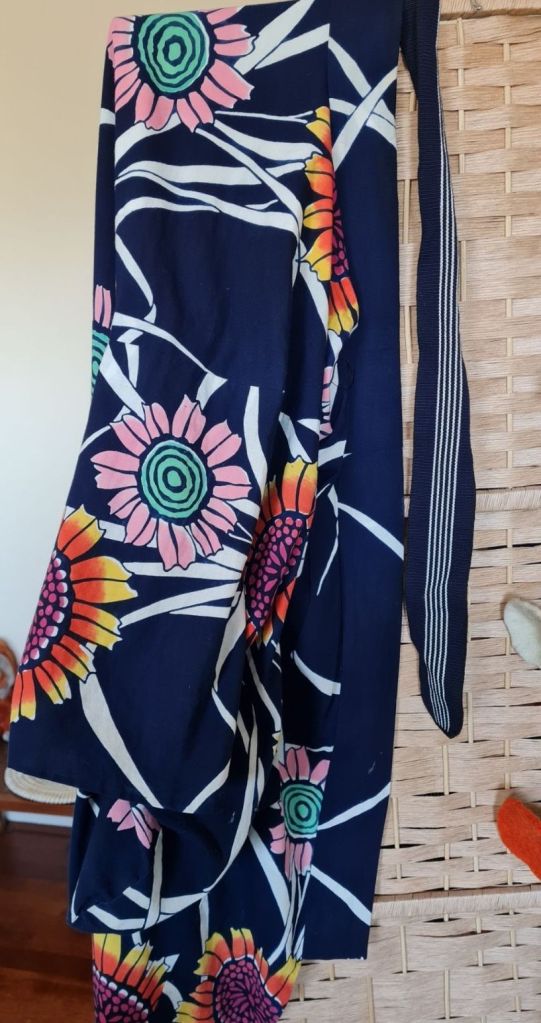
I have a summer kimono made of cotton (known as a yukata) that I put on and when I tie the belt it makes me feel so good like I’m in a cocoon. I feel beautiful, elegant and feminine in it. If I’ve been wearing trousers all week, when I lounge I want to feel like a beautiful princess.
My forest green fluffy jumper
Just one of those cheap ones made of an ultra soft plushy material. It’s a cheap material so I feel guilty I bought something that may be fast fashion but I keep everything until it’s falling apart and then generally upcycle it or if it’s still ok I give it to the charity.
My oracle cards
Oracle cards are an indulgence and a laugh when times are good. They have a bit more gravity and meaning when times are challenging and they can provide mental clarity about issues in your life when you feel a bit lost or worried. A big proviso, not all oracle cards are the same. Some have incredible art and profound insights. Others are a bit meh. I’ve found two of the former in the past and reviewed them on this blog, here and here.
Playing my hang drum
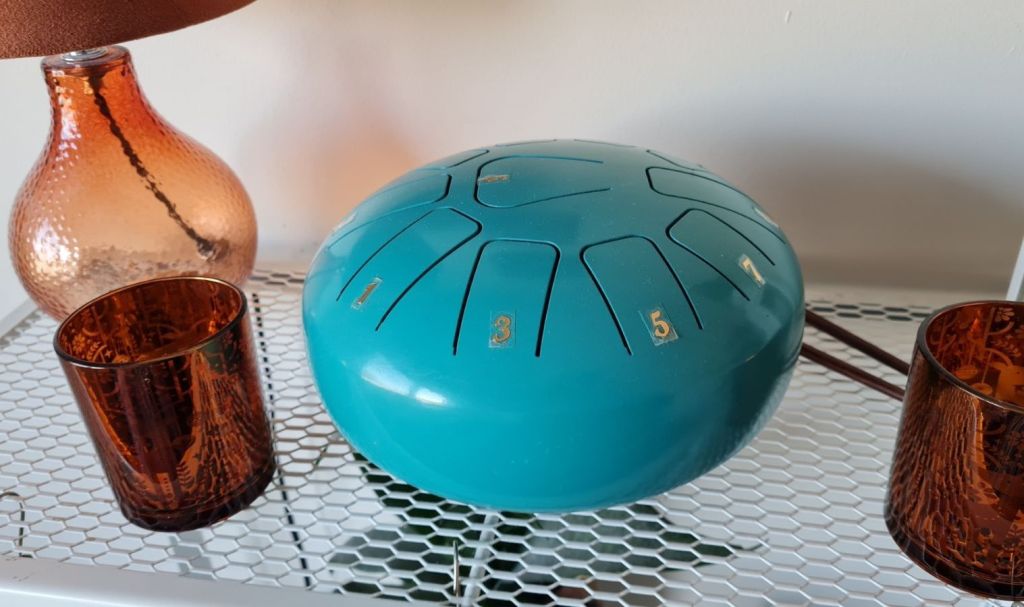
I have a small metal drum in my favourite colour teal and this produces melodies and uplifting sounds when played. I take it to the beach nearby and play it on a blanket and watch the waves come in feel the force of energy from the ocean and sky on my body, the smell of the salt.
Grateful emotions
I list out all of the things I feel grateful for in my life, one by one inside my head. It could be internal qualities like resilience or emotional intelligence, it could be finding creative ways around and through difficulties. It could be external things like beautiful and kind friends or my irreplaceable, kind and amazing partner who I love so much. If things go wrong in an area of life, it’s always good to remind yourself of what’s going right and hug this to yourself like a beautiful shield and a talisman.
David Goggins’ cookie jar method
I didn’t read this book, the Polish Bear did but one insight really stuck. When you feel like you are broken and defeated in life, a technique can help you to get back up again. It’s to recall specific difficult situations in your life and how you overcame them. Write all of these down. Were you bullied, abused or abandoned? Write it down and how you found ways to cope with that. Make sure you highlight the internal qualities of strength you developed overcome it. Write it all down on pieces of paper and put it in a literal jar and seal it. Open it and read them all again when you feel down. This is wonderful and it WORKS. More about it here.
Goggins is a hardcore athlete and a bit full on intense for me but he’s very straight to the point and I like that, his method works for me.
Making art 🎨
Be focused on the feelings it gives you and not the end result. Does it calm you down? Do you feel the dark clouds dissipate, and a blue clear sky emerge? Then it’s worthy of your time, lean into that and again don’t be focused on how it looks or its style or the outcome.
Nature and exercise
Trees, animals and just being outside in nature can make you feel calmer and stronger. It’s like the natural world can bring a strong sense of mindfulness to your life. A sense of time passing, your bodily senses as you use your body. All of these ground you in reality instead of your own head.
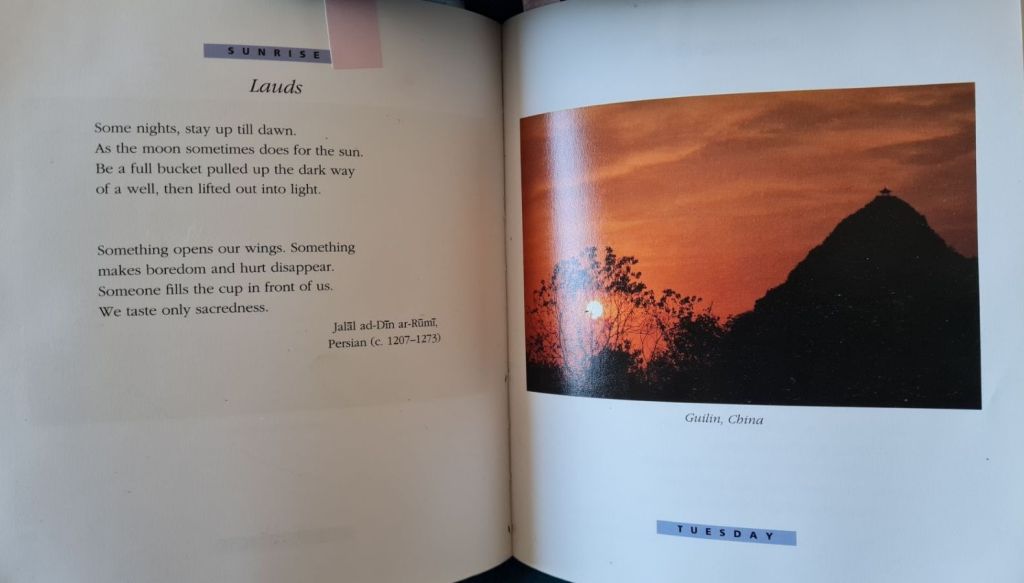
To end I’d like to share one of my favourite series of words of all time.
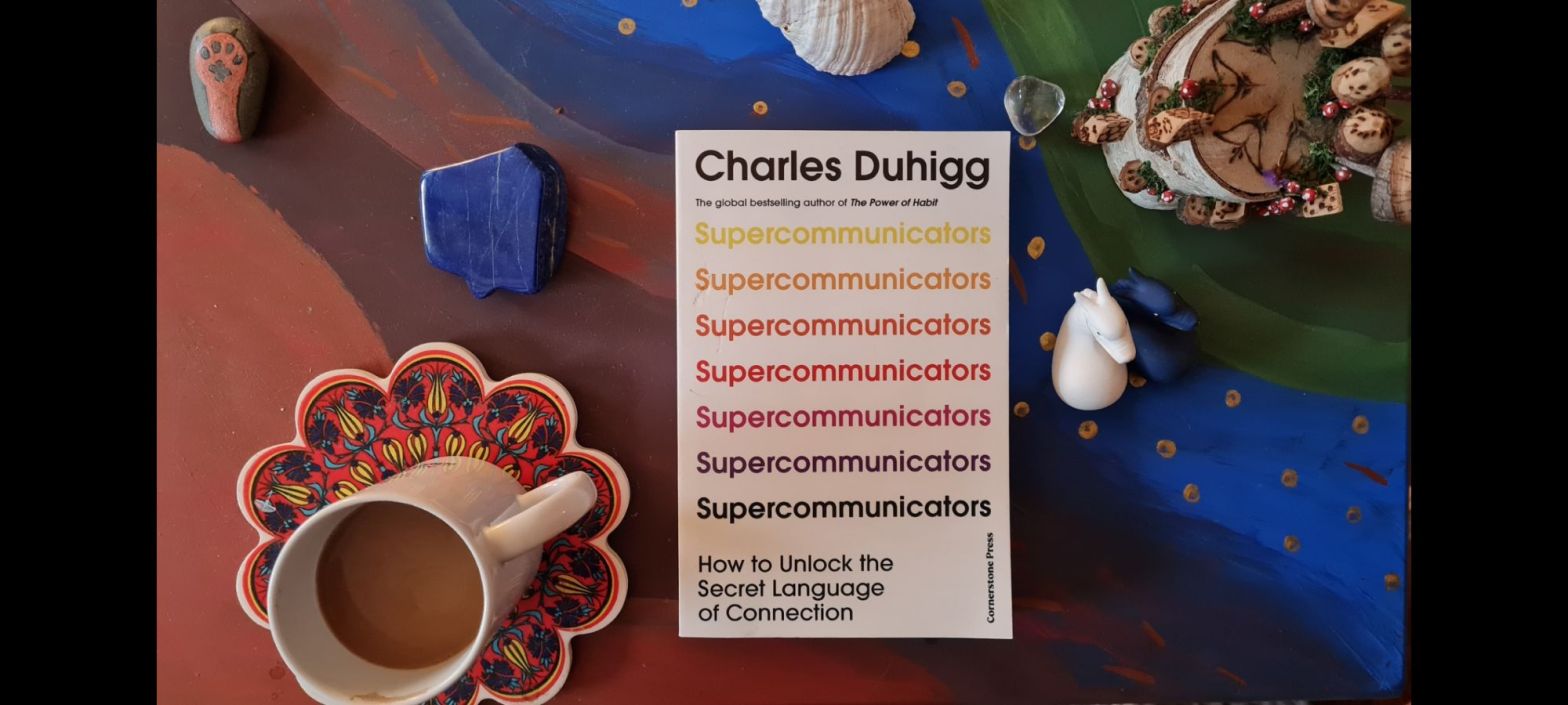
Ever wondered how spies manage to recruit double-agents? or how rifle-toting members of the NRA could find common ground with those who want to abolish guns in America? This is a practical and yet exciting guide to how to get better at communicating with friends, family and colleagues.
Rating: 🌟🌟🌟🌟🌟
Genre: Non-Fiction, Psychology, Communications
Publisher: Penguin
Review in one word: Fascinating
As a guide for meaningful improvement to one’s personal and professional communication, Supercommunicators by Charles Duhigg excels in every way. However, it’s more than that, with lessons drawn from immensely complex situations in the world it manages to clarify and codify the ways to make communication work in the most desperate and hostile of situations.
The different rules for communicating are thematic and are wrapped around with real world scenarios and real world people and what they have learned from successful and failed attempts to communicate. This makes the takeaway learnings incredibly meaningful and memorable.
You can easily identify the tactics that work and those that are likely to fail and that you should avoid.
As someone who communicates for a living, I still find people and their emotional complexity stressful and confusing. Here’s a book to help you not put your foot in the mud and to maintain and grow relationships with people wherever you can.
Book Review: Supercommunicators by Charles Duhigg
Steps to becoming a ‘Supercommunicator’
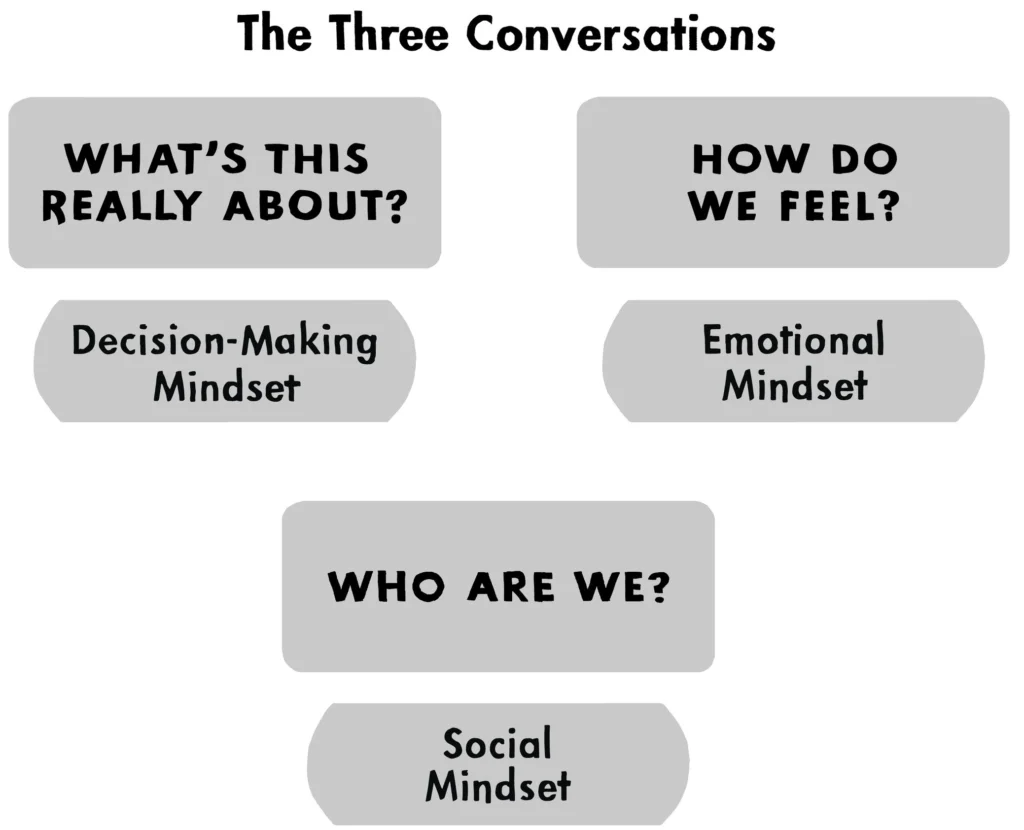
1. Recognise and adapt to whatever kind of conversation is going on
This is a critical first step to building meaningful connections with people. To do this you need to recognise what form of conversation is going on.
Practical conversation: About decision-making, problem-solving, is action-focused. What’s this really about?
Emotional conversation: Allows people to express their feelings, memories and experiences and fosters empathy between people. How do we feel?
Social conversation: Is about identities, relationships, how people perceive themselves and interact with others. Who are we?
When we synchronise with others in the conversation we literally sync our brain waves together with others in the conversation and this enhances empathy and mutual understanding.
Reflect on your intent before engaging, actively listen, ask open-ended questions, and share your experiences when appropriate.
Connection and love
2. Practical Conversations: Decision-making and problem-solving
These conversations revolve around logistics and steps necessary to achieve specific objectives. They are task-oriented and often involve planning, organising, and coordinating efforts to meet a goal.
Understanding the essence of practical conversations – those that ask, “What is this really about?” – is crucial for engaging in meaningful discussions. These conversations often arise when surface discussions hint at deeper, unaddressed issues or when the real topics of interest are being avoided.
Key question: “What is this really about?” This question helps to clarify the core issue or task at hand, ensuring that everyone is on the same page and working towards a common objective.
3. Emotional Conversations: Expressing feelings and fostering empathy
Emotional conversations often want to discover ‘How are we feeling?’ .They allow individuals to voice their emotions and find empathy. They deepen connections on a personal level by acknowledging and validating feelings, creating a sense of understanding and support.
Key focus: Listening and responding to emotional cues. This involves being attentive to the emotional undertones in the conversation and responding in a way that shows empathy and understanding.
Empathy and Understanding – Creator Writings
4. Social Conversations: Exploring identities and relationships
These conversations delve into how individuals perceive themselves and interact with others. They often involve discussions about personal beliefs, values, and social dynamics, helping to build and reinforce social bonds. They ask the underlying question: ‘Who are we?’
Key focus: Understanding social dynamics and personal narratives. This means being aware of the broader context in which conversations occur, including social roles and relationships.
Key Tactics in order to become a ‘Supercommunicator’
Reflect on your intent
Before engaging in any conversation, take a moment to reflect on your purpose. Ask yourself, “Why am I speaking?”
Reason: Clarifying your intent helps ensure that your approach is aligned with the conversation’s needs. Whether you’re aiming to solve a problem, express emotions, or explore social dynamics, understanding your goals helps guide the interaction.
Actively listen when others are speaking
Demonstrate that you’re truly engaged by nodding, maintaining eye contact, and paraphrasing what has been shared.
Reason: Active listening confirms your understanding and shows your conversation partner that their thoughts and feelings are valued. This level of attentiveness builds trust and signifies to others that they’re being heard and their thoughts are being respected.
Ask open-ended questions
Ask questions that demonstrate that you have been deeply listening and that prompt more than simple yes or no answers.
Reason: This approach signals your genuine interest to your conversation partner and encourages them to share more comprehensively. Open-ended questions pave the way for a more nuanced dialogue, allowing for deeper exploration of topics.
Reciprocal Sharing
Share your own experiences and emotions when appropriate.
Reason: Reciprocal sharing creates a stronger bond between you and your conversation partner. It fosters an environment where both parties feel comfortable opening up more freely, deepening the connection.
Recognising Conversation Cues
Identify signs of disconnect or superficial engagement between you and others. Such as polite exchanges that avoid the core issue or hesitation to address what’s genuinely on everyone’s mind.
Reason: Addressing these cues can lead to more effective and meaningful dialogue. By recognising and confronting the real issues, you can steer the conversation toward more meaningful exchanges.
Brain Synchronisation
Aim to align your brain activity with your conversation partner’s through meaningful exchanges.
Reason: Promoting empathy and shared understanding can physically harmonise brain activity, making your conversations more captivating and profound. This neurological sync underscores the power of communication and the importance of shared empathy.
I have added these notes from the book for my own future reference. However, if you don’t have time to read the book, this summary should provide a brief nutshell theory behind it. Supercommunicators is genius and well worth the purchase. Part of its genius are the interwoven narratives that reveal compelling real-world cases where someone has overcome a seemingly impossible, high stakes communications problem by using these tactics. I will treasure this book and its tactics forever. Highly recommended!
Haere mai dear friends! This week, Robert Greene’s insightful advice on how to achieve strategic #mastery, a Ukrainian watchmaker breathes new life into a clocktower, funky 90s #house music, festive #vegan fried rice more #ContentCatnip #InterestingThings
Maxi Jazz the musician, singer and poet from the electronic group Faithless sadly died about a year ago. Their music left and deep indelible mark on my life and his deep gravelly voice is so iconic. Here are some of his last words and boy oh boy, they are beautiful. Miss you Maxi and may you rest in power.
Tech entrepreneur Reid Hoffman and the Audacious Project have unveiled a $10 million prize for anyone who can crack the code of animal banter! The Earth Species Project aims to use AI to translate the secret languages of our furry, feathered, and finned and clawed friends. This global challenge invites scientists and tech wizards to team up and unlock the mysteries of animal communication, paving the way for a deeper connection with wildlife and sparking a conservation revolution. It sounds like the stuff of science fiction, just imagine mutual understanding between species?! It might just be the beginning of a more respectful relationship with them!
Fran Lebowitz on culture
“People show me their babies to see if I can tell if they’re gonna be smart. You can tell a baby is smart if she laughs. If she doesn’t laugh…don’t spend a lot of money educating the kid because it’s not gonna work”
“Things may be in fashion, but maybe you shouldn’t wear them. I would really like adults to dress like adults. Children look cute in children’s clothes but adults don’t. They look either deviant or like a slob. Usually more like a slob”
It may be challenging to find balance in what has become a relatively chaotic atmosphere. The scales have been swinging wildly from one side to another and it seems as if the harmony that you and those around you so desperately crave will never arrive. Do not be disheartened by this beautiful child! There is a peaceful center point, over the course of Earth’s existence, that has been achieved time and again. It may feel like it will never happen but, The Universe always finds a way. Your part in this process of much bigger than you think. When you move closer to your loving center and find balance within, the energy is added to the others who are doing the same. This creates what your world needs in order to for evenness to exist. Do not give up, it is on its way! ~ Creator
My lovely friend on here Thomas Slatin has an ongoing series that is designed to inspire, embolden and give creative writers a breath of fresh air. It’s a weekly series with thoughtful and inspiring poetry, quotes and facts from history. Her weekly inspiration round-up is amazing check it out!
Go confidently in the direction of your dreams! Live the life you’ve imagined.Henry David Thoreau
Ukrainian watchmaker fixes an old clocktower on a remote Canadian island
In an improbable confluence of geopolitical strife, childhood wonder and salty air, a Ukrainian watchmaker has repaired a 118-year-old town clock in eastern Newfoundland that hadn’t told time in decades.
Liudmyla Pass, 68, had been in Newfoundland less than a month when she climbed the stairs to the long-silent clock tower in the coastal town of Carbonear on Tuesday, armed with her tools and five decades of expertise.
About four hours later, she had the clock’s gears clicking and turning, said her daughter, Yulia Veretennyk. The metal was rusty and crusted over with salt from the ocean air, said Veretennyk, translating for her mother. Pass gave it a good scrub and then carefully reset the machinery.
Hope is the spark within the flint,
The birth of flame, the rage of life.
It is the tree within the seed, the song within the shell,
The briar that protects the heart.
Hope is the tears that sting the eyes,
The love that screams into the dark.
Shatter my soul in shards of silver;
Mirrors to the stars.
The face reflected is your own -
See me, and see yourself.
A thing of flesh and bone, no angel's wings
To fly above the blood and pain,
But hands to hold, to heal, to sow,
A voice to sing laments or praise.
Through all the aeons, it is here
With us, Hope makes her home.
By River Crow
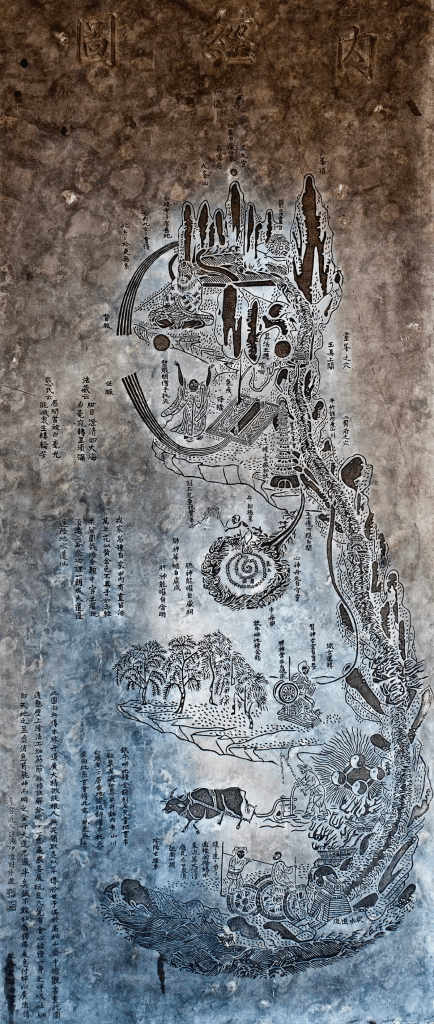
Taoist texts described Lao Tzu’s body as a kind of map for the entire cosmos, visualizing their own individual body like a smaller version of the entire cosmos, and likening the entire cosmos to a larger mirror of one’s own body. Bringing one’s body in alignment with the cosmos was understood to grant Taoists the ability to transform the environment around them by transforming their own bodies.
What happened in the body was understood to have an effect on the entire universe, just as the environment has an effect on one’s body.
The Taoist inner landscape diagram of the human body. Nikolaj Potanin from Russia via Wikimedia Commons, CC BY-SA
It seems that Mastodon is brimming with cool people who post cool things. If you are a biophiliac, nemophilist, animal or nature lover, or you like paganism and spirituality you will find amazing stuff on Mastodon. Like this incredible photo called ‘Stone in Focus’ by Vision Logic Landscapes. And yes the title is inspired by the incredible piece of music of the same name by Aphex Twin (see music below image).
‘Stone in Focus’ (Slipstream, 2021) — Bubble Pond Shoreline, Acadia National Park, by Vision Logic Landscapes
Festive fried rice with a festive variation from Will Yeung
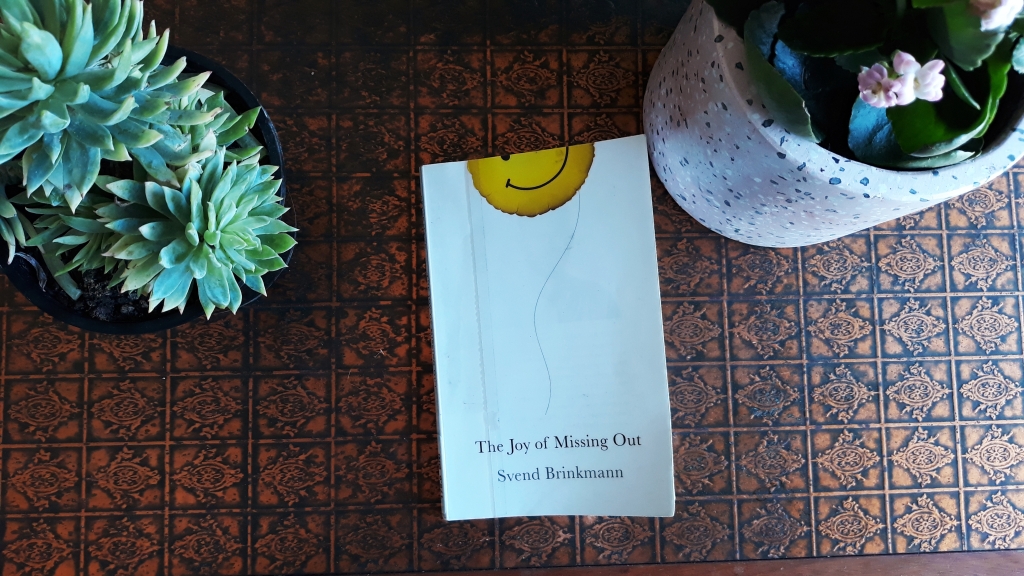
“Opt out of the relentless pursuit of personal optimisation of our lives. Opt-out of picking and choosing a new partner when we get bored of the person we have been with for many years simply because we are bored. Opt out of trying to become a social media influencer with a million friends on Instagram or Twitter. The reality is, if we want to be friends with everyone, we cannot truly have a friend. If we want to do something well, we cannot do it all.
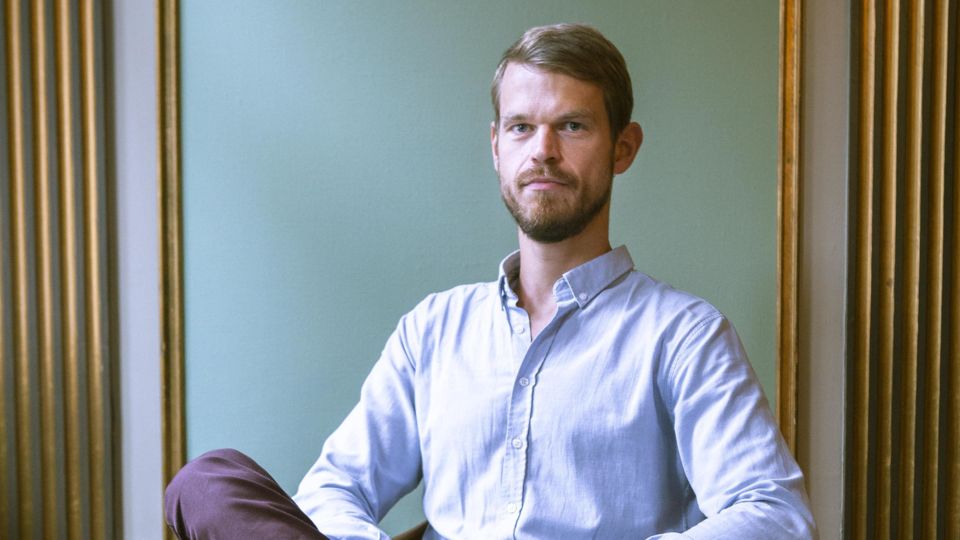
Svend Brinkmannis a Danish Professor of Psychology in the Department of Communication and Psychology at Aalborg University, Denmark. He serves as a co-director of the Center for Qualitative Studies and is the author of ‘The Joy of Missing Out’ and ‘Stand Firm’.
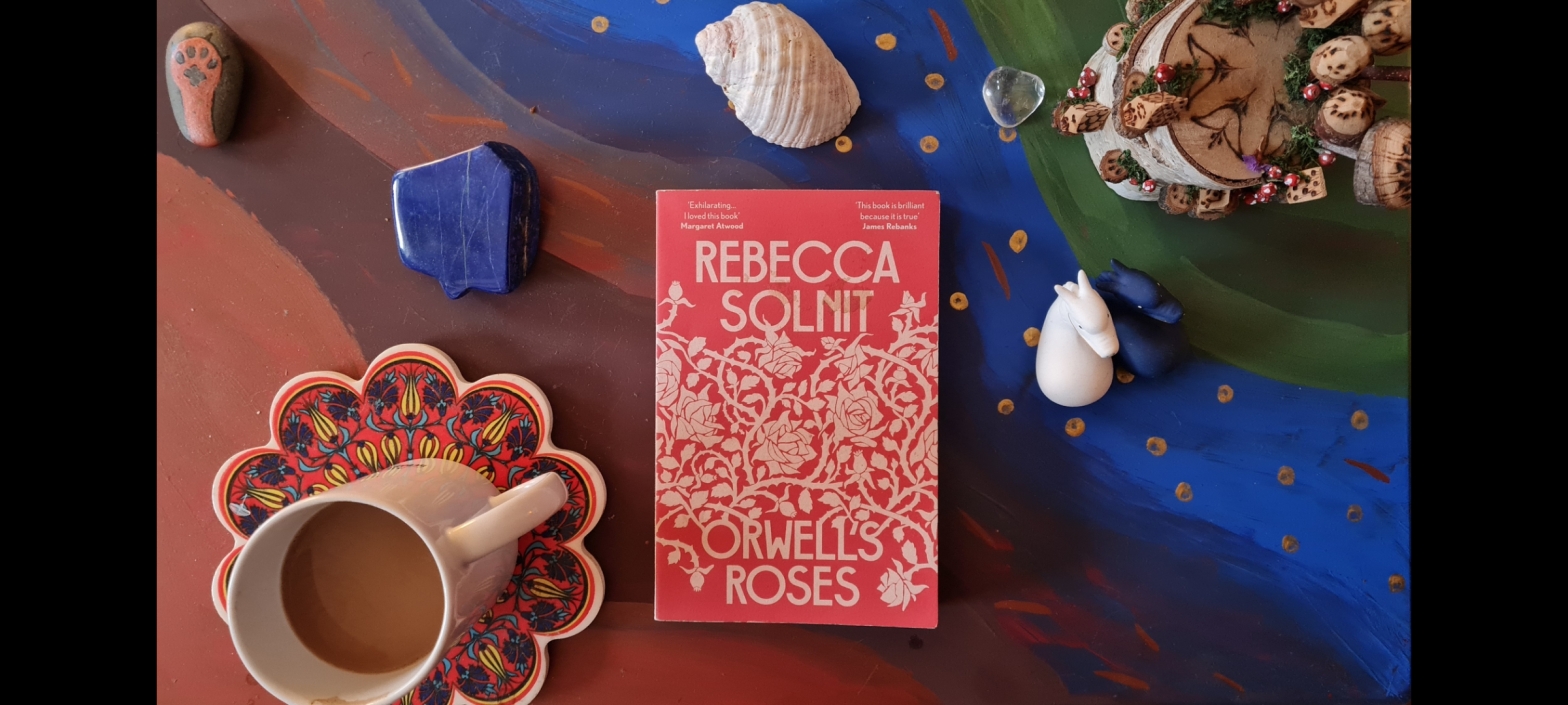
This non-fiction epic is like a rambling rose bush that extends far out into the unknown forest of intellectual curiosity. It features interwoven and enmeshed stories about roses and politics, cultivated by master writer of non-fiction Rebecca Solnit. Yet this is also a biography of one of Britain’s most famous writers and political theorists George Orwell, whose own enduring love of roses outlasted his lifetime. Orwell planted a rose garden in his Hertfordshire cottage, and when Solnit went to the cottage eight decades later, its remnants still stubbornly persist – this is a cause of pure delight, wonder and mystery into the enduring nature of plants, beauty and love.
So what exactly do roses mean? What do they symbolise? In this meandering, and beautifully written book you will learn about the vivid ephemeral nature of roses, their botanical properties, their Britishness and their potent democratic socialist symbolism. Their symbolism of youth, freshness, hope, sex, romance and much more. Solnit recounts the lesser-known history of famous phrase ‘Bread and Roses’.
Bread and Roses
The famed slogan about the right for workers to have time and privacy to themselves to ‘do what they will’, can be attributed to young American writer and suffragette campaigner Helen Todd in 1910. She coined the term at this time for a magazine article she wrote. However, historical records of the phrase erroneously attribute it to poet James Oppenheim who wrote a poem using the phrase in 1911.
Solnit recounts this in the chapter ‘We Fight for Roses Too’.
Helen Todd, a young suffragette lost now to history explains in her article that:
Women’s voting rights would ‘go towards helping forward a time when life’s Bread, which is home shelter and security; and the Roses of life: music, nature, education and books, shall be the heritage of every child that is born in the country, in the government of which she has a voice. There will be no prisons, no scaffolds, no children in factories, no girls driven on the street to earn their bread, in the day when there shall be ‘Bread for all and Roses too’.
Orwell’s roses, pp 86.
And so bread would feed the body and roses would feed something far more subtle: our hearts, imaginations, psyches, senses and identities.
These ideas on the importance of pleasure and work (and conversely what happens when these ideals are corrupted by power) fed into the narratives of George Orwell’s 1984 and Animal Farm.
“The attack on truth and language makes the atrocities possible. If you can erase what has happened, silence the witnesses, convince people of the merit of supporting a lie, if you can terrorize people into silence, obedience, lies, if you can make the task of determining what is true so impossible or dangerous they stop trying, you can perpetuate your crimes.”
Although Solnit makes it clear that George was not known for having a bleak disposition and was instead remembered by those who knew him for his ebullient and optimistic love of nature, animals, children and plants.
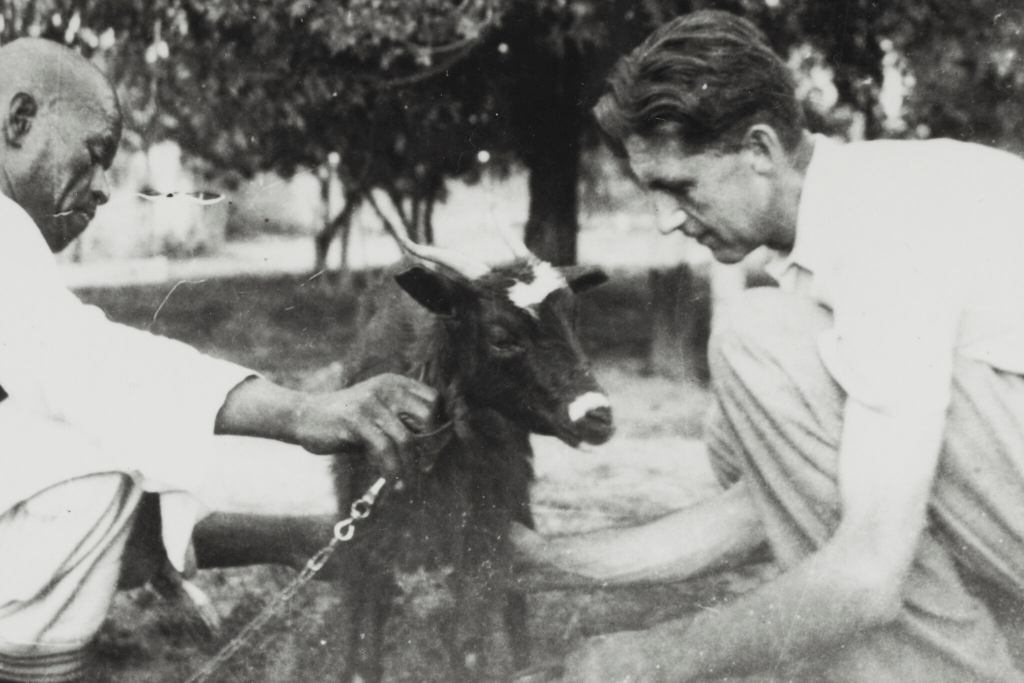
George Orwell (on the right) loved animals
Orwell’s Roses is a fascinating book and I’ve only really just touched on the tip of the iceberg here with these themes. There is so much more. The relevance of these themes are never more prescient to our current world with the encroachment of AI and mass surveillance and many “Orwellian” technological inventions, authoritarian governments and invasive techniques for harvesting our data bring a lot of his ideas off the page and into our modern world.
However, I reassure you that this is not a scary book – however, it is unsettling and thought-provoking. Just like Solnit’s other incredible book A Field Guide to Getting Lost and others she has woven some of the most grim themes of 20th and 21st century history into an unfolding bloom of a book filled with sublime moments. She transmutes the terrifying possibilities of politics and technology into a world of possibility and fragile hope. She conjures up new ways to imagine ourselves as human beings, not at the egotistical centre, but somewhere off towards the side of our fragile, faulty, fleeting natural world. This is not for the faint-hearted though, it’s a haunting and thought-provoking rollercoaster ride.
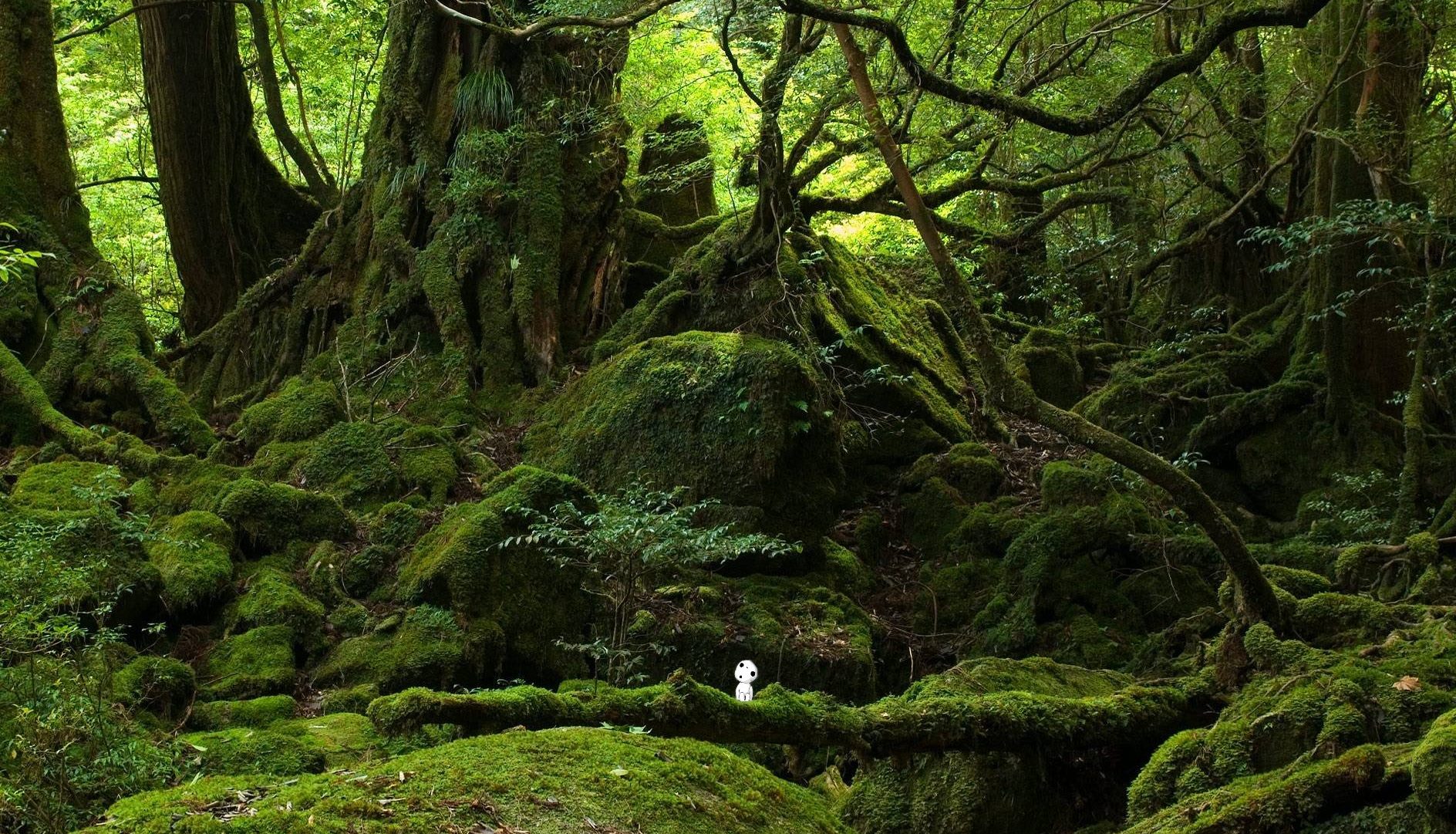
If you ever find yourself in a time of great stress and upsetting circumstances, the natural world wants to calm and sooth you, if you get outside and start to observe things yourself, you will see.
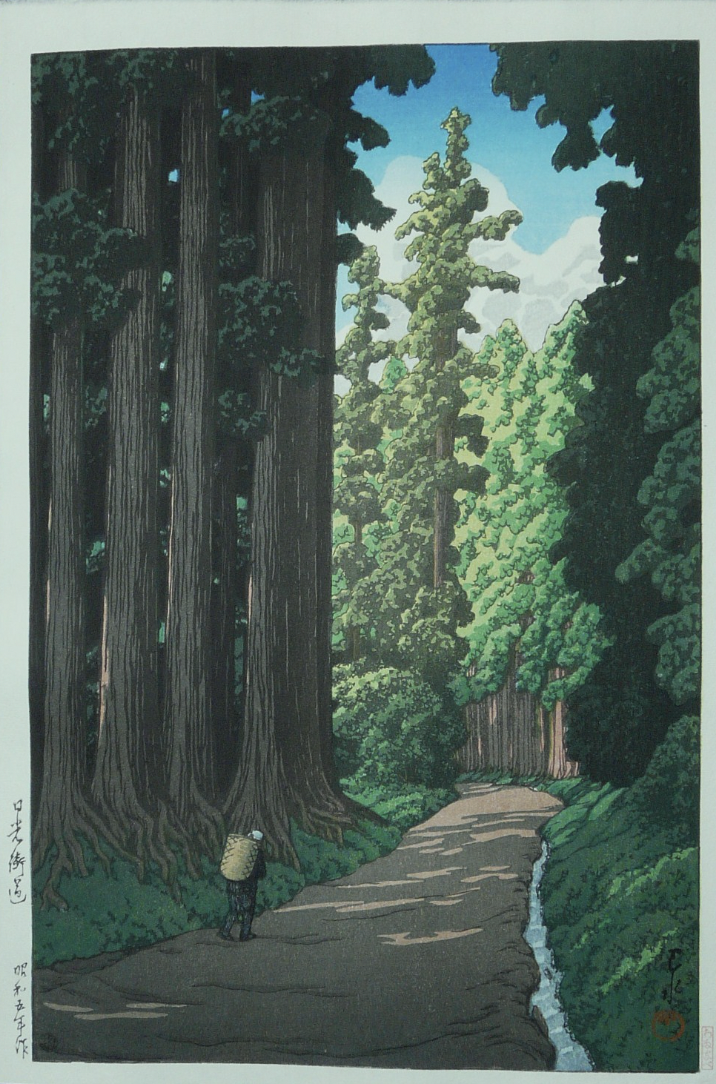
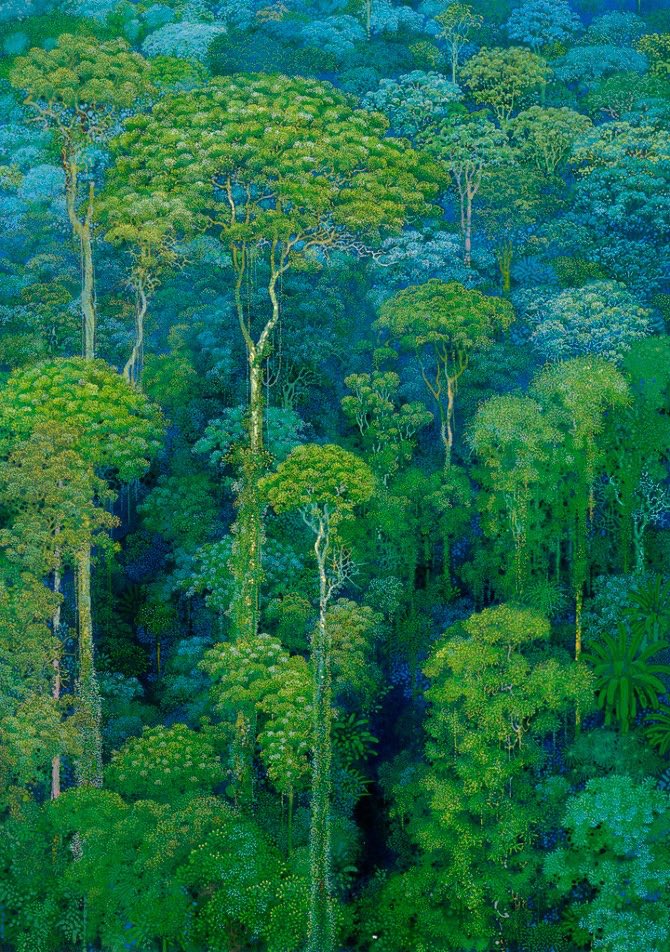
In parks, large trunked trees swing and sway in the wind. They will carry your pain, confusion, anger and fear if you’ll let them. They do so silently, with grace and nobility, because that’s what they are really made for, they wordlessly carry our sorrow and happiness and have known many people before you were born. Kept their brains and bodies and stories safe – so be humble before trees.
They are strongly rooted and can take the full weight of your sorrow. Alleviate it by dancing around in the wind and enveloping you in dappled sunlight. Their leaves shimmer and in the autumn, fall like a song ending. In the spring, they put forth new potent buds full of juicy promise. In summer, they produce flourishes of lurid pink, red and orange flashing their blooming life.
They are home to other-than-human watchful eyes of beings with fur and feathers, who follow your sauntering walk, even if you’re totally unaware of them.
The trees, the animals, even friendly dogs you meet on walks outside can ease your sorrow if you let them.























 Content Catnip
You must be logged in to post a comment.