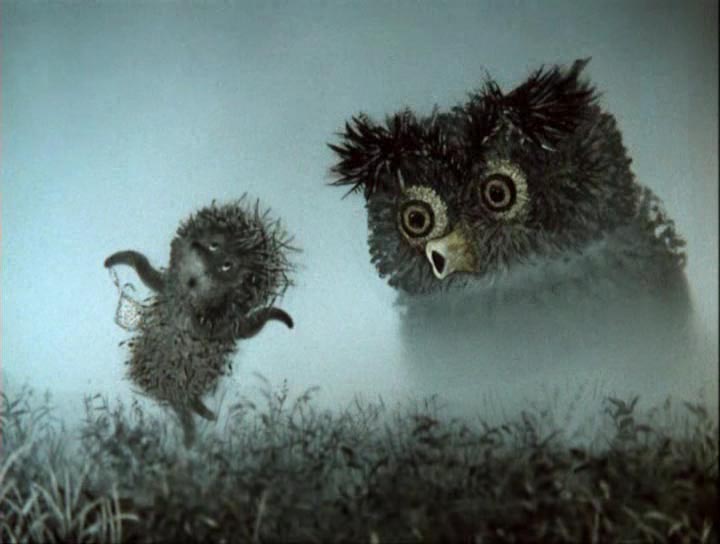
The ancient word for today is hedgehog Erinaceus europaeus. In the Middle Ages, writers didn’t make reference to hedgehogs, but to urchins. This term for the spiky diminuitive animal is still favoured in some English dialects. We still have the lingering remnants of this etymology in the form of sea urchin, which is literally aContinue reading “Ancient word of the day: Hedgehog”
Tag Archives: natural history
Welcome to a strange and forgotten alien world: Socotra

Looking like a cross between a surreal computer game and an alien planet, Socotra is a relatively unexplored and remote island off the coast of Arabian Peninsula. It’s a sparkling diamond of natural diversity and rugged wildness, with over 700 endemic species of flora and fauna. Only a small number of countries have more endemicContinue reading “Welcome to a strange and forgotten alien world: Socotra”
All About Māori Kite Making

There are 17 types of Māori kites. Traditionally made from strong timber framing like manuka wood they were woven with flax and the paper and bark of the mulberry plant until the plant went virtually extinct. Birdman kites have a powerful symbolism for all Māori iwi including for my own, Ngaī Tamanuhiri and Ngā Puhi.Continue reading “All About Māori Kite Making”
Wild woman quote: A Door

“The doors to the world of the wild Self are few but precious. If you have a deep scar, that is a door, if you have an old, old story, that is a door. If you love the sky and the water so much you almost cannot bear it, that is a door. If you yearn for a deeper life, a full life, a sane life, that is a door.” – Clarissa Pinkola Estes, Women Who Run with the Wolves.
Japan’s 72 gossamer-light and poetic microseasons

The traditional seasons in Japan are marked out by impercetibly small changes in nature across 72 miniature seasons in a year, each lasting 5 days and reflecting the fleeting, impermanent and diaphanous beauty of nature and all of its wonders. There are 24 divisions or sekki in the calendar that are split into 72 kōContinue reading “Japan’s 72 gossamer-light and poetic microseasons”
Hanako the 226 year old koi

Hanako means flower girl in Japanese. Hanako lived the majority of her life in the pure spring waters of a pond at the foot of Mt Ontake near Oppara. It’s believed that the purity and relative isolation of the pond contributed to her longevity. Hanako lived through the English colonising of both Australia and NewContinue reading “Hanako the 226 year old koi”
Omnia tempus habent: a delightful medieval rhyming calendar

Omnia tempus habent – All things have their season. Ecclesiastes Here is a medieval rhyming calendar outlining the labours of the months in the fields, dating from 14th century England. The mis-spelling of the words reflects their Old English origins. Discovered via the fun and enjoyable book Weatherland: Writers and artists under English skies byContinue reading “Omnia tempus habent: a delightful medieval rhyming calendar”
Thirty great medieval epithets for people and beasts
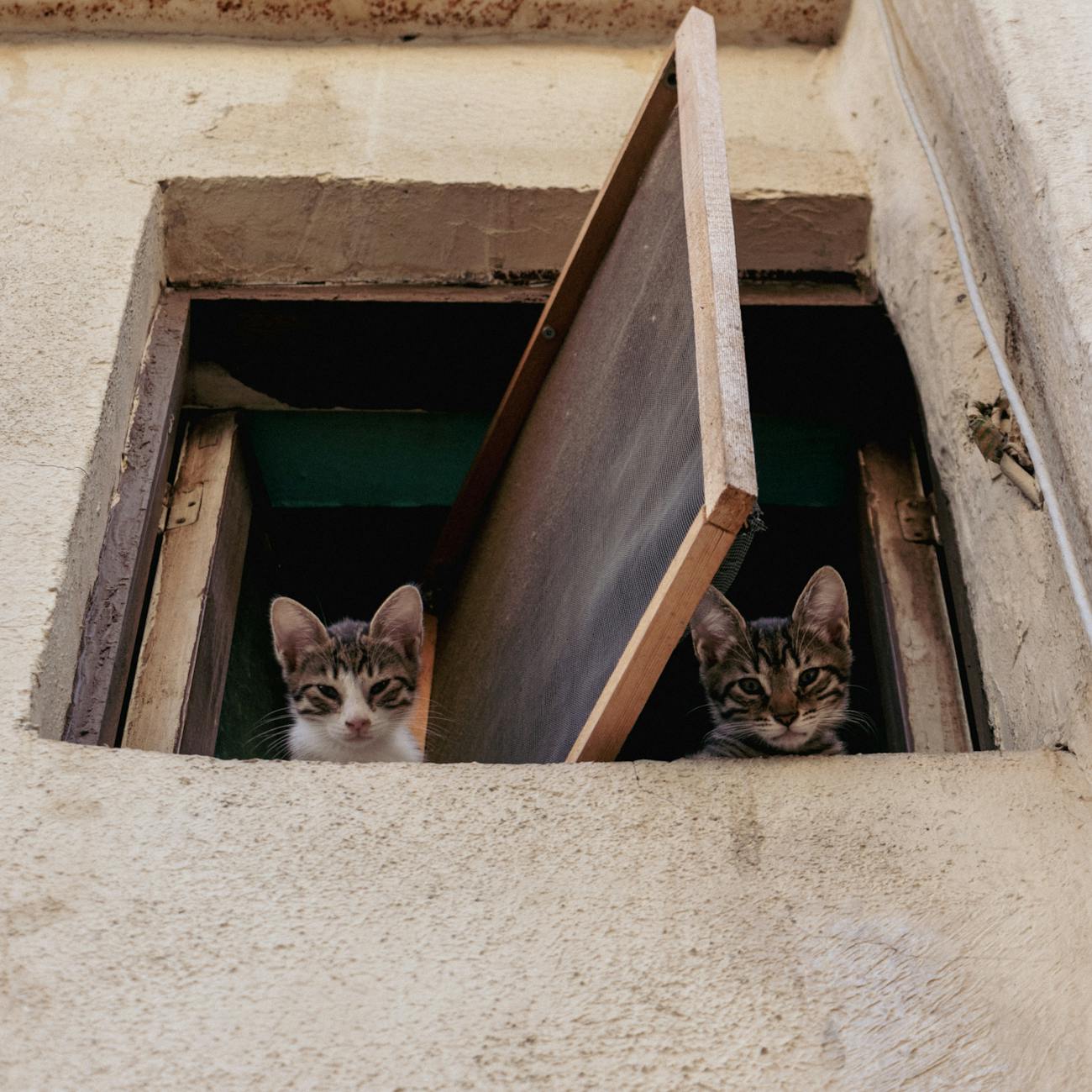
Why do we say a gaggle of geese, a flock of sheep, a pride of lions or a swarm of bees? Well it harks back to medieval times when sportsmen grouped together collectives of beasties to refer to them in movement or attributing a quality to them – presumably while the poor creatures ran awayContinue reading “Thirty great medieval epithets for people and beasts”
A Brief History of Auckland’s 53 Volatile Volcanoes

There are approximately 53 volcanoes in Auckland, which have over thousands of years produced an array of interesting lagoons, tuft rings and lava flows in Auckland city. The biggest, most active and most visible volcano – Rangitoto sits on an island of the same name in Auckland harbour.
The ancient and elusive fairisle of Hy Brasil

Hy Brasil is a mysterious phantom island that was thought to exist off the west coast of Ireland in the Atlantic Ocean for hundreds of years. The area being nautically challenging for seafarers, it was an elusive and mysterious place, hailed in pre-Christian times as being the Celtic Elysium or land of promise. During ChristianContinue reading “The ancient and elusive fairisle of Hy Brasil”

