I found a Youtuber in Poland who talks about tattoos and was really excited to see he did a video about Tā Moko (Māori facial tattoos) this is a topic that fascinates me, and I’ve covered it extensively here on my blog. Because for my whānau and tūpuna, getting the moko has real depth of meaning and significance as a symbol of wisdom and seniority in the Iwi, a way to signal ‘I’ve made it’ in the eyes of your community through your good deeds and actions. Tā Moko IS NOT a tattoo that anyone who is not Māori can just get in their face for shits and giggles or for an edgy fashion trend. Engaging in Tā Moko and Moko Kauae is cultural appropriation and it cheapens and commodifies what is a very sacred and tapu tradition, that is reserved for Māori only.
Seeing Tā Moko from a foreign perspective seemed really cool. Although I was deeply dismayed when he repeated the totally disproven historical theory that Māori and Polynesians originate from South America – which is a theory now totally debunked by archaeological evidence and genetic mapping of our people compared to people in South America.
FYI: It’s in Polish but you can set the video to ‘Autotranslate’ and ‘English’ to get a good autotranslation of what he’s saying.
The most strongly supported theory for genetic origins of Māori and Polynesian peoples is the “Out of Taiwan” model, which traces our primary ancestry to East Asian farmers who subsequently mixed with Melanesian populations. Conversely, theories proposing that Polynesians originally came from South America have been definitively debunked by modern genetics and archaeology.
The Out of Taiwan Model
Often referred to as the “Express Train” theory, this model posits that my Māori and Polynesian ancestors originated from Austronesian-speaking agriculturalists in Taiwan and East Asia. Genetic evidence strongly supports this, as modern Polynesians carry specific East Asian mitochondrial DNA markers, such as the 9-bp deletion known as the “Polynesian motif”. Archaeologically, this migration is linked to the Lapita cultural complex, which suddenly appeared in the western Pacific around 3,000 years ago. These cultures share with them similar pottery, stilt houses and food stores, and domesticated animals as do modern Māori.
The Slow Boat Model
While the “Out of Taiwan” model explains our primary ancestry, the “Slow Boat” model refines it by highlighting crucial genetic integration with indigenous Papuan and Melanesian populations. As Austronesian voyagers navigated through Near Oceania, they intermingled with people whose ancestors had lived in the region for tens of thousands of years. Modern genetic analyses reveal that today’s Polynesians carry roughly 26 percent Papuan DNA, an admixture that occurred before they voyaged into remote Polynesia.
Prehistoric Native American Contact
Although Polynesians and Māori did not originate in the Americas, there is conclusive genomic evidence of pre-Columbian transpacific contact. A landmark 2020 study analysed over 800 individuals and found identical-by-descent Native American DNA segments in modern eastern Polynesians, dating a single contact event to around 1200 CE. This genetic evidence perfectly aligns with the prehistoric presence of the South American sweet potato (kumara) in Polynesia, confirming that epic transpacific voyages briefly brought the two populations together centuries before European arrival.
The Debunked South American Origin Theory
The most famously debunked theory regarding Polynesian origins is Thor Heyerdahl’s “Kon-Tiki” hypothesis, which proposed that the Pacific islands were settled by South Americans drifting westward on ocean currents. Today, this theory is overwhelmingly rejected by scientists because DNA analysis has definitively proven that the primary ancestors of Polynesians came from the west, not the east. Furthermore, maritime archaeology demonstrates that Māori/Polynesian ancestors possessed highly sophisticated multihull sailing technologies, and navigational skills that allowed our people to intentionally sail against the wind rather than merely drifting helplessly across the vast ocean.
In any case I am still excited to see this video because it’s a big compliment when people from different countries are fascinated by Māori culture. However, I had to set the record straight here about where we come from!
Ioannidis, A. G., Blanco-Portillo, J., Sandoval, K., et al. (2020). Native American gene flow into Polynesia predating Easter Island settlement. Nature, 583, 572–577. https://www.nature.com/articles/s41586-020-2487-2
Pierson, L., et al. (2004). Origins and dispersals of Pacific peoples: Evidence from mtDNA phylogenies of mixed populations. Proceedings of the National Academy of Sciences, 103(14). https://pmc.ncbi.nlm.nih.gov/articles/PMC428491/
Ancient
sundials of Greece, Egypt and Babylon often featured provocative and emotional
expressions in Latin. They were succinct and powerful calls to action which
were designed to waken up the senses and peel back the blinkers on what really
matters. These concise messages highlighted the passing of time, mortality,
life, death and enjoying one’s brief yet vital time on the planet. Here are
some of the more memorable Latin expressions that appear on ancient sundials.
There’s a reason they are repeated over several thousand years – because they never
age in meaning and emotional gravity.
Umbra sicut hominis vita. A person’s life is like a shadow.
Vita fugit, sicut umbra
Life passes like the shadow.
Hora fugit, ne tardes. The hour flees, don’t be late.
Dona præsentis cape lætus horæ ac linque severe.
Take the gifts of this hour.
Amicis qualibet hora. Any hour for my friends.
Post tenebras spero lucem.
I hope for light to follow darkness.
Ultima latet ut observentur omnes. Our last hour is hidden from us,
so that we watch them all.
Memor esto brevis ævi.
Remember how short is life.
Sic labitur ætas. Thus passes a lifetime.
Fruere hora.
Enjoy the hour.
Ruit hora. The hour is flowing away.
Tempus fugit [velut umbra].
Time flees like a shadow.
Tempus breve est. Time is short.
Semper amicis hora.
Always time for friends.
Serius est quam cogitas. It’s later than you think
Sit fausta quæ labitur.
May the hour be favourable.
Pulvis et umbra sumus. We are dust and shadow.
Tempus volat, hora fugit.
Time flies, the hour flees.
Mox nox. Night, shortly.
Lente hora, celeriter anni.
An hour passes slowly,
but the years go by quickly
Vita similis umbræ. Life resembles a shadow
Vita in motu.
Life is in motion.
Una ex his erit tibi ultima. One of these hours will be your
last.
Ex iis unam cave.
Beware of one hour.
Meam vide umbram, tuam videbis vitam.
Look at my shadow and you will see your life.
Vivere memento. Remember to live.
Tempus omnia dabit.
Time will give everything
Una dabit quod negat altera.
One hour will give what another has refused.
Sol omnibus lucet.
The sun shines for everyone.
Utere non reditura.
Use the hour, it will not come again.
Altera pars otio, pars ista labori.
Devote this hour to work, another to leisure
Vidi nihil permanere sub sole.
I have seen that nothing under the sun endures
Sic labitur ætas.
Thus passes a lifetime.
Tempus edax rerum.
Time devours things.
Festina lente.
Make haste, but slowly.
Fugit hora – carpe diem.
The hour flees – seize the day.
Tempus vincit omnia.
Time conquers everything.
Memor esto brevis ævi.
Remember how short life is.
What do you think?
Some of these sound like a foreboding warning to take life more seriously. Others are less doom and gloom and more about simply being more present in the present moment, a wonderful idea that is so often difficult in practice with so many things intent on distracting us. Perhaps a better take-away would be: So what do you plan on doing with your one juicy, creative life?
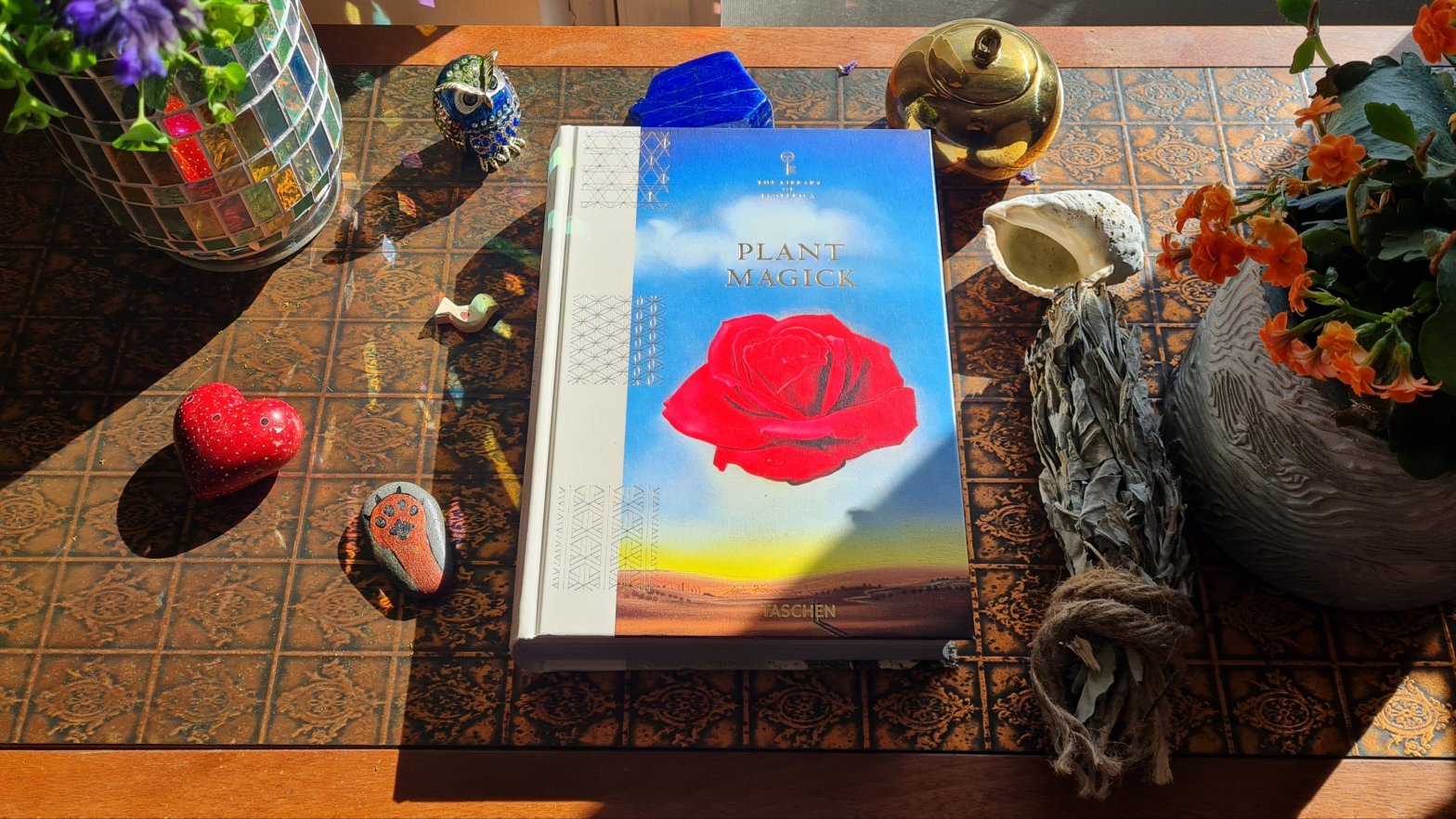
Plant Magick is a collectors item of sublime and exquisite beauty. This is a treasury of art and plant history for lovers of nature, art history, folklore, witchcraft and magic. Psychonauts, spiritual seekers and shamanic explorers will find a lyrical home here as well.
Divided into thoughtful sections and chapters, Plant Magick features visionary and universal wisdom from a broad range of scholars, witches, sorcerers and mystics about different aspects of plant magick, lore and practice.
There’s a diverse and broad exploration of magical practices using plants and fungi and how this is reflected in art across all ages and cultures. This is an ambitious ask and Taschen have delivered 100% with this stunning book.
If you or someone you know is a gardener, plant enthusiast, hedge witch or practising pagan or you simply revere and respect nature and plants – then this book will embolden and deepen your love and respect for these other-than-human beings.
The importance of plants as a part of religious and pagan rites, ritual, medicinal and transcendental spiritual purposes is explored through eye-popping and mind-bending art.
Each artwork is tactfully placed to add colour and depth to the informative essays that make up each chapter. The essays rather than being filler or less important than the artworks are a complement to them. The words are not wasted or superfluous but are instead brimming with lush and vivid detail about artists, movements and cultural phenomena throughout the ages. These allow you to understand the artworks in a much more profound way.
The sheer range of historical context explored in this book is exciting. Even if you casually flip through it, I guarantee that the hours will melt away and you will still be sitting on your sofa eyes glued to the pages, carefully turning them savouring every detail.
Bound in high quality hardcover and featuring gold inlay, Plant Magick is a part of a larger four part series by Taschen called the Library of Esoterica. Other books that might tickle your fancy in the series include Tarot, Astrology and Witchcraft. Personally, the only other one I simply had to own was Witchcraft and the review for this one is coming up on Content Catnip very soon.
Would I recommend this book to you? If you love nature, art history, folklore, paganism…then this book is a must for your collection – 5 stars!
Do you have this book or do you plan on getting it? let me know below!
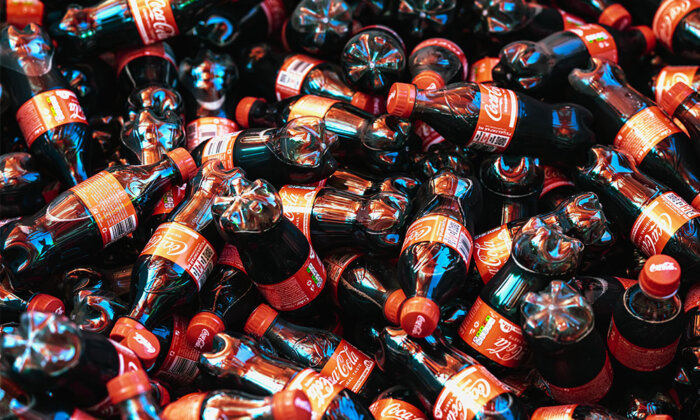
In 2009, Rhona Applebaum had a problem. As more researchers were revealing the health risks of sugar-sweetened beverages, concerns about obesity were threatening the business model of her employer, Coca-Cola. Per-capita soda consumption had actually begun declining in the United States. Applebaum felt the diet side of the obesity equation had been getting too much attention, and the exercise side too little.
Applebaum had a plan. What if Coca-Cola designed a program to emphasize exercise over diet? What if the corporation designed and structured it, and partnered with the nation’s largest physical fitness organizations — the American College of Sports Medicine (ACSM) and the National Strength and Conditioning Association — to promote it? Why not call it Exercise Is Medicine?
It would be an audacious scheme. Americans were surely savvy enough to know they should not be getting training information from a soda company. Or maybe not.
Applebaum was more than just another soda operative; she was a scientist with gravitas. She boasted a bachelor’s degree from Wilson College, an MS in nutrition and food science from Drexel University, and a PhD in food microbiology from the University of Wisconsin.
She had served on the Science Board — an advisory committee of the FDA — and chaired an influential panel in the FDA’s Center for Food Safety and Applied Nutrition. All this was in addition to advisory work for the United States Department of Agriculture (USDA). Applebaum’s scientific bona fides were impeccable, and she’d spent three decades in the food industry. She had risen to the post of vice president and chief scientific and regulatory officer for Coca-Cola. And she was leading the corporation’s Beverage Institute for Health and Wellness.
In the fall of 2009, Applebaum was organizing an event at a nutrition conference in Bangkok. The event would be called “Exercise Is Medicine — A Global Initiative to Improve Public Health.” Trying to line up speakers for the event, she reached out to University of Colorado obesity researcher James Hill. “My POV — it’s time the ‘calories-out’ side of the [equation] was given more prominence at these nutrition/health [meetings],” Applebaum wrote to Hill. Applebaum offered to introduce the Exercise Is Medicine program. She also asked University of South Carolina obesity expert Steven Blair for his help in organizing.
It was an auspicious beginning. Exercise Is Medicine would not only conquer the United States; it would soon have projects all over the world.
In late May, the San Diego Convention Center was bustling with health and fitness experts. The occasion was the annual meeting of the ACSM.
Jim Hill, the University of Colorado obesity expert, delivered the keynote speech. He used the opportunity to introduce the Global Energy Balance Network (GEBN), a campaign promoting the erroneous notion that maintaining a healthy body weight is simply a matter of burning as many calories as you consume. His white hair neat, glasses stylish but unobtrusive, sporting a yellow power tie and a blue blazer, Hill spoke from a lectern bearing a plaque reading, “World Congress on Exercise Is Medicine.”
The gist of his talk was that the calories-out side of the equation deserves more attention. But he’d refined some of his talking points. To emphasize the role of tech-induced inactivity, he said, “I oftentimes say that Bill Gates is responsible for as much obesity as Ronald McDonald.”
Americans were surely savvy enough to know they should not be getting training information from a soda company. Or maybe not.
The ACSM had long and deep ties to soda. Two of its past presidents, Russell Pate and Steven Blair, were involved with the large Coca-Cola–funded study at the University of South Carolina, and had spoken forcefully on the corporation’s behalf.
The San Diego conference was purportedly a health event, but the soda industry had its fingerprints all over it. It was not just soda’s longtime role in funding the American College of Sports Medicine; the conference program also noted that Coca-Cola was a founding partner of Exercise Is Medicine.
The event was the confluence of several streams of Coca-Cola funding, but hardly anyone knew it at the time. One person who understood this, Greg Glassman, founder of the CrossFit fitness empire, was in the audience, seething at the soda links.
A couple of months after watching Jim Hill’s talk in San Diego, CrossFit’s Greg Glassman sounded off about the (GEBN) with a typically profane tweet: “@CocaCola’s @gebnetwk trolls for ‘scientists’ to make a case for hiding metabolic syndrome w/ exercise. Watch @ACSMNews suck the soda tit!” Then he added this to the tweet: “@EIMNews is the lobbying arm of a deadly idea, @gebnetwk. Such @CocaCola projects aim to silence all who warn about sugar. #CrossFit.”
A self-made millionaire, opinionated and unfiltered, Glassman had become a prominent soda industry critic. Partly it was his anti-sugar, low-carb dietary stance. And partly it was a long-time feud with the ACSM and the National Strength and Conditioning Association (NSCA), another mainstream fitness group. Glassman felt both had been working to stymie his fast-growing fitness company and were aligned with and funded by Coke and Pepsi.
In his tweet, CrossFit was taking on not just Coca-Cola but also the ACSM and Exercise Is Medicine (EIM), its partnership with Coke. It wasn’t a big deal, really. It was retweeted just fourteen times. But the tweets were the first public shots across the bow.
Meanwhile, Glassman and his CrossFit team were taking their soda critiques directly to their network of fitness aficionados. In mid-July, at the District CrossFit gym in DC, several dozen athletes watched from folding chairs as Glassman worked a whiteboard like a professor. The subject was arcane: a bill passed by the District of Columbia to require the licensing of personal trainers.
The whiteboard soon became cluttered. The top line read “District licensure bill.” Below that was a confusing array of shorthand and acronyms. There was the NSCA and ACSM, Glassman’s longtime foes. Beneath that, the GEBN and EIM. You definitely needed the whiteboard to follow along, but the nut of Glassman’s talk was simple: a cabal of mainstream fitness groups was out to destroy CrossFit. “They want oversight,” he told the CrossFitters. “They want to control you, license you, regulate you.” To an outsider, it might have seemed altogether paranoid. What might any of these organizations and food corporations want to do with CrossFit? An organized effort by a government agency to take over the business of fitness?
Glassman walked through the items, one by one. “Exercise is Medicine, that’s another soda thing,” he said. “Guess what its first aim is — so you wonder, does soda want to get you? — guess what its number one stated goal is. The licensure of trainers. Now why does soda give a fuck about whether trainers are licensed or not? I’ll tell you why. Because they want to separate them. And they want to legally separate them. They want to get the ones that, like, ‘It’s all exercise,’ and won’t talk about the soda. And then get the ones like you that are going to say, ‘It’s the sugar.’
In other words, Glassman was saying that if the licensure bill passed, the mainstream fitness groups could incorporate Exercise Is Medicine ideology into training programs, and CrossFit instructors who criticized sugar would be disenfranchised.
“They want to make what you do illegal. It will be. See, this is Coke and Pepsi again,” Glassman said, tapping the whiteboard. “You have to understand that when exercise is medicine, what happens in here will then be medical malpractice.”
“You have to understand that when exercise is medicine, what happens in here will then be medical malpractice.”
As Glassman wrote on the whiteboard, he occasionally checked facts with Russ Greene, sitting off to his side, likely the only person in the room who understood the whole diagram. A CrossFit employee, Greene had been blogging prodigiously about the soda industry’s influence on the mainstream fitness organizations that were CrossFit’s competitors. He took to the task with the aggressiveness of a pit bull and the rigor of an investigative journalist.
Glassman developed momentum, striding back and forth in his favorite camo Henry’s Coffee ball cap, worn backward, and a pair of faded jeans. “You feel it? Put your hand up and show me if you’re hearing what I’m saying,” Glassman said, holding his hand high, revealing the sweat ring on his turquoise T-shirt. “Is anyone pissed? Alright, you oughta be. I mean what they want — whatever you used to do, they want you to go back to doing that.”
Walking back to the whiteboard, he tapped the letters ACSM. “And they are perfectly willing to require that you employ some asshole from this organization and pay her to stand over there in the corner and watch you and report, ‘He’s talking that anti-sugar stuff again. Unh, unh, unh, Global Energy Balance Network, you know that he’s just not exercising enough,” Glassman said.
Taken as a whole, it shaped the outlines of a crazy plot. And Glassman’s conspiracy theories and shoot-from-the-hip tweets would, in five years, contribute to his downfall. But the scheme Glassman was detailing — Coca-Cola’s orchestration of the Global Energy Balance Network — would soon be validated by the mainstream media.
The New York Times headline on August 10 was dramatic: “Coca-Cola Funds Effort to Alter Obesity Battle.” And the front-page scoop by Anahad O’Connor was powerful: “The beverage giant has teamed up with influential scientists who are advancing this message in medical journals, at conferences and through social media,” wrote O’Connor. “To help the scientists get the word out, Coke has provided financial and logistical support to a new nonprofit organization called the Global Energy Balance Network, which promotes the argument that weight-conscious Americans are overly fixated on how much they eat and drink while not paying enough attention to exercise.” O’Connor reported that the GEBN was rooted in $1.5 million of undisclosed funding from Coca-Cola.
The fallout from O’Connor’s piece was swift and powerful. Longtime soda critic Michael Jacobson wrote a letter to the editor calling the GEBN “scientific nonsense.” It was co-signed by Walter Willett of the Harvard T. H. Chan School of Public Health, along with thirty-four other researchers, academics, and advocates.
The New York Times followed up with an editorial. It noted that the network, which promised to deliver unbiased science, would likely not. It cited an analysis in PLOS Medicine that found that “studies financed by Coca-Cola, PepsiCo, the American Beverage Association and the sugar industry were five times more likely to find no link between sugary drinks and weight gain than studies reporting no industry sponsorship or financial conflicts of interest.” Within just a few days, Coca-Cola had gone from being a corporation that hoped to host a journalistic roundtable on pseudoscience to being the exemplar of the practice.
Coca-Cola CEO Muhtar Kent was aware of the network’s efforts. After all, only a year earlier, he had been working with Rhona Applebaum to get Jim Hill a slot on Charlie Rose’s CBS show. But Kent did not defend the program. Instead, he penned a very public apology in the Wall Street Journal, promising, “We’ll do better.” He wrote, “I am disappointed that some actions we have taken to fund scientific research and health and well-being programs have served only to create more confusion and mistrust. I know our company can do a better job engaging both the public-health and scientific communities — and we will.”
Coca-Cola soon launched a transparency website in an effort to disclose its health research and partnerships. It listed a total of $119 million doled out over five years. The usual suspects were prominent. The University of Toronto soda ally John Sievenpiper alone was credited with receiving $273,000.
The list would be an embarrassment for many in the health sciences, including the ACSM, the nonprofit that collaborated with Coke to found Exercise Is Medicine. The ACSM preemptively notified its members: “It has come to our attention that, in response to recent news, The Coca-Cola Company will soon publicly disclose the health and well-being partnerships it has recently funded.”
Coca-Cola’s millions had bought undying loyalty, even from obesity experts.
Coca-Cola had funded ACSM with $865,000. And Steven Blair — the University of South Carolina cofounder of the GEBN — had been awarded more than $4 million in funding.
The exposé took many by surprise, but not Russ Greene. He noted that Blair had also once served as the president of ACSM and was on the advisory board of Exercise Is Medicine. “So if we add Blair’s total to the previous number,” Greene wrote in a blog post, “Coca-Cola has paid ACSM and its officials at least $6,342,000 in the past five years.” And, presciently, Greene noted that Coca-Cola had omitted a significant amount of funding from the list.
For more than a year, Greene had been writing about soda-funded corruption of the health sciences. At first, it had seemed an improbable bit of collusion. But with the exposé of the network, it began to look as though he had not overstated the degree of the problem, and may even have underestimated it.
Following the New York Times exposé, Coca-Cola’s GEBN unraveled strand by strand. Coca-Cola had originally claimed that it did not control the group’s research and publications. But Associated Press reporter Candice Choi uncovered more emails, making it clear that Coca-Cola designed and controlled every aspect of the group and even exerted influence over the research.
CEO Muhtar Kent, who had already apologized in the Wall Street Journal, expressed more contrition still. Kent told Choi, “It has become clear to us that there was not a sufficient level of transparency with regard to the company’s involvement with the Global Energy Balance Network. . . . Clearly we have more work to do to reflect the values of this great company in all that we do.”
The network disbanded. The University of Colorado returned $1 million in research funds to Coca-Cola. Organizations like the Academy of Nutrition and Dietetics and the American Academy of Pediatrics stopped accepting Coca-Cola’s money. The University of South Carolina, on the other hand, opted to keep $500,000 of Coca-Cola money.
In addition, the emails showed that Coca-Cola’s millions had bought undying loyalty, even from obesity experts. In a note to Coke, Jim Hill had written, “It is not fair that Coca-Cola is [singled] out as the #1 villain in the obesity world, but that is the situation and makes this your issue whether you like it or not. I want to help your company avoid the image of being a problem in [people’s] lives and back to being a company that brings important and fun things to them.”
US Right to Know, a nonprofit that did yeoman’s work in finding documents through Freedom of Information Act (FOIA) requests, pointed out how effectively Rhona Applebaum’s network had used journalists. The organization listed thirty articles that quoted Blair and Hill after they received funds from Coca-Cola, but without citing the relationship. Some were by known Coca-Cola allies, but others were by mainstream journalists with some of the nation’s largest media outlets: the Boston Globe, the Los Angeles Times, NPR, the New York Times, and the Washington Post. Another consequence of the Times exposé is that Applebaum became the public face of pseudoscience. She soon tendered her resignation to Coca-Cola, the inglorious end to a once-impressive career.
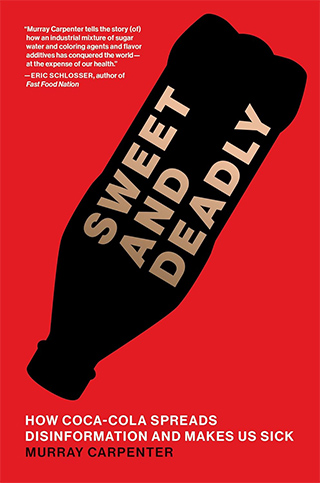
Murray Carpenter has worked as a print and radio journalist in Maine for 25 years, and has reported for the New York Times, NPR, and the Washington Post. He is the author of two books, including “Sweet and Deadly: How Coca‑Cola Spreads Disinformation and Makes Us Sick,” from which this article is adapted.
Bokty mountain is an inselberg (an isolated hill) that serves as a cross-section of the ocean floor from the ancient Tethys Ocean. The “striped” effect is caused by millions of years of cyclic sedimentation where different environmental conditions laid down alternating layers of white chalk, pink marl and red clay. Via Nature is F***g Lit on Reddit.
For all of the bookworms, here are some of the most exquisitely rendered miniature books in the world.
As a warm up, here’s a picture of the bombed-out Holland House library in London during WW2. The message was loud and clear. Readers won’t be perturbed from doing what they love, no matter what else is going on around them. There is something comforting in that.
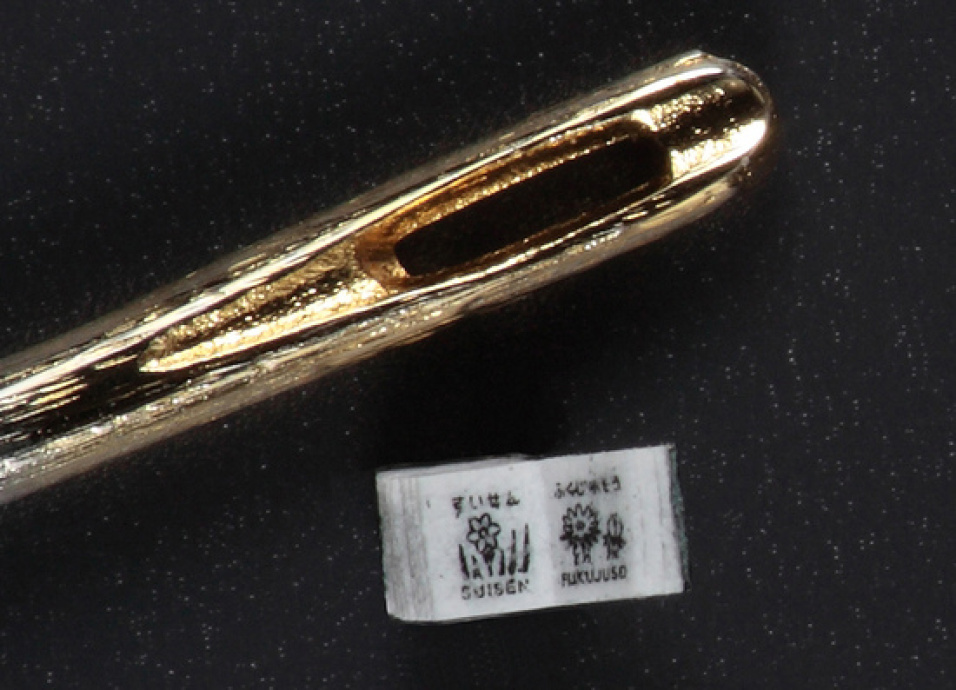
This miniscule book has pages measuring a measly 0.75 millimetres (0.03 inches), and writing that’s impossible to read with the naked eye.
The charming 22 page book has monochromatic illustrations of Japanese flowers and their descriptions. The printing company responsible for Shiki no Kusabana used similar technology as used by money printers to prevent forgery, with letters spaced an amazing 0.101 mm apart.
This book was created in recent years to compete against the current Guiness World Record holder for the world’s smallest book, but failed to cut the mustard. Still, it’s incredibly beautiful in its own right. Shiki no Kusabana is on display at the Toppan Printing Museum in Tokyo.
Here it is next to the eye of a needle…
The Chameleon by Anton Checkov
The claim for the smallest book in the world goes to the 30 page volume (in English) of the Russian novel The Chameleon by Anton Checkov. This was created by Siberian craftsman Anatoly Konenko in 1996 and measures a tiny 0.9 mm, or about the same size of a grain of salt. Astonishingly, this book also has three colour illustrations, but nothing can be seen with the naked eye.
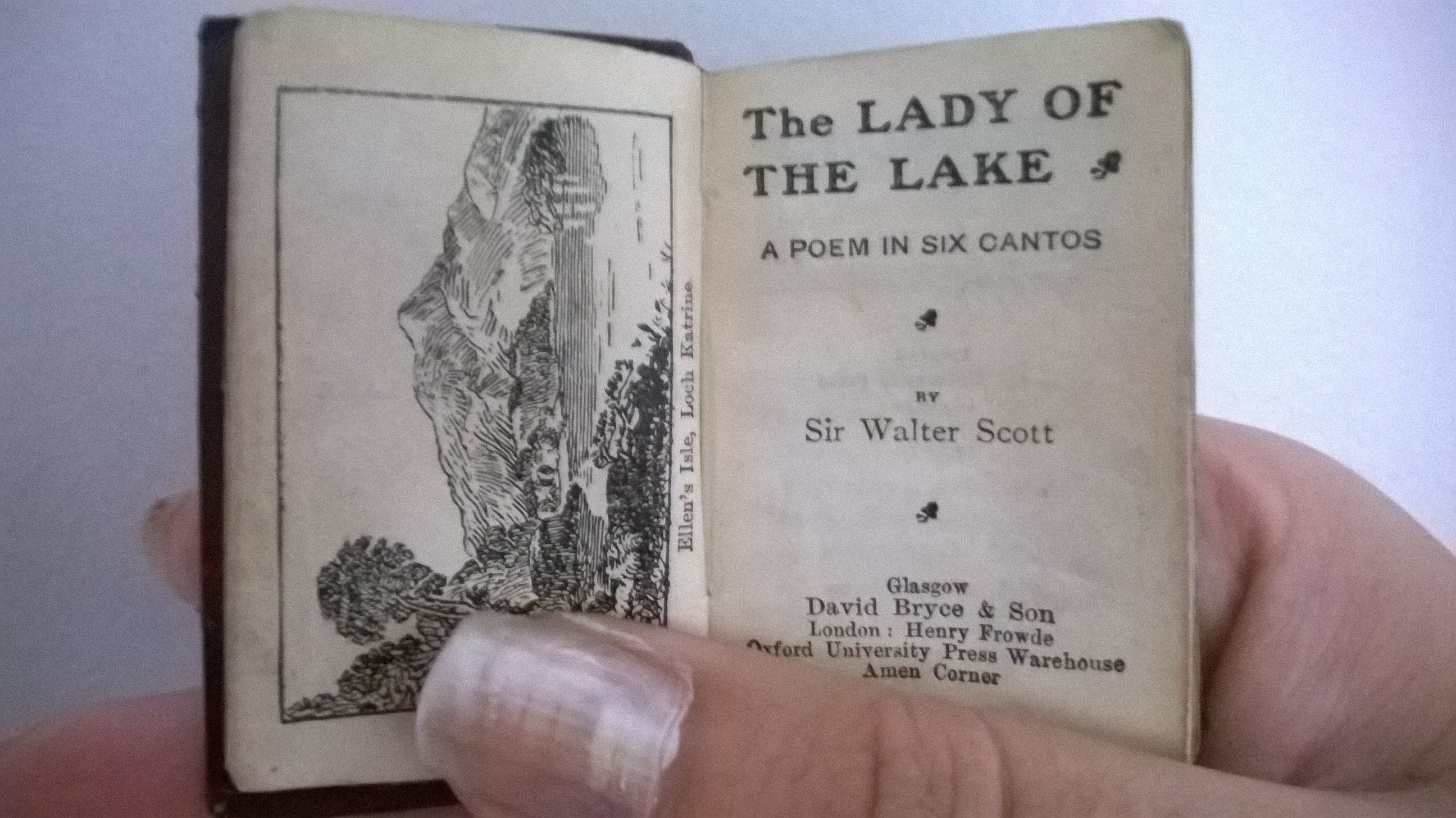
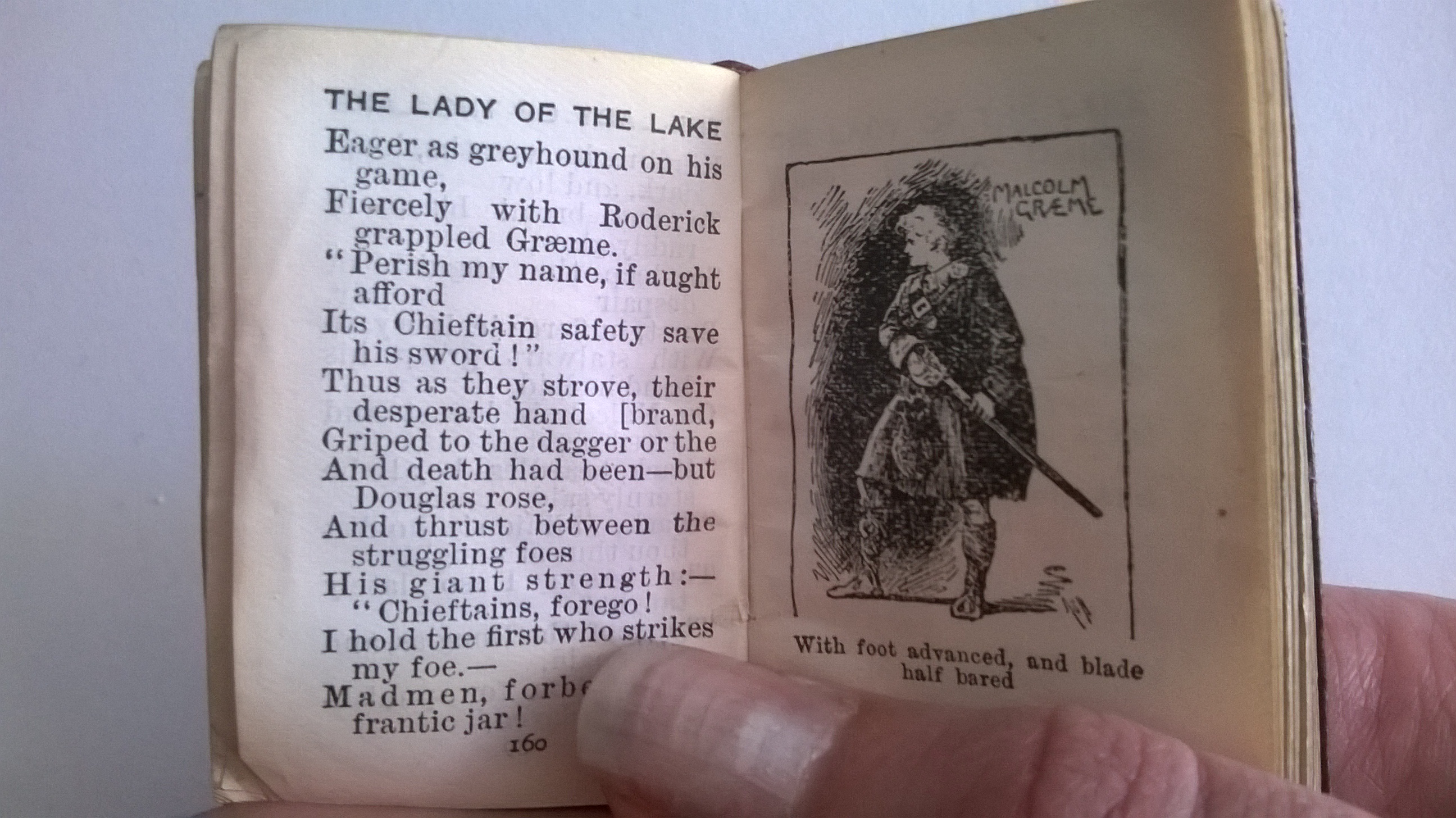
This one comes from a country market in Cardigan, Wales. It’s leather-bound with gold leaf writing on the cover and entitled The Lady of the Lake by Walter Scott, printed in Glasgow by David Brice and Sons, published in MCMV (1905).
It’s probably the oldest thing I own and one of the most treasured. Other treasured old things include, a 1940’s vintage red dress from Poland, which I wear all the time (it most certainly has a story), a pair of battered old leather boots, and books, lots more books.
Do you have any books that you treasure? do you have any tiny books?
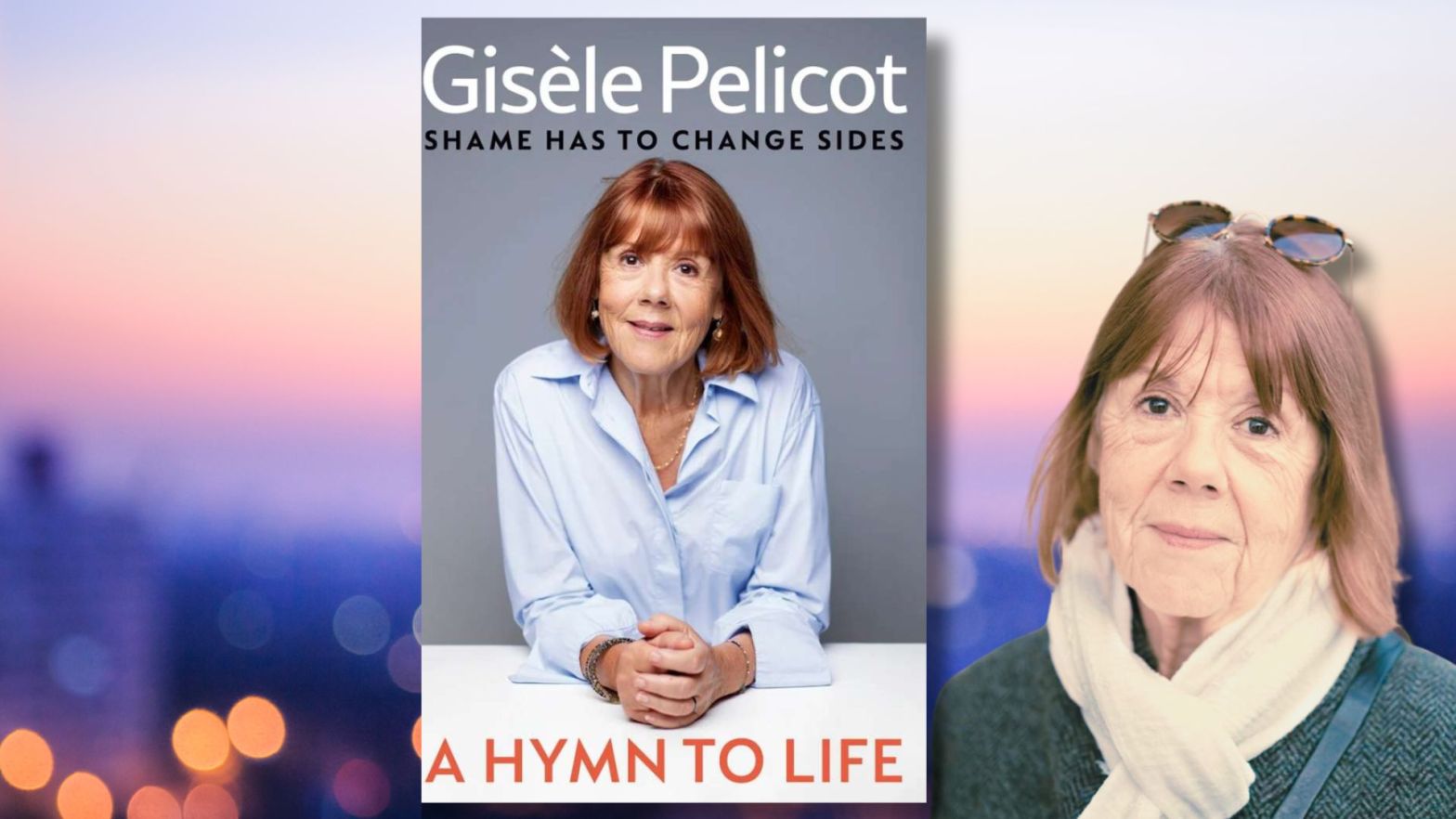
An immensely powerful biography from one of the bravest women in history Gisèle Pelicot, who dares to unmask rapists and a misogynistic legal system in France and do so with her own softly spoken steely courage. One not to miss!
Rating: 🌟🌟🌟🌟🌟
Genre: Biography, True Crime
Publisher: Penguin
Review in one word: Powerful
You no doubt would have heard of the case of Gisele Pelicot in recent years, an elderly Frenchwoman and a grand-mère whose monstrous husband was, for decades, drugging her and filming her being raped by dozens of men.
The story that shocked the world and led to all manner of salacious, sexist and rumour-filled tabloid news stories. In amongst it all Gisele refused to be reduced to a rubble of fear and horror.
Most women with lesser strength would have been broken to learn that their husbands were doing that. Instead Gisele, a softly spoken, gentle, traditional (as are many women of her generation) reveals her fierce emotional strength as she explains in her own words her own story.
The media throughout the case cast doubt upon her, as did the judiciary, which wanted to seed suspicion that she must have known what was happening to her. That she somehow consented.
Her husband Dominic or as she affectionately called him Doume was drugging her and meanwhile gaslighting her and their children that their mother was having memory lapses, possibly signs of early dementia.
In the meantime this monster was orchestrating men of all ages and backgrounds via the dark web to rape his own wife, hundreds of men, over decades.
It all sounds like a really confronting read! But honestly this book was profound in its ordinariness, the first chapter opens showing Gisele going through her daily cleaning and cooking routine, laying the dining table.
The power of this book lays in the fact that these were people who have the same values and ideas about life as most other people in western nations. These are likely your neighbours, friends, people you may know.
A lot of the book dissects Dominic and Gisele’s marriage and goes deep into their respective childhoods. Both came from working class backgrounds but where Gisele had loving parents and a mother who died tragically when she was only eight years old; Dominic had a deeply sadistic father who sexually abused Dominic’s disabled foster sister, later marrying her once his wife died (under highly suspicious circumstances).
Throughout the whole ordeal, many other people – her self-motivated first lawyer, the media, her neighbours, her children and their partners and the court-appointed psychologist – all wanted to impose upon her their own perception of who she was. A victim of domestic abuse, a subjugated woman and a slave, an emotionless enigma. Yet here in the book, we learn how Gisele feels about Dominic, her life and what happened to her – the only answer to the media circus that ever mattered!
After several years of hiding away in a remote village following the revelations, she is introduced to another man by mutual friends, who has also endured heartbreak as well (losing his wife to cancer), and miraculously, despite the huge betrayal she endured, Gisele is able to find love again with a new man Jean-Loup. She goes towards love, connection and light despite all that has befallen her, a sign of her inner strength.
“I know my story has fuelled disgust for men, but it has not done that for me. I know that the image the world had of me at that point was nothing more than of a woman who had been horrifically abused; if I had any memories of the ordeal, I’m sure that is what I would have been reduced to, and it probably would have killed me. But I was forged in a different time and place. The way I think about life was wrought at the moment of my mother’s final breath, when Papa leaned over her and whispered her name, and I squeezed her shoulder and begged her to wake up. In that instant I felt a wave of infinite love wash over me, far stronger than death. That sensation saved me, carried me through, and no doubt also blinded me and warped my judgement, considering everything I endured with Dominique. And yet the feeling persists: love is not dead. I am not dead. I still have faith in people. Once, that was my greatest weakness. Now it is my strength. My revenge.”
Gisele was buoyed up and given courage throughout the trial by the presence of hundreds of women who came every day to the court and gave her letters about how much they admire her courage in speaking out. This was truly a remarkable book, that both chronicles the darkest parts of human nature and the celebrates the courage to love in spite of it all.
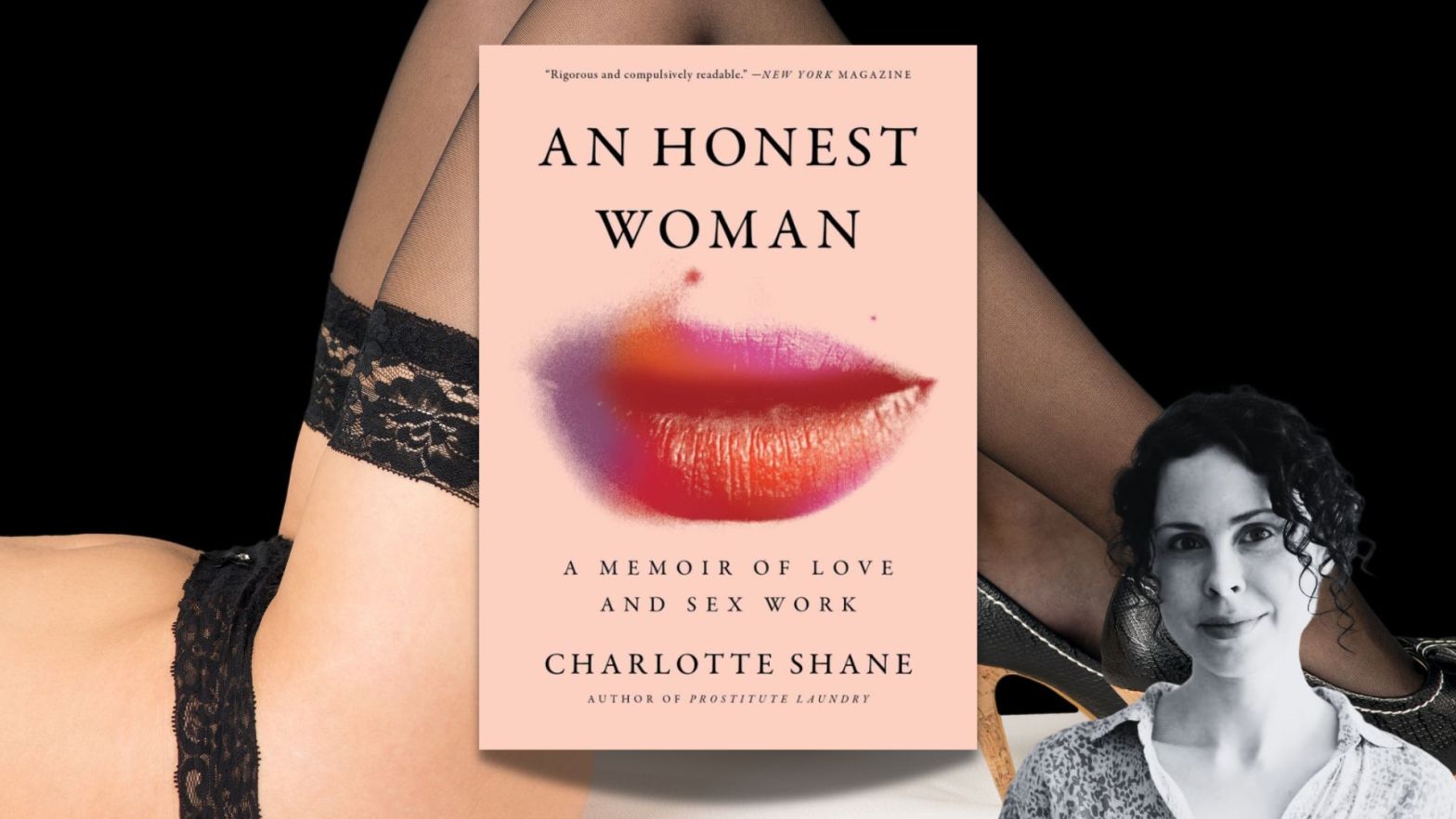
An Honest Woman: A Memoir of Love and Sex Work by Charlotte Shane contains some juicy insights into what it’s like to be a sex worker but lacks a certain emotional honesty and vulnerability to the telling.
Rating: 🌟🌟
Genre: Memoir, Non-fiction, Feminism, Sexuality
Publisher: Simon & Schuster
Review in one word: Juicy
An Honest Woman: A Memoir of Love and Sex Work by Charlotte Shane is an electrifying insight into the hidden world of being a sex worker. Shane is an exceptional writer who manages to paint some incredible paintings with her words.
The book traces Charlotte’s origin story being a young woman who preferred the company of boys rather than girls. I get that this is a counter to a lot of the man-bashing, man-hating varieties of feminism out there.
“Many men gravitate toward the security and domesticity of long-term relationships. Lots of clients will re-create their primary relationship in the field that’s supposed to be their escape from the same. They orchestrate it, because when it’s not there, they ache for it. They may need to feel and act as if they’re relationally unencumbered. They may make a show of how horribly the collar chafes or how brazenly they yank it off, but they still want the tether of home. Carousing and womanizing aren’t the same without it. A leashed dog feels the frenzy for a squirrel just out of reach, then returns to a full bowl and a fleece bed that smells of himself. An unleashed dog follows a scent into new woods, wanders exhausted into an empty field, lies down in the friendless dark.”
There’s quite a lot of internalised misogyny in her descriptions of other women. Women are depicted as dumpy old women and whiney pains who deserve their husbands and boyfriends to cheat on them or they are younger, winsome and bitchy competition for male attention. It’s a misconception and a deep stereotype that seeks to divide women – as old as the hills.
There are other women too, the ones who are neither and who are just relaxed, easygoing and just want the best for everyone?
There seemed to be no camraderie with other women at all, rather just a cold competitiveness and this shone through quite clearly in the book. Shane’s way of seeing sex as a teenager as firstly puppy-like and “innocent” exploration with her male friends translates very quickly into being about transactional value once she reaches college age. At this point she quits her Women’s Studies major and becomes a sex worker full time, raking in a lot of money. Something happens in between there for such a dramatic shift, but we don’t hear about it.
“The boys extended to me what the artist Hannah Black calls “the collegiate, unpretentious sexual warmth” characteristic of gay men that’s usually withheld between straight men and women. And in doing so, they invited me inside a sort of hedonistic Eden, a space of inclusion and innocence that existed alongside feral vulgarity. How miraculous that I’d been a part of that. Their generosity gave me something far more precious than sexual pleasure, and I would yearn to feel it again for the rest of my life.”
I don’t quite know what I was expecting from this book but it felt like there were large parts of Shane’s life that were omitted. She doesn’t quite get as vulnerable and personal as I would have hoped. Instead, there’s a lot of descriptions of all the men she’s shagged – these parts are vividly beautiful and we see the men in all of their vulnerability, loneliness and humanness in how they long to connect with her. We also get to see the ugly side of men too, the way they try all kinds of possessiveness, control, threats and stalking.
I just wished she would have extended that level of vulnerability to her reflections on own evolving self in her writing. Her relationship with ‘Roger’ a wealthy senior man who treats her exceedingly well in terms of manners, polite requests for sex and giving her financial freedom. These parts of the memoir started off compelling, but became repetitive and tiring after a while.
It is clear that despite all of the talk about only caring about money, Shane deeply desires connection, intimacy and long-lasting love. Towards the end of the book in a rather rushed conclusion, she finds her soulmate and she knows right away that he’s the one. This is a pleasing conclusion to the book, and you feel very happy for her but this felt like a sudden event tacked onto the end rather than a gradual evolution of inner life. As a result this is a patchy, inconsistent memoir.
The word alchemy is derived from the Arabic root “kimia”, from the Coptic “khem” (referring to the fertile black soil of the Nile delta). The word “alchemy” alludes to the dark mystery of the primordial or First Matter (the Khem).
Alchemy in medieval times was a concoction of science, philosophy and mysticism. Far from operating within the modern definition of a scientific discipline, medieval alchemists approached their craft with a holistic attitude; they believed that purity of mind, body and spirit was necessary to pursue their goals.
At the heart of medieval alchemy is the idea that all matter is composed of four elements: earth, air, fire and water.
With the right recipe of these elements, alchemists thought, any substance on earth might be conjured into being. The most prestigious of which was gold. Although other precious metals and medicines were also thought to be created from a process of transmutation. These practices were shrouded in secret symbols and mysterious names for the materials used.
Alchemy evolved independently in China, India, and Greece. Subsequently, scholars in medieval Europe translated these texts from Arabic into Latin and revived these texts in the 12th century. By the end of the 13th century alchemy was discussed seriously by leading philosophers, scientists, and theologians.
One of the goals of alchemy was to find the philosopher’s stone, an elusive substance from which it might be possible to create an elixir of immortality and the transmutation of common substances into gold.
Alchemy was frowned upon by the Catholic Church and practiced in secret during the Middle Ages. So many alchemists passed on their secrets and recipes via apprenticeships often in clandestine and secretive ways. Many occult practices use alchemy as a foundation. Also many of the experimental practices of alchemy laid the foundations of modern chemistry as a scientific discipline.
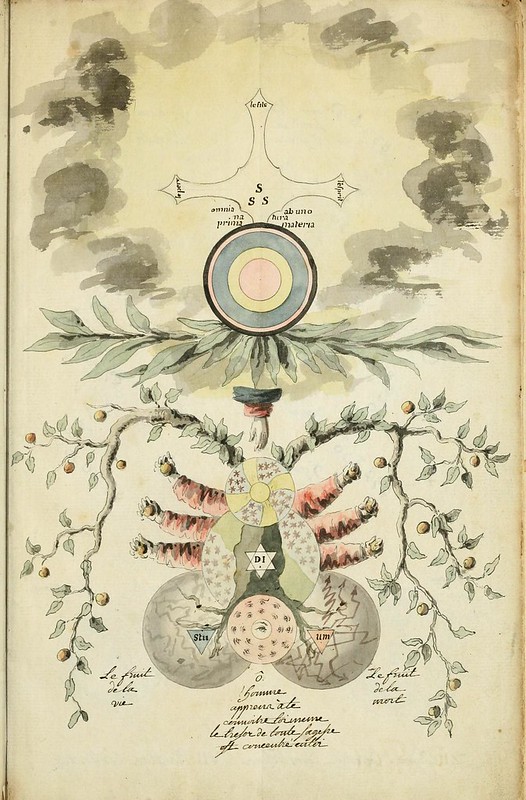
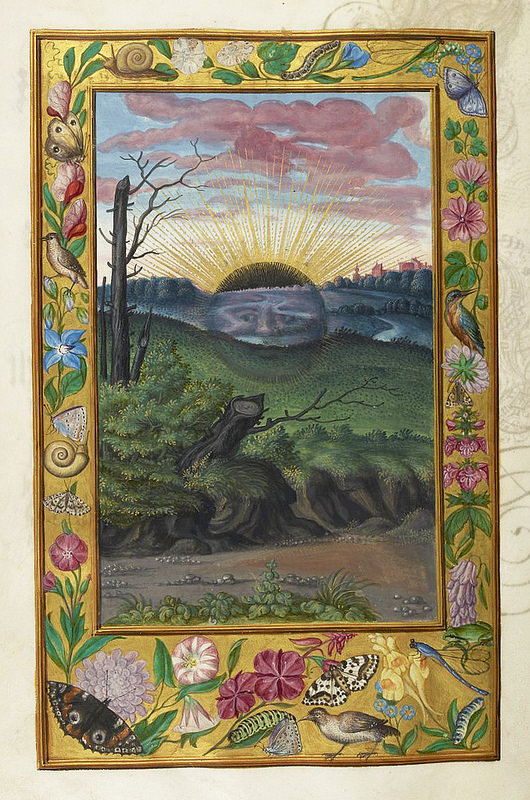
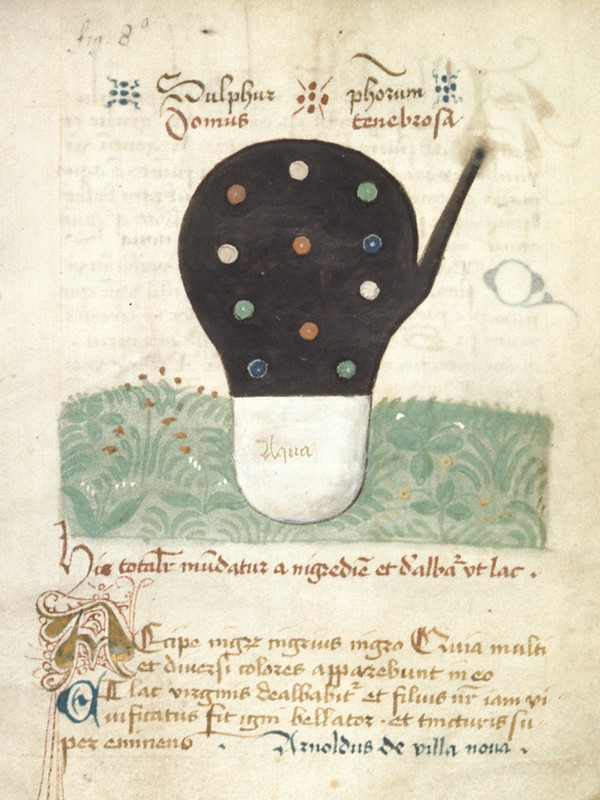
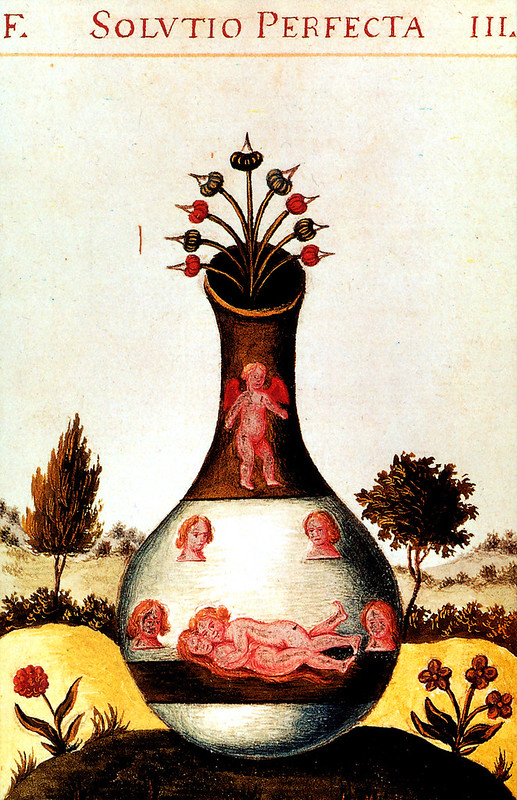
So as you might imagine, being an alchemist wasn’t the easiest and simplest of jobs in medieval times. As well as reams of text, the illustrations from those times are dizzyingly complex in terms of codes and symbology. Alchemy has given rise to whole host of strange and wondrous imagery over the centuries. Here are some medieval images of alchemy and metaphysical magic of the old ways from Wellcome Images and the brilliant Manly Palmer Hall collection at the Internet Archive.
This happened 20 mins ago. While travelling in Mernda line, a lady was visibly upset on phone. I know as she was speaking in Hindi which i can also speak. She was to go to Craigieburn after going to Mernda which is another 30 min commute. Her daughter it seems was also not well and she was going to miss a friend’s birthday function. Pretty understandable!
Then there was this Asian girl, around late teen or early twenties, who was sitting next to me, She was earlier sitting a bit far but she gave up her seat to an elderly men so he and his wife can sit next to each other. Anyways, 10 mins in- she took out the notebook from her bag started drafting a note. Just before the train fully stopped- she handed over this note to this lady and rushed out.
Now as this lady started reading this note her expression changed, she called someone up on phone again and told her the note said- “dear stranger, just want to say you are beautiful always keep smiling”. As she was talking on phone- she also looked at me and we both noded at each other and give a quick smile.
This lady then neatly folded the piece of paper and put it in her bag. She doesn’t look upset now as we are about to reach Mernda.
I guess, my point is- a little act of kindness goes a long way. Its free, A good soul really turn around an apparent bad day for someone today. Good on her!
I challenge anyone to not have a massive smile on their face or to stop dancing watching this from start to finish. I’m gutted I didn’t get to see Nile Rodgers and CHIC when they toured recently, I hope I get to see them live, even though he is really getting on in years now. Apparently it’s a transcendental experience, as this video shows! This is the side of America the soul of America: that is just legendary and joyful and that many people shouldn’t forget and should embrace given the current political situation.
A nice, straightforward recipe. There’s a total simmer time of 45 minutes but it’s low maintenance, you don’t need to worry about stirring.
Toast cinnamon sticks – Melt the ghee (or butter) then toast the cinnamon sticks. This brings out the flavour and flavours the ghee too.
Sauté – Add the onion, garlic and ginger. Cook for 3 minutes until the onion is translucent. Keep it moving so the garlic and ginger doesn’t catch.
Spices and lentils – Next, add the spices and toast them for 30 seconds, then in go the lentils. Stir to coat them in all the tasty spice flavour. Right about now, you know you’re onto something really tasty!
Simmer lentils – Add the stock and salt. Stir well and simmer for 15 minutes with the lid on.
Chickpeas – Then add the chickpeas, water and bakings soda. Simmer for a further 30 minutes with the lid off.
Ready to serve! During this second simmer time, the baking soda will work its magic and turn the chickpeas into the most creamy chickpeas you’ve ever had, and the lentils will breakdown to thicken the sauce. It will be like a thick soup consistency, not as thick as the sauce of popular Indian curries, like butter chicken. But it shouldn’t be watery – if it is, just keep simmeringThen, it’s ready to serve!
And I have realised that what I really want to communicate to her isn’t “Push through your nerves” or even “Be more self-confident” but rather “Trust that people will like you and don’t worry too much if they don’t, so that you can really be present with them.”
Committing to the performance, the handshake, the conversation, is the best way to achieve the best payoff, and failure is never as world-ending as it seems. But, if I’m being entirely honest, this is more a lesson for me than for her—I’ve been projecting my own self-conscious paralysis onto her when I have plenty of data points that show she’ll be just fine.
Game theory shows us that our own behaviour rationally follows from our level of confidence in others, and our biology reflects this—though with an out-weighed influence given to threats, meaning we need to think rationally to get around our instincts.
And that’s why the downward spiral is not inevitable, because people are actually nicer than our biological hardwiring would have us believe. So, the more trust we extend, the more confident we become in others, and consequently in ourselves (a virtuous cycle). My hope is that this helps me to be present with others, to listen without self-consciousness, and remember what is important to them, including their name.
One of my most memorable interspecies encounters was many years ago with an orangutan in a nature reserve in Sabah on the island of Borneo.
As they do when unthreatened, this kind and trusting animal gently held my hand and, mournfully, it seemed, looked me straight in the eye as if to say, “really nice to meet you despite everything your lot has done to ruin my life”.
Her friendliness and vulnerability heightened the dread, the sorrow, and the guilt that I felt about the devastating effects of savage capitalism, not just on habitat loss for such “people of the forest”, but on all habitats and the knock-on effects on global warming. And it marked the beginning of my mounting fury and my disgust with the tiny subset of humanity (mainly in the West) that is largely responsible for our planet’s dire predicament and has the power — but refuses — to prevent the looming catastrophe (e.g., the August 2025 UN treaty on plastic pollution).
In terms of the richness and diversity of plant and animal life, the freshness of the air, and the deep blues of plastic-free oceans and pollution-free skies, baby boomers like me have been around long enough for the comparisons between what it is like now in these and other respects and what it was like where and when we grew up to be glaring and stark, depressingly so.
In my case, the bright colours of such contrast come from the colobus monkeys at the bottom of our garden in the highlands of Kenya where I grew up, the flocks of aptly named superb starlings, the lilac-breasted (rainbow) rollers, the helmet crested guinea fowl, the Thomson’s and Grant’s gazelles, the pink flamingo that garlanded the lakes of the Great Rift Valley and all of the other animals of paradise which as a child I took for granted.
For reasons set out in articles like Julian Cribb’s, in places where they were once plentiful, many of these beautiful creatures — and others like them — now exist in vastly reduced numbers, sometimes only in small, furtive bands, or they have fled in search of ever-diminishing places of safety and are endangered.
I say this because the mass of statistics that convey the speed with which animals and plants are being lost (forever) or decimated, the glaciers and permafrost are melting, the atmosphere is warming, the land is being destroyed and the seas are rising, has become part of the background cacophony of capitalist business as usual as it crunches its way inexorably through what is left of our planet.
The avalanche of such information can overwhelm and induce a kind of disaster fatigue that habituates us to the prospect of self-annihilation.
In the process, the increasingly desolate world that we inhabit is being normalised and our anger defused.
Thanks to Chomsky, we know that the manufacture of such consent is deliberate. The Machiavellian “masters of the universe” are adept at keeping the oppressed majority so preoccupied with survival, so cowed by the fear of losing their jobs or falling ill, so distracted by popular culture and identity politics, and so misinformed and befuddled by the mainstream media, that they do not have the resources, the energy, or the will to revolt and express their rage.
Or their rage has been channelled against soft targets like dark-skinned immigrants and refugees and away from anything that might undermine consumption and profit, as is happening now under the Trump administration in the US and in parts of Europe.
And for those of us who can tear themselves away from the soothing emptiness of social media (etc.) and are able to look further, the bad news statistics on climate must compete with the plethora of bad news statistics on genocide and starvation and ethnic cleansing and crime and poverty and inequality – all in the carefully controlled spaces allocated to these subversive types of information by the corporate media.
In 2021, Chomsky noted that about three years earlier, Oxford physicist Raymond Pierrehumbert (a lead author of the then current Intergovernmental Panel on Climate Change report) had warned, “it’s time to panic… We are in deep trouble”. Chomsky added that “what has been learned since [about global warming] only intensifies that warning”. The cause for alarm is, of course, heightened by the growing threat of nuclear war and by the suppression of debate about these matters in supposedly democratic societies.
Hastened by the lingering aftermaths of the 2008 financial crisis and the COVID-19 pandemic, the war in Ukraine, the genocide in Gaza and its ethnic cleansing, and increasing hostility between the US and China, since 2021, the global condition has worsened significantly. Enough to make Chomsky conclude in early 2023 that unless the US could be persuaded to co-operate with its adversaries and capitalism could be overthrown or “defanged”, there was little hope for survival.
In the two years since then, like “rats racing across the ruined landscape with dollar signs in their eyes” ( Roy, 1997, p. 143), fossil fuel corporations and their government partners in crime have accelerated the pace of our wild gallop towards the precipice.
The modest purpose of this essay has been to suggest that our resistance to the losses conveyed by the overwhelming numbers to which we have grown accustomed will be stronger if we can personalise those losses; if we can calibrate their significance against our recollections of the wonders of the worlds that we knew when we were growing up.
Anything that helps “to defang [and mitigate] the savagery while recognising that dismantling the anti-human capitalist order is a longer-term and continuing project” ( Chomsky, 2023) is worthwhile.
The talismanic Pete Seeger antiwar song of the 1960s that is the title of this essay is both a lament and a rallying cry whose time has come again – for sustained resistance against the three main fangs of late-stage capitalism: global warming, the increasing risk of nuclear war and the rise of authoritarian rule.
The views expressed in this article may or may not reflect those of Pearls and Irritations.
Peter Blunt is Honorary Professor, School of Business, UNSW (Canberra); a former full professor of management in Australia, Norway, and the UK; a consultant for UN and other development agencies (40 countries); and an editorial board member of several international journals. His commissioned publications on governance and public sector management informed UNDP policy on these matters and his books include the standard works on management in Africa and, most recently, (with Cecilia Escobar and Vlassis Missos) The Political Economy of Bilateral Aid: Implications for Global Development (Routledge, 2023) and The Political Economy of Dissent: A Research Companion (Routledge, forthcoming 2026).
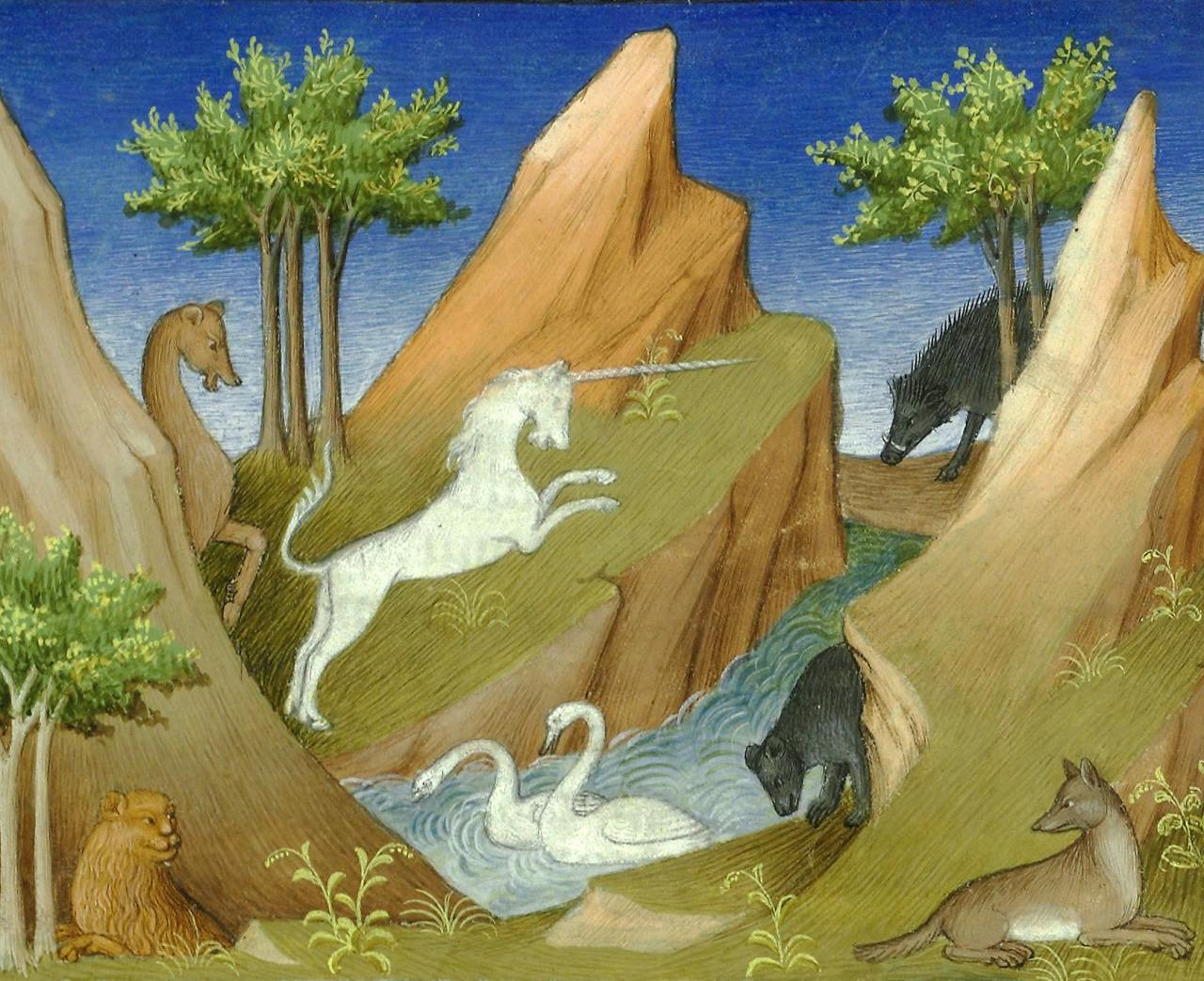
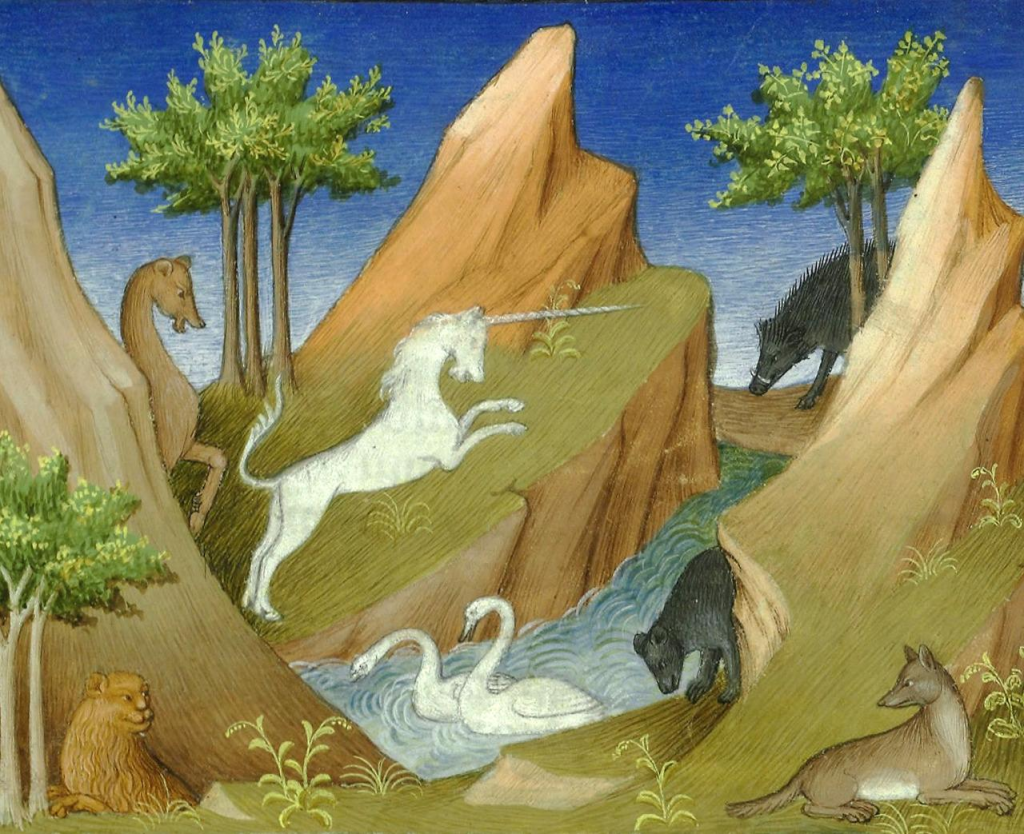
Wildlife of Malabar. compilation of the travel writings (including Marco Polo, John Mandeville, Odoric of Pordenone, Riccoldo da Monte di Croce and others), Paris 1410-1412. BnF, Français 2810, fol. 85r. #medieval#MedievalArt via Medieval Manuscripts on Mastodon
Sun makes the day new. Tiny green plants emerge from earth. Birds are singing the sky into place. There is nowhere else I want to be but here. I lean into the rhythm of your heart to see where it will take us. We gallop into a warm, southern wind. I link my legs to yours and we ride together, Toward the ancient encampment of our relatives. Where have you been? they ask. And what has taken you so long? That night after eating, singing, and dancing We lay together under the stars. We know ourselves to be part of mystery. It is unspeakable. It is everlasting. It is for keeps.








































 Content Catnip
You must be logged in to post a comment.