It’s not ‘hasta la vista baby’ as I will indeed be back. I am trying to find my feet in New Zealand. Looking for job, managing my freelance workload, finding a place to live and waiting for my partner to arrive, have all meant that blogging will take a back seat at least for the next two weeks. I will keep you all updated with more quirky, creative and inspirational things on the flipside. I hope that you will stay with me and won’t jump ship, as I love your benevolent and kindly presence out there in the digital ether.
Here in the southern hemisphere, we have a spectacular variety of ecological conditions, mammals and birds. From tropical and sweaty to arid and tinder dry. From swampy and sea level to sky-skimming and alpine. Aussie and Kiwi gardens are just blooming wonderful at any time of year. Here’s some award-winning and well-loved private gardens in the ANZAC countries. Along with some design inspiration for home owners or resort owners looking to integrate a watery wonderland into their property.
Ayrlies Garden, near Whitford, New Zealand
This is one of New Zealand’s most famous private gardens. Owner Beverly McConnell and her late husband Malcolm began digging out and planting their nascent eden back in 1964. The name harks back to the McConnell family farm in Scotland. They have created a lush and sprawling country garden with informal plantings, natural waterways, lakes and ponds.
Beverly and Malcolm used the shape of the landscape to dictate the location of the plantings and pathways. As a result, there’s a tranquility to the place. With serene strips of dappled sunlight, heady wafts of flowers and other serendipitous discoveries.
The centrepiece of the park is the thirty five acre wetland, and an eight acre lake. This is home to many migrating and local water fowl, and the cacophony of native birds communing at dusk. It takes about an hour to walk all the way around the park and take in the spectacular lake. It’s well worth the ramble.
Ayrlies Garden
Ayrlies Garden
Ayrlies Garden
Ayrlies Garden
Kennerton Green, Mittagong, NSW. Australia.
Kennerton Green was originally developed by Sir Jock and Lady Pagan in the 1950’s. This was then handed on to Marylyn Abbott in the 1970’s. There’s plenty to enjoy in this verdant sanctuary such as a potager, or vegetable garden plus a spectacular array of garden rooms that include a birchwood nook and bay tree parterre.
A trip to Kennerton Green is to step back into gentler and quieter times. There’s a flurry of mature elms and oaks, flowering cherry trees and wisteria, and a fully functioning potager. Or in other words an old fashioned fruit and vegetable garden that’s a nod to French provincial traditions. Manicured lawns and orderly box hedges bring a sense of direction to the garden. There’s also a pretty central pool with goldfish located in a medieval-style walled garden. An ornamental lake takes centre-stage in the birchwood forest. It’s the perfect place for wandering around one lazy afternoon.
Kennerton Green – Australia and New Zealand’s Coolest Gardens
Kennerton Green – Australia and New Zealand’s Coolest Gardens
Kennerton Green – Australia and New Zealand’s Coolest Gardens
Kennerton Green – Australia and New Zealand’s Coolest Gardens
Te Kainga Marire, New Plymouth, Taranaki. New Zealand
Te Kainga Marire Garden in Taranaki in New Zealand was originally a half acre of clay 30 years ago with wild fennel and blackberries growing there. Now that it’s been skilfully mastered and tamed, it’s been honoured as one of the few private gardens of international significance in New Zealand.
Te Kainga Marire was even featured on the BBC’s ‘Around the World in 80 Gardens’. Te Kainga Marire means peaceful encampment in Maori – and that’s exactly what it is. An inner city garden that celebrates native plants and New Zealand bird-life. It’s also brought back into the neighbourhood lots more Tui, whose numbers were slowly dwindling due to urbanisation.
Valda Poletti and David Clarkson are the owners, who had a vision to lovingly create a mix of alpine, coastal and wetland ferns and shrubs, to create an ideal sanctuary for local birds in the area. They were spurred into action by the dwindling numbers of Tui in the area, and have successfully created a safe place for the birds to thrive. The garden wraps around the Poletti-Clarkson home and also nestles closely to the Te Henui walkway, a picturesque walkway that leads from the city to the sea. This is a proper microcosm of New Zealand’s native plants and birds and is a must-see for any visitor in the Taranaki region.
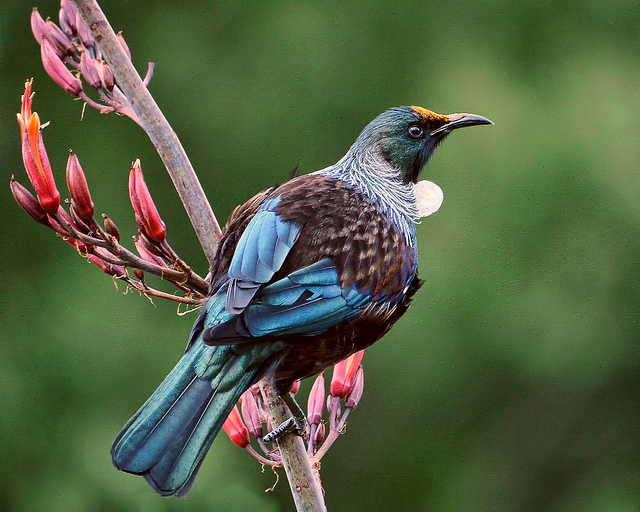
Tui
Tui, one of New Zealand’s native honeyeaters are important pollinators of native forest flowers. The flowers of the harakeke, or NZ flax, are perfectly shaped to fit the tui’s beak. The yellow colouring on this tui’s forehead is a dusting of pollen from the harakeke flowers where it had been feeding on nectar.They are intelligent, aggressively territorial, and are said to be able to imitate the calls of nearly every other bird, as well as a vast array of other sounds.
Be transported into a different reality. With these floating, untethered words and music that I’ve curated or stumbled upon accidentally. In any case they are evocative and inspire deep escapism and magical voyages into the history of the world. Enjoy! There will be more Historic Jukebox to come!
Instructions
1. Play Video.
2. Read Text.
3. Daydream.
Edgar Allan Poe ‘The Bells’
I
Hear the sledges with the bells-
Silver bells!
What a world of merriment their melody foretells!
How they tinkle, tinkle, tinkle,
In the icy air of night!
While the stars that oversprinkle
All the heavens, seem to twinkle
With a crystalline delight;
Keeping time, time, time,
In a sort of Runic rhyme,
To the tintinnabulation that so musically wells
From the bells, bells, bells, bells,
Bells, bells, bells-
From the jingling and the tinkling of the bells.
II
Hear the mellow wedding bells,
Golden bells!
What a world of happiness their harmony foretells!
Through the balmy air of night
How they ring out their delight!
From the molten-golden notes,
And an in tune,
What a liquid ditty floats
To the turtle-dove that listens, while she gloats
On the moon!
Oh, from out the sounding cells,
What a gush of euphony voluminously wells!
How it swells!
How it dwells
On the Future! how it tells
Of the rapture that impels
To the swinging and the ringing
Of the bells, bells, bells,
Of the bells, bells, bells,bells,
Bells, bells, bells-
To the rhyming and the chiming of the bells!
III
Hear the loud alarum bells-
Brazen bells!
What a tale of terror, now, their turbulency tells!
In the startled ear of night
How they scream out their affright!
Too much horrified to speak,
They can only shriek, shriek,
Out of tune,
In a clamorous appealing to the mercy of the fire,
In a mad expostulation with the deaf and frantic fire,
Leaping higher, higher, higher,
With a desperate desire,
And a resolute endeavor,
Now- now to sit or never,
By the side of the pale-faced moon.
Oh, the bells, bells, bells!
What a tale their terror tells
Of Despair!
How they clang, and clash, and roar!
What a horror they outpour
On the bosom of the palpitating air!
Yet the ear it fully knows,
By the twanging,
And the clanging,
How the danger ebbs and flows:
Yet the ear distinctly tells,
In the jangling,
And the wrangling,
How the danger sinks and swells,
By the sinking or the swelling in the anger of the bells-
Of the bells-
Of the bells, bells, bells,bells,
Bells, bells, bells-
In the clamor and the clangor of the bells!
IV
Hear the tolling of the bells-
Iron Bells!
What a world of solemn thought their monody compels!
In the silence of the night,
How we shiver with affright
At the melancholy menace of their tone!
For every sound that floats
From the rust within their throats
Is a groan.
And the people- ah, the people-
They that dwell up in the steeple,
All Alone
And who, tolling, tolling, tolling,
In that muffled monotone,
Feel a glory in so rolling
On the human heart a stone-
They are neither man nor woman-
They are neither brute nor human-
They are Ghouls:
And their king it is who tolls;
And he rolls, rolls, rolls,
Rolls
A paean from the bells!
And his merry bosom swells
With the paean of the bells!
And he dances, and he yells;
Keeping time, time, time,
In a sort of Runic rhyme,
To the paean of the bells-
Of the bells:
Keeping time, time, time,
In a sort of Runic rhyme,
To the throbbing of the bells-
Of the bells, bells, bells-
To the sobbing of the bells;
Keeping time, time, time,
As he knells, knells, knells,
In a happy Runic rhyme,
To the rolling of the bells-
Of the bells, bells, bells:
To the tolling of the bells,
Of the bells, bells, bells, bells-
Bells, bells, bells-
To the moaning and the groaning of the bells.
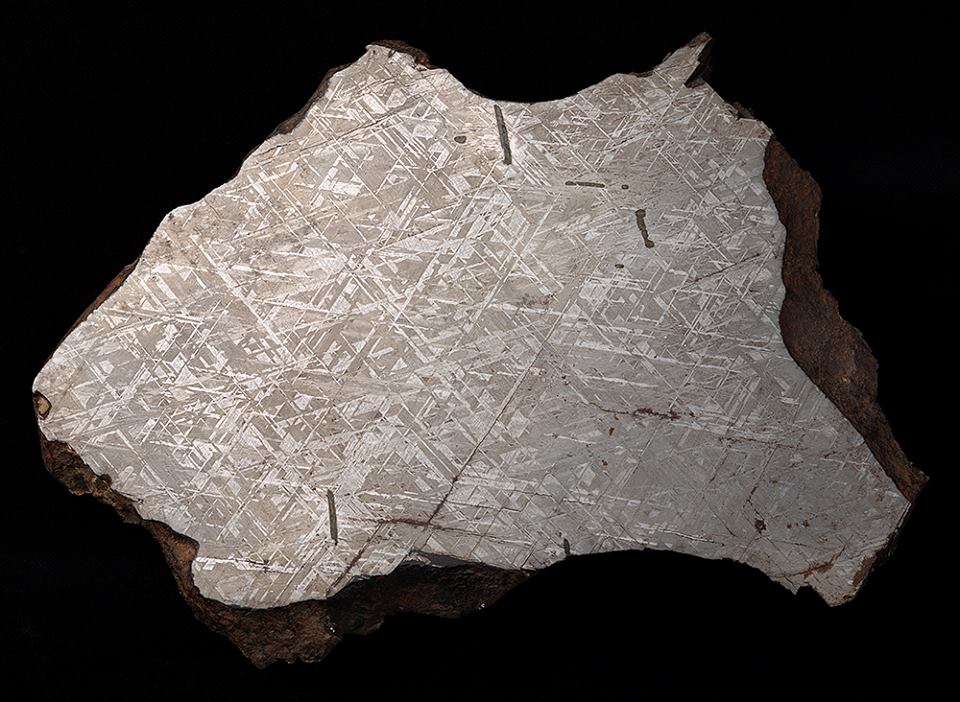
This striking and odd meteorite section looks like an email from space or a painting sent to earth by an alien race. For those who are curious (all of you!) these mystical, geometric markings are formed by post-atmospheric cooling.
Although these striations and patterns are made by nature, they are reminiscent of a flyer for a 90’s rave party or a digital image created by computer – it’s a futuristic techno-fantasy, yet these patterns were made by nature. Utterly amazing! Click the picture for a closer view.
Sydney has some nefarious and idiosyncratic history. Nowadays it’s presented with a shiny, modern patina of progress. Although little more than a century ago the story was less chirpy and cheerful and more like a bad episode of Survivor.
1. Cockatoo Island
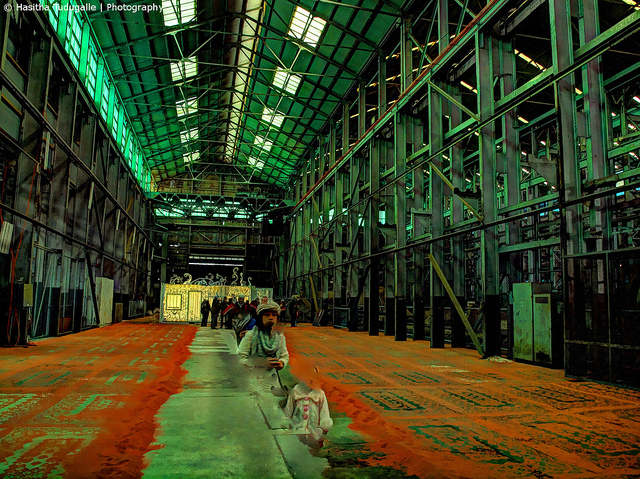
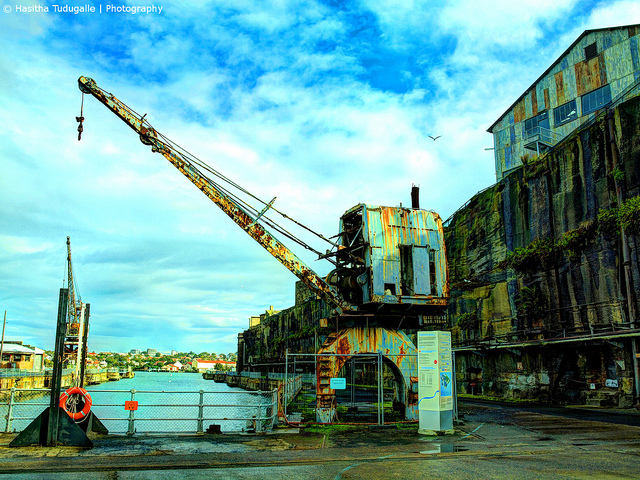
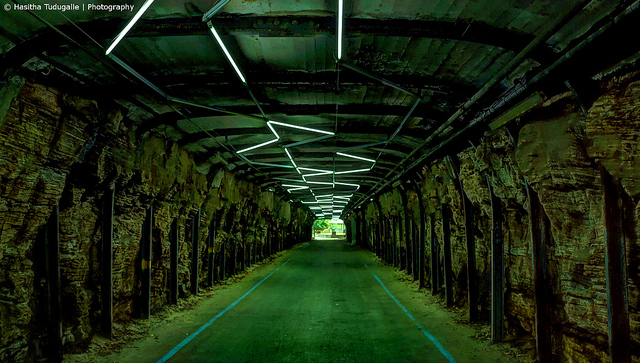
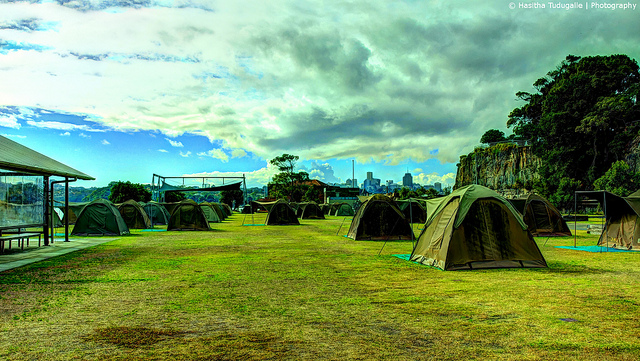
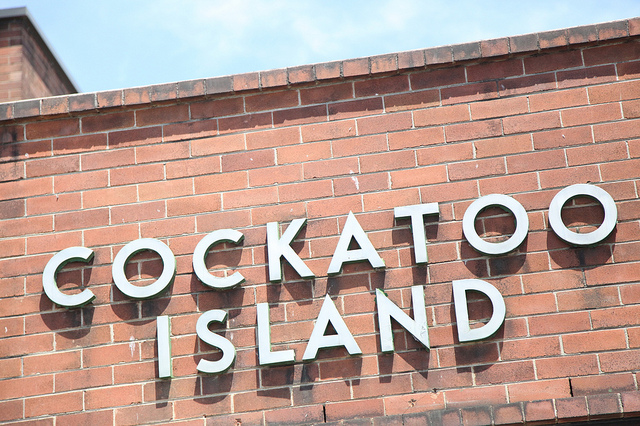
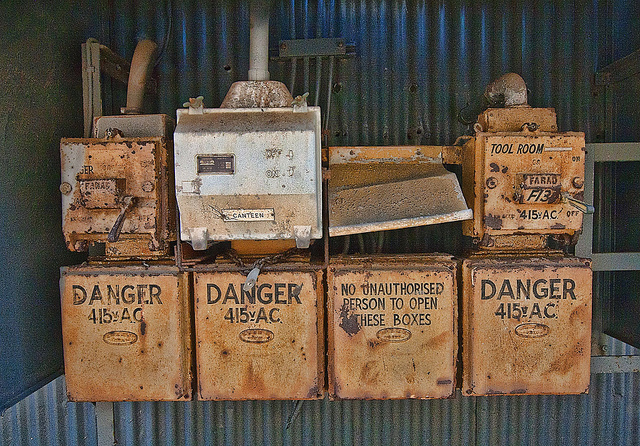
This island has a somewhat grim intriguing history, matched by its demeanor – a menacing and spooky looking naval outpost. Originally there was a prison here, then a reformatory school for girls, a naval college for boys, and finally a shipbuilding facility. Nowadays, Cockatoo Island has undergone a cultural renaissance and is home to regular cultural events including the Sydney Biennial and Film Festival. Photos below courtesy of Hasitha Tudugalle.
2. Fort Denison
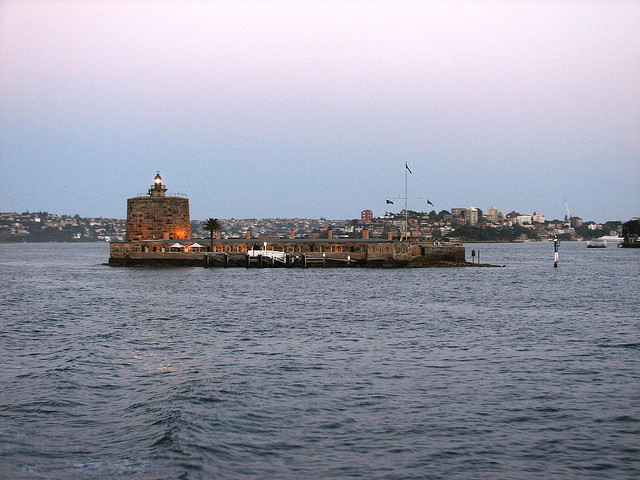
Before white settlement, this place was known by the Eora people as Matewanye. Fort Denison was once a creepy marooning point for convicts, left to fend for themselves with little water or food. Known as Pinchgut by convicts, the story of struggle was showcased in a 1959 film Four Desperate Men, which won the Golden Bear at the Berlin Film Festival. Fort Denison has well and truly moved on though, and is now a swanky reception venue.
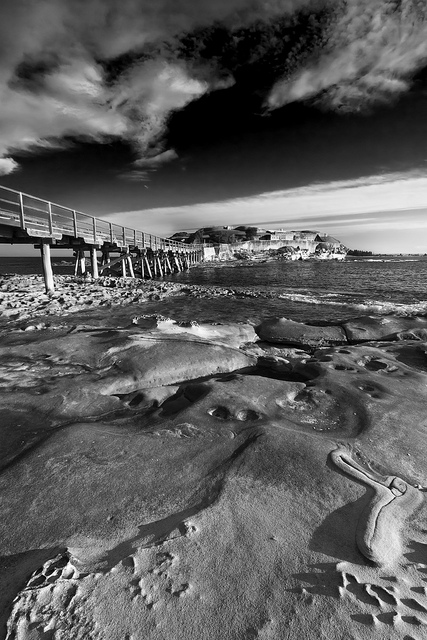
This barren island has always struggled with its identity. Located 30 metres from the coast of La Perouse; predictably Captain Cook christened this place Bare Island because of its dry soil. He then used it as a sentry point for ward off invaders. The crumbling old fort on the island was decommissioned a century later in 1902. After this Bare Island was briefly a retirement home for war veterans, before being handed over to the NSW Parks and Wildlife Service. Nowadays its known for the great snorkelling on the surrounding reefs.
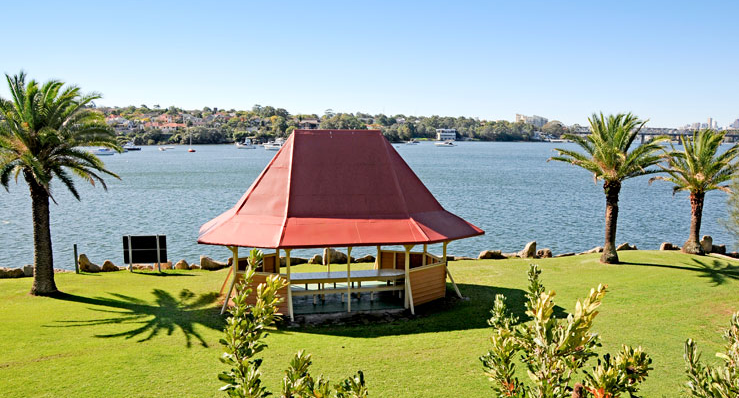
Formerly a factory, scientific research facility and training base for the US Army during WWII. Nowadays Rodd Island can be hired out exclusively for functions at $1,250 per day or non-exclusively for $7 per person.
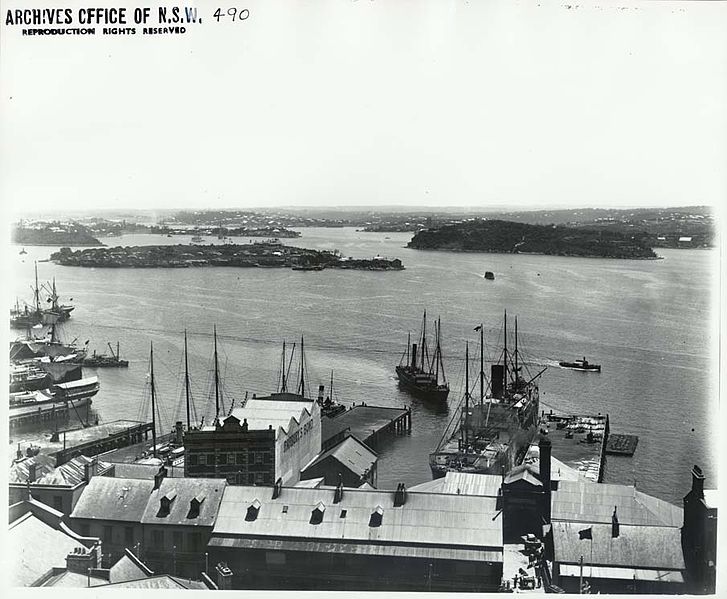
This island was originally used as a naval storage facility. Then as a sandstone quarry manned by convicts. One unfortunate convict Charles Anderson aka the ‘Tattooed Seaman’, was chained to a rock on Goat Island and had to fish from there in order to survive. More recently the island was used as a set for the Australian TV series Water Rats.
Walsh Bay looking towards Goat Island, no date. Image Source
Do you think that volcanic places make the most beautiful and dramatic destinations? I believe they do. Volcanic places are the crossroads of the earth’s crust! Where the techtonic plates of the earth combine and form mountains, volcanic activity, thermal lakes and more. Think of Iceland and New Zealand, two of the most remote and tumultuous geological places in the world. Home to ground-rippling earthquakes and ‘young’ mountains that are only a few million years old.
FYI: I am about to embark on a move to New Zealand with my boyfriend.
My question to you is….what is your favourite remote place in the world, and why?
This gorgeous selection of detailed drawings will be shown at the State Library of New South Wales’ TAL & Dai-ichi Life Derby Collection. The drawings come from the private collection of Australian art collector Kerry Stokes, among other collectors. Some of these treasures haven’t ever been seen before by the public!
This slideshow requires JavaScript.
Anybody with an interest in natural history, art or the history of Australia should head to the State Library of NSW for this exhibition. It’s a refreshing change from other colonial stories. The staple narrative of the early days of Australia’s colonisation recounts the punitive conditions, hunger and isolation of convicts. However along with this grim side of history, these hand-drawn treasures show early European settlers’ curiosity and tenderness for strange and striking looking Australian fauna.
This slideshow requires JavaScript.
Featuring works by convicts-turned watercolourists John Doody and Thomas Watling. You can also peruse these sublime pictures at your leisure in the book by Louise Anemaat Natural Curiosity: Unseen Art of the First Fleet.
Compared to the Old World, Australia presented the early settlers with a cacophany of birdsong and flurry of colours with black swans that glided into billabongs; parrots and lorikeets that cavorted in the trees; and shy and elusive marsupials hiding behind the brush.
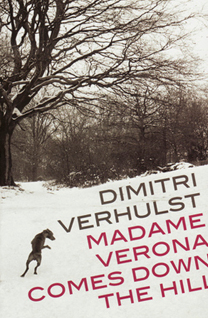
By Dimitri Verhulst
Translated from Dutch by David Colmer
Portobello Books 2010.
Enduring love in a remote Flanders village is given a quirky twist, in this novella by Dimitri Verhulst. Translated from Dutch by David Colmer, it doesn’t lose any of its magic or immediacy in English. The story opens with the beautiful and forlorn widow Madame Verona, who decides to make one final trek down the hill from her wooden house, that’s encircled by ageing pine woods, one freezing February day. She’s old and knows that she can’t get back up the hill to her home. With clear-eyed awareness, she departs with a faithful stray dog at her side.
The story then shifts back decades to when she was young. Her dalliance and later marriage to Monsieur Potter, a composer who is prone to bouts of extreme melancholy. They both live in domestic happiness for a couple of years. Attached at the hip, they visit the village together and mingle with the locals. Later, he is diagnosed with an incurable disease. Deciding to spare his young wife the burden of looking after him; Monsieur Potter hangs himself in the woods.
Madame Verona is so sure about their love, that she deflects the interest of a whole bevvy of young suitors to replace him. Even though he’s no longer alive, his presence is palpable and we experience him through her, his moods, sounds and presence in the wooden cabin. She waits around for 20 years to finally pay him a proper tribute before saying ‘Au Revoir’ herself.
Madame Verona Comes Down the Hill is full of mellifluous and energetic prose. Quirky sideline stories illuminate village life. The village vet is also a makeshift doctor to the locals. She is harsh and damning and puts human patients into a headlock, in case she gets fleas. A local eccentric rations cigars by writing an exact time for smoking, on each of the bands. In the canteen of an old cinema, villagers play enthusiastic winner-takes-all games of table football.
There are no normal plot devices here of failures or regrets. Instead there’s only a patient longing for reunion. Verhulst has succeeded in crafting a short and sweet novel that’s pure, romantic and genuinely uplifting.
This is a love story for romantics who haven’t been jaded or embittered by memories. Otherwise, it’s equally appealing to people who, despite their sad experiences, still have reason to be hopeful. In this sense, it’s completely different in a charming way, to a lot of fiction. Read it and pull your lover (or your pet) closer!
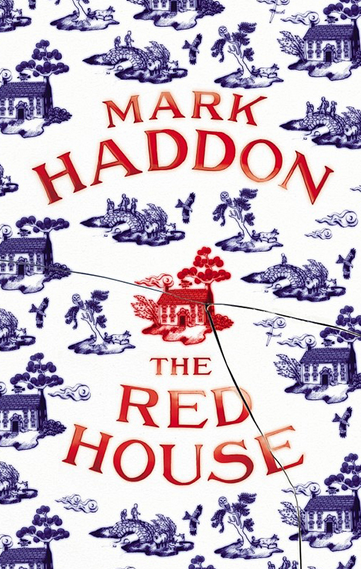
The Red House by Mark Haddon is a domestic drama that gets right under the skin of family life. The idea of ‘family’ takes on an intimate, shockingly beautiful and grotesque patina in this book.
The story centres around a brother and sister and their respective families, who take a seemingly innocuous trip to stay together in the Welsh countryside. Richard is a hospital consultant and his sister Angela is a school teacher. They have been estranged for the majority of their lives due to their tumultuous childhoods. They are brought together in their forties by the death of their mother. Almost strangers after decades of living in separate parts of Britain, Angela and Richard and their two families are polar opposites to each other.
In the beginning, the two families head towards a remote farmhouse in Hay-on-Wye in Wales. The agenda – to recline together in a ritual of relaxation and idleness for the week. Over the excruciatingly long week, the undercurrents of tension, dread, contempt and in some cases even lust bubble up to the surface like a rain-swollen peat bog.
In one car going to the cottage is Richard and his coltish and young wife Louisa. Also Louisa’s nasty, queen-like teenage daughter Melissa, from her first marriage. Travelling in the other car is Angela’s family. Her husband Dominic is a man who has slipped through the cracks of society with a hapless job at Waterstones and an indifferent attitude to everything. Their children are Benjy a fervently imaginative and hyperactive young child; teenage daughter Daisy who is inexplicably devout to Jesus despite the chagrin of her peers; and the eldest son Alex – athletic, warrior-like and sex-mad.
Just like in his previous book ‘A Spot of Bother’, Haddon manages to make the mundane extraordinary. In the beginning of the book Haddon compiles marketing material of the cottage in an unexpected way.
Stunning views of the Olchon Valley…Grade 2 listed…sympathetically restored…a second bathroom added…large private garden…shrubbery, mature trees…drowning hazard…mixer taps…a tumble dryer…no TV reception…£1,200 per week…all reasonable breakages…American Express…the septic tank…
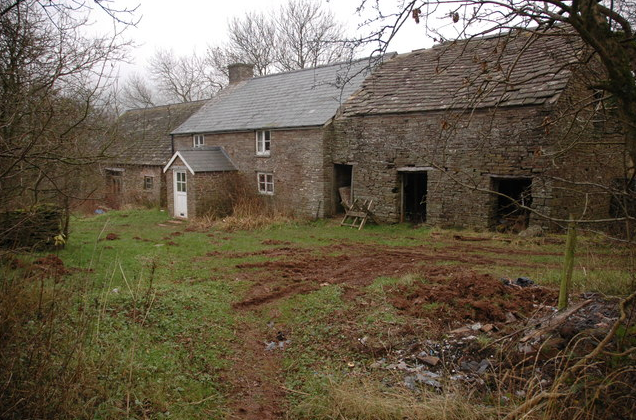
Typical farm in the Olchon Valley
It’s in these everyday words and their natural fidelity to each other, that these often overlooked banal details become beautiful, and come roaring into life.
The whole book is filled with exquisite moments of pure consciousness. It’s the troubled stream of consciousness of characters who are cracked, damaged and hurt by ghosts long gone. They are harangued by their own egos, needs and wants. In some cases these people are monstrous. However mostly they’re just human, fragile in their varying ways. This one is not to be missed. It’s so beautiful and sorrowful. The language is so vivid and alive it practically dances off the page.
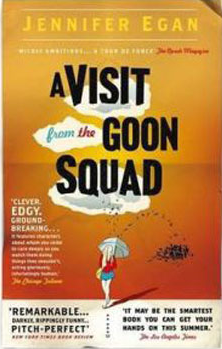
This fictional novel by Jennifer Egan is an insight into American life from the 1960’s onwards. A kaleidoscope of relationships, strong personalities and memories all jolt back and forth in time. Themes covered in the book include family dysfunction, communication breakdown, desire and love, death and ageing. All of these grim topics exist easily alongside riotously funny satire.
The title ‘A Visit from the Goon Squad’ suggests slightly menacing subject matter, but this isn’t a gangster novel. The meaning becomes clear, when a character in the novel says: ”Time’s a goon, right? You gonna let that goon push you around?”.
The characters all go through a terrible adult teething period of the late teens and early 20’s, when their emotional bruises, disappointments, fears, and pathos all seem to explode. This is when an individuals’ own dreams and the world outside, either coalesce or break apart like oil and water. It’s about the decisions that people make when they’re young that continue to be carried on the mind and body like tattoos afterwards. This sweeping epic novel of the 20th Century charts how decisions by loosely connected people have a ripple effect across decades; moulding and morphing other people’s destinies.
Goon Squad spans various decades. From 1970’s San Francisco, to 90’s New York, to a grim Orwellian vision of California sometime in the 2020’s. Sideline characters all get their time in the sun, and reveal their foibles and mental ticks in a way that’s completely irresistible.
The prose rockets along like a painfully beautiful musical composition that could either be classical, punk or over-produced pop. A Visit from the Goon Squad is completely unconventional in structure and has a lot in common with the Internet’s non-linearity.
In the final chapter, set in the not too distant future of 2020, Egan uses text speak between characters. Abbreviation is turned on its head in a disturbing, humorous way. ”If thr r children, thr mst b a fUtr, rt?”
This would probably be the first novel ever created that features a PowerPoint presentation as a chapter. Egan uses this weird medium to demonstrate that communication is always faulty and partial. There’s gaps between what people say and what they actually mean.
The language is rich, alive and visceral. With the feeling as a reader that you’re eavesdropping on a juicy conversation somewhere. Perhaps a NYC subway train; a trucker’s radio bandwidth; or standing in line at a metal gig in the early 80’s.
The characters are as confused, contradictory and as lovably full of shit as anybody you would encounter on the street. It’s classic American satire in same vein as Don De Lillo’s ‘Great Jones Street’. It won the Pulitzer Prize too! So set aside a good few hours with copious amounts of tea, a comfy sofa, and prepare to have your hair blown back.












 Content Catnip
You must be logged in to post a comment.