Entertaining, at times odd and eccentric whistlestop tour through the human body’s most bizarre functions. A bit awkward and OTT in its storytelling at times. I found myself wanting deeper understanding of these medical wonders, rather than just silly and witty nuggets of information.
This is a far cry from a typical dry medical textbook, and for this creativity Taor should be applauded. This is your body like you have never seen it before, full of mystery, eccentricity, weirdness and genius.
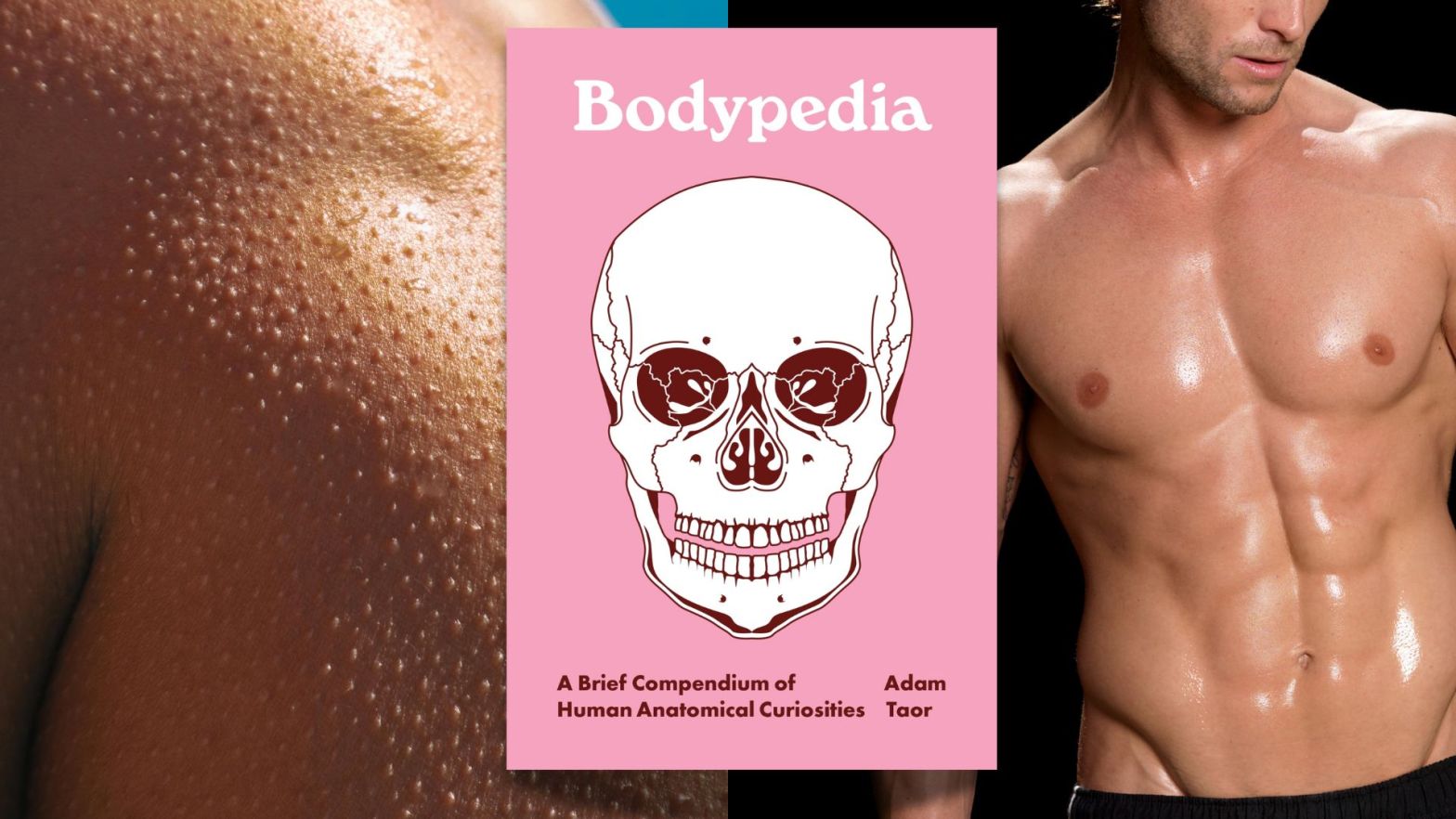
What is the difference between genuine tears and crocodile tears? What possessed Isaac Newton to stick a needle into his own eye socket? Why did one of the world’s most influential surgeons steal the skeleton of a giant? What are the “beastly origins of goosebumps”?
I really enjoyed the parts about the misogyny inherent in the naming of female anatomy. About how women’s reproductive organs were named after men who performed really invasive experiments on them. I really appreciated Adam writing at length about this, when other male authors would probably glaze over it.
To be honest I found Taor’s storytelling style a bit too over the top and silly after a while and the madcap style overshadowed the material itself with some of the segways and connections coming across forced and self-conscious rather than natural. For this reason, I couldn’t get through this book the whole way and probably stopped at about one third through.
About the Author
Adam Taor is an author, journalist, and the co-director of a healthcare advertising agency in Sydney, Australia. He is also the author of There’s a Worm on My Eyeball!
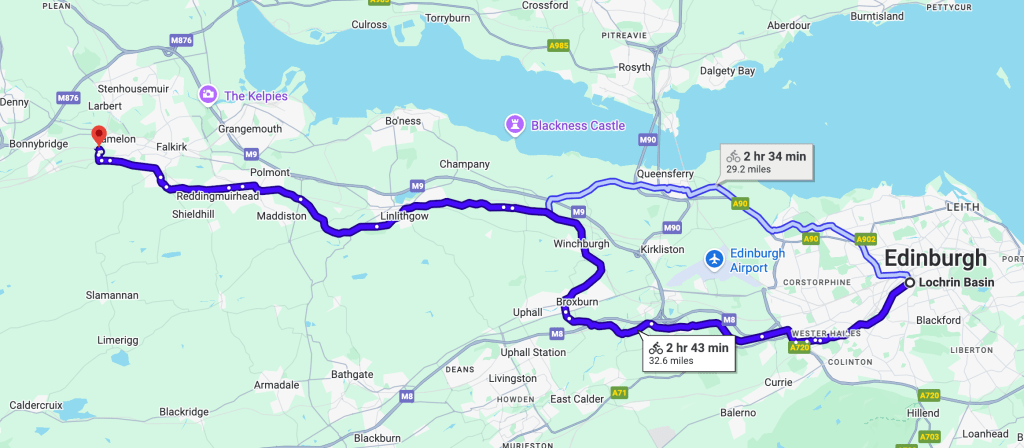
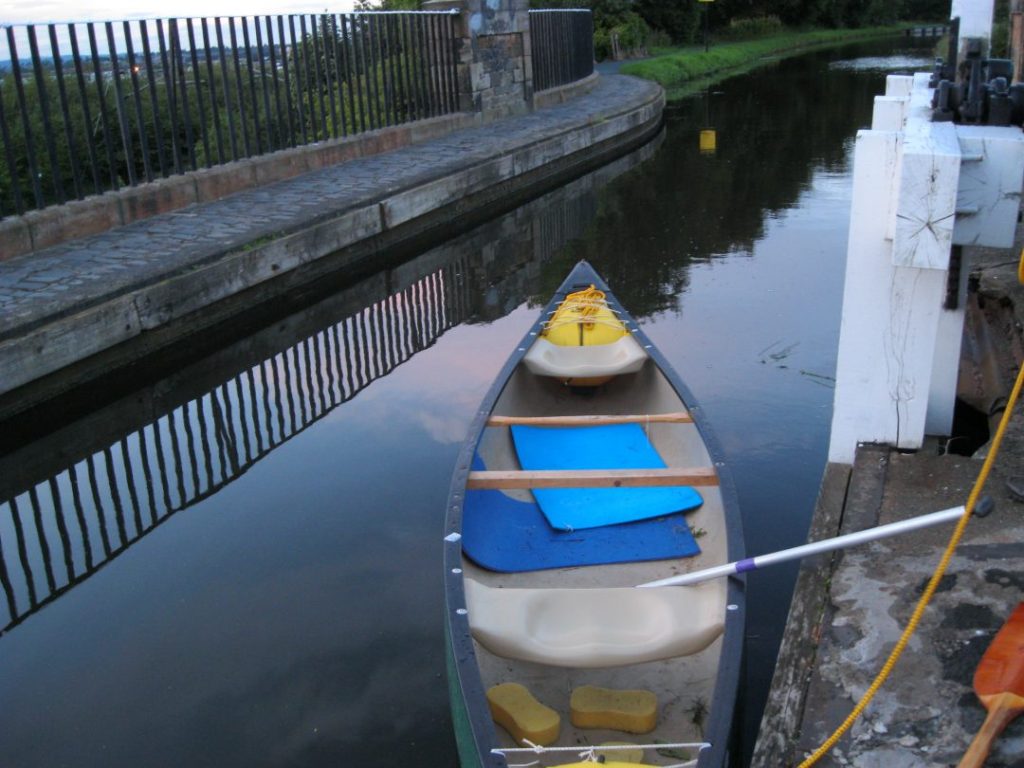
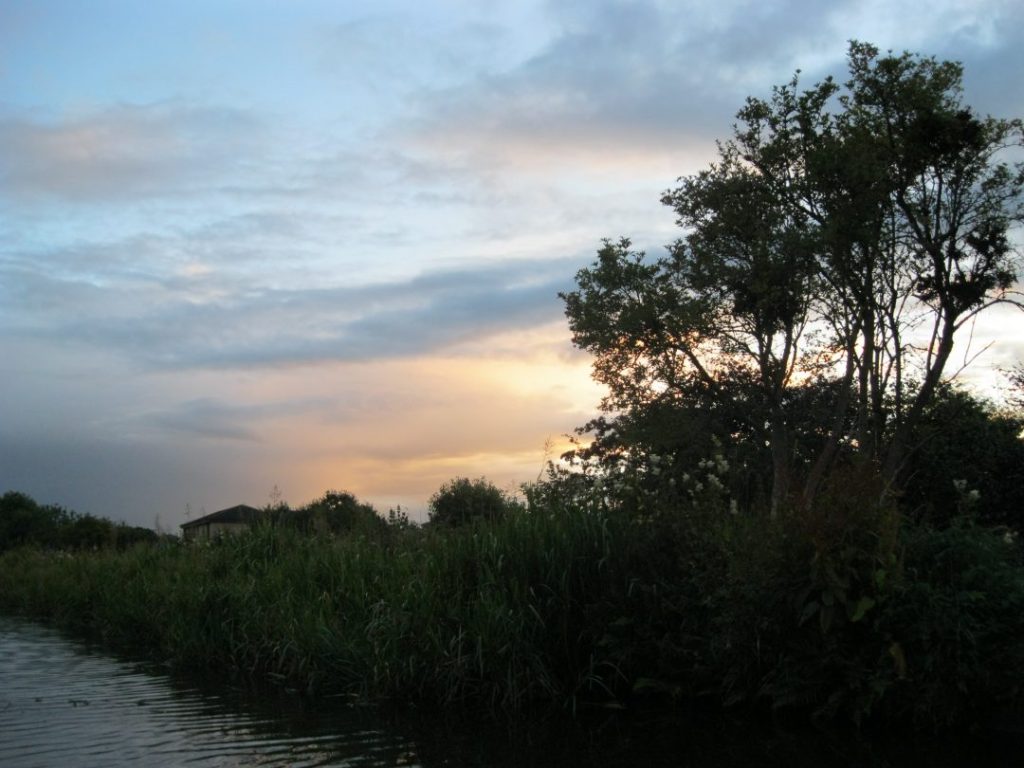
Above is a map of the first part of the canal which stretches from Lochrin Basin to Falkirk Wheel over a distance of 32 miles. The remainder of the canal after that goes to Glasgow and turns into the Clyde River. See more detail.
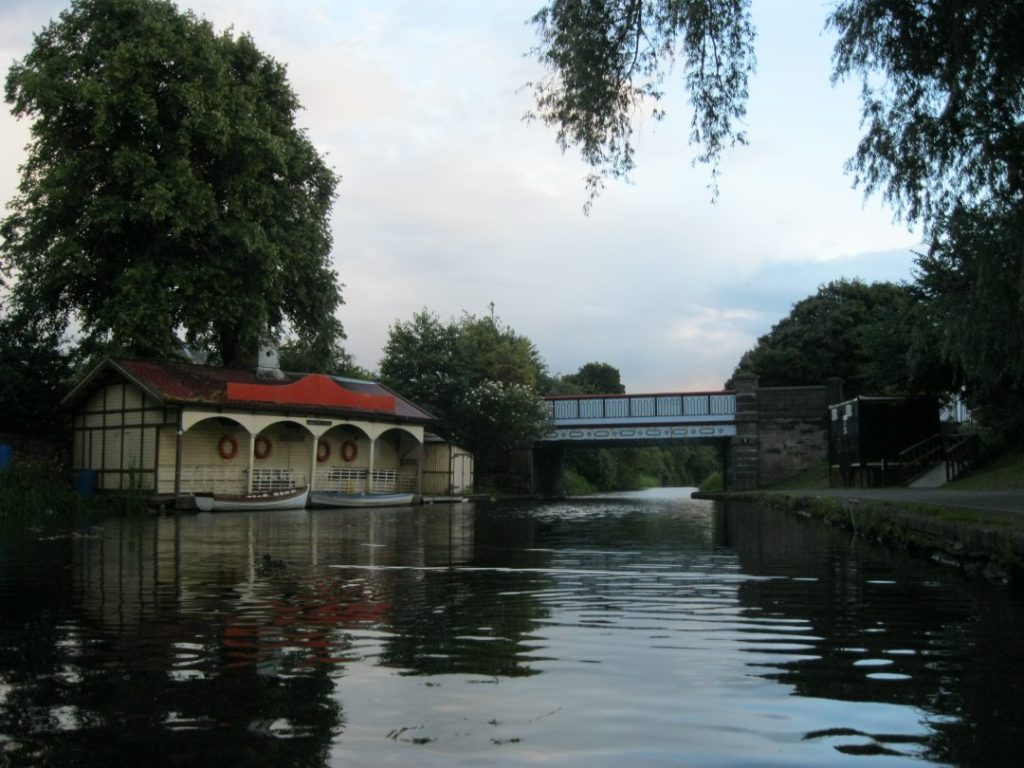
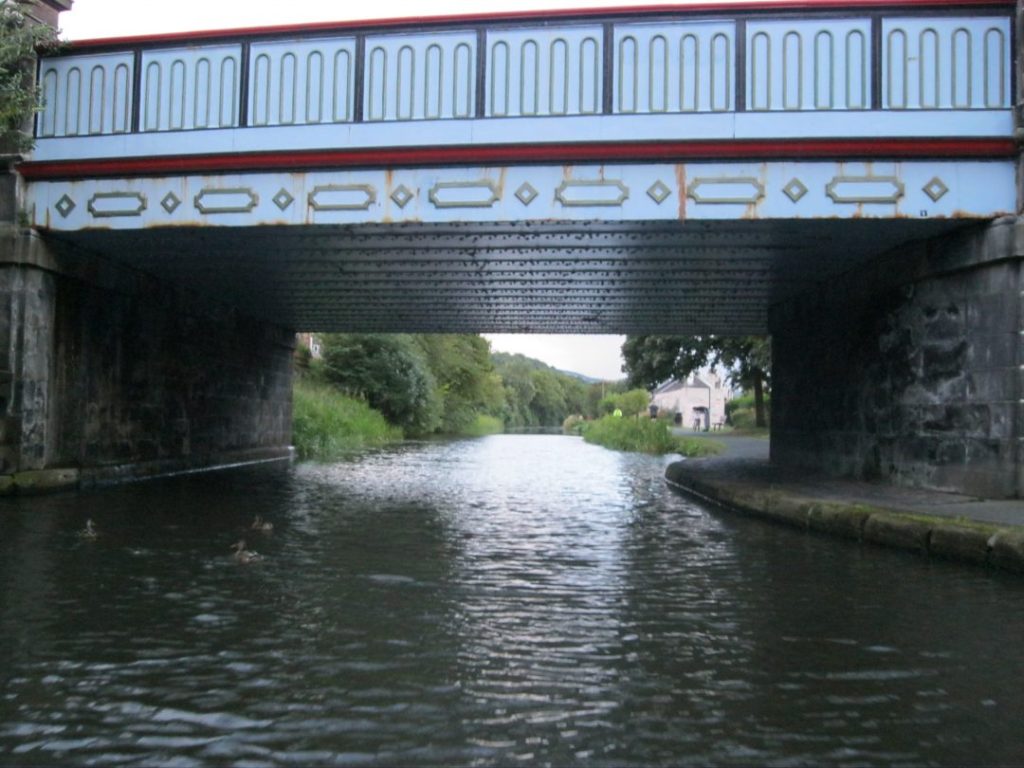
Originally opened in 1789, the Forth and Clyde Canal crossed the lowlands of Scotland at its narrowest point. The man-made canal is 56km (35 miles) long and connects up the Firth of the Forth (Edinburgh) and the Firth of Clyde (Glasgow), two bodies of water leading to the ocean. This route enabled seagoing vessels to travel from Edinburgh to Glasgow across the middle of Scotland with relative ease to transport goods.
A fishing boat on the canal parked in Maryhill, Glasgow. Courtesy: Scottish Waterways Trust
Before the industrial revolution this canal was critical for transporting goods and for fleets of east coast fishermen who went from the North Sea through the canal, in order to fish in the Irish Sea.
At the end of the 18th Century, the canal was used for leisure steam boat cruises where Calendonians would be able to enjoy food, drink and newspapers, the cruise ending in Falkirik 3.5 hours later. Around 44,000 people travelled this way over the 20 years.
However with the invention of the steam engine, and with boats getting too large to fit into the canal, the waterway was rendered superfluous. In around 1930 it fell into disrepair, in favour of train and freeway transport. In 1960 the canal was closed for commercial purposes, as the cost for maintaining it outgrew the amount of revenue the canal generated.
In Falkirk (a town midway between Edinburgh and Glasgow) the canal was filled in and built over, effectively cutting it off.
As part of the millennium celebrations in 2000, there was major revamp done on the canal with the creation of the Falkirk Wheel. This novelty boatlifting device connects the Clyde and Forth canals together once again. The canal was opened again and this allowed boats to again travel between Edinburgh and Glasgow. This has become a popular tourist destination. Revived local interest in the canal and its potential as a picturesque place to workout and live alongside has meant a spark in real estate developments alongside the canal.
Film recommendation
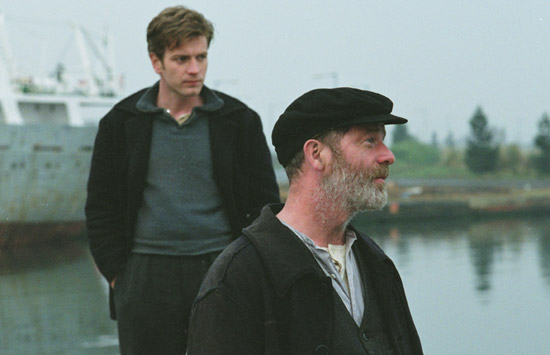
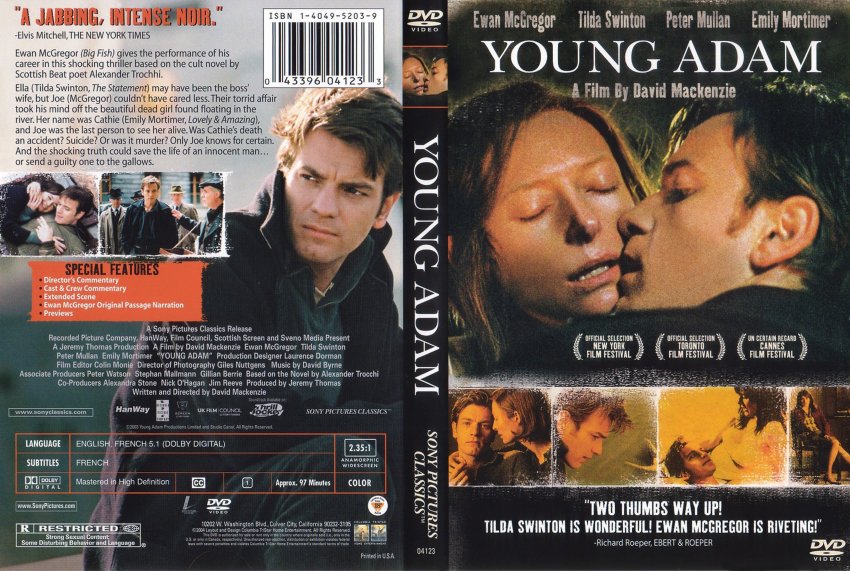
Young Adam starring Scottish actors Ewan McGregor and Tilda Swinton, is a period drama that’s set on the Forth and Clyde Canal in Glasgow/Edinburgh. This indie suspenseful thriller is about a lonely fisherman who becomes embroiled in a dangerous game. Young Adam didn’t achieve much commercial success, but it’s excellent and the performances (as you would expect from these two exceptional actors) are great.
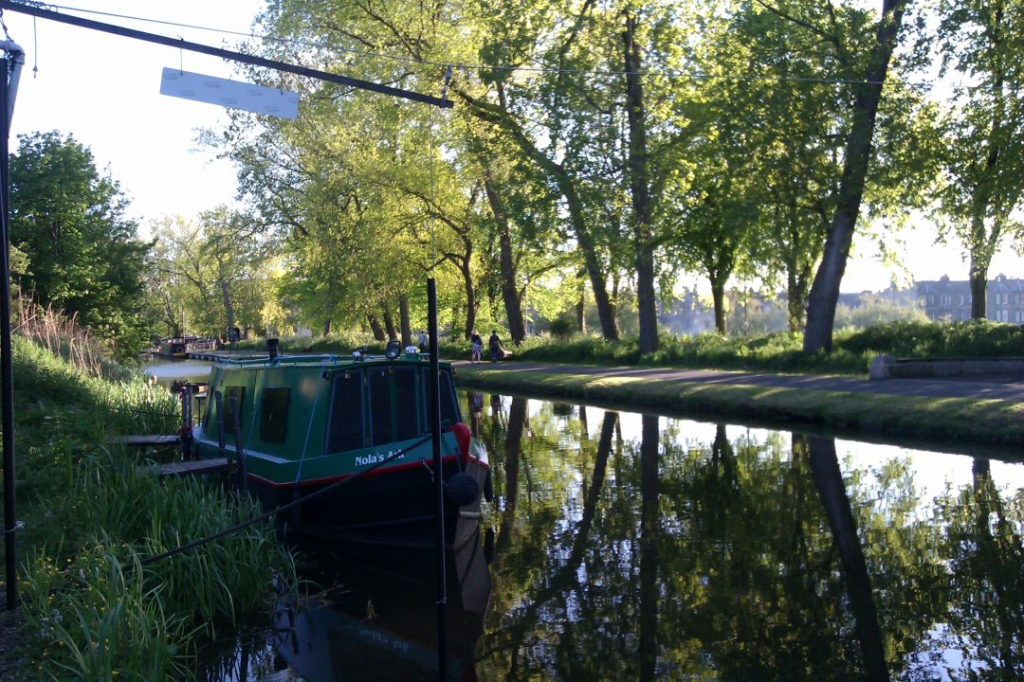
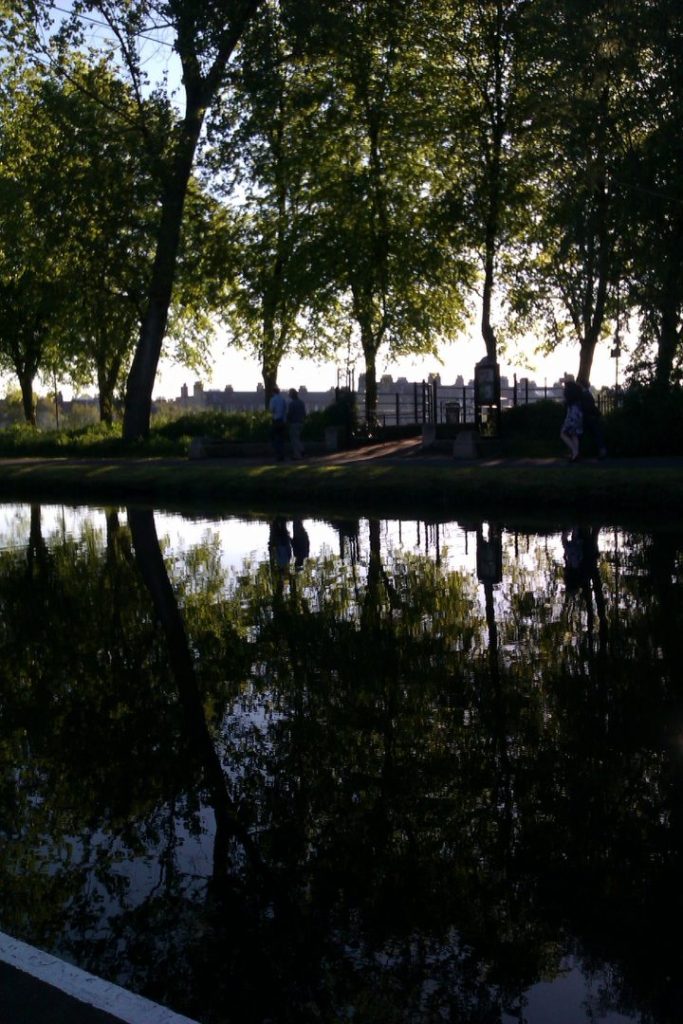
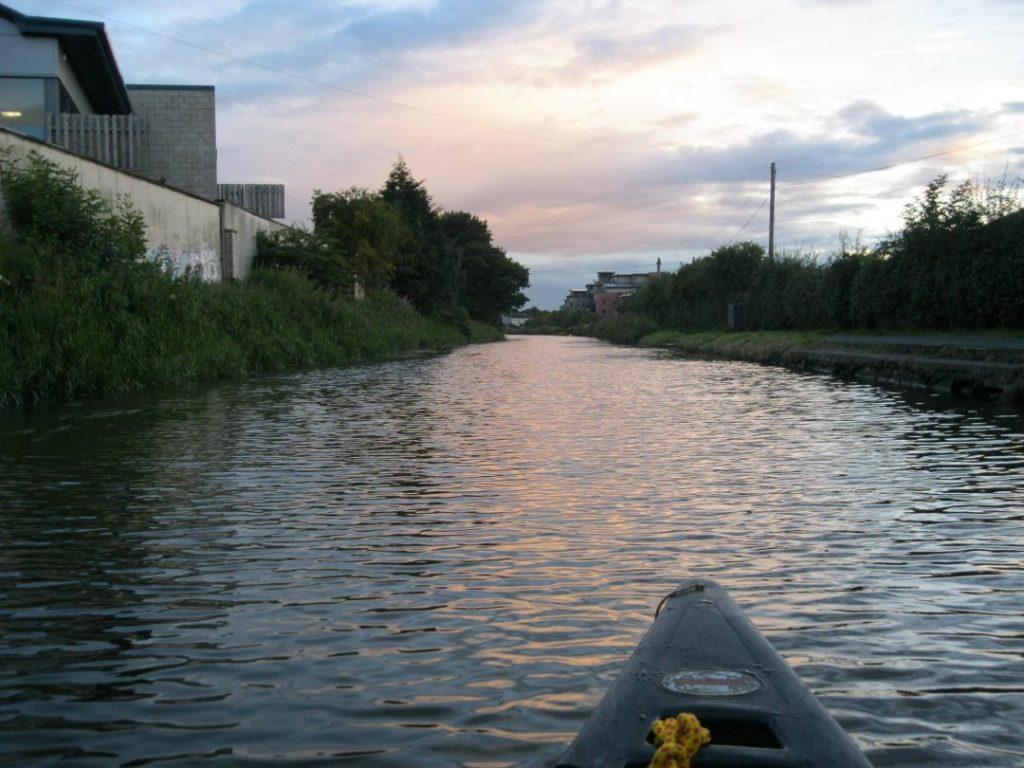
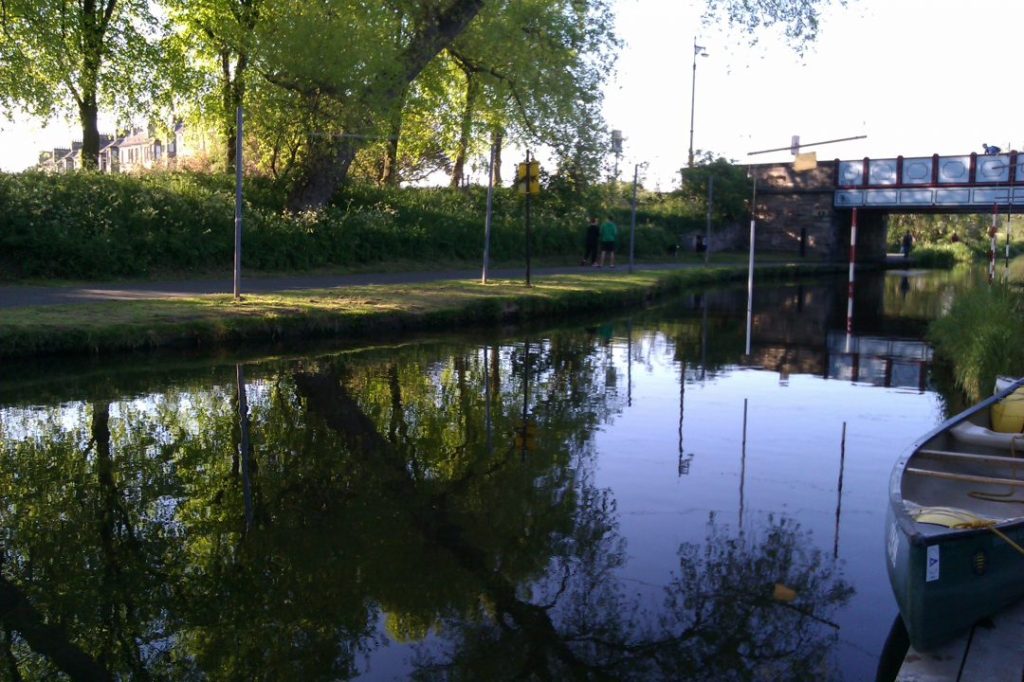
I found this film particularly exciting because in the film you can see the backyard of the place where I used to live. The canal is a really proud part of being a local in Edinburgh and many people enjoy canal life through cycling and walking along the canal path or canoeing and rowing on the canal, with lots of races happening throughout the year. The Forth Canoe Club is a great community organisation to join if you live in Edinburgh and love the canal.
Please subscribe to this awesome blog by writer and psychotherapist Dan Roberts, it’s seriously a ray of light, hope and love in this dark and foreboding world we find ourselves in. Read more here.
We are living through an age of unprecedented technological change and development. Every day I see a new story about a robot helping elderly Japanese people in their home, self-driving taxi trials, or AI threatening to make swathes of the human workforce redundant. In some ways, this is all very unsettling. It seems to me that some of these technological advances are being rushed through, with little thought given to the consequences of the sweeping changes. And I often think, who are the changes for? Big Tech companies and their owners stand to make (even more) billions, but what about those poor taxi drivers being replaced by robo-cars? What will they do to earn a living?
As ever, the technology itself is not to blame. Tech like robots, self-driving cars and AI is neutral, neither good nor bad. It’s all about the way that tech is deployed and who is in charge, that makes it a force for good or ill. And I am not against technology – in fact, as an online therapist, I could not make a living without it. I love the way I can sit in my study, in a leafy corner of East Sussex, writing these words – then with the click of a few buttons, I can send them zooming out all over the world, in an instant. People subscribe to my newsletter from every corner of the globe, which is wonderful.
Imagine trying to communicate with someone in, say, Australia just 50 years ago. You would have called them, on an expensive international call, or sent them an airmail letter. Younger readers may not be familiar with this old-fashioned form of technology (they were a distinctive light-blue colour and a single sheet of paper, which you wrote on, folded with care, addressed, stamped and then posted), but it was pleasurable to both write and receive them, if a little slow.
AI will never have soul
If you’re feeling anxious or unsettled by the advance of AI and other technologies, let’s think about a few things that robots will never be able to do. As much as ChatGPT and other chatbots may seem intelligent, as if there is some wise consciousness behind the screen, they are not and there definitely isn’t. I recently heard a futurist compare ChatGPT to a fancy predictive text programme – the one that annoyingly replaces words you mean to type with random words you definitely don’t when you’re messaging. Chatbots are very fast and very good at predicting what you will ask, or want to hear, then scanning their database to provide answers that are pleasing for you.
This is another thing to remember – like all similar tech, ChatGPT is primarily concerned with harvesting your data and holding your attention. So it’s designed to be as pleasing as possible, which is why it seems so flattering and agreeable! But it is not human and never will be. It has no heart, no soul. As Gertrude Stein famously said on returning to her home of Oakland, California: ‘There is no there there.’ Unlike humans, with chatbots there is definitely no there there, it just seems like there is.
And I think it will become increasingly important to relish all that makes us human: our love, insight, kindness, wisdom, sensitivity, compassion, prosocial instincts and caring nature, concern for those who are struggling and ability to attach to those we love. Would you really want to read poetry written by a robot? Or listen to a beautiful aria, watch an incredible movie, read a life-changing novel, or gaze at a wondrous work of art created by something programmed to seem brilliant and creative and soulful, but which is really just a fancy calculator? Me neither.
Resist the robot revolution
I read a Wired story recently about the increasing backlash against AI, by workers whose jobs are threatened, or employees forced to use technologies they loathe to meet ever-increasing workloads. And I think this is crucial – AI is not some inevitable, unstoppable tsunami of technological advancement. People are choosing to use it. People are deciding it can replace entry-level workers. People are making fortunes, while depriving millions of their ability to work, feed their families and engage in meaningful activity as they move through life. Personally, I limit my use of AI as much as possible. I dislike the way I am constantly pressured to use AI services every time I send a message, use Google, Dropbox, Zoom or any of the other technologies that should be working for me, not replacing me.
Resist, my beloved human friend. Resist! These changes are not inevitable and we do not have to be replaced, made redundant or thrown on a scrapheap.
Let’s harness our uniquely human, quirky, idiosyncratic, heartfelt and soul-fed superpowers. You are a beautiful, miraculous, work of flesh-and-blood art that no machine could ever match.
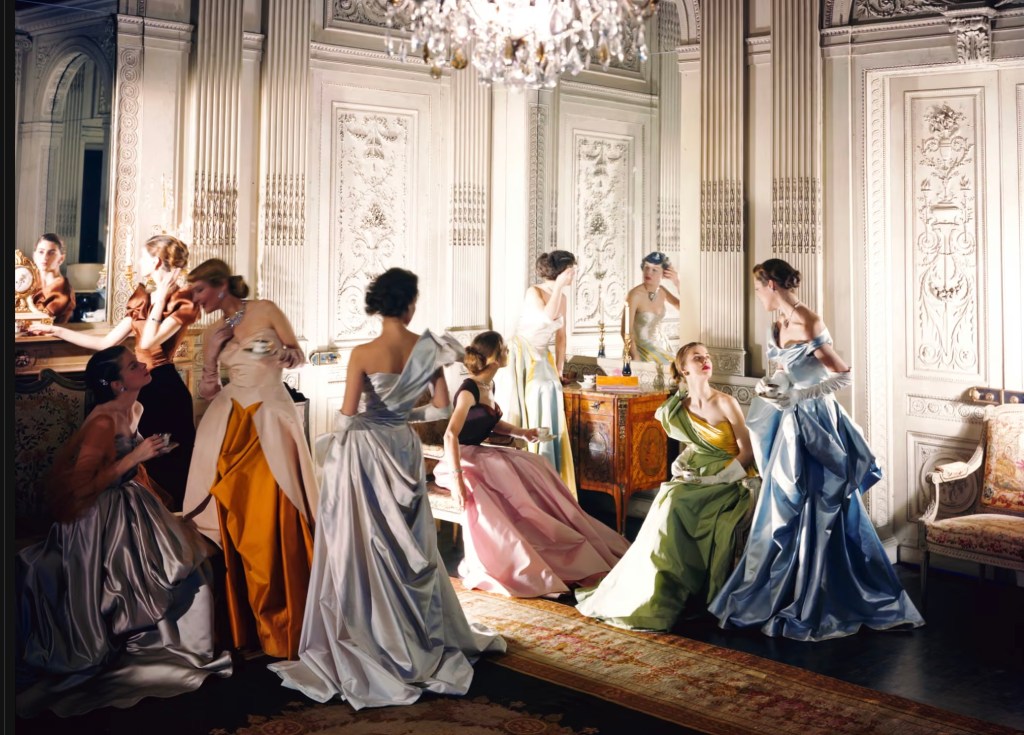
Cecil Beaton’s Bright Young Things
The exhibition is curated by photographic historian and contributing editor to Vogue, Robin Muir. Of this image Muir writes: ‘Set in the wood-panelled salon of a Manhattan antiques company, the staging of this conversation piece of eight models in Charles James’s jewel-coloured ball gowns remains one of Beaton’s most elegant postwar fashion photographs. The embodiment of the “New Look” from Paris, it also underscored an American sensibility for old world charm and sophistication.’
Photograph: The Condé Nast Archive, New York
Almost entirely self-taught, Beaton established a singular photographic style; a marriage of Edwardian staged portraiture, emerging European surrealism and the modernist approach of the great American photographers of the era, all filtered through a determinedly English sensibility. His approach revitalised and revolutionised fashion photography
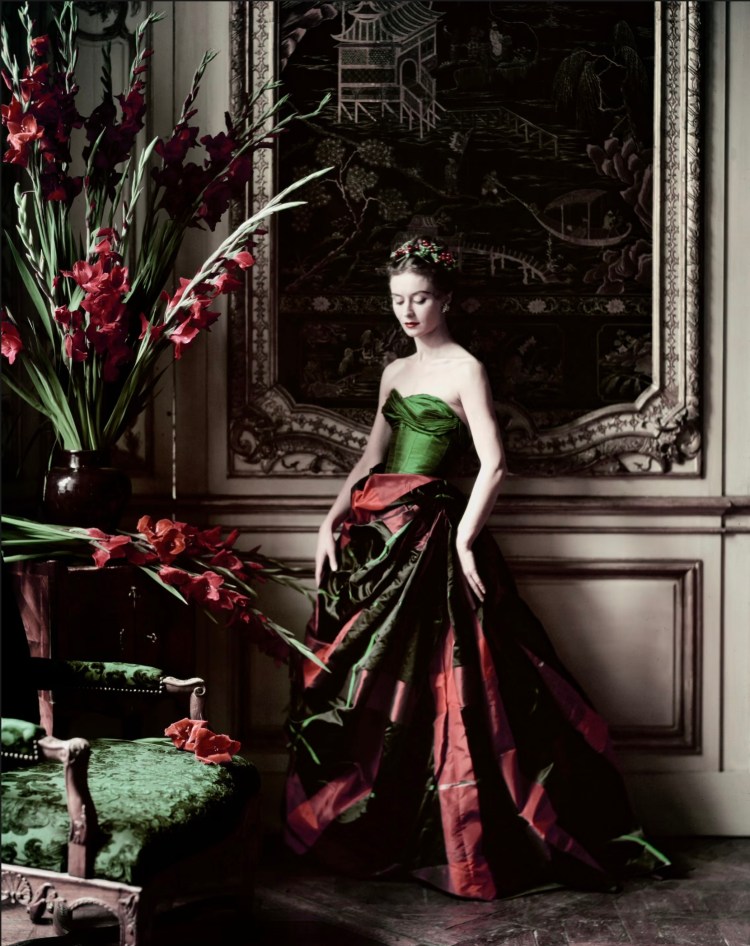
‘Best Invitation of the Season’, Nina de Voe in Ballgown by Balmain, 1951
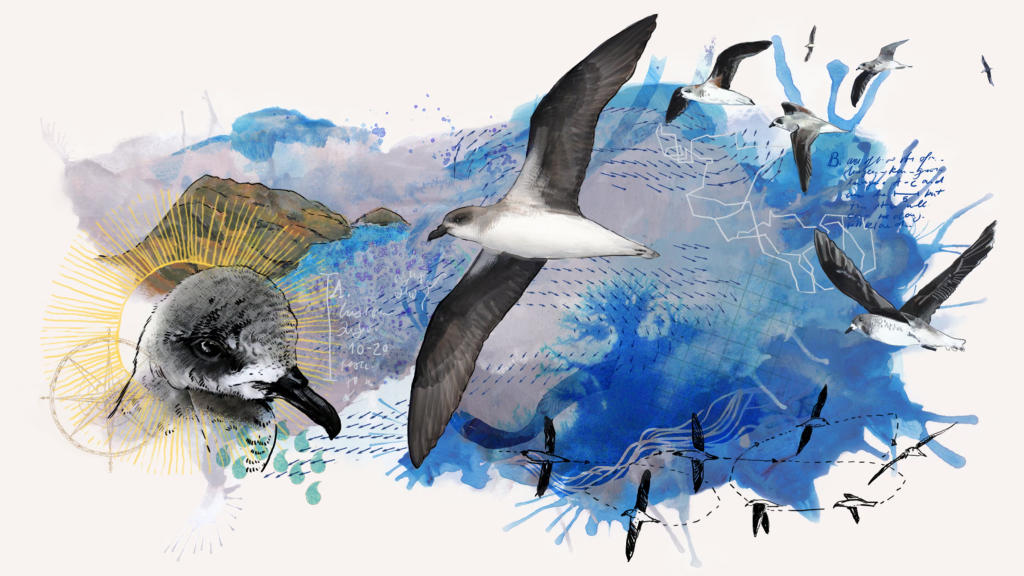
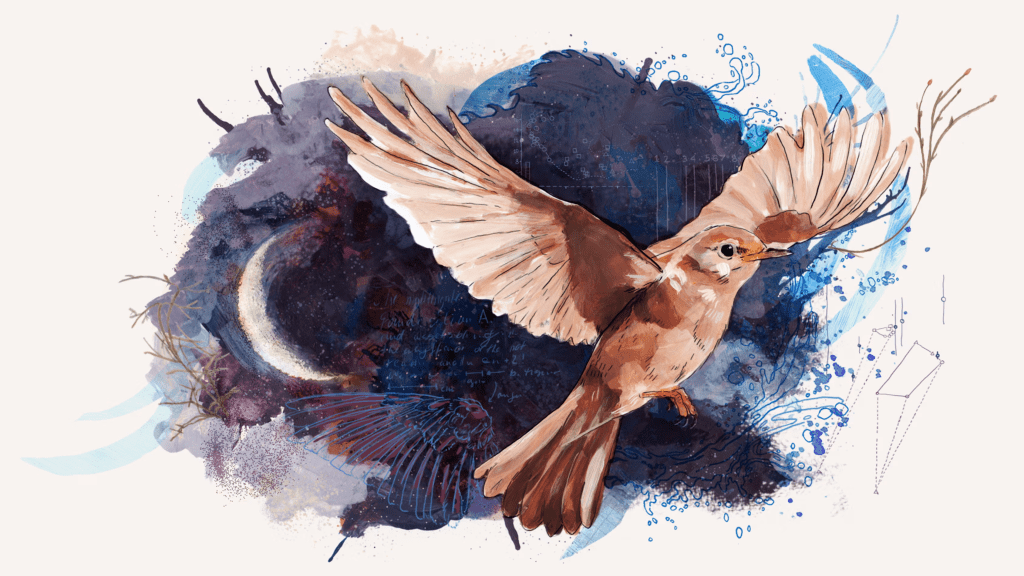
The kagu is a unique, nearly flightless bird endemic to the dense mountain forests of New Caledonia. About the size of a chicken they have beautiful grey plumage, a prominent crest, and bright red legs and bill. Kagus are ground-dwellers, hunting invertebrates like worms and snails on the forest floor. Although they can’t fly, they use their large, patterned wings for impressive displays and to glide away from danger. This endangered species is known for its monogamous pairings and the haunting, barking calls the pairs sing as duets at dawn.
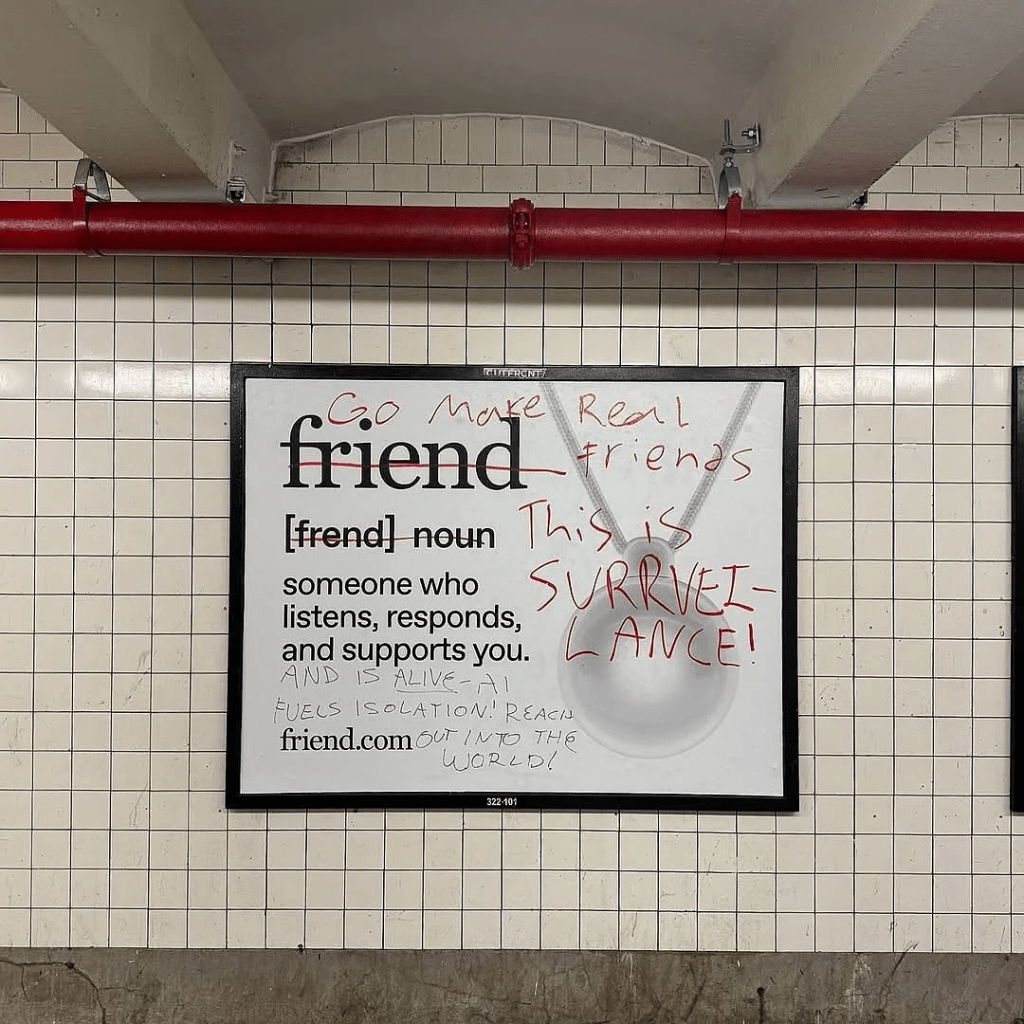
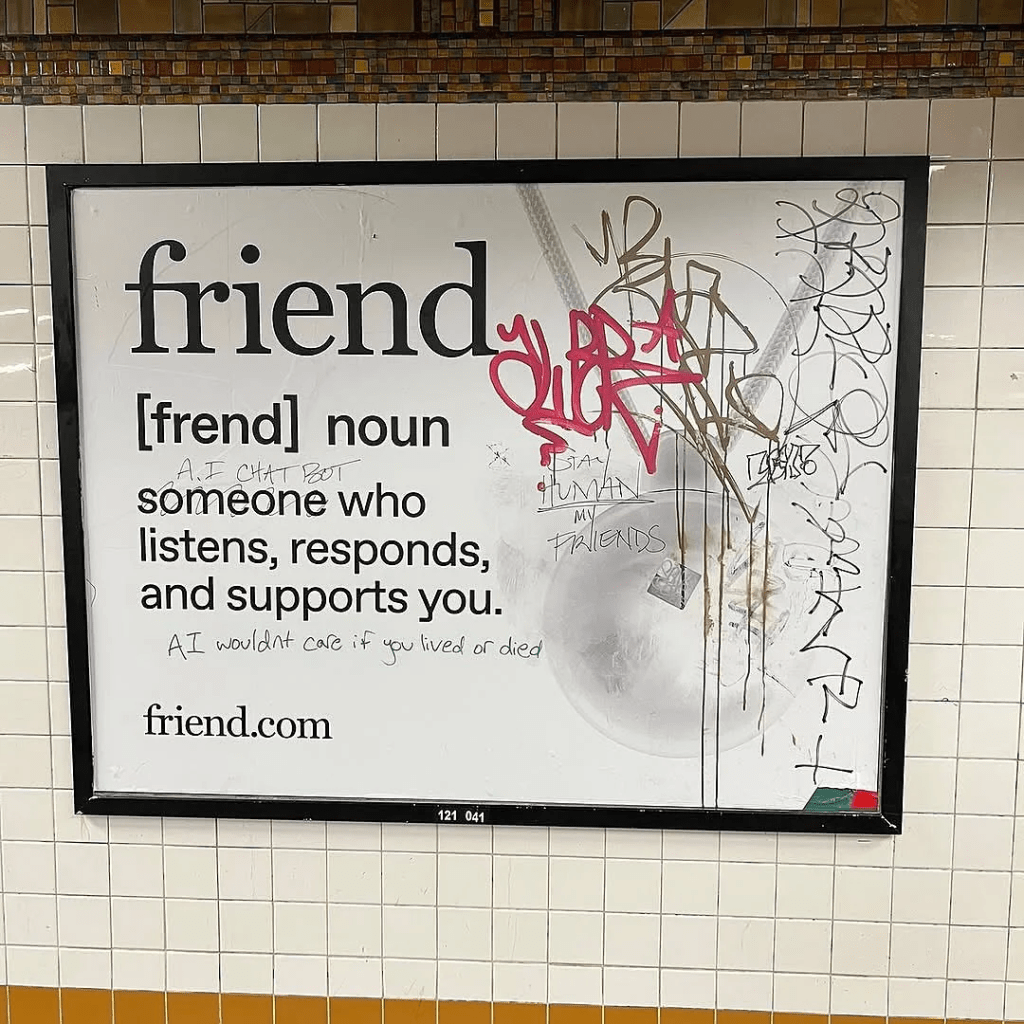
It’s good to see that some people are waking up to what AI really is…a soulless machine, not a friend or a companion, despite how clever or soothing it may seem. As they rightfully say here, AI would not care if you lived or died, it only cares that you continue to pay your subscription…that’s not what a real human friend would do! Via Futurism
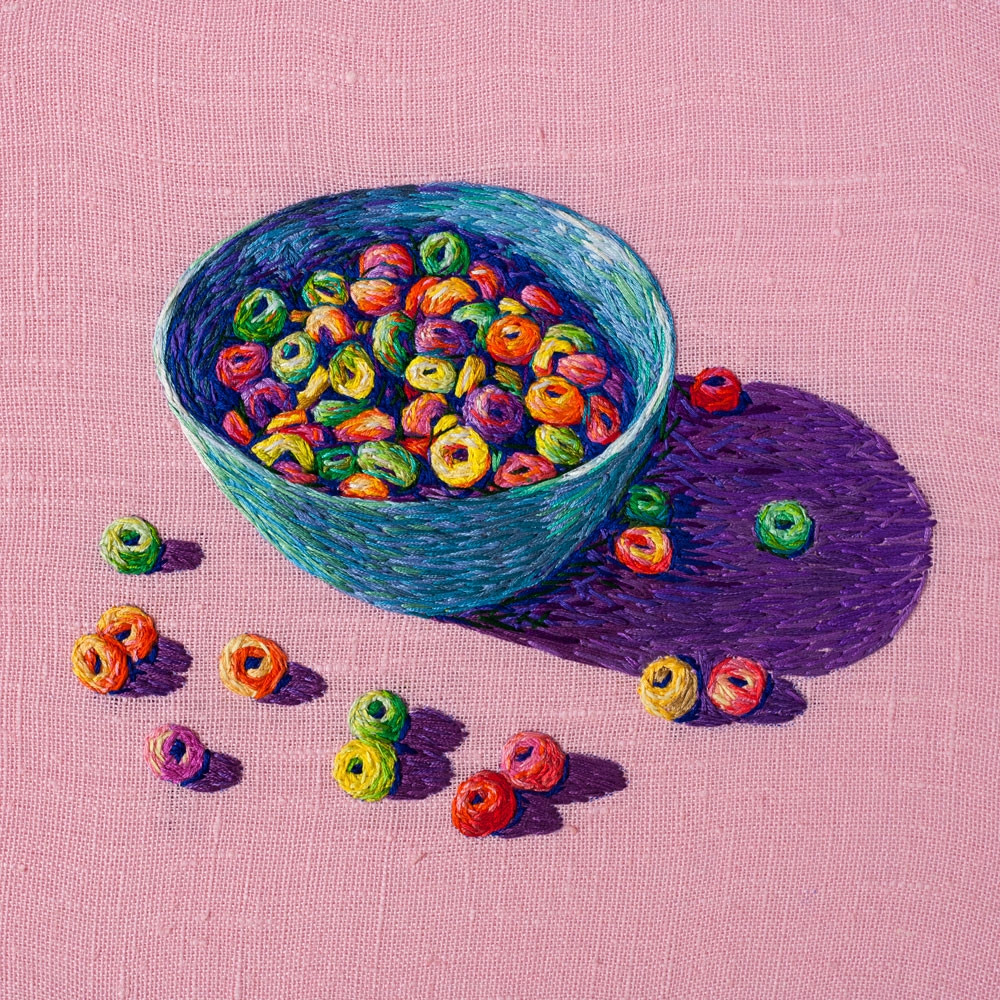
Danielle Clough is an embroidery artist based in Cape Town South Africa.
This childhood treat is embroidered onto a beautiful linen. It was exhibited at 131 Gallery in a group show and then turned into prints. The majority of them were gifted at a Skillshare conference, and the rest of the editions and APs are sold out.
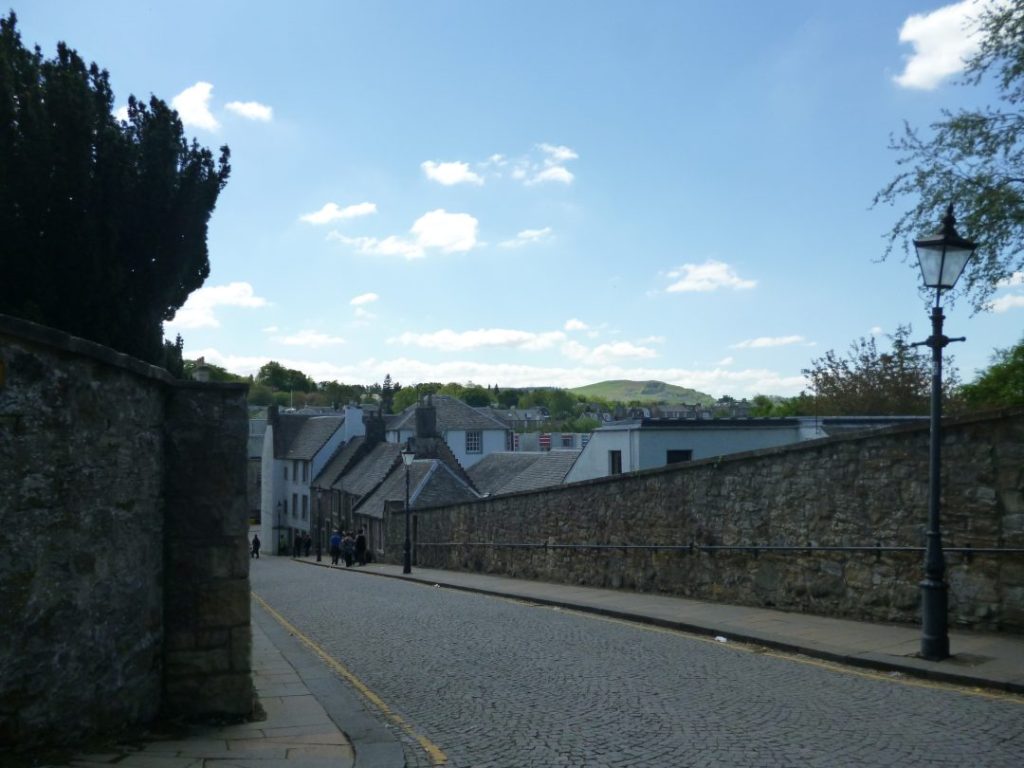
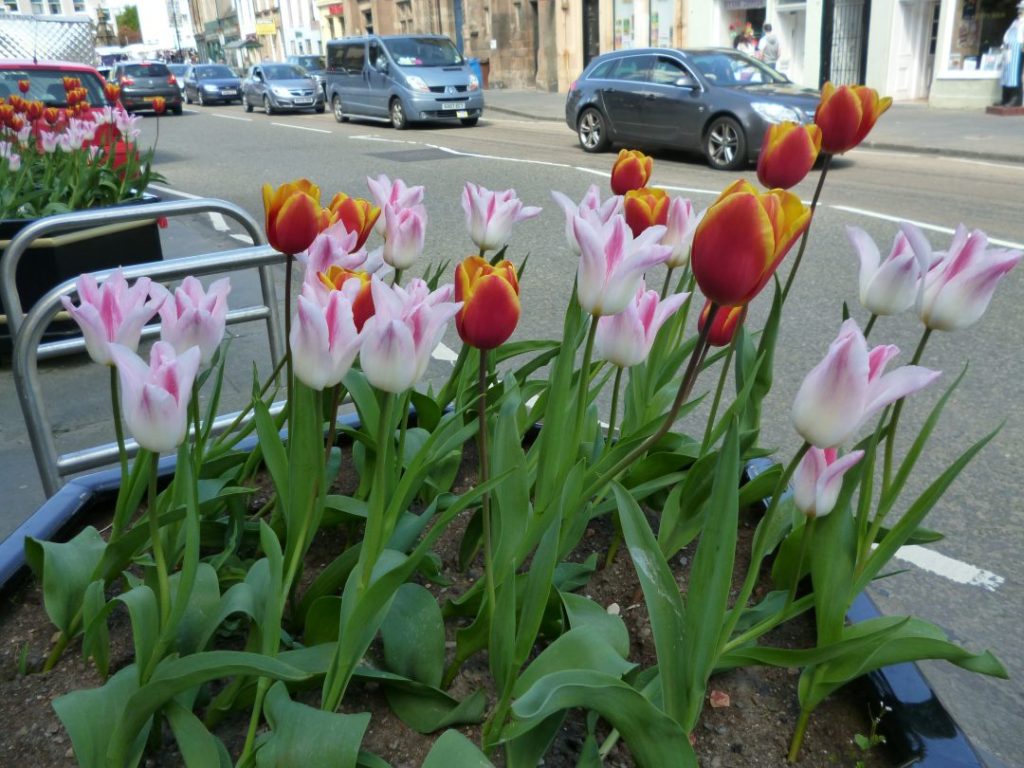
The beautiful burgh of Linlithgow charmed the pants off me when I went there in 2012. The town sits astride the Forth and Clyde Canal (which I’ve written on extensively) which is around half way between Edinburgh and Glasgow. There’s a train link on Scotrail which goes between cities that takes you there, and there’s a freeway as well, the M9 that will get you there. The town of Linlithgow brims over with history and character and it’s the perfect place for a weekend out of the city during the spring or summer.
Linlithgow: Through the mists of time
Linlithgow began as a humble burgh in the 12th century. It’s mentioned in King David I’s charter where it mentions the establishment of a mansion and church. During the reigns of both Malcolm IV and William the Lion, the Scottish kings are known to have resided there sometimes.
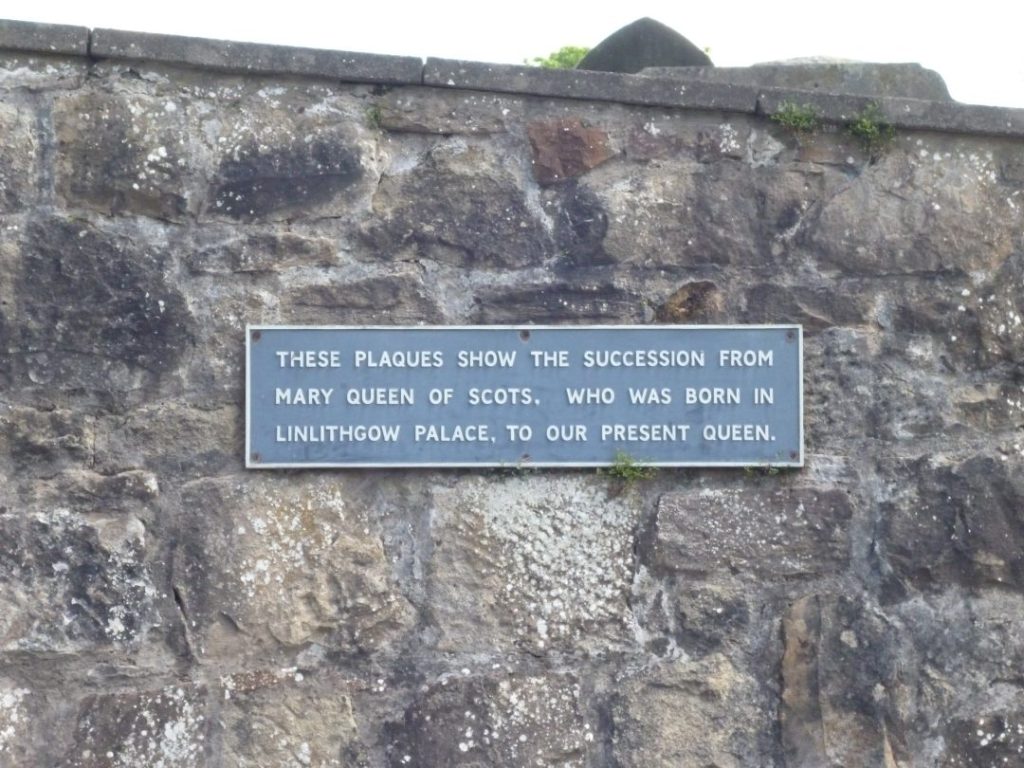
The small burgh of Linlithgow became a medieval city of growing significance in the 15th century. Linlithgow was the birthplace of ill-fated enemy of Queen Elizabeth I and mother of the modern British royal family – Mary Queen of Scots aka Mary Stuart.
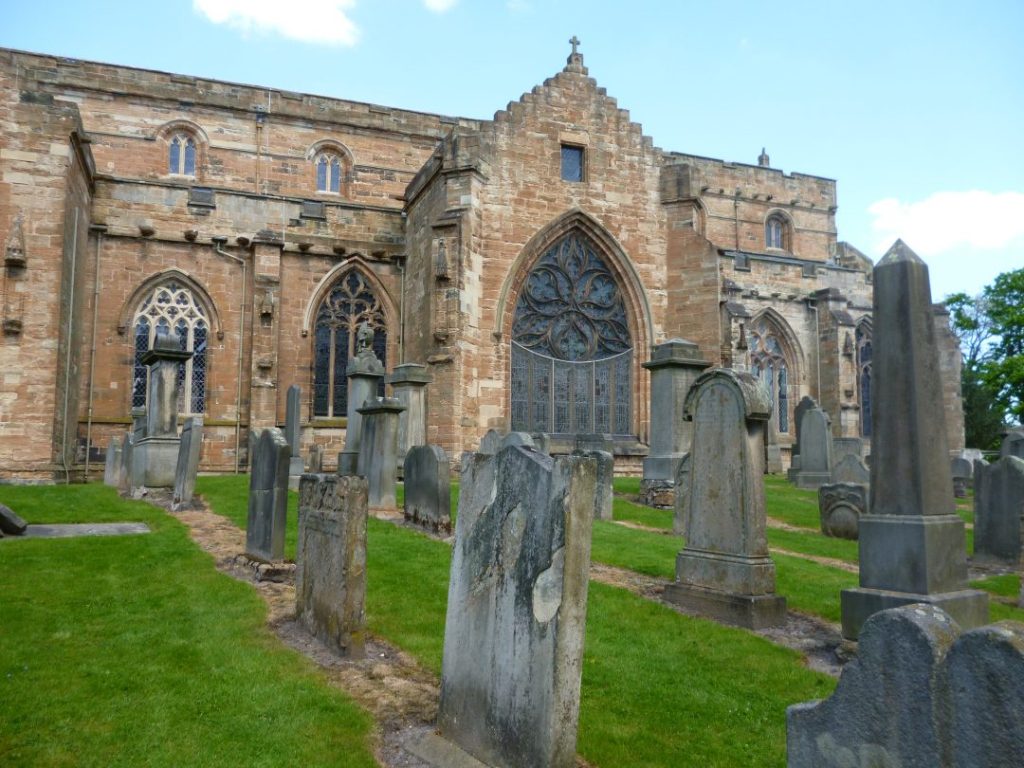
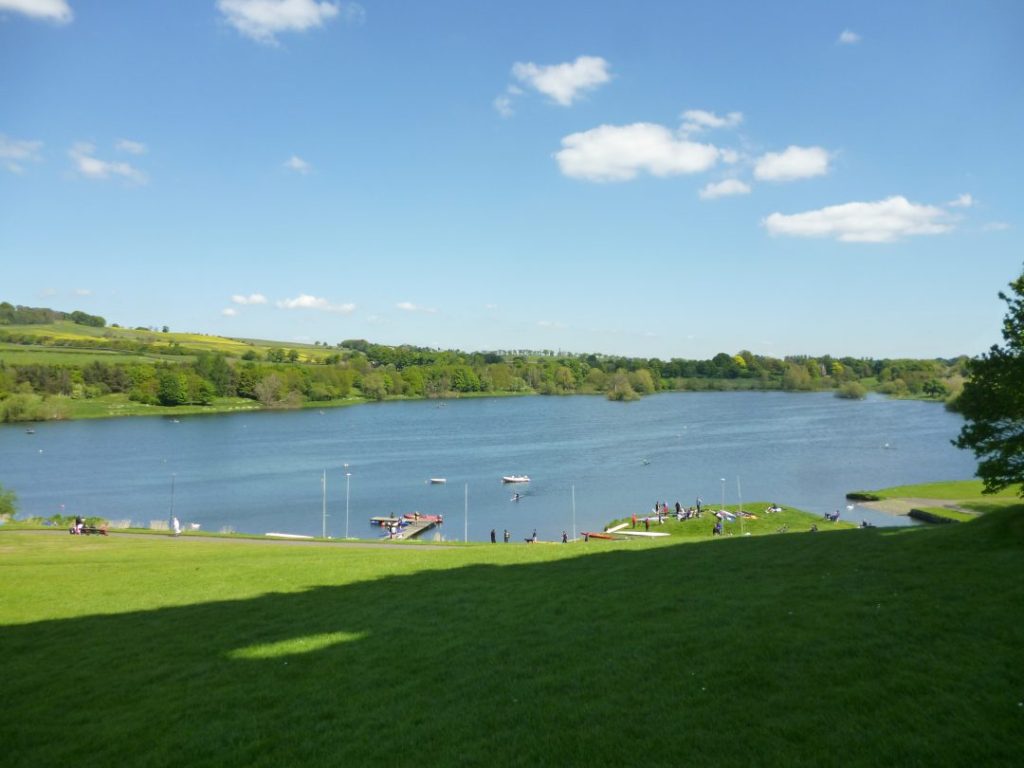
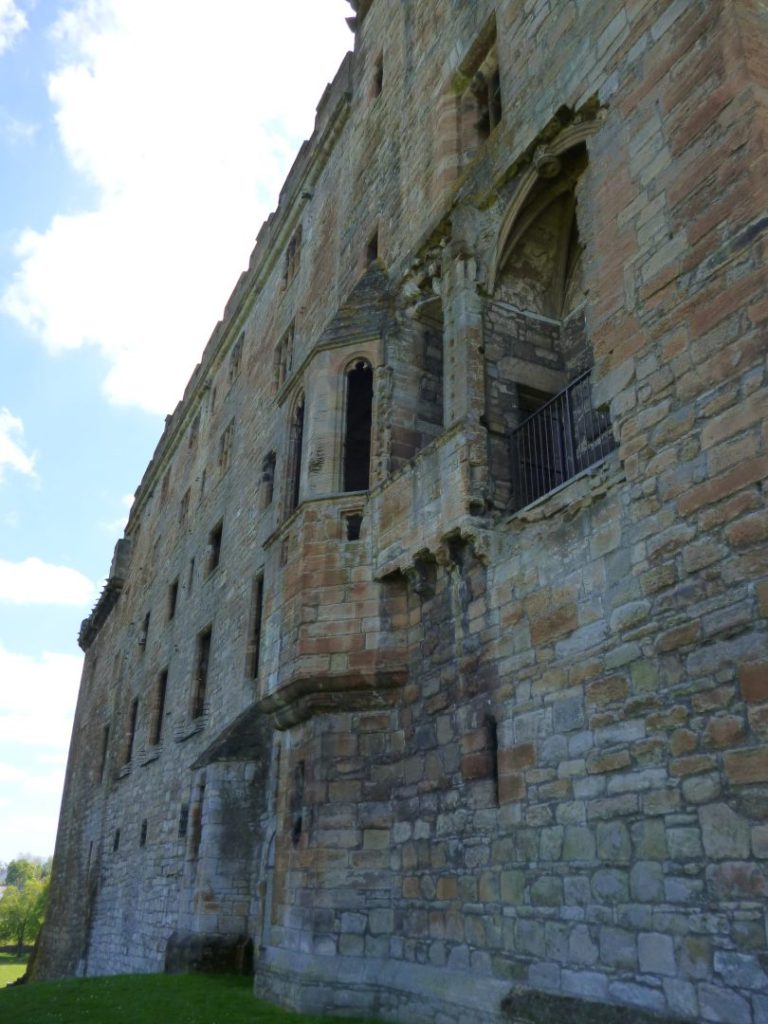
The preserved ruins of the Royal Palace sit in a picturesque setting next to Linlithgow Loch. Sitting alongside the Palace is St Michael’s Parish Church – a building dating from the 15th century, on the site of an even older church.
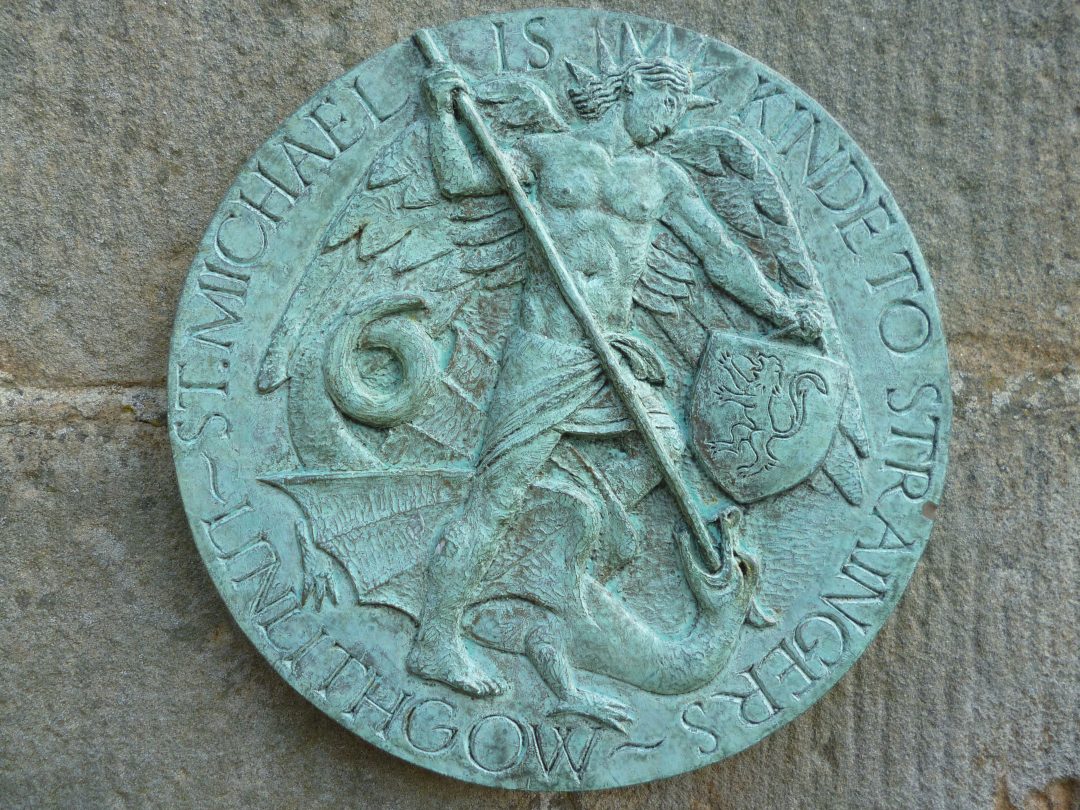
Patron saint of Linlithgow St Michael gives the town its motto which is found burnished into the wall of St Michael’s Parish Church – “St Michael is kinde to straingers”.
The town’s motto “St Michael is kinde to strangers” as it appears here on a plaque in front of St. Michael’s Parish Church, which is one of the largest churches in the Church of Scotland. It is one of two parishes serving the West Lothian county town of Linlithgow, built in 1138. Copyright Content Catnip 2012
Linlithgow: market town
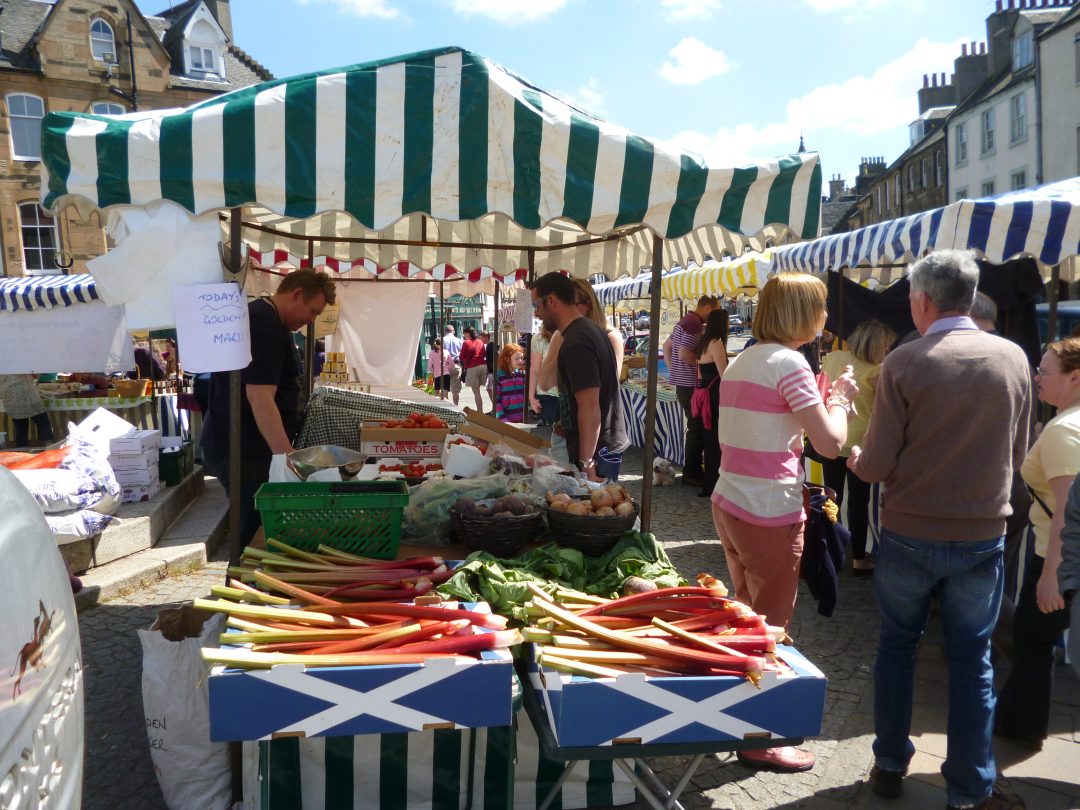
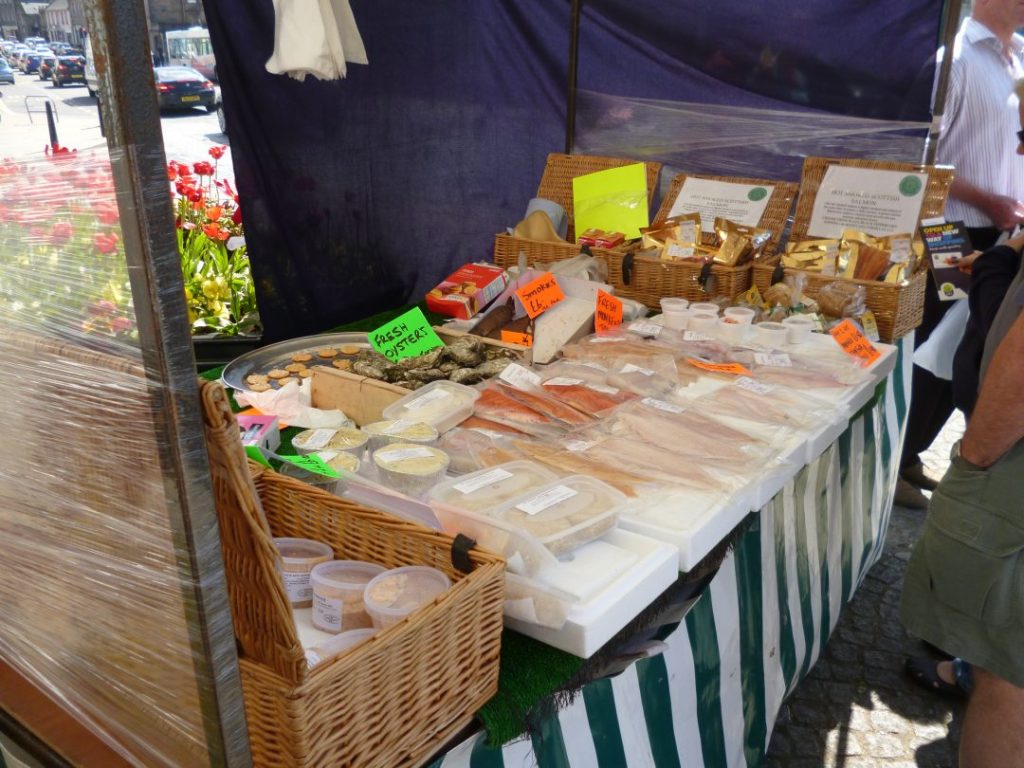
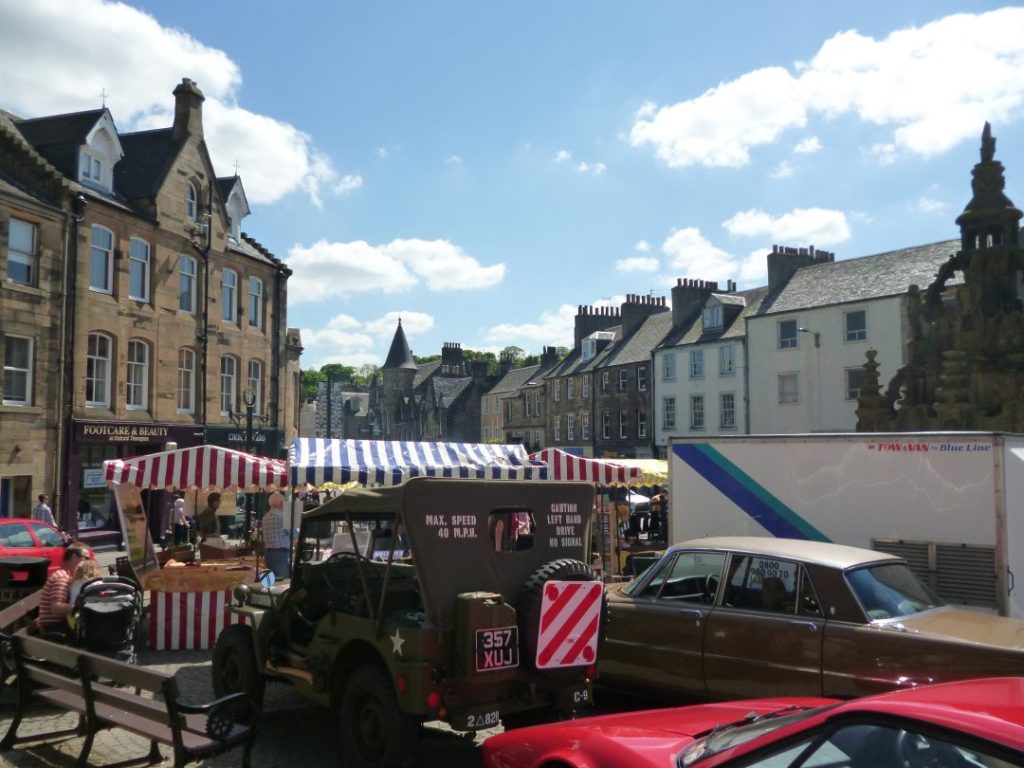
Linlithgow Farmer’s market featuring spring veg. Copyright Content Catnip 2012
In medieval times, Linlithgow was known for its thriving leather trade, involving the manufacture of leather and shoe making, with almost 300 people involved in that trade. Also cloth was a vital resource made here for nearby Edinburgh.
In the 19th Century paper making and whisky distilling became important with the opening of a whisky distillery in Linlithgow and paper mill.
With the completion of the Forth and Clyde Canal (aka Union Canal) between Edinburgh and Glasgow, which I have written about extensively here, trading boats and fishing boats bustled through the town. This was followed by the railway shortly afterwards which superceded the canal for trade.
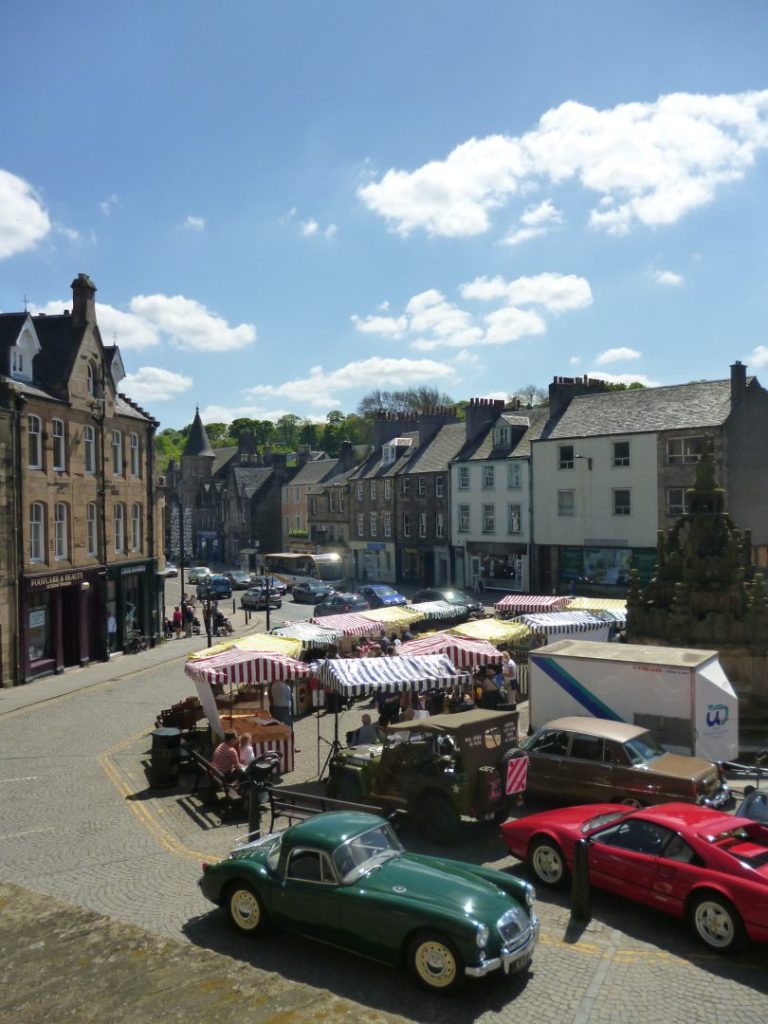
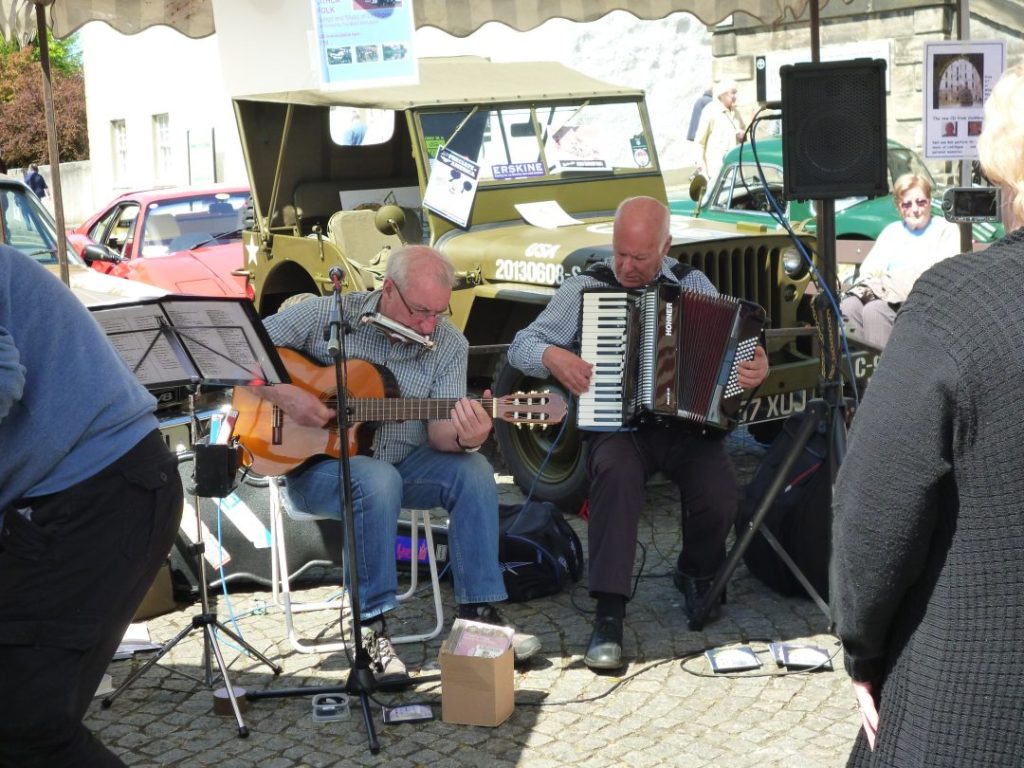
On the day we went there, a bustling farmers market was going on, with all kinds of fresh fish, vegetables, crafts and handmade goods. Also present were some older retirees with their fancy vintage cars, which looked to date around WWII era. I have no idea about what kind of cars they are, but they looked nice!
In terms of amenities there are many in Linlithgow. There are lots of real-ale pubs, guest houses and B&Bs, pharmacies, speciality shops, cafes and restaurants and lots of lovely houses overlooking the loch.
I found myself in love with Linlithgow and wanting to live there, we went there on one of those sunny perfect Scottish days that are as rare as hen’s teeth and we relished every second of the sun’s presence.
In terms of real estate you can buy an apartment or semi-detached for a fraction of the price you would pay in Edinburgh. Ah the potential here!
Linlithgow timeline
In short, huge mountains of medieval history, bloody, tragic and complex took place in Linlithgow which makes it a fascinating place to have a look around in and stay a while.
1291 – Edward I (Langshanks) sought to assert his authority over Scotland during the Scottish War for Independence. He camped near to Linlithgow before beating William Wallace in the Battle of Falkirk.
1314 – Edward II resided in Linlithgow until he was defeated by Robert the Bruce at Bannockburn.
1337 – Edward III’s English army laid waste to Linlithgow’s wooden buildings setting them on fire, afterwards there was nothing left.
1349 – The Black Death (the plague) reached Scotland and killed a third of the population of Edinburgh. The King, parliament and court took refuge in Linlithgow and hunkered down, not letting anyone in until all was safe and well.
1368 – Bustling and busy again, Linlithgow outstripped Stirling as a market town in sheer size.
1424 – Fire destroyed most of Linlithgow as well as the parish church and the royal manor house. So King James I commenced rebuilding Linlithgow’s Royal Palace to the glory that we see today. The Palace was then improved upon by successive kings James IV and James V, who presented it to his second wife, Mary of Guise (the mother of Mary Queen of Scots).
1526 – The Battle of Linlithgow Bridge, when James Hamilton, Earl of Arran, supported by Archibald Douglas, the Earl of Angus, won the day against a force led by John Stewart, Earl of Lennox.
1540 – The town elects a Provost Henry Forrest of Magdalene who leads a council of 27 members, including 4 baillies, a treasurer and 8 deacons elected by the craft guilds – the baxters (bakers), coopers, cordiners (shoemakers), fleshers (butchers), smiths, tailors, weavers and wrights.
8 December, 1542 – Mary Queen of Scots was born in Linlithgow on 8 December 1542. As an infant she remained here for seven months before being spirited away by her mother to the greater security of Stirling Castle. She didn’t return for 20 years.
The Blairs Memorial Portrait of Mary, Queen of Scots (early 17th century), Flemish, unknown artist. Blairs Museum, Aberdeen (Blairs Museum Trust)
1570 – James Hamilton of Bothwelhaugh assassinates Regent Moray using a hand-held gun.
1603 – James VI departed for London in 1603, where he became James I of England.
1633 – Charles I made an official visit to Linlithgow and stayed in the Palace.
1650 – Cromwell defeated the Scots at Dunbar barricaded himself and his army into Linlithgow’s Palace which he fortified.
1691 – More than 2,500 souls live in the town which I known for its linen cloth. Nearby town of Bo’ness is the main centre for foreign trade.
1746 – The Duke of Cumberland and his 10,000 troops set up camp and fires in Linlithgow, fail to put them out and accidentally destroy the palace yet again.
1787 – Scottish Poet Robert Burns visits Linlithgow but writes that he’s nae well impressed by it.
The Royal Palace
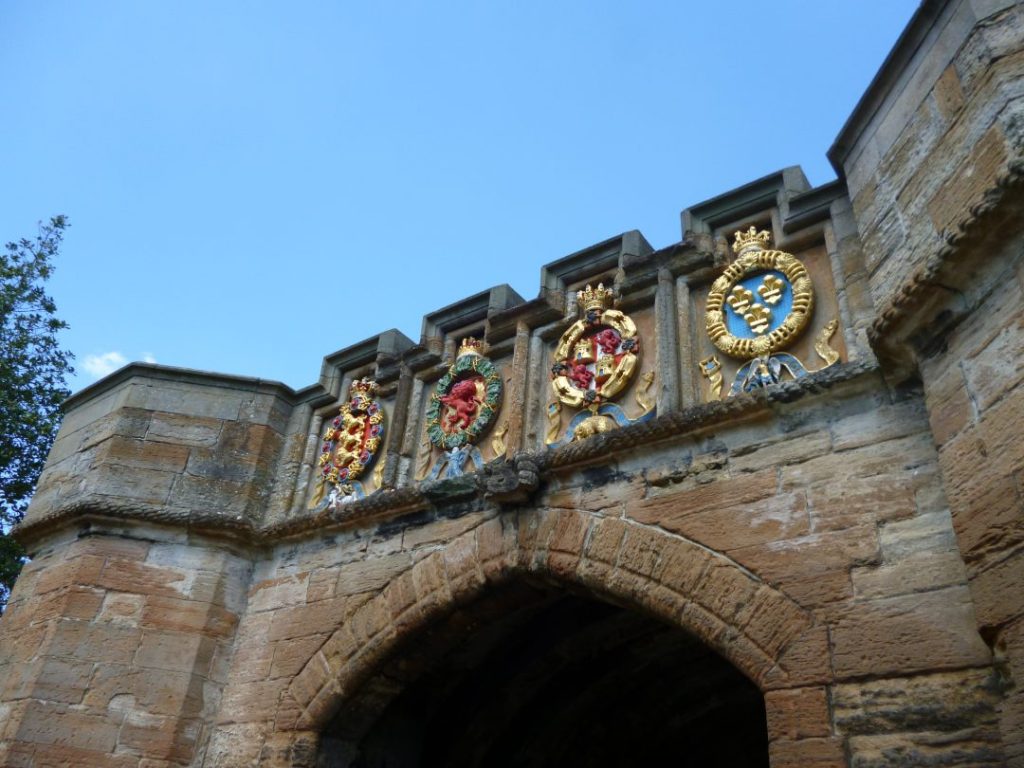
The Royal Palace at Linlithgow is guarded by a grandiose gateway that is still present on the eastern wall although the original drawbridge and ramp have long disappeared.
The interior of the palace is known as one of the finest medieval interiors in Scotland and dates from James IV. Mary of Guise-Lorraine (Mary Stuart/Mary Queen of Scots’ mother) is reported to have compared Linlithgow Palace to the noblest châteaux in France.
A jousting event taking place outside of Linlithgow Palace. Photo courtesy of BBC
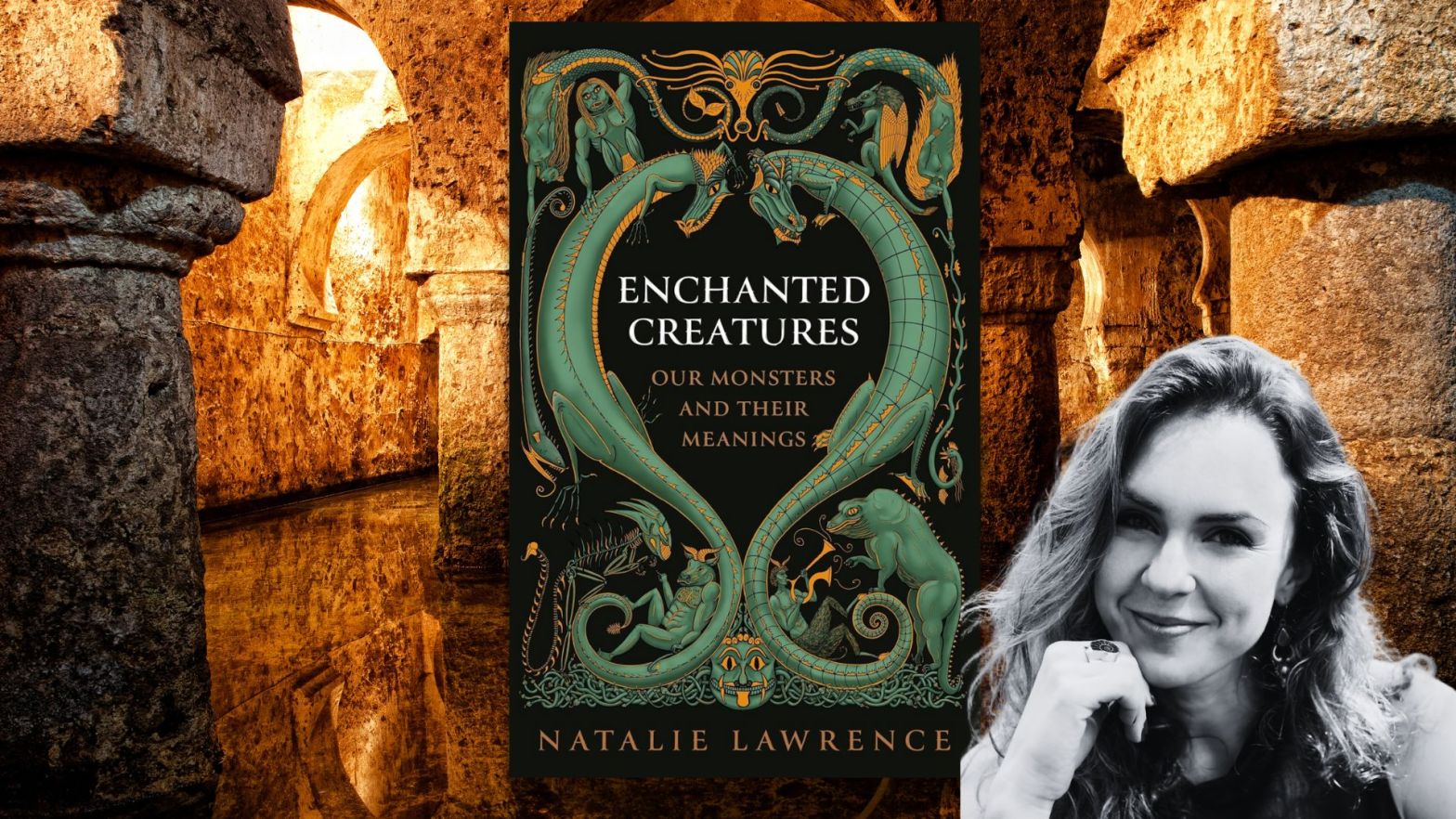
A deep-dive into the cavernous human imagination where monsters and others reside in our collective subconscious and what they tell us about ourselves.
Rating: 🌟🌟🌟🌟
Genre: Non-fiction, History, Mythology, Folklore.
Publisher: Pegasus Books
Review in one word: Mesmerising
In Enchanted Creatures: Our Monsters and Their Meanings, Natalie Lawrence takes readers on a fascinating and richly detailed journey through 15,000 years of the human imagination. This ambitious work explores the incredible variety of monstrous and imaginary beasts we have created, from prehistoric cave monsters to modern science-fiction cyborgs, and investigates what these creations can tell us about ourselves. The book is a tour of an “other-worldly natural history,” one that has evolved alongside our deepest fears and fascinations.
The trajectory of the book is a sprawling historical and cultural exploration. Lawrence guides the reader through a monstrous menagerie that spans millennia and cultures. We encounter serpentine hybrids and deep-sea leviathans from ancient mythology, fire-breathing Kaiju from modern cinema, and the multi-headed hydra of Greek legend. The narrative is not just a catalogue of creatures, but an investigation into their purpose. Lawrence delves into how this vast array of monsters has helped humanity manage the extraordinary complexity of our minds, giving form to our anxieties and irrational terrors, the things we do not wish to know or understand.
The overarching theme is that monsters are not just figures of fantasy, they unlock the darker parts of being a human. For millennia, they have helped us to shape our societies, our minds, and our understanding of our own place in the natural world.
Lawrence’s style contains personal travel reflections and is highly readable. She takes deep dives into mythology, history, and psychology. She argues that you don’t have to believe in monsters to feel an affinity with them as symbolic figures. The tone of this book is one of intellectual curiosity and wonder. Enchanted Creatures is enjoyable and I would say despite it being about monsters, there is a thread of intensive exploration that elevates this book above childish fascination and towards something far deeper, a Jungian sense of the imagined ‘other’ and the dark parts of the human psyche. Definitely worthy of a read!
About the Author
Natalie Lawrence is a writer and illustrator with a PhD in the history of science from the University of Cambridge. Her work focuses on the intersection of science, art, and mythology, exploring how humans have understood the natural world and their place within it throughout history.
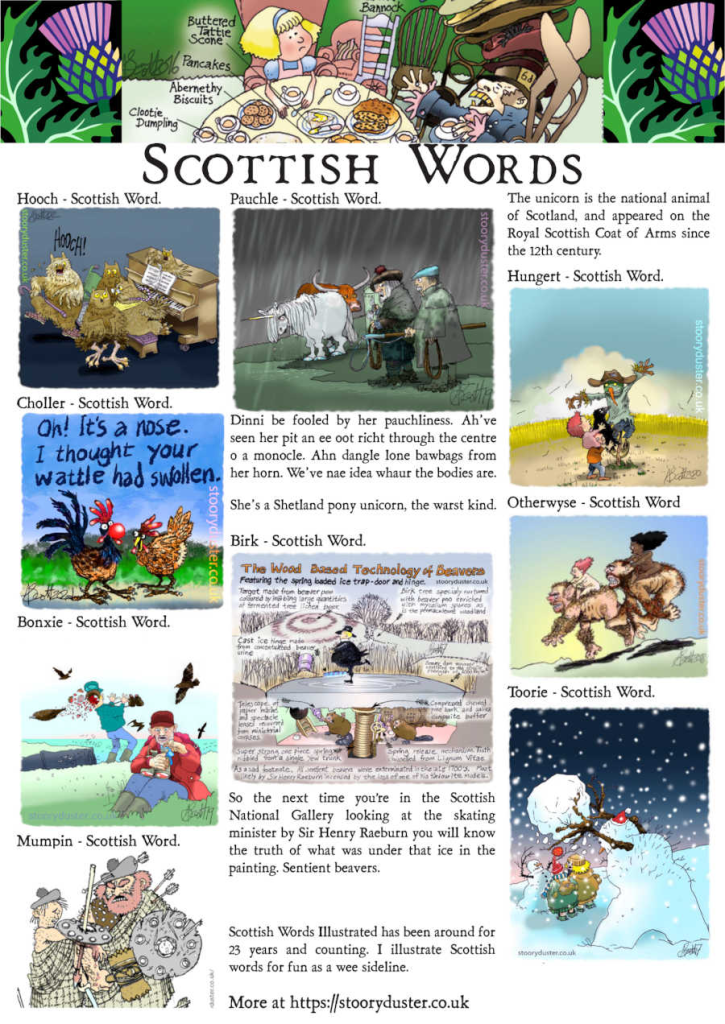
I found an extensive and massive online compendium of Scottish words along with compelling and funny illustrations by Stooryduster…an incredible achievement! See more here!
I’ve been reading the obituaries for as long as I can remember. At first glance, they might seem like little more than a collection of dates and accomplishments. But for me, they’ve become a wellspring of creativity — each one a glimpse into a life I never would’ve imagined. And as decades of creativity research suggest, the most original ideas often come from the most unlikely sources.
That’s why one popular piece of advice for boosting creativity is to learn something new every day. But here’s the catch: This only works if that new information is very different from what’s already in your head. This is where most of our modern habits fall short. Internet searches, for instance, give you information that’s related to what you already know, or information that you’re already interested in. So, how do you escape that loop and stumble upon something unexpected, something you didn’t even know to look for? The obituaries, obviously — but I’ll come back to that.
In February, I interviewed Yoed Kenett, who studies high-level cognition and creativity, for my podcast “The Science of Creativity.” His research shows that creativity thrives on making connections between very different concepts. The core idea is simple: Our ability to create relies on prior knowledge, and our creative potential increases when that knowledge is organized into conceptual networks that help us search for, connect, and generate new ideas — what Kenett calls a “Google of the mind.”
The greater the distance between two ideas, the more original and surprising their combination tends to be.
This research goes back to the 1960s, when psychologist Sarnoff Mednick was studying patterns of thought in people diagnosed with schizophrenia. He was exploring the idea that highly creative individuals might share certain associative patterns with those diagnosed with schizophrenia, namely, the tendency to make connections between seemingly unrelated ideas. In a classic 1962 experiment, Mednick asked participants to say the first word that came to mind when they heard a prompt like table. Less creative participants tended to respond with obvious associations like chair or leg. The more creative participants gave those answers, too, but they also came up with more surprising ones, like food or even mouse.
Mednick’s observations led him to propose that highly creative people have a different kind of memory structure — one that holds a wider range of ideas and forges more unexpected connections between them. He called his theory the associative theory of creativity. His research showed that creative ideas are more likely to emerge from combinations of concepts that are further apart in the mind’s conceptual network. The greater the distance between two ideas, the more original and surprising their combination tends to be. More recent research, by Kenett and others, confirms these observations.
Some of the best-known stories of invention come from unexpected associations. Velcro, for example, was invented when George de Mestral was walking his hairy sheepdog through a field of burr-covered plants. It’s notoriously difficult to remove burrs from an animal’s hair, which means the animal is going to carry seeds a far distance, allowing the plant to spread more successfully. De Mestral took out a magnifying glass and saw very tiny hooks that clung to the dog’s hair. Then he made the distant connection: The burr’s mechanism, designed by nature to spread seeds, could be used to make a clothing fastener. There’s no shortage of other surprising inventions that began with distant connections: Post-It notes, the X-ray, shatterproof glass, the microwave oven, silly putty, heart stents.
The psychologist Dedre Gentner also found that the more conceptually distant two ideas are, the more creative their combination tends to be. For instance, she found that if you ask 100 people to imagine a chair combined with a table — two closely related items — most of them will picture something like a school desk. It’s an obvious match within the category of furniture. But if you asked 100 people to imagine a chair combined with a pony — very distant concepts — the results are far more varied and surprising: A chair you sit on while grooming a pony, one that a pony sits in, one shaped like a pony’s head, or one covered in fur.
Gentner calls this property mapping — when people borrow attributes like texture or shape from one concept and apply them to another. It’s a kind of remote association, and clearly more creative than imagining a standard school desk. But Gentner identified something even more powerful: structure mapping. This happens when you transfer the relational structure of one concept to another. Say you combine “pony” and “chair” and picture a chair shaped like a pony — that’s still property mapping, just more elaborate. But if you imagine a small chair, you’ve made a bigger leap. That’s structure mapping: drawing on the idea that a pony is smaller than a horse, and applying that relationship to redefine the size of a chair. These kinds of mappings — especially when the underlying relations are abstract or non-obvious — tend to produce the most original and surprising combinations.
You can strengthen your ability to make remote associations by exposing yourself to a wider variety of information, especially from conceptually different domains. Most of us stick to what we know. We don’t normally encounter distant concepts in everyday life, so stretching our minds into unfamiliar territory takes some effort.
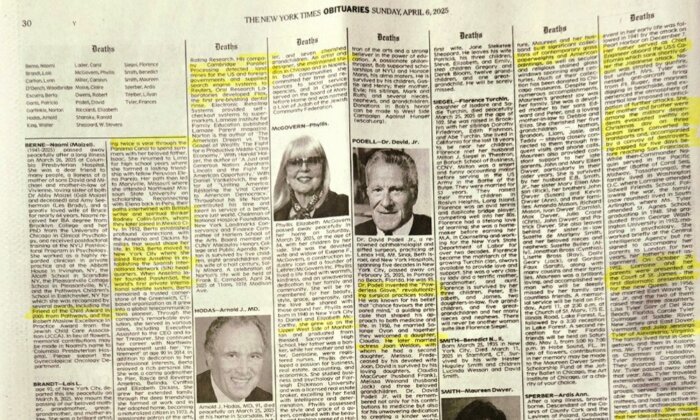
Which brings me back to obituaries. I’m not talking about the half-page write-ups of celebrities or politicians. I mean the small-print obituaries in the New York Times Sunday edition — the ones squeezed into eight columns on a single page, paid for by friends and family. These people aren’t famous. But their lives, described lovingly and vividly by those who knew them best, are often more surprising than any headline obituary. And they’re an ideal way to boost your creativity.
It’s important to read all of the obituaries on Sunday. If you filter your reading by only choosing people who are like you, then you won’t be absorbing the most different, surprising new information.
Here are two that I read one Sunday morning recently:
Berta Escurra was born in 1924 in San Pedro de Lloc, Peru. She was a follower of British writer and spiritual thinker Rodney Collin when he moved to Mexico City in 1948. In 1963, she moved to New York City and founded the Spanish International Network (SIN) with Rene Anselmo. SIN was the first TV network in the U.S. to broadcast entirely in Spanish. Anselmo later went on to found PanAmSat, the world’s first private international satellite system.
Norton Garfinkle died on March 20, 2025 at the age of 94. Garfinkle was a professor at Amherst College and a serial entrepreneur. He founded a company that detected land mines for the U.S. and foreign governments. He invented a news database search algorithm and sold it to Reuters. He developed PLAX, the first pre-brushing dental rinse. He started Electronic Retailing Systems, which provided self-checkout systems to supermarkets. He started a company that published Lamaze Parent Magazine.
See what I mean about being interesting? You’ve probably never heard of either of them. (I hadn’t.) But reading their stories introduces you to a mix of fields — broadcasting, aerospace, esotericism, oral hygiene, database design, prenatal publishing — that you’d rarely, if ever, encounter all in one place. It’s exactly the kind of conceptually distant material that helps fuel creative thinking.
Start by reading the obituaries slowly, without searching for a big idea.
Here’s how you can use the obituaries to enhance your creative cognition.
First, start by reading them slowly, without searching for a big idea. Let the details wash over you — the places lived, the professions practiced, the odd hobbies pursued. Notice what sticks.
It’s not just about learning new facts, of course — it’s about asking questions. Why was a British mystic in Mexico City? How did Spanish-language television evolve in the U.S.? What led someone to invent PLAX or build search tools for financial news decades before Google? Even if you don’t find all the answers, just posing the questions helps you flex the creative muscle that thrives on curiosity and connection.
Will any of the life stories you read cause you to have a surprising, creative insight? No one can say. Butresearch shows that distant analogies often lead to creative breakthroughs, often in unexpected ways. What you’re doing is filling up your brain with a range of very different cognitive material.
In every person’s life story, there’s always a narrative, always a deeper principle at work. How did a woman from Peru get to Scotland, Mexico City, and then New York? How does a professor at Amherst College found so many different companies, with so many different technologies and within so many industries? Seek that deeper principle, ask “Why?”, and look for distant connections with your own life. Creativity is a daily practice available to anyone.
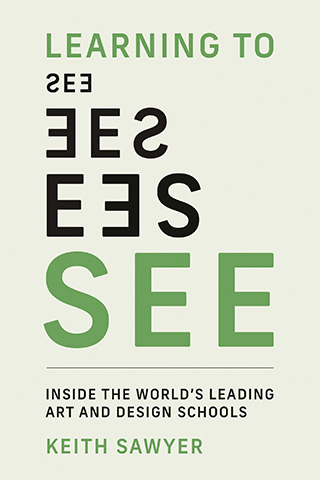
Keith Sawyer is one of the world’s leading creativity researchers. He has published 20 books, including “Group Genius,” “Zig Zag,” and, most recently, “Learning to See.” Sawyer is the Morgan Distinguished Professor in Educational Innovations at the University of North Carolina at Chapel Hill.
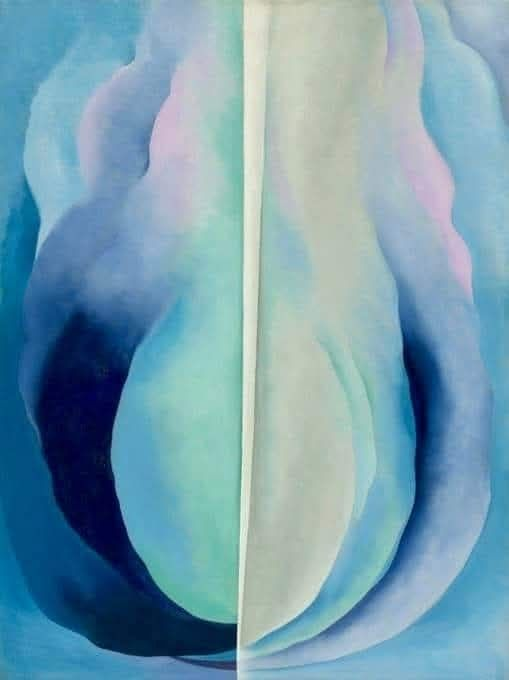
“I decided to start anew,” Georgia O’Keeffe wrote to a friend in 1915, “to strip away what I had been taught—to accept as true my own thinking.”
O’Keeffe’s statement reflects her transition from the naturalistic mode of representation she had been taught to abstraction in her painting. The development of this new style is evident in Abstraction Blue, completed twelve years later. The painting is dominated by undulating swirls and curves of blue tones emanating from the lower half of the canvas, bisected by a lighter crevice of paint that cuts the canvas vertically.
“I found that I could say things with color and shapes that I couldn’t say in any other way—things I had no words for,” she explained. via Moma
Nostalgia is … comforting and complex all at the same time.
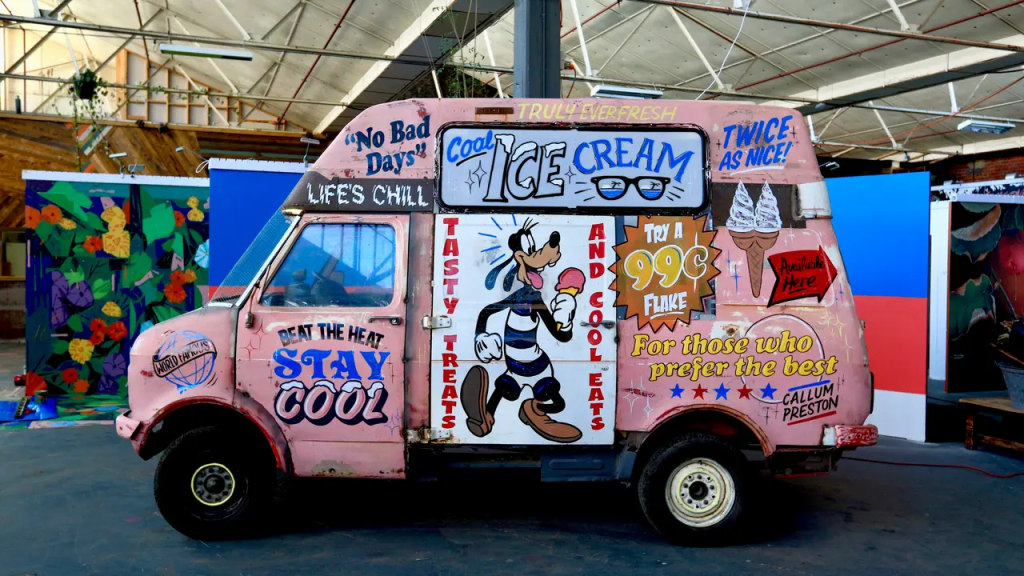
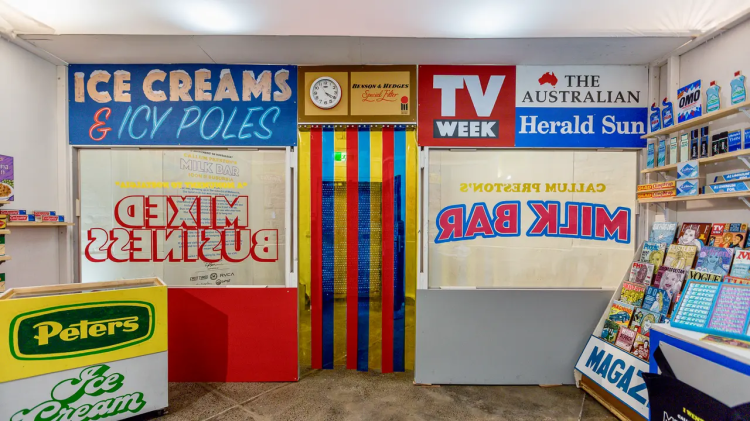
I may [line up] a series of objects, create some signage, build a space that is, in my mind’s eye, a vision of something from a shared past as a child of the Australian suburbs, but it’s people’s personal memories that are more powerful than anything I could add physically. I’ve simply given them a springboard to dive backwards into their whole lifetime of memories. I’ve had people become emotional telling me about their grandparent’s milk bar or their Sunday-night ritual with a parent at the video shop, or even just the idea of community or familiarity that comes from walking into your local store, which feels more rare now. I take great pride in honouring the mundane but so familiar parts from a time when the world felt a lot smaller, but the possibility was huge. Via Broadsheet
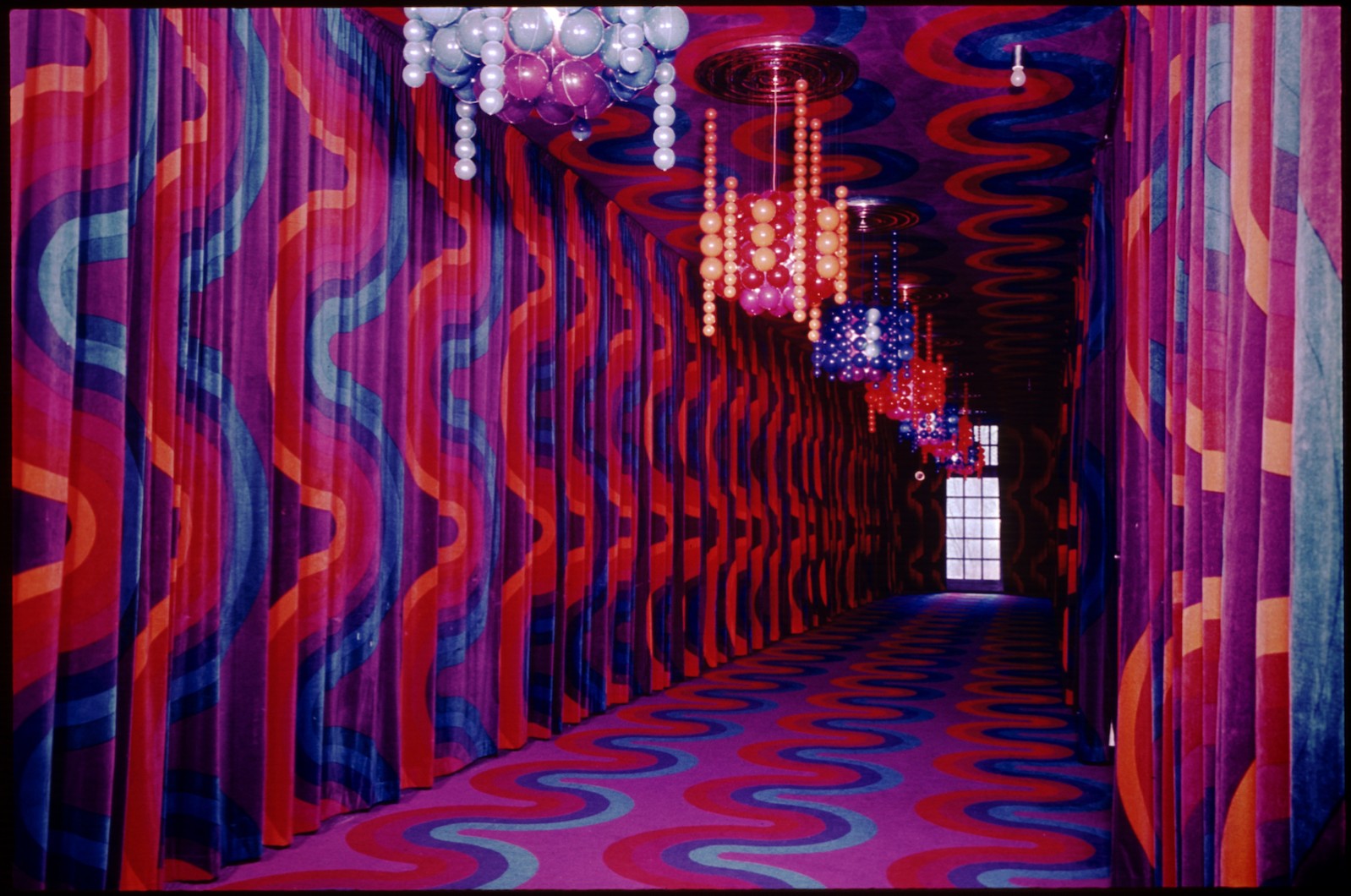
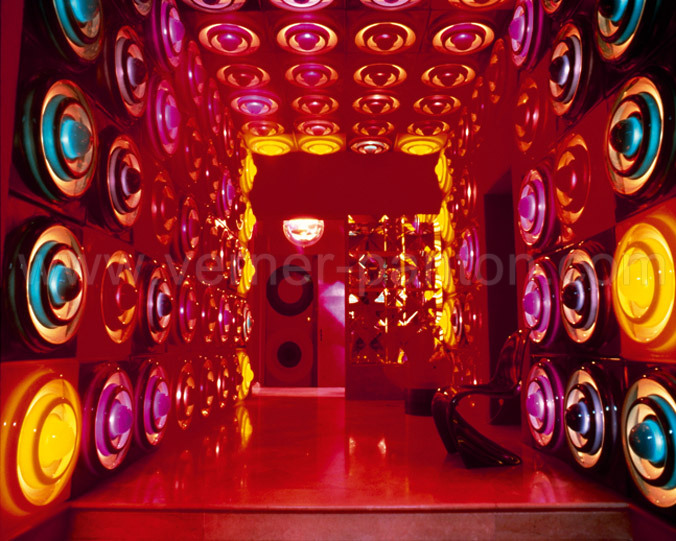
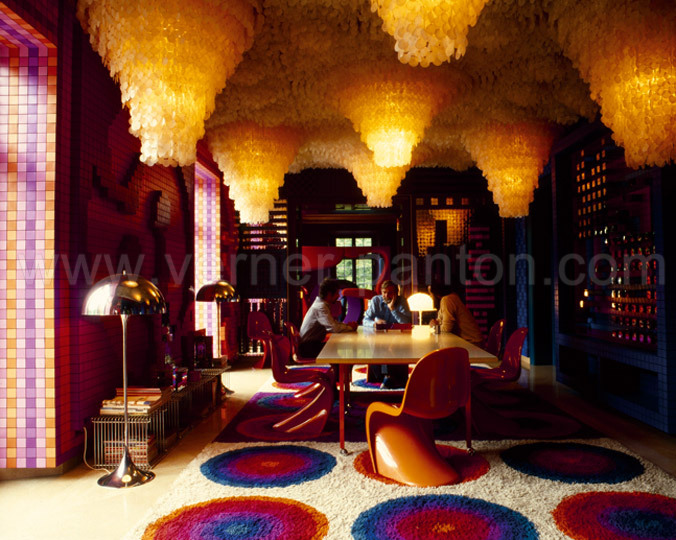
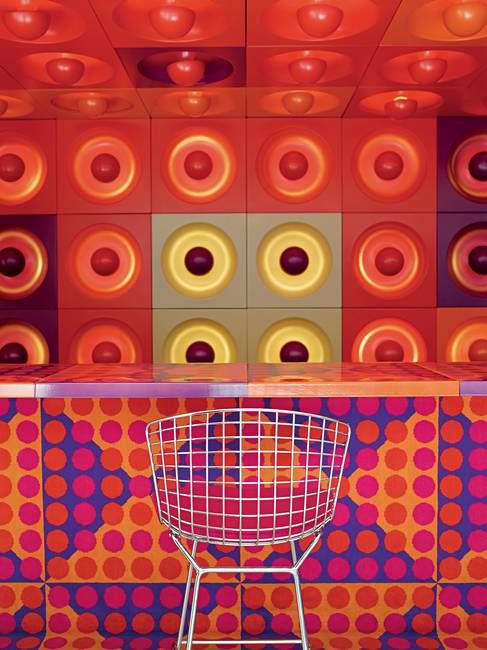
Verner Panton (1926-1998) is remembered for his bold, daring furniture design and aesthetic which embodied the fun and turbulent times of the 1960’s and 1970’s. His most famous pieces are the S chair, which became the world´s first one-piece moulded plastic chair, the cone chair and the flowerpot lamps.
1970’s Varna restaurant, by Verner Panton
Born in 1926 Panton initially began his creative career as a painter and then studied architecture at the Royal Danish Academy of Art. He later worked as a graduate for iconic architect and designer Arne Jacobsen.
Panton was set to become a very conventional designer but he was known as being forever young, and embodied a spontaneous and fun vision of design.
As a young man Verner took off in a converted VW van which he used as an office space while travelling and studying throughout Europe.
Once he arrived home to Denmark, he set up a studio and begun his life-long legacy, translating his daring ideas into the furniture world.
“The principal purpose of my work is to challenge people to use their imagination”
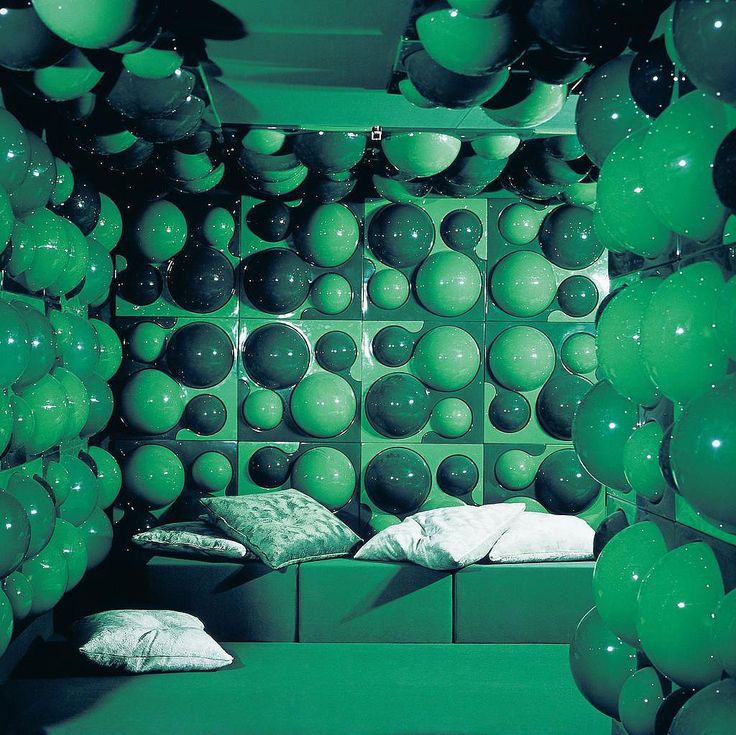
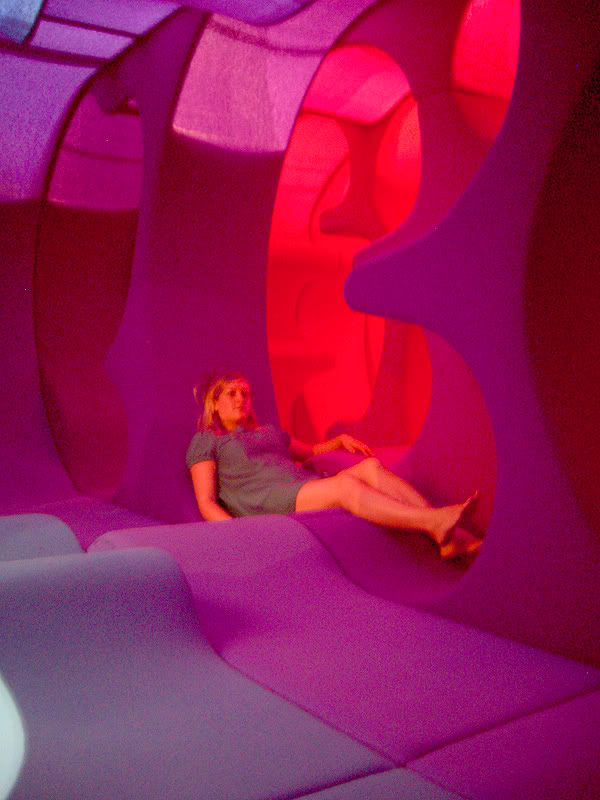
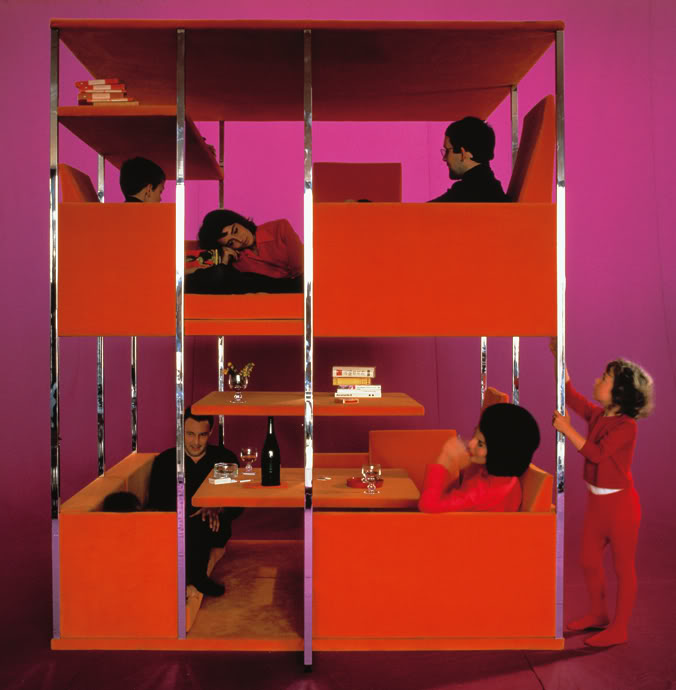
Verner Panton’s bold, colourful interior designs, furniture and textile designs were swirling, psychadelic, bold and bright and came to be strongly associated with the aesthetic inspiration of the 60’s and 70’s. At that time, his use of chrome and moulded plastic was rebellious and playful compared to the more conventional, natural materials of the past.
Although this type of interior design aesthetic reached it zenith in popularity in the mid-century, Panton’s designs still retain popularity today with his Vitra model still in production now.
The Vitra heart-shaped chair by Verner Panton
Known for being unconventional, one of Panton’s lasting innovations was the single form injection-moulded plastic chair also known as the stacking chair or S-chair. This became Panton’s most mass-produced item and resulted in a thousand inferior rip-off versions. The S-chair was inspired by the human body’s most pliant and accomodating parts – the tongue. He also experimented and toyed with the idea of the home as a disposal abode. With the Collapsible House in 1955 and the Cardboard House and Plastic House in 1960.
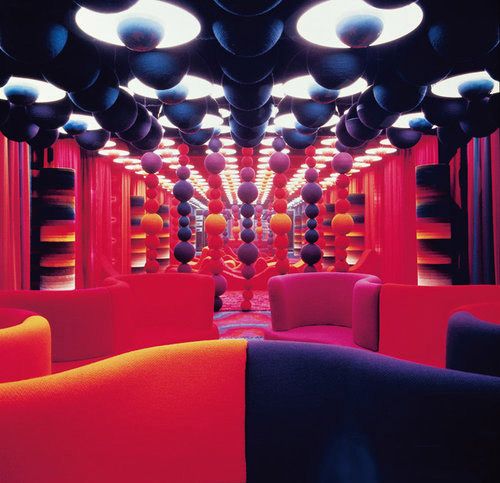
One of Panton’s most lingering design legacies was Visiona II which he produced in 1970 for the Cologne Furniture Fair.
Stanley Kubrik and Verner Panton
The aesthetic and vision for Verner Panton’s designs remind me strongly of the films of that era by Stanley Kubrik. The alien psychadelic landscapes filled to the brim with Panton’s textile, furniture and interior worlds and representing the strange and unchartered worlds of Kubrik’s characters. This was furniture and interior design made for the space age and for a youthful vision of the world that was radically removed from the old.
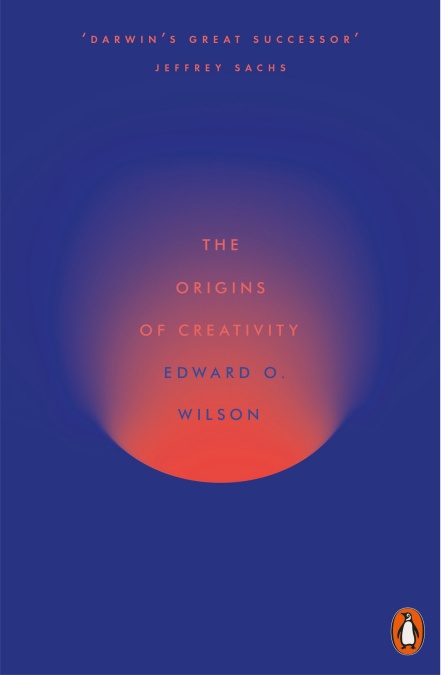
Ant-lover and Professor Emeritus of Evolutionary Biology at Harvard, the late Edward O. Wilson has been arguing for the unity and connectedness of all human knowledge for many decades.
In The Origins of Creativity, Wilson singled out creativity as humanity’s most important legacy which has allowed us to evolve and dominate other organisms on the planet, as well as being the seed from which humanities and the sciences have flourished.
He identified several fields where the blending of knowledge would be particularly beneficial: anthropology, paleontology, psychology, evolutionary biology, and neurobiology.
He argued that this blending could reinvigorate philosophy and create a more enduring Enlightenment period. That nothing in science makes much sense without the humanities
“[Science]
is rootless in their explanations of causation and they exist within a bubble
of sensory experience.”
This book is rich, playful and provocative. Its
exciting and delightful as Wilson takes us from the birth of hunter-gatherer
societies 100,000 years ago and how creativity was literally the cradle of
civilisation, helping people to foster innovation, language, metaphors, memory
and group cooperation all required for advancement. He talks about the beauty
of Nabokov and Fitzgerald’s writing and delves deeply into human archetypes.
Sadly he passed away in recent years but this book still remains as relevant and timeless as ever. Wilson urges readers to break down the barriers between the humanities and sciences and blend them into one discipline to achieve an exciting ‘third enlightenment’. A message that is all the more relevant as we accelerate into the age of artificial intelligence, where traditional forms of human knowledge may be under threat.
This
book is big in scope and exciting to read. It’s must-read for creative or
scientific people or anyone with a curious mind. 5/5
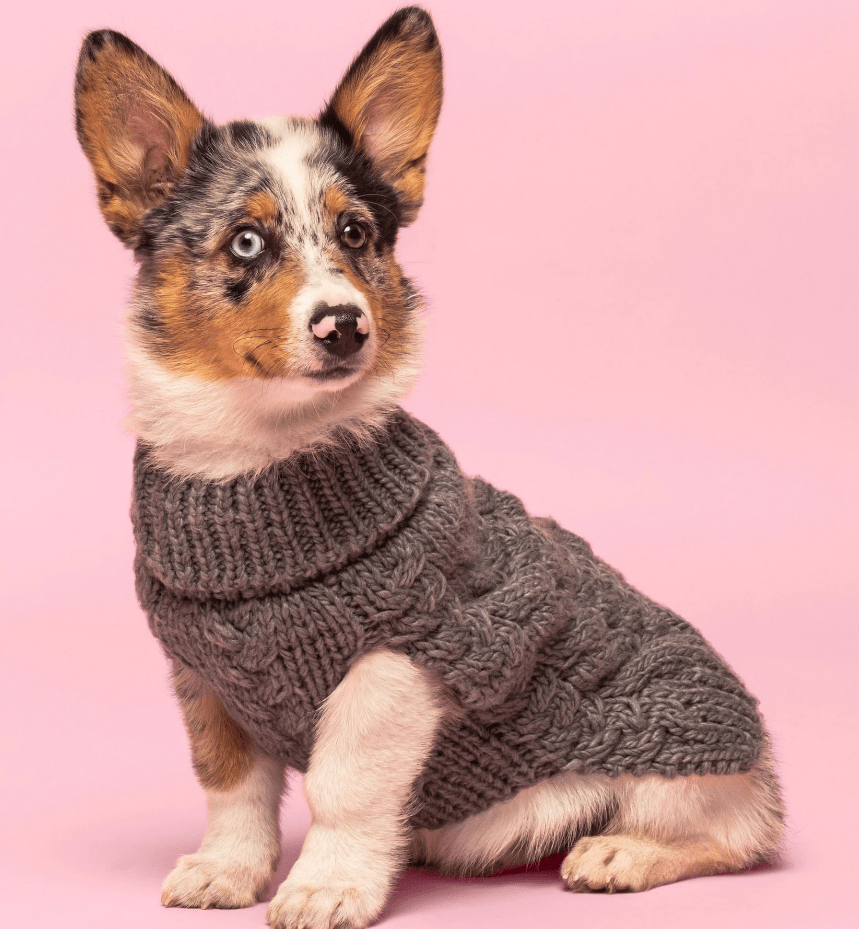
Instead of allowing your pesky pooch to malt all over your sofa, put your pet to work in a novel way. The most luxuriant of dog breeds can be put to practical use as producers of dog wool for your next knitting expedition.
Some of the best breeds for yarn include the Collie, Old English Sheepdog, Burmese Mountain Dog, Samoyed and Golden Retriever. These breeds have dense, soft, insulating undercoat beneath their water-propelling outer coat. This makes their wool perfect for a woolen jumper or mittens.
















 Content Catnip
You must be logged in to post a comment.