Philoxenia is a word that comes from Ancient Greek. This literally translates to be “friends with a stranger”. Philo – Friend, Xenia – Stranger.
In Ancient Greece, hospitality in the same was held as a great virtue. Great honour was bestowed upon guests by the host. If a stranger was to appear on your doorstep in Ancient Greece, you were duty-bound to offer a bath before the meal and then a generous spread of food and drink. The guest in return, was obligated to be courteous, polite and not too difficult for the host.
Philoxenia Versus Xenophobia
The hallowed principle of Philoxenia originally turned sour in Homer’s The Iliad. When a guest in the house of King Menelaus of Sparta tried it on with the King’s wife, Helen – the fall out was huge. This transgression was so bad that it needed to be avenged by setting off the Trojan War. This led to a derogatory term, the opposite of Philoxenia (Friend with a Stranger) which turns out to be Xenophobia (Fear of a Stranger).
Let brotherly love continue. Do not forget to entertain strangers. For by doing so, you may have unwittingly entertained angels. Hebrews 13:1-2
Polish: Gość w dom, Bóg w dom
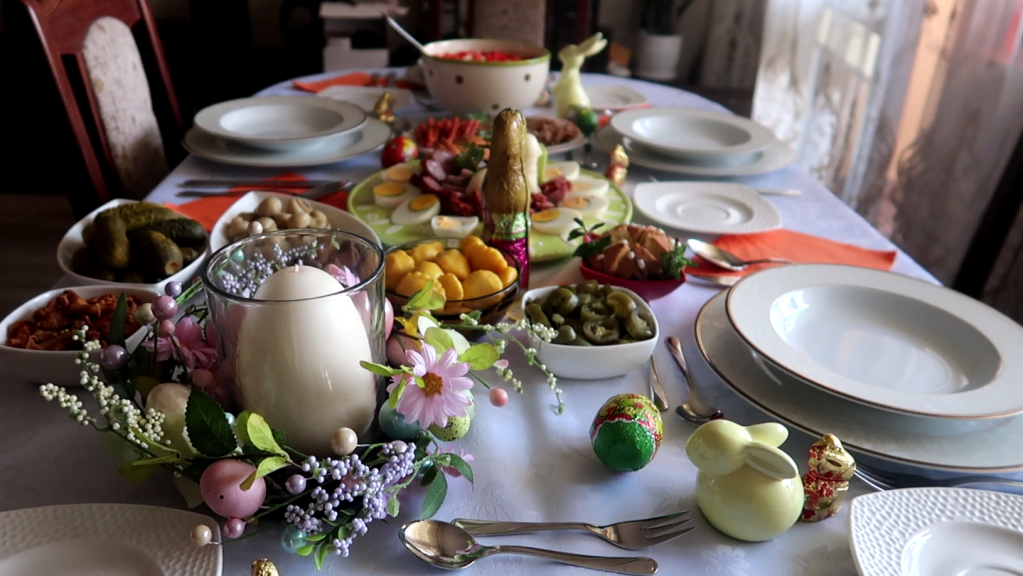
Polish: Gość w dom, Bóg w dom. Polish Easter feast Copyright Content Catnip 2019
There is a similar expression in Polish, which still holds true as a cultural tradition today. Gość w dom, Bóg w dom. A guest in the house, God in the house. This expression in Polish speaks volumes about the kinds of hospitality you can expect as a guest in a Polish friend’s house. Nothing will be too much trouble. Likewise when a Polish friend comes over you can expect to roll out the red carpet for them.
Polish: Gość w dom, Bóg w dom Polish Easter is a big deal in Poland. Copyright Content Catnip 2019
Māori: Te inati o Tahu
Māori culture has a similar tradition of Philoxenia and hospitality.
Te inati o Tahu – She belongs to Tahu. A remark made when a female child is born and it is hoped that she will grow up to be a great leader, give feasts and make mats. A woman who excels in hospitality and welcoming guests into the whare (home).
Te inati o Tahu – She belongs to Tahu. A remark made when a female child is born and it is hoped that she will grow up to be a great leader, give feasts and make mats. A woman who excels in hospitality. #TeWikioteReoMāori #MāoriLanguageWeek
Yo-Ho-Ho and a bottle of kombucha, look here me hearties at this glorious sea shanty of discoveries from the internet. I hope you like them! Let me know what you reckon below…
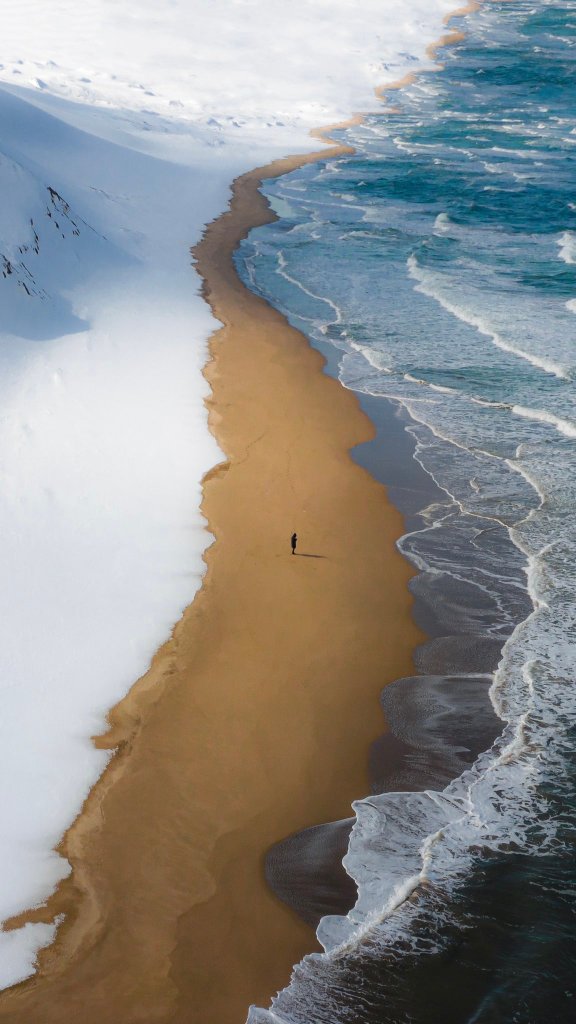
Snow along a lonely stretch of coast of Tottori prefecture, Japan
Snow along a lonely stretch of coast of Tottori prefecture, Japan
Silverback gorilla and family cross the road in the Congo
I like how the dad waits for all of them to cross and he flexes with his sheer brute muscle at the guys in the car in the distance, he is a good dad, the ultimate protector.
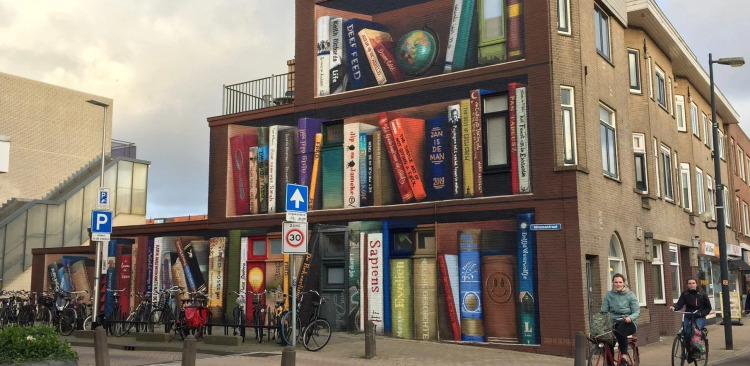
The ultimate book shop in the Netherlands
Just look at this, just look at it…wow!
The ultimate book shop in the Netherlands. Via Reddit
Portico Quartet – (2009) Isla
Some atmospheric, instrumental jazz fusion for you
Dream Dolphin is a floaty, ethereal journey into a netherworld of emotions by little-known Japanese ambient artist Dream Dolphin. This sounds a bit like a mid-90’s rave opus by Papua New Guinea or Boards of Canada crossed with some throaty and coy Cocteau Twins style singing. Whatever it is, it’s beautiful. Thank you Youtube algorithm you always guide me to the place where beautiful music dwells.
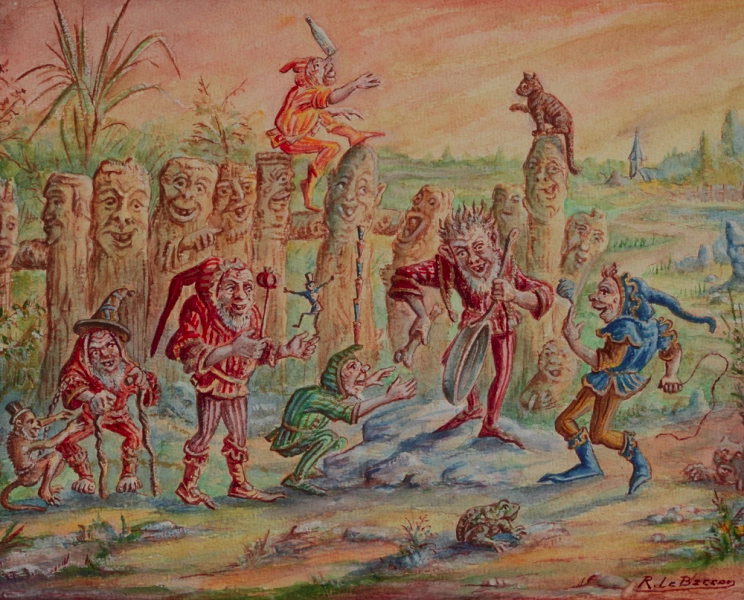
Many stories, from across the region, warn of the dangers that await those traversing the lonely places after dark. The Breton nights belonged to the black dogs and to the korrigans; a race of capricious magical dwarves who emerge from their subterranean domain to haunt the moors and the ancient sites between dusk and dawn. They amuse themselves by disturbing the peace of the countryside and playing tricks on passing travellers, never missing an opportunity to entice them to join in their dance, never suffering them to stop until, overcome by fatigue, they fall dead of exhaustion. Should a man offend them, he might be forced to dance to death or even find himself consigned to an underground dungeon without any hope of deliverance.
You are the sum of so much love by the Cryptonaturalist
Yes, we are the product of our DNA. The product of evolution. But, we’re also the product of countless choices to be kind. How much active kindness does every child need? Every community? Your ancestors didn’t survive without willful kindness. You are the sum of so much love.
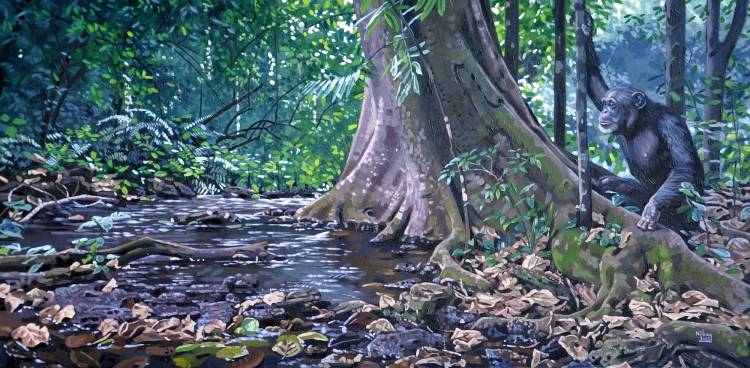
“The conversion of forest to farmland across Africa has severely reduced the availability of Chimpanzee habitat. Such habitat loss is especially acute in West Africa, where it is estimated that more than 80% of the region’s original forest cover had been lost by the early 2000s (Kormos et al. 2003) – Read more on Palm Oil Detectives
Viking Religion documentary
I am fascinated by this ancient European people and their pagan beliefs.
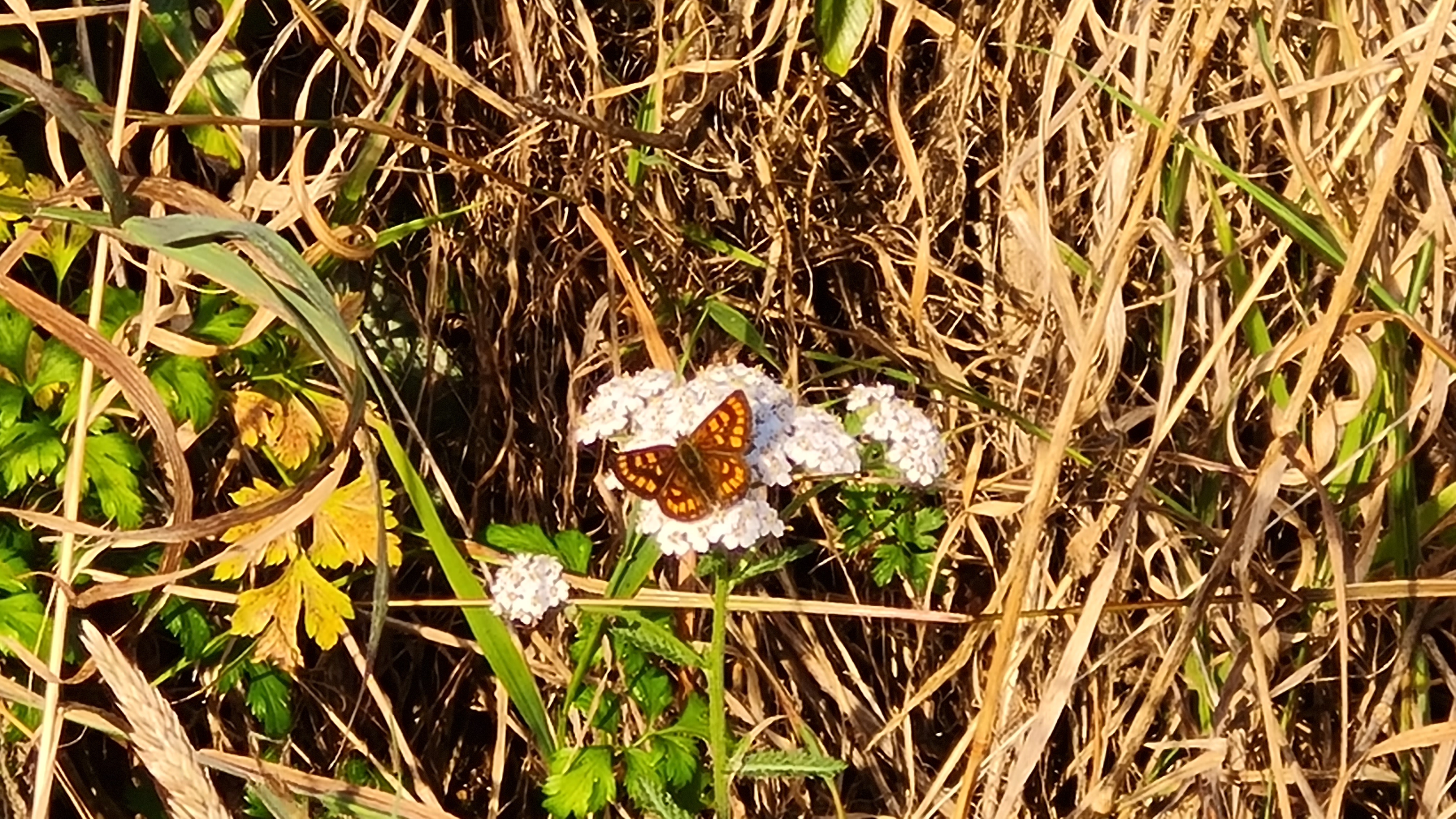
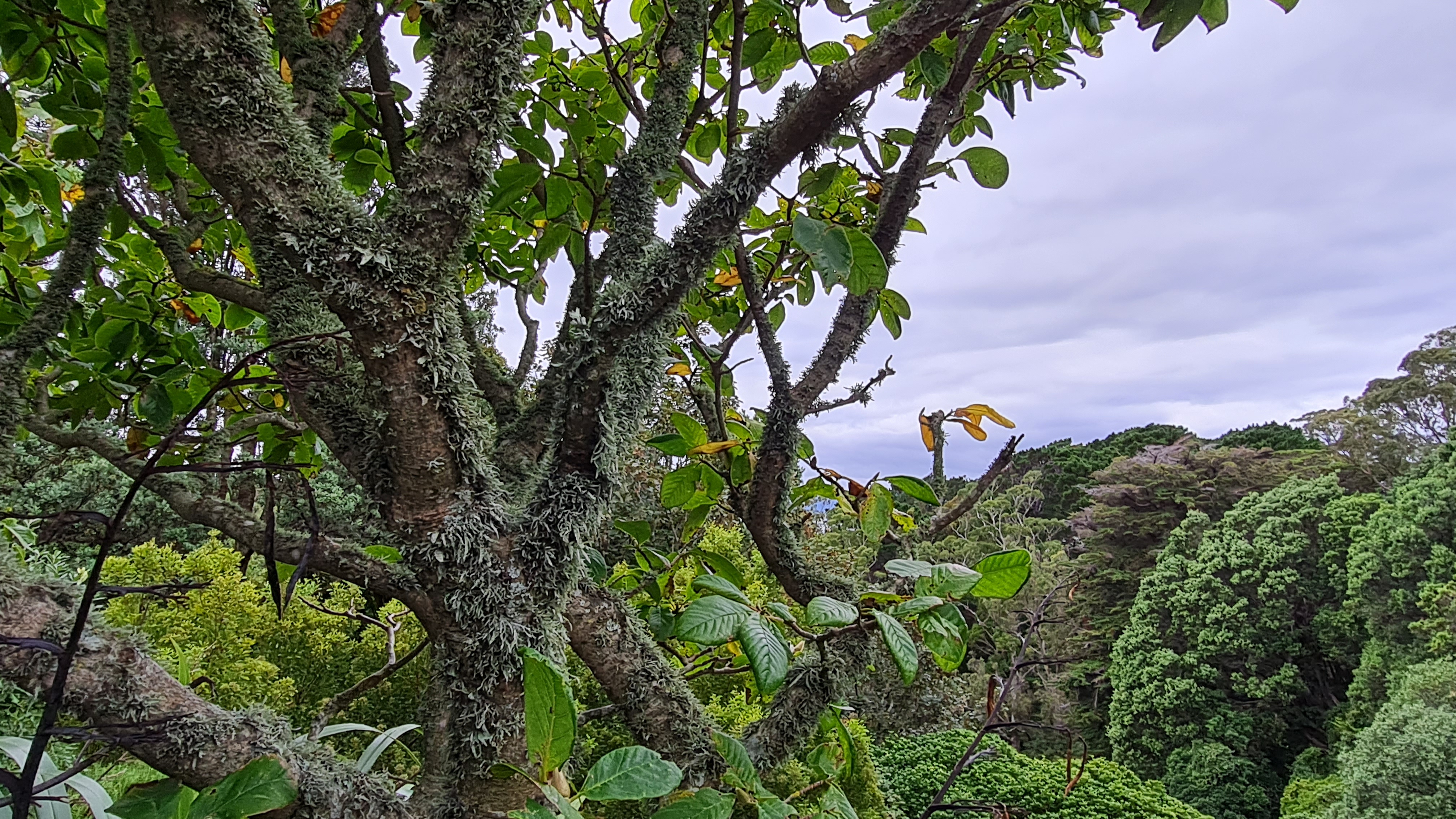
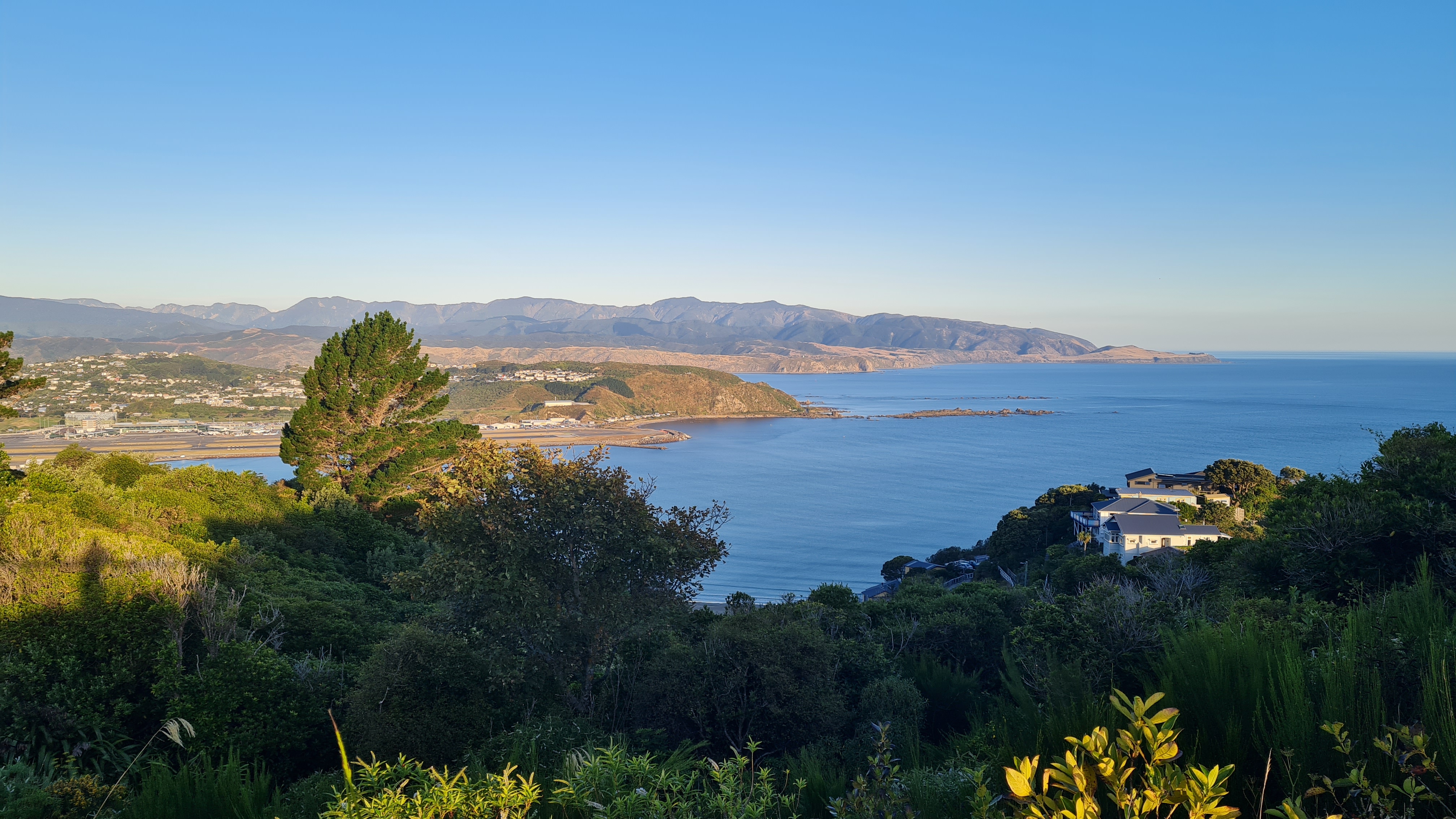
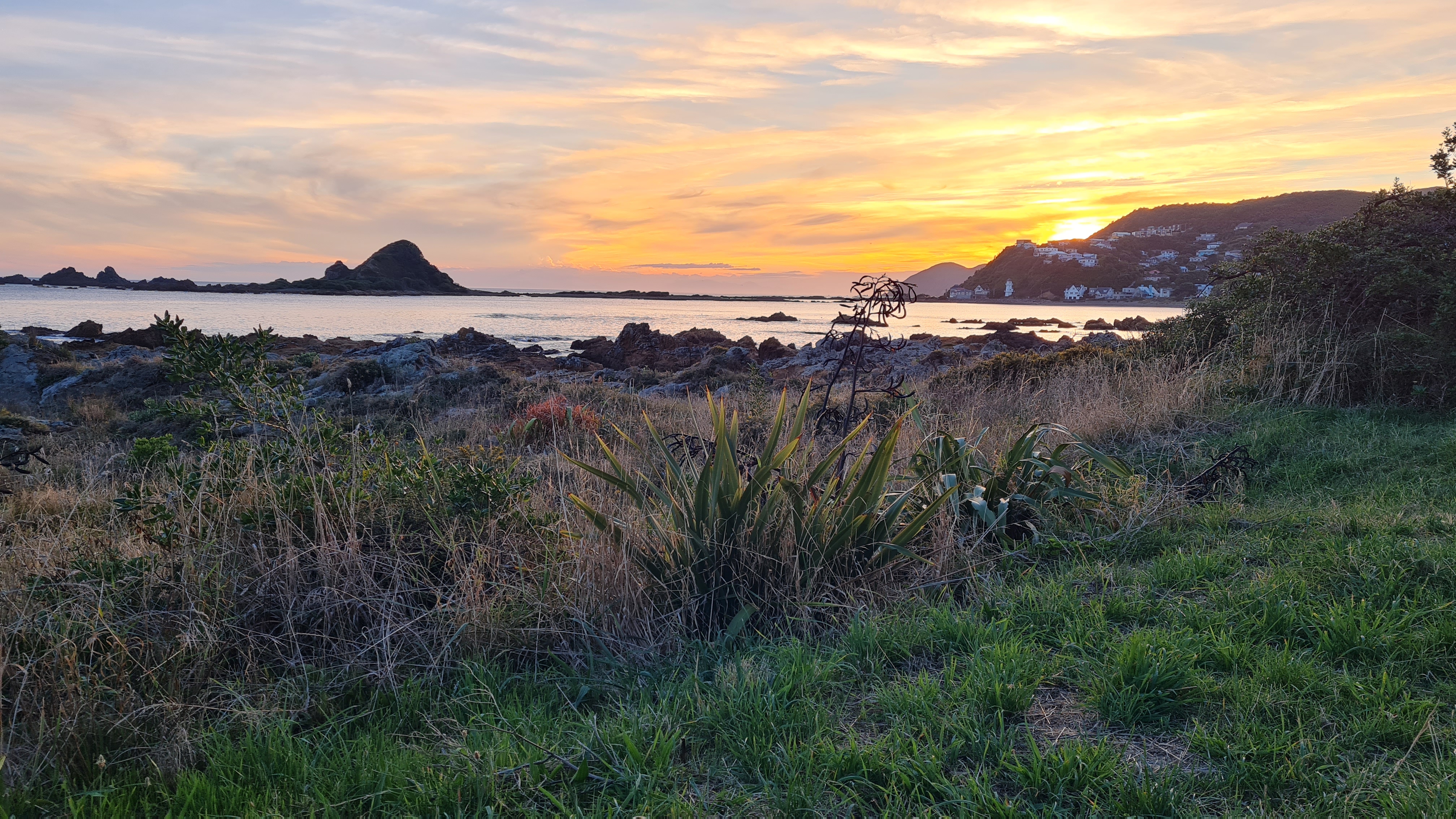
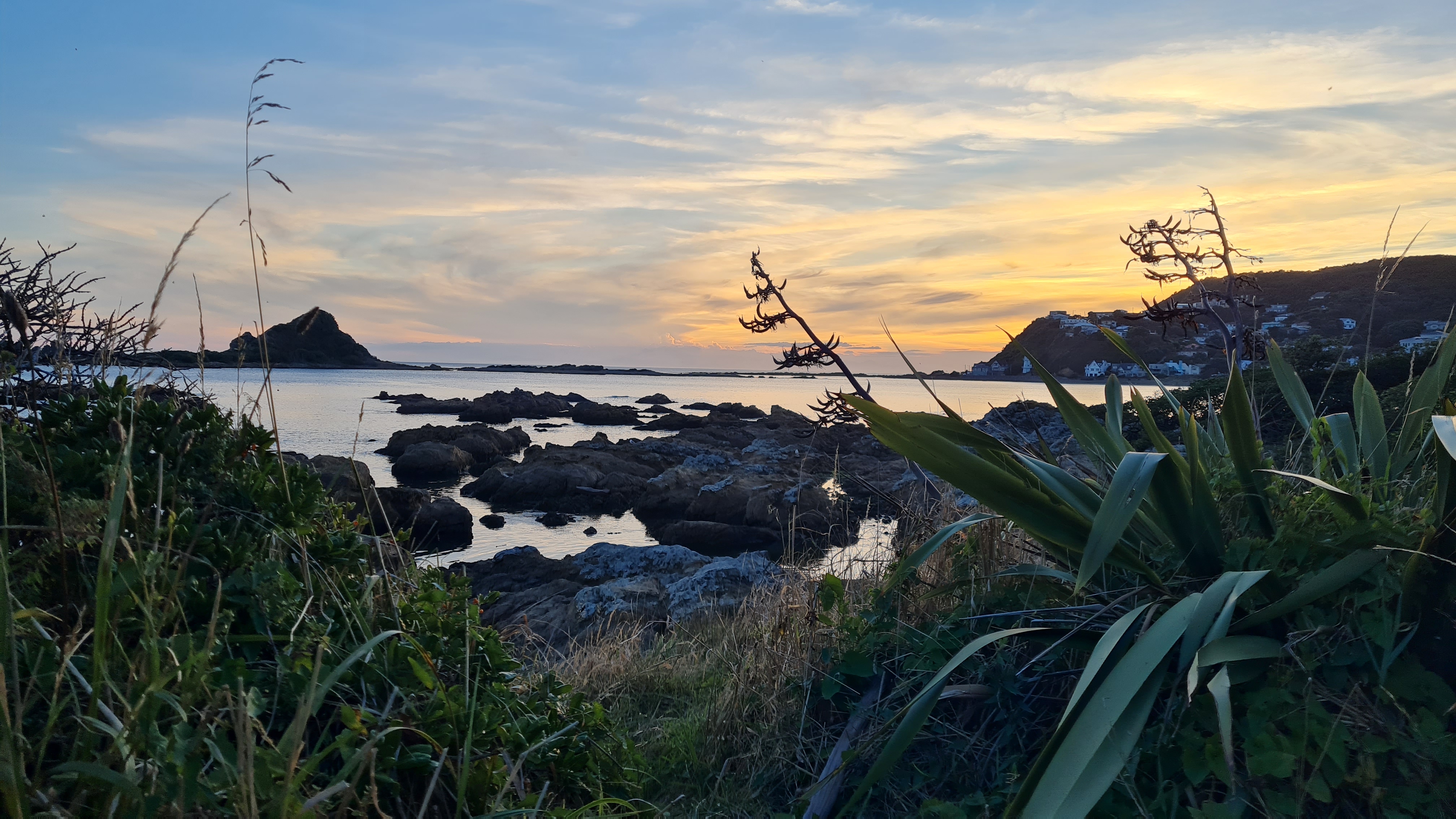
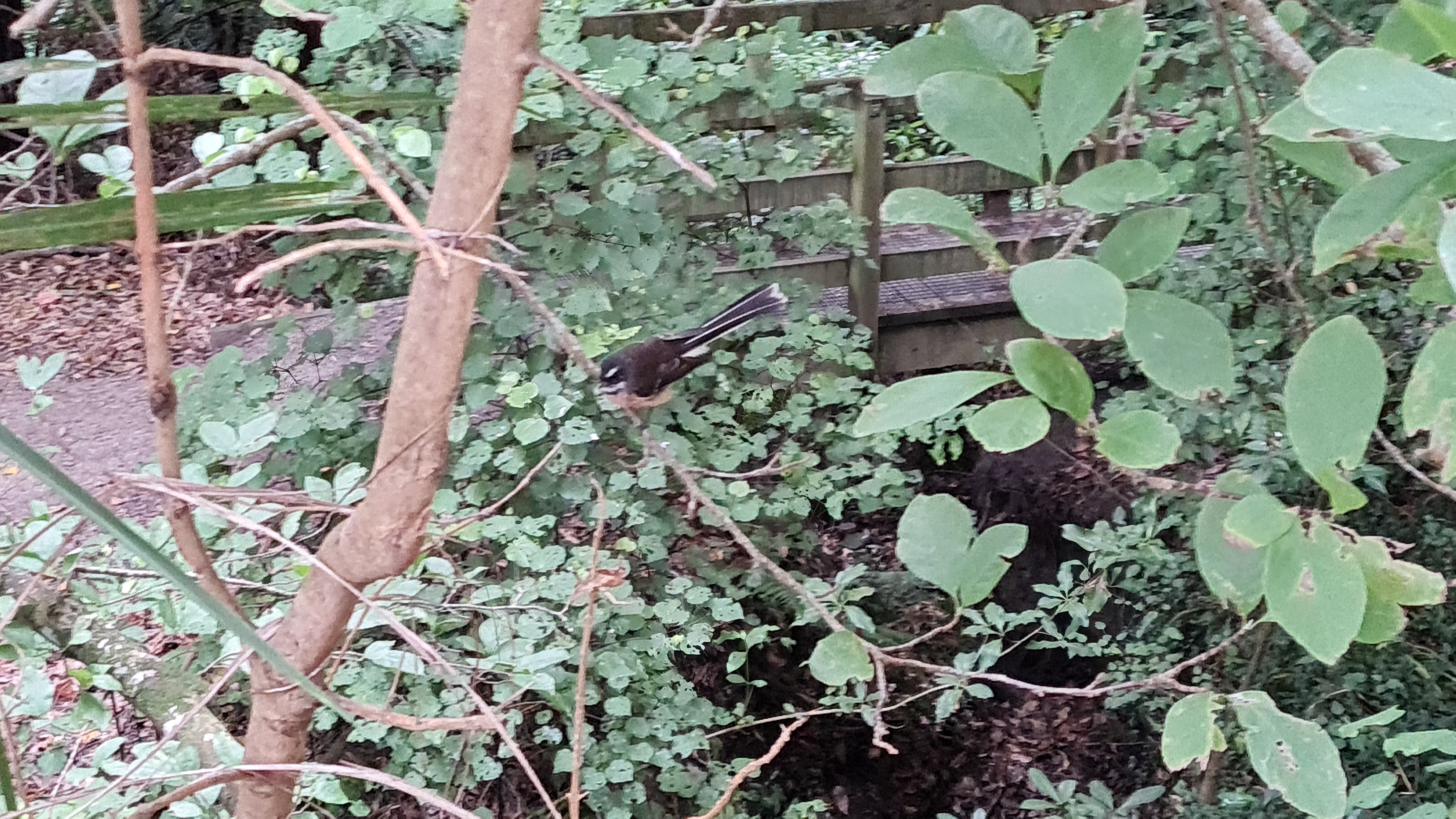
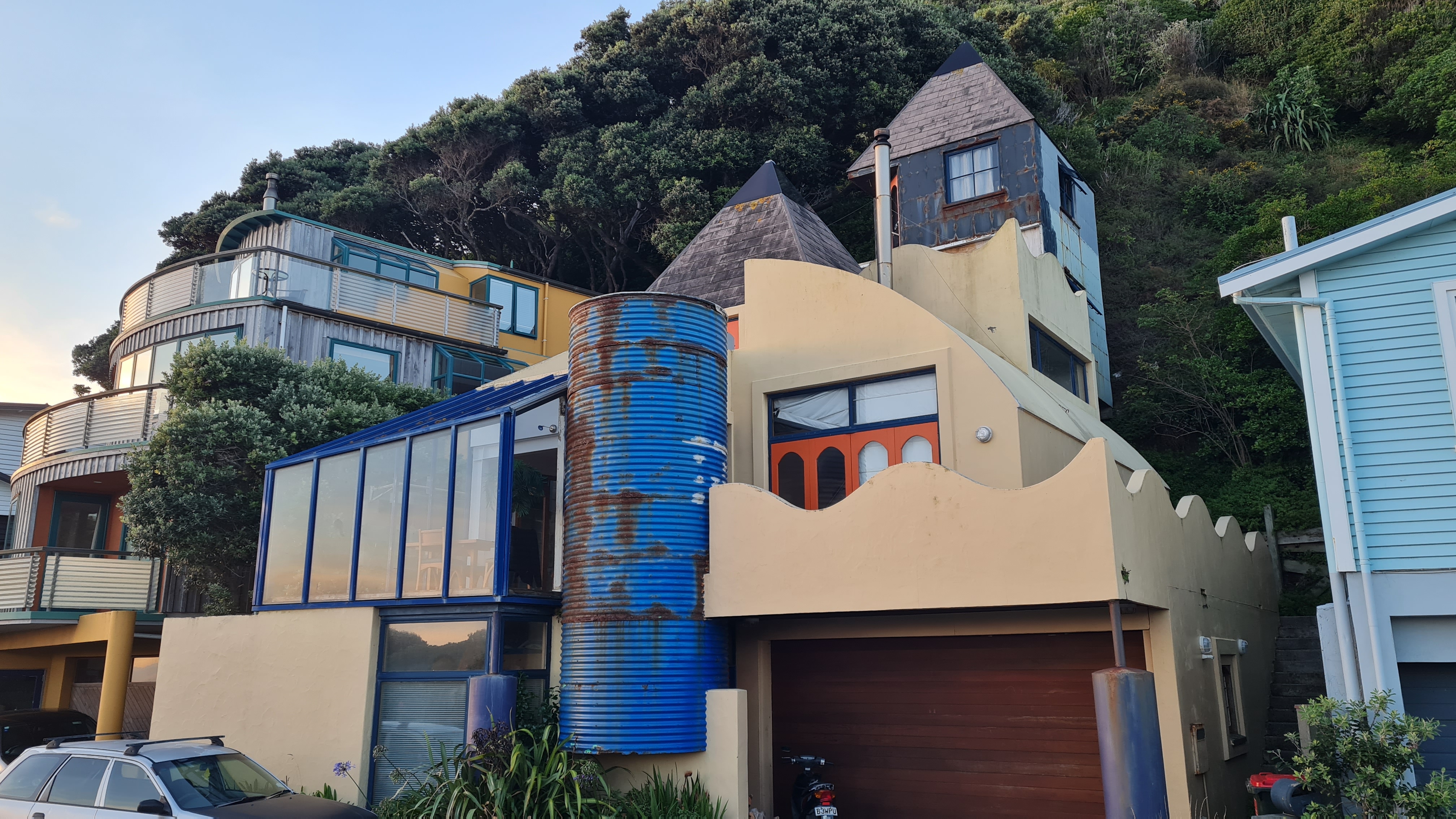
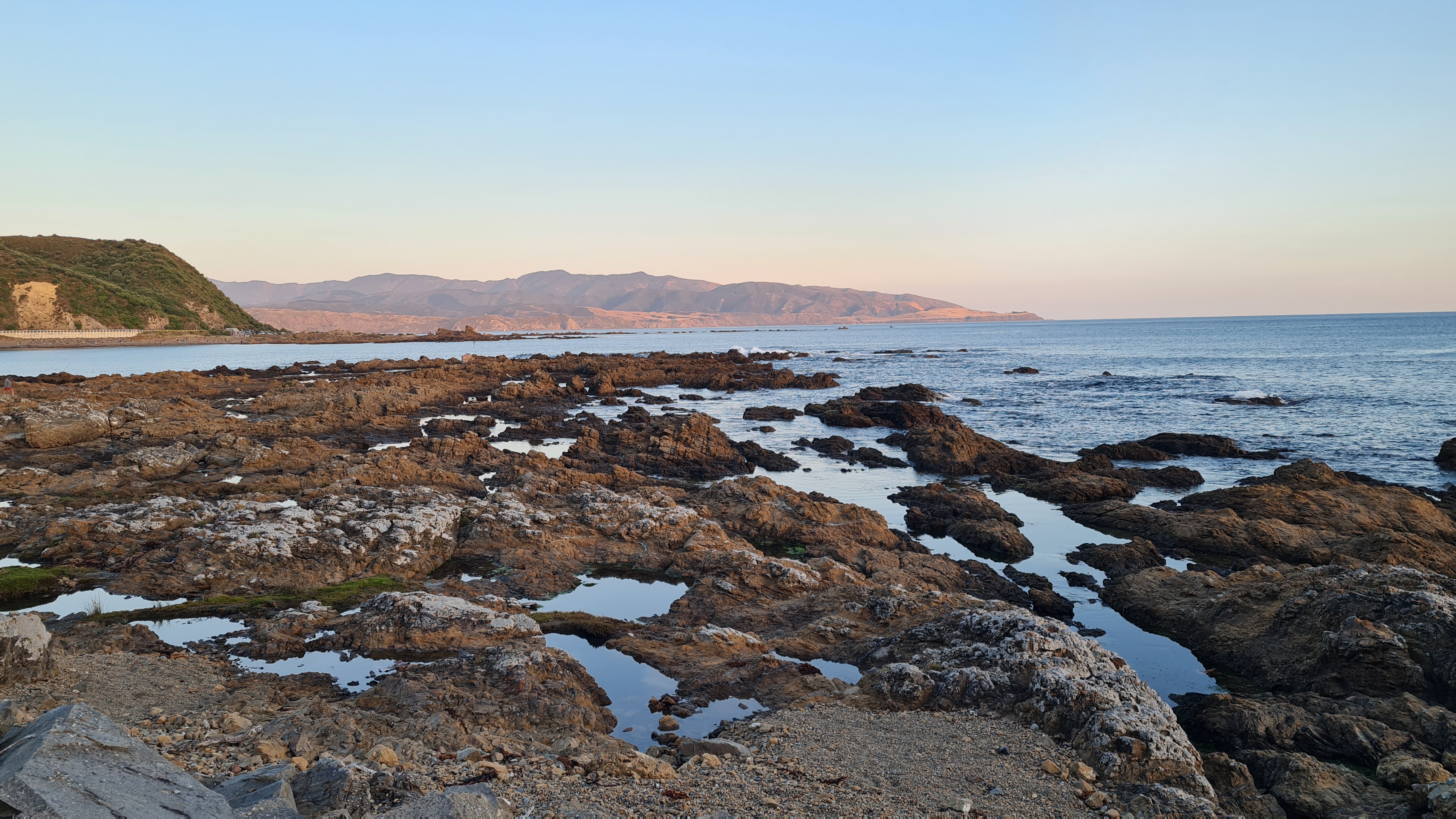
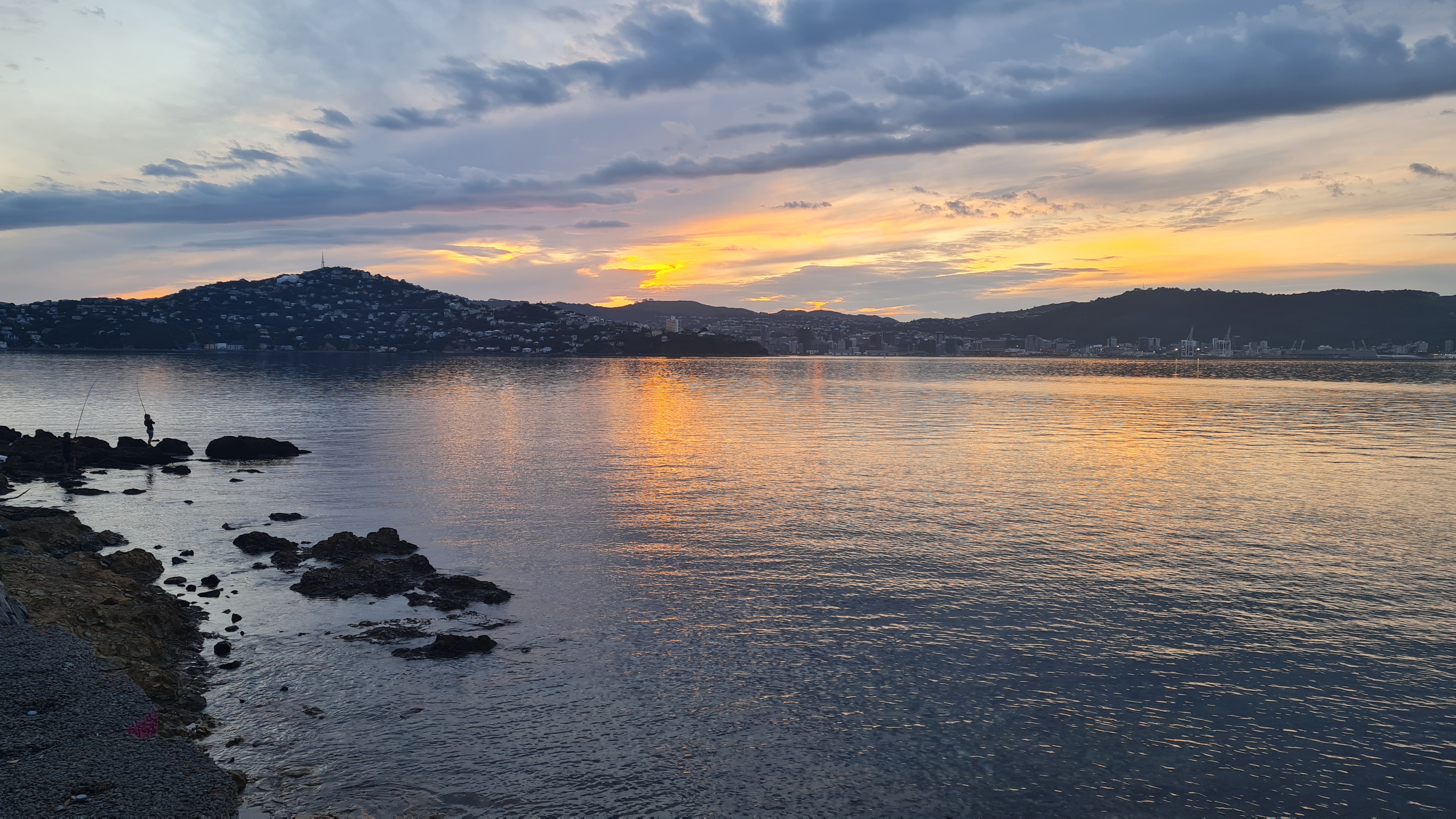
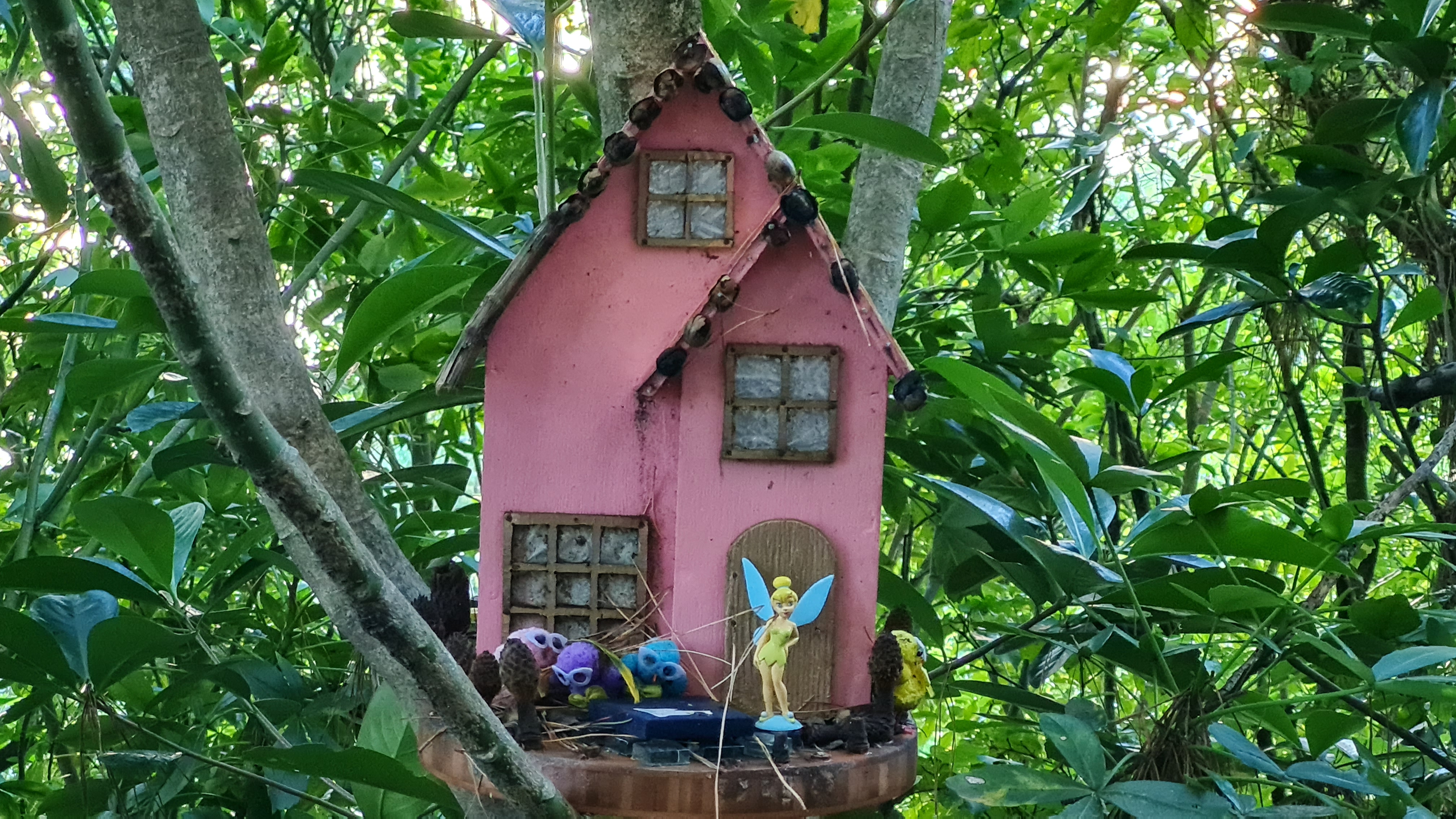
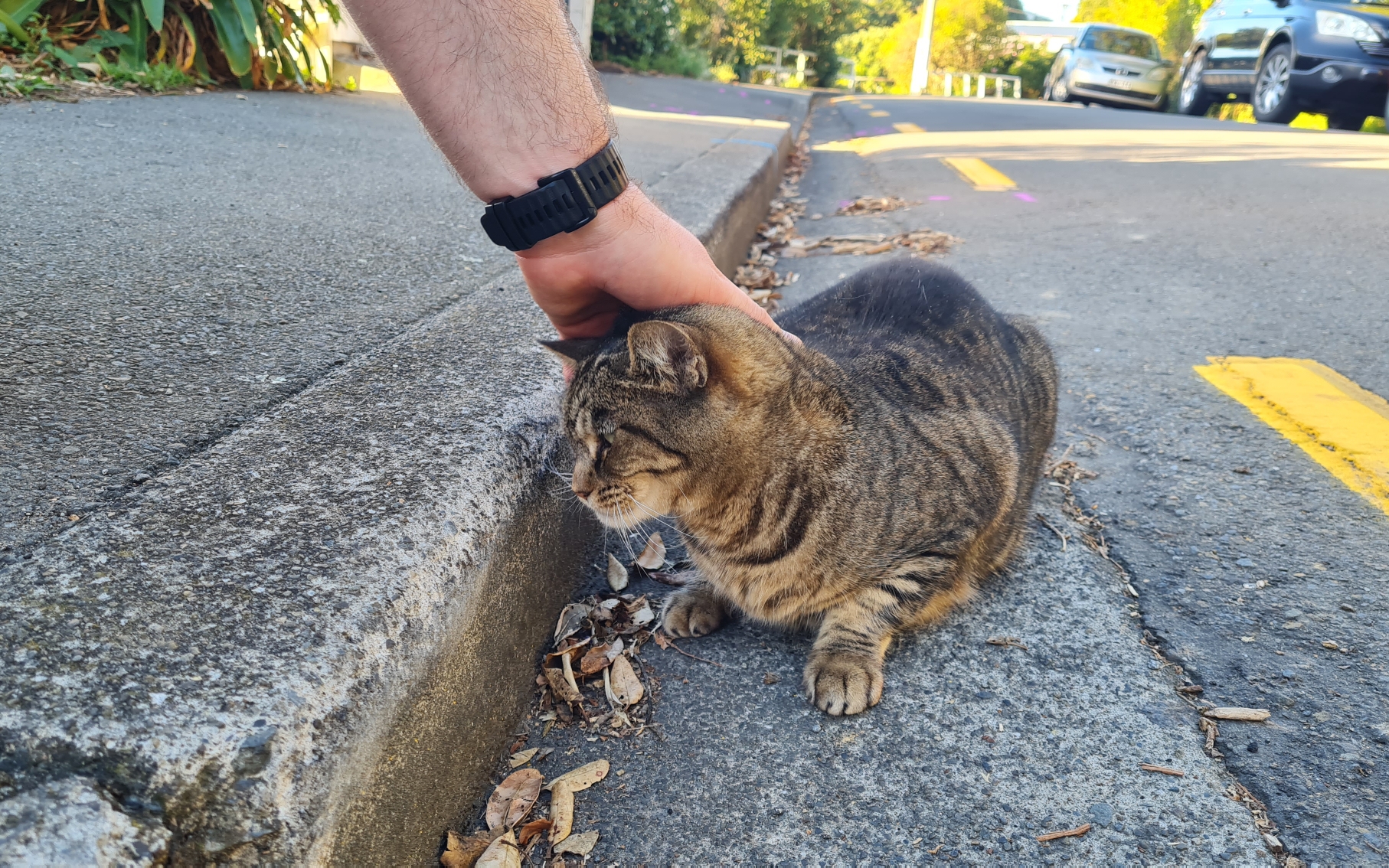
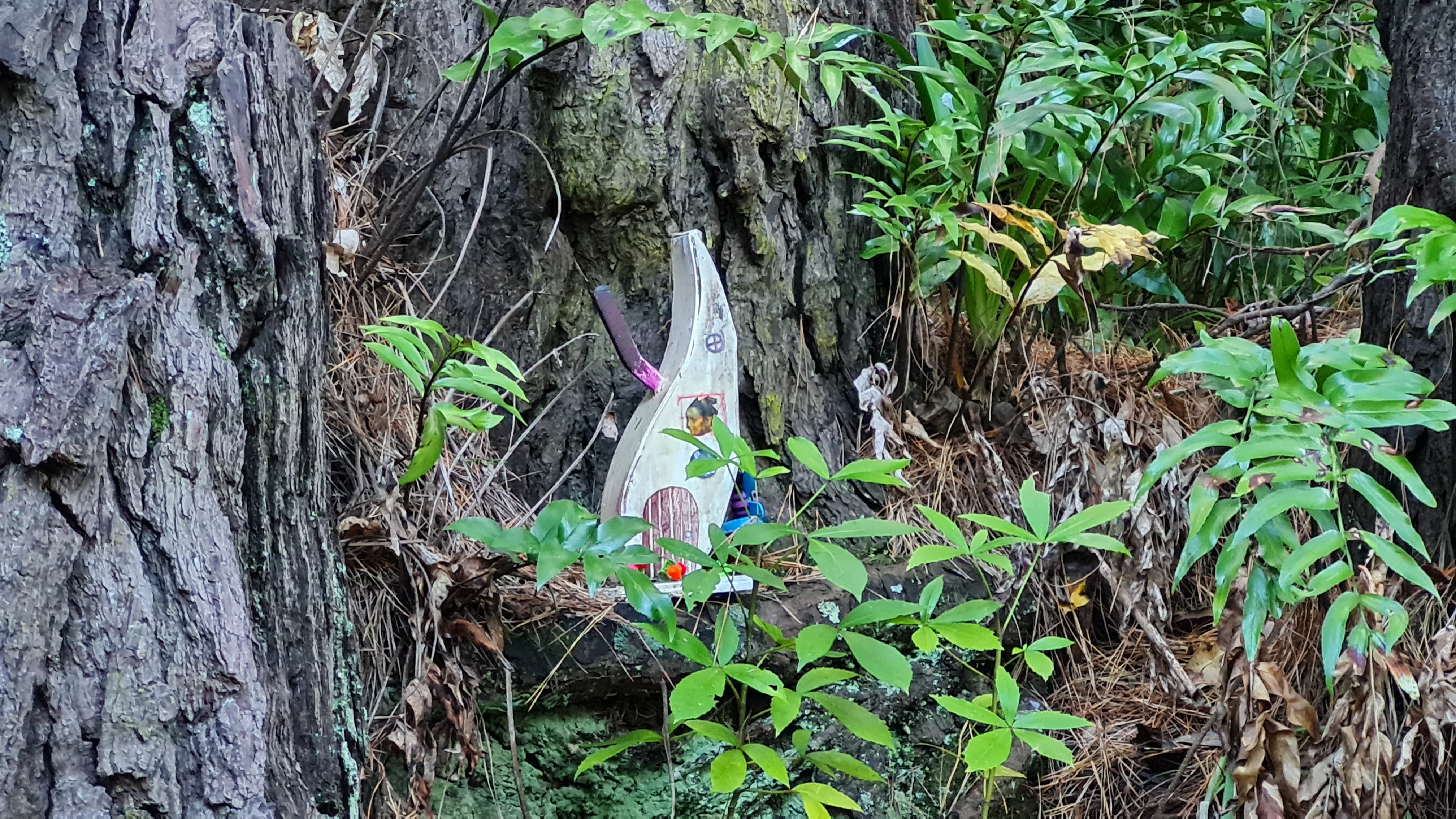
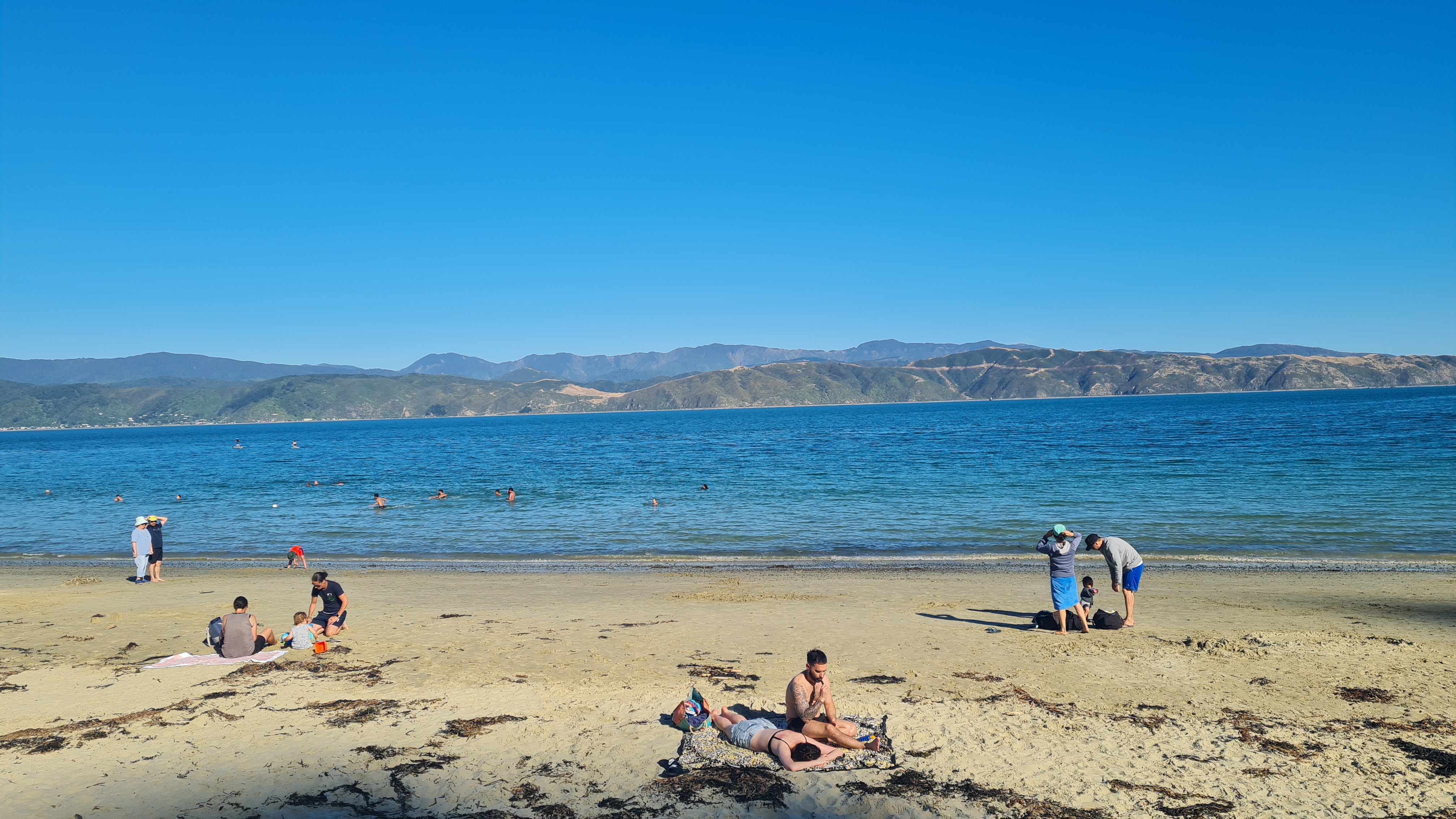
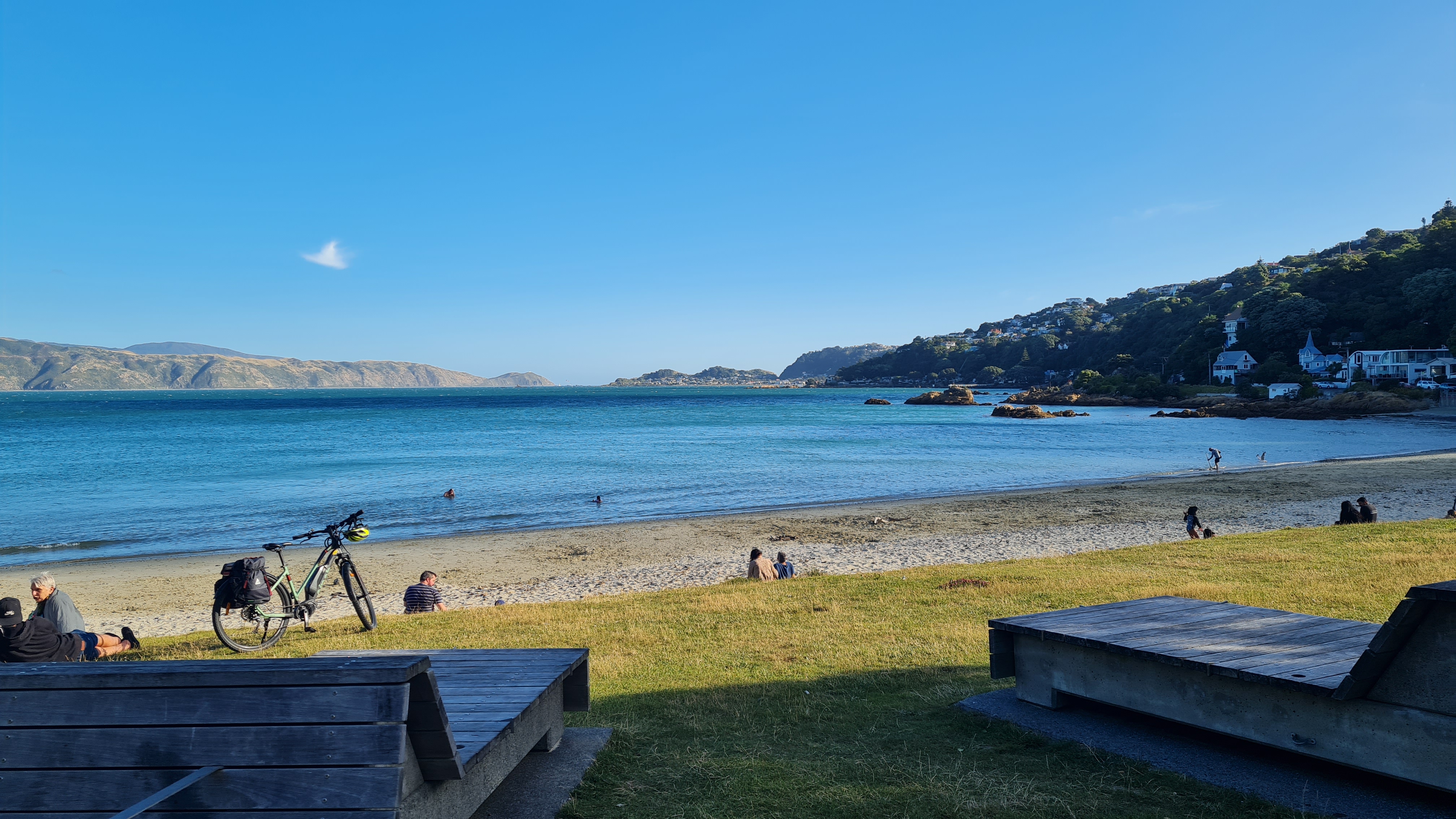
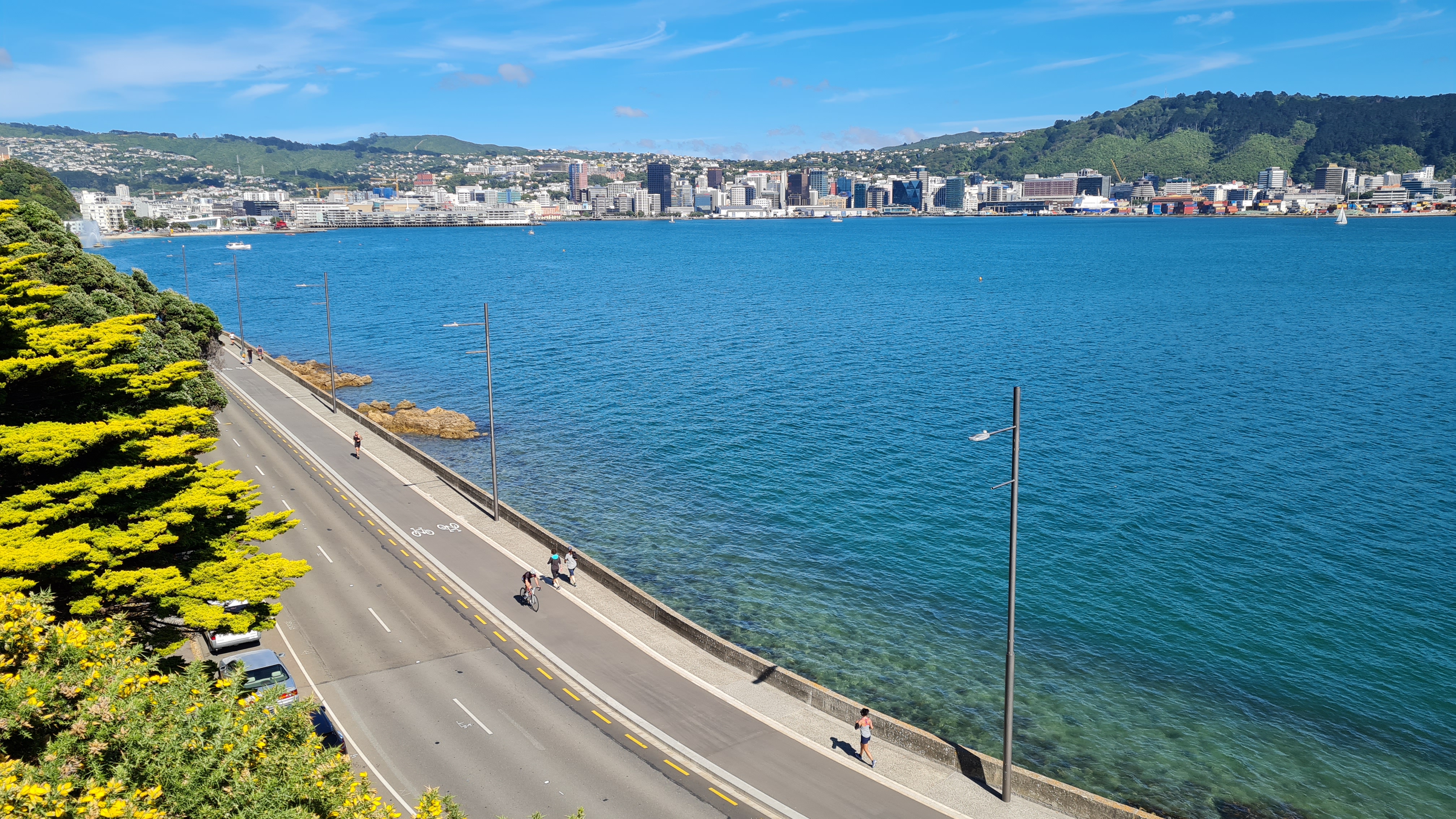
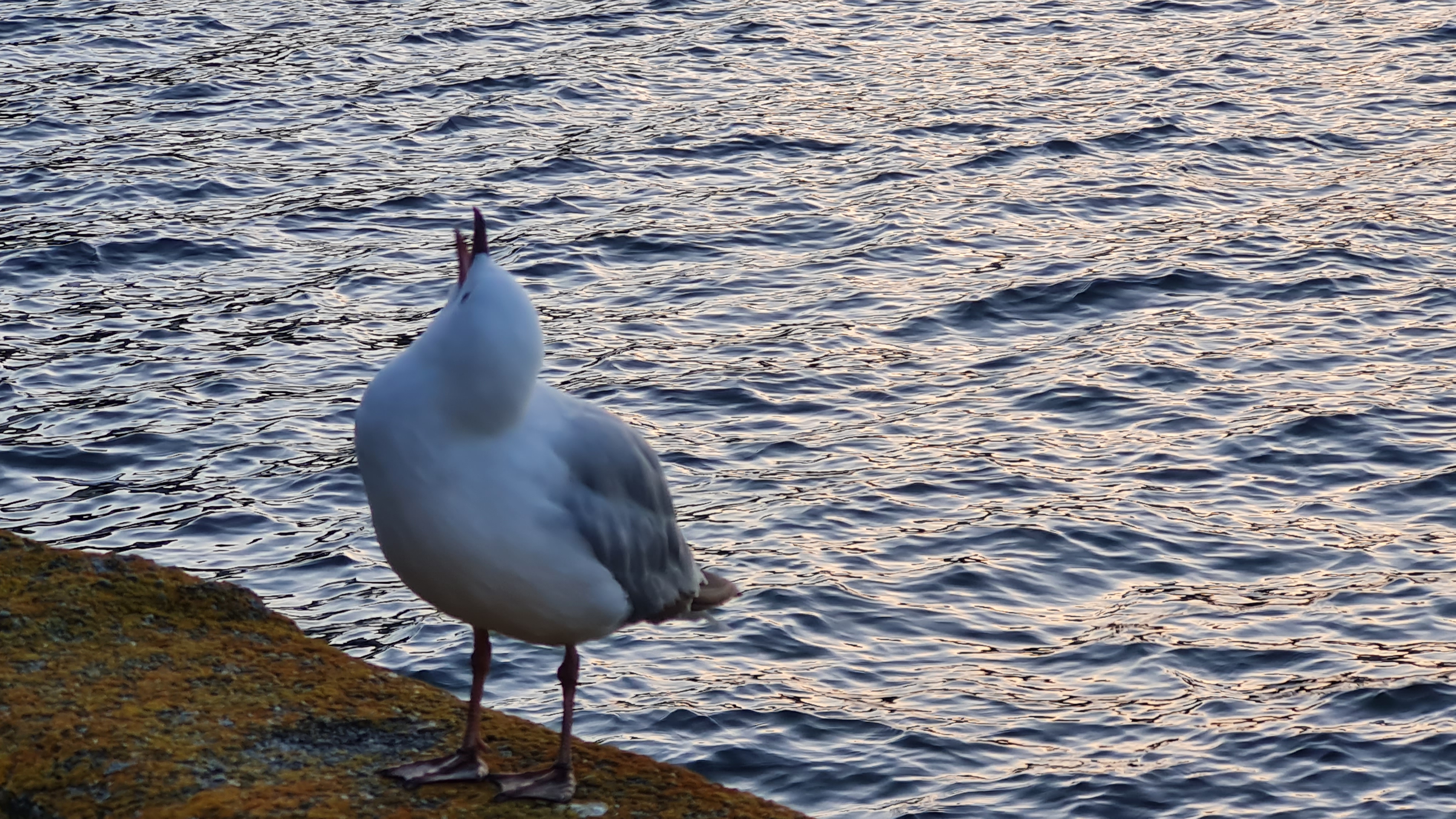
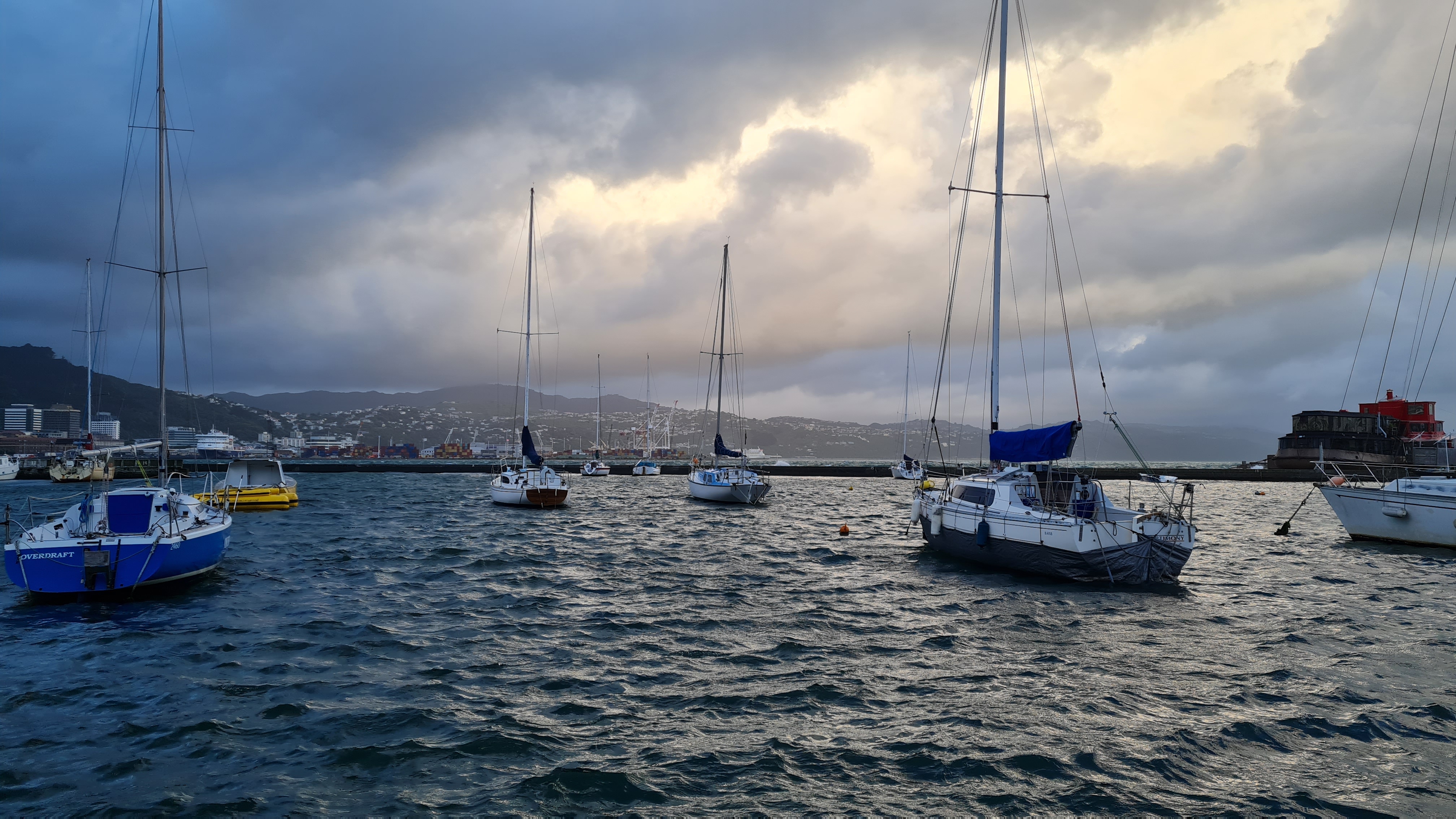
Over the summer (which is Christmas and New Year in New Zealand) we were walking nearly every day over the hills and to the beach. Here’s a record of some of these walks. It is a pretty place for nature,hills and beaches Wellington. Although it is not a good idea to swim in the ocean because of the sewage going in there in many places. Still, we found a lot of days of tranquility and epic cats with big personalities.
The English version of this word ‘Emacity’ fell out of use at the beginning of the 20th Century. This was replaced by less beautiful terms to describe the same thing, such as shopaholic, consumerism and retail therapy.
Emacitus derives from the even older Proto-Indo-European word Em
You may have heard of the Latin phrase Caveat Emptor – which means buyer beware.
There are many other modern words related to money, trade and transactions that contain the root word Em:
This painting by Bronwyn Waipuka illustrates a story by Wairarapa kaumātua (elder) Mita Carter.
Rehutai and Tangimoana were beautiful twin sisters who lived on the banks of the Ruamāhanga River. They both fell in love with Rautoroa, a handsome warrior, but he could not decide which to marry.
Rehutai asked Tangimoana to fetch some water from a pool, but she refused, not wanting to leave her sister alone with Rautoroa. He then asked both girls to get water – but when they reached the pool, Tangimoana pretended to trip, muddying the water, and ran back to the warrior. Rehutai had to wait for the pool to settle before filling her gourd.
When she returned, she found her sister wearing Rautoroa’s cloak, which made her his wife. The distressed Rehutai went and hid, weeping bitterly. At dawn she climbed up a hill, into the clouds, and was never seen again. The hill is now known as Ōhine-mokemoke – the place of the lonely girl.
Much of my inspiration for my Maori themed paintings have come from my Maori background and heritage, especially the stories that are specific to the Wairarapa area because this is where my tribal roots lie. At the time, I felt there was a real need to expose and preserve these stories for younger generations. I was worried these great stories would be forgotten. Giving each story a face, a visual imagery so they were easily remembered, meant I was helping to keep them alive. And I’m glad I did make that decision and put in all the hours and effort, because certain works have now become taonga (treasures) which my Whanau (family) and wider Whanau are very proud to be connected with.
I came across fresh tracks of several elk, including one bull. The morning was bright and sunny with a slight wind in my face, assuring me of getting a reasonably close approach to my quarry.
After
perhaps an hour of slow and careful tracking, I came out on a long glade, fifty
yards wide. If the elk were nearby they would detect my crossing the snowy and
slushy meadow. It remained for me to be completely still and pay complete
attention to the opposite hillside. I felt now their presence and somehow knew
that they felt mine.
As I stood
there, the sense of time remarkably changed. What seemed like minutes I found
later to be over an hour. At the same moment an intense feeling of the clarity
of the scene swept over me. All my senses seemed to sharpen to an exquisite
razor’s edge.
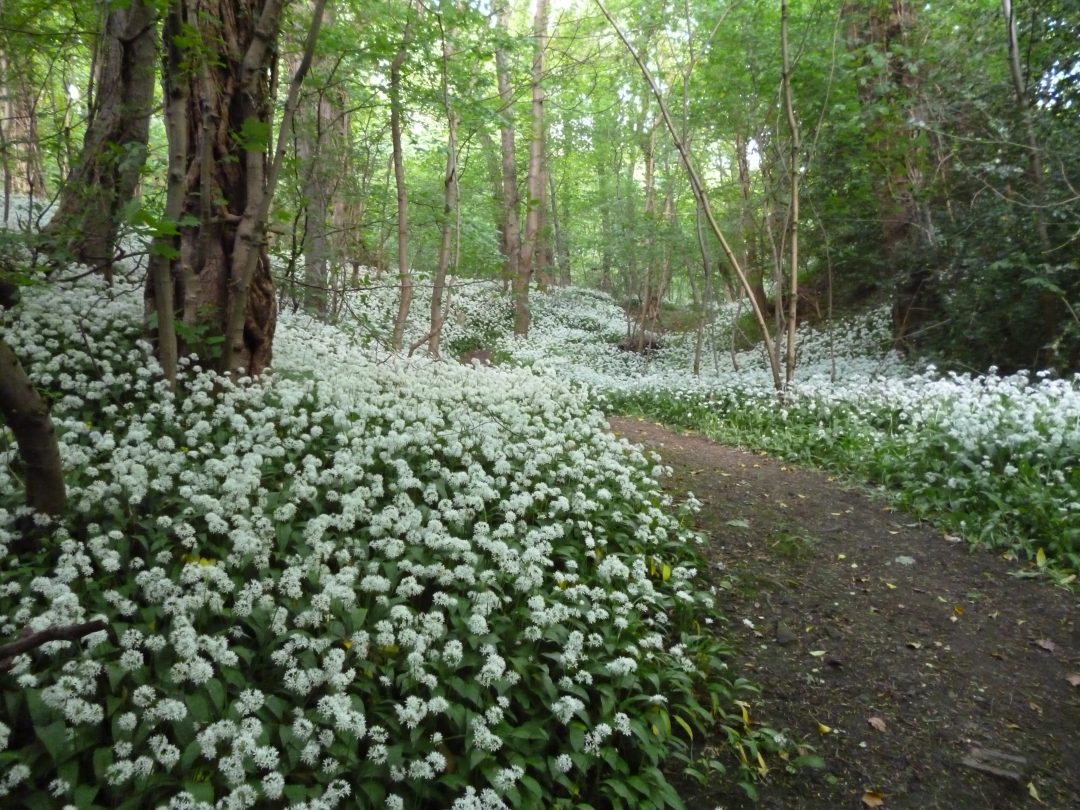
A springtime forest alongside the canal outside of Edinburgh. Copyright Content Catnip 2010
I heard the
tiniest sounds of distant streams and rustling leaves as if magnified in a
celestial amplifier. Everything seemed closer to me and I felt, amazingly, a
sort of merger of myself with everything, a sense of belonging.
I was
connected with everything in that panorama, the grass, trees, rocks, insects,
birds, the elk that I knew were quietly moving uphill, out of my sight. I felt
a great rush of emotion, a joy of being alive, the chance to exist along with
everything else. I will never forget that day.”
According to Carl’s book…this mystical experience has a lot in common with the Zen practice of Shikan-taza. The mind is brought to a new, crystallised and heightened state of awareness of the connectivity of self, nature and the universe. By intensively being involved in the object of its attention, the hunter becomes completely ground of her being and at the same time, connected and detached from her surroundings.
“I remained where I was, standing with one hand in my pocket and the other around the handle of the pram. The triviality of the ketchup and mustard bottles, the blackened hotdogs. The camping table where the soft drinks were lined up, was almost inconceivable there beneath the stars, the dancing light of the bonfire. It was as if I was standing in a banal world and gazing into a magical one, as if our lives played out in the borderland between two parrallel realities.
“We come from far away, from terrifying beauty…
“…for a newborn child that opens its eyes for the first time, is like a star, like the sun, but we live our lives among pettiness and stupidity, in a world of burned hotdogs and wobbly camping tables. The great and terrifying beauty does not abandon us, it is there all the time, in everything that is always the same, in the sun and the stars, in the bonfire and the darkness, the blue carpet of flowers beneath the tree.”
Pania is the legendary Kaitiaki (guardian/protector) of the reef in local Maori legend and her wairua (spirit) is connected strongly to the moana (ocean) close by to the town of Napier. Legend has it that Pania was a shimmering and iridescently beautiful maiden who lives in the sea and following a human encounter and a broken heart, she lingers there under the waves still.
By daylight Pania swam about with creatures of her reef world, but after sunset would go to a stream that ran into the bay. She would swim upstream to repose close to flax bushes. Karitoki, the very handsome son of a Māori chief, would quench his thirst every evening at the stream where Pania rested because it had the sweetest water.
He was unaware Pania was silently watching him with admiration for many weeks. Until one night she whispered a faint and yet intoxicating refrain. It carried on the wind to Karitoki who turned around to see Pania emerge from her hiding place.
Karitoki had never seen a young and beautiful maiden as Pania and so fell in love instantly with her shiny and thick dark hair and large eyes. Pania fell in love also, and they pledged their lives to each other and were secretly married.
Pania and Karitoki went to his whare (house) by the shadows of the eventide and so nobody but the moreporks (owls) saw them. At sunrise when Pania prepared to leave Karitoki begged her to stay a while longer.
Pania explained that as a creature of the ocean, when the sirens of the sea called her each morning, she could not survive if she didn’t return to them. She promised to return every evening and so their marriage of nocturnal passion and moving between worlds continued.
Karitoki soon boasted to his friends about his beautiful wife, but no one believed him because she appeared as an apparition and stayed only when the shadows lay thick on the land. Frustrated by this, Karitoki consulted a kaumatua (elder) of the iwi (tribe) about how to harness and ensnare the intoxicating ocean maiden named Pania. The kaumatua advised Karitoki that being a sea creature, Pania would be cursed to never return to the ocean if she swallowed cooked food.
That night, as Pania slept, Karitoki took a morsel of cooked food and put it in Pania’s mouth. As he did so, Ruru the morepork (owl) called a loud warning and Pania was startled from her sleep.
Horrified that Karitoki had put her life in jeopardy, Pania fled and ran to the sea. Her people came to the surface and drew her down into the depths as Karitoki swam frantically about the ocean looking for her. He never saw her again.
When people now look deep into the water over the reef, it’s possible to see Pania with arms outstretched reflecting in the beams of sunlight. Is she appealing to her former lover and imploring him to explain his treachery? Or is she expressing her continuing love? That all depends on who is doing the looking.
Moremore the infant son of Pania and Karitoki is now the kaitiaki (guardian) of the area. He is a taniwha (spirit) who often disguises himself as a mango (shark), pupuhi (stingray) or Tuhinga o mua (octopus).
Pania with her baby son Moremore
The Sea Wall Project: Pania of the Reef by James Bullough
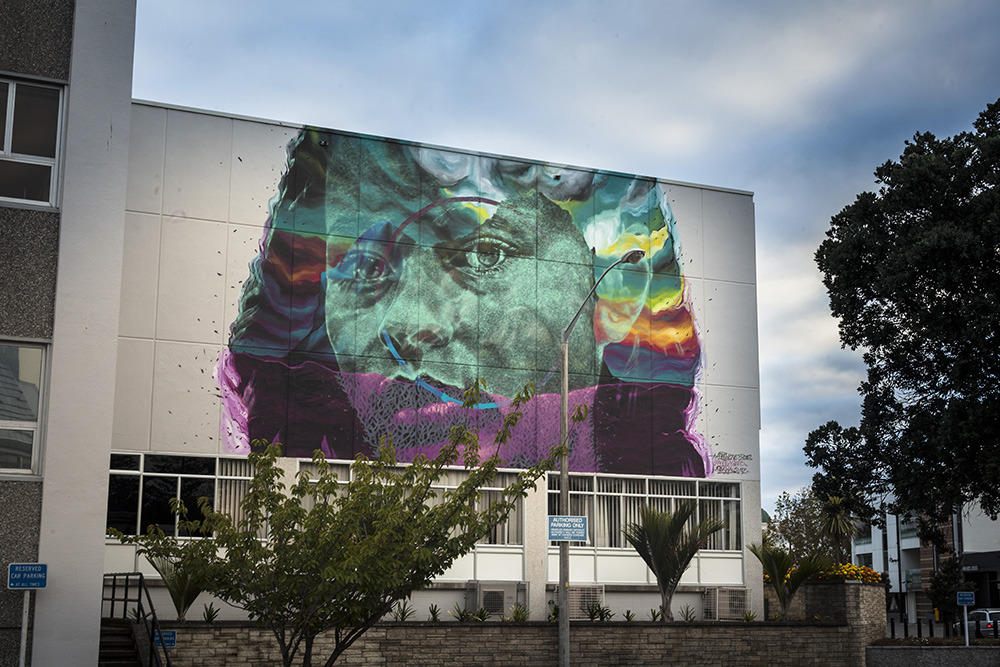
James Bullough was part of the hugely successful SeaWalls project hosted by Pangeaseed in Napier where he captured the legendary story of Pania of the Reef in street art.
While in the area, James got to meet some of the local iwi and Maori kaumatua and historians who advised him on how best to portray Pania in all her glory and to provde a fresh and contemporary take on the legendary story. He was honored to highlight the pressing ocean conservation issue of ocean acidification. Due to man made climate concerns, specifically the raising CO2 levels in our atmosphere, the acidity levels of our oceans have risen and continue to rise at alarming rates killing our reefs and the delicate ecosystems around them worldwide. To illustrate in the wall mural, James depicted Pania floating defiant and hopeful over her reef despite the fact that below her all is void of all life and she herself is dissolving from the dangerously high acid levels.
About James Bullough
James Bullough is an American born artist living and working in Berlin, Germany. His paintings are phenomenal combinations of realist painting technique and graphic punctuation. Working in everything from oil, spray paint and ink on canvas, Bullough combines realistic elements with graphic areas and fractured or striated planes, through this he intends to challenge the viewer’s perceptions.
The Seawall Project: Pania of the Reef at Perfume Point, Ahuriri by Aaron Glasson
Aaron Glasson is the creative director of PangeaSeed and worked on a mural called Pania of The Reef at Perfume Point, Ahuriri. Aaron worked closely with local iwi to create his mural that depicts the story of her life, painting her decedents in the role of Pania and creating a contemporary interpretation this meaningful history.
“With my mural for Sea Walls, Napier, I was attempting to address several interrelated issues. I think the deeper I look into issues like ocean conservation I realize that nothing happens in a vacuum. Everything is connected because we live on a planet that is actually a closed system. To allow things to recycle within that system we have to be conscious of consuming more harmoniously with the system as opposed to being so disruptive. I can talk about how we are driving climate change, how it is warming the planet and subsequently causing ocean acidification which is destroying the reefs and their complex ecosystems – what’s harder is to then unpack the myriad of related consequences.
Those range from the harm to all the planets creatures, the environment, economics, social and political. I cannot stress this enough – if you strip away all the talk, the political posturing and all the corporate spin, every issue we face as a species relates back to our relationship with this planet. Something that may sound as random or inconsequential to your life as a dead reef in small island nation will have an impact on everyone at some point. This mural is inspired by those thoughts and dedicated to all our neighboring Pacific Island nations, most likely the least contributors to the problem yet on the very frontline of the consequences of climate change. Big thanks to Frankie Adams for being the model for this work.”
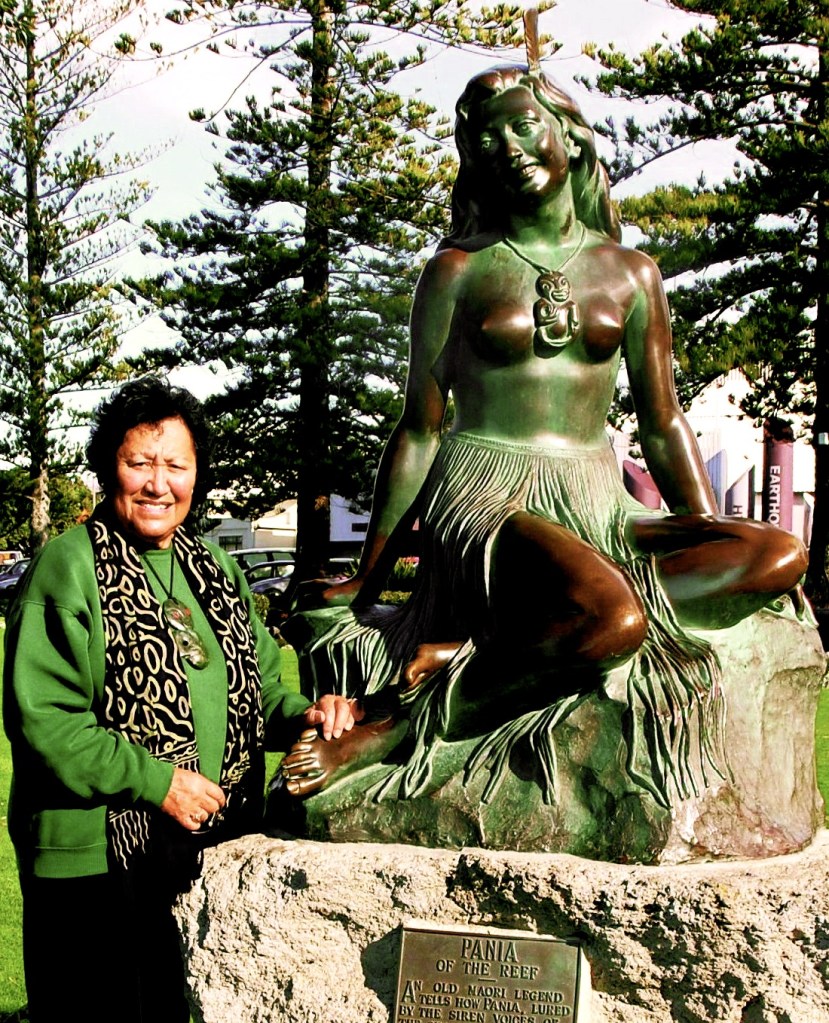
The bronze statue of Pania (1954)
Mei Whaitiri who originally posed for the statue of Pania of the Reef in 1954. The statue is a prominent landmark in Napier.



































 Content Catnip
You must be logged in to post a comment.