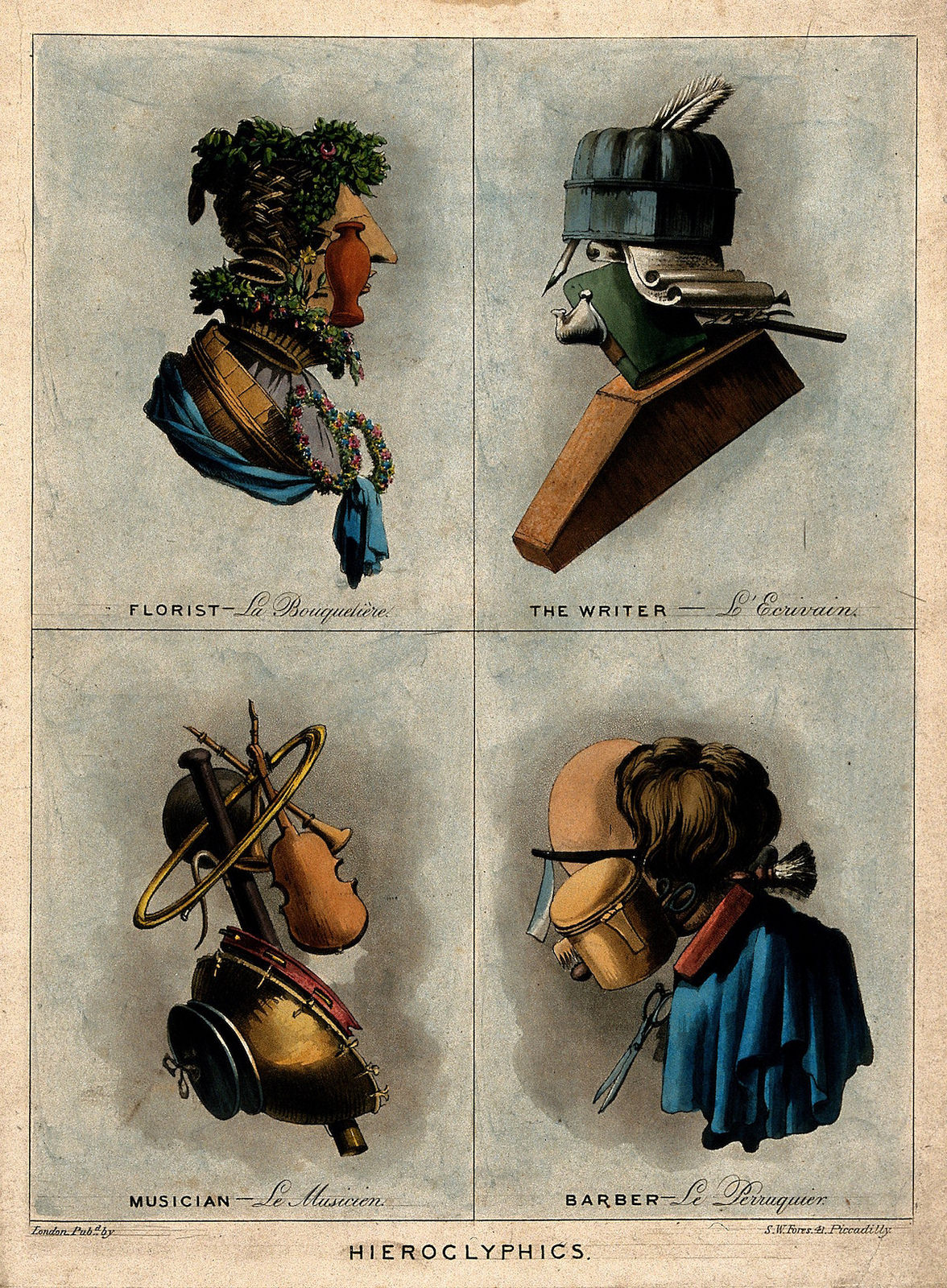
This delightful print entitled Hieroglyphics dates from circa 1800 and was created by the London-based publisher Samuel William Fores in the aquatint style. We can see the composite portraits of four professions: a florist, writer, musician, and barber — their features made up entirely from the tools of their trades. Such composite portraits, in which human figures are comprised completely of objects, were pioneered several centuries earlier by the 16th-century Italian painter Giuseppe Arcimboldo.
Nicolas de Larmessin: The Dance of Work: Satires and Grotesques of the Professions, circa 1700.
Although we should also mention Nicolas de Larmessin and his series depicting tradesmen clad in outfits comprised of their related objects.
Prominent French artist Nicolas de Larmessin (1640-1725) was prolific in his mission to capture 100 or more professions in this quirky way with his series ‘Habits des métiers et professions’. Nicolas came from a long line of the de Larmessin (also L’Armessin) family. A clan of well-known engravers and printers during the 17th and 18th centuries.
Some of the alphabet of professions treated by de Larmessin include:
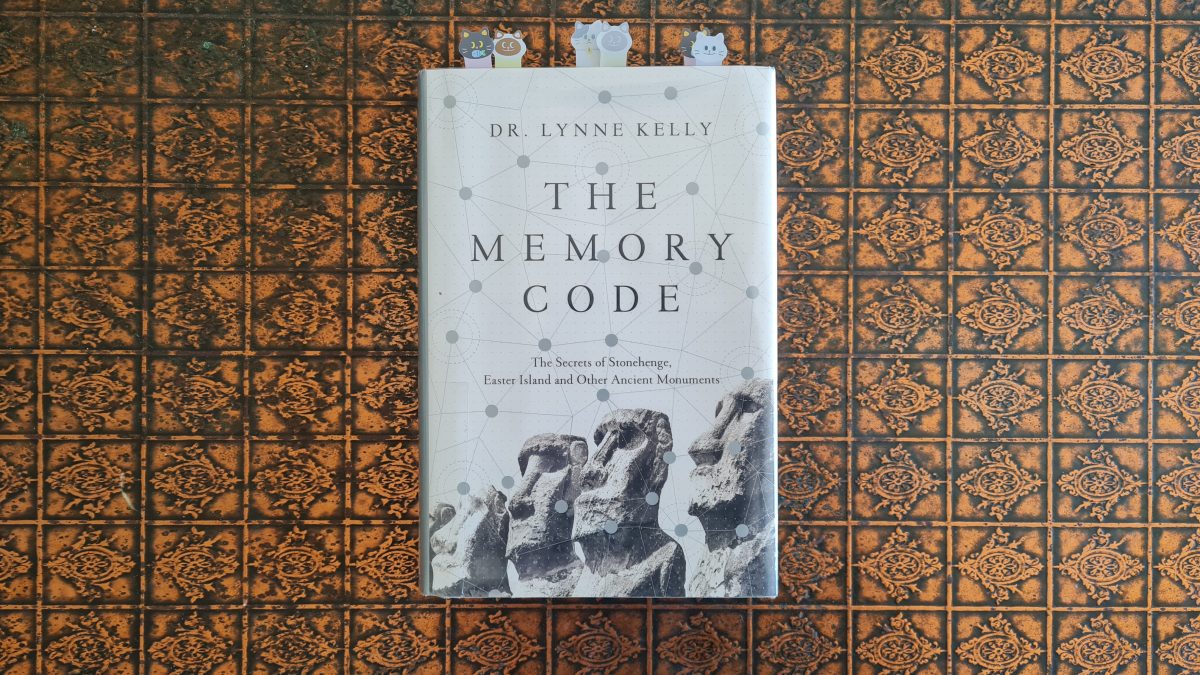
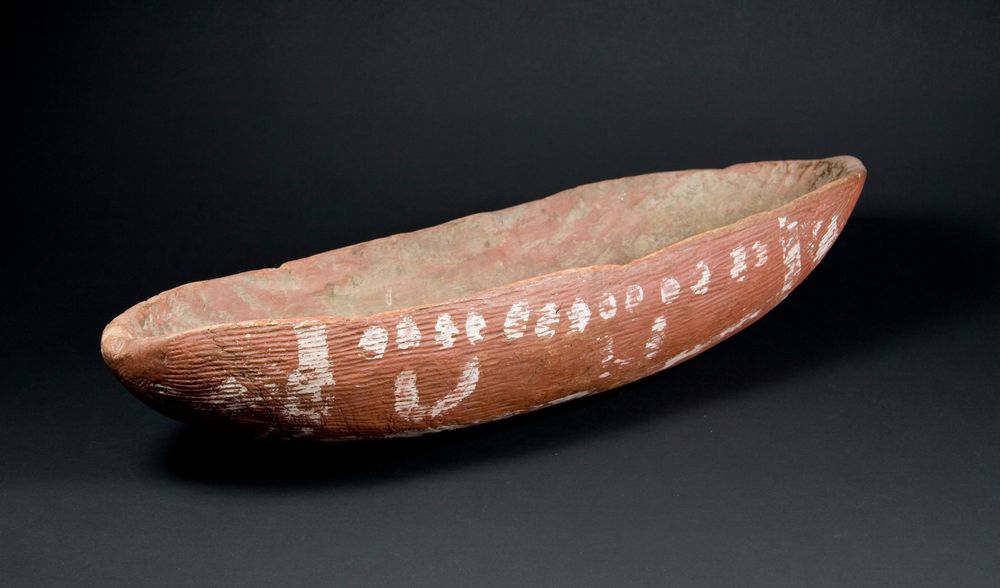
Historian and writer Lynne Kelly has created a fascinating book with a realistic theory its heart – that ancient monuments – Stonehenge, the Ring of Brodgar and also smaller hand-held objects (Lukasa, Coolamon) are actually memory aids. She believes that these objects large and small were used by ancient peoples throughout the world to encode vast amounts of ancient knowledge, in the time before written communication.
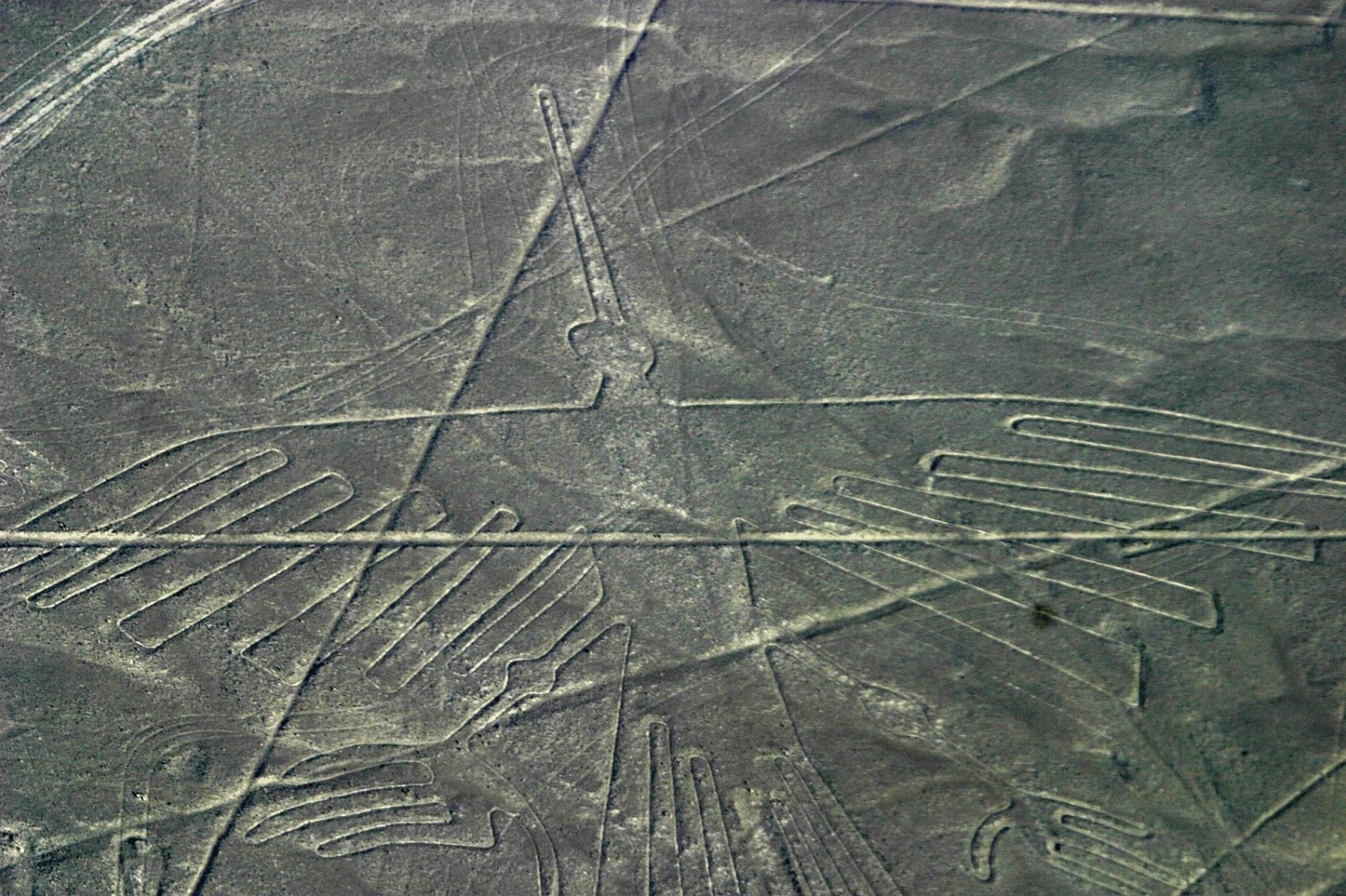
The Condor – Nazca Lines in Peru
Thousands of years ago, in pre-literate civilisations throughout the world, human beings had brains that were the same size as what they are today. Yet they had no way of writing things down. In The Memory Code, Lynne Kelly postulates that people used waypoints, markers in their environment, standing stones and other sacred objects to encode vast amounts of detailed information, some of it completely secret and only able to be deciphered and passed on by an elite caste of shamans and knowledge-bearers. She uses the Indigenous Australian and Torres Strait Islander Songlines as a jumping-off point for exploring how song, chanting, movement and cues in the landscape all combined to form ancient ways of encoding and remembering knowledge.
A Coolamon, an Indigenous Australian vessel and memory aid
Kelly conducts experiments with this form of knowledge encoding on herself. She memorises a complex procession of historical events, dates and details while she walks her dog around her neighbourhood. Each letterbox, fence post and tree becomes a waypoint and a memory cue for her. She reports that this technique works well and she is able to encode a phenomenal amount of information this way. She believes it wasn’t just esoteric information, but also important practical information: hunting techniques, growing techniques, where, how and when to settle in places, environmental cues from animals, how to cure various ailments, how to settle disputes between people, etc.
A Lukasa memory aid from the ancient Luba people of the Democratic Republic of Congo
Nobody really can say for sure what ceremonial objects in different eons and in different civilisations actually mean, but this theory that Kelly presents seems very plausible and very likely. This is a really exciting and interesting book and I really enjoyed the exploration of mysterious monuments on the landscape such as the Nazca Lines in Peru, Stonehenge in England, the Ring of Brodgar in Scotland. Along with Coolamon memory board used by Indigenous Australians and a Lukasa memory board used by the ancient Luba civilisation, who once lived in what is now the Democratic Republic of Congo.
Although we can’t know the ancient knowledge hidden in these ancient objects, they are lost to the wind – according to Lynne Kelly we can now know why they were created – which is also very fascinating! I heartily recommend this book!
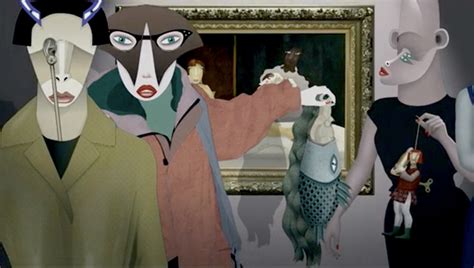
This is a fun, glamorous, art-heist caper in anime. If that
makes sense. Directed by Slovenian Milorad Krstić, it features tiny love
letters to his home country in the finer details of the film. And this is a
film of beautifully rendered and amusing details. The animation is just
awe-inspiring and exquisite.
The story is of Ruben Brandt, an art therapist who begins to
have vivid nightmares where he gets attacked by paintings he loves. This is a
light-hearted film, but it’s not overly silly, it retains a sense of
seriousness, while still being playful.
There are loads of references to arthouse films and the
ridiculousness of the art world in this movie. It’s fast-paced and action
packed and involves a cast of insanely quirky characters that couldn’t be in
real world movie, which is why the anime version is so much more interesting.
Art from Warhol, Velazquez and Gauguin are vividly brought
to life in the most creepiest way possible, and people look like strange
Picasso-esque half-humans. Alongside all of the surreal dreamscapes is a pacey
romance-comedy-thriller. This is one of the best movies I saw at the New
Zealand Film Festival this year.
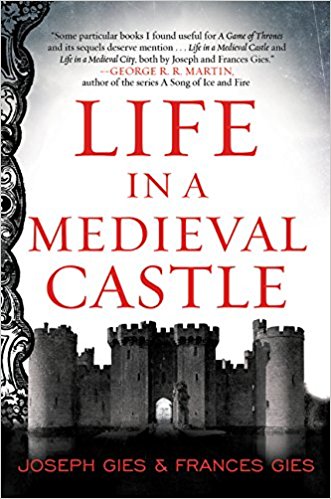
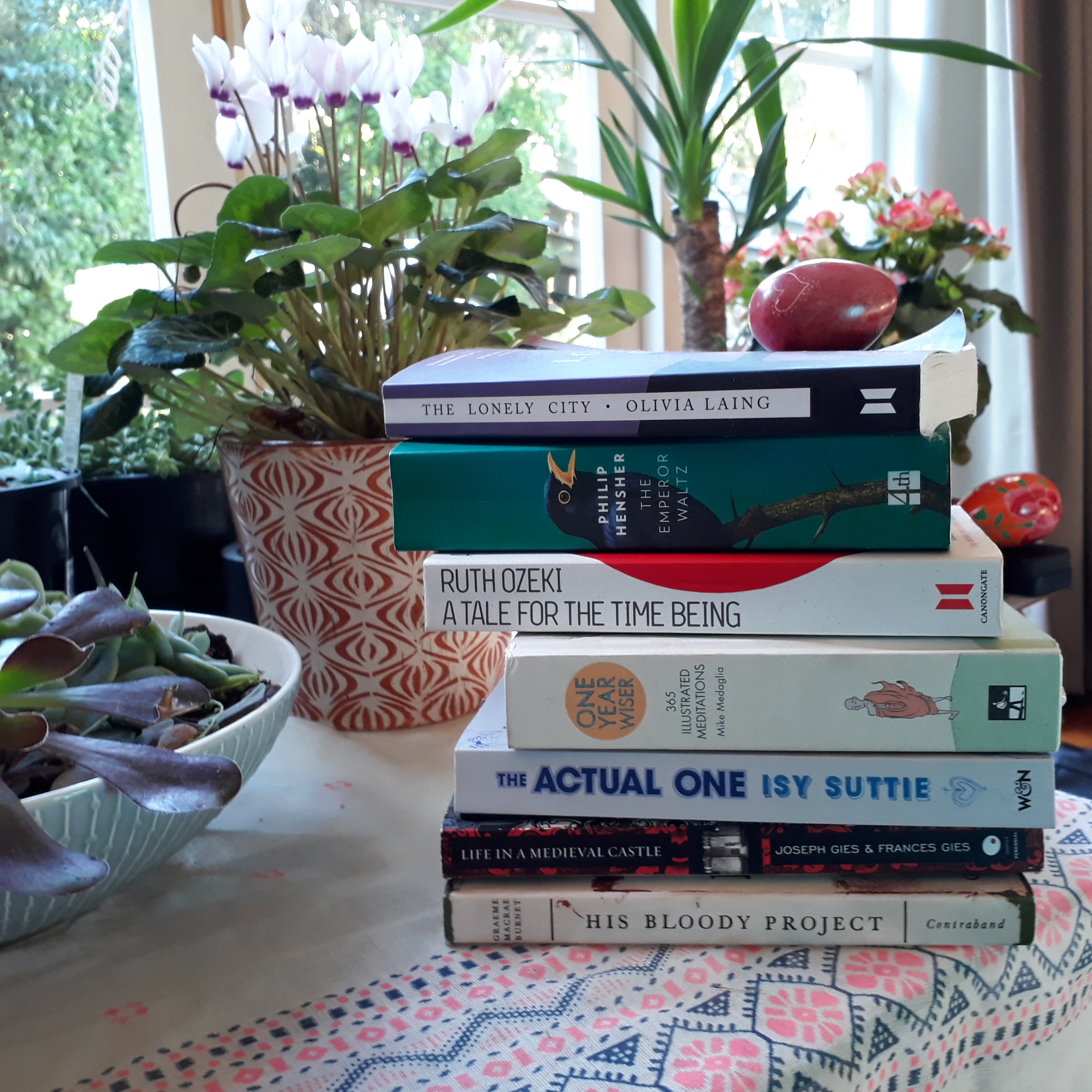
Life in a Medieval Castle is one of a series of compelling historical reference books written by acclaimed husband and wife historians Frances and Joseph Gies in the 1970’s. Life in a Medieval Castle (along with companion books Life in a Medieval Village and Life in a Medival City) were re-released in 205 under the weight of recommendation by the ever-popular novelist George RR Martin, who celebrates the work of the Gies as offering all of the colourful reference material for him to write the Game of Thrones novels.
Book Review: Life in a Medieval Castle
Although far from being a mere stuffy reference manual about medieval history, Life in a Medieval Castle, along with sister books Life in a Medieval Village and Life in a Medieval City all offer an evocative, vivid and historical novel-like experience of what medieval Europe was like.
Life in a Medieval Castle focuses on Chepstow, a crumbling Norman castle that survived the turbulent Middle Ages and has remained battle scarred but still standing today. The Gieses take us through the full cycle of a medieval year, governed by the rhythms of the harvest and occasionally punctuated by war, invasion and a bad crop. We learn all about how lords and ladies thought about themselves and others, and what they ate, wore, did for pleasure and how they imagined the world to be.
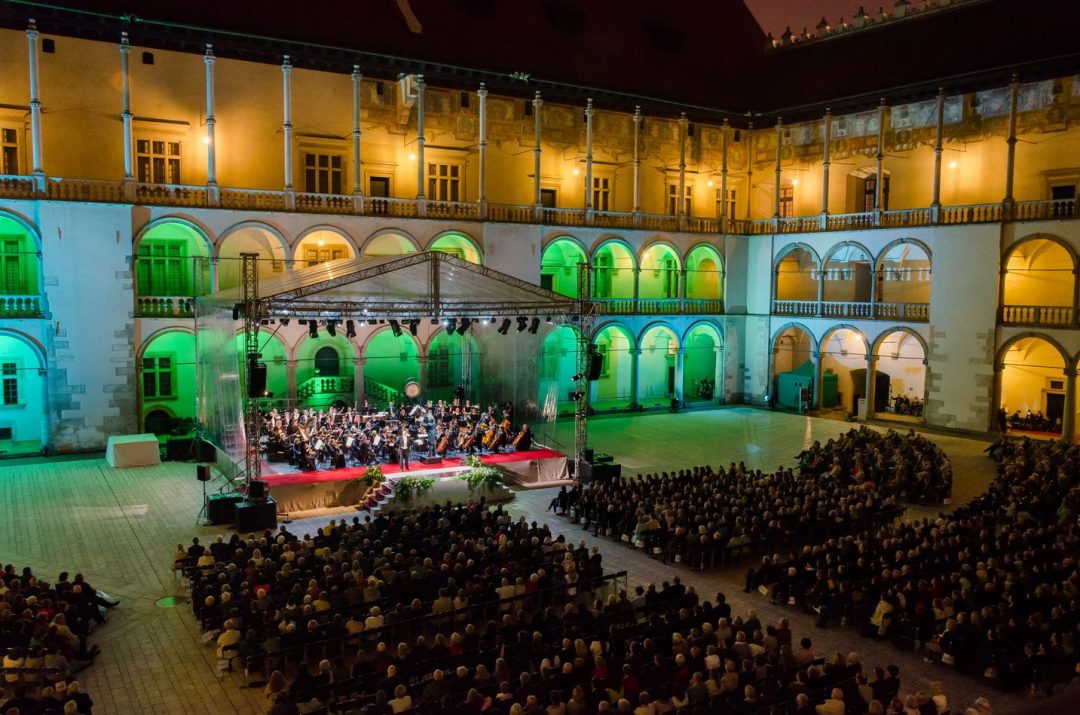
Krakow Summer Opera Season at Wawel Castle
It’s written in an accessible, intriguing, and readable style that’s uncommon among historians. This book is all the more compelling because it is the background material of the ever-popular Game of Thrones series and you can find some symbols, words and political intrigue that occured in Chepstow Castle actually show up in the Game of Thrones series.
The book is all the more compelling because it’s factual and this adds further weight and colour to the already colourful descriptions of medieval falconry, sumptuous banquet menus, honourable knights, forthright and strong women and the currencies of power that flowed through these iconic castles.
The medieval magic and romance of castles isn’t dismantled in this book, but rather is celebrated in all of its imaginative glory and colour. I would recommend this historical account to anyone with a penchant for Game of Thrones, historical fiction books or film, the fantasy genre or fantasy/RPG gaming. If you liked this, you may enjoy this ramble through the medieval artisans of Poland, a chapel of skulls in Poland, how old Norse became modern Englishand the ancient art of Kulning.
Chirimen is a beautiful and intricate weaving technique that was developed in the late 16th century in Japan.
Silk is folded to generate soft wrinkles in a technique called chirimen. According to a pamphlet I picked up from the Chirimen Craft Museum in Arashiyama, “the wrinkles are created by alternating two types of silk thread, twisted in different directionsThe woven cloth is at first flat, but the wrinkles suddenly emerge after rinsing dirt out of the thread. This is the moment when the breathtaking beauty of the wrinkles is born.”
It’s a rare moment in life when wrinkles are actually deemed to be pure perfection. These wrinkles are known as “shibo” in Japanese.
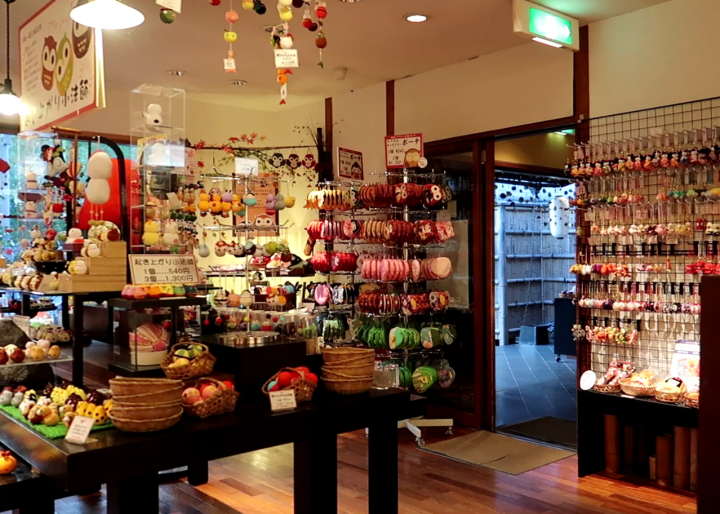
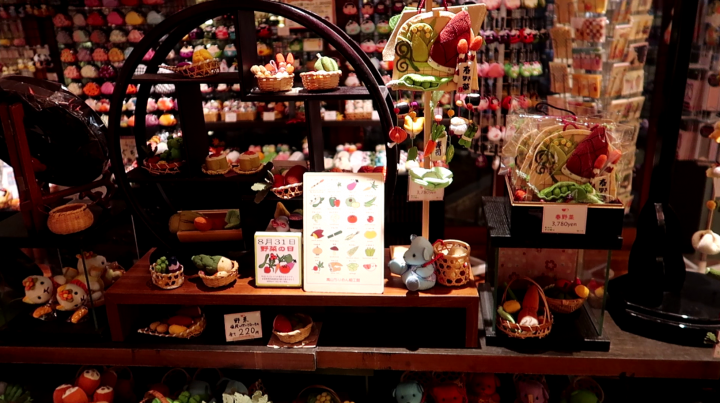
Traditionally, shibo is woven into finely made kimonos. Although this later developed into artistry for many other objects. Chirimen silk is now artfully woven and sewn together to create countless quirky and adorable objects like dolls, teddies, bags, toys, mobiles and elaborate displays for the home. In the Chirimen Craft Museum, I fell in love with the silk woven platters of sushi and bento boxes. They make such a lovely and unique keepsake. While I was there I bought some tiny teddies and rabbits wearing kimonos for my baby niece who had just been born safely onto planet earth.
The Chirimen Craft Museum
The Chirimen Craft Museum in Arashiyama has the perennial atmosphere of a cosy shop selling Christmas ornaments that you find in Europe. There’s golden light and peaceful music and everywhere there are seasonal gifts. In Autumn when I went, there were countless handwoven teddies, home decor and children’s gifts featuring gold and red forest sprites, red maple leaves, pumpkins and other seasonal delights.
Japan has 72 ephemeral seasons
Have a look at their beautiful and poetic iterations all 72 seasons in my article here. Each seem to be celebrated in the artful and beautiful Chirimen Craft Museum. If you ever visit the Arashiyama district in Kyoto, make sure that you don’t just see the ever popular bamboo forest and instead have a wander down the main street to the Chirimen Craft Museum. If you are a lover of quirky handmade gifts and keepsakes this is a great place for you.
Kulning is an ancient, sweet and sorrowful form of Scandinavian music used to herd cows and goats back down from their high mountain pastures in parts of Norway and in certain provinces of Sweden, Jämtland and Härjedalen. In practical use since medieval times, the mysterious tones were also thought to be a deterrent to potential predators like wolves and bears in ancient times.
Traditionally done by women although occasionally done by men, kulning is performed at high-pitched soprano tone which can be heard over vast distances. It’s ideal for communication with livestock over valleys, fields and mountains as it echoes and and bounces off features on the landscape.
Livestock wear bells that jingle in response to their movement as they make their way towards the caller. The sound of the kulning, also known as the kulokks is often unique to each family and handed down over generations, so that the cows belonging to particular families respond to the particular song.
I wonder if this is what Kate Bush was trying to convey in the evocatively titled and fitting ‘Night Scented Stock’, a song full of echoing high-pitched harmonies
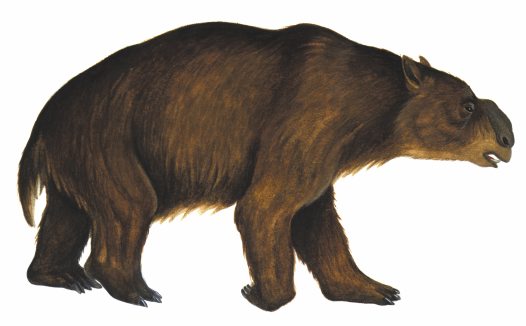
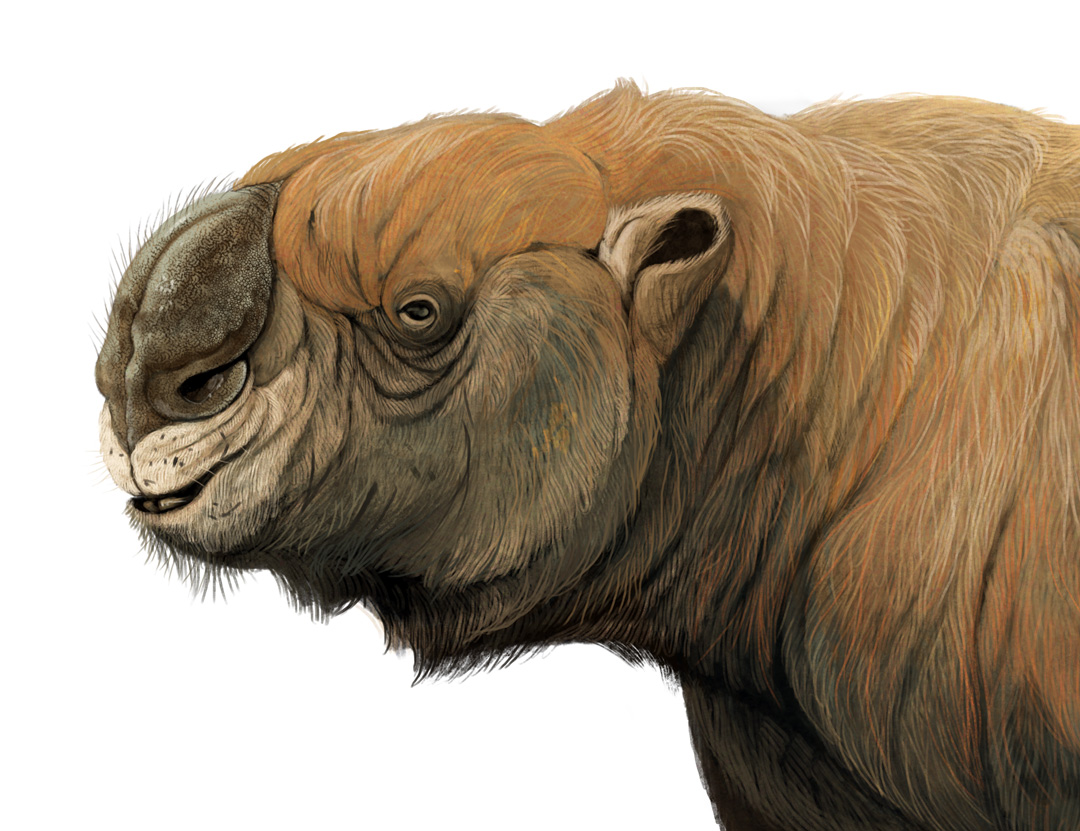
Diprotodon optatum was the largest marsupial to ever roam Australia, weighing over two tonnes. We rarely find its whole skeleton preserved in caves because it’s sheer size prevented it from falling through crevices into the oblivion.
Although phylogenetically Diprotodon optatum was closely related to the extant wombat and koala, in terms of its physiology in appearance it was a hulking, intimidating mass not unlike a modern hippo or rhino. It was three metres in length and two metres tall and like tram going down Collins Street (and akin to the warning signs on the street) it was as heavy as this.
It had elephantine legs as thick as tree trunks and broad footpads. Diprotodon optatum was a grazer and a herbivore and so possessed a prodigiously large gut for digesting leaves, along with powerful jaws and stubbly teeth in order to grind up leaves. It subsisted from leaves in a diverse range of environments in Australia however prefered the inland areas and would travel far in search of water.
A face that’s good for working in radio
Although large and imposing in appearance the Diprotodon optatum was not the George Clooney of the megafauna world and had a crumpled and squashed face like a pig after having a head-on collision with a hot dog stand, it had quite prominent flaps on its face and feet turned inwards giving it an awkward pigeon-like appearance. It inhabited Australia at the same time as ancient tribes of Aboriginal Australians, the only true and sustainable human custodians of the continent way back 40,000 years ago. Paleontologists estimate that the Diprotodon optatum went extinct at around 30,000-40,000 years ago due to vast changes in climate and the Last Glacial Maximum otherwise known as the last Ice Age.
Diprotodon optatum was akin to a tram hurtling down Bourke St
Ryōan-ji (meaning the Temple of the Dragon at Peace) is a Zen temple located in Kyoto, Japan. The Ryōan-ji garden is considered one of the finest surviving examples of Japanese Zen temple garden design generally featuring distinctive larger rock formations arranged amidst a sweep of smooth pebbles arranged in immaculate linear patterns, designed to facilitate meditation. The temple and its gardens are listed as a UNESCO World Heritage Site.
My meditative video of Ryoan-Ji temple and gardens
I hope you find it soothing and the peacefulness of this place comes across here in the video…
The music you are listening to is the classic Japanese ambient album by Hiroshi Yoshimura called A.I.R (Air in Resort). Yoshimura took inspiration from the natural environment and Zen gardens of Japan for his ambient masterpieces and this seemed like an appropriate choice.
The Zen Garden – Wabi Sabi
Ryōan-ji dry garden.The clay wall, which is stained by age with subtle brown and orange tones, reflects “wabi” and the rock garden “sabi”, together reflecting the Japanese worldview or aesthetic of “wabi-sabi”.
The garden is designed to be viewed from a seated position on the veranda of the hōjō, the residence of the abbot of the monastery.
The garden is a rectangle of 248 square meters. Inside of this are fifteen stones of different sizes. The stones are surrounded by white gravel, which is carefully raked each day by the monks. The only vegetation in the garden is some moss around the stones.
The stones are placed so that the entire composition cannot
be seen at once from the veranda. They are also arranged so that when looking
at the garden from any angle (other than from above) only fourteen of the
boulders are visible at one time. It is traditionally said that only through
attaining enlightenment would one be able to view the fifteenth boulder.
John Cage
The garden had particular significance for the composer John Cage, who composed a series avante-garde works that are inspired by the Zen garden.
The time will come when, with elation you will greet yourself arriving at your own door, in your own mirror and each will smile at the other’s welcome,
and say, sit here. Eat. You will love again the stranger who was your self. Give wine. Give bread. Give back your heart to itself, to the stranger who has loved you
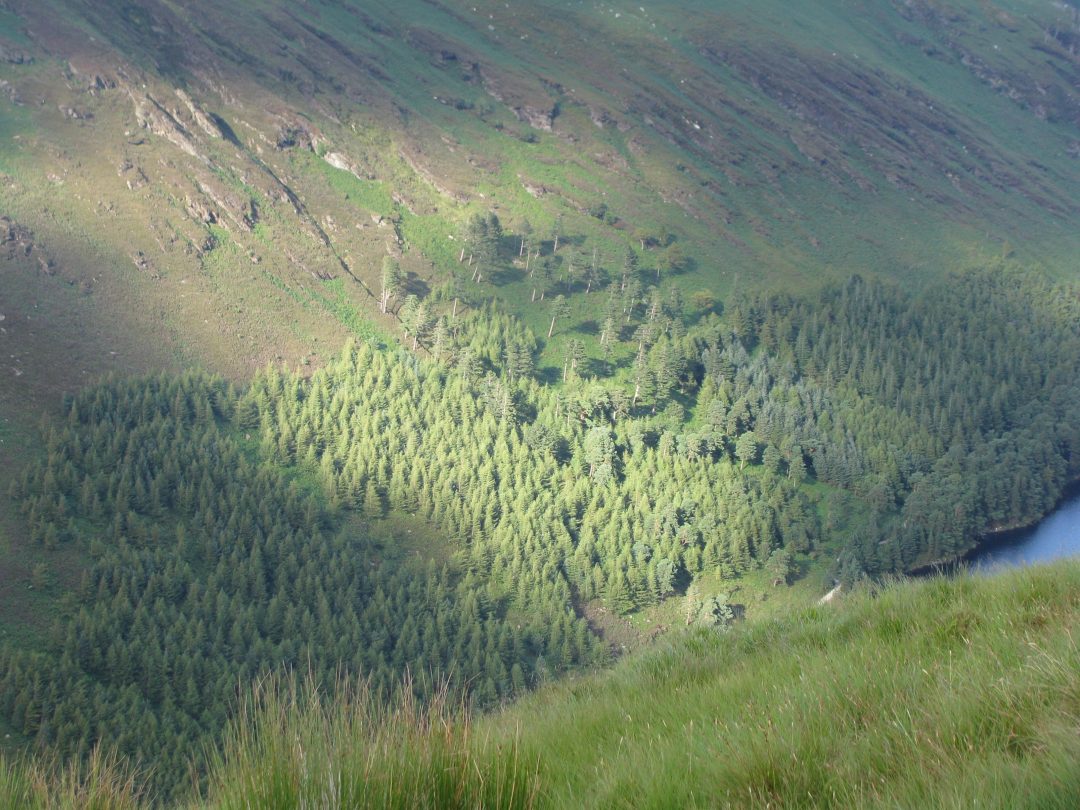
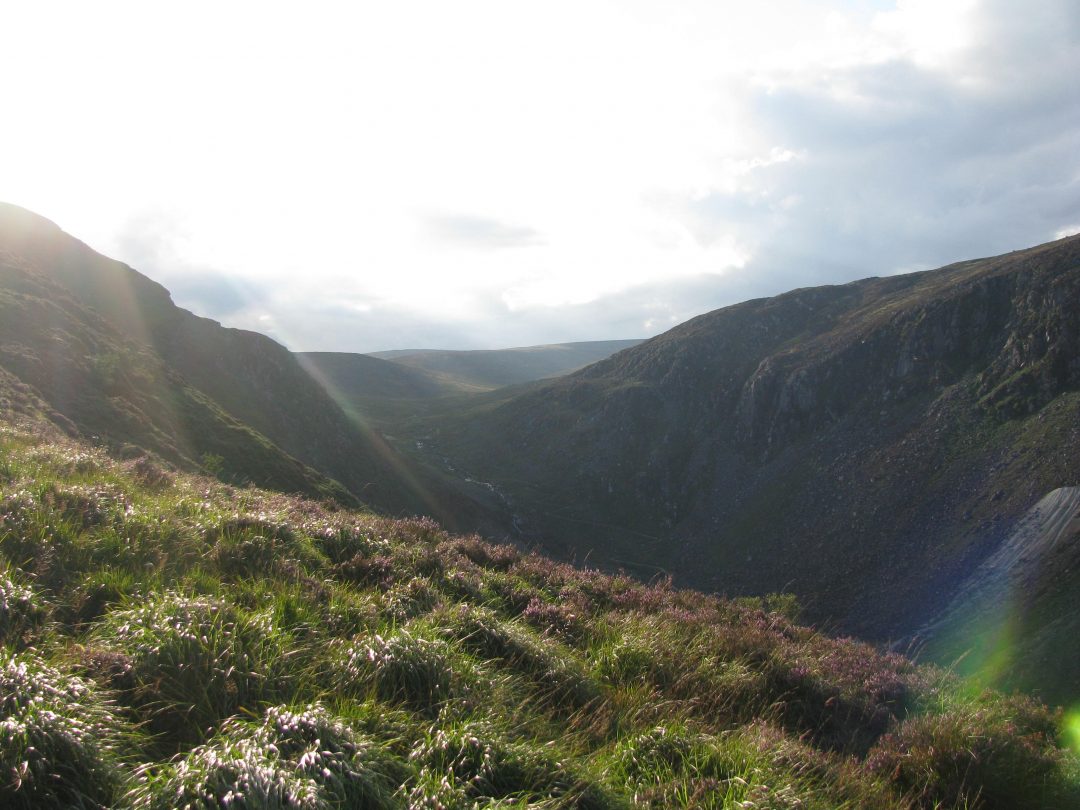
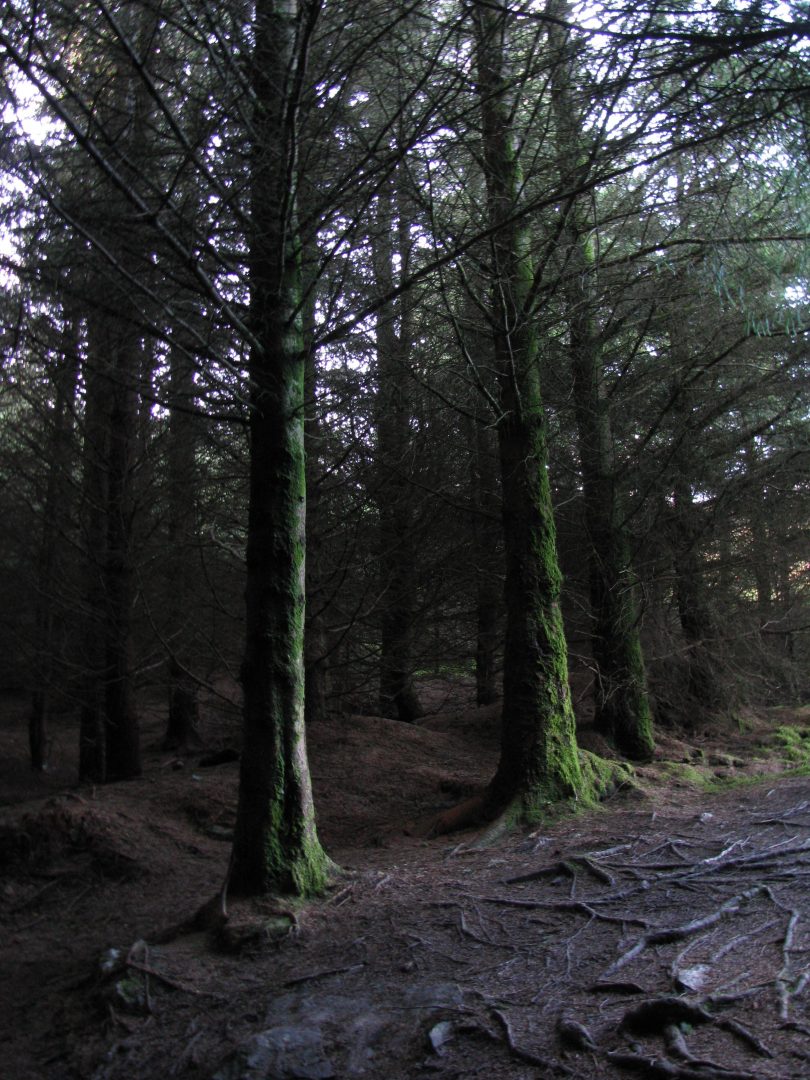
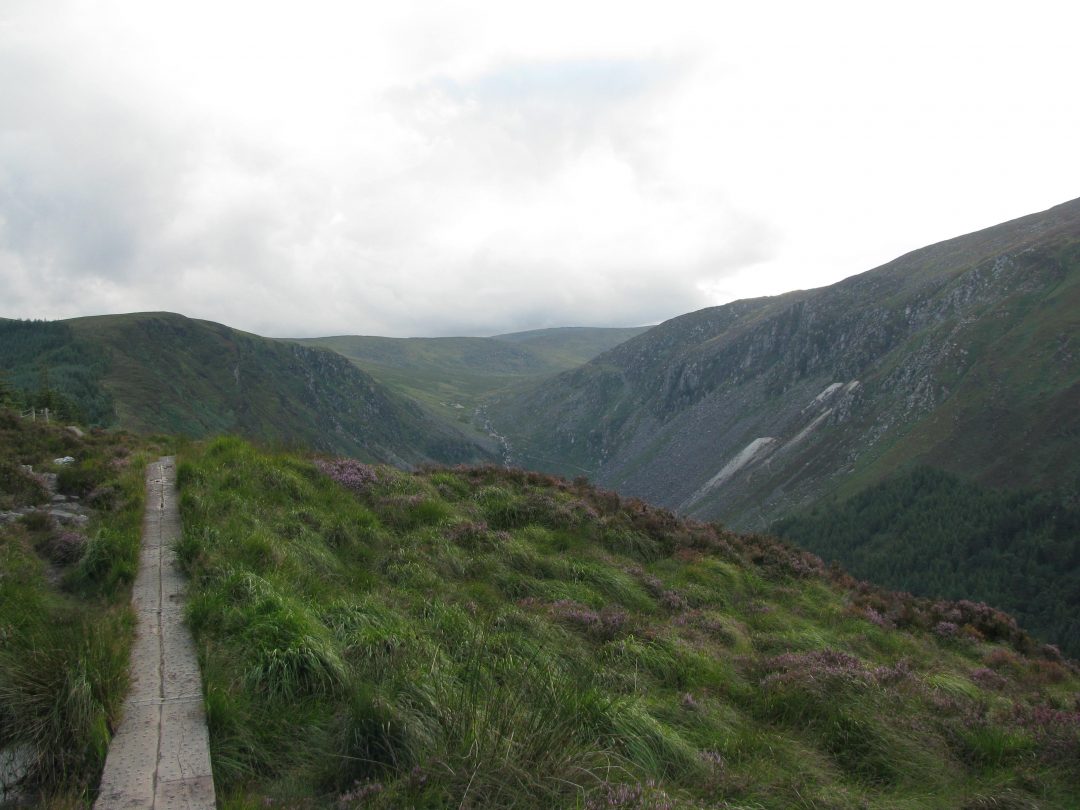
Many years ago, I went hiking in Ireland in Glendalough I saw some magical landscapes. Ireland has a beautiful soft light in the summer. The diffused sunlight is speckled with clouds that pass over the vast valleys and mountain-sides. It’s possible to sit there all day and just watch the way the light travels over the trees, it’s as though you’re watching the water shimmer in the bottom of a glass. It’s probably one of the most peaceful places in the world.
Although it is Ireland which means it can turn from serene and gentle to being completely hostile weather in 15 minutes or so. This was Ireland on a particularly flirty and seductive day, with hardly any rain. The kind of place you could easily fall in love with and marry.
There’s a gently trickling fountain that falls down the mountain that provides a shimmering and pure source of fresh water. As you would imagine with Ireland it’s deeply green, It’s known as the emerald isle for a reason. The walking track in Glendalough isn’t too intense it’s about 7 km and a lot of flat walking with a gradual ascent up the side of the mountain and then a long causeway at the top of the mountain with amazing views.
My Irish mates and I were tired and red faced after the hike, but that probably could be attributed to the constant state of either drunkenness or hang over oweing to the fact that were were in Ireland. Life was a party back then and I was the suited and booted queen of the party animals.
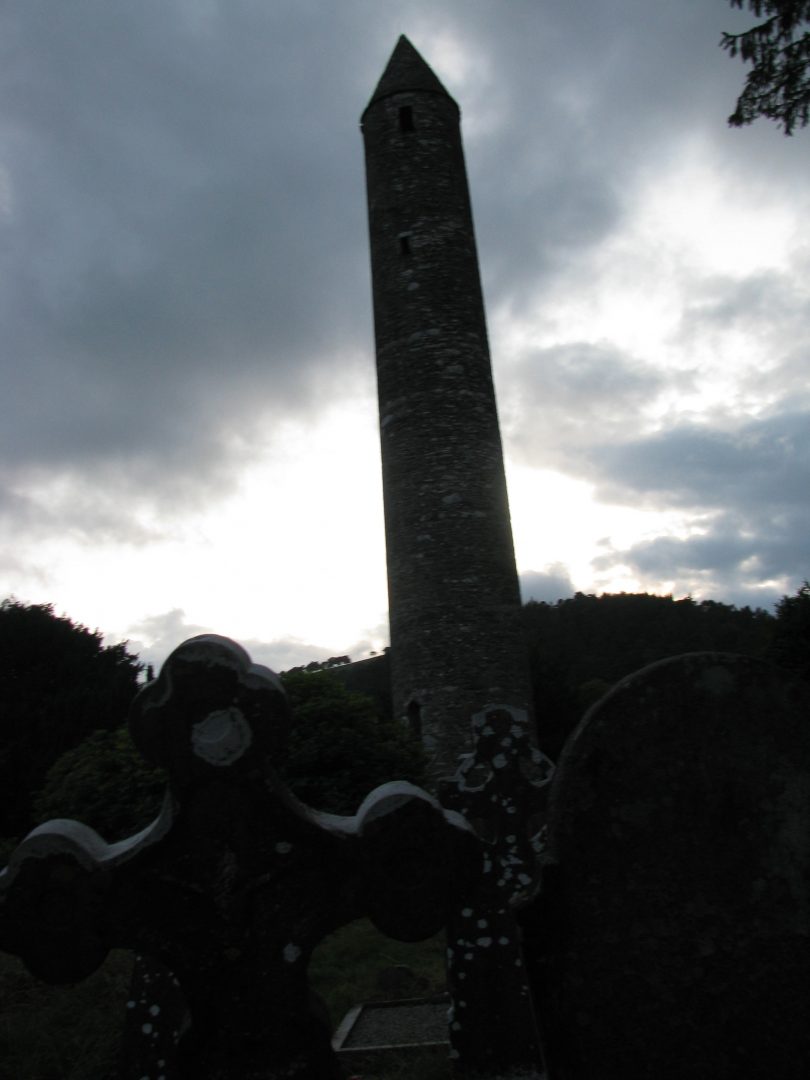
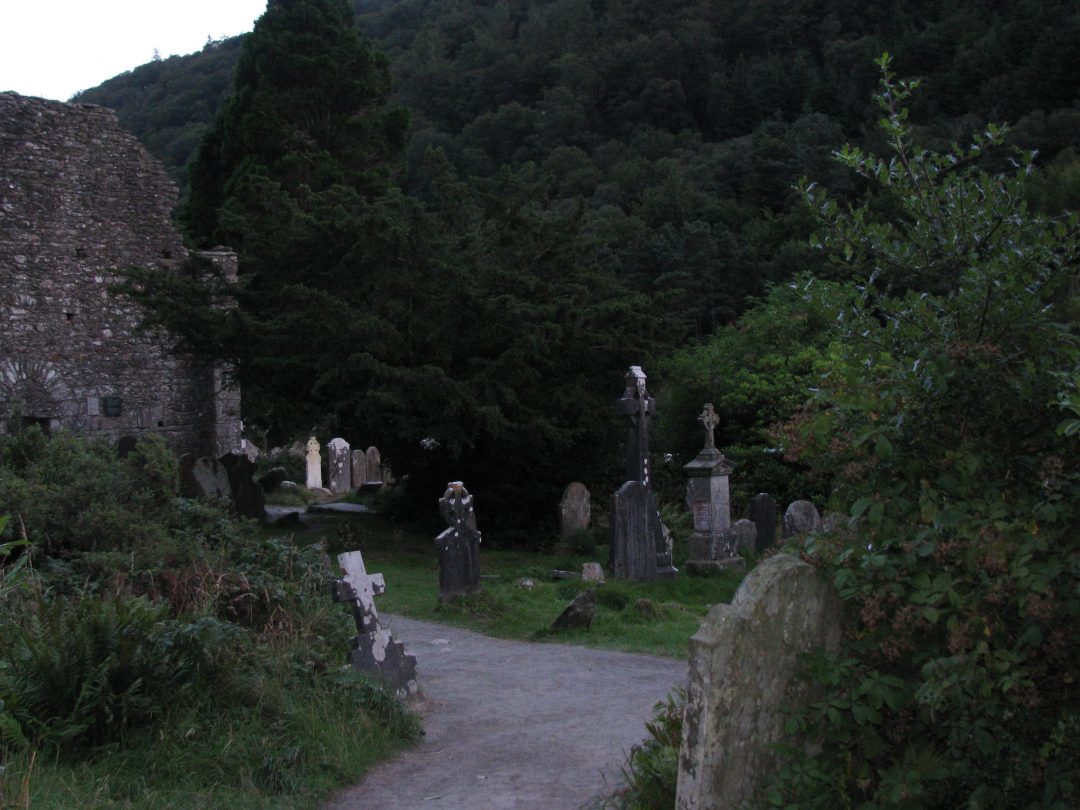
As the evening fell we walked into the church yard of the Monastery of St Kevins, an early medieval church that has a very rich and interesting history.
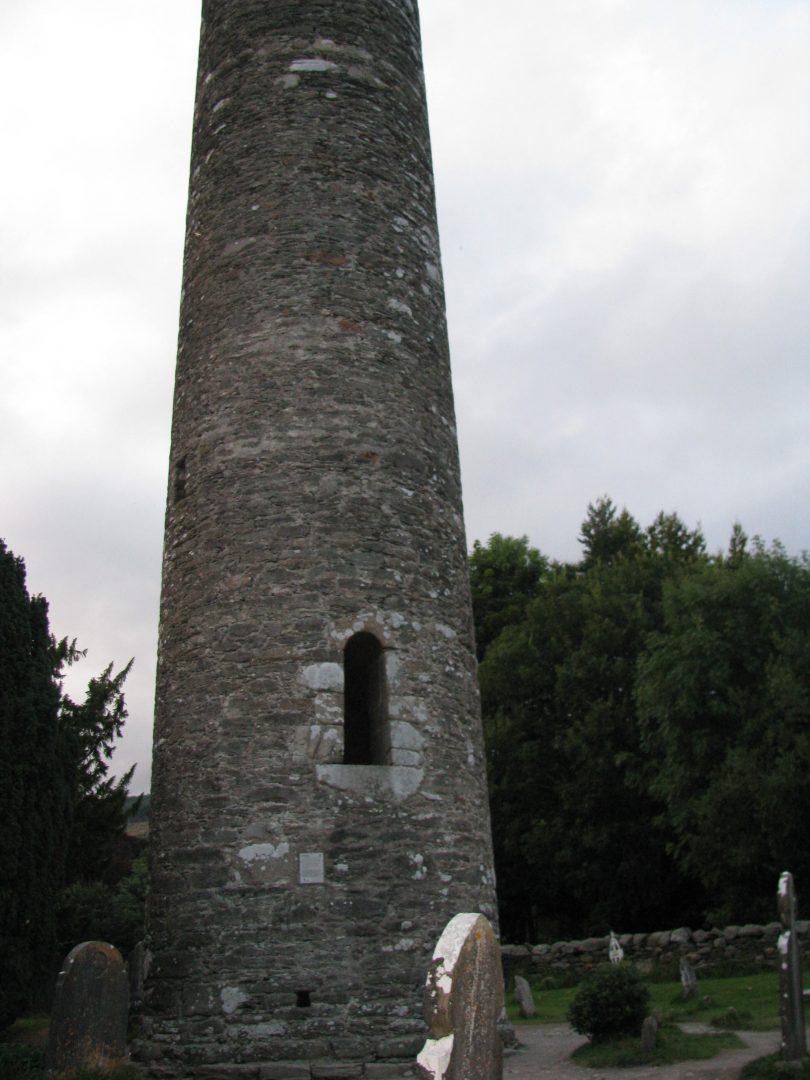
A rather creepily beautiful shot of the round tower at Glendalough. Copyright Content Catnip 2008
Glendalough: a history
The etymology of the name Glendalough comes from the Irish Gleann Dá Loch, meaning Valley of two lakes . This dramatic landscape comes courtesy of glaciers from the last glacial maximum.
Founder of Glendalough Kevin set up shop in Glendalough in the 7th Century AD and built a monastery at this picturesque spot at the confluence of two rivers. His fame as a holy man grew and he attracted acolytes. The monastery grew into a thriving village community and the Irish Annals mentions the Glendalough settlement as a place of vibrant community.
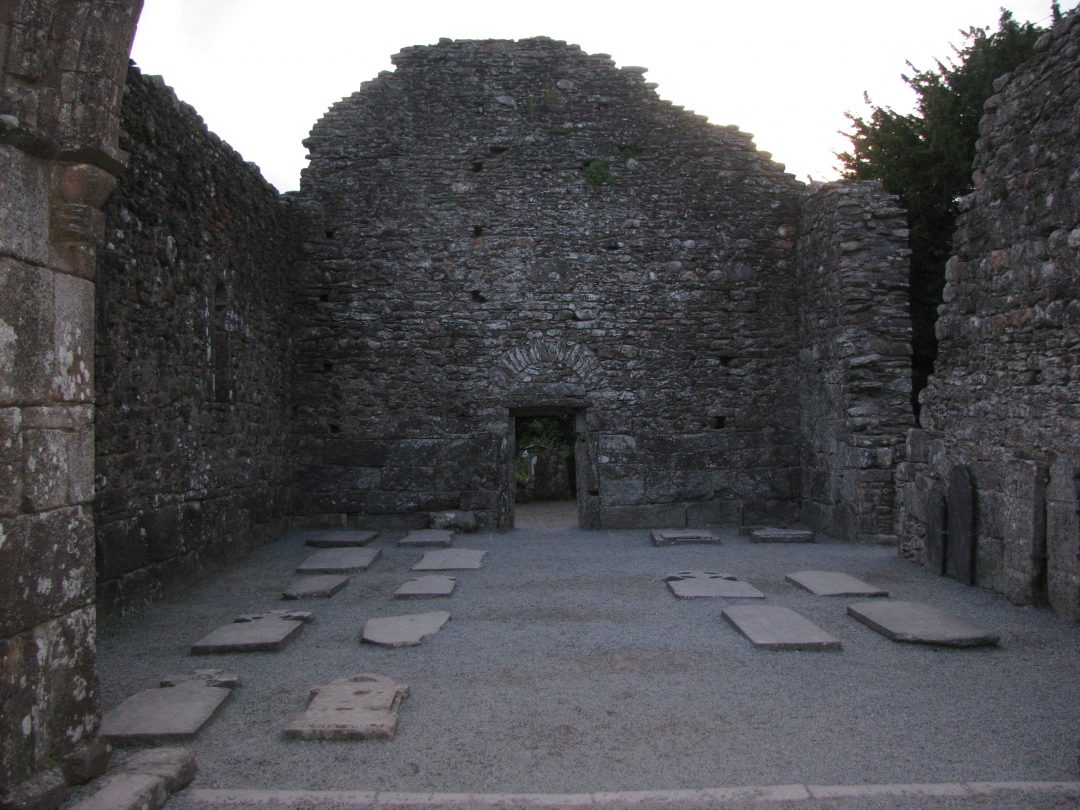
Inside of the Priests House, a relic from the 10th-11th Century. Copyright Content Catnip 2008
Circa 1042, timber from the Glendalough region was used to construct a gigantic Viking longboat, 30 metres in length. A replica of this is currently housed in Roskilde, Denmark.
In the 13th Century the dioceses of Glendalough and Dublin were united. This diminished the ecclesiastical and cultural importance of Glendalough as a village.
At the top of the mountains that shoulder the medieval village of Glendalough. Copyright Content Catnip 2008
In 1398 the town was destroyed by English invaders and left as a smoky ruin. However Glendalough was rebuilt again and regained importance as a place of Christian pilgrimage.
The round tower at Glendalough Copyright Content Catnip 2008
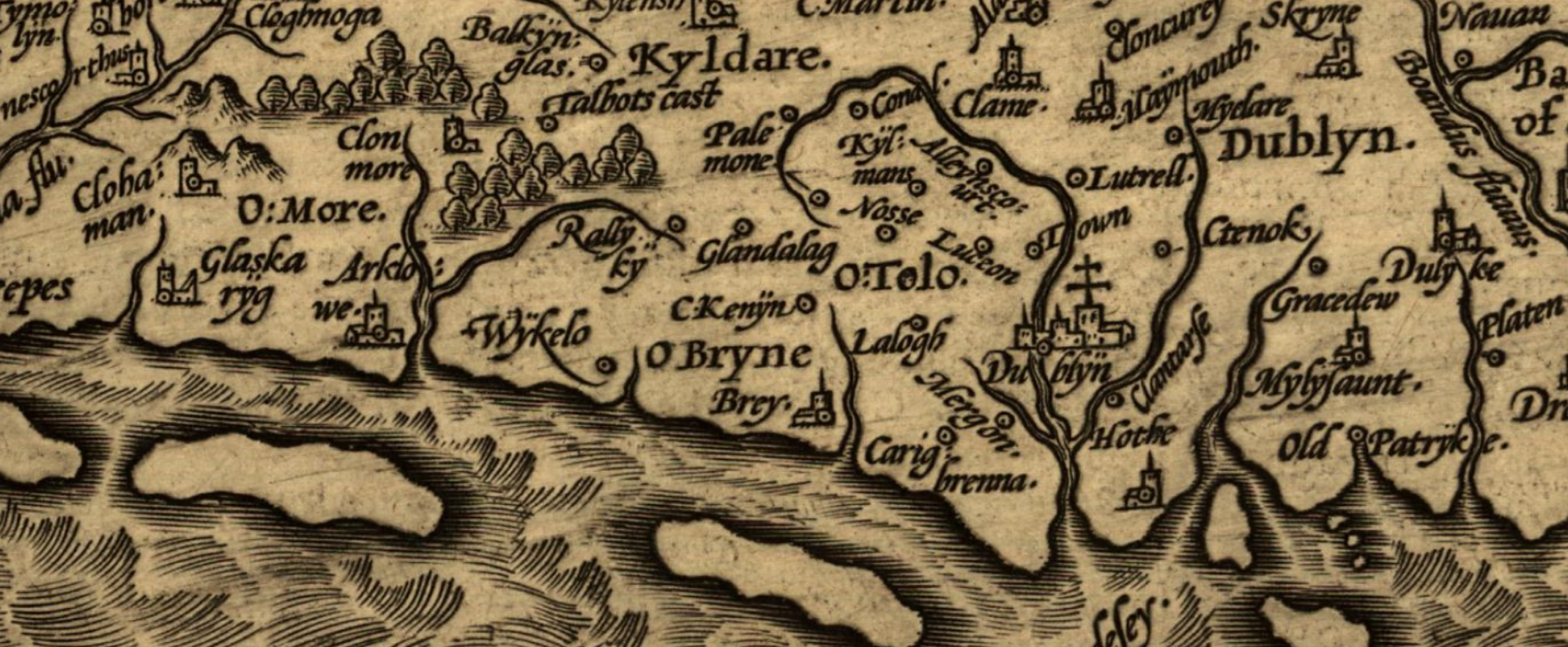
Glendalough is named as Glendalag in this 1598 map of Ireland, a Modern Depiction of Ireland, by Abraham Ortelius.
The medieval Feast of St Kevin occurred every year on the 3rd of June during the very height of summer. Hijinks and revelry with people drunk on the good weather would have been a common occurrence.
Copyright Content Catnip 2008
Along the pathway at the top of the mountain near Glendalough Copyright Content Catnip 2008
Although now gone to seed, the remains of the Glendalough settlement were once far more impressive and featured workshops, areas for manuscript writing and copying, guest houses, an infirmary, farm buildings and dwellings for monks, farming families and villagers. The buildings on the site today are probably dating to the 10th to 12th centuries.
Inside of the church yard of Glendalough Copyright Content Catnip 2008
Spending time among the ruins of Glendalough really made me feel in touch with the mystical and misty passage of time. Glendalough and the mountains standing sentry around it are brimming with a sense of history, you can feel and sense in the air that this is a holy place, a place much older than Christianity and even humans.
Here’s another post about my hiking adventure in Glendalough, unimaginatively entitled Hiking in Ireland













 Content Catnip
You must be logged in to post a comment.