Comforting Thought: Kindness is a muscle we exercise


Kindness is not a fixed trait that we either have or lack, but more like a muscle that can be developed and strengthened. We exercise kindness in any moment where we recognise our shared humanity- with all of the hopes, dreams, joys, dissapointments, vulnerability and suffering that this implies. Such simple but profound awareness levels the playing field. We are all humans doing the best we can.

Sharon Salzberg


Quote extracted from: Real Love – The Art of Mindful Connection by Sharon Salzberg

Written in short chapters that culminate in in-depth guided meditations, this is a book that spans vast tracts of interdisciplinary knowledge from the areas of Buddhism, Christianity, Psychology, Sociology and brings together these fields in a compelling, thought-provoking and deeply nourishing way. This is a book for the soul and spirit yes – but tempered with scientific knowledge and grounded practical advice for how to improve one’s ability to give and receive love in its variety of different forms.

Book Review: Real Love - The Art of Mindful Connection by Sharon Salzberg
Book Review: Real Love – The Art of Mindful Connection by Sharon Salzberg

10 Interesting Things I Found on the Internet #98

Learn about how keystone species help to save ecosystems in a beautiful series of educational illustrations, see a knitted alien, a Frida Kahlo inspired wardrobe, where emotions are stored in the body and the strangest bunch of male strippers in the world – it’s edition #98!


Heikala’s cheery and joyful festive paintings

She is one of my favourite artists I see come up on Twitter. I love the whimsical, kawaii and sweet vibes of her paintings. Via Heikala on Twitter
Originally tweeted by Heikala (@heikala_art) on January 1, 2022.


Where emotions are felt in the body: a guide

I tend to lock into how I am feeling inside of my body while experiencing emotion, this is a very handy guide. Via Cool Guides on Reddit.


The hair-brained annual hair freezing contest in Canada

During the annual Hair Freezing Contest in Canada, contestants keep themselves warm in the hot springs while letting the cold winter air freeze their wet hair into interesting and bizarre shapes. I love the family interconnected by their elaborate hair!

Via Flashdancer on Mastodon

The hair-brained annual hair freezing contest in Canada

Knitted Alien Costume

Someone has got some mean crocheting skills to put this get-up together! Via Twitter


The Ultimate Vegan Nachos with Will Yeung

I can’t wait to try this recipe, it looks unbelievably tasty and flavourful.


Partiboi69 & Mainline Magic Orchestra – Dog Syndicate (Official Video)

I’ve got no words for this, it’s overwhelmingly good quality though and it makes me feel all kinds of emotions…ahahahahahaha please watch then watch again with amazement. Channeling 90’s era Snoop Doggy Dog for sure.


Great fashion never really goes out of style

Deep blues and purples have always been my jam. This stunning dress is from Liberty’s 1962 Lotus Collection and is made from patterned silk, it was remodelled in Cairo on 1972 and is from the John Bright Collection. Via Catherine Curzon on Twitter


An ultra trippy version of Alice and Wonderland 1972


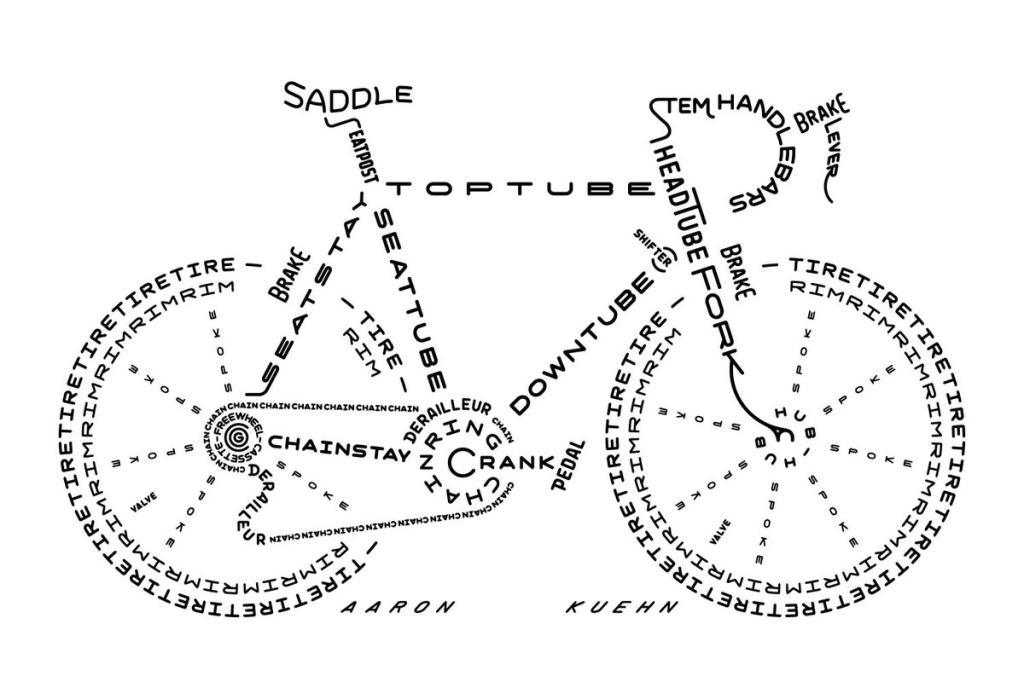
A visual lesson in bike part names

If you are a cyclist but have no idea about the thingamabobs and whatsits that constitute your well-oiled machine then you will enjoy this visual. Via Simon Kuestenmacher on Twitter


Creating a capsule wardrobe inspired by Frido Kahlo’s self portrait

The very idea of using a piece of art as inspiration for a capsule wardrobe is so cool. I really like Daria’s energy, passion and deep knowledge about fashion and how to make better, sustainable clothing choices, including creating a limited “capsule” wardrobe – which is all anyone needs really.


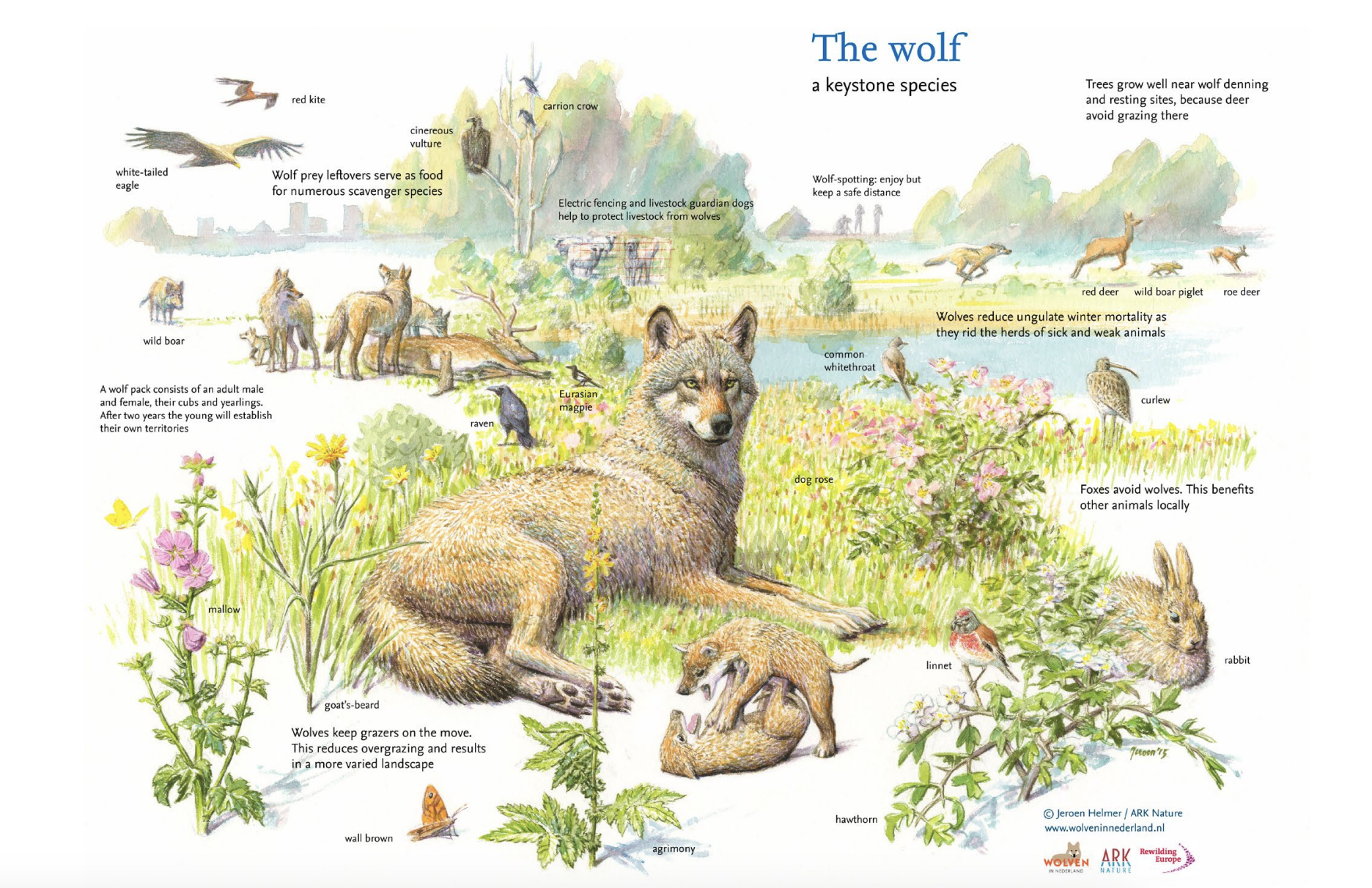
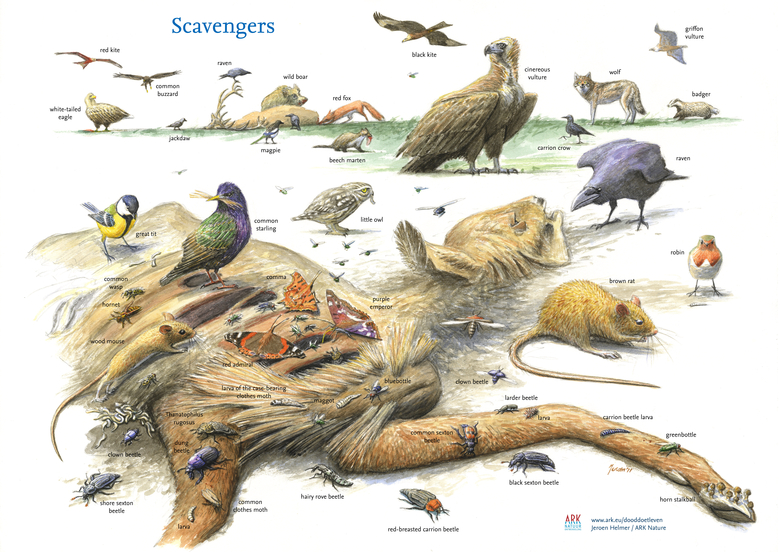
A vision of hope: Rewilding with keystone species and how animals are able to save ecosystems

Beautiful illustrations and infographics by Jeroen Helmer for ARK Nature which strive to educate naysayers about the benefits of introducing large keystone species into landscapes. Note the projected change to the Affric Highlands in Scotland after rewilding! read more on the Rewilding Europe website.


Being a person of character

‘Life is not always about being the right person in the right place at the right time. But it is about being a person of character. Because it is character that helps us to rises above the struggle.’

~ a tangled mind
📷 Sarah Ann Loreth

Originally tweeted by Somewhere Life (@Somewhere_Life_) on December 18, 2022.

Did you enjoy this collection of juicy tidbits? Let me know what you think below! . Thank you for reading

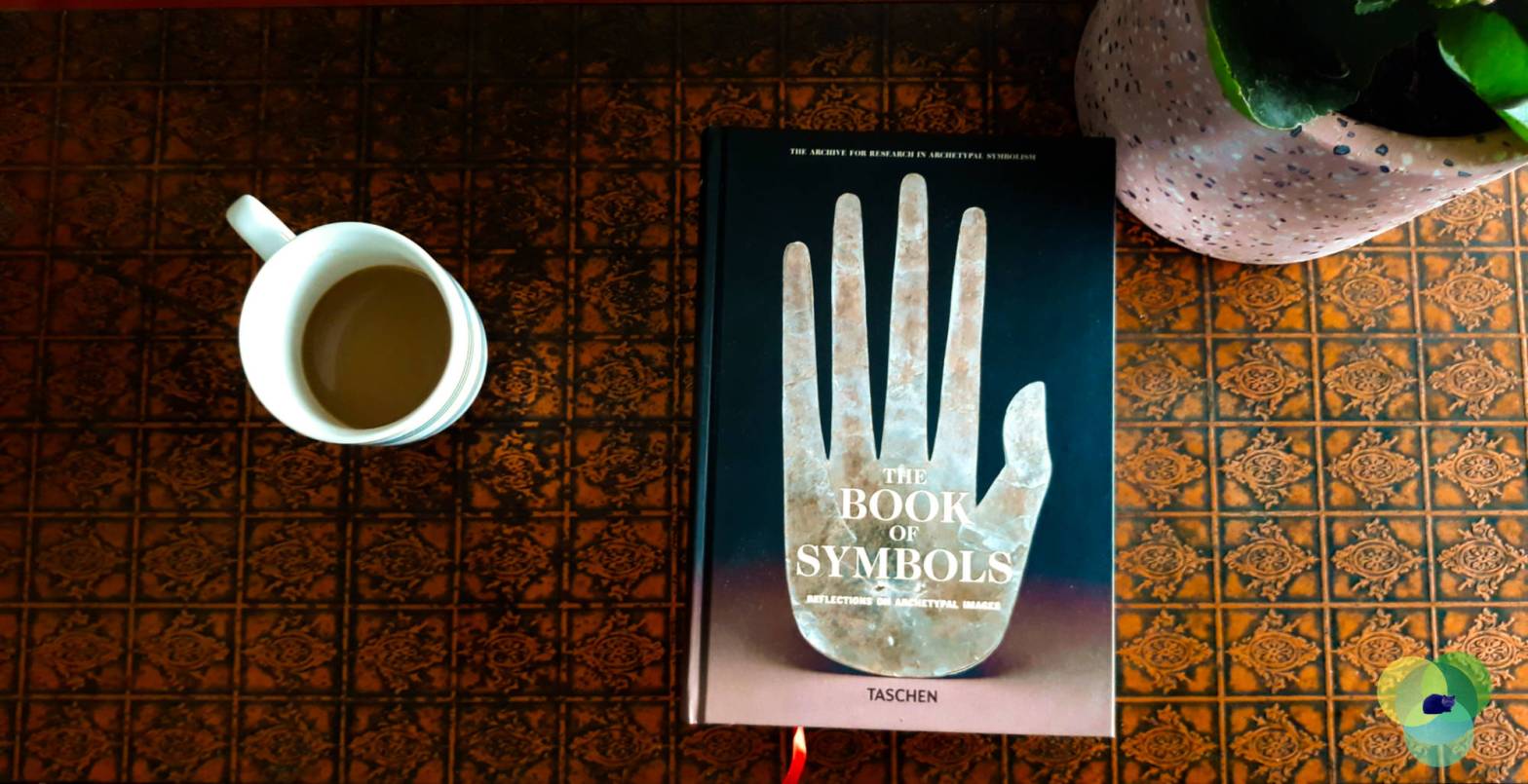
Book Review: The Book of Symbols by the Archive for Research in Archetypal Symbolism (ARAS)

Genre: Non-fiction, Reference, Psychology, History, Art.

Publisher: ARAS

Rating: 🌟 🌟 🌟 🌟 🌟

This is my favourite book of all time. That’s a big statement because I’ve read many books.

I’ve been reluctant to actually review The Book of Symbols. So afraid I was that I wouldn’t be able to capture its brilliance.

The Book of Symbols is the most under-promoted and criminally underrated reference books ever. Even the blurb on Taschen’s website plays it down, giving it only one meagre paragraph of explanation…

This encyclopedia explores the hidden meanings of visual symbols across time and geography, from the sun to whales and the human hand. Spanning different eras and cultures, over 800 beautiful images combine with expert illuminations of symbol history, meanings, and psychic associations, offering readers a precious and fascinating resource for thoughtful interpretations of life, art, and spirituality. Archive for Research in Archetypal Symbolism (ARAS)

The Book of Symbols: Reflections of Archetypal Images by the Archive for Research into Archetypal Sybolism (Taschen)

However the Book of Symbols is a masterpiece of art history, philosophy, mysticism, psychology, anthropology, biology and spirituality. It brings together the history of various symbols, concepts and objects from many cultures and civilisations.

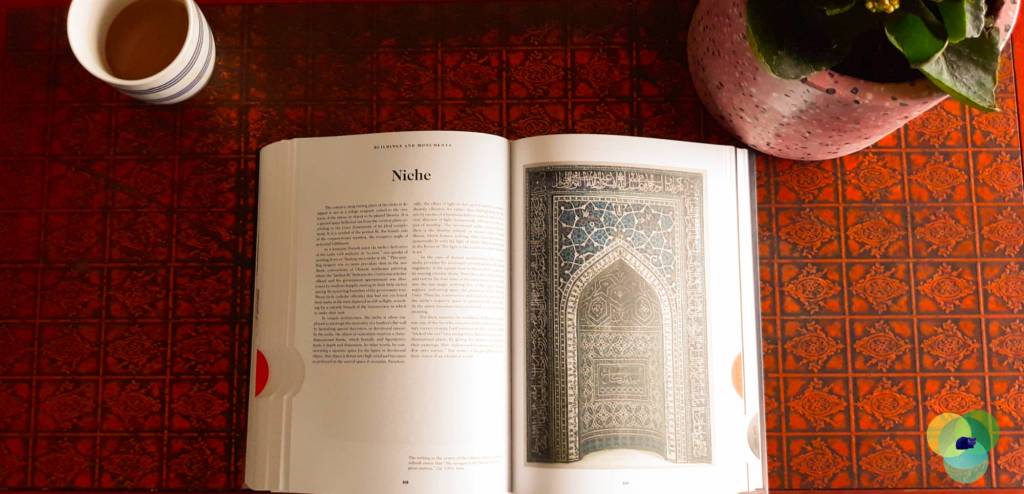
Aside from being a superb reference book, this book is for anyone who has a curious nature, enjoys quirky history and appreciates art and beauty. It is hard to not feel a sense of awe at the beautiful typesetting and illustration along with the evocative and fascinating write-ups. The storytelling is weaves together the Jungian archetypal, the Freudian and post-modern into a cohesive whole. It achieves what most other books can only dream of achieving, an accurate description of the material world we live in, in all of its splendour and wonder

The Book of Symbols: Reflections of Archetypal Images by the Archive for Research into Archetypal Sybolism (Taschen)

This is the ideal gift for anyone of a curious nature. I waited for about three months for my copy to arrive from overseas, and so they ended up sending me two copies. So I gave one away to my friend Mike, who I knew would appreciate and cherish it.

The Book of Symbols: Reflections of Archetypal Images by the Archive for Research into Archetypal Sybolism (Taschen)

The only book that would come remotely close to this in style and content would be Neil MacGregor’s wildly popular A History of the World in 100 Objects. Another historical reference book that tells the history of the world through ancient objects. The Book of Symbols goes one step further and explains the hidden meaning of everything in the world in exquisite detail.

The Book of Symbols: Reflections of Archetypal Images by the Archive for Research into Archetypal Sybolism (Taschen)

If you are a designer of any kind: games, interiors, industrial, graphic design you will cherish this book. Similarly if you’re an artist, musician or writer, you will appreciate having the symbology of objects and easily accessible and in one place. It’s an endless font of inspiration this book, that will keep on giving and giving to you, forever. I can’t rate this highly enough. It’s definitely the most treasured book I have ever found.

Buy it on Book Depository

Comforting Thought: Holding a Frog


“I learned that if you approach quietly and do not cast a shadow over them, frogs will not leave their stones or the quiet stream edge, where they rest their eyes showing just above and their bodies below the waterline. And I learned further that if you are quiet and slower than slow, you do not have to ‘catch’ a frog at all – you can just slide your hand beneath one and lift it up without inciting any hint of fear or effort to escape.

“I learned that if you do these things, the frog will be calm and settle in your palm. And that once settled, he will be happy to stay, and the frog’s willingness in this regard filled me with serenity, and with joy, and with an unfolding sense of nature’s irrepressible connection.”

~ Rooted: Life at the Crossroads of Science Nature and Spirit by Lyanda Lynn Haupt.


Quote from Rooted: Life at the Crossroads of Science Nature and Spirit by Lyanda Lynn Haupt

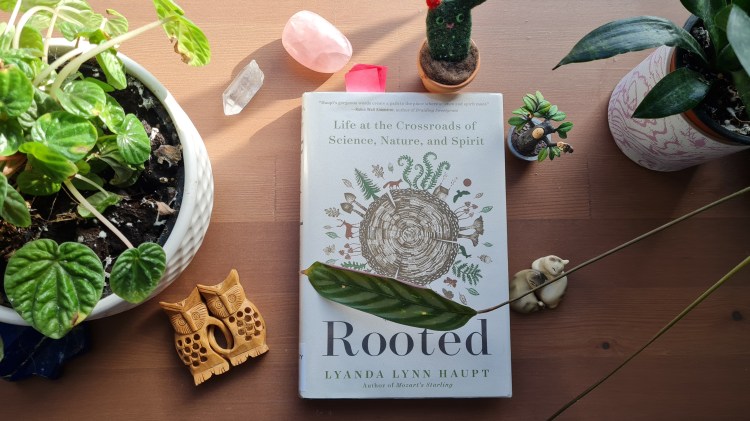
Book Review: Rooted: Life at the Crossroads of Science Nature and Spirit by Lyanda Lynn Haupt

Book Review: Real Love – The Art of Mindful Connection by Sharon Salzberg


One of the most erudite, spiritually nourishing and comprehensive books on the topic of love – of self, others and the world. Encompassing romantic and platonic love, familial love, friendship and more, by one of the world’s foremost experts on Loving Kindness Meditation.


Rating: 🌟🌟🌟🌟

Genre: Non-Fiction, Spirituality, Psychology, Buddhism, Self-Help

Publisher: Flatiron books

Review in one word: Helpful

Written in short chapters that culminate in in-depth guided meditations, this is a book that spans vast tracts of interdisciplinary knowledge from the areas of Buddhism, Christianity, Psychology, Sociology and brings together these fields in a compelling, thought-provoking and deeply nourishing way. This is a book for the soul and spirit yes – but tempered with scientific knowledge and grounded practical advice for how to improve one’s ability to give and receive love in its variety of different forms.

I loved this book’s approachable, gentle and thought-provoking style. If only schools taught children how to love and why that is important we would all stand to benefit and live in a much better and kinder world. I suppose that this is the missed opportunity of learning from parents or school in childhood and many of us sail through life not actually understanding love, how to cultivate it, how to keep it, how to give it freely to others.

There is a reason why this book is so immensely helpful and calming, Sharon Salzberg is a leading expert in Lovingkindness meditation and throughout the book she encourages people to identify and do away with negative habits and obstacles. She helps us to analyse and break down the experience of authentic love relationships.

The only negative I will say about this book is that there is a focus in each chapter on examples to illustrate conundrums and problems around love in people’s lives, presumably gathered from Salzberg’s extensive career helping people through issues they face. These parts I found tedious and unnecessary and a lot of the time I think, many people won’t relate to the minutia of other people’s lives – or at least that was the case for me. Overall I rate this book 4 stars out of 5.

Book Review: A Field Guide to Getting Lost by Rebecca Solnit

A Field Guide to Getting Lost is a collection of loosely related essays that expand upon the idea of wandering, being lost and our human sense of the unknown. The essays are insightful, vivid and at times slow-moving. This is a mosaic of cultural history, autobiography, nature writing and artistic criticism that roves far and wide to get the answers.  

A voyage of vivid discovery about distance and focused on distances real and figurative travelled in relationships, as well as located in places (forests, mountains, cities, deserts). It’s also about abandonment and people being pulled apart from each other, as this is reflected in books, art and music. This can lend it a melancholy feeling. At times this is a slow and ponderous read, but there are a lot of beautiful insights as well. If you like meandering and wandering non-fiction about philosophy, memory, relationships, and what it means to be human, I think you will get something out of this book. 3.5/5

Comforting Thought: Illnesses come from our lack of connection to nature

“Illnesses do not come upon us out of the blue. They are developed from the small daily sins against nature. When enough sins are accumulated, illnesses will suddenly appear.”

~ Hippocrates, 460-370 BC.

Many of our illnesses, stresses and anxieties are due to a lack of connection with nature. Taking a hands-on approach to the natural world will help you to restore that connection. Feel the breeze on your face, let the water of the stream ripple through your hands, lie on the ground, take your shoes off and go barefoot.

Extracted from Shinrin-Yoku: The Art and Science of Forest Bathing by Dr Qing Li

Book Review: Shinrin-Yoku: The Art and Science of Forest Bathing by Dr Qing Li

[Pictured: Ryoan-Ji zen garden in Arashiyama, Kyoto. Content Catnip 2018]

10 Interesting Things I Found on the Internet #97

Try a test taste of some edible flowers, enjoy some weird pseudo 90’s R&B, learn about why dead wood is not actually dead, see some animated characters made from acorns and much more, it’s edition #97 of Interesting Things…namaste


Big Boi’s Day Out

I love that he’s wearing a dinosaur backpack and seems rather chill…what an absolute unit! Via Absolute Units on Reddit

Gigantic cat on a shopping trip

A yummy guide to edible flowers

I have had nasturtiums and pansies in a salad and they definitely add a lot of colour and flavour. I am now tempted to seek out these other flowers and give them a taste test, I was not even aware I could eat them! Via Cool Guides on Reddit.

A yummy guide to edible flowers

Many Minds Podcast: Magic and the Bird Mind

A fascinating podcast about animal and human psychology and behaviour, this episode interviewing Dr Nicola Clayton, Professor of Comparative Cognition in the Psychology department at the University of Cambridge. Her research into corvids shows evidence of sophisticated cognitive abilities like memory, planning, mental time travel, and even understanding of other minds. Via Diverse Intelligences Summer Institute.

“To be a good magician, you have to be a good psychologist. If you want to pull off a really good magic trick, you need to know your audience—what they are likely to attend to or gloss over, what shortcuts they take, what predictions they tend to make. Which all raises a question: Could you get to know a new audience, a very different audience, by seeing which tricks they fall for and which they don’t? Could we use magic as a scientific tool, in other words, as a window into minds that may be quite unlike our own?”

Via Diverse Intelligences Summer Institute.

Words in English that originate from Japan

We have been thoroughly enriched and Japanified by the casual insertion of these common words from Japanese into the English language. I must be a total Japanophile because I know most of these words…

/section>

ArtsEdit

anime
アニメ listen , hand-drawn and computer animation originating from or associated with Japan.
bokeh
(from ぼけ boke), subjective aesthetic quality of out-of-focus areas of an image projected by a camera lens.
bonsai
盆栽 listen , “tray gardening”; the art of tending miniature trees. Originated from Chinese 盆栽 penzai
bunraku
[1] 文楽, a form of traditional Japanese puppet theatre, performed by puppeteers, chanters, and shamisen players.
haiku
俳句 listen , a very short poem consisting of three lines of 5, 7, and 5 morae (not syllables as commonly thought) each; see also tanka below.
ikebana
生花, flower arrangement.
imari
[2] 伊万里, Japanese porcelain wares (made in the town of Arita and exported from the port of Imari, particularly around the 17th century).
kabuki
[3] 歌舞伎, a traditional form of Japanese theatre; also any form of elaborate theatre, especially metaphorically.[4]
kaiju
怪獣, Japanese genre of horror and science fiction films featuring giant monsters.
kakemono
[5] 掛け物, a vertical Japanese scroll, of ink-and-brush painting or calligraphy, that hangs in a recess on a wall inside a room.
kakiemon
[6] 柿右衛門, Japanese porcelain wares featuring enamel decoration (made in Arita, using the style developed in the 17th century by 酒井田 柿右衛門 Sakaida Kakiemon).
karaoke
カラオケ listen , (English IPA : [kæriːoʊkiː]) “empty orchestra”; entertainment where an amateur singer accompanies recorded music.
kirigami
切り紙, similar to origami, but involves cutting in addition to folding.
koto
[7] 琴, a traditional stringed musical instrument from Japan, resembling a zither with 13 strings.
makimono
[8] 巻物, a horizontal Japanese hand scroll, of ink-and-brush painting or calligraphy
manga
まんが or 漫画 listen , (English IPA : [mæŋgɜː]) Japanese comics; refers to comics in general in Japanese
netsuke
[9] 根付, a toggle used to tie the sash of a kimono also to attach small items such as inro and kinchaku: sometimes beautifully carved.
noh
[10], a major form of classical Japanese music drama
origami
折り紙, artistic paper folding. (British English IPA : [ɒrɪgɑːmiː])
otaku
オタク or おたく or ヲタク, a geeky enthusiast, especially of anime and manga.
senryu
川柳, a form of short poetry similar to haiku.
shamisen
[11] 三味線, a three-stringed musical instrument, played with a plectrum.
sumi-e
墨絵, a general term for painting with a brush and black ink.
tanka
短歌, “short poetry”; an older form of Japanese poetry than haiku, of the form 5-7-5-7-7 morae (not syllables; see also haiku above).
tankōbon
単行本, “independent/standalone book”; term for a book that is complete in itself and is not part of a series or corpus. In modern Japan, though, it is most often used in reference to individual volumes of a single manga, as opposed to magazines.
ukiyo-e
浮世絵, a type of woodblock print art or painting. (English IPA : [uːkiːoʊ.iː])
waka
和歌, “Japanese poetry”; a word used primarily to describe tanka (see above) written between the 9th and 19th centuries.
wabi-sabi
侘び寂び, a world view or aesthetic centered on the acceptance of transience and imperfection.

BusinessEdit

kaizen
[12] 改善, literally “change for the better.” In practice, a Japanese business philosophy of continuous improvement of working practices, personal efficiency, etc. Initially made famous by the 1986 book of same name.
kanban
[13] 看板, literally a “signal” or “sign” signals a cycle of replenishment for production and materials and maintains an orderly and efficient flow of materials throughout the entire manufacturing process.
karoshi
過労死, “death by overwork, stress death”
keiretsu
系列, a set of companies with interlocking business relationships and shareholdings.
Poka-yoke
“mistake-proofing” or “inadvertent error prevention”.
tycoon
大君 (“taikun“), “great prince” or “high commander”, later applied to wealthy business leaders.
zaibatsu
財閥, a “money clique” or conglomerate

ClothingEdit

geta
[14] 下駄, a pair of Japanese raised wooden clogs worn with traditional Japanese garments, such as the kimono
inro
[15] 印籠 inrō, a case for holding small objects, often worn hanging from the obi; (traditional Japanese clothes didn’t have pockets)
kimono
着物, a traditional full-length robe-like garment still worn by women, men and children. (English IPA : [kɪmoʊnoʊ])
obi
[16] 帯, a wide belt that is tied in the back to secure a kimono
yukata
浴衣, a casual or simplified summer style of kimono
zori
[17] 草履 zōri, sandals made from rice straw or lacquered wood, worn with a kimono for formal occasions

CulinaryEdit

adzuki,[18] azuki bean
[19] あずき or 小豆 listen , type of bean grown in eastern Asia and the Himalayas, used in Chinese, Korean, and Japanese cuisines, usually served sweet
arame
荒布, a type of edible seaweed
bento
弁当 bentō, a single-portion takeout meal, box lunch
daikon
大根, a kind of white radish
dashi
だし or 出汁, a simple soup stock considered fundamental to Japanese cooking
edamame
枝豆, soybeans boiled whole in the green pod and served with salt
enokitake, enoki mushroom
えのきたけ or 榎茸, long, thin white mushrooms, used in Japanese, Korean and Chinese cuisines
fugu
河豚 or フグ, the meat of the toxic pufferfish, must be prepared by specially trained chefs by law. Also means pufferfish itself.
ginkgo
銀杏 or ぎんなん ginnan, a gymnospermous tree (Ginkgo biloba) of eastern China that is widely grown as an ornamental or shade tree and has fan-shaped leaves and yellow fruit (the word is derived from 17th Century Japanese 銀杏 ginkyō)
gyoza
ギョーザ or 餃子 gyōza, Japanese name for Chinese dumplings, jiaozi (jiǎozi); may also be called pot stickers in English if they are fried
hibachi
火鉢, a small, portable charcoal grill; used in North America to refer to a teppan or a small shichirin-like aluminium or cast iron grill
hijiki
ひじき or 鹿尾菜, a type of edible seaweed commonly found on rocky coastlines
katsu
カツ, Japanese term for cutlets in general; in English, typically refers to the dish chicken katsu, a type of breaded chicken cutlet served with rice and sauce.[20] (English IPA : [kæt.suː])
katsuo
鰹, a skipjack tuna
katsuobushi
かつおぶし or 鰹節, dried and smoked skipjack tuna (katsuo), which is shaved and then used in dashi
koji
麴 or 麹 kōji, a fungus that is the active agent in the fermentation processes, of producing miso and soy sauce from soybeans, and of producing sake and shōchū from rice.
kombu
昆布, dried kelp, which can be eaten or used as dashi
matsutake
松茸, a type of edible mushroom, with a magnificently spicy aroma similar to cinnamon, considered to be a great delicacy and the most coveted mushroom in Japan
mirin
味醂, an essential condiment of the Japanese cuisine, a kind of rice wine similar to sake with a slightly sweet taste
miso
味噌, a thick paste made by fermenting soybeans with salt
mizuna
水菜, an edible plant, with flavor akin to the mustard plant
mochi
餅, sticky rice cake
napa cabbage
菜っ葉, Chinese cabbage, (in Japan, it is a generic term for leaf vegetables.)
nashi (pear)
梨, a species of pear native to eastern Asia, which are juicy, round and shaped like apples. Often simply referred to as “asian pear(s)”.
natto
納豆, traditional Japanese food made from fermented soybeans
nori
海苔, food products created from the seaweed laver by a shredding and rack-drying process that resembles papermaking.
panko
パン粉, Japanese white bread flakes. Panko is made from bread without crusts, thus it has a crisper, airier texture than most types of breading found in Western cuisine.
ramen
ラーメン rāmen, the Japanese version of Chinese noodle soup, not limited to the instant variety. (British English IPA : [rɑːmen])
sake
listen ,nihon-shu(日本酒), an alcoholic beverage, brewed from rice. In Japanese, the word commonly refers to alcoholic drinks in general
sashimi
刺身, a Japanese delicacy primarily consisting of the freshest raw seafoods thinly sliced and served with only a dipping sauce and wasabi.
satsuma
(from 薩摩 Satsuma, an ancient province of Japan), a type of mandarin orange (mikan) native to Japan
shabu shabu
しゃぶしゃぶ, a meal where each person cooks their own food in their own cooking pot from an assortment of raw ingredients
shiitake mushroom
しいたけ or 椎茸 listen , an edible mushroom typically cultivated on the shii tree
shoyu
醬油 or 醤油shōyu, Japanese soy sauce
soba
蕎麦 or ソバ, thin brown buckwheat noodles
soy
from shoyu 醤油
sukiyaki
すき焼き or スキヤキ, a dish in the nabemono-style (one-pot), consisting of thinly sliced beef, tofu, konnyaku noodles, negi, Chinese cabbage (bok choy), and enoki mushrooms among others
surimi
すり身 or 擂り身, processed meat made from cheaper white-fleshed fish, to imitate the look of a more expensive meat such as crab legs
sushi
鮨 or 鮓 or 寿司, a dish consisting of vinegared rice combined with other ingredients such as raw fish, raw or cooked shellfish, or vegetables
takoyaki
たこ焼, たこ焼き, or 章魚焼き, literally fried or baked octopus
tamari
溜まり or たまり, liquid obtained by pressing soybeans
tempura
てんぷら or 天麩羅, classic Japanese deep fried batter-dipped seafood and vegetables. The word may be from Portuguese tempêro/seasoning.[21]
teppanyaki
鉄板焼き, a type of Japanese cuisine that uses a hot iron griddle (teppan) to cook food
teriyaki
照り焼き or テリヤキ, a cooking technique where fish or meat is being broiled/grilled in a sweet soy sauce marinade; in Japanese, it is used exclusively refer to poultry cooked in this manner.
tofu
豆腐 tōfu listen bean curd. Although the word is originally Chinese, it entered English via Japanese.
udo
ウド or 独活, an edible plant found on the slopes of wooded embankments, also known as the Japanese Spikenard
udon
うどん or 饂飩, a type of thick wheat-based noodle
umami
旨味 or うま味, the taste sensation produced by some condiments such as monosodium glutamate; a basic flavor in sea weed (昆布 kombu)
umeboshi
梅干, pickled ume
wakame
ワカメ or 若布, a type of edible kelp, often used in miso soup (Japan), and salads
wasabi
わさび or 山葵, a strongly flavoured green condiment also known as Japanese horseradish
yakitori
焼き鳥 or 焼鳥, a type of chicken kebab.

Government and politicsEdit

daimyō
[22] 大名 daimyō, “great names”; the most powerful Japanese feudal rulers from the 12th century to the 19th century
genro
[23] 元老 genrō, retired elder Japanese statesmen, who served as informal advisors to the emperor, during the Meiji and Taisho eras
mikado
[24] 帝, a dated term for “emperor”; specifically for the Emperor of Japan
shogun
[25] 将軍 shōgun listen , the title of the practical ruler of Japan for most of the time from 1192 to the Meiji Era
tenno
[26] 天皇, a term for the Emperor of Japan

Martial artsEdit

aikido
[27] 合気道 aikidō
dojo
道場 dōjō
judo
[28] 柔道 jūdō, refers to the Olympic sport.
jujutsu
[29] 柔術 jūjutsu, alternately spelt, through mutation, as jiu-jitsu in English.
karate
[30] 空手 a fighting style which includes the use of hands and feet to strike the opponent, without any weapon, and is also a popular international sports event. Literally means “empty handed”.
kendo
[31] 剣道 kendō
sumo
[32] 相撲 sumō

ReligionEdit

bonze
[33] (from 凡僧 bonsō), a Buddhist monk
koan
[34] 公案 kōan, a paradoxical story or statement used during meditation in Zen Buddhism. Inspired the hacker koan tradition among computing circles.
satori
[35] 悟り, enlightenment in Zen Buddhism
shinto
[36] 神道 shintō, the native religion of Japan
torii
[37] 鳥居, traditional Japanese gates commonly found at the gateway to Shinto shrines
zen
禅, from Chinese 禪 (Mandarin Chán), originally from ध्यान Sanskrit Dhyāna / Pali झान Jhāna, a branch of Mahāyāna Buddhism.

OtherEdit

ahegao
アヘ顔, a facial expression in pornographic animation and manga usually depicted when someone is having an orgasm
akita
秋田 (from 秋田犬, akitainu or akitaken), the Akita Inu, a large breed of Japanese dog
baka
(馬鹿, ばか in hiragana, or バカ in katakana) means “fool”, “silly”, “stupid”, or “foolish” and is the most frequently used pejorative term in the Japanese language.[citation needed]
bukkake
ぶっかけ, a sex act portrayed in pornographic films, in which several men ejaculate on a woman, or another man. Note that in Japanese it has a broader meaning of “to pour” or “to splash”.
domoic acid
(from ドウモイ doumoi in the Tokunoshima dialect of Japanese: a type of red algae)
emoji
絵文字, ideograms used in electronic messages and webpages.
futon
(from 布団, a flat mattress with a fabric exterior stuffed with cotton, wool, or synthetic batting that makes up a Japanese bed.)
gaijin
外人, lit. outsider/alien is a Japanese word for foreigners and non-Japanese. The word is typically used to refer to foreigners of non-Asian ethnicities.
geisha
芸者, traditional Japanese artist-entertainers
hentai
変態 listen , Western usage: pornographic Anime, usually either Japanese in origin or drawn in a Japanese style; Japanese usage: metamorphosis, transformation, abnormality, or perversion
hikikomori
ひきこもり or 引き籠もり, a psychological condition where the affected individual lives an extremely socially isolated lifestyle, a decision of preference not by default, (compare NEET)
.mw-parser-output .side-box{margin:4px 0;box-sizing:border-box;border:1px solid #aaa;font-size:88%;line-height:1.25em;background-color:#f9f9f9;display:flow-root}.mw-parser-output .side-box-abovebelow,.mw-parser-output .side-box-text{padding:0.25em 0.9em}.mw-parser-output .side-box-image{padding:2px 0 2px 0.9em;text-align:center}.mw-parser-output .side-box-imageright{padding:2px 0.9em 2px 0;text-align:center}@media(min-width:500px){.mw-parser-output .side-box-flex{display:flex;align-items:center}.mw-parser-output .side-box-text{flex:1}}@media(min-width:720px){.mw-parser-output .side-box{width:238px}.mw-parser-output .side-box-right{clear:right;float:right;margin-left:1em}.mw-parser-output .side-box-left{margin-right:1em}}
honcho
[38] 班長 hanchō, head, chief
kamikaze
[39] 神風, the literal meaning is “divine wind”; used to refer to a Japanese soldier in World War II who crashed an airplane into a target, committing suicide; also refers to the airplane used in the suicide crash
katana
(from かたな literally sword) A Japanese sword that has been forged using traditional Japanese methods. This is referred to as 日本刀 (nihontō) in Japanese.
katsura (tree)
桂, large deciduous trees, native to eastern Asia
kawaii
可愛い, cute and/or lovely. (English IPA ː [kəwaɪ])
koi
鯉, Western usage: ornamental varieties of the common carp (but in Japan this just means “carp” – the ornamental variety are called “nishikigoi” 錦鯉)
kudzu
(from 葛 or クズ kuzu) A climbing vine found as an invasive species in the south-eastern US, which is native to Japan and south-eastern China
moxa
もぐさ or 艾 mogusa, mugwort or cotton wool or other combustible material, burned on skin during moxibustion
moxibustion
(from moxa + (com)bustion), an oriental medicine therapy which involves the burning of moxa (see above)
ninja
Japanese covert agent of the feudal era
rickshaw
(from 人力車 jinrikisha/ninryokusha), a human-pulled wagon
sayonara
左様なら or さようなら sayōnara the Japanese term for “goodbye”
samurai
侍 or 士, Japanese knight
sensei
先生, the Japanese term for “master”, “teacher” or “doctor”. It can be used to refer to any authority figure, such as a schoolteacher, professor, priest, or politician.
senpai
先輩, the Japanese term for “upperclassman” or “senior”.
shiatsu
指圧, a form of massage
shiba inu
柴犬, the smallest of the six original and distinct Japanese breeds of dog
shinro
しんろ, a logic puzzle related to sudoku
skosh
[40] A small amount, from 少し or すこし sukoshi, meaning “a bit” or “a few”
sudoku
数独 sūdoku listen , a number placement puzzle, also known as Number Place in the United States.
tanuki
狸, the Japanese name for the animal, Nyctereutes procyonoides, known as a Japanese raccoon dog in English
tsunami
津波, literally “harbor wave”; Large wave caused by earthquakes or other underwater disturbances. (English IPA ː [(t)suːnɑːmiː])
tsuresari
連れ去り, abducting or kidnapping a child by the parent while defying the rights of the other parent.
urushiol
(from 漆 or うるし urushi, a plant that gives a skin rash on contact) a chemical substance found in poison-ivy, used to make lacquer-ware

ReferencesEdit

.mw-parser-output .reflist{font-size:90%;margin-bottom:0.5em;list-style-type:decimal}.mw-parser-output .reflist .references{font-size:100%;margin-bottom:0;list-style-type:inherit}.mw-parser-output .reflist-columns-2{column-width:30em}.mw-parser-output .reflist-columns-3{column-width:25em}.mw-parser-output .reflist-columns{margin-top:0.3em}.mw-parser-output .reflist-columns ol{margin-top:0}.mw-parser-output .reflist-columns li{page-break-inside:avoid;break-inside:avoid-column}.mw-parser-output .reflist-upper-alpha{list-style-type:upper-alpha}.mw-parser-output .reflist-upper-roman{list-style-type:upper-roman}.mw-parser-output .reflist-lower-alpha{list-style-type:lower-alpha}.mw-parser-output .reflist-lower-greek{list-style-type:lower-greek}.mw-parser-output .reflist-lower-roman{list-style-type:lower-roman}
<ol class=

Partiboi69’s Get Stingy

Meme-worthy and hilarious techno producer Partiboi69 is back with this cool video that sounds like it’s straight from the 90’s and smooth like Will Smith’s Men in Black soundtrack. I love the storytelling in his video clips and so it’s little wonder many of his videos have over 1 million views. Also…he is single-handedly bringing dad fashion brand New Balance back into fashion.

There is also possibly the greatest line ever written in a rap song:

“I’ve got a small dick but I keep it clean” hahahaha


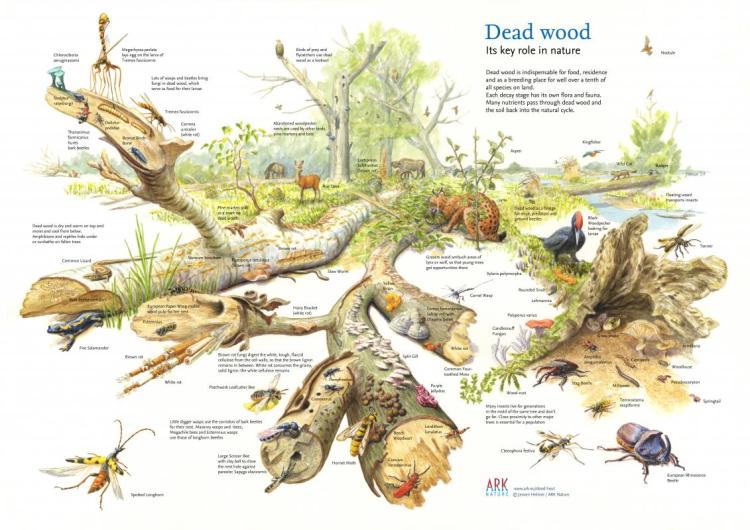
Just because a tree is dead, doesn’t mean it’s done

Just because a tree is dead, doesn't mean it's done

Becorns and Birds

A photographer and artist creates characterful and cute acorn beings called ‘Becorns’ and waits patiently for them to interact with local birds in order to capture the perfect shot. An exercise in patience and mindfulness.


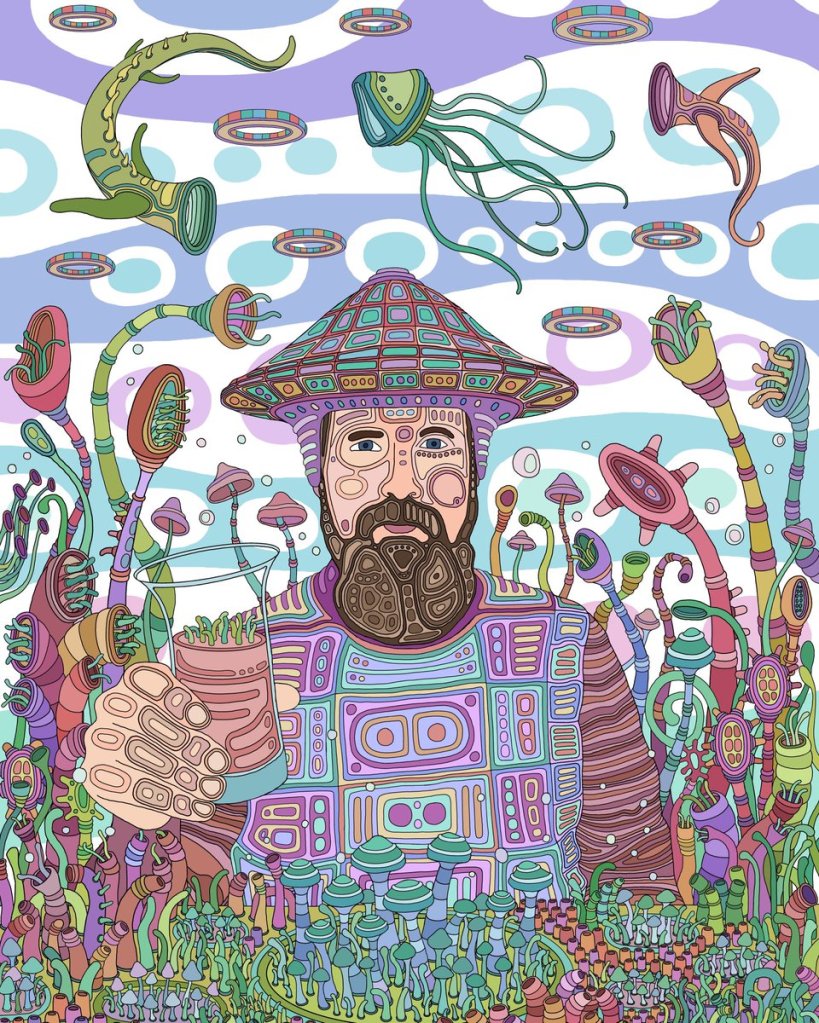
Tripping the light fantastic: A portrait of Duncan T Russell by Harry Pack

Originally tweeted by 👽 𝐀𝐥𝐢𝐞𝐧𝐬 & 𝐏𝐬𝐲𝐜𝐡𝐞𝐝𝐞𝐥𝐢𝐜𝐬 🍄 (@APsychedelics) on January 4, 2023.


The Way Out is In: Healing Our Inner Child

A helpful and healing podcast from the Plum Village Buddhist Monastery in Dordogne, France. This incredible monastery was founded by two Vietnamese mystics and monks, Thích Nhất Hạnh and Chân Không. I would love to visit there.


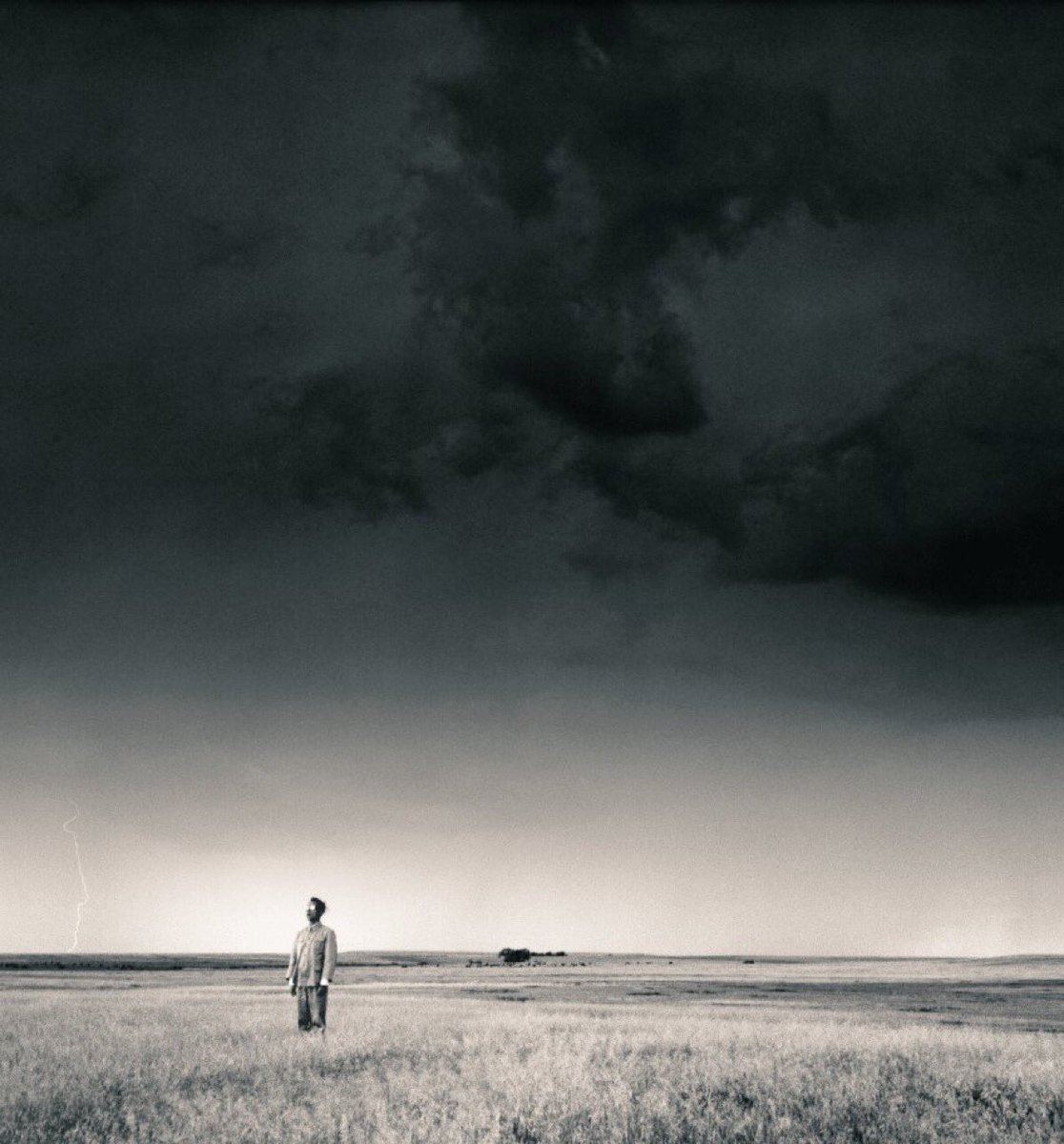
The hero in every story is just trying to do their best

‘Every human life is a story. Every story has heroes. Most heroes are unsung. But they have one thing in common. The hero of every story is just trying to do their best.’

~ a tangled mind
📷 Tseng Kwong Chi

Originally tweeted by Somewhere Life (@Somewhere_Life_) on January 6, 2023.


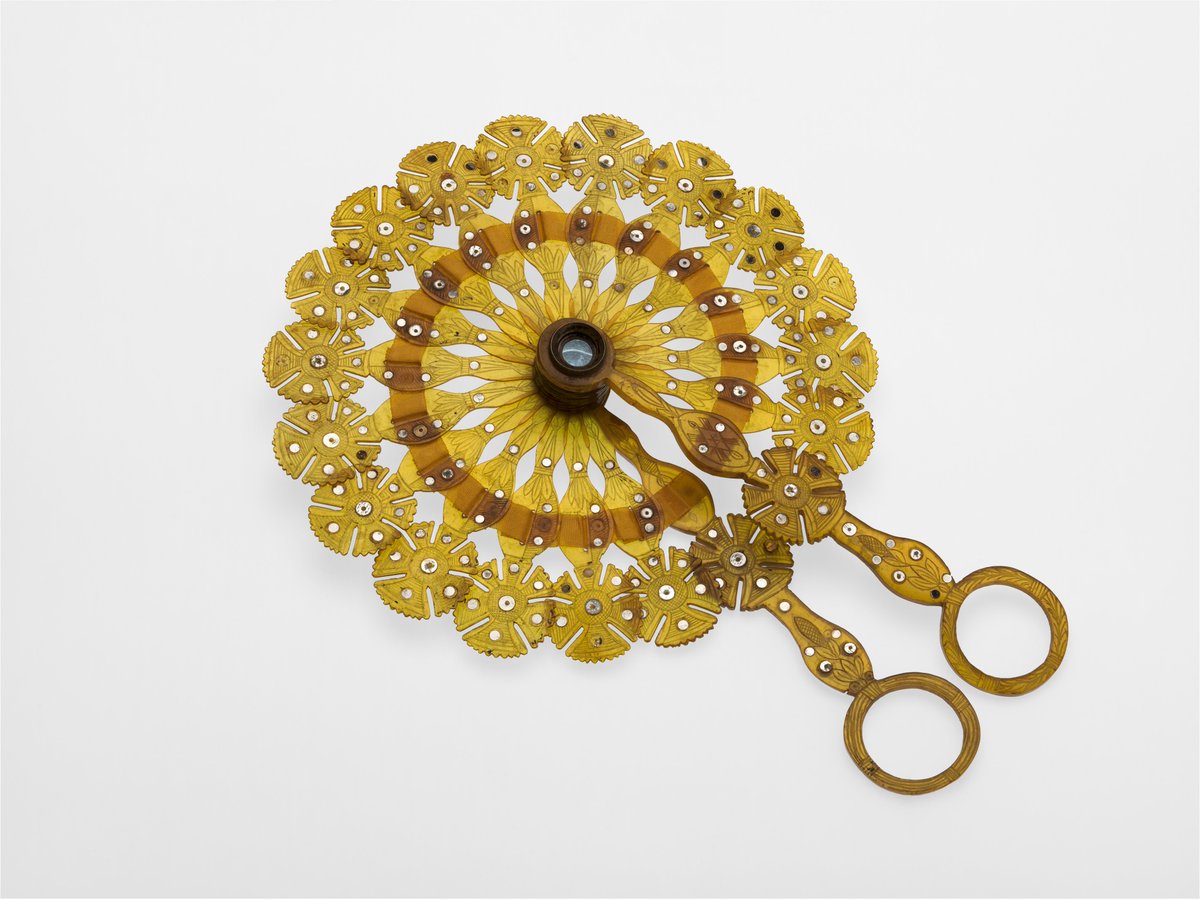
Who’s a fan of fancy fans?

In the 1800s, the theatre was a place to see and be seen. And you’d definitely be seen if you whipped this out of your reticule 🤩

An ornate yellow fan made out of horn with a spyglass concealed in the centre. The piece is definitely more decorative than practical.

Image: Horn cockade brise fan with spyglass in central pivot. C.1810. Reproduced with permission of The College of Optometrists. Image, Wellcome Collection.

This ornate fan opens to reveal a concealed spyglass in the centre.

The main purpose of the lens is for distant viewing, across a room, at a dance, or in the theatre perhaps. It’s far less likely that this fan was used in any sense to keep you cool. This is on display at the Wellcome Museum’s exhibition Plain Sight, which explores the history of seeing, being seen and other historical aspects of sight 👓

Originally tweeted by Wellcome Collection (@ExploreWellcome) on December 19, 2022.


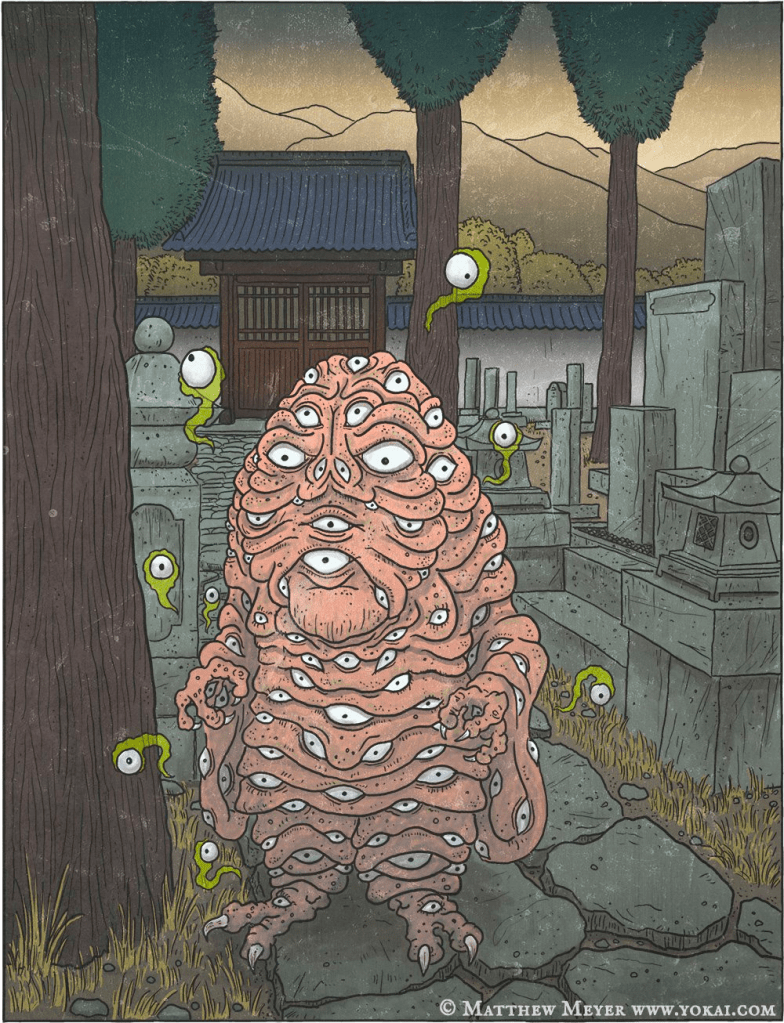
Hyakume: A yokai covered with 100 blinking eyes

In #JapaneseFolklore there is a #yokai called hyakume which means one hundred eyes. It is a human-sized fleshy blob completely covered in blinking yellow eyes. Although very shy, they lurk around in shadows and guard abandoned homes and temples…
#MythologyMonday #ayokaiaday
1/2

…from intruders. Hyakume are able to detach an eye and send it to stick on anyone suspicious while they are in the area. It gives the phrase ‘keeping an eye on things’ a whole new meaning. Web version here: https://www.curiousordinary.com/2022/10/hyakume.html?spref=tw
🎨1. Shigeru Mizuki
2. Matthew Meyer
2/2

Originally tweeted by curious ordinary (@curiousordinary) on October 24, 2022.


Did you enjoy this collection of juicy news? let me know below what you think. Thank you for reading

Ancient Word of the Day: Shizen

Nature is not separate from humankind in Japanese culture.

It is a part of us. And the need to keep the two in harmony can be seen in every aspect of life, from the design of gardens that incorporate the natural landscape, to the design of houses that blur inside and outside by means of translucent paper screens.

In traditional Japanese houses you can close the door without shutting out the sound of the birds singing and the rustle of the breeze.

Shizen n. from Japanese meaning: nature or naturalness.

Shizen is one of the seven principles of zen aesthetics. The idea behind Shizen is that we are all connected to nature, emotionally, spiritually and physically, and the more closely something relates to nature, the more pleasing it is, whether it’s a spoon, or a piece of furniture, or the way a house is decorated. The patterns on a kimono are often of the natural world, so that you can be wrapped in peonies or wisteria, cherry blossoms or chrysanthemums, even whole landscapes of rivers and mountains.

An excellent MTB adventure in Huka Falls, Taupo
A busy river in Taupo. Copyright Content Catnip 2017

Extracted from Shinrin-Yoku: The Art and Science of Forest Bathing by Dr Qing Li

Book Review: Shinrin-Yoku: The Art and Science of Forest Bathing by Dr Qing Li

[Pictured: Ryoan-Ji zen garden in Arashiyama, Kyoto. Content Catnip 2018]

Book Review: The Midnight Library by Matt Haig

Rating: 🌟🌟

Genre: Fiction, Fantasy, Young Adult Fiction.

Publisher: Canongate Books

Review in one word: Fluff

Book Review: The Midnight Library by Matt Haig

A lot of people raved and hyped about this book and a friend recommended this to me, because he spent a long night in the cafe reading it. This is an indulgent, compulsive and enjoyable read, sort of like wading through a pool of candy floss or attending a three day self-love seminar run by Oprah.

Trigger warning though, it does have strong references to suicide in the beginning chapter. The book starts off with protagonist Nora Seed attempting to take her own life. She feels helpless, directionless and has been a people-pleaser for her whole life. She is thrust into a magical library:

“Between life and death there is a library,’ she said. ‘And within that library, the shelves go on for ever. Every book provides a chance to try another life you could have lived. To see how things would be different if you had made other choices … Would you have done anything different, if you had the chance to undo your regrets?”

Nora gains the chance to live her life according to a new cascade of choices and circumstances that could have resulted in her becoming a rock star, a co-owner of a pub, an elite athlete, a devoted mother, an Arctic explorer.

This makes for some immersive and interesting forays into different alternate universes. Overall this book is a fun and mindless adventure in the way that traverses and slips between worlds.

This book will also provoke an interesting thought for you – Would you have chosen a different path if you could do it all over again?

There’s a tacit understanding that these other dimensions and opportunities for fame and fortune are all equally the same for all readers, if only we will them into existence, tried hard and made the right decisions in life.

This individualistic, almost aggressive imperative that one controls one’s own path to happiness completely didn’t feel authentic to me, because everyone has a complex array of factors that influence whether or not they are “successful” or “happy” in life. Those two metrics success and happiness are completely subjective to us as individuals but also imposed upon us by culture.

Factors include: physical and mental health, where you grew up, how much money your parents earned, if your parents encouraged you to do further study, if your parents drank, smoked or took drugs, if you came from an abusive family, if you live in a country that is politically unstable etc. etc.

Nora as a character is a bit one-dimensional. Other than being depressed and feeling negative about life, we don’t really learn much about her and her personality. As a result it is very difficult to care about what she does and what happens to her.

There is a distinct lack of substance to the other characters too. We don’t really know how any of them look or who they are. These other characters are like ghost satellites revolving around Nora and propelling the plot along.

Throughout her journeys in alternate universes, Nora has epiphanies that come across as a bit cringy and obvious:

And … and the thing is … the thing is … what we consider to be the most successful route for us to take, actually isn’t. Because too often our view of success is about some external bullshit idea of achievement – an Olympic medal, the ideal husband, a good salary. And we have all these metrics that we try and reach. When really success isn’t something you measure, and life isn’t a race you can win.

“You don’t have to understand life. You just have to live it.”

“She wasn’t a black hole, she decided. She was a volcano. And like a volcano, she couldn’t run away from herself. She’d have to stay there and tend to that wasteland.
She could plant a forest inside herself.”

Matt Haig has battled with his own demons of depression and anxiety which has no doubt provided insights for this book. His book, The Midnight Library expresses his own revelations and wisdom after having battled depression in a literary form, and by doing so has mastered his art. I respect him deeply for doing that.

On a positive note – many, many people loved this book. If this book is a catalyst for getting some readers out of depression, or a funk, crisis or a difficult time in their lives – then it’s a superb achievement and has done its job of being both fantasy fiction and a self-help book.

For me, The Midnight Library was a rollicking good time and a mindbending journey. I enjoyed reading this and devoured it very quickly, despite also cringing about it for the reasons mentioned above. I would recommend this for an evening of pure escapism but expect to feel a bit bloated and unsatisfied afterwards, like you’ve just woofed down a double cheeseburger.