“The past isn’t really the past. It’s just music, books and films“
Rating: 🌟🌟🌟🌟🌟
Genre: Fiction, Coming of Age Novel, Historical Novel.
Publisher: Faber & Faber
Review in one word: Halcyon (and On and On)
*Contains no spoilers
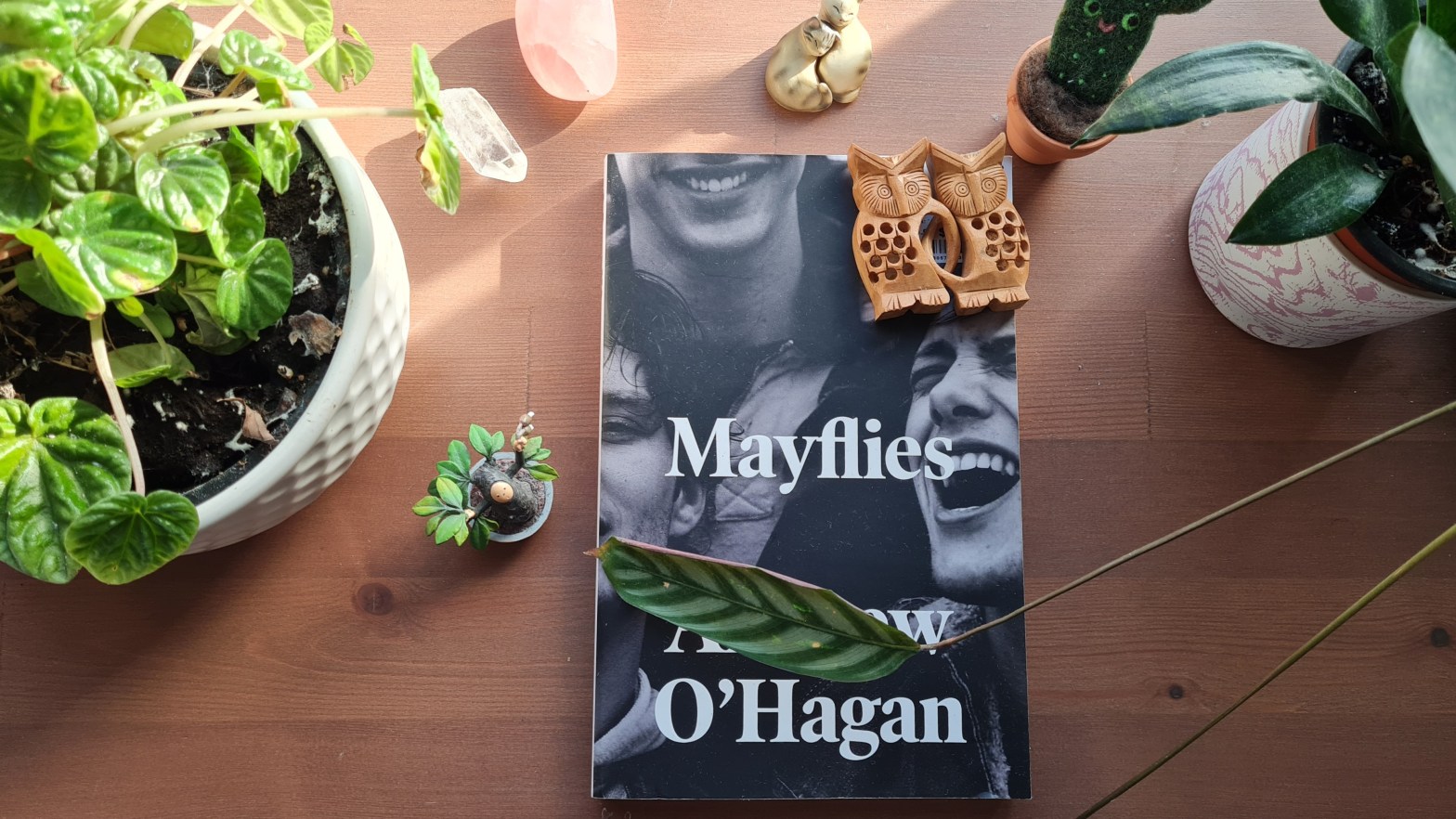
This is both an unsentimental and deeply emotional novel, a book about past, present and future friendship set over the course of 30 years. It’s beautifully written, witty, funny and like a sweeping, never-ending poem with masterful dialogue and deeply authentic characters. In the end, you feel like you know them, and they are your friends too.
At the novel’s heart is an enduring friendship between Jimmy – a bookish and bright guy in his late teens and 20 year old Tully, a charismatic, larger-than-life natural leader into whose orbit everyone lucky enough falls, and who has a remarkable capacity for love and affection for all those around him.
“Loyalty came easily to Tully. Love was the politics that kept him going. ‘Stay free’ he said. I looked over at the trees. Everything was new and everything was fresh. The service station was surrounded by Scots Pines, a breeze from them and you could sense the border. I don’t think the pines registered then, but they do now. Those final trees, somewhere in the future, where we climbed the final hill and the scent said memento mori.”
The story begins in the summer of 1986 in Glasgow when Jimmy and Tully and others in their group of working class friends plan a once-in-a-lifetime trip to Manchester to see the big luminaries of the rock scene like The Smiths, New Order and The Fall play in an unforgettable weekend.
Along the way the novel examines the big topics: friendship, youth, ageing, mortality, immortality and the things that really matter to us in the end. There is a quiet, poetic and bittersweet thread that wends through the novel, that makes it universal. This could be about anyone’s life – full of both tragedy and comedy, love and darkness.
“If being young is a crime scene,” I said, “the evidence from that night is everywhere.”
The banter and camaraderie of the young friends and how they discuss their record collections, political future, Thatcher, films and the culture of the time really resonates if you are were in Britain during this time, or if you have seen the films Control or 24 Hour Party People you will understand the cultural landscape. The entire book is packed with nostalgia and loving longing for the past.
“The water was cold but it soon warms up when the boys are made of sunshine.”
Who knew what time incubated or what life would demonstrate. We were there, beyond navigation, floating through the air. We beamed to the rafters and jumped shoulder to shoulder. And the words we sang were daft and ripe and British. Custom-built for the clear-eyed young.
As someone who had a youth filled with these kinds of wild “times” attached to music, friends, freedom, drama, love and sublime moments pregnant with possibility and everything else associated with that… I can totally relate to this part of the book. Reading it I could shine a mirror into my own past – just with different music and in a different decade. I also love the Manchester post-punk sound so this hit deep with me.
Other reviewers on Good Reads lament that this partying part of the book fell flat for them and they skipped it. It is possible (sadly for them) that they didn’t spend their own teens and 20’s in the best way they could – enjoying themselves.
The second act of the novel is a fast-forward of the friends who meet again 30 years on and are deep into their middle age. The way that time and their choices have rendered the men different from each other comes into sharp relief. Two of the group: Tully and Jimmy are strongly bonded and their friendship has weathered the ravages of time. This is an emotionally powerful narrative of friendship, love, loyalty, music and nostalgia that will stay with you and haunt you after you’ve read the final page.
This week prepare yourself to understand the difference between a seal and a sealion, explore obscure solarpunk art, a pigment library, an ancient song as a haiku to life and death, Scots Gaelic words and much more, it’s edition #103 I hope you like it friends…
I did not know that such places exist. The history of pigments is a fascinating one, many of the colours we now take for granted come from poisonous and toxic substances and people paid to use them with their health.
Sorrow is a river
“What is older than desire?
the bare tree asked.
Sorrow, said the sky.
Sorrow is a river
older than desire.”
The immersive and evocative video storytelling with the Berber people in the desert and then the music which starts off as being traditional sounding and then turns electronic is really fascinating. I loved this song!
This ensemble may in fact be what you will hear once you reach the afterlife
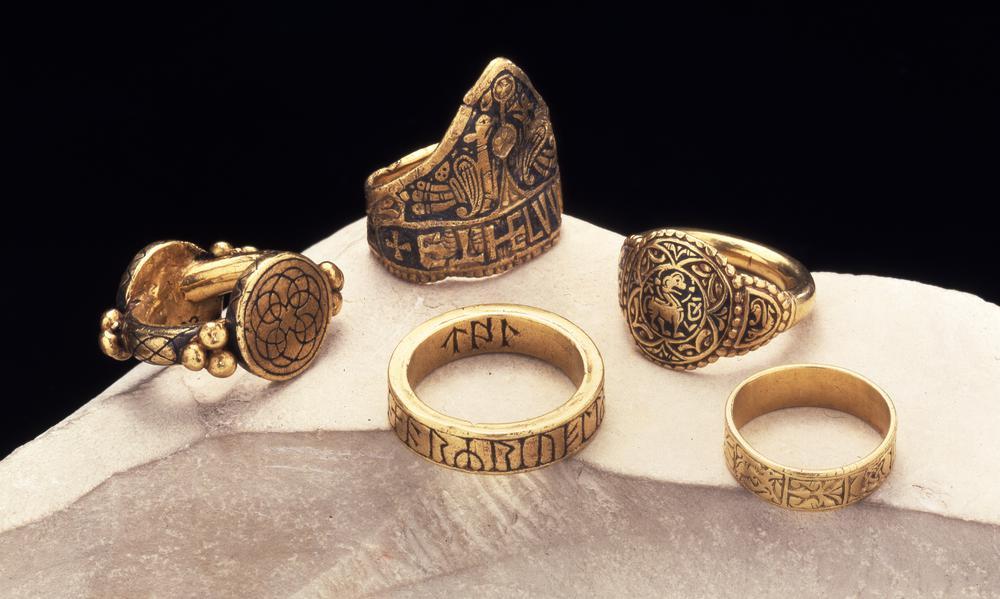
Rings from Anglo-Saxon England. Date: c. 8th-10th century AD. Excavated/Findspot: Aberford, British Isles, UK. Inscription transliteration: + EA⃒ÐELSVIÐ⃒REGNA. Inscription translation: Queen Æthelswith. Materials: gold and niello. Collection: British Museum.
Mado Kara Mieru is a sweeping epic from Christopher Tin’s two-time Grammy-winning album ‘Calling All Dawns’. Sung in Japanese and translating to English the song is a setting of five haiku about the seasons: spring, summer, autumn, winter and spring. Each verse is sung by a different singer in a different stage of their life: a child, a young woman, an older woman, a chorus of old men, and a child. The song represents the cycle of life: youth, old age, death, and then rebirth again. This is truly EPIC! I am well and truly a Christopher Tin fan now.
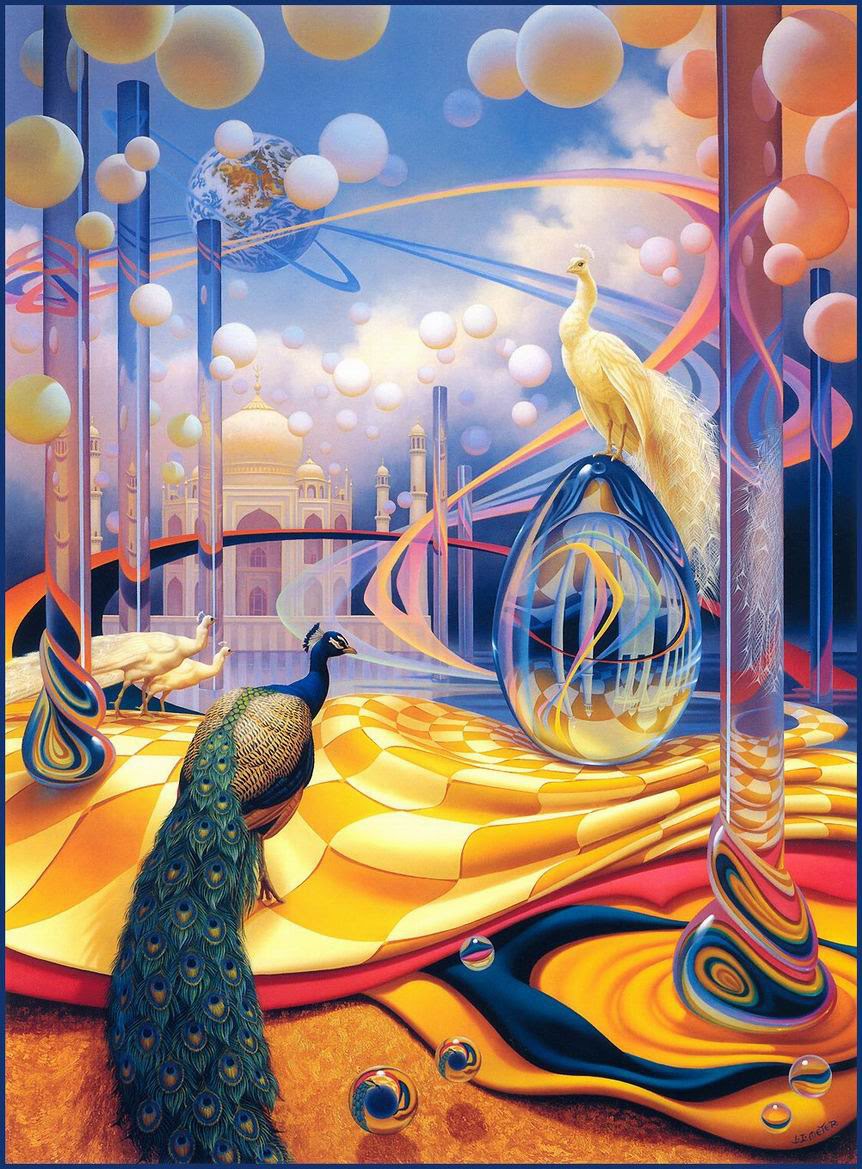
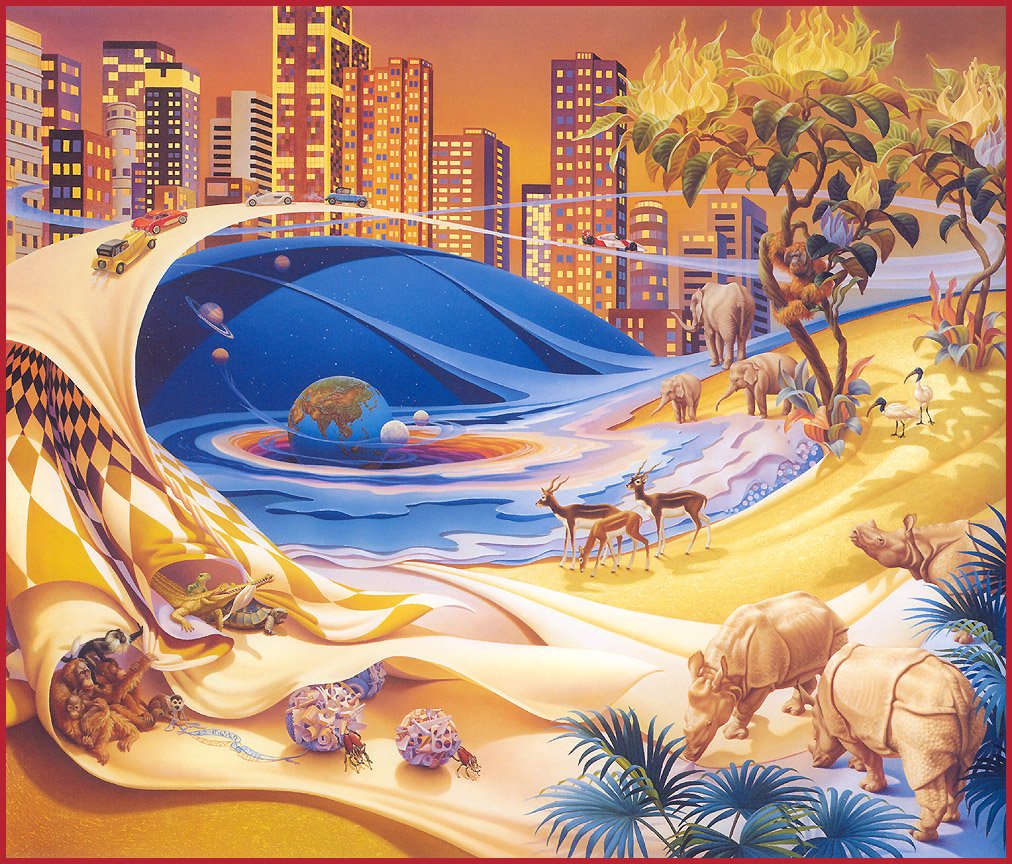
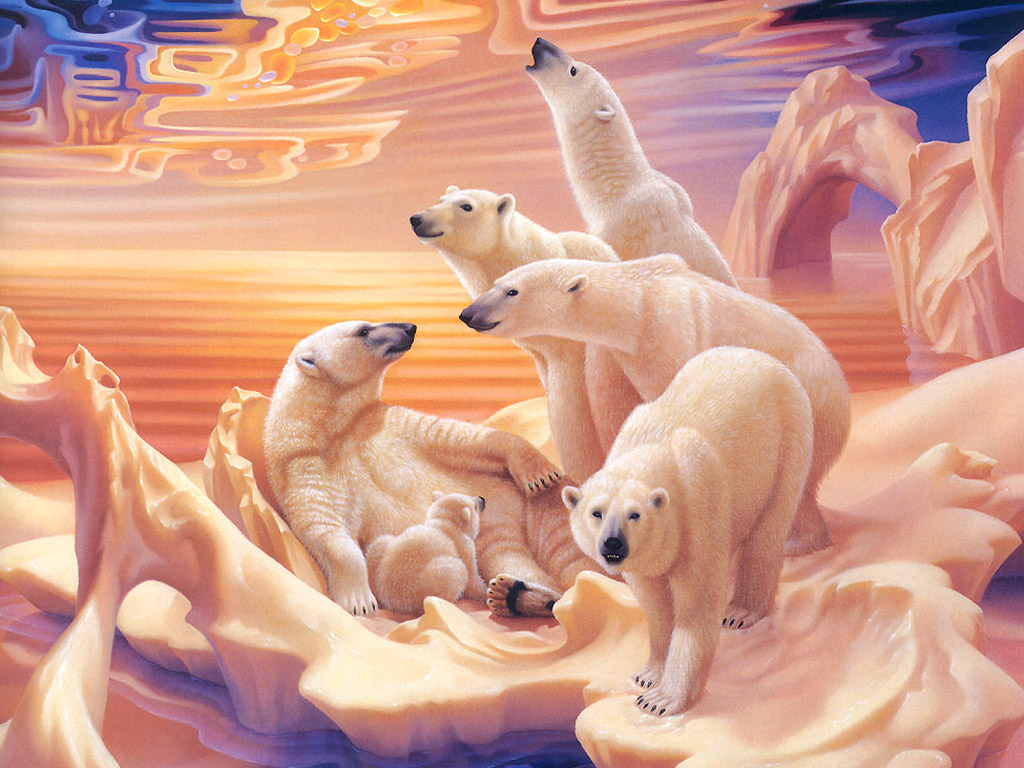
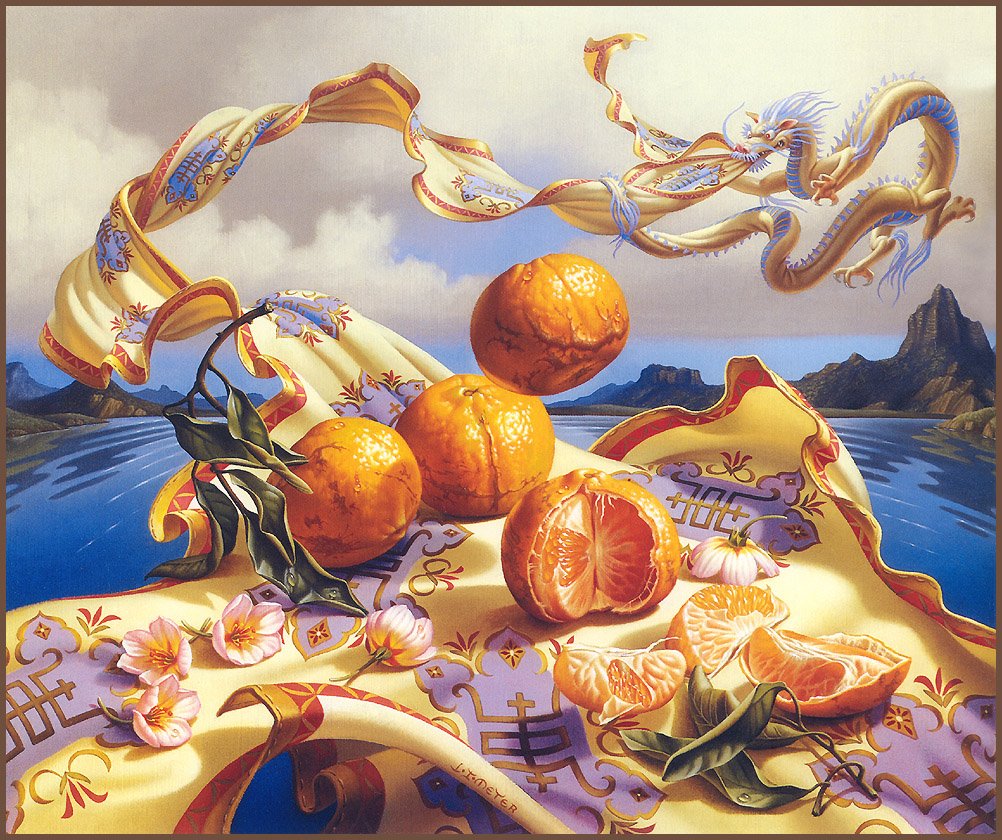
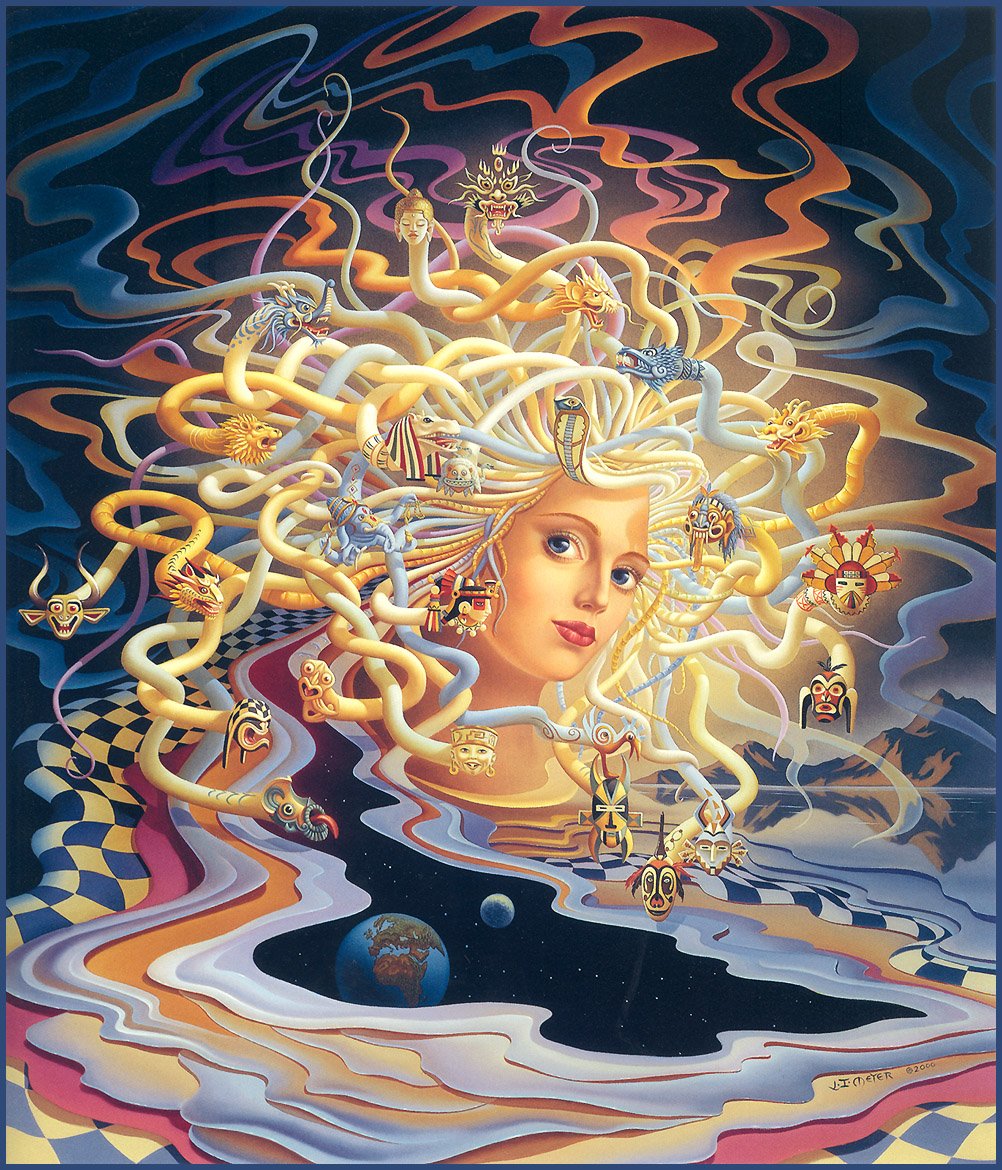
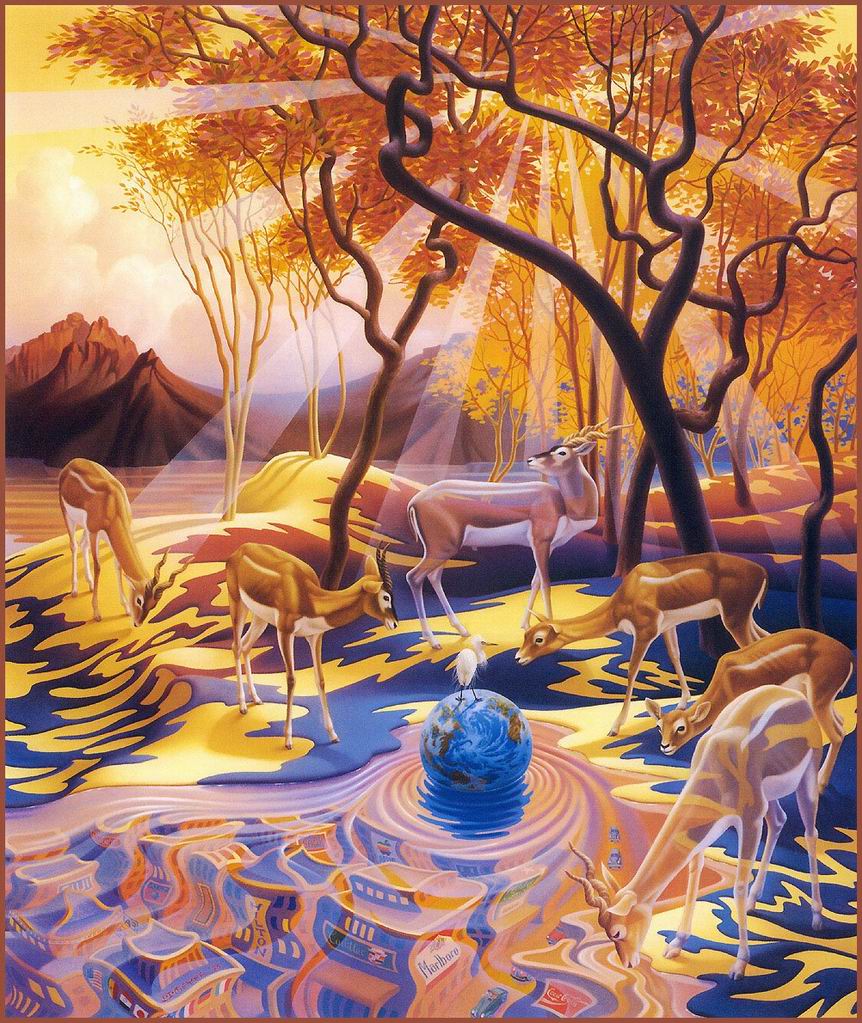
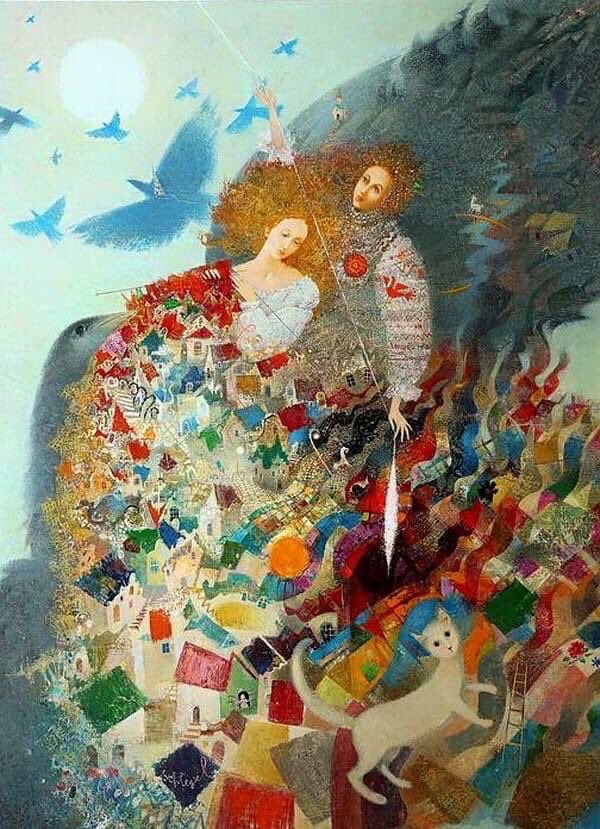
If Cyberpunk is our worst nightmare imaginings of a future dystopia, then Solarpunk is the opposite. A far more optimistic future fable that unfolds involving the cooperation between all sentient beings, an end to human supremacy, reverence of technology and ancient mystical lore and wisdom. If apprehension about the future of our natural world is getting to you, Solar Punk is an alternative to soak your mind in for solace.
Ilene Mayer who I have featured in this series before seemed to take her cue from Solar Punk in her work, well before the concept of Solarpunk was well known. Ilene Mayer (1938-2009) was a self-taught oil painter whose work is a stunning example of fantasy, surrealism, and psychedelic colours and patterns. She rose to prominence when her art was used on the cover of science fiction novels by many writers including Philip K Dick. Found on this incredible blog by Sam Woolfe.
Bard[1] The word’s earliest appearance in English is in 15th century Scotland with the meaning “vagabond minstrel”. The modern literary meaning, which began in the 17th century, is heavily influenced by the presence of the word in ancient Greek (bardos) and ancient Latin (bardus) writings (e.g. used by the poet Lucan, 1st century AD), which in turn took the word from the Gaulish language.Ben[1] From beinn[peiɲ], mountain.
Coireliterally a “kettle”, meaning a corrie, from the same root.
Crag[1] From creag[kʲʰɾʲek], a cliff.Deoch an dorus (various spellings)meaning a “drink at the door”. Translated as “one for the road”, i.e. “one more drink before you leave”.Fear an taighean MC (master of ceremonies), Gaelic lit. “the man of the house”
Eàrlaid[4] the right sometimes sold by an outgoing to an incoming tenant to enter into possession of the arable land early in Spring.
Gillie[1] a type of servant, now usually somebody in charge of fishing and rivers, and also ghillie suit used as a form of camouflage, from gille[ˈkʲiʎə], boy or servant.
Plaid[1] From plaide[ˈpʰl̪ˠatʲə], blanket. Alternatively a Lowland Scots loanword [1], from the past participle of ply, to fold, giving plied then plaid after the Scots pronunciation.
Shindig[1] From sìnteag to skip, or jump aroundSlogan[1] From sluagh-ghairm, battle-cry
Sporran[1] Via sporan from Old Irish sboran and ultimately Latin bursa, purse.[6]Spunk[1] From spong, tinder and also sponge. From Early Irish sponge, from Latin spongia, from Greek σπογγιά, a sponge.[2]
Strontium[1] from Sròn an t-Sìthein meaning “the point at the fairy hill”,[7] name of a village, near which the element was discovered.
Tack & Tacksman (a lessee)From Scots tak (take) cf. Old Norse taka.
“All my life I just wanted to be a beatnik. Meet all the heavies, get stoned, get laid, have a good time. That’s all I ever wanted. Except I knew I had a good voice and I could always get a couple of beers off of it.”
“I had these tie-dyed satin sheets, the most beautiful fuckin’ sheets in the world, and I started makin’ it with this cowboy and he shredded them up with his cowboy boots. Three hundred dollar satin sheets shredded by cowboy boots. I loved every minute of it.”
“I always wanted to be an artist, whatever that was, like other chicks want to be stewardesses. I read. I painted. I thought.”
Did you enjoy this collection? Consider making a one-off donation to say thanks, this helps to pay for the website costs. Thank you for reading
Personally I have found this to be annoying because I share out my posts from here only to Twitter nowhere else.
Since Musk took over Twitter it is incredibly buggy, seedy and full of all sorts of unsavoury characters. Sort of like dropping into a party too late into the night (or towards sunrise) turning on the light and finding the remnants of the night before strewn out all over the place.
Yes, Twitter has undoubtedly become a messier, dirtier and more vicious place under Musk’s tutelage. Trolls, bots and sockpuppet accounts seem to be everywhere. Do you agree? Have you abandoned Twitter now and like many others started a Mastodon account? Since I cant autopost my blogs to Twitter and need to do it manually I am considering it.
What can you do about it? I am sorry I don’t really have an answer for that. It pisses me off how a formerly safe place for communities can be turned into an unsafe place in less than a year, just with a lack of care and a pure profit imperative. And how loyal WordPress bloggers can face a dissappearing readership due to Twitter’s CEO wanting to swing his teeny tiny dick around. Look away ladies.
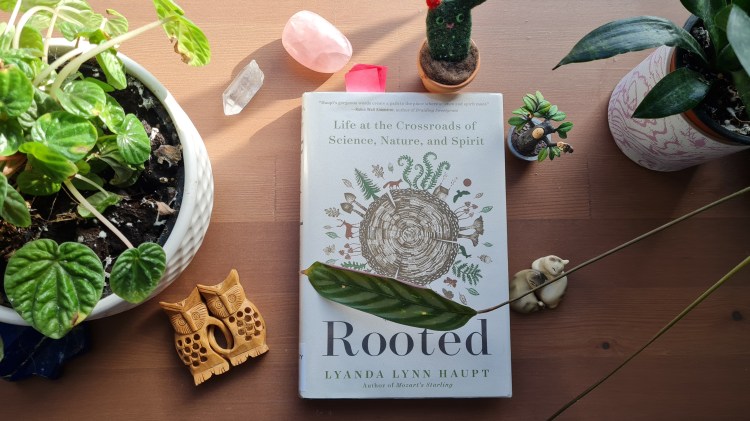
To live rooted on a changing earth is to create a new story. There are so few voices left that speak for wild nature first. It’s time to clasp hands (paws, fins, feathers, branches) and know where we stand. The ways of this story will not appear conventional within outworn cultural norms. Our new ways are disruptive. They will look weird. This is good. Let us not care, but enjoy that glimpse in another’s eyes that we will find sometimes – the one that says “You’re not crazy. I feel it, too.”
~ Lyanda Lynn Haupt, Rooted: Life at the Crossroads of Science Nature and Spirit.
A colourful, joyous tale of fisticuffs, love and loyalty against all the odds.Loosely based on the tall tales of his own ancestors, author Mick Kitson brings a family of travellers during the Industrial Revolution roaring to life.
Annie Perry is an indomitable, strong and likeable main character. She is born into the muddy drudgery and coal mines of Tipton in the Black Country during the Industrial Revolution.
Annie is born into an extremely poor Romi family and her mother can’t afford to feed all of her children so she is sold at the age of nine for six guineas to Bill Perry, a famed and feared bare-knuckle boxer, also known as the Tipton Slasher. Under the care of Bill and his friends Annie grows into a fearless fighter as well.
There is a visceral, bone-crunching realism to this book – especially during the boxing scenes, yet this is combined artfully with a romantic lyricism of a great epic poem and the story chugs along at a crackling pace.
The point of view oscillates between the cast colourful characters each speaking in an evocative and yet easy to understand Black Country dialect. The narrative always circles back towards the brave and fearless heroine Annie Perry.
The dialogue is vibrant and jumped off the page for me and the characters were incredibly well drawn, authentic and magnetic. They each draw you deeply into their orbit.
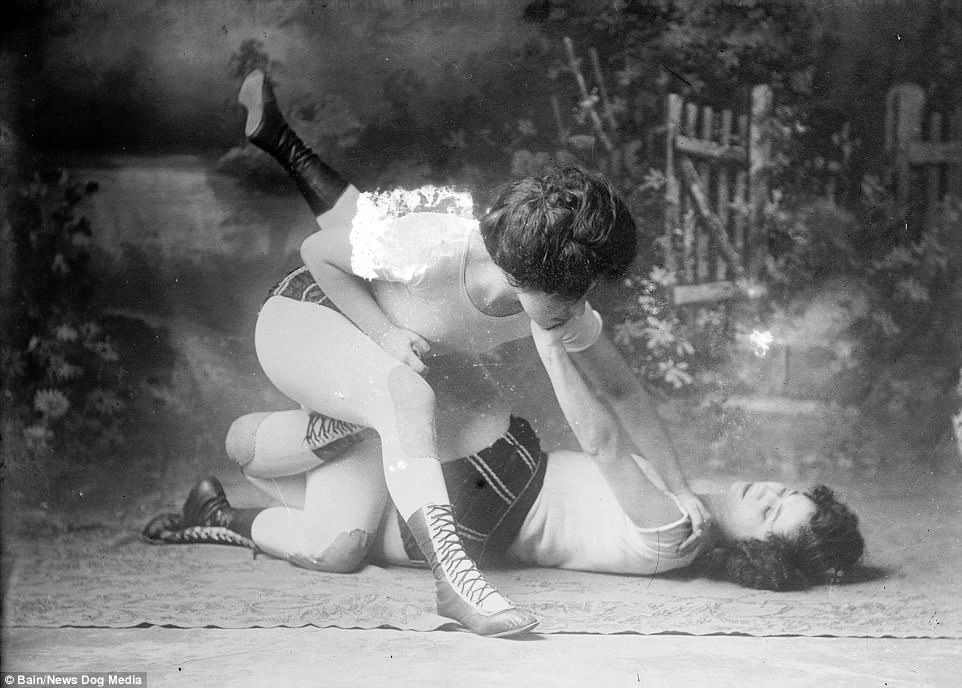
[Pictured] The Bennett Sisters, who boxed and wrestled for crowds as a Vaudeville Act between 1910 and 1915. Daily Fail
I can’t give away much more about the plot without ruining this amazing book for you. This is a tale of fortune, determination, drudgery, labour, family (those you are born into and those you choose), of class snobbery, power dynamics and disadvantage, of ethics, integrity and morals and embracing the sheer joy of living despite it all. In short this book has real heart and soul and you won’t want to miss it!
Featherweight is a novel of pure indulgent joy and I hope you get the chance to enjoy it too. Mick Kitson has published one other book and so I am now keen to read this one as well. This is a survival and adventure story you won’t want to miss.
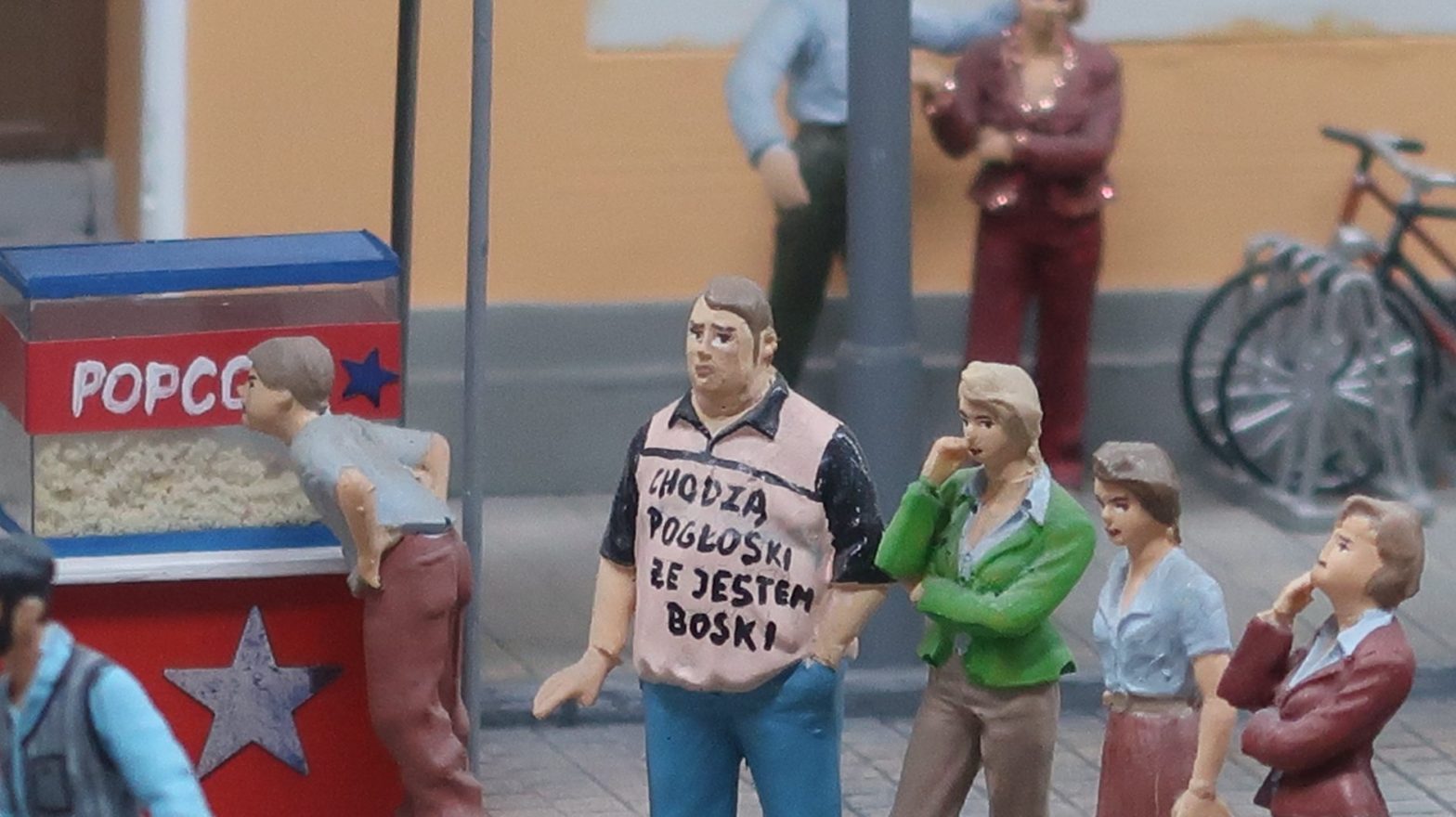
When I was in Poland in 2019, I didn’t hesitate to visit the Kolejcowo in Świebodzki Station in Wrocław. This is the largest model railway in Poland, but also a rather amazing depiction of how life in Poland actually looks. Everything, right down to the petrol stations, graffiti, and the shops actually exists in real life in the city of Wrocław and its surrounding towns and villages. I just love Poland and seeing this all in miniature was so charming I decided to make a video about it.
Notice the whimsical, cute and funny stories within the video? Oh gosh! Myself and others totally lost our shit over it. If you ever go to Wrocław, you really must go.
I’m not knocking the passion or fireworks, but when our focus is on seeking, perfecting or clinging to romance, the charge is often generated by instability rather than by authentic connection with another person.
Real love may run on a lower voltage, but it’s also more grounded and more sustainable. From our first breath to our last, we’re presented again and again with the opportunity to experience deep, lasting and transformative connection with other beings: to love them and to be loved by them; to show them our true natures and to recognise theirs. In concert with them, we open our hearts and give and receive. We share joy and compassion, struggles and sorrows, gains and losses. And we learn in our bones what it means to be part of something bigger than ourselves.
Written in short chapters that culminate in in-depth guided meditations, this is a book that spans vast tracts of interdisciplinary knowledge from the areas of Buddhism, Christianity, Psychology, Sociology and brings together these fields in a compelling, thought-provoking and deeply nourishing way. This is a book for the soul and spirit yes – but tempered with scientific knowledge and grounded practical advice for how to improve one’s ability to give and receive love in its variety of different forms.
Book Review: Real Love – The Art of Mindful Connection by Sharon Salzberg
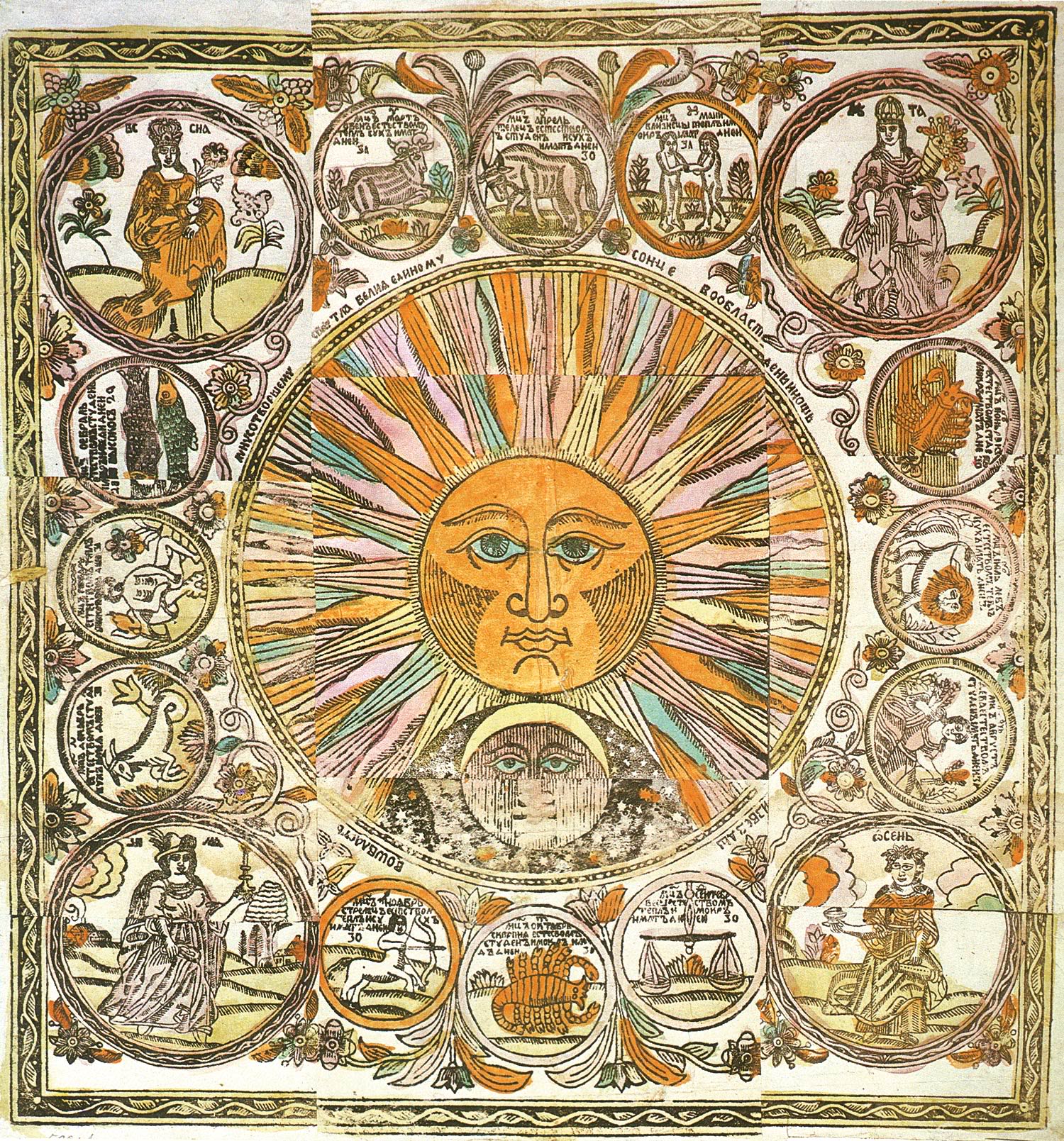
See a medieval Slavic folk calendar, a guide to historical panics from history, a toe-bean model, Polish words in English, sublime stained glass windows of the Middle East, a hidden 80’s video store and much more, I hope you enjoy edition #102 let me know your thoughts below
A #medieval #Slavic folk calendar, a guide to historical panics, a toe-bean model, Polish words in English, sublime stained glass, an 80’s video store. It’s edition #102 of #10InterestingThings #Art #Folklore #History #Music #Culture
Look at this lil pomeranian getting her hair cut, she is the perfect “toe-bean” model. I love how each episode of this channel is always about showcasing every dog, cat (or pig) and their unique personalities. A great feel-good channel to follow.
Polish is an interesting, complex, emotionally rich and precise language that sounds beautiful, I had no idea that some of these words come from Polish, other ones were more obvious if you like Polish food.
German Horde ← Polish horda ← Ukrainian горда/gorda ← Russian орда (ordá) ← Mongol or North-West Turkicordï (“camp”, “residence”) ← Old Turkic ordu (“encampment, residence, court”)
Early Modern Dutch gurkijn (Modern gurkje), diminutive of gurk (+ kijn), aphetic variant of agurk, or possibly via Dutch agurken, plural of agurk, taken to English as singular a gurken, from Dutch agurk, variant of augurk ← German Gurken, plural of Gurk ← Slavic source, i.e. Polish ogórek, partial translation (with diminutive suffix -ek) of Byzantine Greek angourion (“watermelon, gherkin”), from diminutive of Late Greek angouros (“a grape(s)”), meaning “small, unripe fruit,” from expressive alteration of Greek aōros (“out of season, unripe”) ← Proto Indo-European
variant English noodnik ← Yiddish nudne + diminutive suffix -nik, from nudyen (“to bore”) ← Slavic, either Russian нудный/núdnyj(“tedious”), Ukrainian нудний/núdnýj (“tedious”), or Polish nudny (“boring”) ← Old Church Slavonic ноудити/nuditi or нѫдити/nǫditi (“to compell”) ← Proto-Slavic *nuda ← Proto-Indo-European *neuti- (“need”), from *nau- (“death, to be exhausted”)
Yiddish shmok (“penis, fool”) ← probably Old Polish smok (“snake/dragon”) or German Schmuck (“Jewellery”); in either case, the German word highly influenced the English spelling.
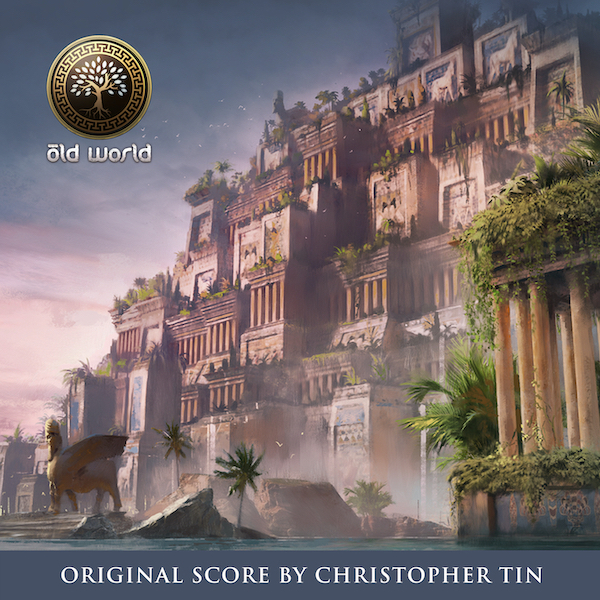
Old World was a game released a few years ago and set in the cradle of civilisation, the Middle East. The musical score for the game is stirring and alive with ancient stories. Amazing composer has combined elements of traditional Arabic music with contemporary post-classical sounds. According to his website he spent many hours learning about traditional Arabic music, taking lessons from Arabic musicians and composers and collaborating with them to create this incredible soundtrack that is perfect for deep concentration. Read more on his website
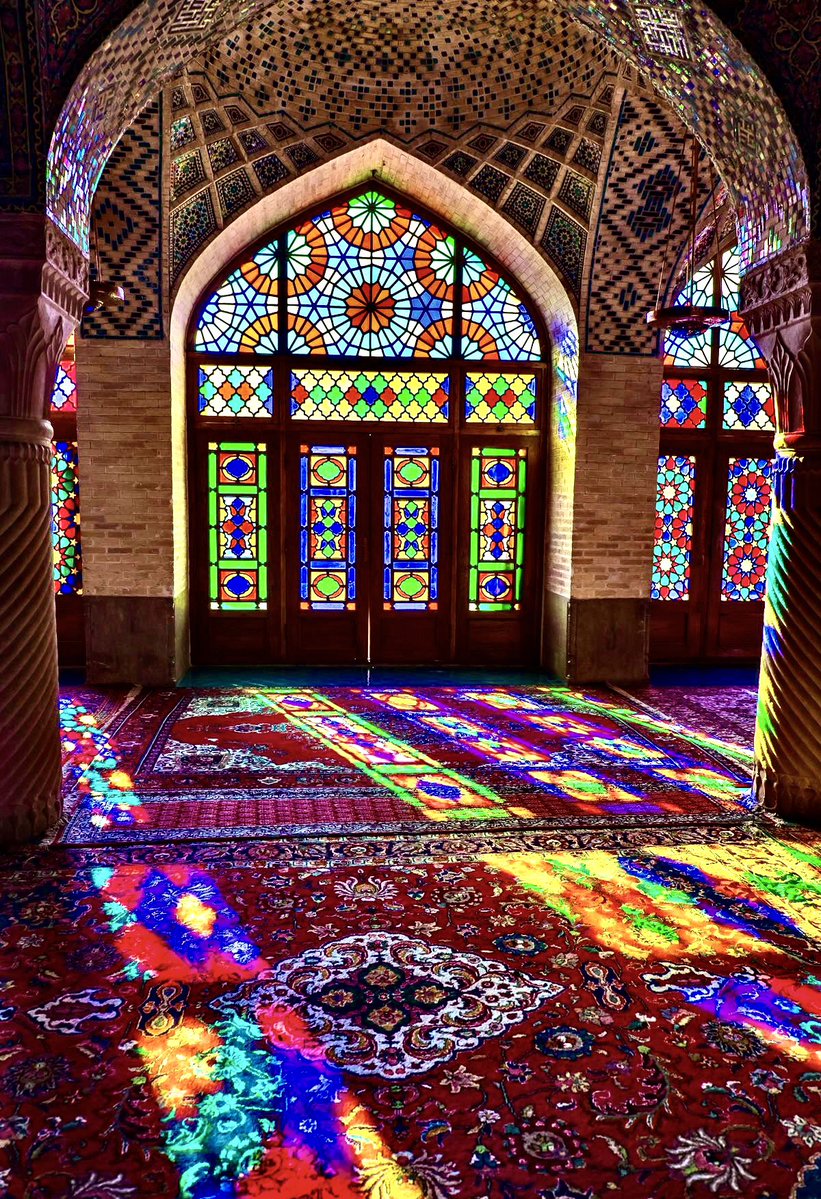
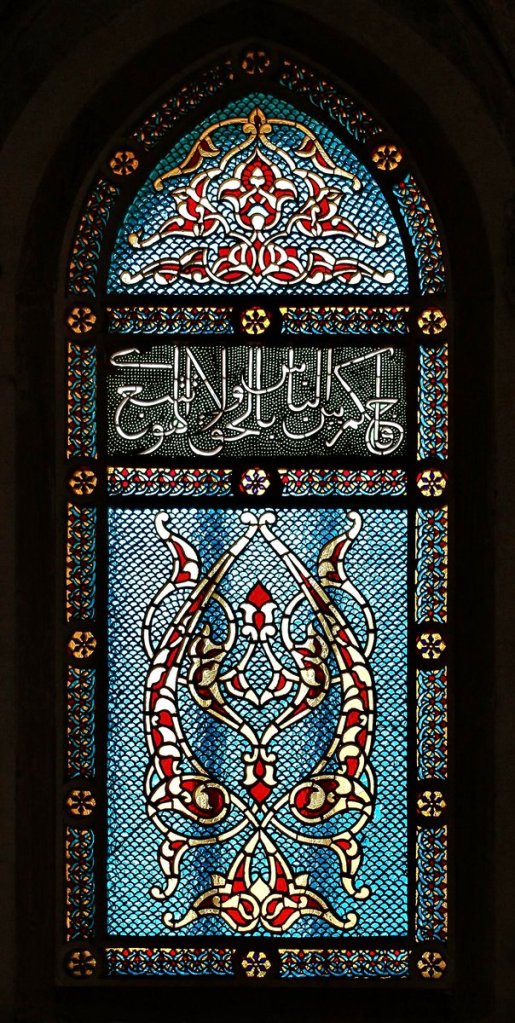
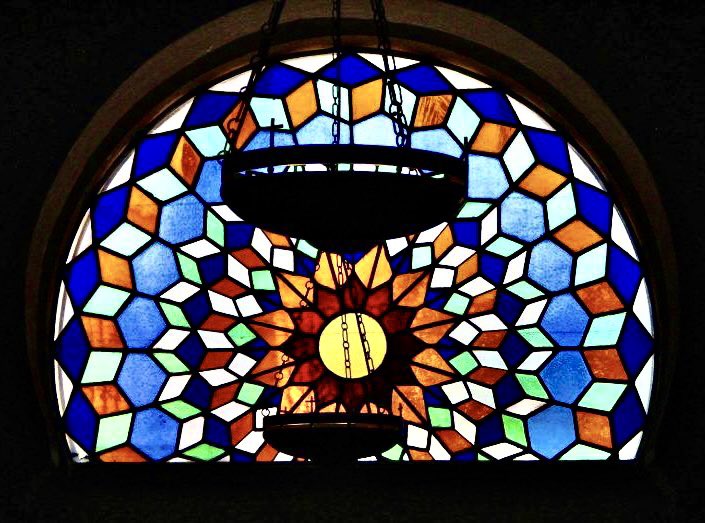
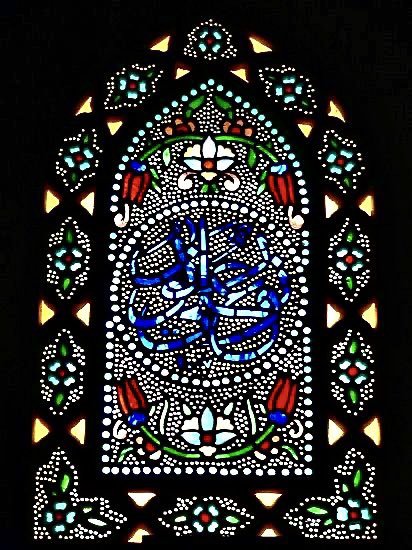
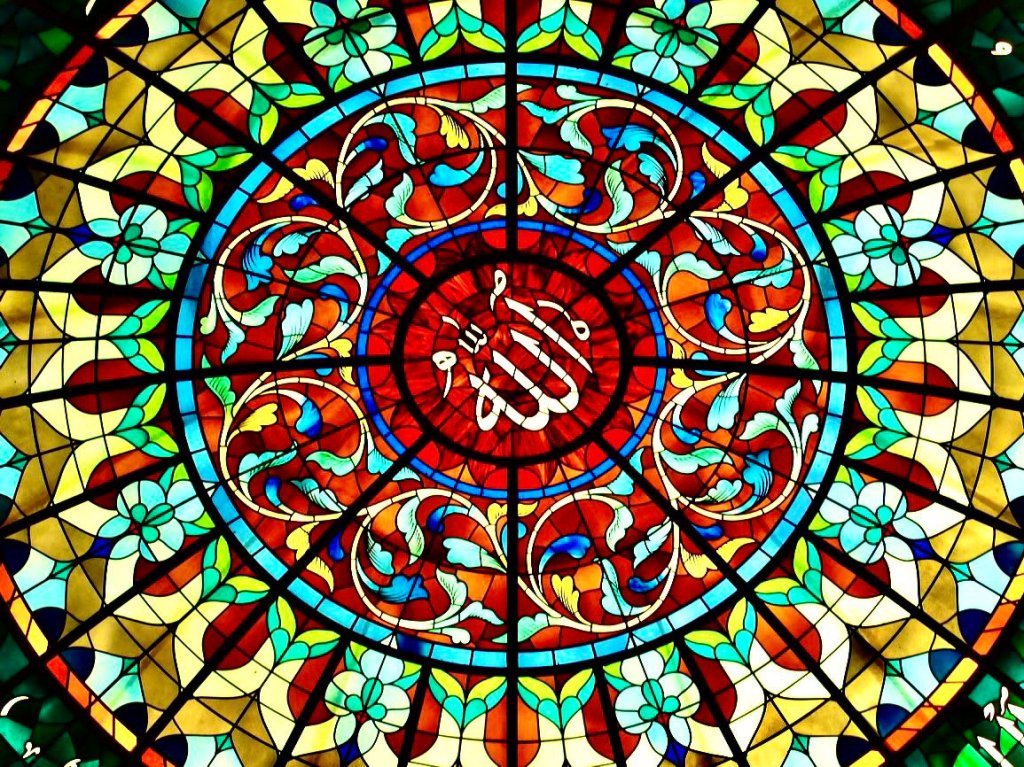
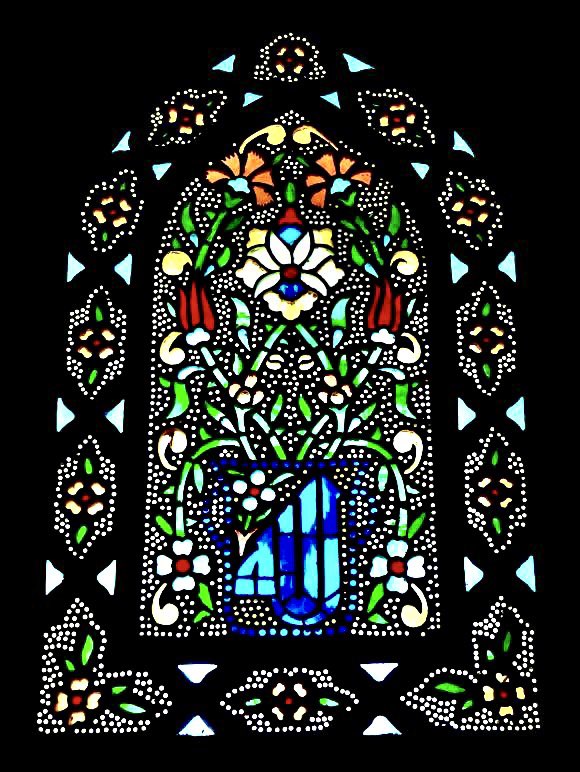
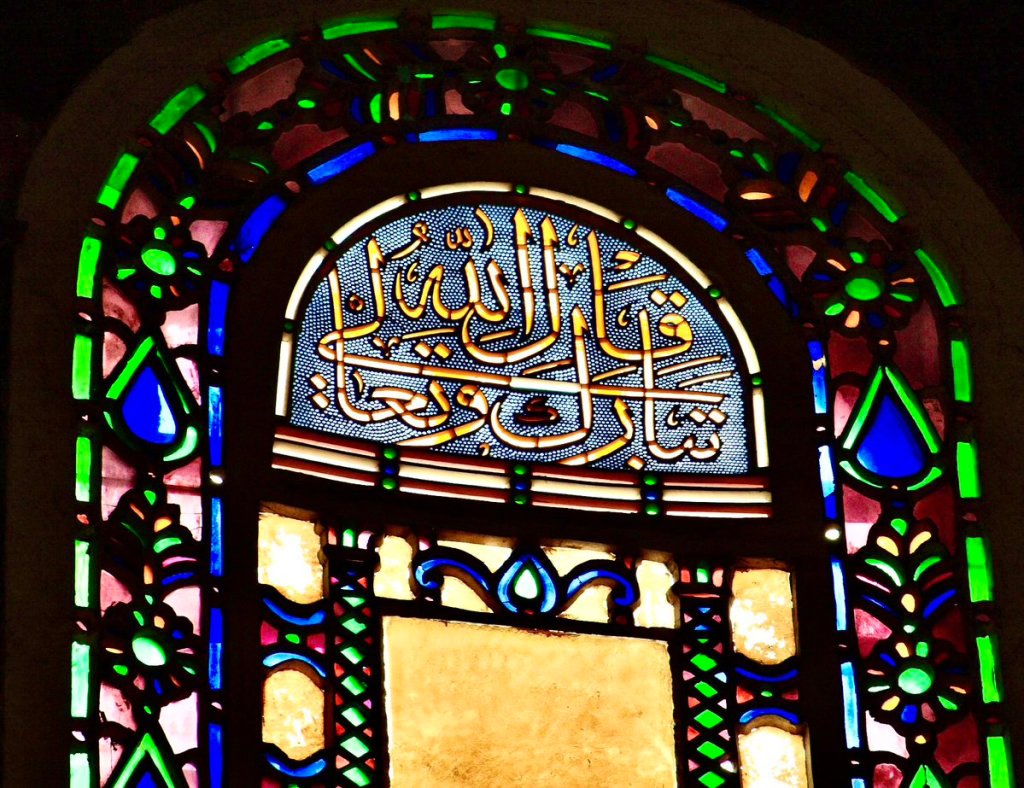
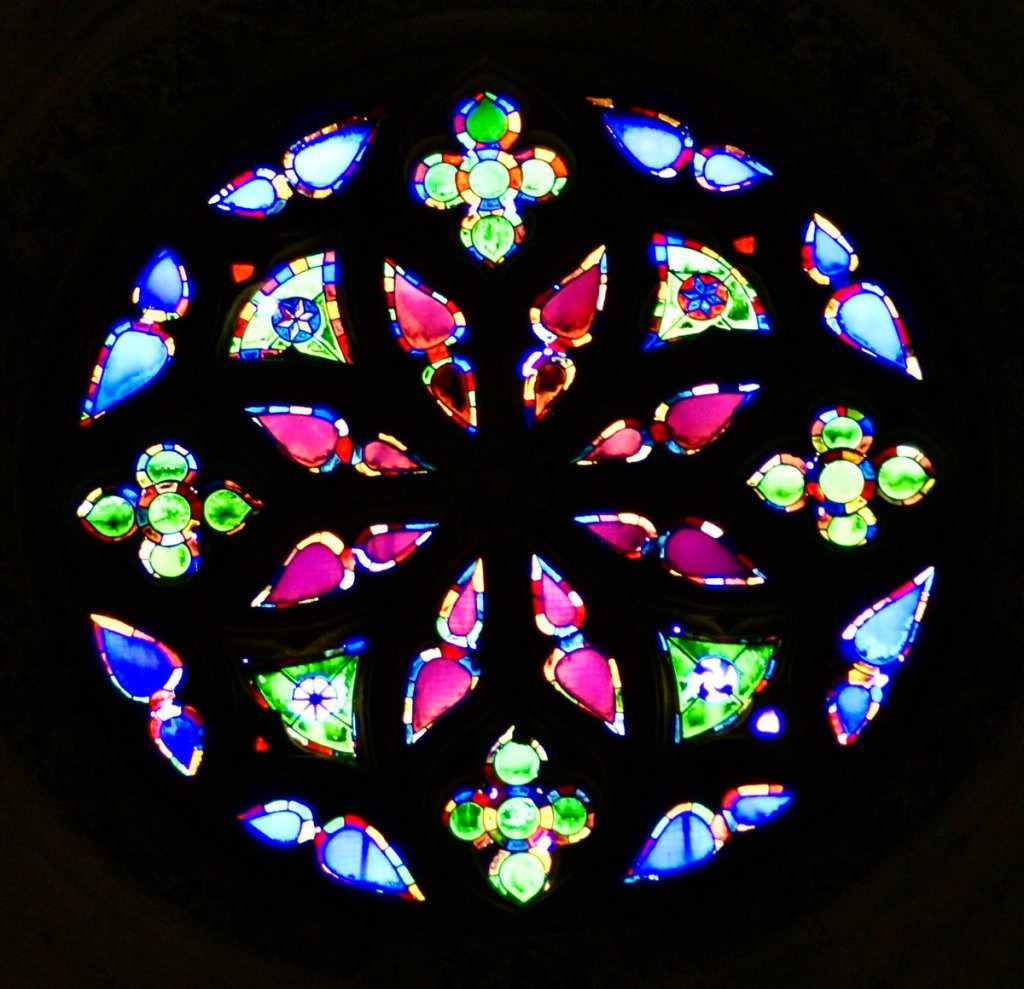
Stained glass has been used by artisans across the globe for thousands of years. Since the 8th century, the Muslim world played a major role in the growth of the glass industry. Mosques & cities were transformed into beautiful spaces richly decorated with glass.
I have had the honour of visiting parts of Morocco and I was absolutely in love with all of the stained glass in lamps there, this art has mystical, ancient presence that can’t easily be put into words. I was not permitted to enter the mosques there as I am not Muslim, so it was a great pleasure to see these windows for the first time in this thread.
Discover more about stained glass and Muslim culture, with sources of inspiration & information for this thread – and further reading:
1/ Stained glass window at The Şemsi Pasha Mosque, Turkey
Designed by Ottoman imperial architect Mimar Sinan in 1581 for Grand Vizier Şemsi Pasha. It is one of the most attractive mosques in the city & a celebrated example of the chief architect’s skills.
2/ Stained glass window at Beit Al Qur’an, Hoora, Bahrain
A multi-purpose complex dedicated to the Islamic arts. Established in 1990, the complex is most famous for its Islamic museum, which has been acknowledged as being one of the most renowned Islamic museums in the world.
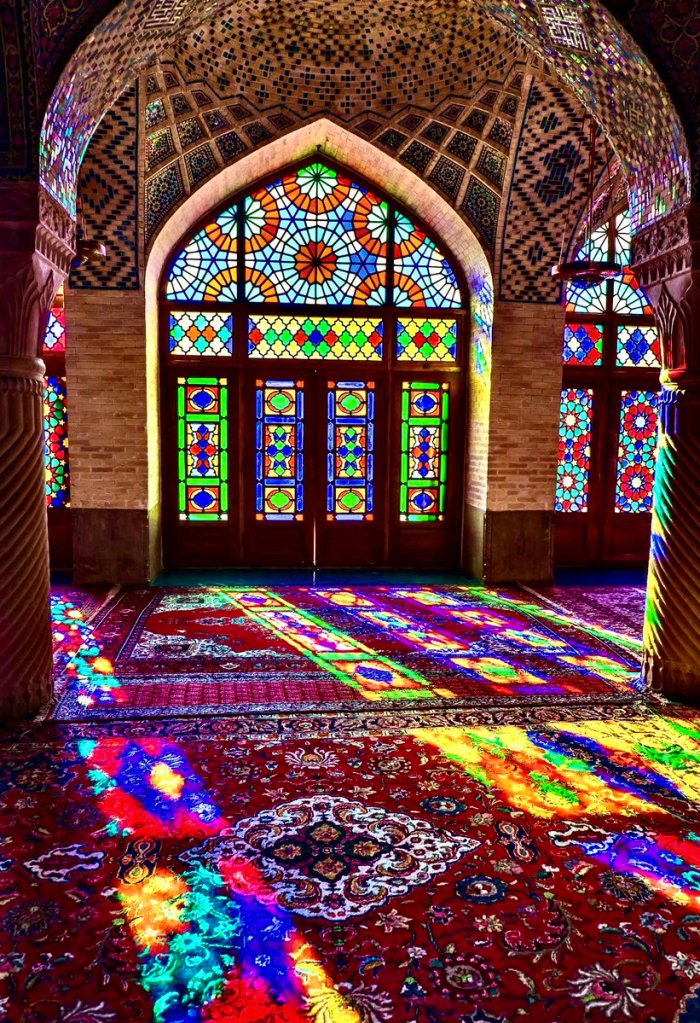
3/ Stained glass windows at The Nasir al-Mulk Mosque, Iran
Constructed between 1876 & 1888, during the Qajar dynasty, which ruled Iran from 1785 to 1925. It has been dubbed the “Pink Mosque” due to the plethora of pink-colored tiles blanketing the ceiling
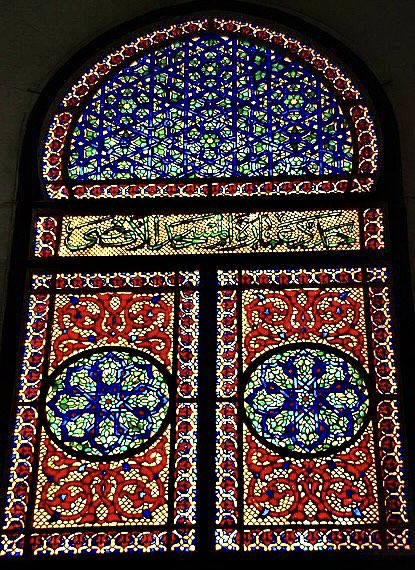
4/ Stained glass window in a mosque in the Old City of Jerusalem, Palestine5/ Stained glass window at the Mosque-Cathedral of Cordoba, Spain
5/ Stained glass window at the Mosque-Cathedral of Cordoba, Spain
It represents a unique artistic achievement due to its size height of its ceilings. It is an irreplaceable testimony of the Caliphate of Cordoba & is the most emblematic monument of Islamic religious architecture
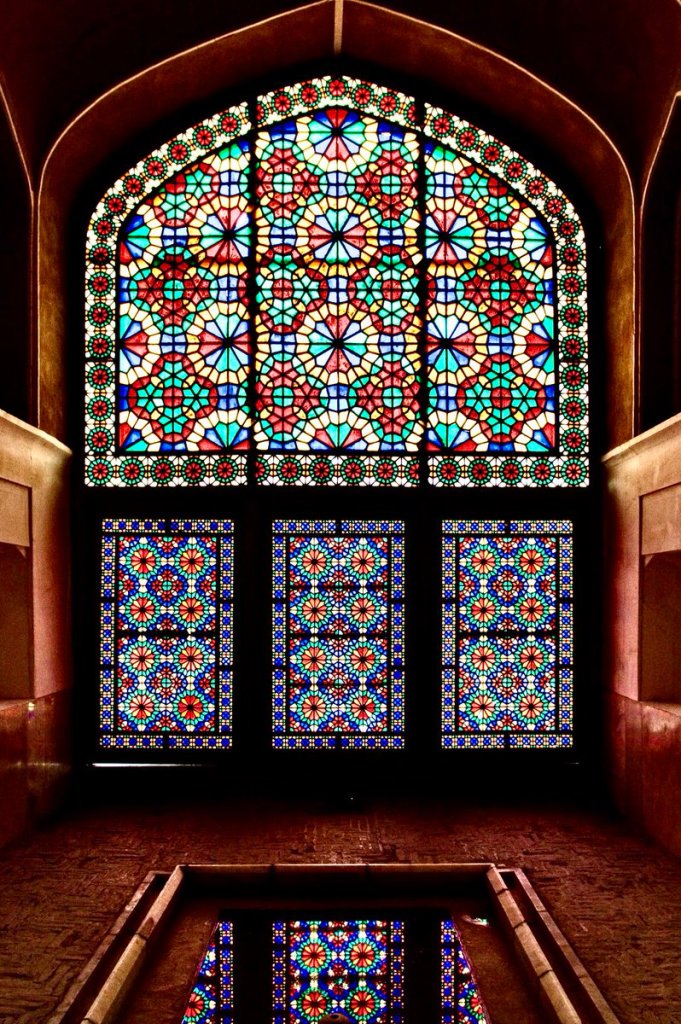
6/ Stained glass windows at Dowlatabad Garden, Yazd, Iran
Created in 1747 by Mohammad Taghi Khan Bafqi. It was listed as a UNESCO world heritage site in 2011, as part of the Persian gardens. It is also listed in UNESCO as a part of the historical city of Yazd in 2017.
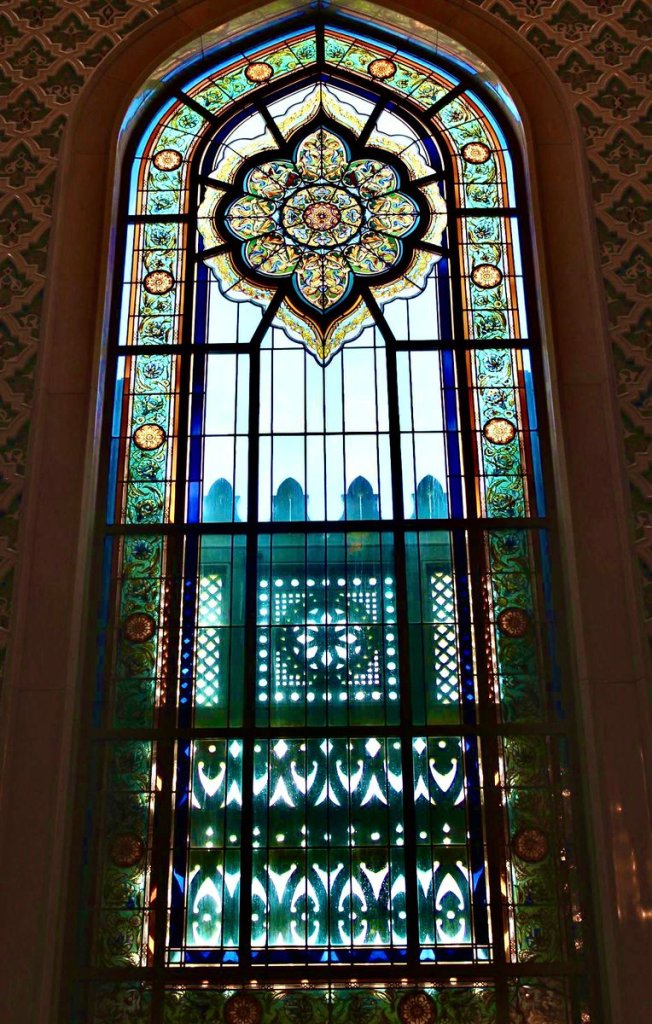
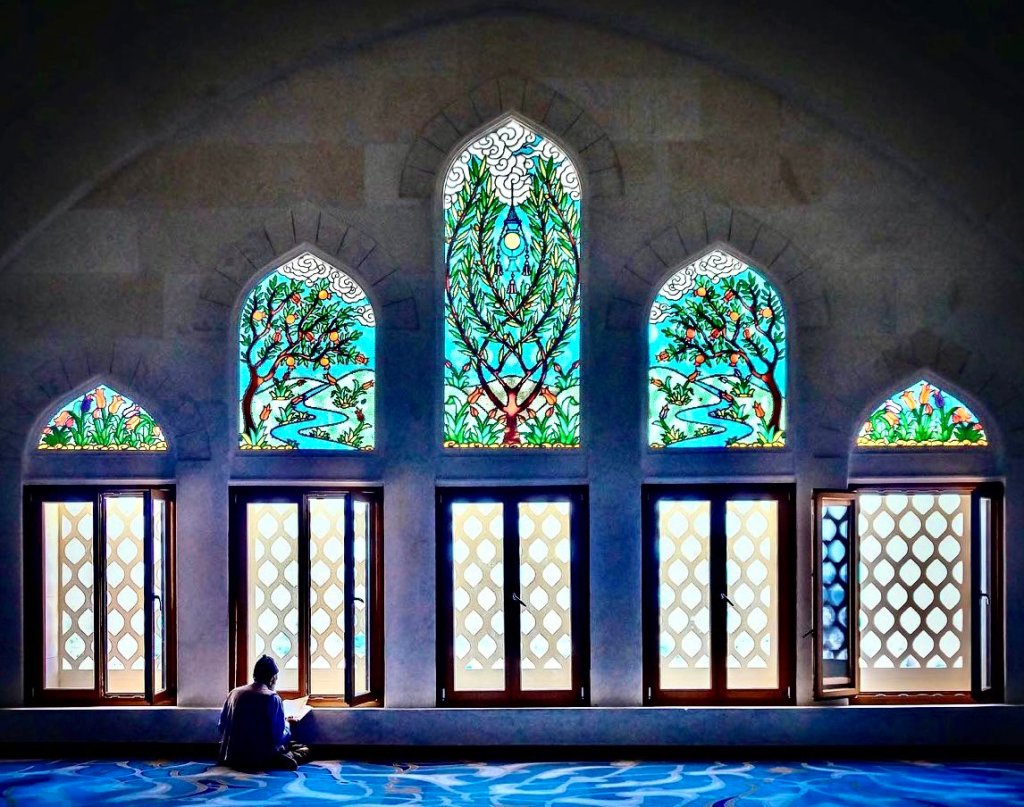
7/ Stained glass window at The Sultan Qaboos Grand Mosque, Oman
In 1992, Qaboos bin Said al Said, the then Sultan of Oman, directed that his country should have a Grand Mosque. A competition for its design took place in 1993 it took 6 years and 7 months to complete.
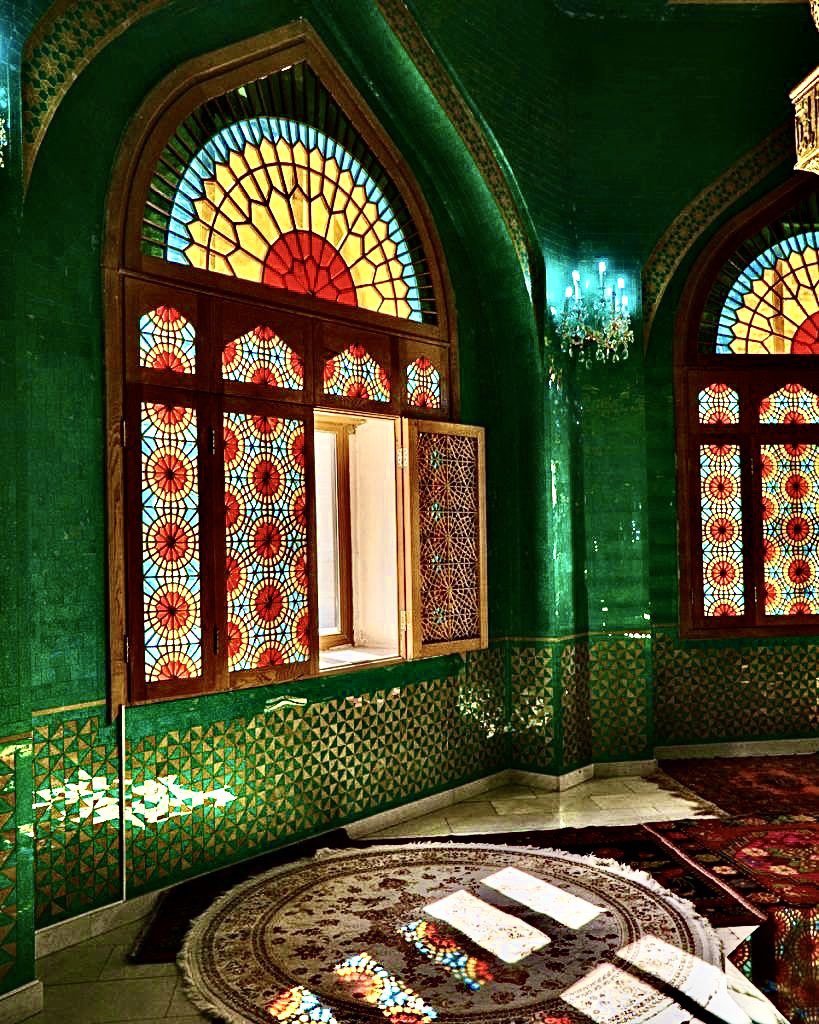
8/ Stained glass windows at Bibi-Eybat Mosque, Baku, Azerbaijan
The existing structure built in the 1990s is a recreation of the mosque with the same name built in the 13th century by Shirvanshah Farrukhzad II Ibn Ahsitan II, which was destroyed by the Bolsheviks in 1936.
9/ Stained glass window at Selimiye mosque, Edirne, Turkey
Commissioned by Sultan Selim II, & was built by the imperial architect Mimar Sinan between 1568 & 1575. It was considered by Sinan to be his masterpiece & one of the highest achievements of Islamic architecture.
10/ Stained glass window at Umayyad Mosque, Syria
One of the largest & oldest mosques in the world. Christian & Muslim tradition alike consider it the burial place of John the Baptist, a tradition originating in the 6th century.
11/ Stained glass windows at Grand Çamlıca Mosque, Turkey
Currently the largest mosque in Turkey, it was completed and opened on 7 March 2019. The mosque stands astride Çamlıca Hill in the Üsküdar district of Istanbul and is visible from much of the centre of the city.
12/ Stained glass window at Sultan Omar Ali Saifuddien Mosque, Brunei
Considered one of the most beautiful mosques in the Asia Pacific. Construction of the mosque was completed on 26 September 1958. It is named after Omar Ali Saifuddin III, the 28th Sultan of Brunei Darussalam
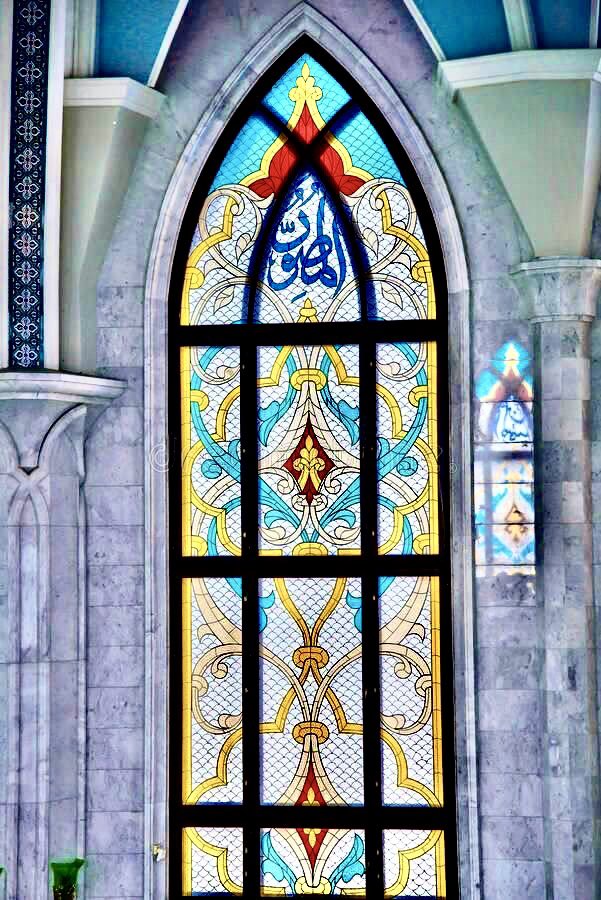
13/ Stained glass window at Kul Sharif Mosque, Kazan
Built in the 16th century, it was named after Kul Sharif, who was a religious scholar who served there. Kul Sharif died with his numerous students while defending Kazan from Russian forces in 1552.
Stained glass window at Al-Aqsa Mosque, Jerusalem, Palestine
In the Old City of Jerusalem the 3rd holiest site in Islam. It was built on top of the Temple Mount, known as the Al Aqsa Compound or Haram esh-Sharif in Islam, several decades after Prophet Muhammad’s (PBUH) death
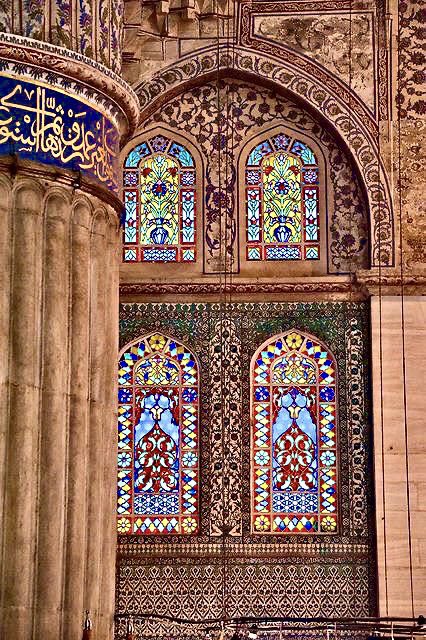
15/ Stained glass windows at Sultan Ahmed Mosque, Turkey
An Ottoman-era historical imperial mosque, it attracts large numbers of tourist visitors. It was constructed between 1609 and 1616 during the rule of Ahmed I. Its Külliye contains Ahmed’s tomb, a madrasah and a hospice.
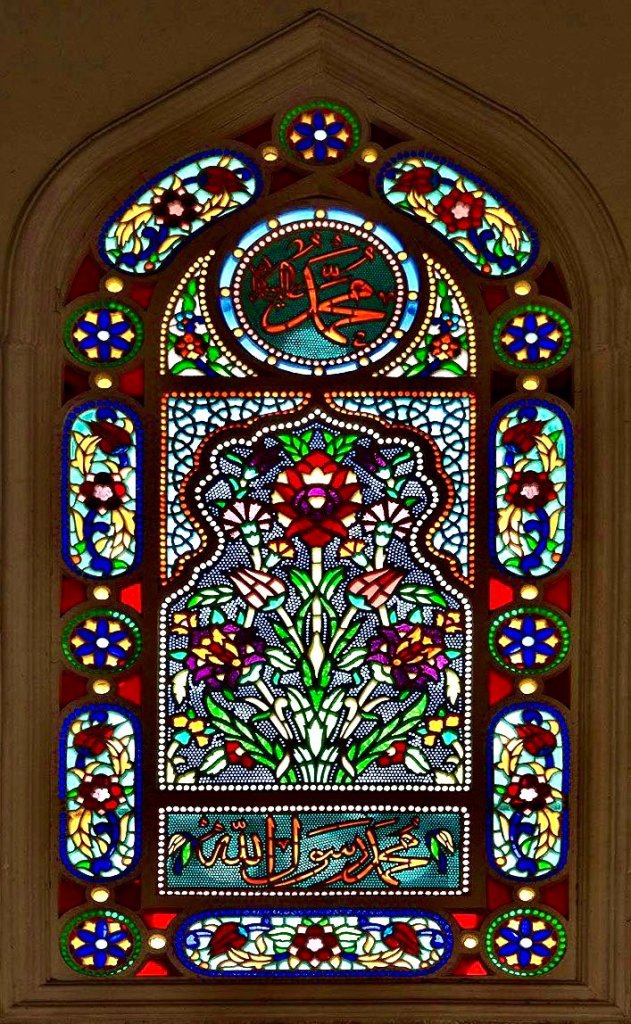
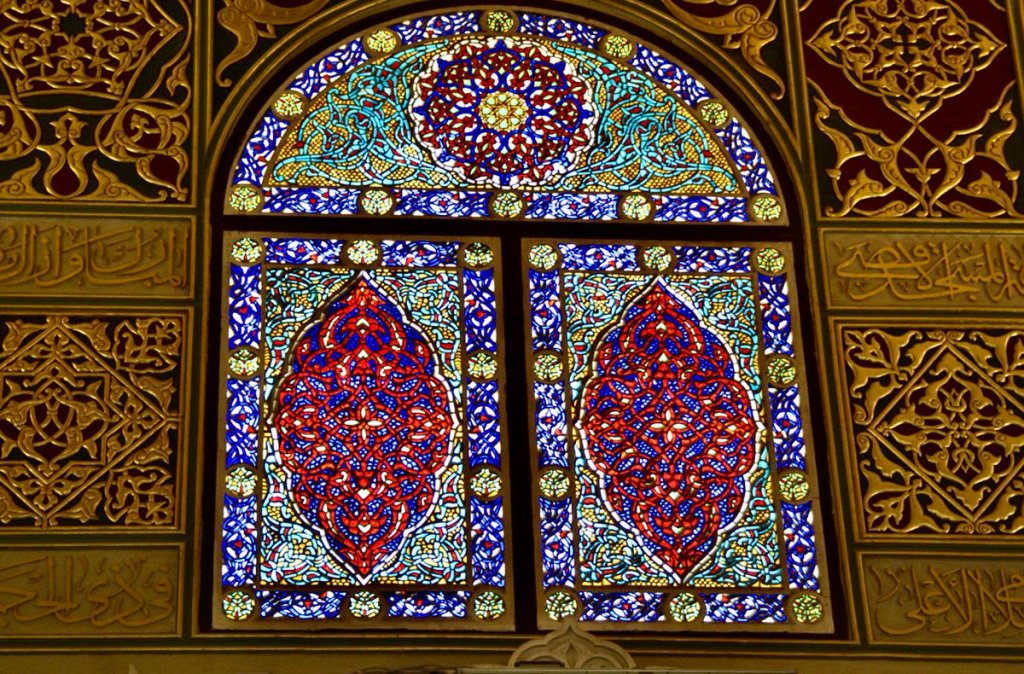
16/ Stained glass window at Darül Kurra, Turkey
Built in 1492 by Hodja Yakup. This “darulkurra”, a place where the Holy Qur’an was taught, is also known as “Hodja Yakup Darulkurra” or “Yer Kapı Muallimhanesi”.
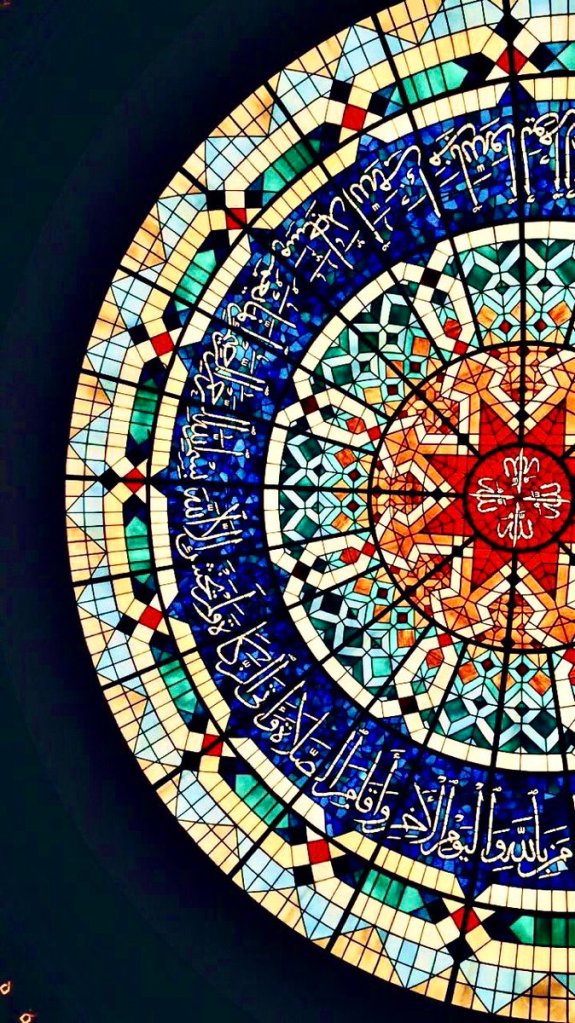
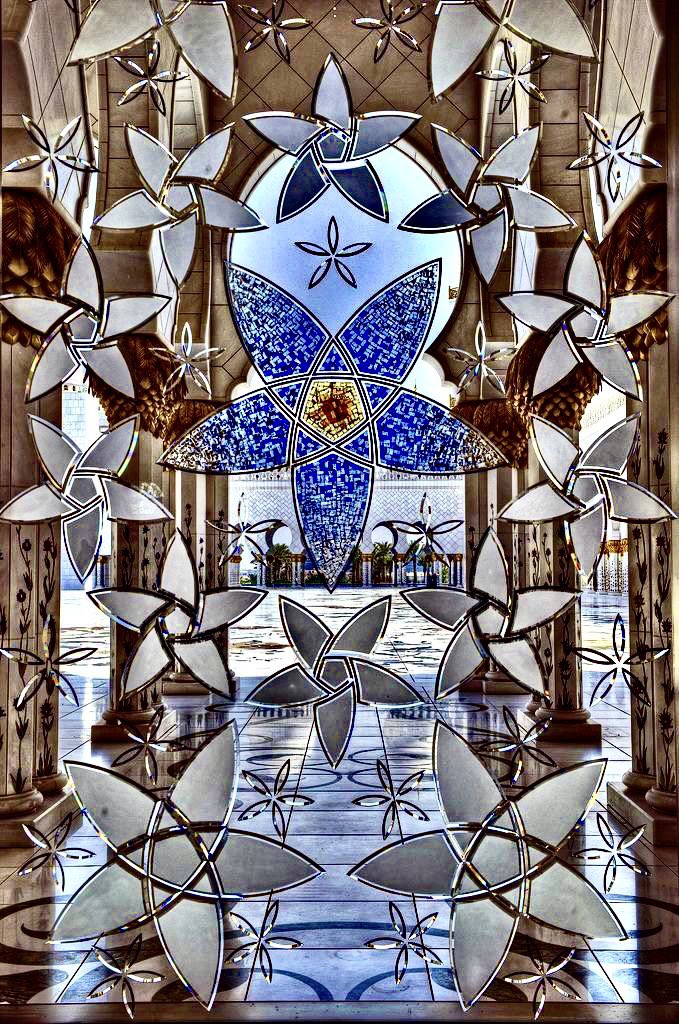
17/ Stained glass window at Sheikh Zayed Grand Mosque, Abu Dhabi, UAE
The largest mosque in the country, it is the key place of worship for daily prayers. Built between 1994 and 2007, the project was launched by the late president of the UAE Sheikh Zayed bin Sultan Al Nahyan.
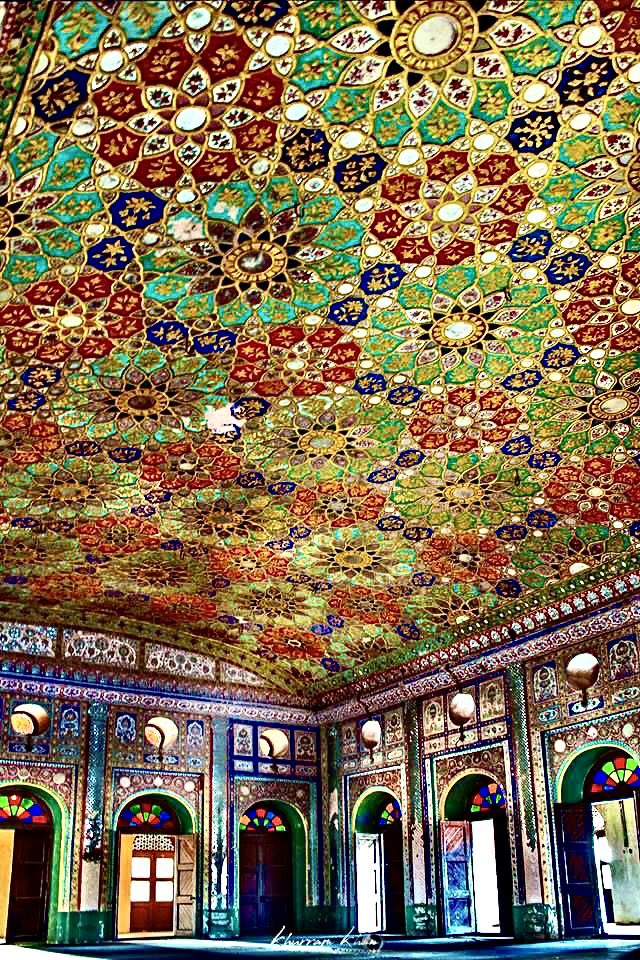
18/ Stained glass windows at Sheesh Mahal, Kot Diji, Sindh, Pakistan
Built by Mir Fateh Ali Khan, who established the Talpur dynasty. Talpur architecture features a combination of various elements that have roots derived from Islamic, Mughal, Rajasthani & British buildings.
19/ Stained glass window at Al-Aqsa Mosque, Jerusalem, Palestine
In the Old City of Jerusalem the 3rd holiest site in Islam. It was built on top of the Temple Mount, known as the Al Aqsa Compound or Haram esh-Sharif in Islam, several decades after Prophet Muhammad’s (PBUH) death
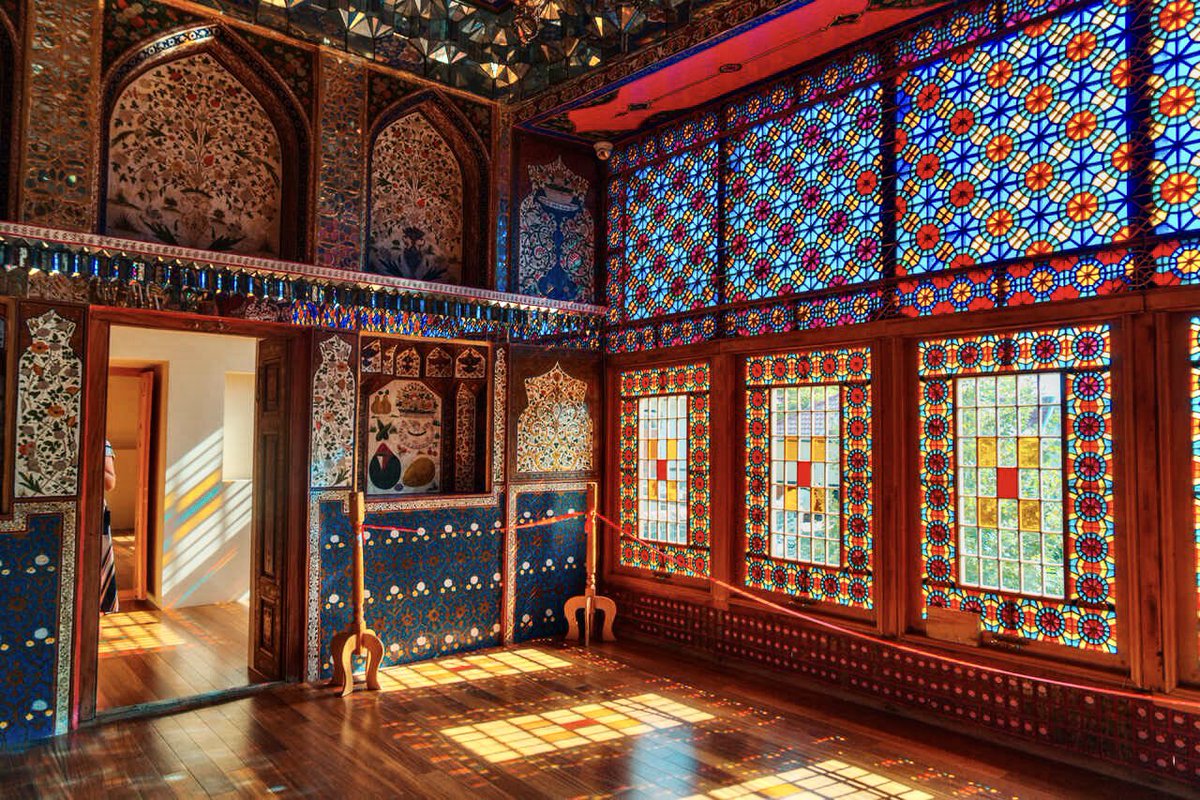
20/ Stained glass windows at the Khan’s Palace of Shaki, Azerbaijan
Built in 1797 by Muhammed Hasan Khan. It was intended to house the Khans who were in charge of Shaki, as viceroys of the ruling Zand & later Qajar Persian dynasties from 1750 – 1813 after the Russo-Persian War.
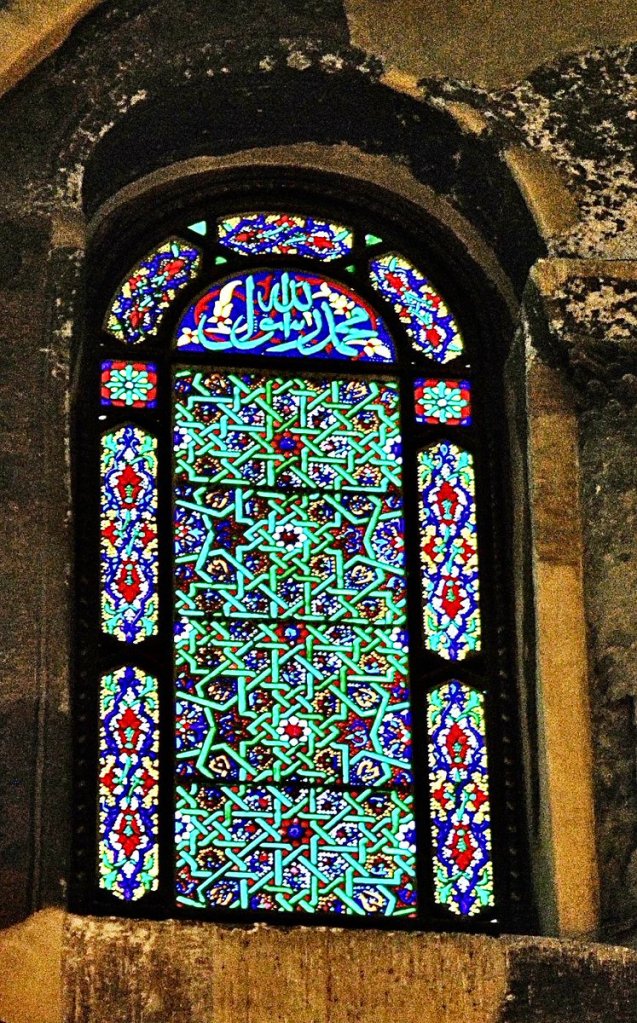
21/ Stained glass window at Hagia Sophia, Turkey
Hagia Sophia was built in 537, with minarets added in the 15th–16th centuries when it became a mosque. After the Fall of Constantinople to the Ottoman Empire in 1453, it was converted to a mosque by Mehmed the Conqueror
22/ Stained glass window at Mosque-Cathedral of Córdoba, Spain
The original structure was built by the Umayyad ruler ʿAbd ar-Raḥmān I in 784–786 with extensions in the 9th & 10th centuries that doubled its size, making it one of the largest sacred buildings in the Islamic world
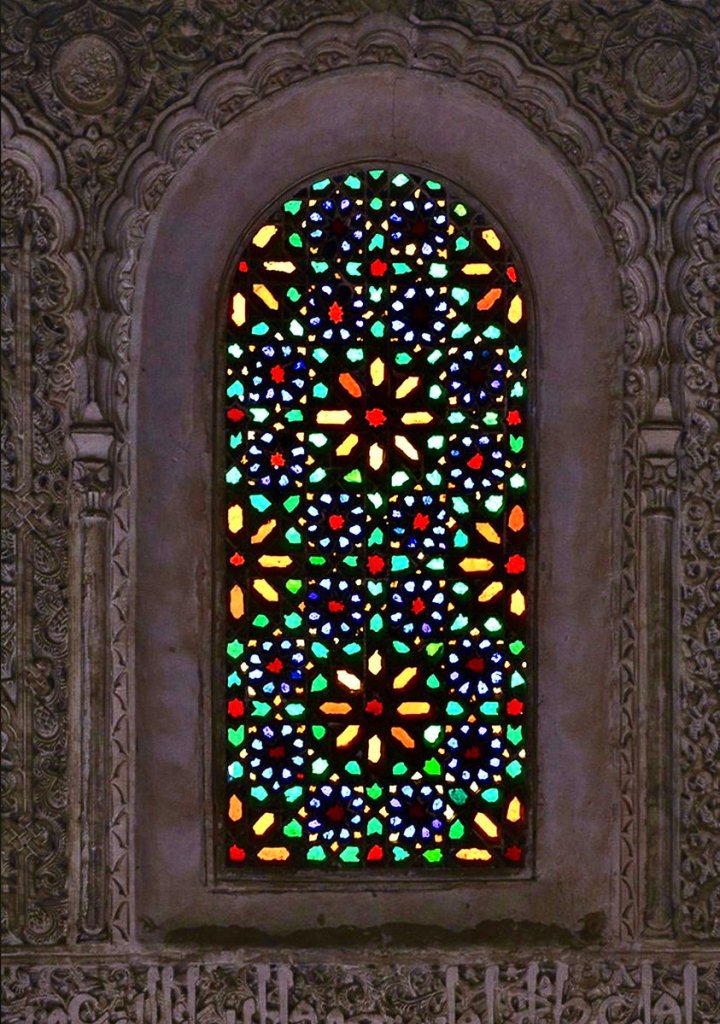
23/ Stained glass window at Fez Mosque, Morocco
The historic main Friday mosque of Fes el-Jdid, the royal city and Marinid-era citadel of Fes, Morocco. It was founded in 1276, around the same time that the city itself was founded, making it the oldest mosque in Fes el-Jdid.
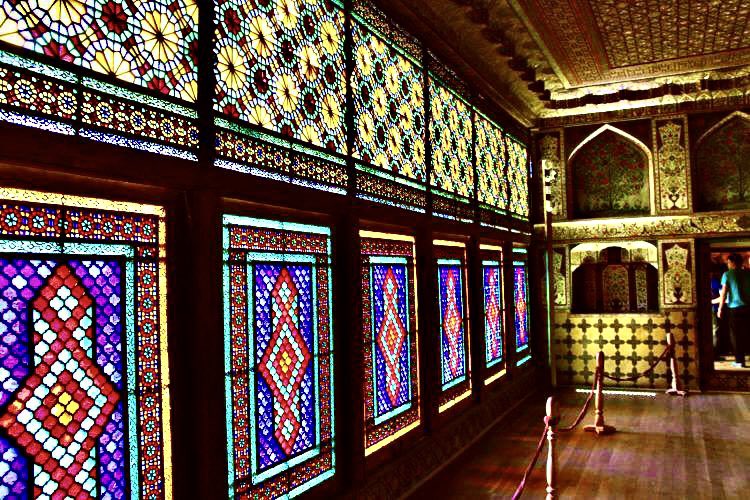
24/ Stained glass windows at Sheki Khan’s Winter Palace, Azerbaijan
Wander through the historic city of Sheki, a UNESCO World Heritage Site, to find the Sheki Khan’s Winter Palace. The 18th-century structure & its gorgeous stained glass are sure to leave you impressed.
Who amongst us has not heard it? the wolf of this beloved damaged earth beckoning us by name just outside of our safe living room. Demanding our own response?
We enter as pilgrims, as wayfarers knowing there is something we are seeking. Something nameless, beautiful, waiting and wanting. We enter knowing that the terrain is invisible, uneasy, the weather uncertain, our minds unprepared.
We enter knowing that we are not able to ‘save the earth’ that our work here will fall short, but even so there is no alternative but to act.
We enter entangled with every creature, tree, stone and human above and below the soil. It is important for us to reclaim wildness as a state of mind and a way of being.
~ Lyanda Lynn Haupt, Rooted: Life at the Crossroads of Science Nature and Spirit.
We enter entangled with every creature, tree, stone and human above and below the soil. We should reclaim wildness as a state of mind and a way of being. – Lyanda Lynn Haupt, #Bookquote #books #spirituality #kindness #nature #wild #pagan
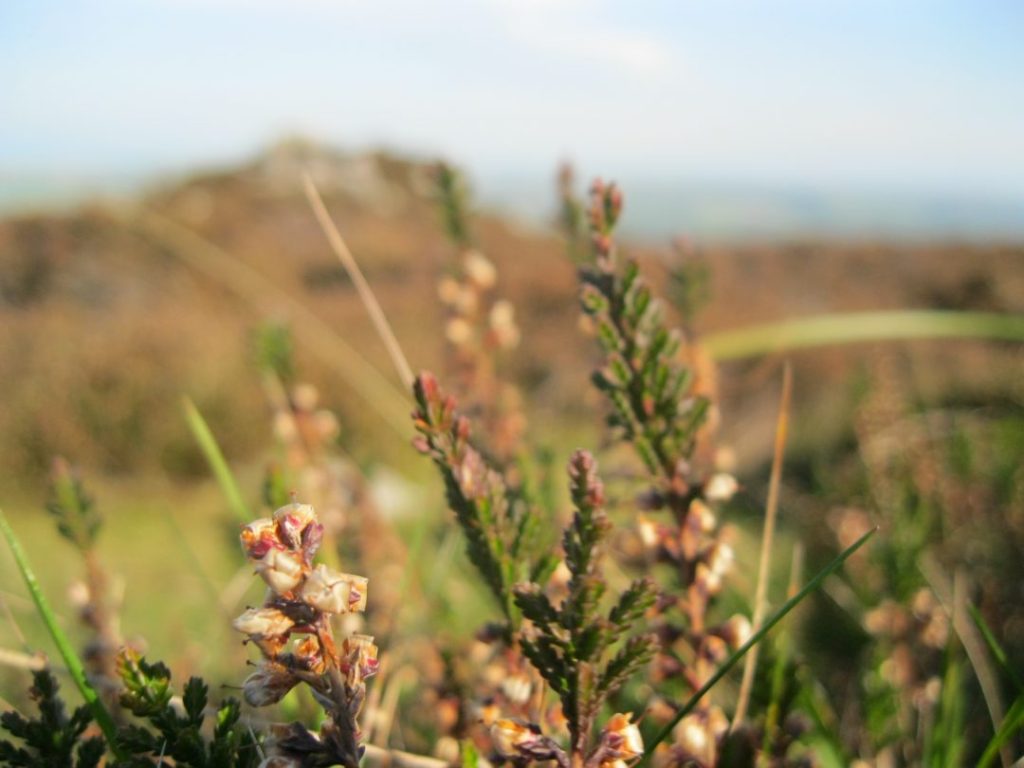
Comforting Thought: Wild Geese by Mary OliverComforting Thought: Wild Geese by Mary OliverComforting Thought: We pretend we aren’t vulnerable, but this is an illusionSome wildflowers on Carningli Copyright Content Catnip 2010
Quote from Rooted: Life at the Crossroads of Science Nature and Spirit by Lyanda Lynn Haupt
Book Review: Rooted: Life at the Crossroads of Science Nature and Spirit by Lyanda Lynn Haupt
The surreal tale of a 100 year old man named Allan Karlsson who on his 100th birthday abandons his drooling and dottery compadres in a retirement home and skips town for an intriguing and unexpected adventure.
Rating: 🌟🌟🌟🌟🌟
Genre: Fiction, Adventure, Black Comedy, Thriller, Action.
Publisher: Picador
Review in one word: Playful
The surreal and fun tale of a 100 year old man named Allan Karlsson who on his 100th birthday abandons his drooling and dottery compadres in a retirement home for an intriguing adventure #Bookreview #Books
Loads has been written about this book. Loads of gushing praise all over the place. It has been translated originally from Swedish into a ridiculous number of languages and was made into a film. I intentionally didn’t plan to read it because of its stupid title!
I found a copy of this book for free on public transport. Even then, something about the title just the title sort of made me sigh and then cringe internally. This book just sounded really LAME. Yawning and bored and with no battery on my phone I reluctantly started read.
I will eat my words over and over again because it’s unbelievably good.
Anyway enough of me, the novel is the surreal tale of a 100 year old man named Allan Karlsson who on his 100th birthday abandons his drooling and dottery compadres, jumps out of the window of his retirement home and skips town.
If I go into detail about what happens next – it will ruin the story. Suffice to say this is hilarious and unexpected adventure story with a menagerie of colourful human and non-human characters who jump off the page and the interwoven tales stretch around the world a few times over.
The main character of Allan is like the Indiana Jones, Karate Kid and MacGuyver of Centenarians and he seems to always have a funny, wacky and stupid way of resolving issues. This narrative could all be a saccharine sweet cliched nonsense, but it’s not…there’s something deeply quirky about this story and the unexpected characters will delight you.
The seamless positivity of this book is immensely satisfying and it will hit you right in the ‘feels’. If this description from me makes your toes curl with cringe…please just give it a go. If you hate it, then burn it or leave it on public transport for someone else to find!
In spite of myself and my preconceived notions of this book, perhaps my latent bias and ageism, I absolutely LOVED this book. It made me realise that even if I reach the ripe old age of 100 there still may be a lot of things for me to do and achieve in life and a lot of things still ahead of me to enjoy – not just drooling into my cornflakes as society would have you believe.
If you have read this, please let me know what you thought! I would love to know.


















 Content Catnip
You must be logged in to post a comment.