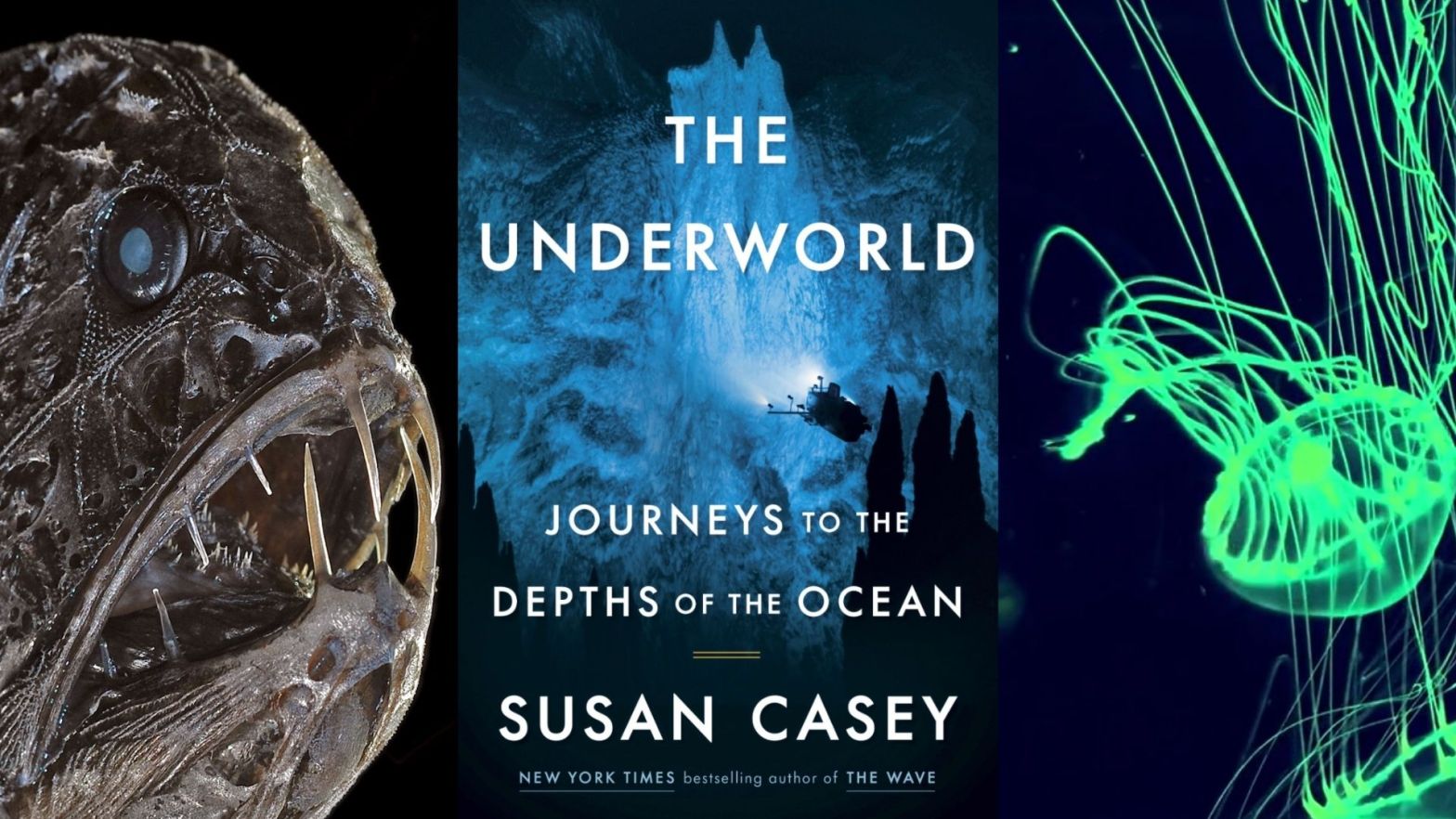
Book Review The Underworld: Journeys to the Depths of the Ocean by Susan Casey

Step into the otherworldly realm of the deepest parts of the ocean. Susan Casey promises and delivers on a journey so alien and immersive that you will emerge drenched in oceanic wonder.

Rating: 🌟🌟🌟🌟🌟

Genre: Non-Fiction, Science, History, Animals, Travel, Adventure.

Publisher: Doubleday

Review in one word: Luminous

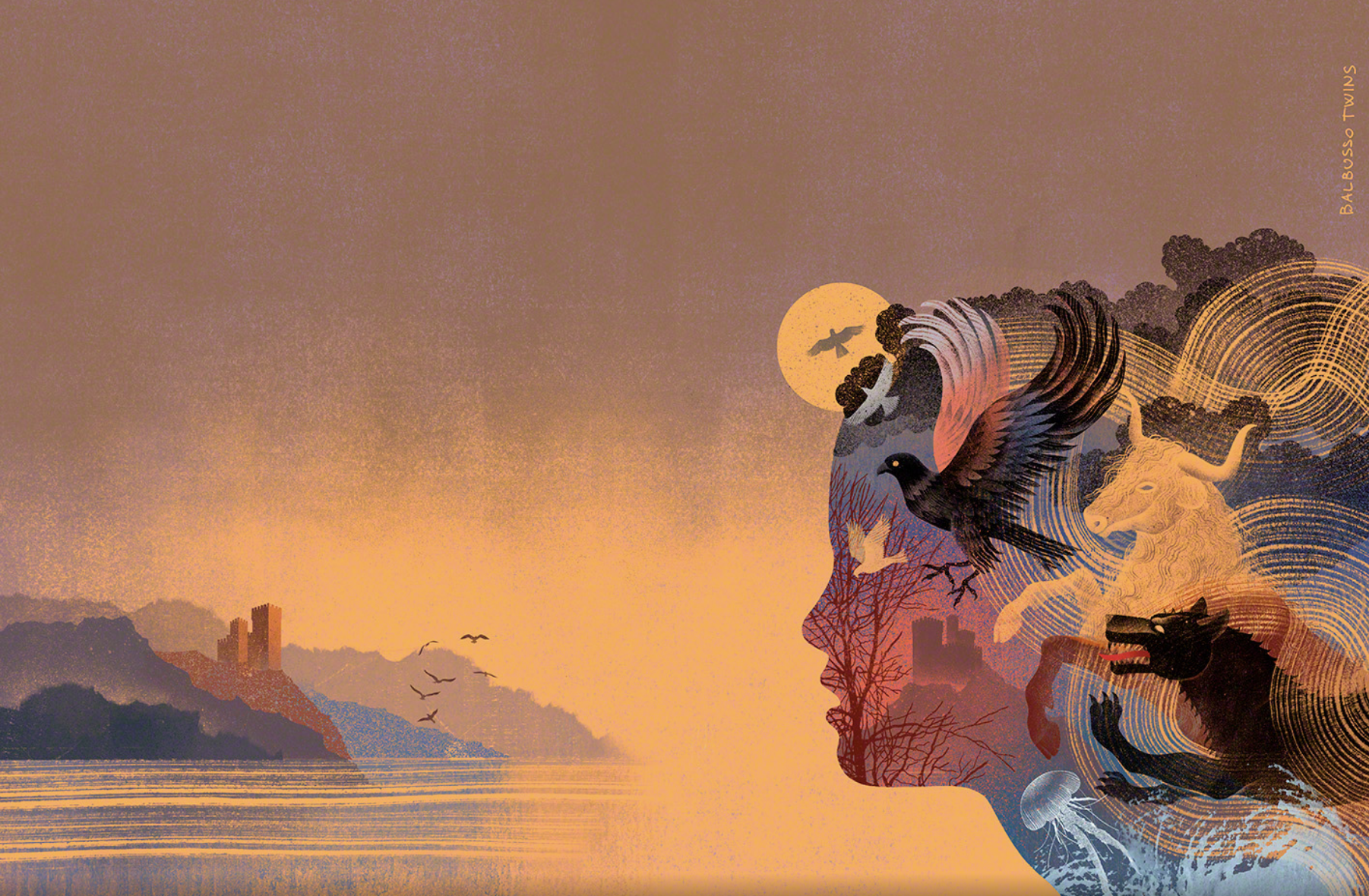
There is something deeply unnerving about descending into the deep of the ocean. Susan Casey has written a superb book about the liminal deep underworld of the ocean. She explores the collective human consciousness of watery realms from ancient maps and monsters to modern deep sea manned vehicles, seafaring adventures and much more.

People are fascinated by the ocean’s depths because it mirrors Katabasis or Nekyia: descending into the dark and unexplored parts of the self.

“The idea of a descent into anything unnerves us. We descend into madness, into grief, into chaos. We fall into disrepute, fall from grace, and even worse, fall into oblivion. We’re hardwired to look upward, to head toward the light. Heaven is up there, in our opinion. But what if we have it upside down? What if the deeper you go, the more astonishing everything becomes? To me that seemed like a compelling possibility, but there was only one way to know”

The Underworld: Journeys to the Depths of the Ocean by Susan Casey
Ancient word of the day: Nekyia

There’s much to enjoy and savour in this wondrous love letter to the deep ocean. I loved The Underworld so much and have now become a dedicated fan of Susan Casey.

The first chapter and arguably the best one is about Swedish seafaring storyteller Olaus Magnus born in 1490.

“Indeed, I should also add that monsters, some long-familiar, some unprecedented, are sighted off Norway, and this is due particularly to the unfathomable depth of the waters”

—Olaus Magnus


As a cleric and a scholar, Magnus took everything he learned and heard through gossip and folklore about a lion with a man’s face in India and werewolves and filtered it through the Bible, Aristotle, Pliny, and Ptolemy’s Geographia and through this he created the epic Carta Marina.

This became an iconic map that outlived him and became the gold standard for sea monsters.
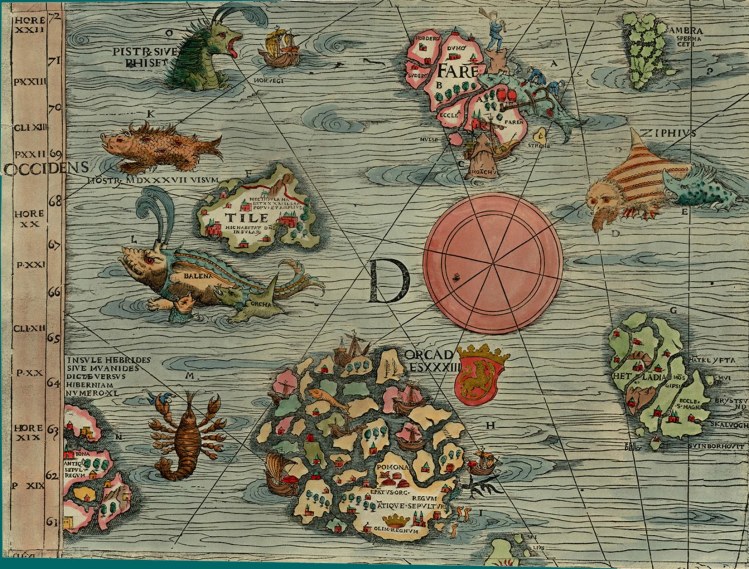
Thule as Tile on the Carta Marina of 1539 by Olaus Magnus, where it is shown located to the northwest of the Orkney islands, with a "monster, seen in 1537", a whale ("balena"), and an orca nearby.
Thule as Tile on the Carta Marina of 1539 by Olaus Magnus, where it is shown located to the northwest of the Orkney islands, with a “monster, seen in 1537”, a whale (“balena”), and an orca nearby.

“Fear can take strange forms, so it’s not surprising that our fear of the ocean abyss—a realm that Carl Jung compared to the madhouse of the subconscious mind—has produced some of the strangest forms of all. From the start, we’ve imagined the worst. In the absence of any personal experience with the deep, we’ve stocked it with apparitions from our minds’ darkest corners. It’s the oldest archetype in the human storybook: the monsters, the freaks, the others—the beings we don’t recognize, so we react to them by recoiling. Aristotle set out to demystify them; Pliny was determined to amplify them. Magnus’s genius was to get them all down on paper.”

The Underworld: Journeys to the Depths of the Ocean by Susan Casey

For me this was incredibly exciting to see one of my favourite all-time maps dissected in such a gorgeous and evocative manner by Casey. You can read more about it on this blog here.

Ditto in Chapter 2. The way that Casey describes the deep is really the most poetic and vivid that I’ve ever read:

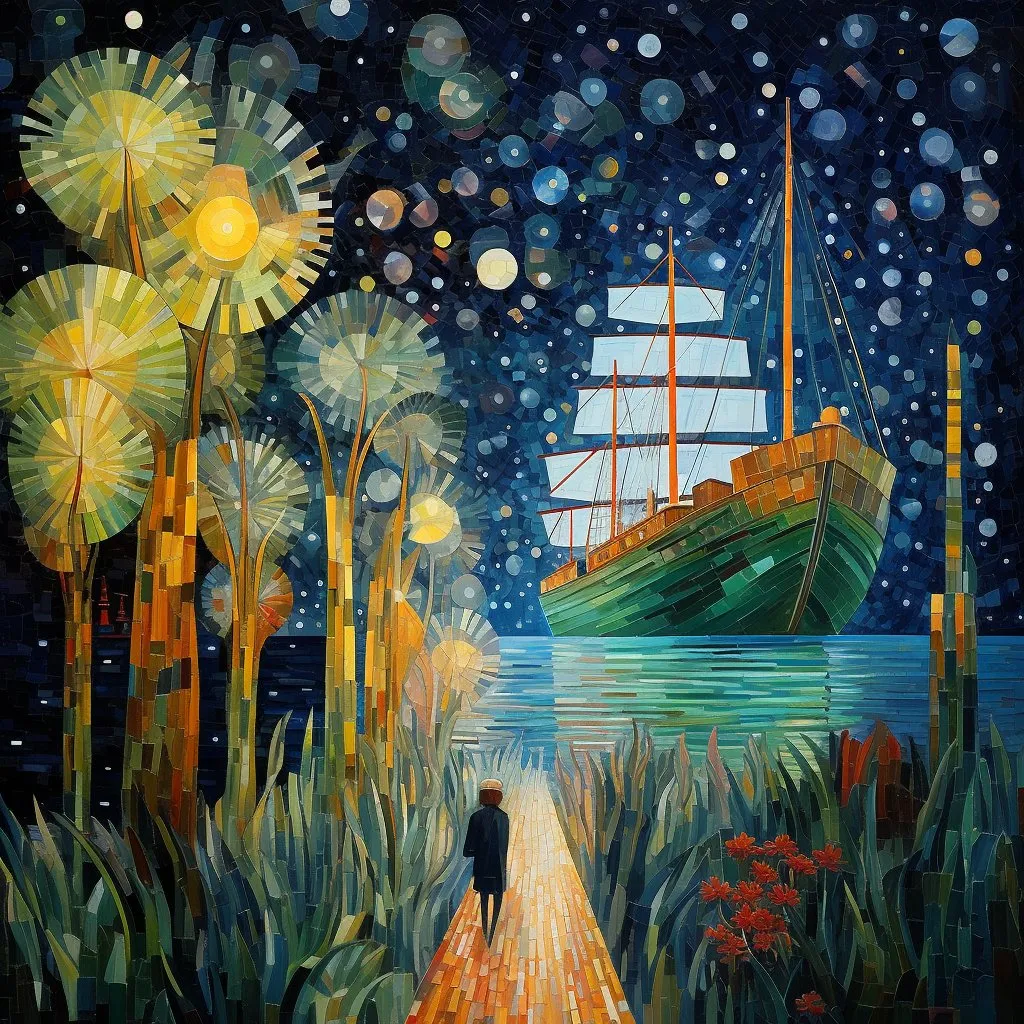
“Worms glittered like gems. Gorgonian corals radiated a soft white glow. Plumy sea pens flickered like lilac flames. Brittle stars were lit with neon green. Far from being a black hole, the depths were ablaze with fireworks.”

The Underworld: Journeys to the Depths of the Ocean by Susan Casey
Every picture tells a story: Into the unknowable

Here Casey paraphrases one of the earliest deep sea divers who witnessed the kind of otherworldly blue present where normal light no longer reaches, absolutely fascinating and transportive…

“What really struck him was the uncanny quality of the light. Only the last pinch of the visible spectrum remained, its indigo embers brilliant in their purity. On the brink of utter darkness, the final traces of light appeared eerily radiant. “We were the first living men to look out at the strange illumination: And it was stranger than any imagination could have conceived,” Beebe would later write. “It was of an indefinable translucent blue quite unlike anything I have ever seen in the upper world, and it excited our optic nerves in a most confusing manner.” The blue was so piercingly vivid, he felt, that language couldn’t describe it. It was more like an emotion than a color, one that “seemed to pass materially through the eye and into our very beings.

This is a true treasure of a book and takes you to the depths of the Benthic zone to explore the most peculiar otherworldly creatures and other ways of seeing the world that you never imagined existed. I highly recommend this book and give it five stars.

Yiming Chen for Getty Images

To aid your aural transition to the deep, here is a cut from the superb album ‘Deep Sea Exploration’ by Dub Techno artist Dublicator. This seems to be the perfect song for subject matter – Bioluminescence. The entire album is incredible though too. Happy reading and happy listening!
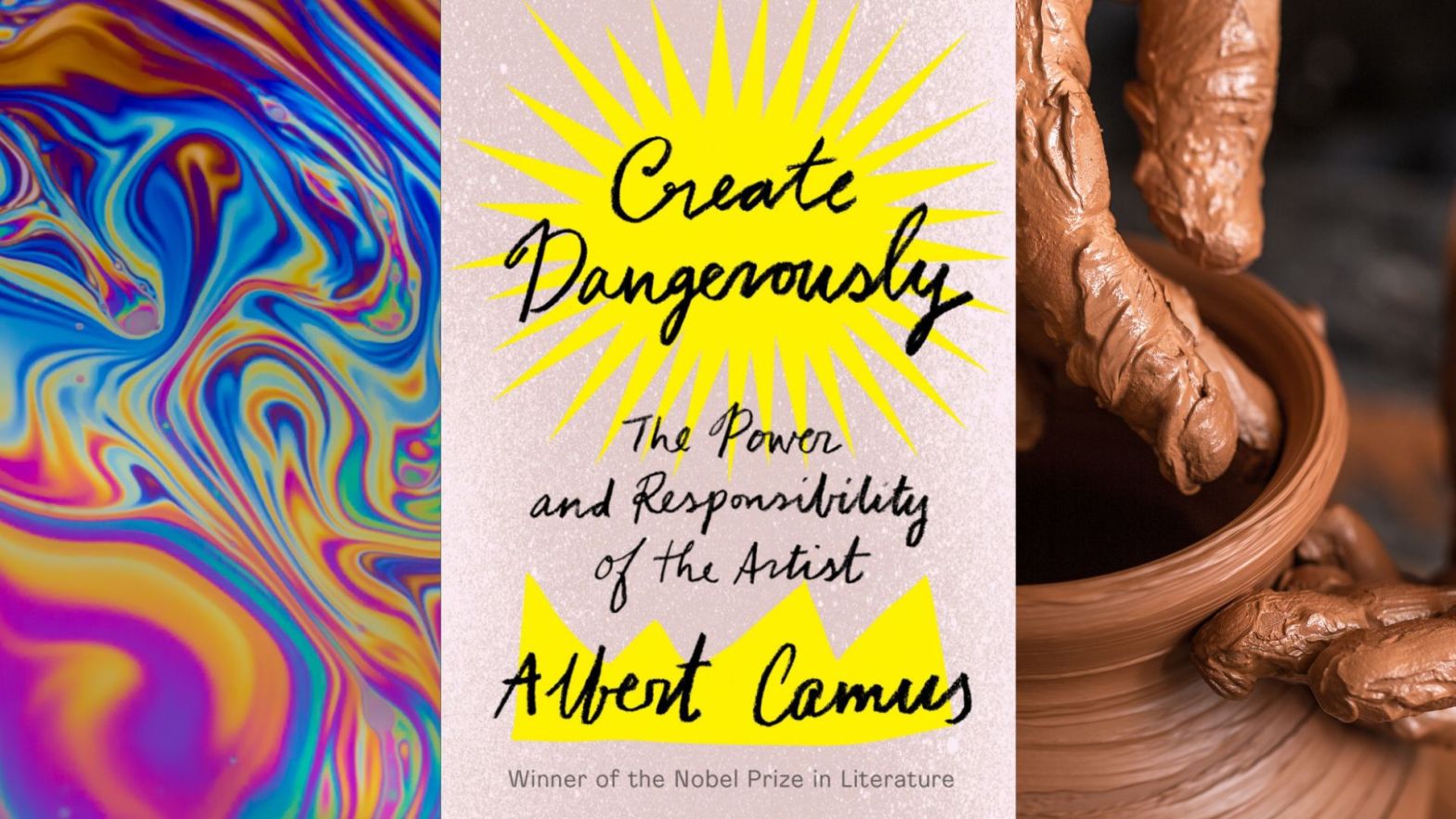
Book Review: Create Dangerously: The Power and Responsibility of the Artist by Albert Camus

An electrifying and timeless book of ideas about how artists can resist and overcome the forces of fascism written by one of the greats of the 20th Century who created a massive body of work and actively resisted Nazism.

Rating: 🌟🌟🌟🌟🌟

Genre: Essays, Non-Fiction, Politics, Art

Publisher: Vintage

Review in one word: Electrifying

I read L’Etranger by Camus when I was at Uni and remember enjoying it but finding it deeply bleak and sad. Up until now, that’s all I knew about Camus. So this deep-dive into his philosophical heart and soul was a complete revelation.

“Create Dangerously” is a short book of essays written in the 1950s. Yet its snappy insights feel immediately applicable to the current state of our world in 2025 and beyond. Camus touches on weighty topics like the role and responsibility of the artist, resisting fascism through artistic expression and rebellion, human freedom, love, beauty and despair.

Camus wrote “Create Dangerously” following WWII at a time when artists (and the whole world) was recovering from the worst of fascist extremism and death. In our time of ever-greater constrictions on women’s rights, gay rights and the creation of an ‘alternative truth’, pervasive online misinformation and ridiculous conspiracy theories, this book is just as relevant now as it was back then.

Albert Camus (1913–1960) was a French-Algerian philosopher, author, and journalist and his insightful works of fiction and non-fiction are widely regarded as one of the most influential of the 20th century. His ideas were often affiliated or connected to the ideas of Sartre and the Existentialist movement.

Overarching theme of this book (from what I can gather) is that the responsibility of all artists is to rebel and resist against fascism. That all great works of art and beauty cannot be corrupted by hatred and fascism. It is notable that during WWII Camus founded and worked for an underground newspaper called Combat which documented the resistance movement in France.

He explicitly rejects nihilism and instead calls for active participation from artists and creatives of all kinds towards the pursuit of justice and solidarity. He does not advocate for a withdrawal from the world and living some hermetic ascetic existence in order to make art. Instead he says people should revel and enjoy the material existence of the world and its earthly pleasures. Also that we are obligated to actively participate and engage with the world, in order to create beauty and art to counterbalance the forces of evil and fascism in the world.

I loved this short book of essays so much and I’ve excerpted several key ideas and quotes from “Create Dangerously” for you to enjoy in the coming months. I hope you will seek out this book and enjoy it. Buy it online

“Consumer society can be defined as a society in which objects disappear and are replaced by symbols. When the ruling class no longer measures its wealth in acres of land or gold bars, but rather by how many digits ideally correspond to a certain number of financial transactions, then that society immediately links itself to a certain kind of trickery at the very heart of its experience and its world. A society based on symbols is, in its essence, an artificial society in which the physical truth of humankind becomes a hoax.”

Create Dangerously: The Power and Responsibility of the Artist, Albert Camus
Book Review: The Joy of Missing Out by Svend Brinkmann

“Brutality is never temporary. It does not respect the boundaries set for it, and so it is natural that brutality will spread, first corrupting art, then life. Then, out of the misfortunes and bloodshed of humankind, we see born insignificant literature, frivolous newspapers, photographed portraits, and youth-club plays in which hatred replaces religion. Art then ends up in forced optimism, which is precisely the worst of indulgences, and the most pathetic of lies.”

Create Dangerously: The Power and Responsibility of the Artist, Albert Camus
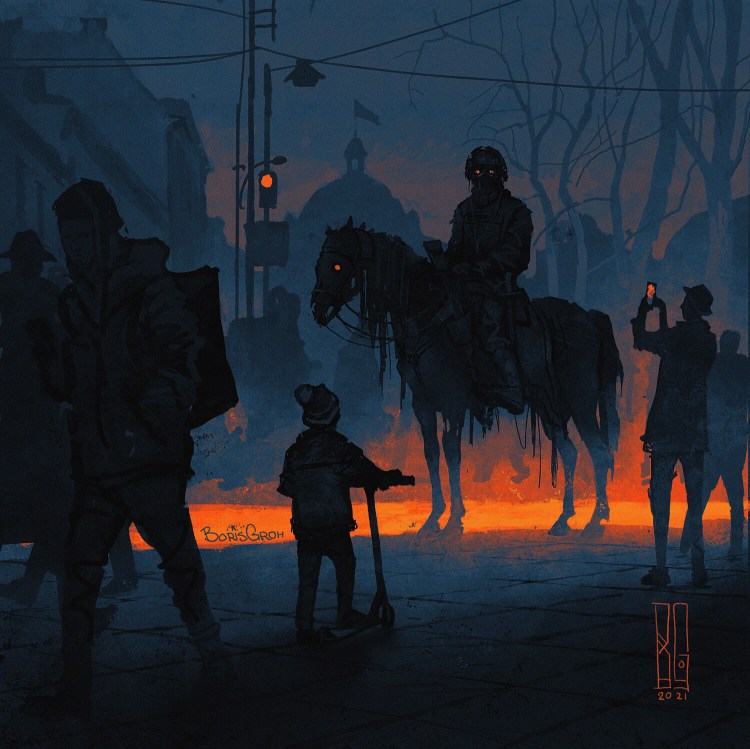
The ghosts of war by Boris Groh
The ghosts of war by Ukrainian artist Boris Groh

“Artists are the perpetual defenders of living creatures, precisely because those creatures are alive. They truly advocate to love whoever is close by right now, and not those far in the future, which is what debases contemporary humanism, turning it into a catechism of the courthouse. Quite the reverse: a great work of art ends up baffling all the judges. At the same time, through such great works, artists give homage to the finest example of humankind and bow down to the worst criminals. As Oscar Wilde wrote from prison: “There is not a single man among these unfortunate people locked up with me in this miserable place who does not have a symbolic relationship with the secret of life. Yes, and that secret of life coincides with the secret of art.”

‘Create Dangerously: The Power and Responsibility of the Artist’ by Albert Camus.
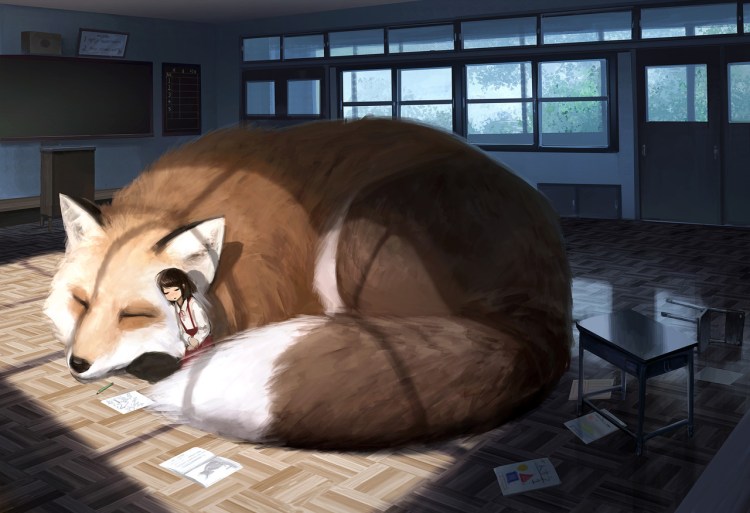
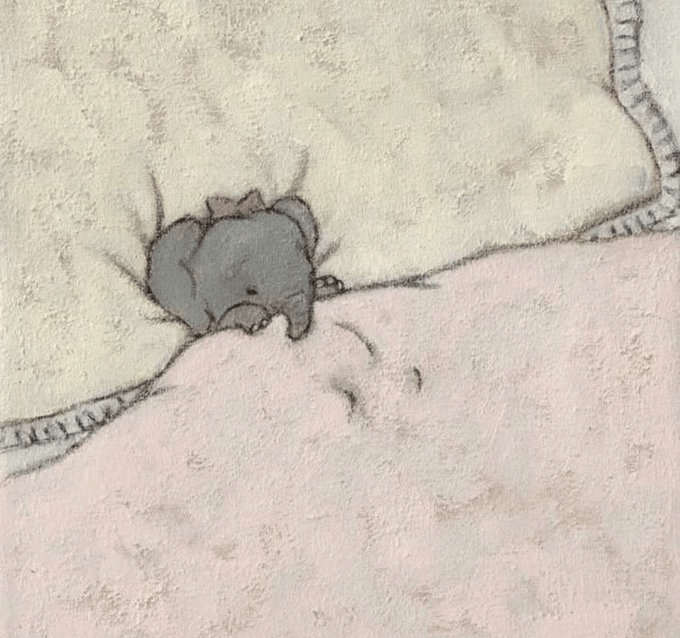
Jumbo sized animal familiars and their cuddle potential by MonoKubo

“If art does not control itself, it descends into madness and is enslaved by its own illusions. The most liberated form of art, and the most rebellious, will thus be the most enduring; it will glorify the greatest effort. If a society and its artists do not accept this long, liberating task, if they yield to the comforts of entertainment or conformity, to the diversions of art for art’s sake or the moralizing of realistic art, its artists will remain entrenched in nihilism and sterility. Saying this means that a rebirth in art today depends on our courage and our desire to see clearly.”

‘Create Dangerously: The Power and Responsibility of the Artist’ by Albert Camus.

10 Interesting Things I Found on the Internet #145

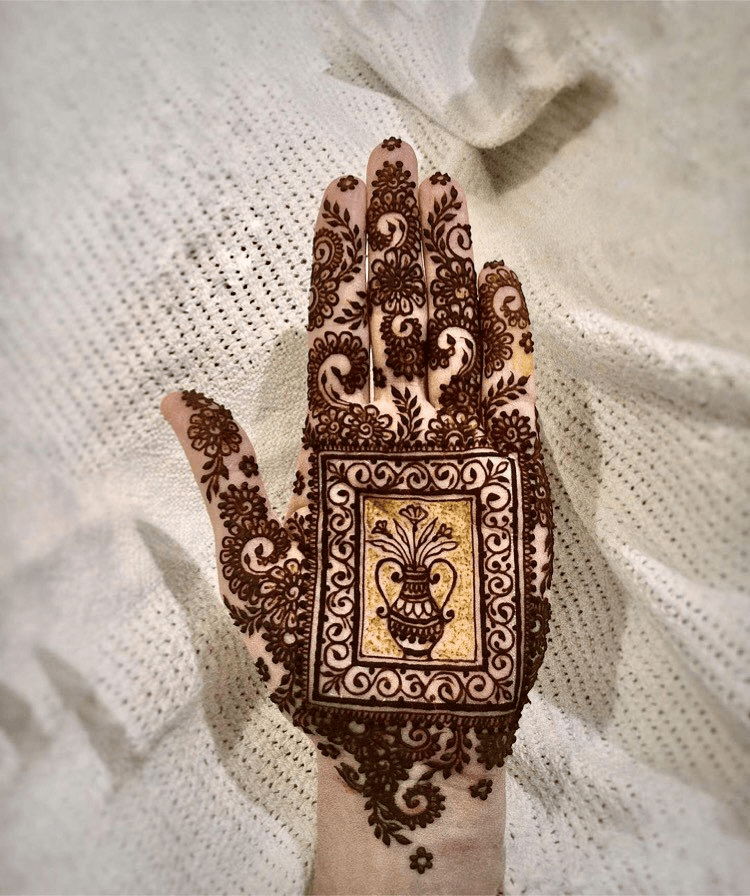
This week’s InterestingThings include Comfy #cats reclining on tiny sofas, a 1000 year old yummy #rice #recipe, an elegant #haiku, Artaois the #Celtic #bear, how to show up for people, henna hand art and much more


King Hannah – New York, Let’s Do Nothing

There’s something about this sound that reminds of L7 or Sonic Youth, there is a real 90’s vibe to this!


This spring in my hut, there is nothing, there is everything

“This spring in my hut

there is nothing

there is everything”

Sodo Yamaguchi. Artwork: Koukei Kojima

This spring in my hut, there is nothing, there is everything - Japanese haiku poetry
This spring in my hut, there is nothing, there is everything

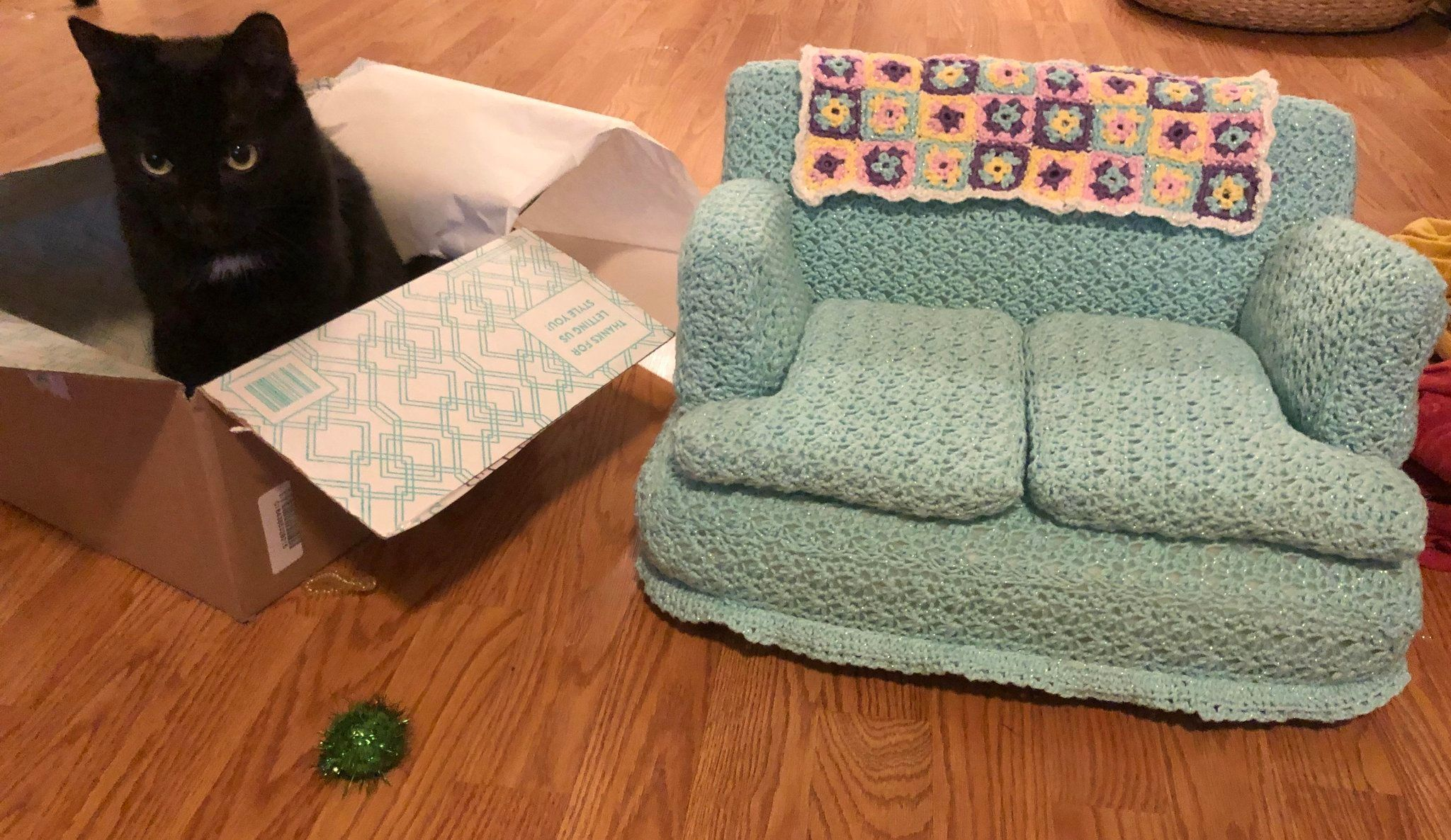
Cats relaxing on tiny crocheted couches

You’re welcome…


The positive effects of cold water and hot water showers

Not a fan of a cold shower unless it’s a really hot day but I do notice its invigorating effects, what about you? Via Cool Guides on Reddit


Connection to humanity quiz by Greater Good at UC Berkeley

These quizzes are really good quality and are about connection with others, empathy, emotional intelligence etc. Read more

Olivia Laing, The Lonely City: Adventures in the Art of Being Alone
Art by James Eades

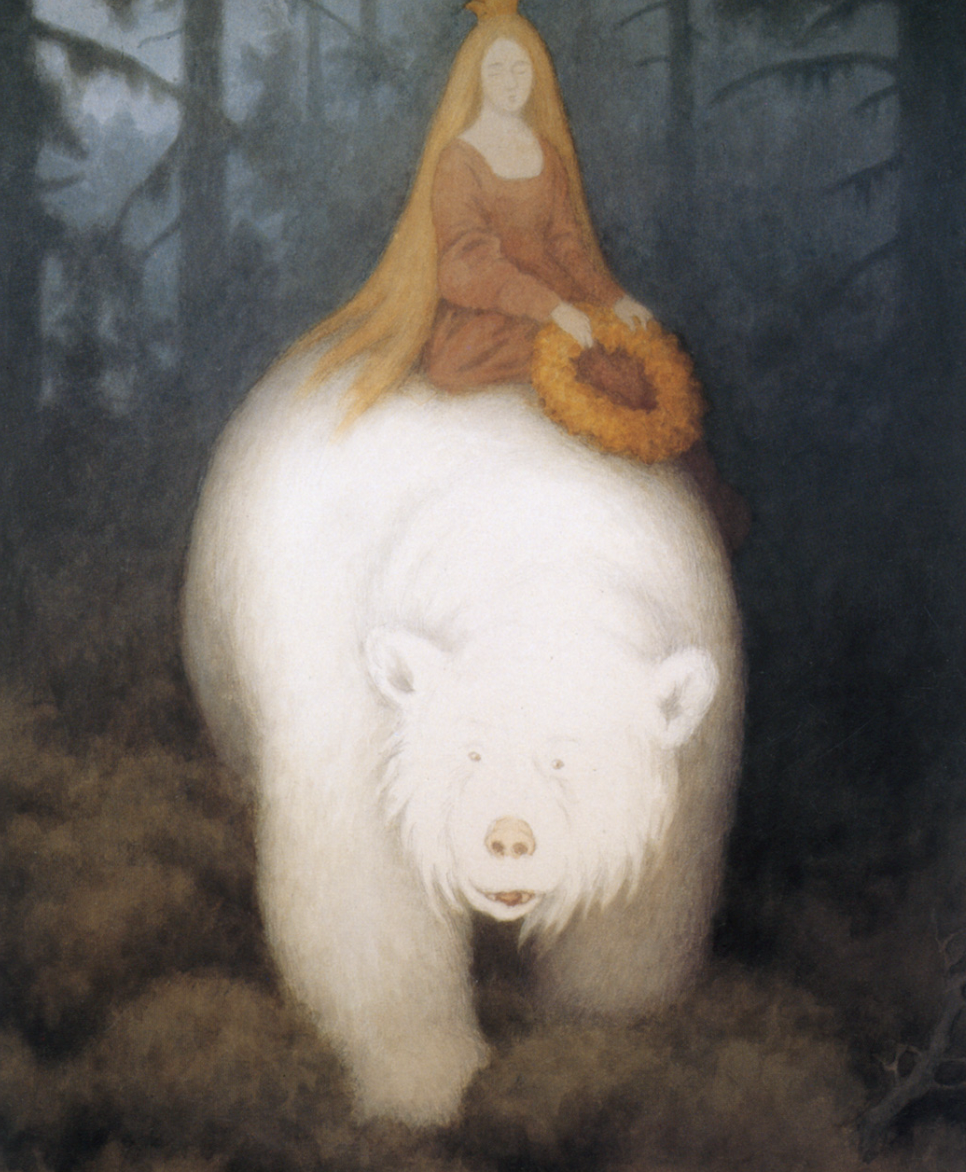
Artaois the Celtic Bear God

Artaois is a Celtic deity, and also a bear God. He symbolises financial success and is associated with Roman mythology. There are also parallels between Artaois and Arthurian legends.


20 Ways to Show Up for People

I love this advice on how to show you care for people. I am not a fan of the slang for people “peeps”, but aside from this…wonderful. Via Reddit Cool Guides


I wish you were dead by Lola Young

Something about this girl, her music and style is timeless, charismatic and deeply compelling. Her music could be from any time between the 60’s and now, it’s just got this weird timeless quality, at least in my humble opinion…let me know what you think…


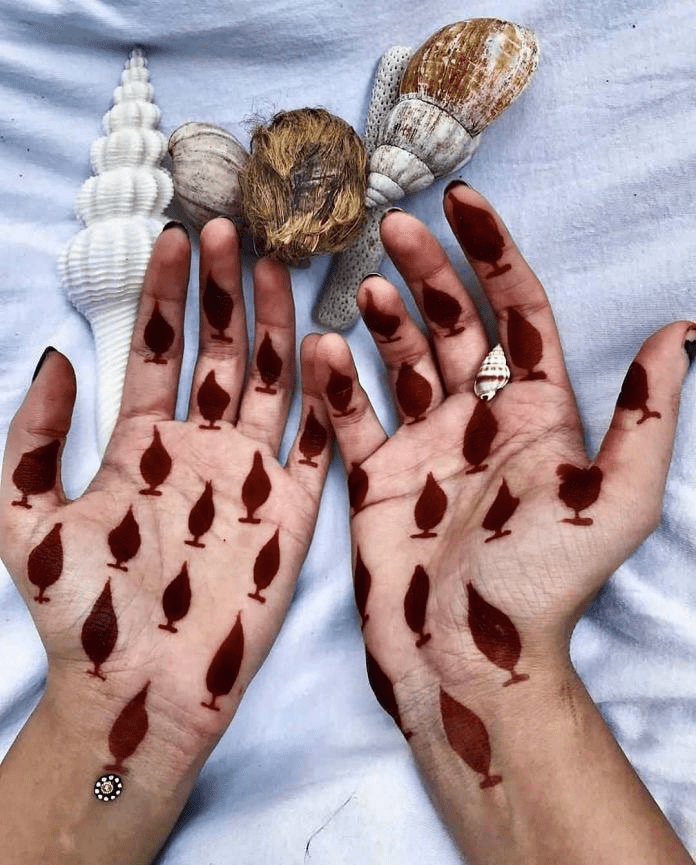
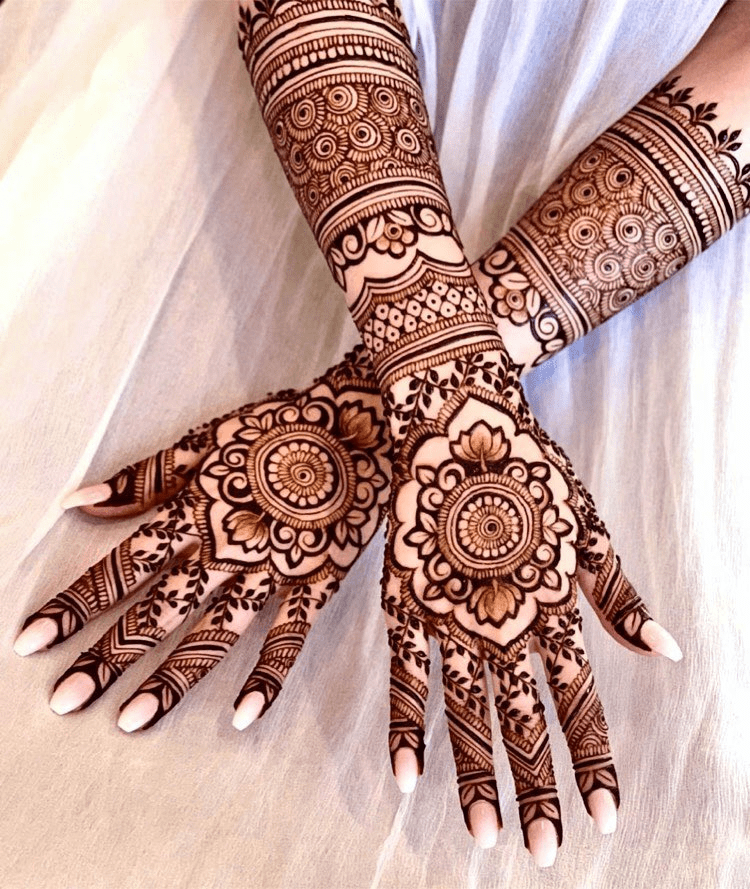
Henna hand art in Muslim cultures

Via Bayt Al Fann

The art of Henna has been practiced in South Asia, Africa & the Middle East for over 5000 years. The botanical name of the henna plant is Lawsonia inermis. A member of the Loosestrife family, henna originally comes from Egypt.

The English name henna comes from the Arabic term الحناء (al-ḥinnā). The name henna also refers to the dye prepared from the henna plant and the art of temporary tattooing from those dyes. Henna has been used for centuries to dye skin, hair & fingernails as well as fabrics.

Modern scientists discovered that henna is antibacterial, antifungal, & anti-hemorrhagic & it has historically been used for medicinal purposes. However, although the use of henna has branched out since its discovery in North Africa its most popular use is still beautification.

Today Henna is mainly used in celebration of special occasions such as weddings & Eid in the joyous gathering of people. The Henna paste symbolizes good health & prosperity in marriage, & in some cultures, the darker the henna stain, the deeper the love between two individuals.

Henna, or mehndi, as it is called in Hindi and Urdu is believed to bring good luck ahead of marriage nuptials and contain barakat, an unseen flow of positive energy that will bring blessings and protect against evil spirits.

In Afghanistan, henna is also known as “kheena”. Afghan tradition holds that henna brings good luck and happiness. It is used by both men and women on many occasions such as wedding nights, Eidul fitr, Eidul Adha and Shabe-e Barat

In Iran, the most common use of henna is among the long wedding rituals practiced. The henna ritual, which is called ḥanā-bandān, is held for both the bride and the bridegroom during the wedding week.


A recipe for Mujaddara: a 1000 year old vegan dish


Agneiska Pilat’s creepily obedient and yet unspeakably powerful robot dogs at the NGV Triennial in Melbourne

I saw these dogs happily drawing on the wall and felt…unnerved. Like they could turn their strong metal bodies towards me and pull out a machine gun and start shooting like out of a Sci-Fi nightmare but anyway….tra la la…apocalyptic is now arty.


Last Look by Kaoru Yamada

Tokyo based illustrator and copywriter Kaoru Yamada / 山田カオル was born in Kamakura, Japan.

Yamada finds beauty in nature, in people’s expressions and gestures, and in living things.

She believes that people find something beautiful when they are at peace and when they have the space to feel compassion.

– “As an illustrator, I enjoy drawing seasonal landscapes and illustrations of everyday life.https://www.tuttartpitturasculturapoesiamusica.com/2024/01/kaoru-yamada.html


“We all have our own life to pursue, Our own kind of dream to be weaving, And we all have the power To make wishes come true, As long as we keep believing.” ~ Louisa May Alcott

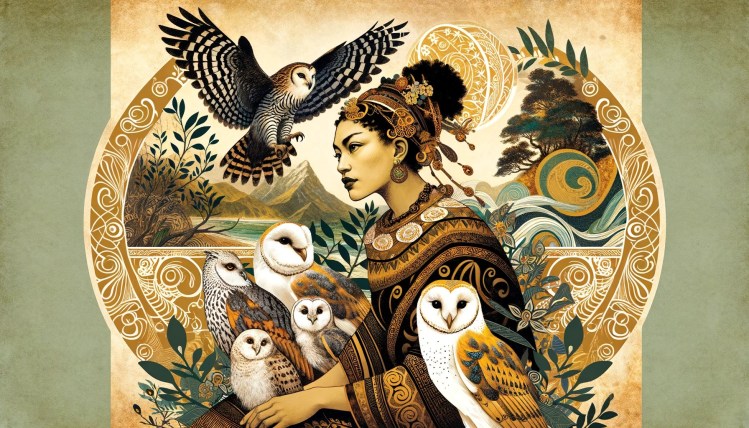
The goddess Athena and her owl

Did you enjoy this collection? let me know what you think of it below. Thank you for reading my dear friends!

Times when I have felt loved

Can you share a positive example of where you’ve felt loved?

This is an interesting prompt and one that gives the feel-good vibes deep inside so here goes.

I hope that you also have a person/pet who makes you feel loved. Here’s some of the things the PB does regularly to make me feel loved.

Daily walk with active listening and talking together about the issues of the day.

Physical affection.

Advice and hard truths to address concerns about my dysfunctional family.

Making my favourite foods for me because he makes certain things better than I can.

Being genuinely concerned if I injure myself, I have a tendency to get distracted or too focused on a task and whack into things.

Reminding me to get health check-ups because I am too slack about it.

Reminding me to get up and move if I sit in front of the computer too long.

Reminding me to take a break and relax if I work too long.

Going to the shops to get bad snacks for me and painkillers when it’s that time of the month.

Telling me I am beautiful even if I have birdsnest hair and I’m not wearing any makeup.

Swimming around me with a snorkel on to make sure I don’t step on sharp reef I can’t see.

Comforting Thought: Where identity meets safety

“i need you to meet me in the room
where identity meets safety
the room where we gather—
to learn what this feels like
so that we can replicate this same room
within ourselves”

good grief, brianna pastor
The Feast (1933)
Zygmunt Waliszewski (Polish, 1897-1936)
The Feast (1933) Zygmunt Waliszewski (Polish, 1897-1936)

Read the full review of this book, which I gave five stars. Buy on Amazon and in good book stores

A deeply moving book of prose and poetry that captures the bittersweet and dark nature of grief and letting go. This is a timeless companion for people of all ages, stages and phases of life. If you are going through something, letting go of something or someone then this book will see you and take the measure of your sadness, anger and fear – letting light into your life for clarity and connection with self and the world.

Rating: 🌟🌟🌟🌟🌟

Genre: Poetry, psychology, non-fiction, spirituality

Publisher: Self-published

Review in one word: Salutary

Book Review When Things Dont Go Your Way by Haemin Sunim

Are you going through a difficult period and looking for a caring, gentle and wise friend to give you advice? This book could well be the best friend you never knew that you needed!

Rating: 🌟🌟🌟🌟🌟

Genre: Non-Fiction, Spirituality, Buddhism, Self-Help, Psychology

Publisher: Penguin Random House

Review in one word: Comforting

Zen Buddhist monk Haemin Sunim offers immensely powerful insights and gentle advice, showing you how to feel less lonely, more in touch with your real self and more connected to others. A highlight for me was how to brush off and overcome failure and get back on track.

Haemin Sunim is a Zen Buddhist monk from South Korea who was educated at Berkeley, Harvard, and Princeton. He received formal monastic training from Haein monastery, in South Korea and lives in Seoul.

I highly recommend this book. The style is caring, familiar and like putting on an old jumper that you love but never wear. Something about his style is incredibly reassuring. If you are going through some heavy stuff and feel inconsolable, then I really hope this book reignites some hope for you and comforts you in your time of need. He mixes longer form reflections from his own personal life with prose and quotes from many different luminaries of psychology and philosophy.

I would say it’s not a book only suitable for people who feel that “things have not gone their way”, anyone could benefit from reading this. Please buy this book! it’s available from all great independent bookstores. Some incredible quotes from this book are below:

Every picture tells a story: Your inner sanctum

The present mind

“If the mind is in the present, thoughts cease
and the mind naturally becomes tranquil.
This tranquility is empty of forms and boundless,
and, therefore, its depth is without end.”

HAEMIN SUNIM
Home happy melancholy sad 70s retro

Tips for an easier life

Don’t ask what others have said about you.
Say up front what you like or don’t like.
Let go of things outside of your control.
Don’t go out of your way to find out
what others are saying about you.
It will only cause you annoyance and hurt.
Arguing with someone who has already decided to
dislike you will do more damage to you than to them.
Master the art of brushing it off and
keep focusing on the work that matters to you.”

Haemin Sunim
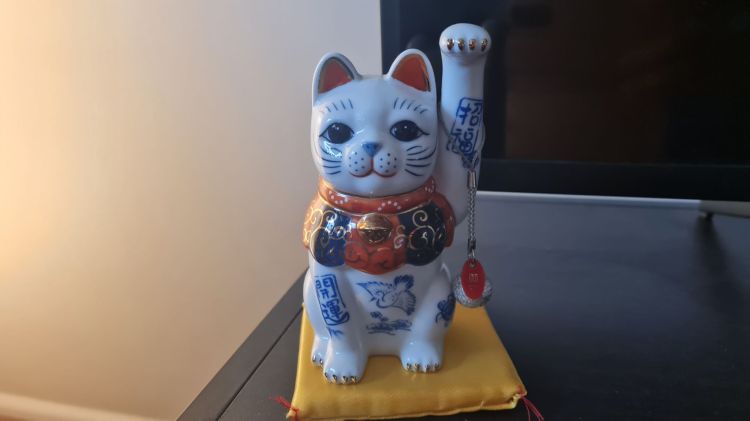
Good luck cat

Don’t wait passively

“If you really want to improve your life,
don’t wait passively for someone to come and change it.
Instead, actively look for people who can guide you.
When you make the first move, the universe will respond.
If you don’t knock on the door, it will stay closed.

We don’t get to know people when they come to us;
we must go to them to find out what they are like.
—Johann Wolfgang von Goethe”

HAEMIN SUNIM
Sadness inner child psychology

Don’t be discouraged by rejection

“Don’t be discouraged by rejection:
an even better path may lie ahead.
What may seem like a setback often
turns out to be a blessing in disguise.”

“If you could go back ten years and
offer one piece of advice to your younger self,
it would probably be something like:
“Don’t worry, it will all work out.”
Now listen to the same advice from your future self:
“Trust me, no need to worry. It did all work out.”

Haemin Sunim
Woman alone looking through window - loneliness sadness

The reason people are lonely

“The reason we are lonely is not that
there are no people around us,
but because our hearts are closed to them.
Have the courage to open up and speak to them first.
You will be surprised to discover
how many things you have in common.”

“Loneliness is the poverty of self;
Solitude is the richness of self.
—May Sarton”

HAEMIN SUNIM

Book Review: The Library Thief by Kuchenga Shenjé

A unconventional upstairs-downstairs whodunnit featuring complex characters, emotional depth, lush scene-setting, eye-opening plot twists and a satisfying conclusion.

Rating: 🌟🌟🌟🌟🌟

Genre: Historical Fiction, Literary Fiction.

Publisher: Hanover Square Press

Review in one word: Satisfying

A bittersweet coming-of-age novel and ultra-compelling whodunnit set in the Victorian era. The protagonist Florence Granger is a mixed race young woman who can pass as white in a world not evolved enough to accomodate ethnic difference. This debut novel by Kuchenga Shenjé is highly ambitious and many harsh reviewers on Good Reads lambast the novel for its ‘woke’ content. These scathing reviews had an ignorant and prejudiced edge and seemed to be a myopic and closed-minded take on this expansive novel.

For me, the Library Thief is a brave and transgressive look at the traditional Victorian novel that tackles themes of homosexuality, trans identity, mixed race identity and blackness, colonialism, slavery, class and friendship and puts a fresh and modern lens on these timeless and yet contemporary issues. Which – despite what some may say, were ever-present themes of everyday life, even during the Victorian era. Even if they were not depicted in the traditional Victorian novels of that time. People were gay and trans during this time, and people were black and mixed race at this time as well.

In terms of the storyline, I am reluctant to reveal too much. The novel’s heroine Florence Granger is an apprentice bookbinder helping her father in the family business Granger’s Bookbinders in Manchester. She’s caught in a compromising act with her lover and disowned by her father. She intercepts a request from a valued client in Lancashire and travels to the Rose Hall where she is tasked with restoring the rare and expensive books in Lord Francis Belfield’s personal library.

So unfolds a gothic mystery and upstairs/downstairs whodunnit with a cast of vibrant characters. I found the dialogue, characters and scene-setting lush, vibrant and believable. This is the kind of novel to sink into a completely lose yourself in. Shenjé masterfully and effortlessly weaves in themes of class, sexuality and race into the fabric of the every day. Here, the composition of a Sunday church sermon is described:

“In the first five pews sat the landed gentry with wives in black or navy satins and velvets, the most ostentatious in deep sapphires, emeralds and violets. All the husbands in the same uniform of morning suit with their hats laid next to them beside their well-trained children praying piously or with their eyes fixed ahead. I knew enough to avoid wearing anything made from loud rustling material, but I felt plain and shabby in my grey dress and threadbare shawl. We sat among the staff. Governesses, footmen, maids and gardeners; all clearly sat in order of importance within the small village, and then their own households.” 

There’s a lot of really amazing dialogue moments in this novel that flow well and yet unpick very large and deep themes like what it means to be white, and what it means to be non-white but be able to pass as white in a world not ready for difference. As someone who is non-white but who can sometimes pass for white, these were profound moments indeed. It’s a potent reminder why fiction should reflect not just the dominant white Anglo-Saxon narrative of the world, but a world where all kinds of people can see themselves and their cultural and ethnic ambiguity reflected back to them.

“Do you see me as white still?” I enquired.

“No. I never did really.”

“Why?”

“Well, I suppose the rebellious troublemaker in you made me think of you as apart from them. It’s just that because you look white to others, you feel you can fight from the inside. I’ll never be let inside like you. I just want to sail away. You want to be the one to light the match. I admire that about you.”

The Library Thief by Kuchenga Shenjé

How is this for an opening paragraph for a novel?! I have to say knowing nothing about this book and reading this I had to read on. It’s a booklover and a library-lover’s feast for the senses that is deeply rewarding.

“I fell in love with the feel of the cotton before I fell in love with the books. Leather felt too masculine and reptilian. Cloth was so much warmer and didn’t slip out of my hands as easily. As a child I played underneath the tables and made toy families from the scraps that fell at my father’s boots.

He would never talk to me about where the cloth we used came from, nor the contents of the books we worked on.”

The Library Thief by Kuchenga Shenjé

There’s some deep and intense themes in this book, but Shenjé‘s masterful treatment of many heavy topics spins these into a compelling storytelling gold. I heartily recommend this book for rewarding historical fiction with a modern lens.

Australia: Twenty Seven Summer Views

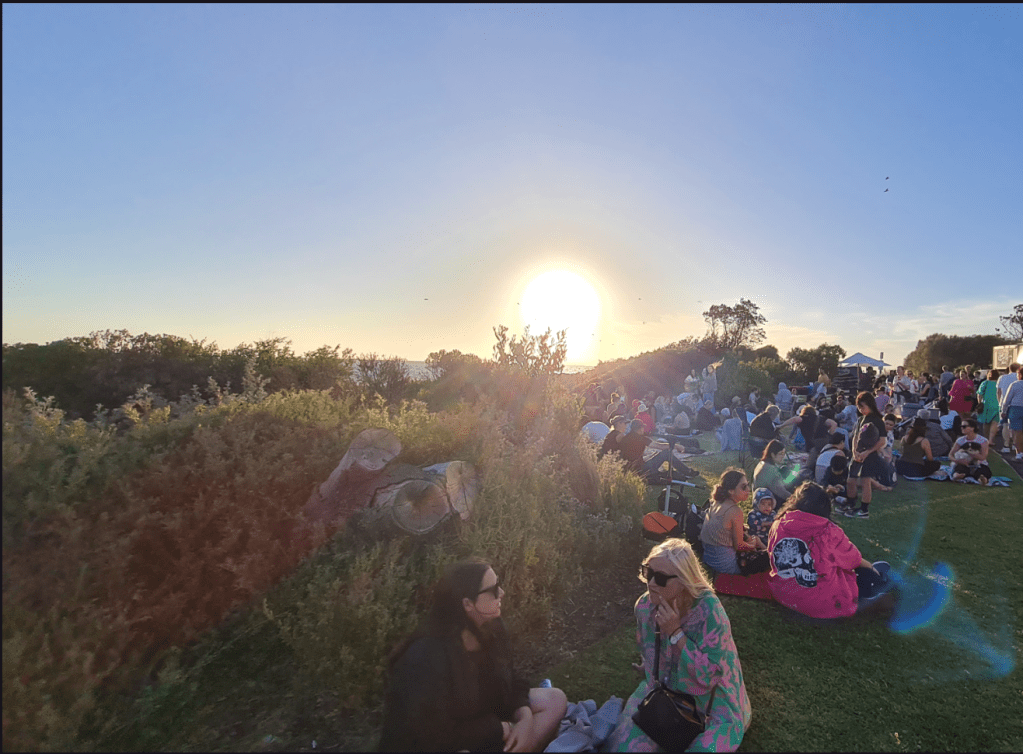
I enjoy taking photos, even though I mostly never have a good camera with me and so I need to capture moments on my Samsung. I enjoy capturing these moments forever in time. This reminds me of how I felt at the moment of taking the picture and the. So here are some photos I’ve captured over the past few months.

1. Man on the beach at dusk

2. Horseplay on the beach

Horses on the beach

3. Smart Magpies

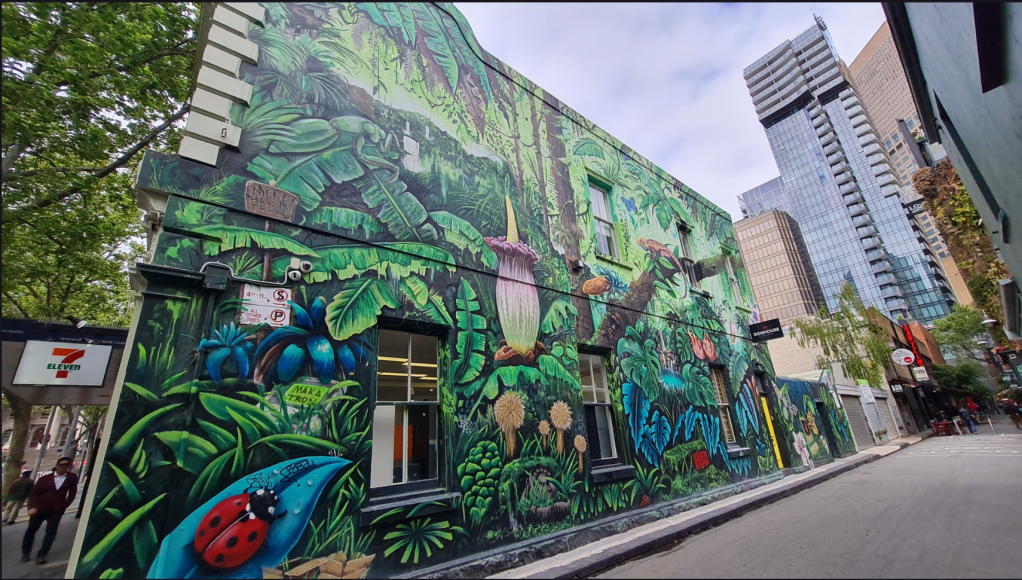
4. Jungle in the City

5. Sampling lush craft beer

Notorious F.I.G and Black Forest Gateau beer….it was excellent!

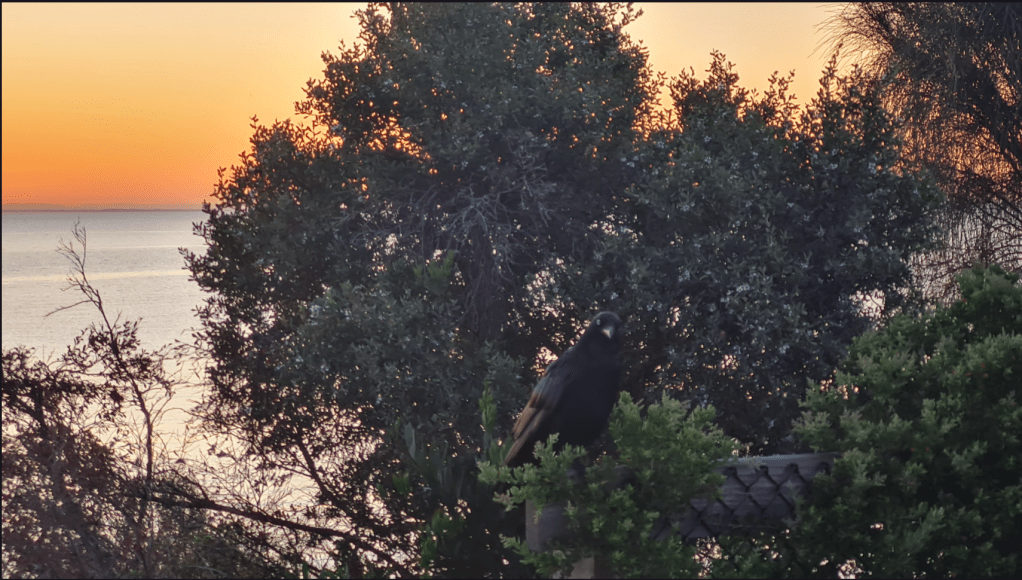
6. Crow on the beach

7. Coveting window displays

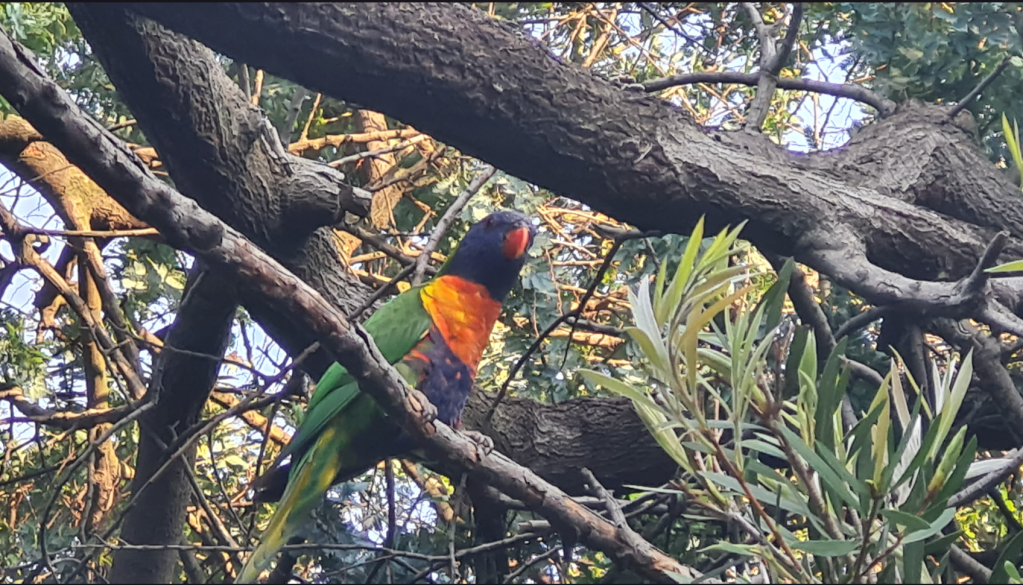
8. Rainbow feathered familiar

9. Dusk at home

10. Boardwalk to sunset

11. Harbour evening

12. Green shrine

13. Conservatory of joy

14. Running amok

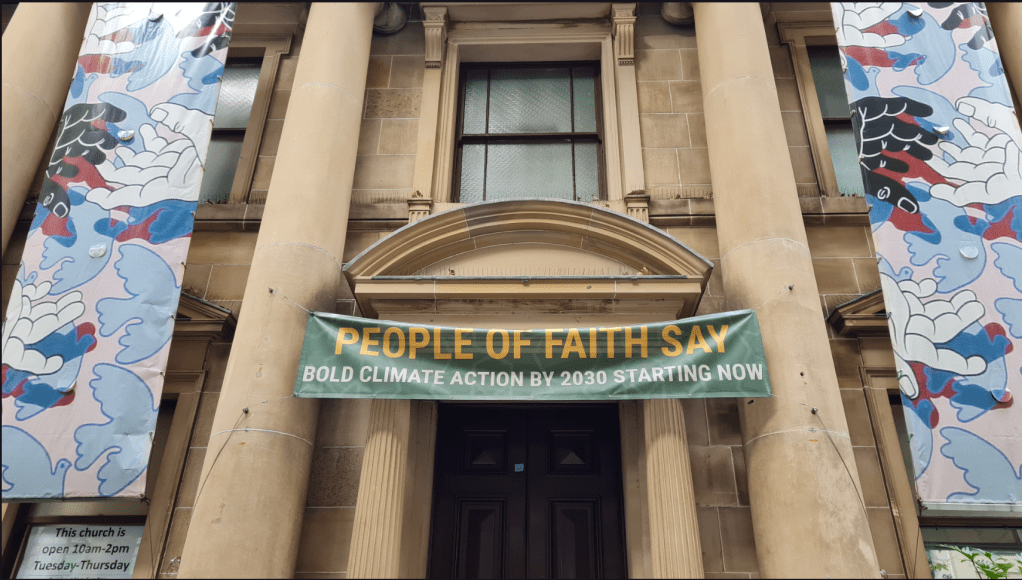
15. People of Faith Want Climate Action

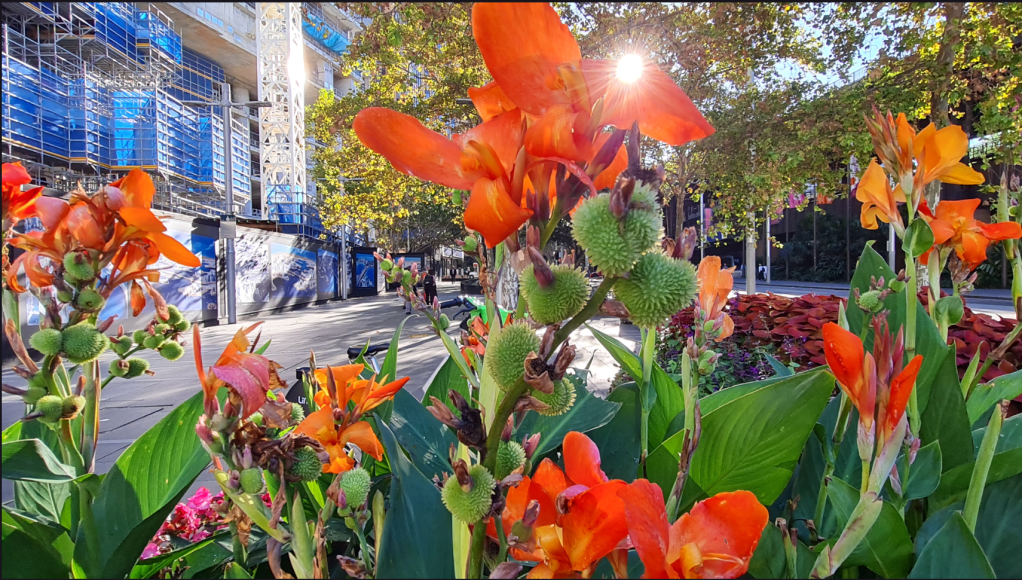
16. Exotic flowers

17. Moody harbour in morning view

18. Fed up with late-stage capitalism

19. Red Light Reflection

20. Lone fisherman

21. Felafel feast

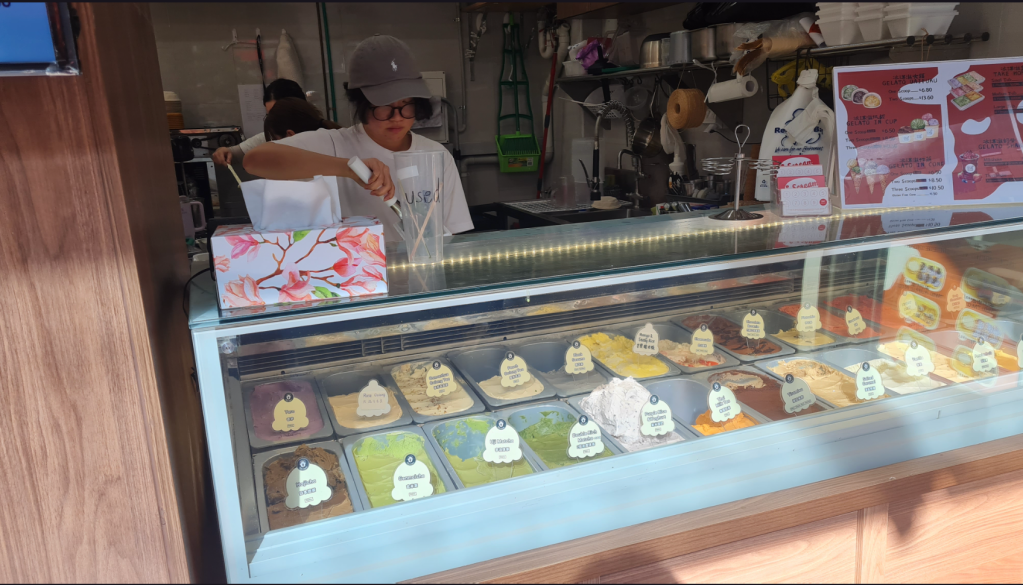
22. Asian gelato

23. Full moon rise over eucalypts

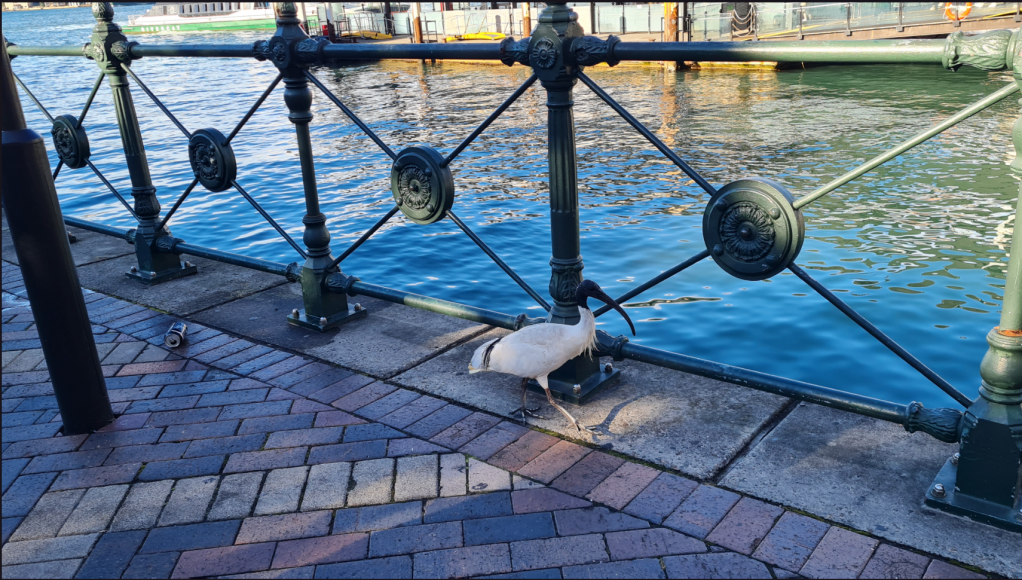
24. Urban waterbird on the waterfront

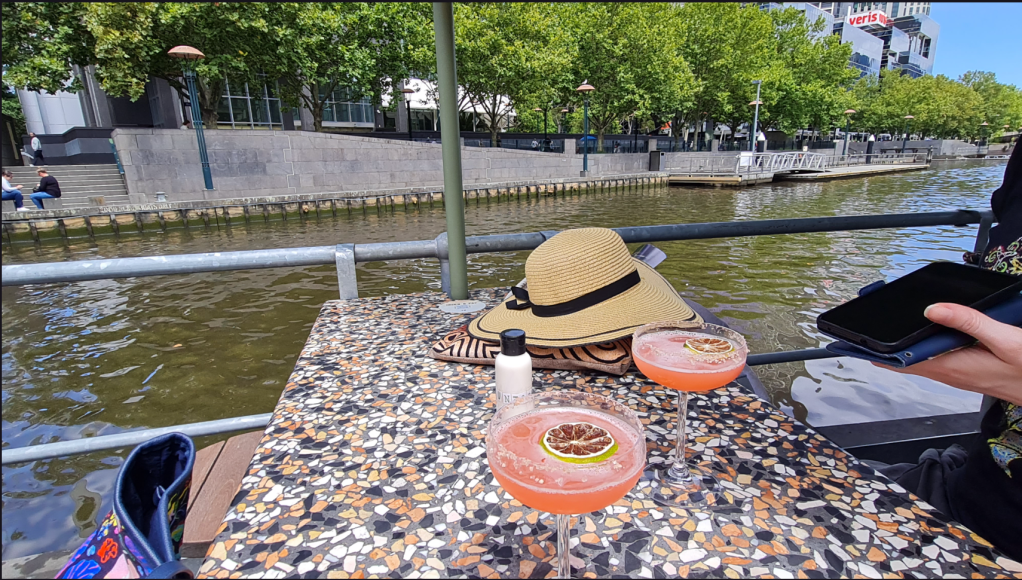
25. Cocktails on the river

26. All of the feels

27. Craft market

10 Interesting Things I Found on the Internet #144

This week’s #InterestingThings include mesmerising progressive #house by Bryz, the life expectancy of cats, cosy #Cat #art, iconic art by Kaoru Yamada and much more.


Bryz – Stellar

A high-quality progressive house track from Emmanuel Coman AKA Bryz, a Romanian producer of immense talent. One of those tracks that slowly builds a hypnotic wall of sound all around you, best heard on good speakers or noise-cancellation headphones.


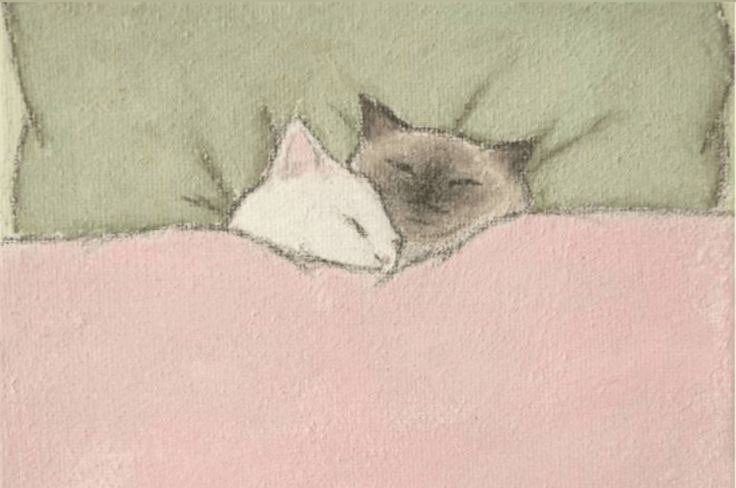
Cuddle-wranglers cosy up together for sweet dreams

Via Dreamy Archive


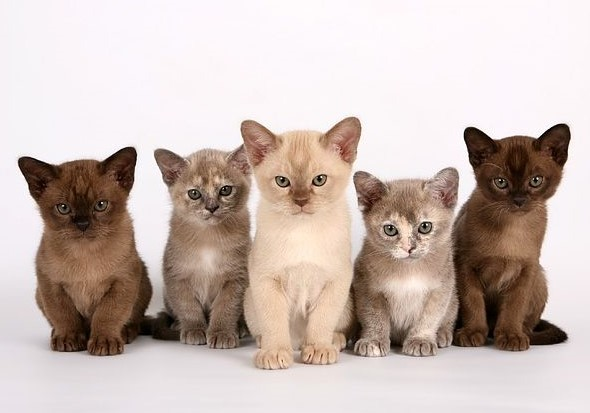
Life expectancy of different breeds of cats discovered

For me it highlights why it’s not a good idea to get a designer breed of cat but rather just a good old moggy rescue. Via Phys.org

A team of pathobiologists at The Royal Veterinary College, in the U.K., working with a colleague from National Chung Hsing University, in Taiwan, has created a life expectancy chart for approximately 8,000 domestic cat breeds.

In their paper published in Journal of Feline Medicine and Surgery, the group outlines their findings and offer some insight into why some cats live longer or shorter lives than others.

Life expectancy of different breeds of cats discovered

Prior research and anecdotal evidence suggest that some cat breeds have longer or shorter lifespans than average. The research team sought to more specifically categorize life expectancy in domestic cats by creating a chart showing the average lifespan of thousands of house cats.

The work by the team involved pulling death certificate data from the VetCompass Program, for the years 2019 to 2021. In so doing, they were able to learn the details of 7,936 cat deaths in the U.K., which they then used to create a chart listing cat breeds in order of life expectancy from longest-lived to shortest.

In looking at their data, they found that life expectancy for the cats overall was 11.74 years and that males lived on average 16 months less than females. They also found that the Burmese breed was the longest-lived, with a life expectancy of 14.42 years, and that the Sphynx, was the shortest, with a life expectancy of just 6.68 years.

They also found that, like humans, lifestyle had an impact on longevity—overweight cats, for example, tended to not live as long. They also found that the types of breeding that have been done to generate new or different types of breeds have had an impact on life expectancy as well.

Such breeding, they note has been linked to common birth defects in cats, such as heart defects, eye disease and weaker than normal muscles. The Sphynx breed, they note, is a prime example of breeding that has led to a popular but unhealthy pet.

The hairless cats (bred to allow people with fur allergies to have a cat) have an increased risk of several different types of diseases, many of which can lead to an early death.


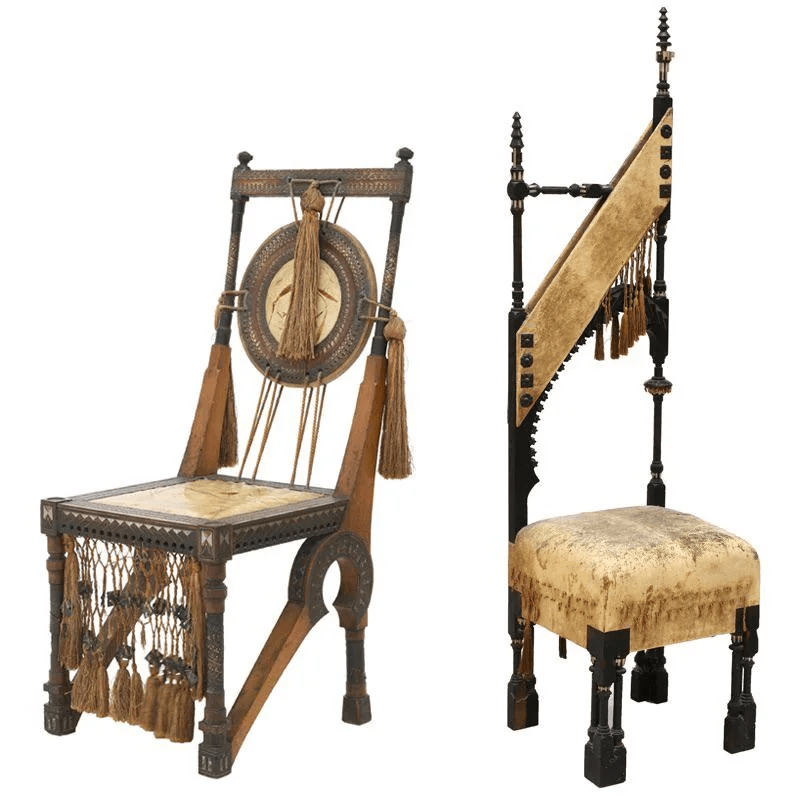
Quirky chairs from the early 20th Century

Designed by Carlo Bugatti. His son Ettore founded the famed Bugatti car company. Via Design Porn on Reddit

Quirky chairs from the early 20th Century

Neurodiversity in the workplace – a great webinar

Do you identify as being neurodiverse or work with others who identify that way? here is a great webinar to know about the myths, advantages and differences between neurodiverse and neurotypical people


A mysterious ASMR hair parlour from the Victorian era

This is a bit offbeat and weird but in a delightful way. Moonlight Cottage ASMR is a very popular Youtube channel which averages several million views on each video. This is because in a very soft and gentle French accent, talented actress Diane creates realistic and believable worlds of first-person storytelling – sometimes as a medieval storyteller, a witch or Queen’s handmaiden. It’s reminiscent of online gaming in many ways. Because Diane is speaking to the camera there is a truly immersive sense of being in conversation with her. This is trippy but enjoyable to say the least!


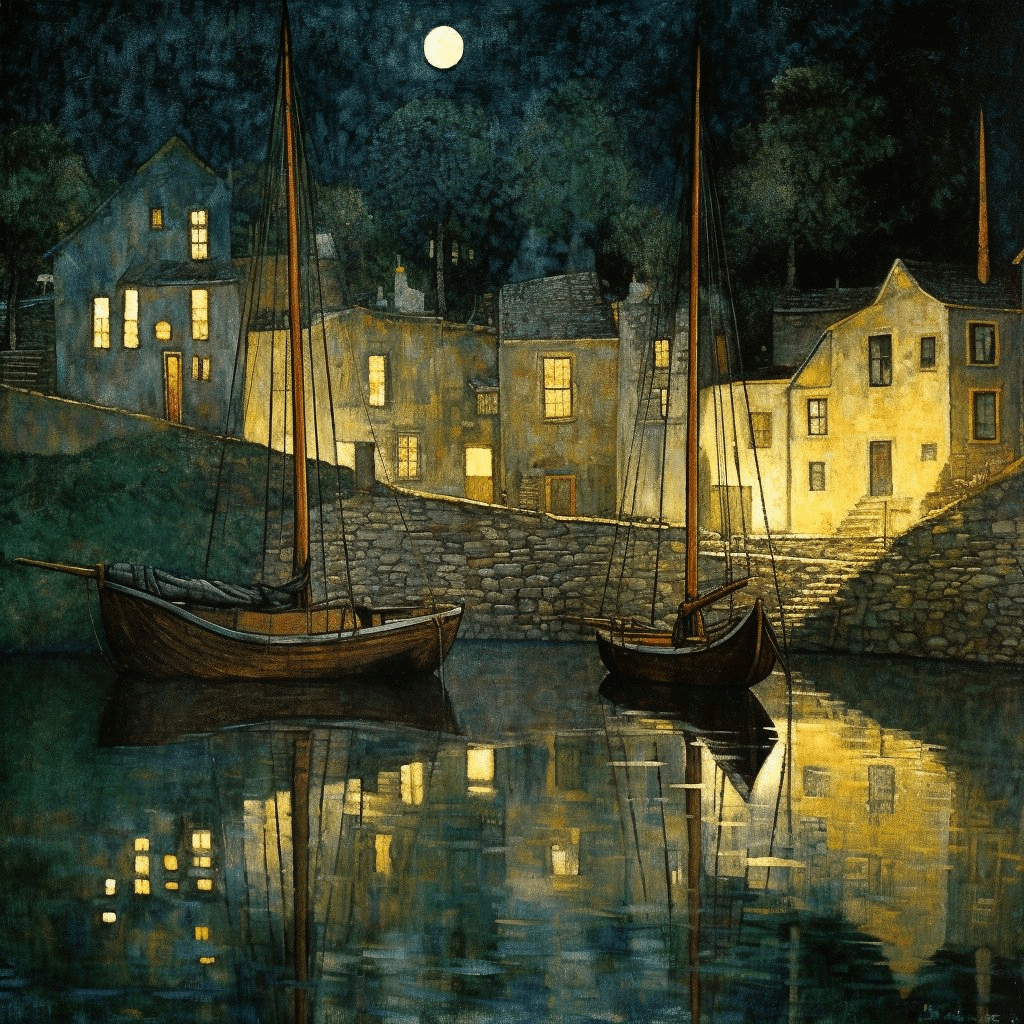
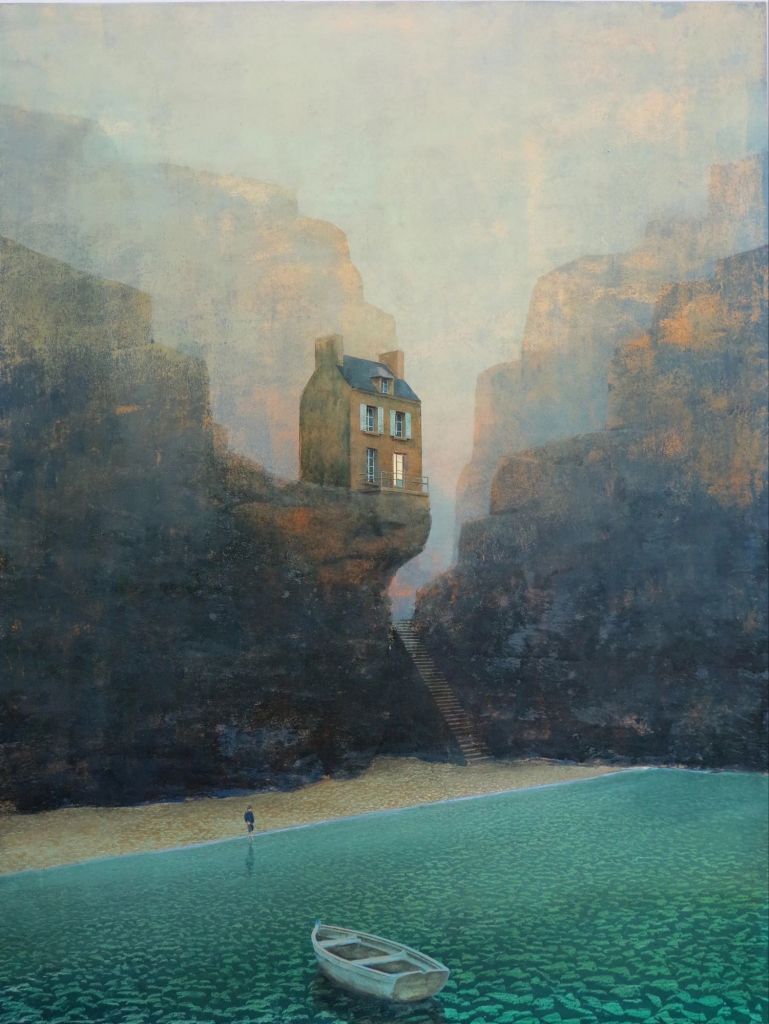
L’enfant du rivage by Philippe Charles Jacquet 1957


Strange morphing fantasy creatures and mysterious music by Tetouze

I don’t know what it means or if indeed there is any meaning, but this is my kind of jam – very psychedelic.


Sunset with lenticular clouds in Patagonia

By HolyShot on Reddit

Sunset with lenticular clouds in Patagonia


Easy Red Lentil curry recipe by Will Yeung

For an even easier version, replace the various spices with a curry powder and you’re good to go.


More by Kaoru Yamada

Tokyo based illustrator and copywriter Kaoru Yamada / 山田カオル was born in Kamakura, Japan.

Yamada finds beauty in nature, in people’s expressions and gestures, and in living things.

She believes that people find something beautiful when they are at peace and when they have the space to feel compassion.

– “As an illustrator, I enjoy drawing seasonal landscapes and illustrations of everyday life.https://www.tuttartpitturasculturapoesiamusica.com/2024/01/kaoru-yamada.html

Art by Kaoru Yamada, Kaoru Yamada is an artist and copywriter based in Kamakura Japan

“May you be forever blessed for that moment of bliss and happiness which you gave to another lonely and grateful heart. Isn’t such a moment sufficient for the whole of one’s life?” ~ Fyodor Dostoevsky

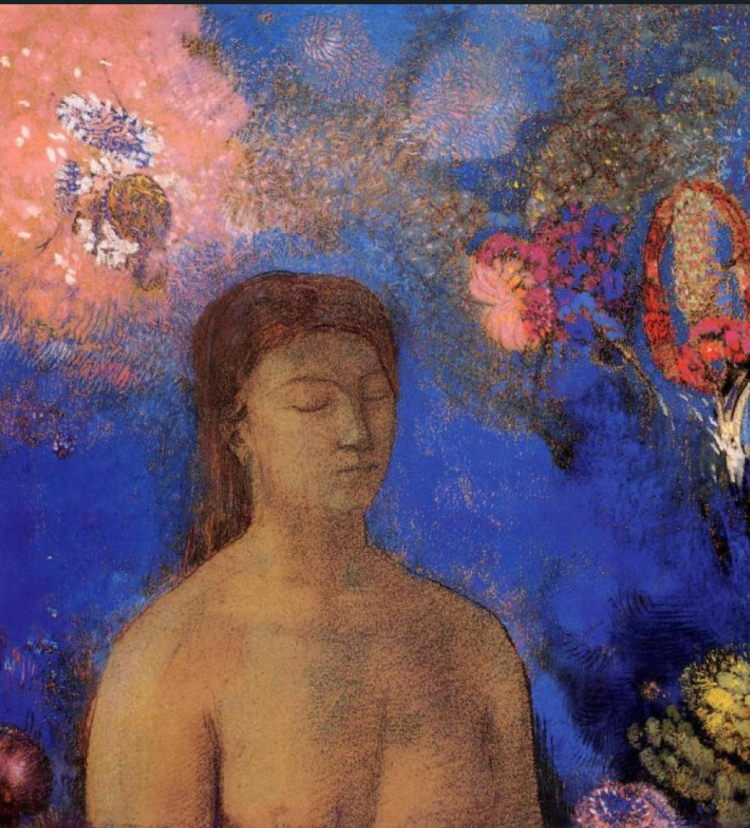
Closed eyes by Odilon Redon - spirituality pagan witchcraft love wisdom

Did you enjoy this collection? let me know what you think of it below. Thank you for reading my dear friends!

Book Review: Clarity and Connection by Yung Pueblo

A slim and unassuming book of electrifying wisdom including how to come closer to your true self, closer to your loved ones and communities.

Rating: 🌟🌟🌟🌟🌟

Genre: Non-Fiction, Spirituality, Self-Help, Psychology, Trauma, Relationships.

Publisher: Andrew McMeel Publishing

Review in one word: Connection

It is difficult to describe how joyful, vivid and clear about everything in life that this book makes me feel. It’s the kind of book you can read over and over without tiring of its insights. Clarity and Connection is a revitalising treasure of wisdom that brings together timeless insights into the meaning of love, compassion (for self and other) as well as how to heal and recover from trauma and a difficult period of one’s life.

In the style of elegant short-form prose, Yung Pueblo takes the reader on a universal journey into the soul and heart. He has split the book into logical and flowing sections: self-awareness; unbinding; the love between us; growing; and a new life. Each is relevant to people facing different challenges in life such as:

  • Growing closer to one’s partner or lover and forming deep and authentic connection.
  • Growing closer to one’s true and authentic self and cultivating self-love and acceptance.
  • Moving closer to other people and forming communities based on deep connection and shared values.
  • Self-awareness, growth and recovery from trauma.
  • Understanding, facing and releasing trauma such as inherited, intergenerational trauma or PTSD.

“everyone can benefit from self-healing;
even those who have not
experienced serious trauma
have at one point or another
felt the sting of heavy emotions
the mind feels these moments sharply
and they tend to ripple outward
impacting how we think, feel, and act
though we may learn to cope with mental tension
and the unexpected changes that cause turmoil
by taking a deeper look inward
we may be able to mend old hurt
and release old pain
by taking a deeper look inward
we may gain the courage to evolve
into greater mental clarity
into greater happiness
into greater patience
into greater honesty
into greater love”
Everyone can benefit from self healing

Clarity & Connection by Yung Pueblo

“heal yourself, but don’t rush
help people, but have boundaries
love others, but don’t let them harm you
love yourself, but don’t become egotistical
stay informed, but don’t overwhelm yourself
embrace change, but keep pursuing your goals”

Clarity & Connection by Yung Pueblo

“one of the most important qualities
to develop in life is determination.
at some point you just have to
put your foot down and say,
“i am going to move in this
new direction and no person
or situation is going to stop me.”
great transformations need a beginning.

Clarity & Connection by Yung Pueblo

“we often hand our tension over to others without understanding that it wasn’t ours to begin with. someone passed it to us, and so we pass it to the next person, and they to the next, until it lands in the hands of someone with the tools to process it and let it go. the more of us who are open to inner work, the more points there will be in the giant web of humanity where harm will not be able to spread.”

Clarity & Connection by Yung Pueblo

“sometimes you need to move slowly
so you can then move powerfully
the modern world is so fast paced
that you feel the pressure to keep up
setting aside what everyone else is
doing and moving at your natural speed
will help you make better decisions
and lift up your inner peace”

Clarity & Connection by Yung Pueblo

There is a strong sense in the writing that personal growth = political awareness and the impetus to make changes in the world for the better, borne out of compassion and understanding. This is deep, life-long work and it takes a lot of bravery, openness and humble understanding of the need for healing, change and growth.

Diego Perez was born in Ecuador and migrated to the USA as a child where he went to Wesleyan University. He undertook a silent vipassana meditation course in 2012 which put him on the path towards healing and compassion. His pen name Yung Pueblo means ‘young people’ and conveys that as a species human beings are entering a new era of discovery about self-awareness with greater understanding of themselves, other beings and the world around us.

I would recommend this book if you are on a journey of healing, improving your life, improving your state of mind and perspective on life for the better. In other words, just about anyone in the world would benefit from reading this slim and unassuming book of electrifying wisdom. Buy now via Yung Pueblo’s website and in all good independent book stores.