#upliftingthings from the internet #3 Find inspiration and separating out the wheat from the chaff for internet amusement, Est. April 2020.
Tag Archives: poetry
Travel: Roaming in the gloaming in the land of soft colours and dramatic firmaments

Around ten years ago, I had the best trip of my life when I went to the Isle of Skye, Scotland with the Polish bear. We cozied up in the most comfortable little croft in all of the Scottish isles. Located in Borreraig, the farthest point of the Isle of Skye and as far awayContinue reading “Travel: Roaming in the gloaming in the land of soft colours and dramatic firmaments”
Mark Forsyth’s Elements of Eloquence Part 2: The Cheat Sheet
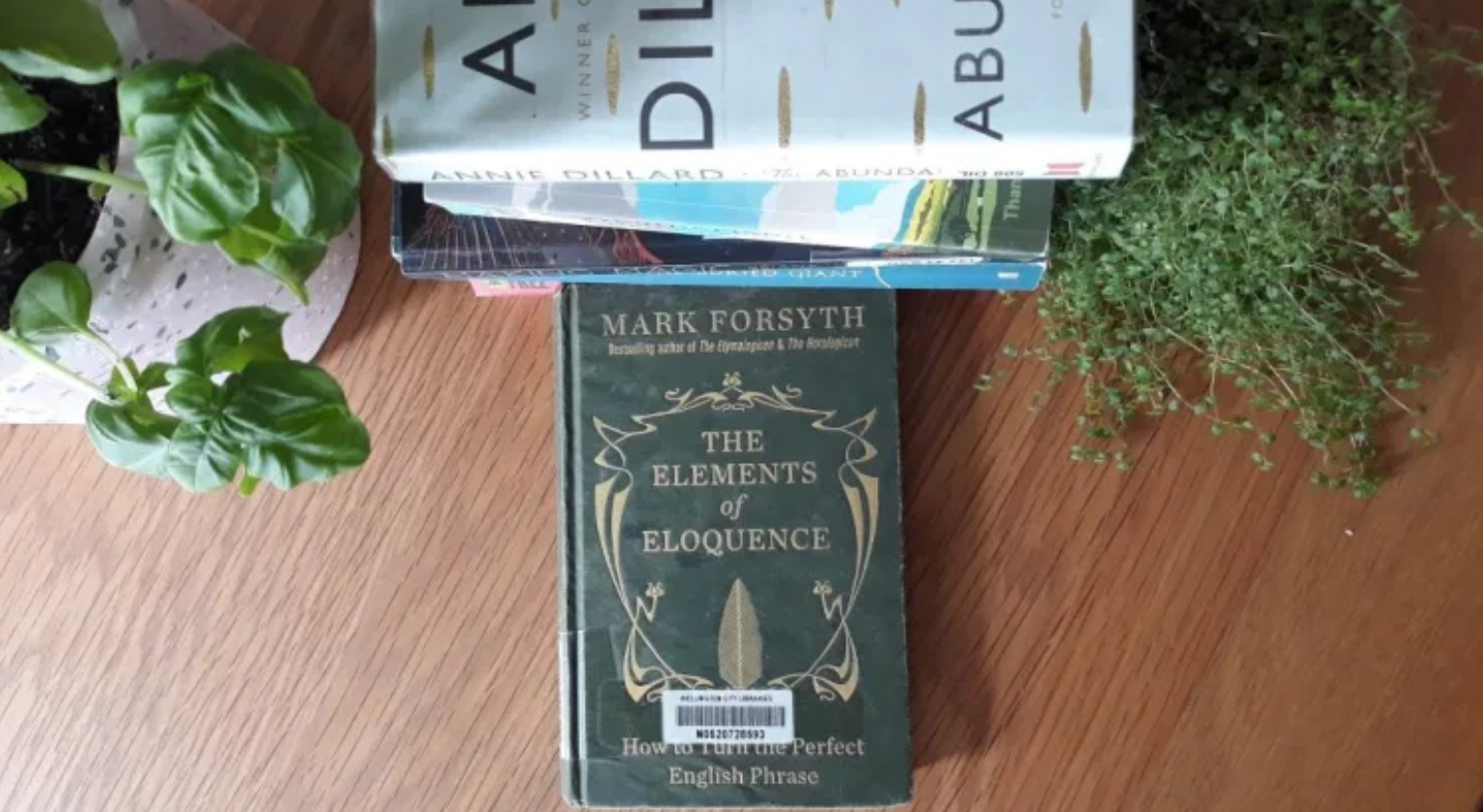
Here are the classical rules of rhetoric, illustrated and made simple. Based on Mark Forsyth’s Elements of Eloquence. I hope that you enjoy them and that this handy cheat sheet helps you to improve your writing.
Book Review: The Elements of Eloquence by Mark Forsyth – Part 1
Mark Forsyth is the witty and effervescent writer of several books on the history of language, etymology and linguistics. The Elements of Eloquence explains the timeless art of crafting memorable one liners. In other words, the rules of classical rhetoric. This is a great guide for writers who want to master the subtle artContinue reading “Book Review: The Elements of Eloquence by Mark Forsyth – Part 1”
No news of the affairs of men

In the age of omnipresent news and digital devices dominating our every waking moment, this poem by 18th century Japanese hermit poet Ryokan seems very relevant. No news of the affairs of men. How lovely to be without the news of the world. Whatever the news of the day, Ryokan sure as hell didn’t giveContinue reading “No news of the affairs of men”
On silence and idleness

“Happiness is in the quiet, ordinary things. A table, a chair, a book with a paper-knife stuck between the pages. And the petal falling from the rose, and the light flickering as we sit silent.” Virginia Woolf, The Waves Time Moves Slow by Bad Bad Good “Nothing thicker than a knife’s blade separates happiness fromContinue reading “On silence and idleness”
Ancient word of the day: Kraken
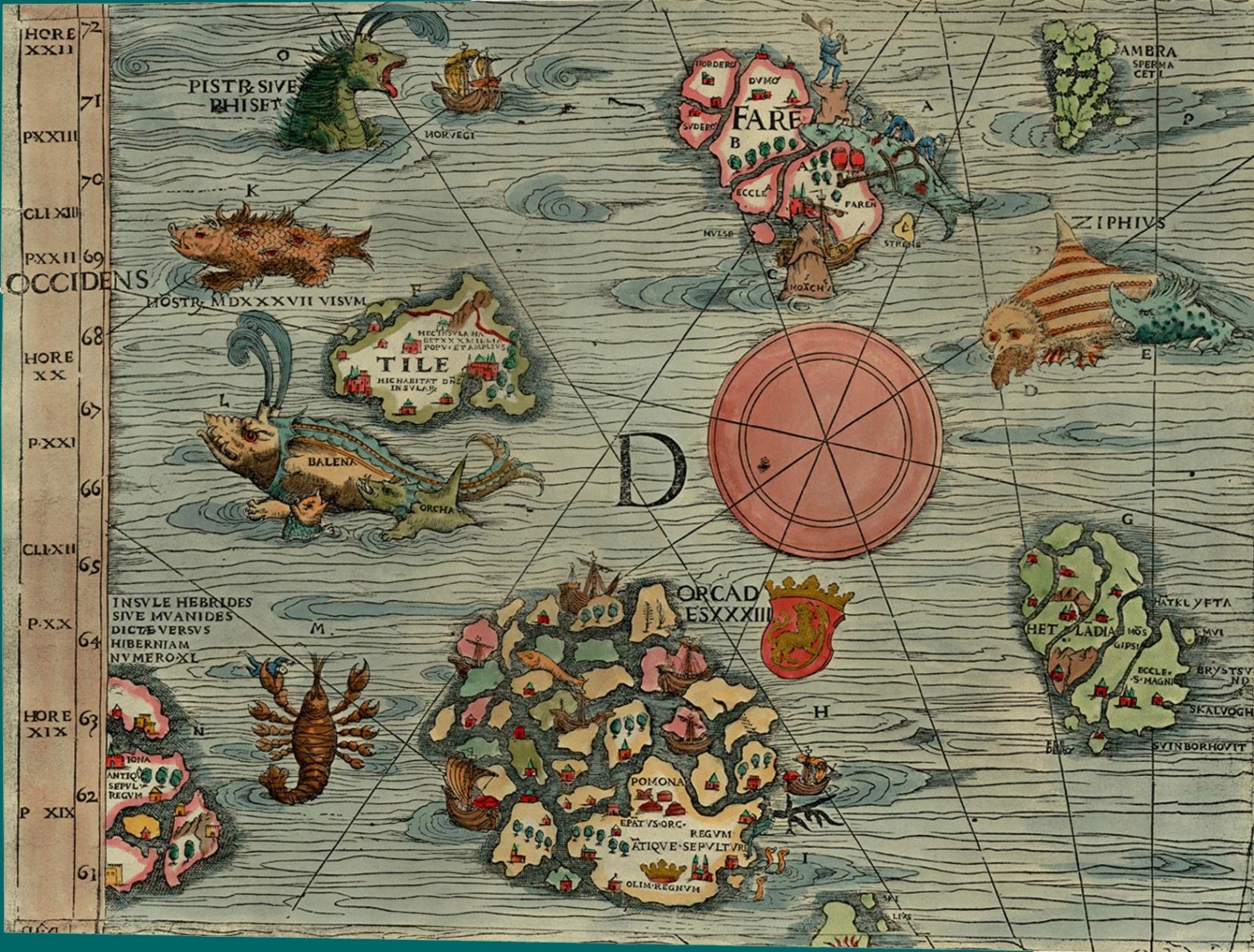
A Kraken is a mythical behemoth. A man-eating and fearsome gigantic cephalopod that drove fear into the hearts of sea-going Scandanavians. The word kraken comes from the Swedish word “krake”, which means twisted. Seen traditionally as a beast to be feared and respected, it also embodied a sense of deep oceanic magic and mystery. KrakenContinue reading “Ancient word of the day: Kraken”
Ancient Word of the Day: Grimmelings
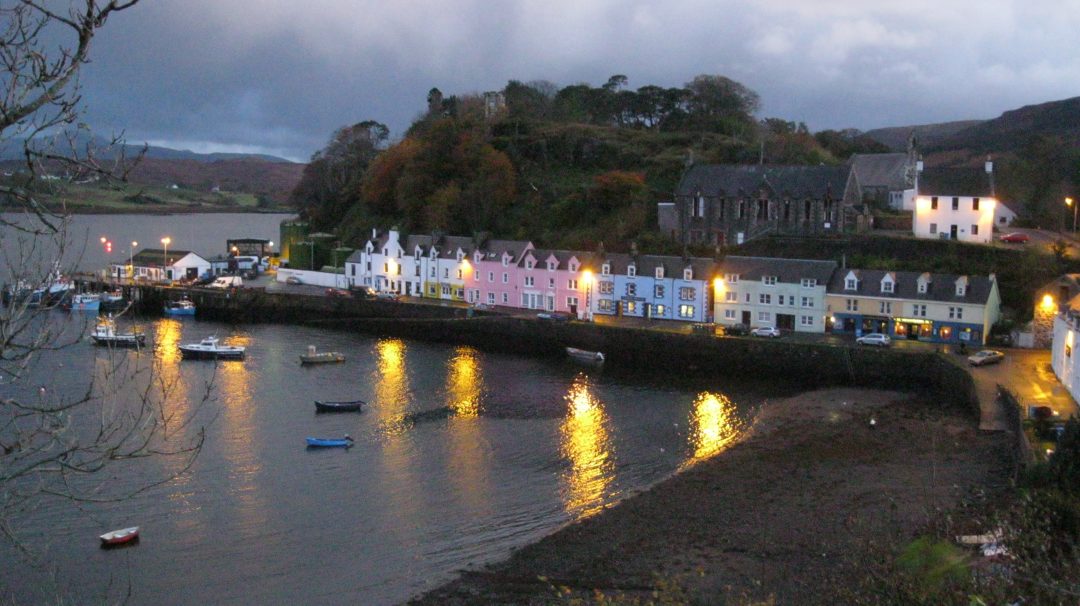
Although similar to the gloaming, grimmelings is a slightly different natural phenomenon at both ends of the rotating sun’s traverse across the sky. Grimmelings – The first or last gleams of the day (Scots, esp. Orkney). From the Norwegian “grimla”, to glimmer before the eyes, to twinkle or blink. Also “grimlins”. Or “the harlot’s hour”:Continue reading “Ancient Word of the Day: Grimmelings”
Ancient word of the day: Tsundoku

The Japanese word, “Tsundoku”, which literally means “reading pile”, dates back all the way to the Meiji era (1868-1912). It’s a unique word for which there is no English equivalent. If you’re an avid reader though, you will well understand that feeling…it’s pure happiness, the feeling of knowing that you have many more books readyContinue reading “Ancient word of the day: Tsundoku”
Wallace Stevens – Somnambulisma

On an old shore, the vulgar ocean rolls Noiselessly, noiselessly, resembling a thin bird, That thinks of settling, yet never settles, on a nest. The wings keep spreading and yet are never wings. The claws keep scratching on the shale, the shallow shale, The sounding shallow, until by water washed away. The generations of theContinue reading “Wallace Stevens – Somnambulisma”


You must be logged in to post a comment.