Cut The Crap at The Checkout: A Guide to Free Shipping For Australia and New Zealand

After a few months of living in New Zealand, I’ve found the selection of bricks and mortar clothing stores, book shops and electronics outlets very wanting. Particularly when it comes to men’s clothing. My boyfriend, although incredibly fussy – was pretty much unable to locate a plain black, classic fit shirt or plain black t-shirt anywhere in Auckland, and so the search turned online.

After this, we discovered to our dismay that many retailers charge upwards of NZD $30 for delivery locally. To add further insult to injury, they also charged an average of $220.00 NZD for a men’s shirt from a completely obscure brand.

Then I found this excellent guide to online shopping with either cheap or no delivery fee to Australia and New Zealand. Thanks Reddit Auckland for this one. I’ve padded it out with my own findings over the past year. ENJOY!

Cut The Crap at The Checkout: A Guide to Free Shipping For Australia and New Zealand

Men’s and Women’s Clothing

  • Asos: An easy, breezy shopping and check out experience, with multiple options for payment and a great range of clothing and shoes. Free delivery Australia/New Zealand. 
  • The Iconic: An enormous range of clothing and shoes, a lot of it very high quality and reasonably priced. Free delivery Australia/New Zealand. 
  • Marcs: Stylish and on-trend clothing for professionals or those who enjoy classic tailoring. Free delivery to New Zealand. 
  • Sportsgirl: Youth brand of women’s fashion. Reasonably priced. Spend over $50 to get free delivery to New Zealand.
  • Factorie: Youth brand of street wear and funky casual wear. Free delivery Australia/New Zealand.
  • M&S: Good old Marcs & Spencers in the UK do deliver to Australia and New Zealand. Free delivery Australia/New Zealand for all items priced over £30 ($60 NZD).
  • Endless: Shoes, watches etc. Good prices and range. Selivery Australia/New Zealand.
  • 80s Tees: Cool vintage tees from the UK. Shipping equates to $8 for NZ customers.
  • Boohoo.com: Terrific value and a large range, similar to Asos. Free delivery Australia/New Zealand
  • Style Tread: An Australian shoe store with affordable prices and a diverse range. Free delivery Australia/New Zealand.
  • Forever New: Women’s only fashion that’s priced reasonably. Spend over $50 and get free delivery Australia/New Zealand.

Beauty and Skin Care

  • Strawberry Net: This site is an oldie but a goodie. They have literally been around since for more than 15 years. Cosmetics, hair car, skin care, fragrances for men and women. Free delivery Australia/New Zealand.
  • Beauty Bay: UK based retailer that has international and super fast delivery. Easy filtering for all sorts of variables like price, brand, vegan or non-vegan products, contains parabens, and so on. Free delivery Australia/New Zealand.
  • Clearly Contacts: Super cheap contact lenses. Simple to order if you have a prescription for your eyes and way cheaper than at the local optometrist. Delivery to New Zealand less than NZD $15.00.

For Guys

  • Choice Wallet: Good range of men’s wallets at reasonable prices. Free delivery to New Zealand.

Electronics

  • Deal Extreme: Gadgets website with very low prices and a massive range, read the reviews before you buy. Great for LED torches, lasers, cables, etc. Free delivery to New Zealand.
  • Ascent: Computer hardware and software, laser printers, cables, wireless products, monitors, etc. Reasonable prices (not amazing) but good service. Free delivery to New Zealand.

Cut The Crap at The Checkout: A Guide to Free Shipping For Australia and New Zealand

Books

With eye-watering prices for books in New Zealand, expect to shell out between $20 $35 for any book, even a softcover, there had to be an alternative. I found these retailers.

  • The Book Depository: Very low prices, huge range. Free delivery Australia/New Zealand.
  • The Librarist: A price comparison website that searches the web by name of author or name of book and allows you to find cheap books (either new or used). Free delivery Australia/New Zealand.
  • Abe Books Australia and New Zealand: A great range Free delivery Australia/New Zealand.

Cut The Crap at The Checkout: A Guide to Free Shipping For Australia and New Zealand

Sports

  • Wiggle: An incredible sports shop with just about everything available. Spend around $100 on a bike or other piece of large equipment, and get free delivery to New Zealand.
  • Torpedo 7: Bike, Snow, Motocross and fishing equipment. This is great for the outdoorsy guy. Competitive pricing compared to many overly expensive New Zealand stores. Shipping starts from NZD $7.50 then goes up to $10.00 for larger items.

Have I missed anywhere that’s good? I’m thinking of avoiding the Christmas rush and doing everything online in half the time, hassle and money. Please let me know if you know of any others with free or cheap shipping to NZ/Australia. 


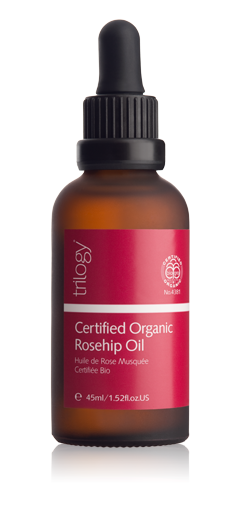
Cruelty Free Product Review: Trilogy Certified Organic Rosehip Oil

Trilogy’s brand genesis essentially begun with the discovery by New Zealanders Catherine de Groot and Sarah Gibbs of the marvelous benefits of rosehip oil. In 2002, the two ladies launched the Trilogy brand based on the efficacy of rosehip oil as a natural and effective alternative to synthetic skincare ingredients. As their hero product, certified organic rosehip oil has won a share of awards and recognition, it has since achieved a bit of a cult following.

Benefits: According to the Trilogy website:

Rosehip oil’s natural properties make it great for scars, stretch marks and other skin concerns including dehydrated and ageing skin.  Our rosehip expertise ensures the finest quality oil with minimum 80% essential fatty acids (omega 3 and 6) and fatty acid (omega 9) content. Independent clinical studies showed that Certified Organic Rosehip Oil helps improve the appearance of scars, stretchmarks, fine lines and wrinkles.

My experience: Instructions said that I should massage in 2-3 drops each day, morning and night on the face and body. I didn’t use it religiously for a set period of time and instead used it about twice a week. Even on the occasions I did use it, I did notice a brighter appearance to my face the following morning. Although it didn’t affect my forehead wrinkle by any means.

My scar: It did however do something quite amazing on my arm. I burned myself with a hot pan in the oven, the result was a large blistering, swollen, reddish-purple gash that really hurt. I put a band-aid over it and hoped for the best. Then two days later I rubbed in a few drops of the Trilogy oil, the following day it was looking pretty good, I kept going and a few days later the scar was almost completely gone. Pretty amazing.

Cruelty Free Product Review: Trilogy Certified Organic Rosehip Oil

Image Source


Packaging: Sleek and yet familiar, high quality and yet comforting rather than being too high-end. The bottle is dark frosted amber glass and the 45ml bottle is just the right size to fit into your hand. I am sounding like I’m reviewing a smart phone well that was unintended. However I believe that skincare should make you feel special and nourished, the bottle feels like something special to be treasured when you hold it. I will probably end up keeping the bottle, as it’s high quality.

Welcome to Ethical & Cruelty Free Products

Other reasons why I like it

Affordable: Unlike other skin care products, it’s reasonably priced and starts from $23.90 NZD.

It’s organic and cruelty free: Made from vegan, plant-based ingredients and all ingredients and derivatives are cruelty free.

See my review methodology here and submit an ethical or cruelty free product review to this blog. 

The Three Step Guide to Buying Cruelty Free

Firstly, The Dodgy List 

Although many brands do test on animals or use animal-based ingredients (ie. non-vegan) ingredients, they get around this with some amazing marketing spin. As an self-described spin-doctor for brands myself, I still find this sort of deception repulsive.  Here’s some confusing and vague words to watch out for on product packaging:

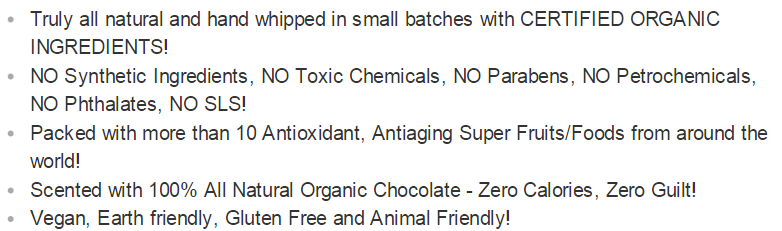
Animal Friendly: This is baffling, an all-together made up concept. It is reassuring to people at the check-out at Amazon. They are time-poor and rarely have time to assess whether or not any of the product description is true. See below example from a dubious and dodgy brand (that will remain unmentioned) with a logo circa 1996.

Good Or Bad? Dubious Ways That Some Brands Trick People Into Buying Unethical Goods


A picture of a rabbit on the side of product packaging: This is a meaningless symbol when it’s not actually accompanied by a cruelty free badge of approval. It is illegal to display the cruelty free badge without the required independent checks. When in doubt, check the list here

Natural Sources: Ingredients from ‘natural sources’ can mean either animal or plant sourced ingredients. If you want to go vegan with your skincare, best to keep away.

Let’s Define What Cruelty Free Means

I’ve already spoken about the importance of free-range eggs before. The term “cruelty-free product” is along the same lines. It’s a product that has not been tested on animals by the manufacturer. It’s important to buy cruelty-free products to support companies that are animal-friendly and to boycott companies that still test on animals.

Cruelty free means that the product that has not been tested on animals, and does not contain any animal ingredients.

The Three Step Guide to Buying Cruelty Free

The Three Step Guide to Buying Cruelty Free

Image Source

1. Check for the certified logo

The bunny logo below is a registered trademark and use without permission is illegal. 

The Three Step Guide to Buying Cruelty Free

2. Check the brand on approved lists

The symbols used in this list indicate the following:

v      All products are suitable for vegans. Or see vegan products.
sv    Some products are suitable for vegans (please check labels).
vt     Products are vegetarian and may contain beeswax, lanolin, honey, milk, egg and/or casein.
Meat symbol     Meet standards of non-animal testing but some products contain animal ingredients.

CCF Licensees are listed in pink and are permitted to use the CCF Rabbit Logo.

Click on the link to go to the retailer’s website. List courtesy of Choose Cruelty Free Skincare Australia

3. Read the label for certain ingredients

This is by no means an exhaustive list. The ingredients here are most likely to be animal in origin. Although there is a chance that they are synthetic variations, if you have further questions, ask the retailer. Ingredients list thanks to PETA.

Adrenaline.

Hormone from adrenal glands of hogs, cattle, and sheep. In medicine. Alternatives: synthetics.

Ambergris.
From whale intestines. Used as a fixative in making perfumes and as a flavoring in foods and beverages. Alternatives: synthetic or vegetable fixatives.

Amino Acids.
The building blocks of protein in all animals and plants. In cosmetics, vitamins, supplements, shampoos, etc. Alternatives: synthetics, plant sources.

Angora.
Hair from the Angora rabbit or goat. Used in clothing. Alternatives: synthetic fibers.

Animal Fats and Oils.
In foods, cosmetics, etc. Highly allergenic. Alternatives: olive oil, wheat germ oil, coconut oil, flaxseed oil, almond oil, safflower oil, etc.

Arachidonic Acid.
A liquid unsaturated fatty acid that is found in liver, brain, glands, and fat of animals and humans. Generally isolated from animal liver. Used in companion animal food for nutrition and in skin creams and lotions to soothe eczema and rashes. Alternatives: synthetics, aloe vera, tea tree oil, calendula ointment.

Arachidyl Proprionate.
A wax that can be from animal fat. Alternatives: peanut or vegetable oil.

Bone Char.
Animal bone ash. Used in bone china and often to make sugar white. Serves as the charcoal used in aquarium filters. Alternatives: synthetic tribasic calcium phosphate.

Bone Meal.
Crushed or ground animal bones. In some fertilizers. In some vitamins and supplements as a source of calcium. In toothpastes. Alternatives: plant mulch, vegetable compost, dolomite, clay, vegetarian vitamins.
Carmine. Cochineal. Carminic Acid.
Red pigment from the crushed female cochineal insect. Reportedly, 70,000 beetles must be killed to produce one pound of this red dye. Used in cosmetics, shampoos, red apple sauce, and other foods (including red lollipops and food coloring). May cause allergic reaction. Alternatives: beet juice (used in powders, rouges, shampoos; no known toxicity), alkanet root (from the root of this herb-like tree; used as a red dye for inks, wines, lip balms, etc.; no known toxicity; can also be combined to make a copper or blue coloring). (See Colors.)

Chitosan.
A fiber derived from crustacean shells. Used as a lipid binder in diet products; hair, oral, and skin-care products; antiperspirants; and deodorants. Alternatives: raspberries, yams, legumes, dried apricots, many other fruits and vegetables.

Collagen.
Fibrous protein in vertebrates. Usually derived from animal tissue. Can’t affect the skin’s own collagen. An allergen. Alternatives: soy protein, almond oil, amla oil (see alternatives to Keratin), etc.

Cystine.
An amino acid found in urine and horsehair. Used as a nutritional supplement and in emollients. Alternatives: plant sources.

Down.
Goose or duck insulating feathers. From slaughtered or cruelly exploited geese. Used as an insulator in quilts, parkas, sleeping bags, pillows, etc. Alternatives: polyester and synthetic substitutes, kapok (silky fibers from the seeds of some tropical trees) and milkweed seed pod fibers.

Duodenum Substances.
From the digestive tracts of cows and pigs. Added to some vitamin tablets. In some medicines. Alternatives: vegetarian vitamins, synthetics.
Elastin.
Protein found in the neck ligaments and aortas of cows. Similar to collagen. Can’t affect the skin’s own elasticity. Alternatives: synthetics, protein from plant tissues.

Emu Oil.
From flightless ratite birds native to Australia and now factory-farmed. Used in cosmetics and creams. Alternatives: vegetable and plant oils.
Estrogen. Estradiol.
Female hormones from pregnant mares’ urine. Considered a drug. Can have harmful systemic effects if used by children. Used for reproductive problems and in birth control pills and Premarin, a menopausal drug. In creams, perfumes, and lotions. Has a negligible effect in the creams as a skin restorative; simple vegetable-source emollients are considered better. Alternatives: oral contraceptives and menopausal drugs based on synthetic steroids or phytoestrogens (from plants, especially palm-kernel oil). Menopausal symptoms can also be treated with diet and herbs.

Gelatin. Gel.
Protein obtained by boiling skin, tendons, ligaments, and/or bones in water. From cows and pigs. Used in shampoos, face masks, and other cosmetics. Used as a thickener for fruit gelatins and puddings (e.g., Jell-O). In candies, marshmallows, cakes, ice cream, yogurts.

Hydrolyzed Animal Protein.
In cosmetics, especially shampoo and hair treatments. Alternatives: soy protein, other vegetable proteins, amla oil (see alternatives to Keratin).

Keratin.
Protein from the ground-up horns, hooves, feathers, quills, and hair of various animals. In hair rinses, shampoos, permanent wave solutions. Alternatives: almond oil, soy protein, amla oil (from the fruit of an Indian tree), human hair from salons. Rosemary and nettle give body and strand strength to hair.

Lipase.
Enzyme from the stomachs and tongue glands of calves, kids, and lambs. Used in cheesemaking and in digestive aids. Alternatives: vegetable enzymes, castor beans.

Musk (Oil).
Dried secretion painfully obtained from musk deer, beaver, muskrat, civet cat, and otter genitals. Wild cats are kept captive in cages in horrible conditions and are whipped around the genitals to produce the scent; beavers are trapped; deer are shot. In perfumes and in food flavorings. Alternatives: labdanum oil (from various rockrose shrubs) and extracts from other plants with a musky scent.

Palmitic Acid.
A fatty acid most commonly derived from palm oil but may be derived from animals as well. In shampoos, shaving soaps, creams. Derivatives: Palmitate, Palmitamine, Palmitamide. Alternatives: vegetable sources.

Pepsin.
In hogs’ stomachs. A clotting agent. In some cheeses and vitamins. Same uses and alternatives as Rennet.

Placenta. Placenta Polypeptides Protein. Afterbirth.
Contains waste matter eliminated by the fetus. Derived from the uterus of slaughtered animals. Animal placenta is widely used in skin creams, shampoos, masks, etc. Alternatives: kelp. (See alternatives to Animal Fats and Oils.)

Polypeptides.
From animal protein. Used in cosmetics. Alternatives: plant proteins and enzymes.

Rennet. Rennin.
Enzyme from calves’ stomachs. Used in cheesemaking, rennet custard (junket), and in many coagulated dairy products. Alternatives: microbial coagulating agents, bacteria culture, lemon juice, or vegetable rennet.

Royal Jelly.
Secretion from the throat glands of worker honeybees. Fed to the larvae in a colony and to all queen larvae. No proven value in cosmetics preparations. Alternatives: aloe vera, comfrey, other plant derivatives.

Sable Brushes.
From the fur of sables (weasel-like mammals). Used to make eye makeup, lipstick, and artists’ brushes. Alternatives: synthetic fibers.
Squalene.

Oil from shark livers, etc. In cosmetics, moisturizers, hair dyes, surface-active agents. Alternatives: vegetable emollients such as olive oil, wheat germ oil, rice bran oil, etc.

Stearic Acid.

When animal-derived, a fat from cows, pigs, and sheep and from dogs and cats euthanized in animal shelters, etc. May also be of plant origin, including from cocoa butter and shea butter. Can be harsh, irritating. Used in cosmetics, soaps, lubricants, candles, hairspray, conditioners, deodorants, creams, chewing gum, food flavoring. Derivatives: Stearamide, Stearamine, Stearates, Stearic Hydrazide, Stearone, Stearoxytrimethylsilane, Stearoyl Lactylic Acid, Stearyl Betaine, Stearyl Imidazoline. Alternatives: Stearic acid can be found in many vegetable fats, coconut.

Tallow. Tallow Fatty Alcohol. Stearic Acid.

Rendered beef fat. May cause eczema and blackheads. In wax paper, crayons, margarines, paints, rubber, lubricants, etc. In candles, soaps, lipsticks, shaving creams, other cosmetics. Chemicals (e.g., PCB) can be in animal tallow. Derivatives: Sodium Tallowate, Tallow Acid, Tallow Amide, Tallow Amine, Talloweth-6, Tallow Glycerides, Tallow Imidazoline. Alternatives: vegetable tallow, Japan tallow, paraffin, ceresin (see alternatives to Beeswax). Paraffin is usually from petroleum, wood, coal, or shale oil.

Turtle Oil. Sea Turtle Oil.

From the muscles and genitals of giant sea turtles. In soap, skin creams, nail creams, other cosmetics. Alternatives: vegetable emollients (see alternatives to Animal Fats and Oils).


Welcome to Ethical & Cruelty Free Products

In this new section of my blog, I will review high quality, ethical and cruelty free products that are not tested on animals. Also, I will try and review vegan cosmetics products and those produced from recycled or upcycled materials. I am talking about mostly cosmetics and skin care products, but also ethical fashion, shoes and jewellry, plus food and wine.

I am also going to talk a lot about locally produced New Zealand or Australian brands as they are relevant to local readers of this blog. Although I’m aware that many of you are all over the world. With this in mind, I would like to propose something…

Do you know a brand that’s doing good things? Write about it here!

If you would like to submit your own review of an ethical, vegan or cruelty free product, then send your reviews of products through to me at athena [dot] j [dot] dennis [at] gmail [dot] com. (Whew! That was a mouthful). I will publish them if they are your own opinions, not the promotional material of the brand, and I will also fact-check to make sure that they have the chops about what they claim and aren’t fakers.

Welcome to Ethical & Cruelty Free Products

What you should know about my reviews

  • I have not been paid for the products or the reviews.
  • I am going to give my honest opinion on the products and branding, it’s my opinion only and not anybody else’s.
  • I am going to audit their branding, content and comms as well as their products themselves. I am not paid for that either. I will do that because it’s what I do all the time anyway for a living.
  • I take no responsibility if you buy the products and don’t like them, when I’ve given them glowing praise.
  • I know that in skin care the industry rapidly changes, with this in mind if I find out that a brand starts to test on animals I will remove the post and put a scathingly critical post in its place.

Products I will review

Basically it’s not set in stone. It will be reviews of cosmetics, skincare, fashion, vegan leather shoes, organic food, furniture, jewellry. Think an ETSY or craft market aesthetic. Think family businesses dreaming big.

This isn’t restricted to me…if you know of any cool local artisan products that you use, please write something and I will publish it. 

Coming Up

In the coming weeks I will be reviewing the products and branding for the following brands:

Welcome to Ethical & Cruelty Free Products

Welcome to Ethical & Cruelty Free Products

Welcome to Ethical & Cruelty Free Products

Welcome to Ethical & Cruelty Free Products


Welcome to Ethical & Cruelty Free Products


The Thrill of The Hunt for Cassettes in the 80’s and 90’s

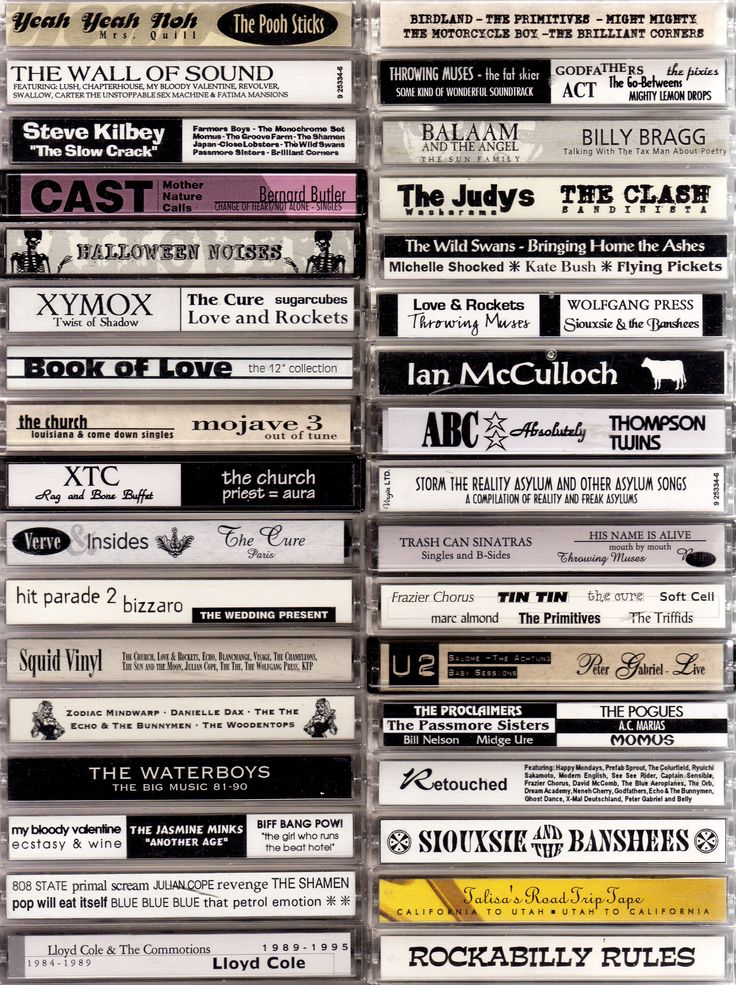
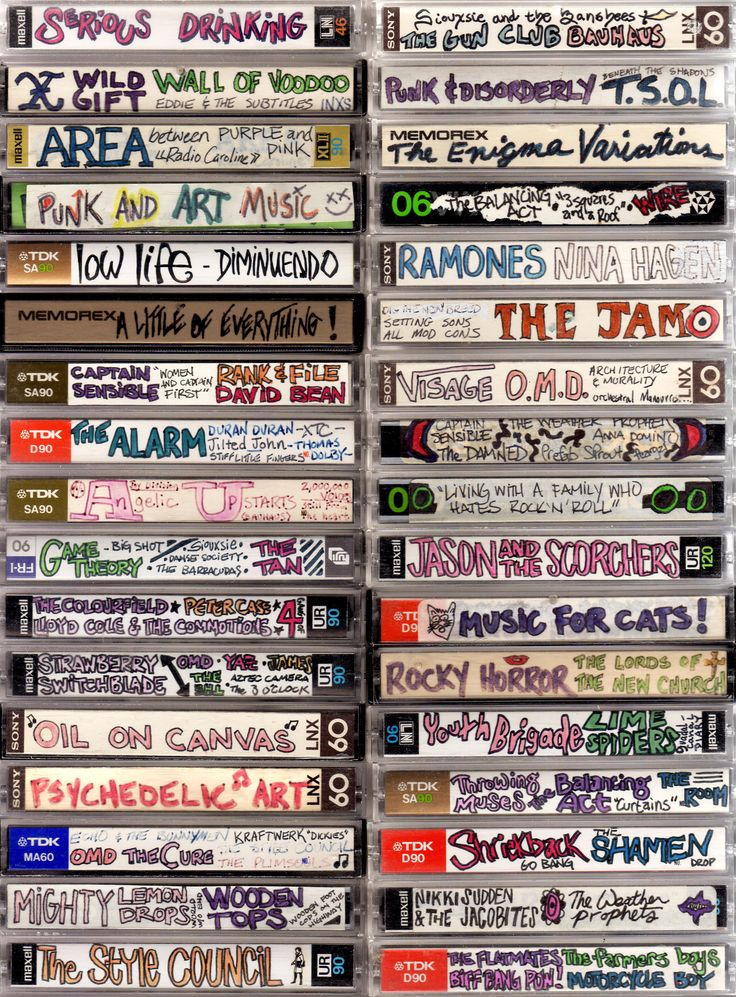
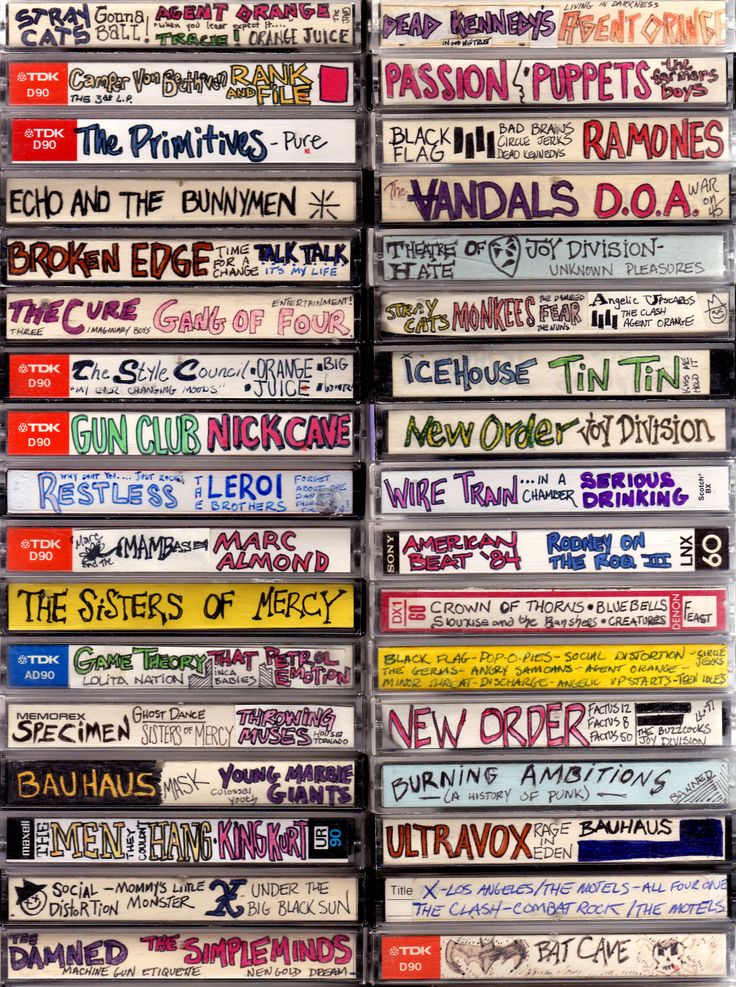
Art is what you get when you combine sharpies, pencils, cassette tapes, ancient Word Processors and a whole lot of passion for music. Here’s Steve Vistaunet’s labour of love that will give anybody over the age of 30, fond and sad stabs of nostalgia for times past.

Has The Thrill Of Getting Your Hands on Music Gone?

I miss that delirious feeling of elation at finding something sublime on the radio and quickly taping it, hoping against all hope that the stupid thing wouldn’t shit itself and unwind mid-way through the track. The inaccessibility and the sheer cost of recording, buying and sharing music with friends was what music was all about then. Music was a tangible resource. Painful and expensive to acquire, but a real tangible treat when you did acquire it, and you taped onto cassettes or ripped onto CDs. Back in the age of cassettes and CDs it was an achievement, an exercise in sleight of hand and sneak-thievery to get your hands on bootlegs and burned copies. What ever happened to that? When it’s all so easy to acquire music, how do we now put value on it?

Adorning Cassettes - What's The Modern-Day Equivalent?

Images courtesy of Steve Vistaunet and his epic Pinterest page entitled 34 Reasons Why The 80’s Ruled. Steve’s obvious love for 80’s music is palpable. Visit his page to see more inspiring artwork. 

Here’s a question for you.  In the age of YouTube and ubiquitous music, have we all become too complacent and apathetic about how important music is?

Adorning Cassettes - What's The Modern-Day Equivalent?

Are Sharks A Real Summer Danger in Australia?

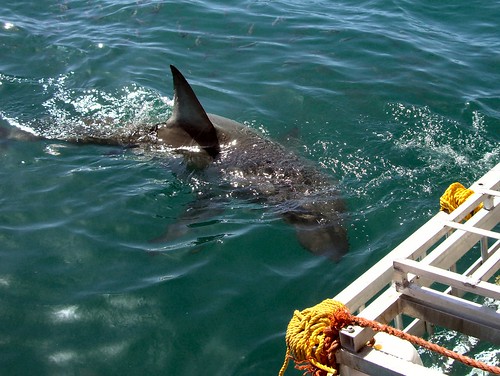
Great white sharks are found all over the world and live up to 30 years and grow up to 6 metres in length. Feeding primarily on fish and seals, they are one of the majestic masters of the world’s oceans.

Sparked by recent spate of fatal shark attacks, Western Australia’s Premier recently gave the green light to cull sharks more than 3 metres in length out at sea in 2013. The Federal Minister for Environment Greg Hunt gave Barnett special permission to ignore the national protected status of the great white shark. So the catching, shooting and dumping of these endangered species started last week.

Our obsession with killing the world’s most spectacular predators

It’s actually humans who pose the most environmental risk to the ourselves. Numbered at around 7 billion, humans are destroying all competing predators at an astonishing rate. From wolves, to bears, to lions, to sharks, we have either directly or indirectly contributed to the demise of countless species on the earth. Great white sharks have been around since the time of the dinosaurs, yet because of humans they are now on the endangered species list.


Are Sharks A Real Summer Danger in Australia

Great White Shark Image Source

Not a hotel swimming pool

According to Tasmanian marine wildlife expert Chris Black ”The ocean isn’t a hotel swimming pool. It’s a wild place. We don’t have unassailable right to feel safe in the ocean. We can’t just exterminate every animal that we see as being dangerous.”

This is the sentiment of a growing number of Australians who are against the shark cull in Western Australia. A recent survey by Channel 7 in Perth showed that 95% of respondents were against the cull. Around 6,000 people turned out at Perth’s Cottesloe Beach, where the bait drums are floating off shore for the cull.

EVOHEAT_BLOG 2_3

Image Source

You are more likely to eat shark than be eaten

The United Nations estimates that 10 million sharks are killed each year for their fins in China and South East Asia. Shark fin soup is a delicacy enjoyed by millions.

A plea for the lives of predators is best articulated by a woman who was almost eaten by a crocodile in the Northern Territory. Val Plumwood lived to tell the tale. She later said of her ordeal:

”The outrage we experience at the idea of being eaten is certainly not what we experience at the idea of animals as food. We may daily consume other animals by the billions, yet we ourselves cannot be food for worms and certainly not meat for crocodiles.”

It’s not just environmentalists and scientists who are sympathetic to these majestic creatures of the deep, it’s also fisherman and shark attack victims too. Chris Black was one such fisherman who netted and killed a six metre long female great white in 1993. He had this to say:

”White sharks, particularly individuals as large and as potent as the 1993 specimen, are an important environmental factor in the regulation of the fur seal population. As such, their presence in the wild benefits fishermen, who often find themselves in conflict with seals that opportunistically compete for the catches in their nets. The removal of even a single sexually mature female white shark from the breeding stock is likely to have potentially serious ramifications for a species of such comparatively low fecundity. Unlike other shark species … Carcharodon typically bears litters of less than 10 pups, perhaps as infrequently as every three years.”

Are Sharks A Real Summer Danger in Australia

Shark fin soup Image Source

The risks versus reality

The risk of shark attack is incredibly low. Western Australia is dubbed as the most dangerous place in the world for shark attacks. And yet the odds of a fatal attack are To some extent, the high proportion of shark attack recordings in Australia, South Africa and the US stems from the fact that these are developed countries compared to Africa, South America and Asia. Therefore they simply have more documented shark attacks, rather than more attacks per-se.
Here’s an illustration that demonstrates the amount of shark attacks of the coast of Australia since records began in 1788.

Are Sharks A Real Summer Danger in Australia

Image Source

Avoiding sharks at the beach

Just in case you’re still shaking in your boots about a shark attack this summer, here’s some preventative measures to reduce the likelihood of getting attacked on Australia’s beaches.

  • Avoid dusk and dawn swimming, the peak feeding times for sharks.
  • Avoid swimming in areas where the natural prey animals of sharks live, such as seal colonies.
  • Avoid swimming in the ocean when you have an open wound, are menstruating, or have excessive bruising.
  • Avoid swimming in areas that are frequented by sport or commercial fishermen, and especially where fishermen clean their catch into the open water.
  • Avoid swimming alone.
  • Avoid wearing shiny jewellery or wearing bright clothing as this may attract sharks.


Are Sharks A Real Summer Danger in Australia

Image Source

What are the odds? Global statistics

  • Death by the common flu 1 in 63
  • Death by car accident: 1 in 228
  • Death by drowning: 1 in 1,081
  • Death by bicycle accident: 1 in 4,857
  • Death by heat related illnesses: 1 in 10,643
  • Death by lightning: 1 in 56,439
  • Death by shark attack: 1 in 11 million

* US National Safety Council
*Australian Geographic

I originally wrote this article for Evoheat Australia.

References

http://www.webmd.com/a-to-z-guides/features/summer-risks-vs-realities

http://www.theguardian.com/commentisfree/2014/feb/07/killers-on-the-loose-how-australia-ignores-science-to-cull-vulnerable-sharks

https://en.wikipedia.org/wiki/Shark_attack#cite_note-4

http://petewargent.blogspot.com.au/2014/02/shark-cull.html

http://www.australiangeographic.com.au/topics/wildlife/2013/07/ultimate-guide-to-australian-sharks

Six Words To Use In Business Meetings That You’ve Never Heard Before

These words are brilliantly archaic and devilishly cheeky. They should be employed in those workday moments when you want to have a good laugh. Or if you simply want to shoot the breeze and have a more interesting water-cooler conversation.

Pedeconferencing

Pedeconferencing is the sensation of holding a meeting while on the move, with coffee in hand and with a trail of people behind you or around you. The standing conference that’s more like a 100 metre sprint.

Six Words To Use In Business Meetings That You've Never Heard Before

Essoinment

You know that formal and redundant moment at the start of every meeting when someone says “apologies for Joe Bloggs, he’s not in attendance today”. Well there is one neat and simple word to sum up Joe’s conspicuous and annoying absence and that is Essoinment. The act of essoining means to ‘offer an excuse for the non-appearance of a person at a gathering, to excuse absence’.

Six Words To Use In Business Meetings That You've Never Heard Before

Logrolling

This is an American phrase that derives from ‘You roll my log, I’ll roll yours’. It refers to a mutually dull and excruiciatingly boring exchange where one party in a meeting needlessly thanks another party. So for example:

“John, congratulations on your recent trip to the toilet this morning. I do believe it was successful?”

“Yes Thomas it was indeed. I did a massive dump, possibly the biggest I’ve done in years”

“Oh bravo John, bravo. Everybody put your hands together”.

Nod-crafty

There is so much meaning in a nod. It can be suave and all-knowing, mysterious, or enthusiastic. In meetings people want to have the air of being knowledgable while also actively listening to the speaker. Whether this is a mere contrivance of genuine interest, it’s sometimes hard to tell. The Oxford English Dictionary defines nod-crafty as ‘Given to nodding the head with an air of great wisdom.’

Ultracrepidarianism

Occasionally, you will get that one person in the meeting who loves the sound of their own voice and who dominates the room. This person is an ultracrepidarian who gives opinions on subjects that he or she knows nothing about.

Six Words To Use In Business Meetings That You've Never Heard Before


Tacenda

The elephant in the meeting room that must never be mentioned, yet even though it’s not mentioned it still has a sort of bewitching power of everyone and weighs heavily on them. That child labour crisis in Bangladesh that happened last year, the redundancy packages given to workers in the other office, the smell of the guy’s armpits who does accounts. That’s a tacenda.


Free Storytelling Tool Demonstrates Game of Thrones Map

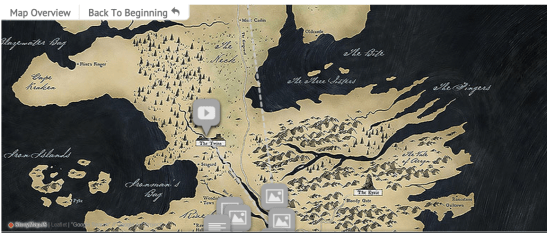
Geo-located map apps are fun to make and fun for the audience to engage with. These storytelling tools have huge potential when the story is map-based. StoryMap can implement multimedia, text and interactivity along with location relevance. StoryMapJS is the brainchild of Northerwestern Univeristy Knight Lab and is a digital storyteller’s dream.

To demonstrate it’s potential, here’s the tool at work, transposed onto the wonderful and well-known Game of Thrones map. To follow Arya on her journey through Westeros, click on the map…

got


This sort of map is useful for content creation and can be used for brand stories or traditional journalism. Al Jazeera America recently tracked the missing Malaysian Airlines flight MH370 using the StoryMapJS app as well.

To have a play around with the tool yourself, click on the picture below

story

Living With Sonder: Life Above the Clouds

Taken in the San Francisco Bay area over a period of a few years by talented man Simon Christen, these exquisite time lapse films track the earth on its diurnal and nocturnal turnings, normally so ineffable and unknowable because they occur so slowly. It’s a macrocosm and a microcosm of pure thriving, living magic. It’s possible to really see and feel the sonder of this piece, how everything is both simultaneously gargantuan and also microscopic at the same time. For a definition of the word sonder, travel here.

The Unseen Sea from Simon Christen on Vimeo.

Relish, enjoy and let me know about your armchair journey below…

How Old Norse Became English: A Viking Epic

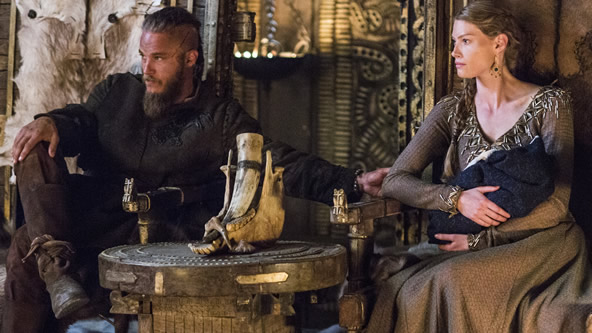
Now I can’t take credit for this one, I found it here on Babbel, but it was just so so so amazing that I needed to share it with all of you bookworms. I’ve written about Vikings before and I also love that Vikings drama series on History, soon be coming into its third season, not soon enough.

I learnt many Scots words while living in Scotland such as Bairn (for baby) or Burn (meaning river) and Greetin (meaning crying) and these all derive from Scandanavian languages. See more examples here.

**
When I say “Old English” what comes to mind? The ornate, hard-to-read script? Reading Beowulf in your high school English class? The kinds of figurative compound nouns – or kennings like “swan of blood” and “slaughter-dew” that have sustained heavy metal lyrics for decades?

Old English, also known as Anglo-Saxon, was a language spoken by the Angles and the Saxons – the first Germanic tribes to settle the British Isles. They were not the first inhabitants, as any Welsh or Gaelic speaker will tell you, but their language did form the basis for the Angle-ish we speak today. But then why can’t we modern-day English speakers understand Old English? In terms of vocabulary, grammar and syntax, Old English resembles its cousins Dutch and German more than it does modern English. So how did English change so drastically?

The short answer is that the English language changed forever after the Norman invasion brought a new ruling class of French speakers to the British Isles in 1066. French was the language of the nobility for the next 300 years – plenty of time for lots of French words to trickle down to the merchant and peasant classes. For example, the Anglo-Saxons already had words for “sheep” and “cows”, but the Norman aristocracy – who usually only saw these animals on the plate – introduced mouton(mutton) and boeuf (beef). Today, nearly thirty percent of English words come from French.

As a result, modern English is commonly thought of as a West Germanic language with lots of French and, thanks to the church, Latin influence. But this history of English’s development leaves out a very important piece of the linguistic puzzle – Old Norse: the language of the Vikings.

How Old Norse Became English: A Viking Epic


How To Speak Viking

The Old Norse noun víking meant an overseas expedition, and a vikingr was someone who went on one of these expeditions. In the popular imagination, the Vikings were essentially pirates from the fjords of Denmark and Norway who descended on medieval England like a bloodthirsty frat party; they raped, pillaged, murdered, razed villages and then sailed back across the North Sea with the loot.

But the truth is far more nuanced. The earliest Viking activity in England did consist of coastal raids in the early ninth century, but by the 870s the Danes had traded sword for plow and were settled across most of Northern England in an area governed by treaties known as the Danelaw. England even hadDanish kings from 1018 to 1042. However, the more successful and longer-lasting Norman conquest in 1066 marked the end of the Viking era and virtually erased Danish influence in all aspects of English culture but one: its effect on the development of the English language.

Traust me, þó (though) it may seem oddi at first, we er still very líkligr to use the same words as the Vikings did in our everyday speech. Þeirra (their) language evolved into the modern-day Scandinavian languages, but þeir (they) also gave English the gift of hundreds of words.

[A NOTE ON THE LETTER Þ: THE OLD NORSE LETTER, CALLED THORN, MAKES THE SAME SOUND AS “TH”.]

Names of Days

The most obvious Viking influence on modern English is the word Thursday (Þorsdagr), which you can probably guess means “Thor’s day”.

Tuesday”, “Wednesday” and “Friday” are sometimes also attributed to the Norse gods Tyr, Odin and Freya, respectively; but the days are actually named for the Anglo-Saxon equivalents of these gods, Tiw, Wodan and Friga. The similarity of these names points to the common ancestry of the various Germanic tribes in prehistoric northern Europe – centuries before their descendants clashed on England’s shores.

War & Violence

If the Vikings are famous for one thing, it’s their obsession with war. They didn’t just bring death and destruction to England in the Middle Ages, they brought really cool words for death and destruction. They were certainly a rough bunch. Just look at a Viking the rangr way, and he might þrysta (thrust) aknifr into your skulle.

  • berserk/berserker – berserkr, lit. ‘bear-shirt’. A berserkr was a Viking warrior who would enter battle in a crazed frenzy, wearing nothing for armor but an animal skin.
  • club – klubba. People have been bashing each other with heavy things since time immemorial, but not until the Danes started bringing this weapon down on English heads did this blunt weapon receive its fittingly blunt name.
  • ransack – rannsaka (to search a house)
  • These days, the adjective scathing is reserved for sharp criticism, but in the context of the original meaning of scathe(to injure), skaða takes on a much more visceral quality.
  • slaughter – slatra (to butcher)
  • Even though the gun wasn’t invented until centuries after the Viking era, the word comes from Old Norse. The most common usage was in the female name Gunnhildrgunn and hildr both can translate as “war” or “battle”. Only truly badass Vikings named their infant daughters “Warbattle”.

How Old Norse Became English: A Viking Epic

Society & Culture

But life in the Danelaw wasn’t all murder and mayhem. Ironically, these savage berserkers also gave us words that are central to our “civilized” culture:

bylaw – bylög (village-law) sale – sala
heathen – heiðinn (one who inhabits the heath or open country) skill – skil (distinction)
Hell – In Norse mythology, Loki’s daughter Hel ruled the underworld. steak – steik (to fry)
husband – hús (house) + bóndi (occupier and tiller of soil) = húsbóndi thrall – þræll (slave)
law – lag thrift – þrift (prosperity)
litmus – litr (dye) + mosi (lichen; moss) tidings – tíðindi (news of events)
loan – lán (to lend) troll
saga yule – jol (a pagan winter solstice feast)

Animals

Although most English animal names retain their Anglo-Saxon roots (cow, bear, hound, swine, chicken, etc) the Vikings did bring certain animals names into the vernacular:

  • bug – búkr (an insect within tree trunks)
  • bull – boli
  • reindeer – hreindyri
  • skate – skata (fish)
  • wing – vængr

Some words associated with hunting and trapping also come from Old Norse. Sleuth now means “detective”, but the original slóth meant “trail” or “track”. Snare, on the other hand, retains the original meaning of O.N. snara.

The Landscape

Old Norse is good at describing bleikr landscapes and weather. This was especially useful in the Vikings’ adopted northern England, where flatr or rogg (rugged) terrain can be shrouded in fok, and oppressed by gustr of wind and lagr (low) ský (clouds).

Much of the Danelaw bordered swamps and alluvial plains, so it’s no surprise that many Norse words for dirty, mucky things survive in English:

  • dirt – drit (excrement)
  • dregs – dregg (sediment)
  • mire – myrr (bog)
  • muck – myki (cow dung)
  • rotten – rotinn

The Norse Legacy in English

Thanks to the cross-cultural fermentation that occured in the Danelaw – and later when England was temporarily absorbed into Canute the Great’s North Sea Kingdom – the English language is much closer to that of its Scandinavian neighbors than many acknowledge. By the time that the Norman conquest brought the irreversible influence of French, Old English had already been transformed beyond its Anglo-Saxon roots.

This is still in evidence today; modern English grammar and syntax are more similar to modern Scandinavian languages than to Old English. This suggests that Old Norse didn’t just introduce new words, but influenced how the Anglo-Saxons constructed their sentences. Some linguists even claimthat English should be reclassified as a North Germanic language (along with Danish, Norwegian and Swedish), rather than a West Germanic language (with Dutch and German). The Viking influence may be most apparent in the Yorkshire dialect, which uses even more Norse words in daily speech than standard English does.
English is probably too much of a hybrid to ever neatly classify, but its Old Norse rót is clearly there among the tangle of Anglo-Saxon, French and Latin roots. The language of the Vikings may have become subdued over the centuries, but make no mistaka about it – from byrðr (birth) undtil wedeyja (die) – Norse’s raw energy simmers under the surface of everything we say.

How Old Norse Became English: A Viking Epic

More Norse Words

VERBS

bark – bǫrkr

rid – rythja (to clear land)

bask – baðask (reflexive of baða, “to bathe”)

run – renna

billow – bylgja

scare – skirra

blunder – blundra (to shut one’s eyes; to stumble about blindly)

scrape – skrapa

call – kalla (to cry loudly)

snub – snubba (to curse)

cast – kasta (to throw)

sprint – spretta (to jump up)

choose – kjósa

stagger – stakra (to push)

clip – klippa (to cut)

stain – steina (to paint)

crawl – krafla (to claw)

stammer – stemma (to hinder or dam up)

gawk – ga (to heed)

sway – sveigja (to bend; to give way)

get – geta

take – taka

give – gefa

seem – sœma (to conform)

glitter – glitra

shake – skaka

haggle – haggen (to chop

skip – skopa

hit – hitta (to find)

thwart – þvert (across)

kindle – kynda

want – vanta (to lack)

race – rás (to race, to move swiftly)

whirl – hvirfla (to go around)

raise – reisa

whisk – viska (to plait or braid)

OBJECTS

axle – öxull (axis)

loft – lopt (air, sky; upper room)

bag – baggin

mug – mugge

ball – bǫllr (round object)

plow, plough – plogr

band (rope)

raft – raptr (log)

bulk – bulki (cargo)

scale (for weighing) – skal (bowl, drinking cup)

cake – kaka

scrap – skrap

egg

seat – sæti

glove – lofi (middle of the hand)

skirt – skyrta (shirt)

knot – knutr

wand – vondr (rod)

keel – kjölr

window – vindauga (lit. “wind-eye”)

link – hlenkr

ADJECTIVES

THE BODY

aloft – á (on) + lopt (loft; sky; heaven)

freckles – freknur

ill – illr (bad)

foot –fótr

loose – lauss

girth – gjörð (circumference)

sly – sloegr

leg – leggr

scant – skamt (short, lacking)

skin – skinn (animal hide)

ugly – uggligr (dreadful)

weak – veikr

PEOPLE

EMOTIONS

fellow – felagi

anger – angr (trouble, affliction)

guest – gestr

awe – agi (terror)

kid – kið (young goat)

happy – happ (good luck; fate)

lad – ladd (young man)

irk – yrkja (to work)

oaf – alfr (elf)


So many words in English come from Old Norse, it’s really strange. When I watch thrillers from Denmark I can now recognise a lot of the words. Now I wonder, should we reclassify English as a Northern Germanic language? Who says it’s German or French? English has so much in common with Vikings, and Vikings are far more cool.

Now you will probably shoot me down for liking a television show about Vikings. But hey I am a fangirl – deal with it 😉