
Just keep laughing…that’s all we can do…
Teach me Senpai
21st Century Masters: Still Life with Bog Roll & Hand Sanitiser


Message from Ma… pic.twitter.com/3ExqvA5tvY
— Finty williams (@finty_williams) March 18, 2020
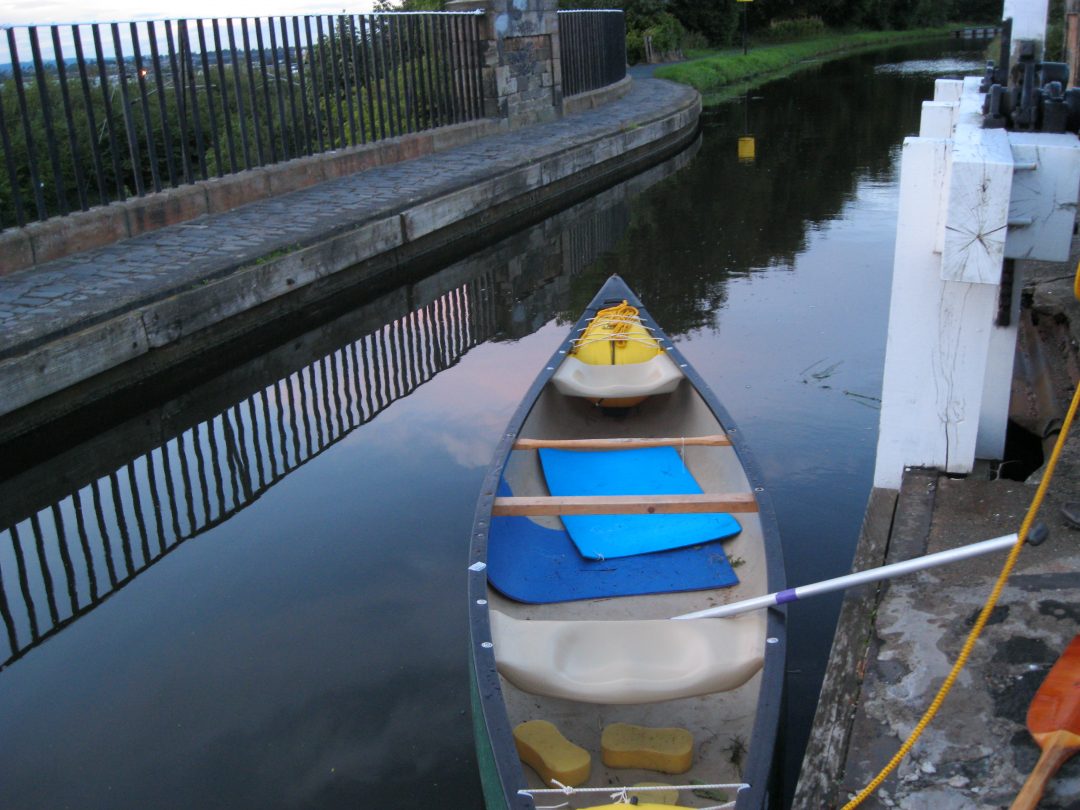
He who rules men lives in confusion;
He who is ruled by men lives in sorrow.
Yao therefore desired
Neither to influence others
Nor to be influenced by them.
The way to get clear of confusion
And free of sorrow
Is to live with Tao
In the land of the great Void.
Chuang Tzu (300 B.C.)


Arcadian Idyll: an idealised vision about rural life, a country paradise.
Arcadia was and still is, a mountainous region in Greece. It was populated mainly by shepherds and the sleepy and fluffy flocks of sheep.
In reality, rural life in Arcadia was harsh, poor and beholden to the ravages of unpredictable weather.
However that reputation changed when ancient Roman poet Virgil decided to give Arcadia a PR boost.
In his collection of verses Eclogues, Virgil put Arcadia on the map with tales of merry herdsmen having love affairs and living their best lives in a country locale of sylvan and unmatched beauty.
From then on, Arcadia came to represent imagined rural bliss and a bucolic utopia.
And for you, boy, the uncultivated earth will pour out
her first little gifts, straggling ivy and cyclamen everywhere
and the bean flower with the smiling acanthus.
The goats will come home themselves, their udders swollen
with milk, and the cattle will have no fear of fierce lions:
Your cradle itself will pour out delightful flowers:
And the snakes will die, and deceitful poisonous herbs
will wither: Assyrian spice plants will spring up everywhere.
And you will read both of heroic glories, and your father’s deeds,
and will soon know what virtue can be.
Virgil, Eclogues


Translates to ‘Even in Arcadia, death exists’. A solemn reminder that even in the midst of blissful idyll, death lurks around the corner.

“If we look at human history, we will find that a good heart has been the key in achieving what the world regards as great accomplishments in the fields of civil rights, social work, political liberation and religion for example.
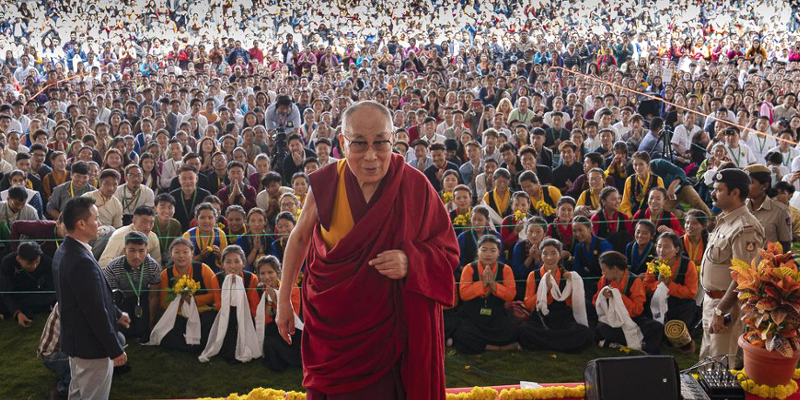
“A sincere outlook and motivation do not belong exclusively to the sphere of religion; they can be generated by anyone wanting to have genuine concern for others, for one’s community, for the poor and the needy. In short, they arise from taking a deep interest in and being concerned for the welfare of the larger community, that is, the welfare of others.

“Actions resulting from this kind of attitude and motivation will go down in history as good, beneficial and of service to humanity.
“On the other hand, our history abounds with stories of individuals perpetrating the most destructive and harmful acts. Killing and torturing other people, bringing misery and untold suffering to a large number of human beings.
“World history is simply a collective record of the effects of negative and positive thoughts of human beings. By reflecting on history, we can see that if we want a better, happier future, we must examine our mindset now and reflect on a way of life that this mindset will bring in the future.”
Tenzin Gyatso, the fourteeth Dalai Lama. The Compassionate Life.

“Happiness is in the quiet, ordinary things. A table, a chair, a book with a paper-knife stuck between the pages. And the petal falling from the rose, and the light flickering as we sit silent.” Virginia Woolf, The Waves

“Nothing thicker than a knife’s blade separates happiness from melancholy.”
― Virginia Woolf, Orlando
“How much better is silence; the coffee cup, the table. How much better to sit by myself like the solitary sea-bird that opens its wings on the stake. Let me sit here for ever with bare things, this coffee cup, this knife, this fork, things in themselves, myself being myself.”
― Virginia Woolf, The Waves
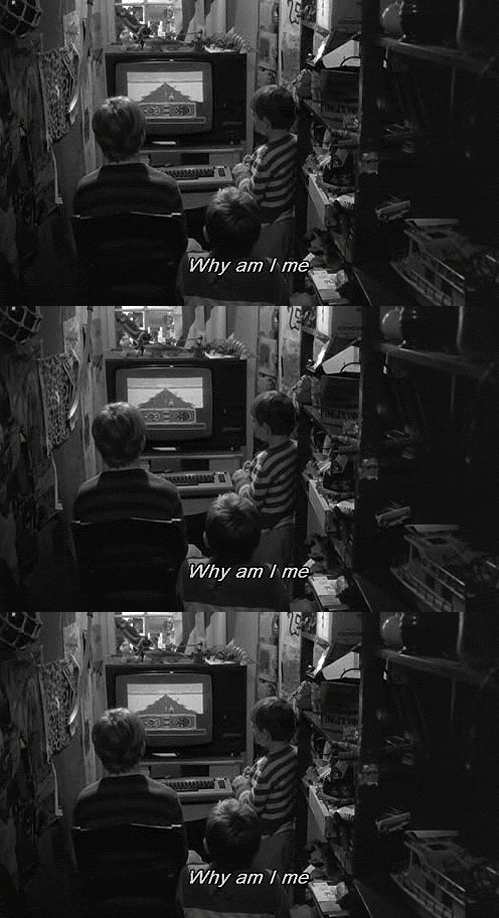
When the child was a child,
It was the time for these questions:
Why am I me, and why not you?
Why am I here, and why not there?
When did time begin, and where does space end?
Is life under the sun not just a dream?
Is what I see and hear and smell
not just an illusion of a world before the world?
Given the facts of evil and people.
does evil really exist?
How can it be that I, who I am,
didn’t exist before I came to be,
and that, someday, I, who I am,
will no longer be who I am? — Peter Handke, Poet. Wings of Desire

“May you always see a blue sky overhead, my young friend; and then, even when the time comes, as it has come for me now, when the woods are black, when night is fast falling, you will be able to console yourself, as I do, by looking up at the sky.”
— Marcel Proust

Be like the fox
who makes more tracks than necessary,
some in the wrong direction.
Practice resurrection.”
― Wendell Berry

“Our life is a faint tracing on the surface of mystery, like the idle, curved tunnels of leaf miners on the face of a leaf.”
― Annie Dillard, The Abundance: Narrative Essays Old and New

Awaken in the Wild is a really great introductory book about the connection between mindfulness and the natural world. Published in 2006, it feels before its time in terms of the themes of overstimulation from technology and mindfulness. There are around 40 brief and themed sections in the book, with a short lesson and then guidance on a meditation related to the theme. These bite-sized reflections on mindfulness and nature make this book a pure pleasure to read. Each section is perfect for when you’re tired and want something wholesome and beautiful to send you off into the nocturnal netherworld.
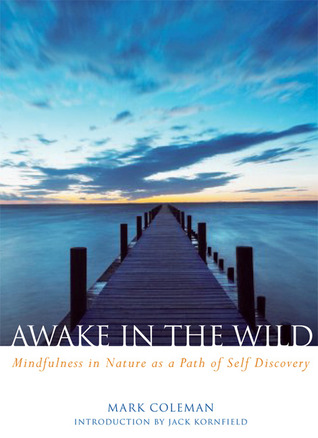
All meditations gently ask you to connect with the natural world and involve executing on simple advice, such as:
This is a great guide to contemplating these timeless topics. It’s possible to dip back into this book over and over again. Awaken in the Wild is a great bedside table companion to pick up and read when you need to have some grounding in awareness.
Also, if you find yourself being increasingly connected to technology rather than out in nature, this book will help you to cherish and rediscover nature and how it can heal you inside and out.
Although this is not a popular book and seems to have gone out of print, I would recommend you try and find it.


Contrarian feminist Camille Paglia’s ideas infuriate most feminists. Her ideas are not for the faint-hearted or lilly-livered – she is a sex-positive, pro-abortion transgender woman with a no bullshit, straight-talking style that she combines with playful erudition and poetic pyrotechnics in this book.
The New York Times review of her book basically called her a spoiled bratty child and compared her to Donald Trump.
A faction of censors at the University of Arts in Philadelphia tried to get her fired from her faculty job, which she has held for three decades because of her contrarian views on gender, sex and identity.
99% of feminists approach her ideas with absolute vitriol and disregard. This is mainly because she refuses to toe the line and repeat the same old feminist man-bashing, man-hating ideas. I find this absolutely refreshing and a necessary departure from this toxic way of thinking.
This fiery, thought-provoking collection of essays runs a diverse gamut of topics from literature, religion, art, history, sex, fashion, sport, philosophy and sex. The title Free Women, Free Men is a tribute to the principles of “…free thought and free speech—open, mobile, and unconstrained by either liberal or conservative ideology,” she explains in the introduction.
Tired of the same old polarised liberal and conservative ideas that infiltrate our lives, Paglia throws out the rule book completely. Unlike most other feminists, she thinks women and men should be free to enjoy sex and porn, appreciate beauty, fashion, pop icons, sport, etc.
Her writing about women and men is rooted in the struggles both genders face as they go through life, not on theoretical postmodernist ideas that are abstracted from reality.
But she is also hilarious, in a gossipy, salty and gleefully bitchy way…
“Leaving sex to the feminists is like letting your dog vacation at the taxidermist.” ― Camille Paglia

“We cannot have a world where everyone is a victim. “I’m this way because my father made me this way. I’m this way because my husband made me this way.” Yes, we are indeed formed by traumas that happen to us. But then you must take charge, you must take over, you are responsible.” ― Camille Paglia
“Men have sacrificed and crippled themselves physically and emotionally to feed, house, and protect women and children. None of their pain or achievement is registered in feminist rhetoric, which portrays men as oppressive and callous exploiters.” ― Camille Paglia

“American feminism has a man problem. The beaming Betty Crockers, hangdog dowdies, and parochial prudes who call themselves feminists want men to be like women. They fear and despise the masculine. The academic feminists think their nerdy bookworm husbands are the ideal model of human manhood. But”
― Camille Paglia, Sex, Art, and American Culture: Essays
“Sex, like the city streets, would be risk-free only in a totalitarian regime” ― Camille Paglia
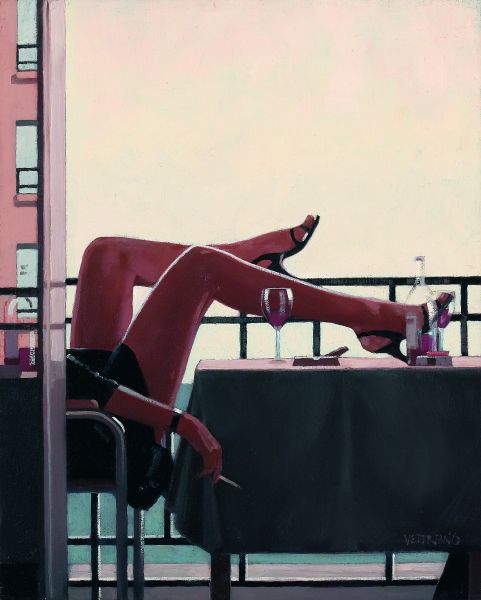
“The cold biological truth is that sex changes are impossible. Every single cell of the human body remains coded with one’s birth gender for life. Intersex ambiguities can occur, but they are developmental anomalies that represent a tiny proportion of all human births” ― Camille Paglia
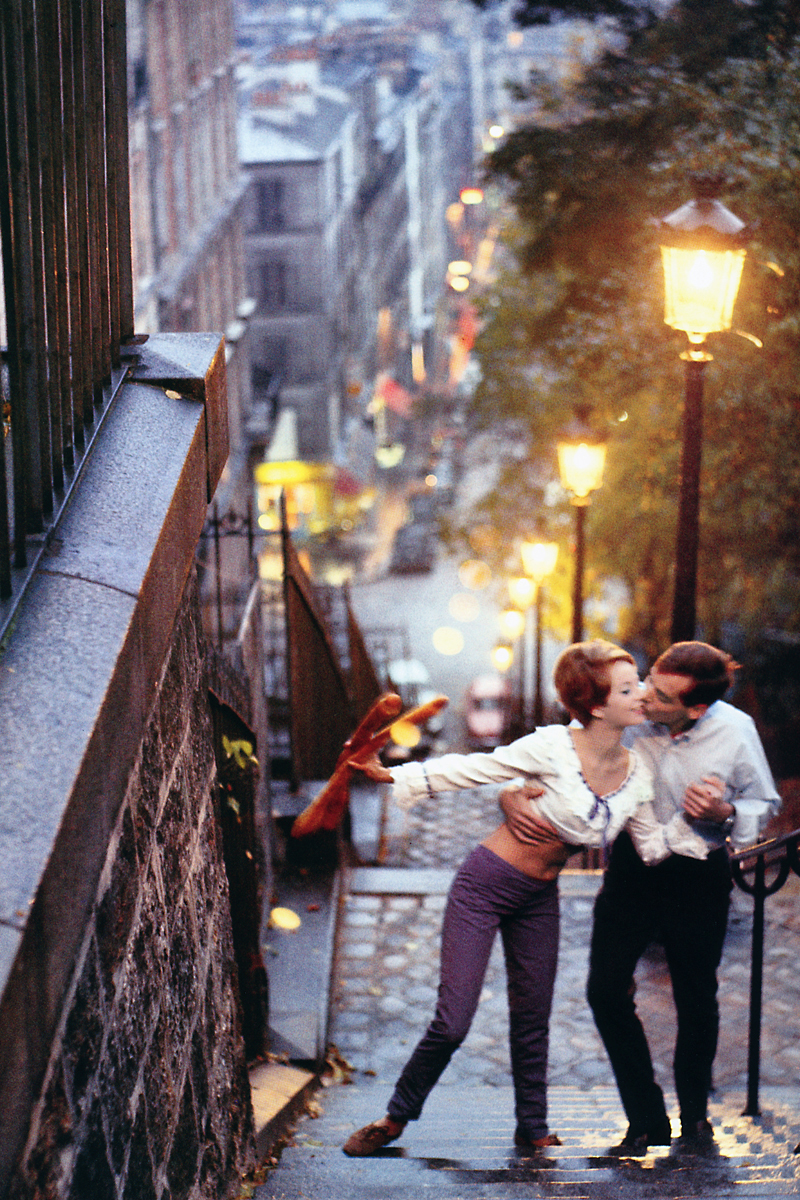
“I don’t feel less because I’m in the presence of a beautiful person. I don’t go, oh, I’ll never be that beautiful! What a ridiculous attitude to take! ….When men look at sports, when they look at football, they don’t go, oh, I’ll never be that fast!, I’ll never be that strong!” ― Camille Paglia
“As a career college teacher, I want our coddling, authoritarian universities to end all involvement with or surveillance of students’ social lives and personal interactions, verbal or otherwise. If a real crime is committed, it should be reported to the police. Otherwise, college administrations should mind their own business and focus on facilitating and funding education in the classroom.” ― Camille Paglia
“I consider it completely irresponsible that public schools offer sex education but no systematic guidance to adolescent girls, who should be thinking about how they want to structure their future lives: do they want children, and if so, when should that be scheduled, with the advantages and disadvantages of each option laid out. Because of the stubborn biological burden of pregnancy and childbirth, these are issues that will always affect women more profoundly than men. Starting a family early has its price for an ambitious young woman, a career hiatus that may be difficult to overcome. On the other hand, the reward of being with one’s children in their formative years, instead of farming out that fleeting and irreplaceable experience to day care centres or nannies, has an inherent emotional and perhaps spiritual value that has been lamentable ignored by second-wave feminism.” ― Camille Paglia
The essays in this book are a bit repetitive overall, but some of the ideas are really amazing. Some are a bit too extremely conservative to my liking, but I don’t mind reading about them. The idea of reading books that espouse unusual, little known or strangely divergent ideas should be welcomed by people. To think that free thought and ideas like these could be quashed because they are distasteful to some people, I find that possibility pretty terrifying. I hope it’s a reminder to people to read more widely instead of less widely.
I love that Paglia is fearless, and has a visceral and realistic approach to the world which tends to lack in most feminist literature I have read, which is pretty cerebral, esoteric and theoretical, rather than being applicable to people’s lives. She is also an unrepentant admirer of art, sport, pop culture, Madonna, fashion and so on. I love her lack of intellectual snobbery and the no-bullshit way she writes.
Any philosophical ideas and insights that serve to bring women and men closer together, whether it’s as romantic partners, work colleagues, friends, rather than hating each other, I can fully get behind. Conversely, ideas that serve to keep women and men alienated and separated from each other or that stoke hatred and anger. Well, I think this sort of thing is a complete waste of time and it’s toxic to people’s individual lives and society as a whole.
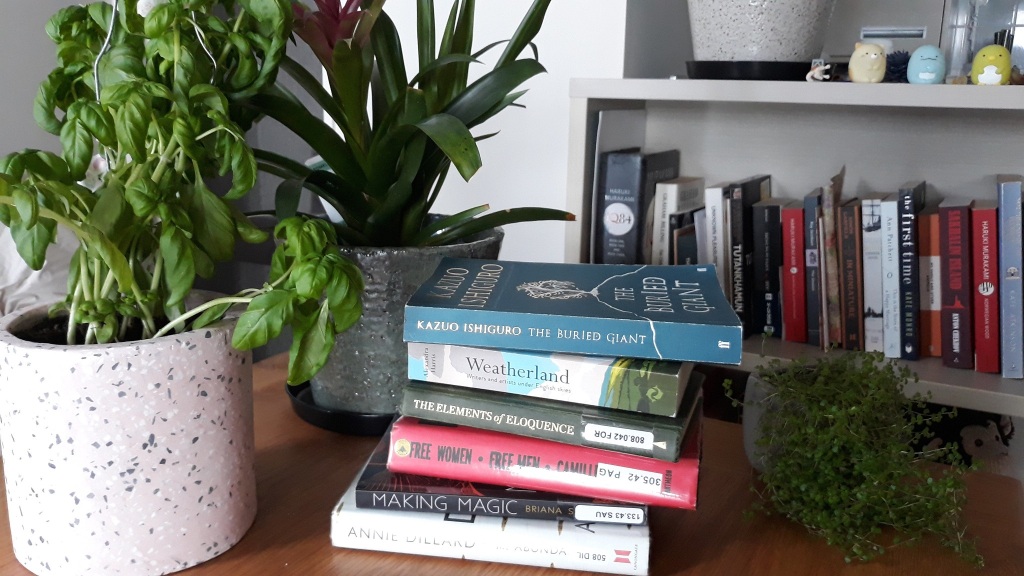

“We die containing a richness of lovers and tribes, tastes we have swallowed, bodies we have plunged into and swum up as if rivers of wisdom, characters we have climbed into as if trees, fears we have hidden in as if caves.
I wish for all this to be marked on by body when I am dead. I believe in such cartography – to be marked by nature, not just to label ourselves on a map like the names of rich men and women on buildings. We are communal histories, communal books. We are not owned or monogamous in our taste or experience.”
― Michael Ondaatje, The English Patient

Director Gurinder Chadha who is known for the film Bend It Like Beckham, has created another feel-good film. Blinded by Light is about a Pakistani British teenager Javed who learns how to cope with the ecstacy and heartbreak of life through the music of Bruce Springsteen.
Set in a working class suburb of London in 1987, in the grimness of Thatcher’s Britain, the film speaks to a lot of themes that many people can understand. About being a young person who looks different from the majority of people in the country where one grows up.
And yet having an overpowering love of pop and music culture of the time. The placement front and centre of Bruce Springsteen in this film lends it a strange kind of magic. There are moments of pure joy when the film re-enacts musical fantasy sequences to the Boss’s music. It’s as though The Boss is an important character in the film with his exultant and powerful lyrics that tell stories about young people overcoming their difficult beginnings and achieving greatness, young romance, poverty, god and so many other themes.

Without ruining the plot of the story, Javed traipses through the story buoyed up by the pure joy of Springsteen’s music. It’s a real treat this film, if you either like feel-good movies, love Springsteen, grew up in the 80’s or any/all of the above. 5/5*

Are you fascinated and delighted by small things? Then I’ve found the ultimate book for you. In Miniature: How Small Things Illuminate the World by Simon Garfield. Each chapter delves into a miniature world of its own and there is only a tenuous connection between them, but no matter. All is forgiven because learning all about tiny replicas of Eames chairs, tiny models created by the late and great architect Zaha Hadid, and exquisite replicas of Windsor Castle and tiny towns all have their own peculiar and quirky way of drawing you in.
You will also learn about how tiny models of crime scenes were the CSI in the analogue era of crime investigation about 100 years ago.
This eclectic assortment of tiny stories about tiny things that changed the world in big ways is a true delight. Also, quite interestingly you will learn about how big things, such as the Eiffel Tower changed the way people saw themselves in relation to the world.

Tiny things can be powerful treasures and help people to comprehend the world and to educate others about topics that on a large scale can seem incomprehensible and complex.
On a more serious note, there’s a chapter on how a model of slave ship included heart-wrenching tiny figures laying down top-to-toe. This was shown in the English parliament, and demonstrated in a powerful and realistic way how cruel the practice was, resulting the end of slavery in England.
There’s also a chapter on miniscule books, which readers of this blog know that I love. Garfield asks whether there is any point of creating a book with microscopic pages that can be fit inside of the eye of a needle. I would contend that there is a purpose for these kinds of things. That is – enjoyment.
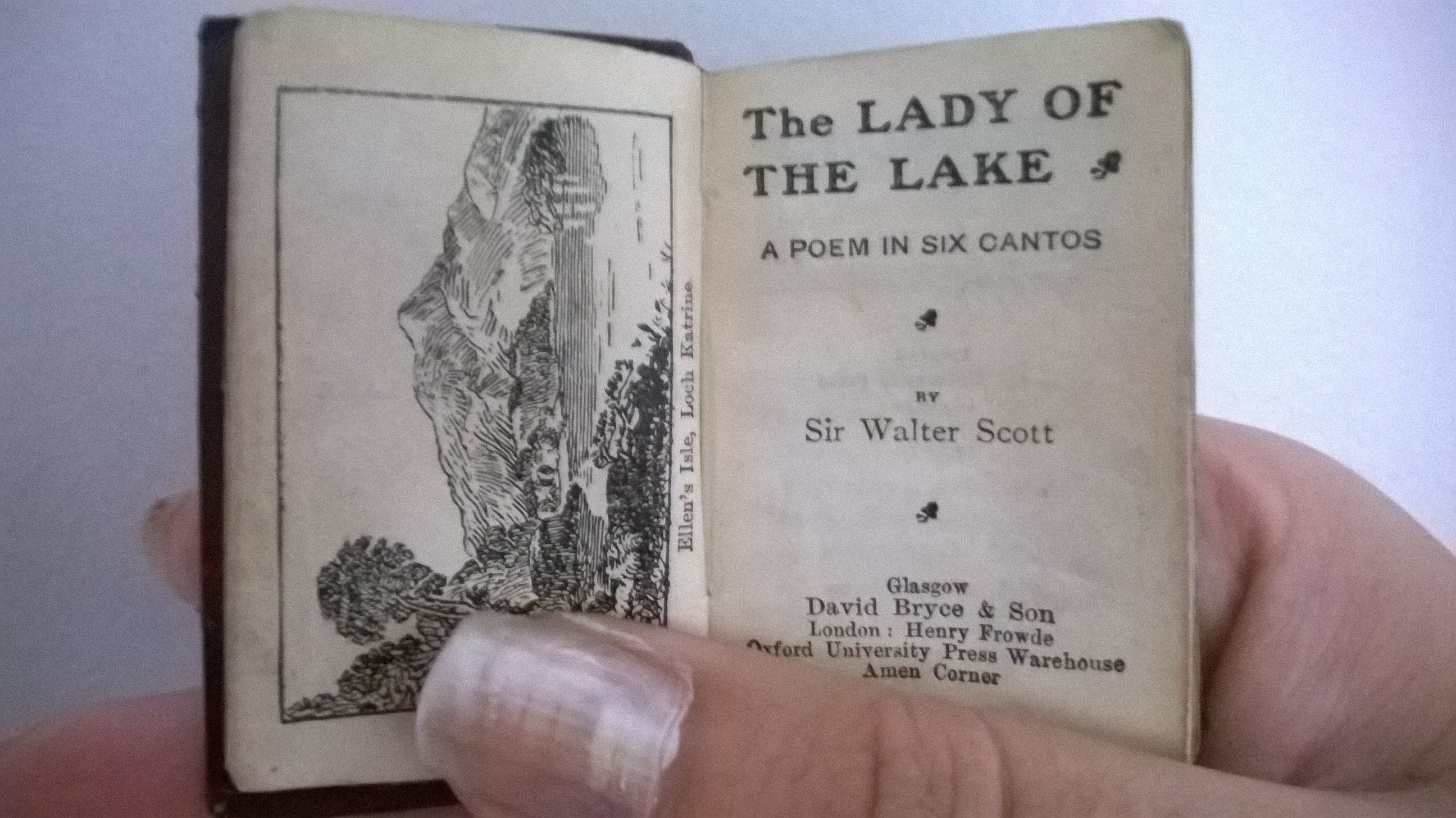
Fans of tiny food, tiny books, tiny towns and owners of strange miscellaneous historical items will love this book.
5/5*

 Content Catnip
You must be logged in to post a comment.