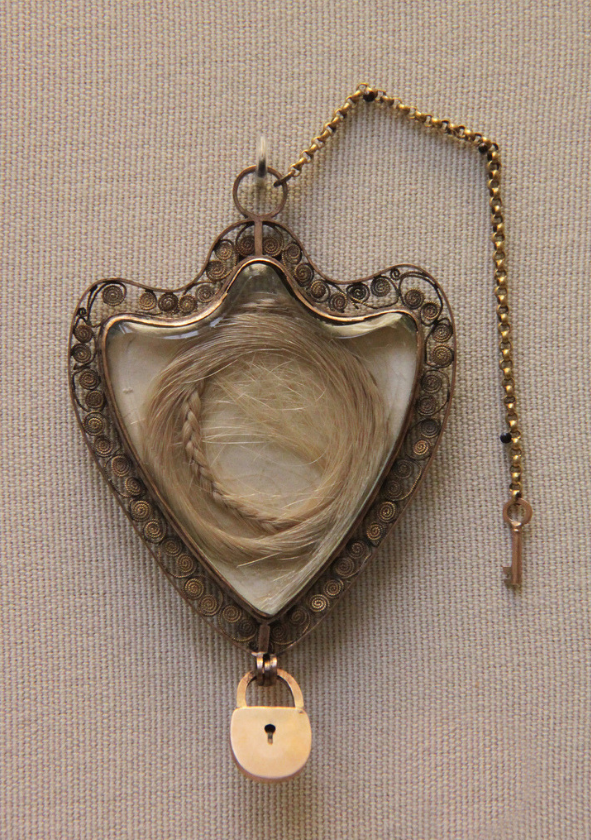
Love-Drury: n. A treasured token or keepsake given to a lover or partner.
Origin: French. Comes from the French word Drut meaning a friend or lover. Drury made its way to English in the Middle Ages.
In the 14th Century, a drury was a sweetheart or beloved person or a treasured object.
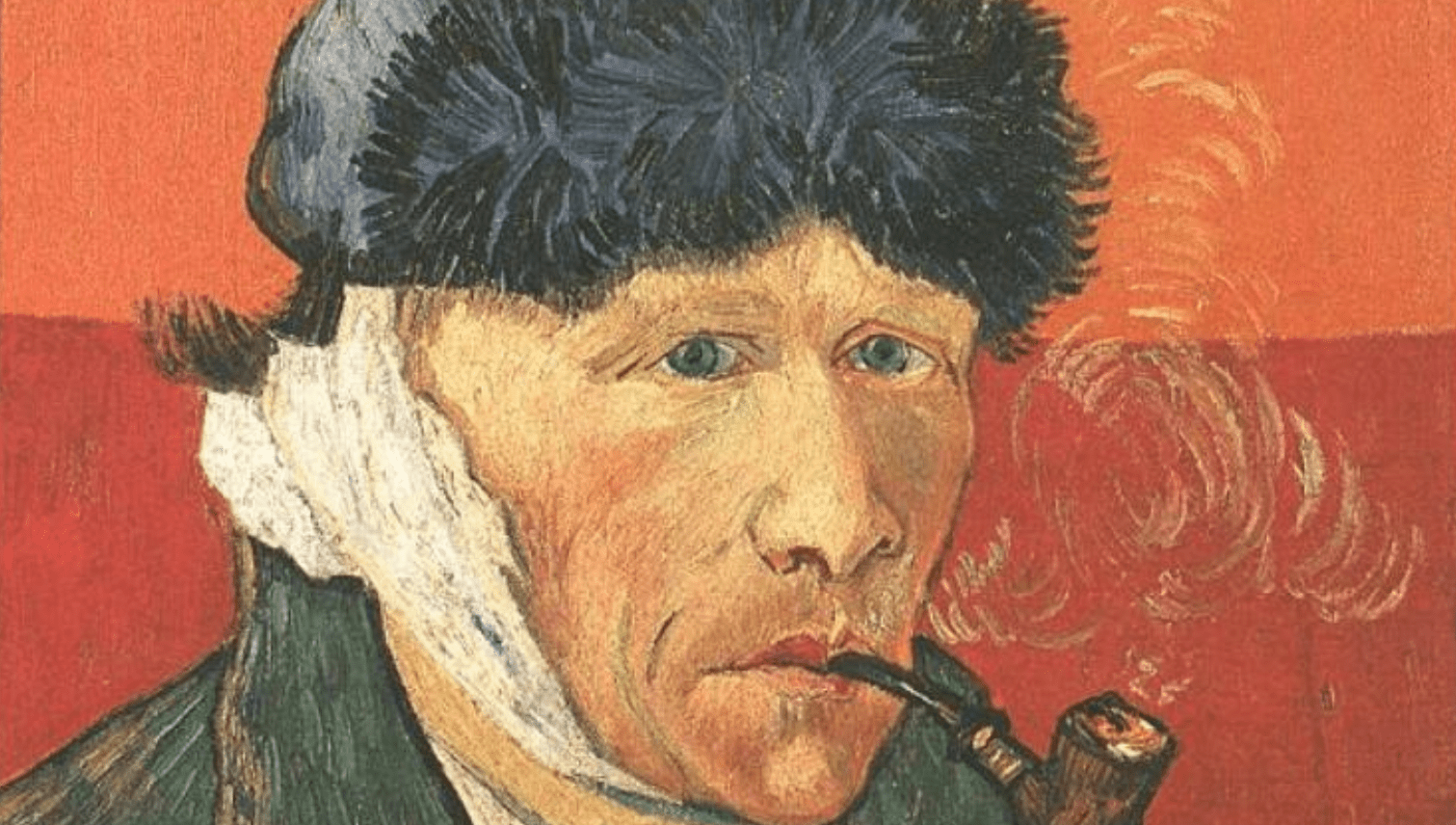
Vincent Van Gogh’s ear: The Ultimate Love-Drury
Post-Impressionist artist Vincent Van Gogh moved from Paris to Arles in the 19th Century, kick-starting an artists commune with fellow artist friend Paul Gauguin.
On the 23rd of December 1888, Van Gogh had a violent argument with Gauguin, where he threatened him with a knife before turning it on himself. Van Gogh sliced off his ear and sent it to a woman that had become besotted with named Rachel. It was the ultimate Love-Drury. Van Gogh was suffering from hallucinations and serious mental health issues at the time.
“Vincent took a razor and cut off a portion of his left ear. The police would find blood all over the house, with blood soaked rags in the studio and bloody hand prints along the wall leading upstairs. Vincent took the ear and wrapped it in newspaper. With a hat pulled down over his wound, he, with ear in hand, left the house to go to a “maison de tolerance”, a brothel close to the house. There he asked for a girl named Rachel who he gave the ear to saying “Guard this object carefully.” ~ Van Gogh’s Gallery.
Genre: Non-fiction, social sciences, history, public health
Publisher: Counterpoint
Rating: 🌟 🌟
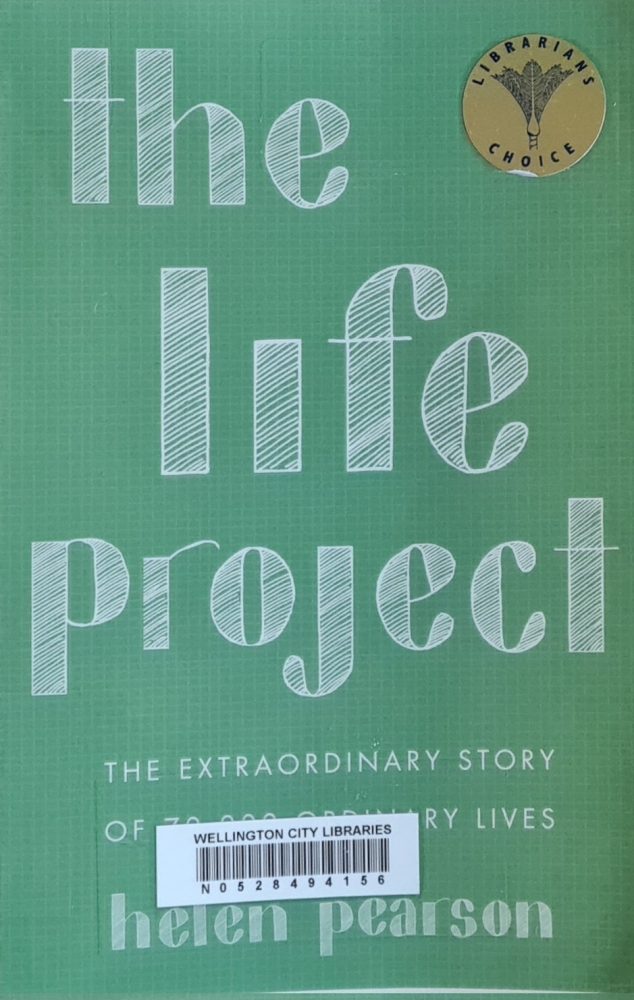
The Life Project is published by Allen Lane, an imprint of Penguin Books that focuses serious non-fiction from different realms like history, politics, science and philosophy. I really expected a lot from this book and it didn’t deliver.
The Life Project is written by journalist and editor of Nature Helen Pearson and tells the story of several longitudinal studies of people in Britain who are followed from birth to later life. There are three cohorts of people in the study, the earliest cohort are born just after the end of WW2.
The studies show that there are vast differences in health, social and educational outcomes between babies born into money and those who are born into poverty. The data shows unequivocally that babies born into poverty are less likely to become successful later in life. However, the good news is that being born into poverty isn’t a complete indicator of failure in life – that there were personality factors and other extraneous factors that meant individuals could rise above their harsh early life to become relatively successful in adult life.
These epidemiological studies were so powerful that they drove a lot of economic and social reform in the UK. The results of these studies shaped the evolution of the NHS, early education services and other social services in the UK that were designed to even out the playing field between rich and poor in the 20th Century. Which was a great thing to read about.
This book missed the most compelling storytelling opportunities for me. It treated the participants in the study as data points and didn’t really delve into their personal lives enough to make the storytelling meaningful. The writing seemed a bit condescending and patronising in how it describes people who are poor. It’s written in a way that is too detached and depersonalised. It analyses poverty from inside of a comfortable ivory tower of academia and not from the perspective of a person who is actually living in those conditions and experiencing poverty and how it limits one’s opportunities in many areas, even the invisible hand of worthlessness and the feelings of low self-esteem poverty engenders. None of that lived experience was present in the book.
The Life Project focuses a lot of energy on the lives of the researchers who ran the studies, their personality traits, the boring minutia of their lives and their struggles to get funding. These parts of the book didn’t really add anything to the storytelling and they weren’t compelling at all. I would have liked more detailed information on the study findings as well as more personalised stories of the individuals in the studies.
For a book that promised insight into the lives of 70,000 people, it didn’t really deliver.
Fans speculate that the name Darth Vader means ‘Dark Father’ are in for a rude awakening. The real meaning of Darth Vader is actually way cooler than that.
George Lucas, the creator of the Star Wars franchise has (according to online sources) explained that the name Darth Vader comes from ‘Darth’ (Dark Lord of the Sith) and Vader (Dutch for father).
Contrary to this popular belief– Darth Vader, does not actually mean ‘Dark Father’
In Middle English, Darth means something different
and it clearly explains what happens in the films.
Vader
The ProtoIndoEuropean word Pa means ‘the one who protects and feeds’ Pa is one of the oldest sounds made in the human language. This then influenced Persian (pa meaning protector) and Sansrkrit (patis meaning master), Mandarin and Cantonese (papa or baba means dad) and all European languages. Even Māori too (a Pā is a fortified village or city and a way of addressing an older male) .
In Northern Europe and the Germanic lanuguages this p sound became an f sound. Which gets us to Vader (meaning father in Dutch)
Darth
Darth comes from the Middle English deorfan– meaning to wound or hurt, to be in peril or be destroyed. This in turn comes from ProtoIndoEuropean Derb meaning to work, perish or die.
Therefore, together the words Darth Vader mean a father that kills, puts you in peril or destroys you.
“We laud our almost boundless freedom of choice as if it were a good thing per se, irrespective of what the choice is between. This is of course absurd because any rational person would prefer to choose between two good things rather than between a thousand bad ones. But, under these circumstances, how do we decide what not to choose? How do we discipline the will to help us master the art of self-restraint?
Decide when to make a choice
Don’t make everything in life a situation where you have to choose. That would be mentally exhausting. In most situations, you should fall back on habit and routine. There is nothing wrong with acting in a routine manner. A life without habit and routine would be unbearable.
Convince yourself that the idea that ‘ only the best is good enough’ is nonsense
When something is good enough, it’s good enough. If you are always chasing the best, happiness will elude you. In fact, the very idea of ‘the best’ often leads to despair, because whatever is considered best one year may be hopelessly old-fashioned the next. If only the best is good enough, then nothing is ever particularly good.
Agonising over where your love is ‘the real thing’ or your sexual relationship is above or below par, and wondering whether you could have done it better is a prescription for misery. A lot of decisions should not be reversed – even if we have the opportunity- especially when they involve obligations that concern our relationships with others.
Practise gratitude
Easier said than done, but important nonetheless. Refer to Kierkegard’s thoughts on the Lily and the Bird for further inspiration.
Expect to be hooked
The hedonic treadmill is the concept or idea that we revert back to our given ‘level of happiness’ soon after a desirable event has happened. Acknowledging this allows us to protect ourselves from disappointment when it transpires that buying a particular car, or holiday home or falling in love with a new partner fails to elicit the profound and everlasting sense of happiness that we expected.
Human beings may well find it hard ot resist comparing themselves to others, but being aware of this tendency may at least keep it in check. Yes the grass is always greener on the other side – but maybe you should mow your own lawn and play with the kids instead of spending time staring over the fence at the neighbour’s garden. Challenge the kind of snobbery that proclaims that only certain things or ideas are good enough or worthy of pursuing. I can exclusively reveal that I like the cheapest nougat ice-cream from the supermarket, and that one of the ‘best meals’ I have ever had was a simple foccacia from a 7-Eleven, partaken of at a bus stop one night on my way home from a party. It had the perfect combination of fat, salt and umami that my body needed right then and there. Less really can be more!
Learn to live with limitations
The idea that we should use our will to practise wanting less is a paradox. Making do with less requires a strong will. Is it really possible to do this? To become ascetic enough to resist the tempting and boundless world? Perhaps instead we should focus on the broader cultural landscapes, organisations, technologies, homes and families that surround us.
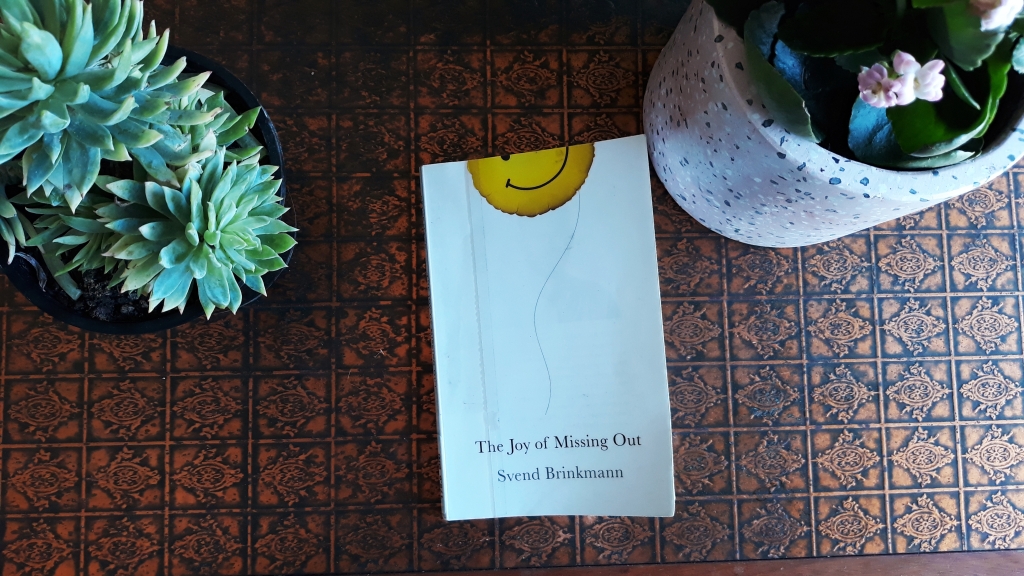
Svend Brinkmannis a Danish Professor of Psychology in the Department of Communication and Psychology at Aalborg University, Denmark. He serves as a co-director of the Center for Qualitative Studies and is the author of ‘The Joy of Missing Out’ and ‘Stand Firm’.
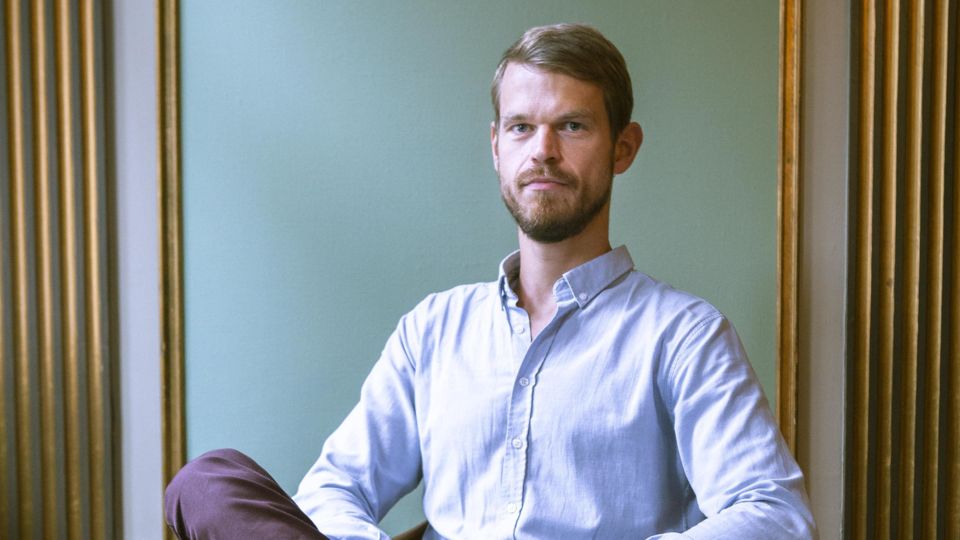
‘Xavi Druantia’s Ancient Journey’ is a personal musical odyssey inspired by nature and ancient sounds all over the world
I play different traditional instruments from all over the world. My idea is to release these songs one by one, instead of all at once on a full album. How people consume music has changed a lot with new technologies. I think it no longer makes sense to wait to release an entire album, so my plan is to release singles one by one presented with videos created by me.
Celtic blood runs through my veins, my great-grandparents were from Galicia
So I became interested in all music where bagpipes and flutes were played. I felt a strong wave of attraction to new Celtic music. I think that music is a very important sign of identity for a culture and we have to fight to preserve it.
The Hero is a classic lament by Scottish composer James Scott Skinner, dating from 1903
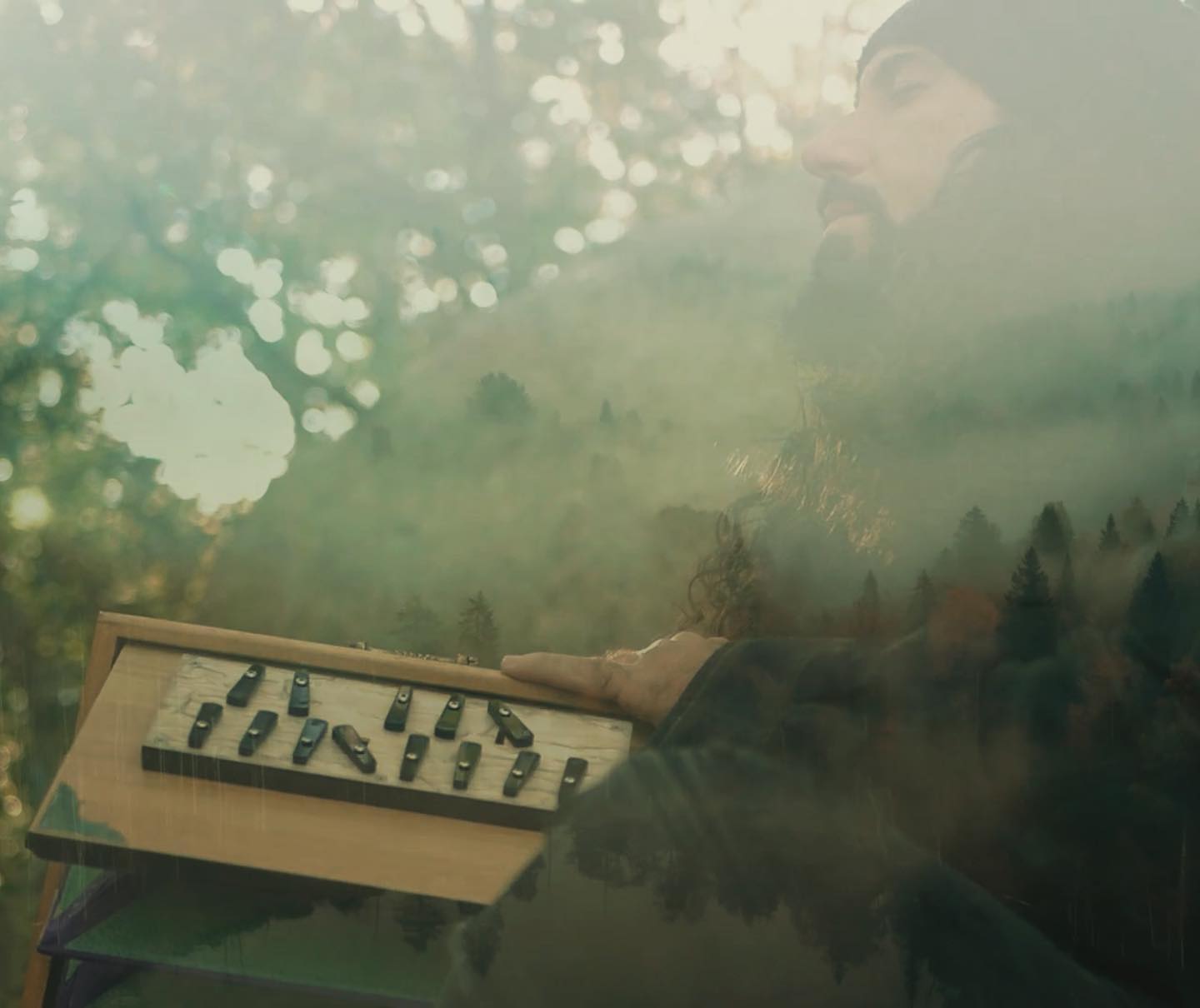
In 1996 Mike Oldfield recorded a very beautiful adaptation of this song for his album “The Voyager”. I loved this homage to Celtic music. In my version, I recorded instruments from different parts of the world: Native American flutes, shruti box from India, acoustic guitars, medieval European hurdy gurdy, etc. Shooting the video during Covid was complicated, so I took advantage of a weekend when the authorities let us go out and I shot the video clip in the mountains very quickly, on the fly.
I collaborated with singer Tripti Babbar a famous Bollywood song from the opposite side of the world
Here the magic of the internet and social networks came into play. I discovered Tripti Babbar, a talented young singer from Dheli with a beautiful voice on Instagram. We talked on Instagram and the idea of collaborating together grew. She showed me the classic version of that song from the 60s Bollywood scene and gave me the freedom to adapt that song into my style. It was a pleasure meeting Tripti and we plan to collaborate again.
My life partner Sïlvird and I covered Myrkur’s song Leaves of Yggdrasil in our native language Catalan
Sïlvird is my life partner and we live together in a city next to Barcelona, Catalunya. Sïlvird is a really good singer and I always love to do projects with her. We recorded the video during the covid lockdown in March. We were at home, so since we could not have exterior scenes, we let our imagination fly and created an abstract and creative video.
When I was a little kid, I loved listening to vintage vinyl with my parents
Lots of music was played in my house. I remember those Sunday mornings at home, Many times I imagined myself performing those songs in public, so I decided to start learning to play the guitar when I was 6 years old. Although I was shy and felt unable to play in front of people so I stopped taking classes.
When I started being a teenager I felt the call to play again. So I started having lessons and making my own recordings.
There were no computers or software available to me then. So I made home recordings with two tape recorders
I would tape onto one of the tape recorder and record the first layer of music. Then I played that recording as a backtrack in the radio and at the same time I played another instrument recording both sounds. In this way I layered the music, but the problem was that the more layers I recorded, the more noise was also recorded so you can imagine what a disaster of recordings I got hahaha. At 17 I formed a band with classmates.
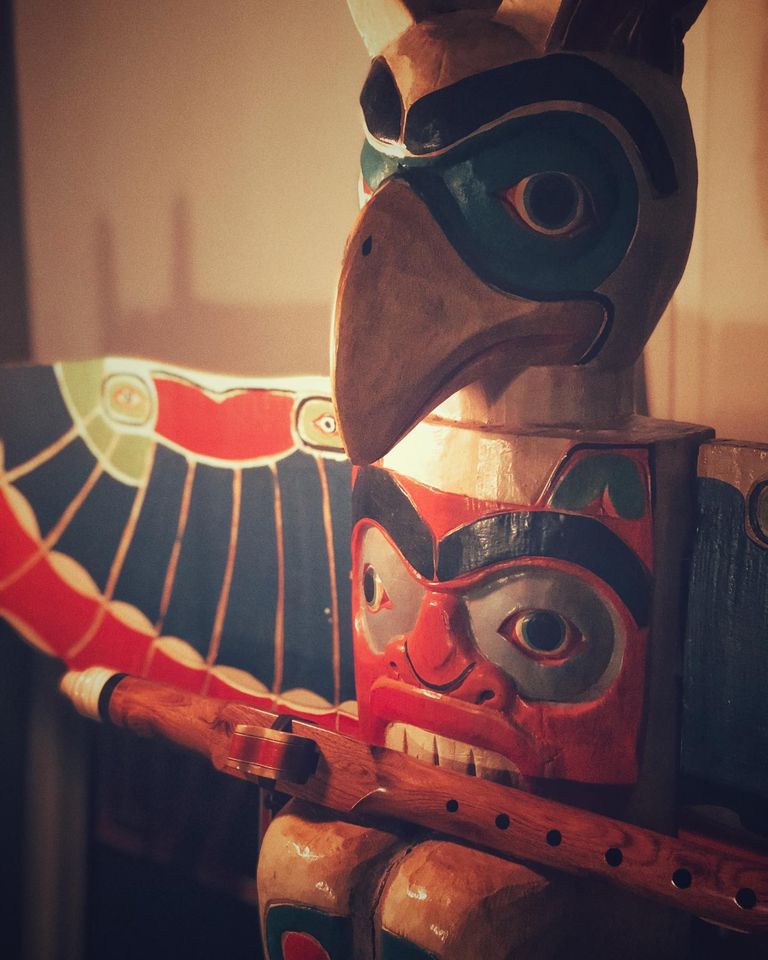
Recording Native American style flutes for new songs 🏜.
I have always had a deep interest in ancient cultures and their music. Especially those cultures that have a deep respect and connection with nature
I have loved Native American culture since my teenage years when I spent my days reading books and listening to their songs and dances. I continued investigating sounds from different parts of the world. Another of my great passions of mine is traveling, so wherever I go I’m always interested in its culture and traditions and whenever I can, I bring some native instrument from there.
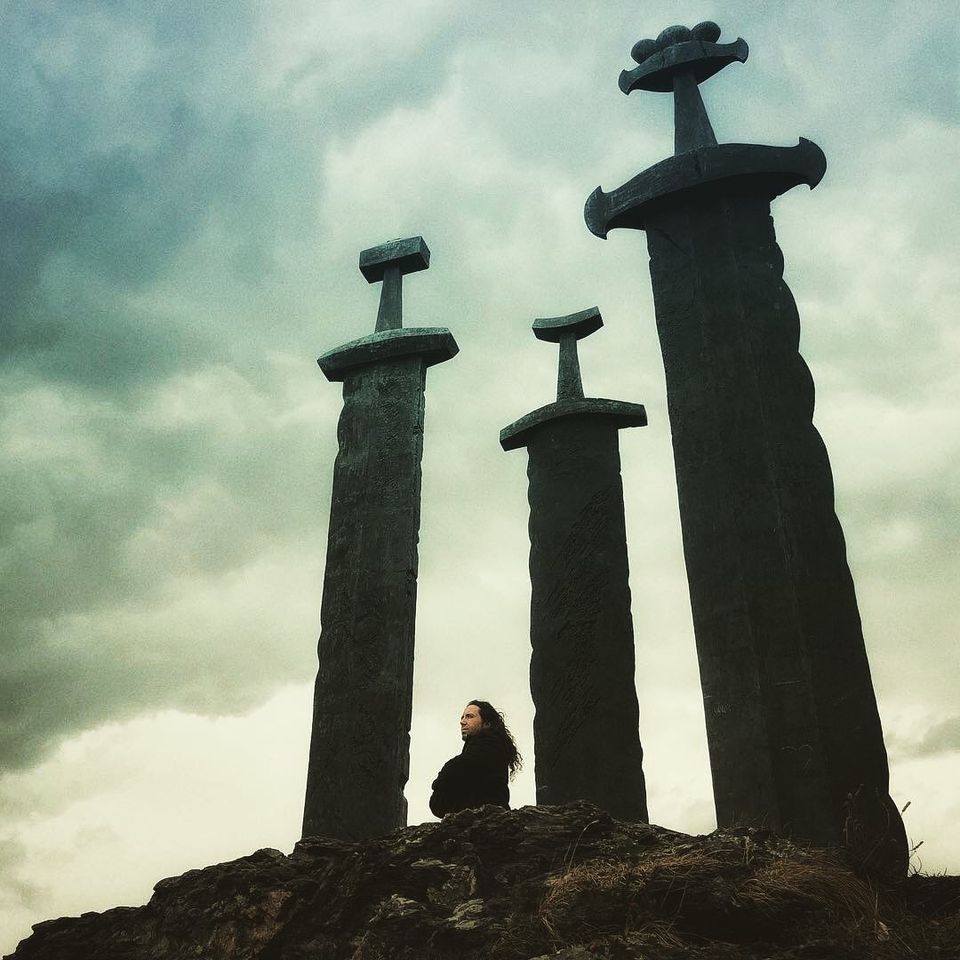
Remembering my last trip through Viking lands…
Playing Native American flutes creates the sound of your own air coming out of your lungs
This gives the action of playing these flutes a magical vibration. You could say that this is the instrument most similar to singing. A deep and magical feeling is transmitted when playing the Native American flute.
One of my favourite Native American flutes
If I could give advice to a younger musician I would say: ‘Play what’s in your soul and play without shyness’
Sometimes young people get carried away with fashions and complexes and this can block their creativity. They choose to not play a type of music as it’s deemed unfashionable, or freaky. This is a common mistake. I started playing the electric guitar in rock and heavy bands, and look how I have finished now! Ha ha ha
Music was my first love and it will be my last. Music of the future and music of the past. To live without my music would be impossible to do. In this world of troubles, my music pulls me through.
We are surrounded by music that Mother Nature offers us, it’s as a beautiful gift
Nature is my greatest inspiration, without a doubt. If you close your eyes in the middle of the forest you can hear beautiful melodies. From birds singing to the water flowing in the stream to the sound of the leaves of the trees moved by the wind. Sïlvird and I are lucky to live at the foot of a Natural Park, so it’s very easy for us to go to the forest whenever we want (less now with the pandemic). A little further from home, just over an hour away, I have the beautiful Catalan Pyrenees with spectacular mountains and forests. That is without a doubt my favorite place to escape with my lovely dog and my girlfriend.
Here I am playing in the middle of the forest, and with my beautiful dog, Bruc
Enjoying some relaxing days surrounded by nature at 2.500 meters altitude with my fellow Mr. Bruc
One of the things I love most in music is exploring new sounds through traditional instruments from around the world.
This allows me to immerse myself in distant cultures and travel through them to anywhere in the world meeting a lot of beautiful people with the same passion and love for music. At the end, no matter where we are from, we all speak the same language through music.
I’ll be presenting more collaborative songs, in fact we are already preparing some news so stay tuned!
In terms of music, I would recommend some of Mike Oldfield albums
I have always liked Evangelos Odysseas Papathanassiou (AKA Vangelis) as well as other great cinematic soundtrack composers such as Hans Zimmer, John Williams, James Horner or Ennio Morricone. I am also influenced by traditional Celtic and Scandinavian folk bands as well as a lot of rock and heavy music by Pink Floyd, Queen, Led Zeppelin or The Doors to Epica, Nightwish, Delain, Within Temptation, etc.
‘Sacred Spirit, Chants and Dances of the Native Americans’ has accompanied me almost every night of my life since it was created 1994
I can affirm that this is the album that I have heard the most times in my life.
Discover my music and follow me and also my talented collaborators on these channels:
Serendipitist: n. A person who benefits from a chance or serendipitous event
Serendipity: happenchance or providence.
This beautiful term was originally coined by writer Horace Walpole in 1754. Walpole was inspired by the ancient Persian tale The Three Princes of Serendip, about some titular characters who ran around in ancient Persia having some marvellous luck and serendipitous occurrences in their lives.
Serendip or Serendib: origin: Arabic. The archaic name for the island of Sri Lanka a.k.a. Ceylon
The name Serendib is a corruption of the Sanskrit name Siṃhaladvīpa which translates to Dwelling Place of the Lions. The Arabic name of Serendib dates to is thought to have been borrowed from the local Indians with whom they traded with on the island of (what is now known as) Sri Lanka.
“As their Highnesses travelled, they were always making discoveries, by accidents and sagacity, of things which they were not in quest of.”
~ Peregrinaggio di tre giovani figliuoli del re di Serendippo published by Michele Tramezzino in Venice in 1557 and later translated to English.
The Three Princes of SerendipOn a voyage of discovery
In 1943, Albert Hofmann studied Lysergic acid, a powerful chemical that was first isolated from a fungus that grows on rye. He was planning on using this compound in pharmaceuticals and he accidentally tasted some.
He went home and lay down because he was feeling ill and..
“..sank into a kind of drunkenness which was not unpleasant and which was characterised by extreme activity of the imagination,” according to his own notes. As I lay in a dazed condition with my eyes closed (I experienced daylight as disagreeably bright) there surged upon me an uninterrupted stream of fantastic images of extraordinary plasticity and vividness and accompanied by an intense, kaleidoscope-like play of colours.”
Intrigued, Hoffman later intentionally dosed himself with LSD and went cycling.
Inspiring author Jonelle Patrick weaves webs of literary magic in her five novels set in Japan. She has been writing about Japanese culture and travel since she first moved to Tokyo in 2003. In addition to The Last Tea Bowl Thief and the Only In Tokyo mystery series, she produces the monthly newsletter Japanagram, and blogs at Only In Japan and on her travel site, The Tokyo Guide I Wish I’d Had. She’s a graduate of Stanford University and the Sendagaya Japanese Language Institute and divides her time between Tokyo and San Francisco.
You don’t become a writer. I think you are one
I’m not sure I had a choice to become a writer, I bet you didn’t either! Do you write all the time? In every spare moment? Do you spend time you don’t have editing down a totally fleeting thought into something that will fit in a tweet? When you go somewhere new, are you already thinking about how you’re going to describe it to friends? Ha, I thought so. If you’re a writer, you write. Whether you get paid for it or not. Getting paid for it is a matter of luck plus ridiculous amounts of work doing things that take time away from writing, but doing those things is something you choose. Being a writer isn’t. I don’t think you don’t become one. I think you are one.
Artists & Writers in their Own Words: Jonelle Patrick
With every book, I try to get closer to writing something as achingly true as the relationship between the husband and wife in Wallace Stegner’s Angle of Repose…
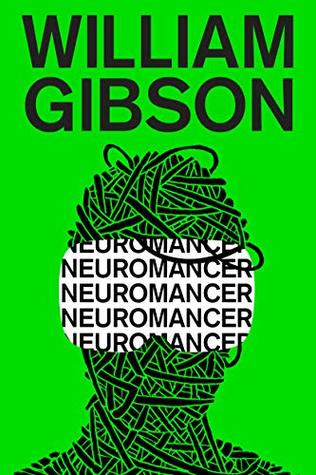
where Susan and Oliver love each other to the bone and hurt each other to the quick, and both of them are so right and so wrong. And I may never be able to dish up the kind of perfectly mixed sensations and quirky but fabulously on-point details that bring the near-future world of William Gibson’s Neuromancer to life, but I’ll die trying.
Angle of Repose
by Wallace Stegner
Neuromancer by William Gibson
The Japanese believe that the highest forms of art—beyond painting, beyond sculpture—are things of surpassing beauty that can also be used every day.
Okay, this is a little embarrassing. The Last Tea Bowl Thief is about a rare and insanely valuable missing tea bowl because the first time I moved to Japan, I arrived with five boxes of belongings. And I left with seventy-four.
Those seventy-four boxes were all filled with Japanese pottery that I’d innocently begun collecting as mementos of every new place I went, but because each variety was more beautiful than the last, I, uh, didn’t realize how out of hand it had gotten until it was time to ship everything back home.
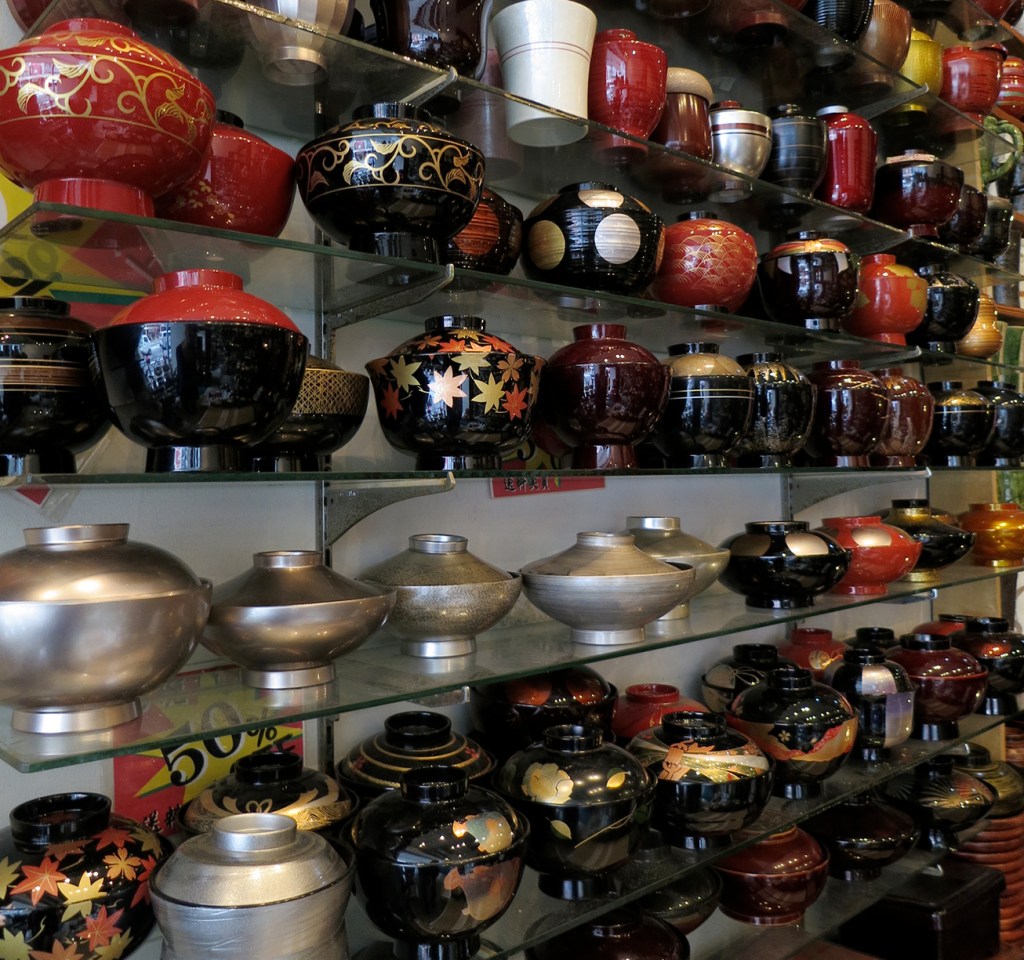
Lacquerware – Jonelle Patrick
The sheer beauty of Japanese ceramics is what made me throw money at potters wherever I went, but it’s the Japanese way of thinking about them that ended up in The Last Tea Bowl Thief.
A bowl that’s beautifully designed and requires a mastery of technique to make, but also makes the tea that’s in it look extraordinarily tasty and vibrant, isn’t dismissed as a “craft,” but occupies the very pinnacle of Art-with-a-capital-A in Japan.
The Japanese believe that the Shinto gods can work through a potter’s hands as he churns out identical plates, elevating his work to something beyond his intentions, to something divine. I was powerless to resist writing about mindbenders like that!
I’m inspired by Japan (big surprise), but it’s the parts of Japan that are hidden beneath the dazzling surface that keep me writing about it
For example…I’m inspired by thousand-year-old cherry trees that are STILL BLOOMING. Think about it: I stood before this tree, which was alive before the Crusaders sailed. It had already bloomed three hundred times before the Renaissance started. It was already ancient when the printing press was invented. Japanese culture predates Western Civilization by aeons.
Miharu Cherry Blossoms – Jonelle Patrick
And that culture is constantly growing and changing
For example, the neon streets of Tokyo’s red light district are home to host and hostess clubs that are the modern incarnations of geisha.
Shinjuku at Night – Jonelle Patrick
And the kitchenware district also sells hyper-realistic food models catering to the latest and greatest restaurant fads.
Kappabashi fake food – Jonelle Patrick
Everywhere I go has a weird and unexpected specialty
When I went to the tiny town of Shigaraki, I expected to find gorgeous examples of the tea ceremony ware they’ve been famous for since the year 1278. But they’re also famous for these:
The tanuki is a trickster figure from Japanese folklore, but the feature it’s most famous for isn’t its cute little raccoon-dog face. It’s famous for its legendary…BALLS!
Yeah. Its balls!
Tanuki Shigaraki – Jonelle Patrick
Honour the roadblocks
Sometimes charging ahead and making a heroic effort to conquer obstacles doesn’t work nearly as well as stopping to consider whether there might be better ways to get there. Or better destinations altogether. Japan makes a point of teaching me this lesson just about every single day. My best-laid plans are constantly upended, but if I get past my disappointment and look around, I always find something better instead.
Honour the roadblocks
It’s always easier to edit than to write, so get those virgin words on the page. They don’t have to be good. In fact, they won’t be. Mine certainly aren’t.
But once you have something to rewrite, it’s easier
And if you get stuck, there’s usually a reason. I just wrote a longer guest blog piece about what to do when you get stuck. If you’re not finding a way forward that works, maybe you need to go back and figure out what you did to your characters to change them so they’re not cooperating. Or set aside a cherished plot point to brainstorm something that works better. Getting stuck is actually a sign of a good writer, not a bad one.
Not all writing gets published, but no writing is ever wasted
And I know this will sound slightly daunting, but every successful professional writer I know has at least two unpublished manuscripts gathering dust under the bed. I call mine “the poor man’s MFA.” The Last Tea Bowl Thief grew from the ashes of one such manuscript, ten years after I consigned it to the dumpster. It doesn’t resemble that book at all (which is a good thing, believe me!) but there was a kernel of an interesting idea there, and good ideas keep forever.
Mainly because so much of it is about characters being seen—hilariously, and erroneously, and finally with much deeper understanding—through other characters’ eyes. When Nori first meets the American character, she makes some laughably wrong assumptions about Robin. And when Robin digs deep into the samurai era poet Saburo, she’s scandalized to discover how little he resembles the revered artist she lionized in her Masters’ thesis.
I hope that people who read for pleasure, and love being whisked away to another time and place will really enjoy The Last Tea Bowl Thief.
Unless we pause to take in what’s around us, and what’s happening inside of us, we won’t have anything to write about
I think that what we all tend to forget is that putting X number of words on a page is only half of being a writer. The other half is…living. Observing. Feeling.
We’re all going through an extraordinary time in history right now
We’re feeling things none of us have ever felt before. In order to write compelling stories and realistic characters, having hard experiences is just as important as having joyous ones. Stopping to appreciate and sift through everything that’s happening to us right now will enrich all of our writing for years to come. Right now is a great time to read books and learn from them.
Reading isn’t just a fantastic break from our too-intense reality, if we stop to think about why we’re transported by some particularly excellent paragraph, we can take away tips that will make our own writing better. I’ve written about the craft of writing and taught at writing workshops.
This is an extra special book. It’s filled with nourishing and kind-hearted stories of one woman’s relationships with a lifetime’s worth of unique and amazing creatures. Author Sy Montgomery’s relationships with animals mirrors so many other people’s stories and the secret any animal lover will tell you. That these relationships are transformative, life-affirming and give great joy.
Montgomery’s 20 books for both adults and children have gained many awards for science writing and literary non-fiction. How to be a Good Creature exists at the crossroads between memoir, love letter and science book. Each chapter is a story of an creature that Montgomery has loved along with beautiful illustrations. This book is bursting with heart and soul – it’s great for adults and kids alike. Montgomery’s larger than life happy pig named Christopher Hogwood jumps out of the page vividly and lovingly:
He taught us how to love. How to love what life gives you. Even when life gives you slops. Chris loved food. He loved the feel of the warm soapy water. He loved company. No matter who you were- a child or an adult, sick or well, bold or shy. Whether you held out a watermelon rind, a chocolate donut or an empty hand to rub behind his ear. Christopher welcomed you with grunts of good cheer. No wonder everyone adored him.
Christopher Hogwood was such a beautiful character that it put me off eating meat ever again! 5*/5
Sy Montgomery is a naturalist, author and scriptwriter who writes for children as well as adults. She is author of more than 20 books including The Soul of an Octopus: A Surprising Exploration into the Wonder of Consciousness, and How to be A Good Creature: A Memoir in Thirteen Animals.
Sometimes the water flows where in previous months it has been barren and dry. And you can breathe deeply again after a long time of shallow breathing. I hope you enjoy this weeks picks!
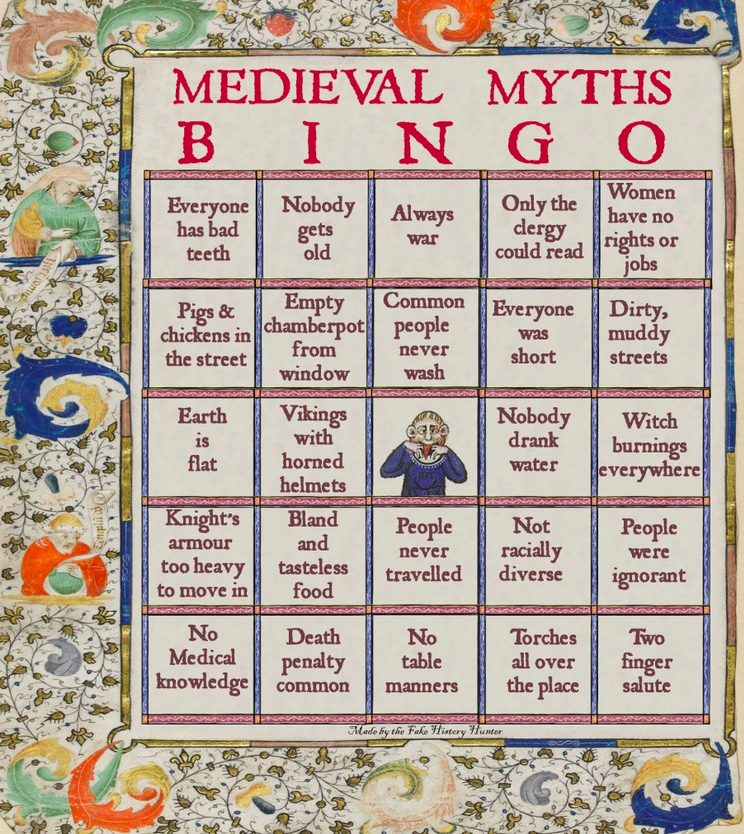
There’s a whole lot of silly cliched things that happen in medieval films and TV series that likely didn’t occur during medieval times. Read more about why these things are myths in the always provocative and interesting myth-busting history blog Fake History Hunter
The Shoebill or Abu Markub in Arabic meaning ‘father of the slipper’
The earliest proto-birds, such as the famous Archaeopteryx, had heavy, tooth-filled jaws. But as birds continued to evolve and became increasingly aerial animals, they developed new ways of keeping their weight down. In addition to gaining hollow bones, their jaws changed too, into lightweight, versatile keratin structures – beaks. Read more about fascinating and odd beak shapes on the always interesting Nature Nook blog.
Early Arab traders that encountered the shoebill in the marshlands of the Upper Nile called it abu markub, meaning ‘father of the slipper.’ Apparently, this bird just cannot escape shoe imagery. Via Nature Nook
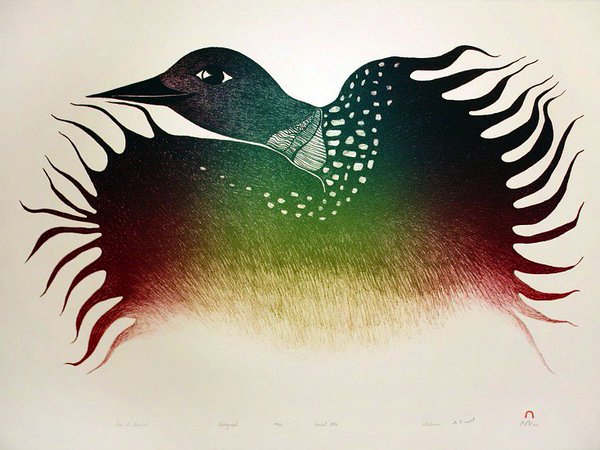
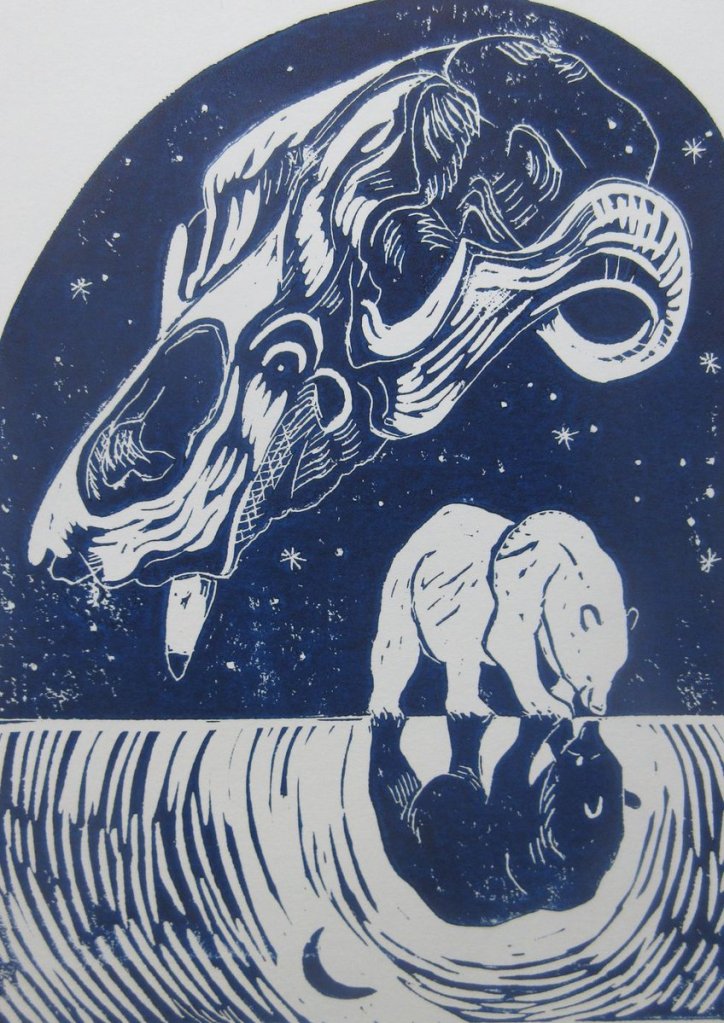
“I studied Sculpture in Germany at the art academy (HbK) in Braunschweig and Theatre Design at Central Saint Martins in London. In the last 20 years I’ve extensively experimented with printmaking, fascinated by the possibilities of being able to create a multitude of colour combinations by changing the colours in the different layers of the print-run. I’ve been inspired by the precision and subtlety of colour gradations of Japanese woodcuts as well as the starkness of German expressionism.” See more on Maria’s website.
We are continuously told to allow time time, or sometime told that time heals everything.
I have come to believe this. Nothing is permanent if your purpose to make it change. The problem comes in when we try to avoid hard work.
Nature, on the other hand, is patient. As soon as she gets what she needs to flourish, she does so unapologetically.
When the rift valley lakes started to be reported to be flooding. I was optimistic that my beloved river will definitely come back to life.
I was to visit it, a while back but corona with the lockdowns, I had to wait. And when the opportunity finally came. I didn’t hesitate but made my way to confirm my hopes.
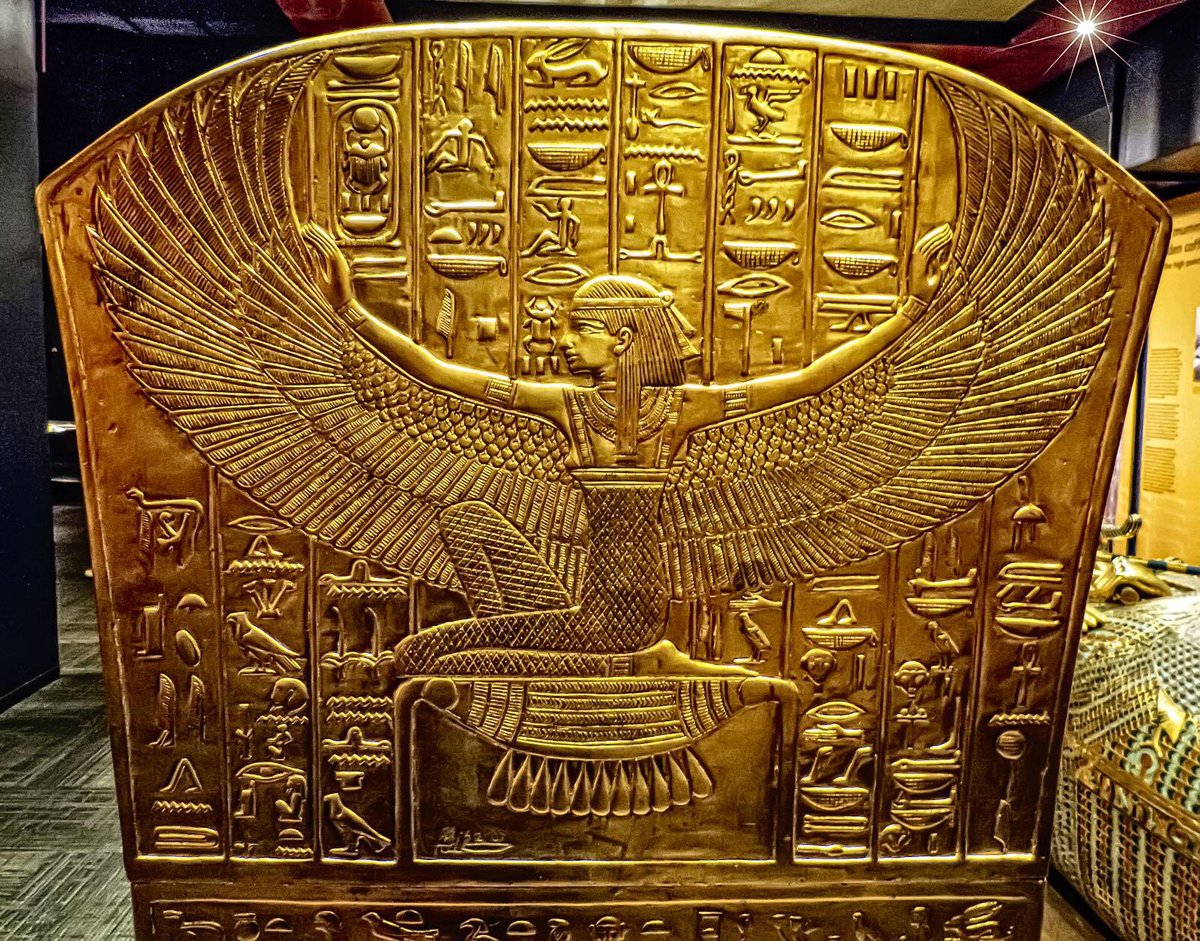
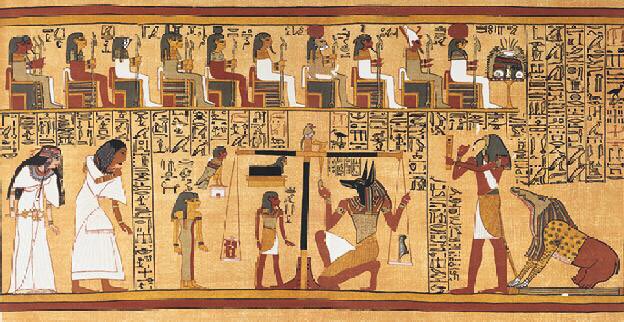
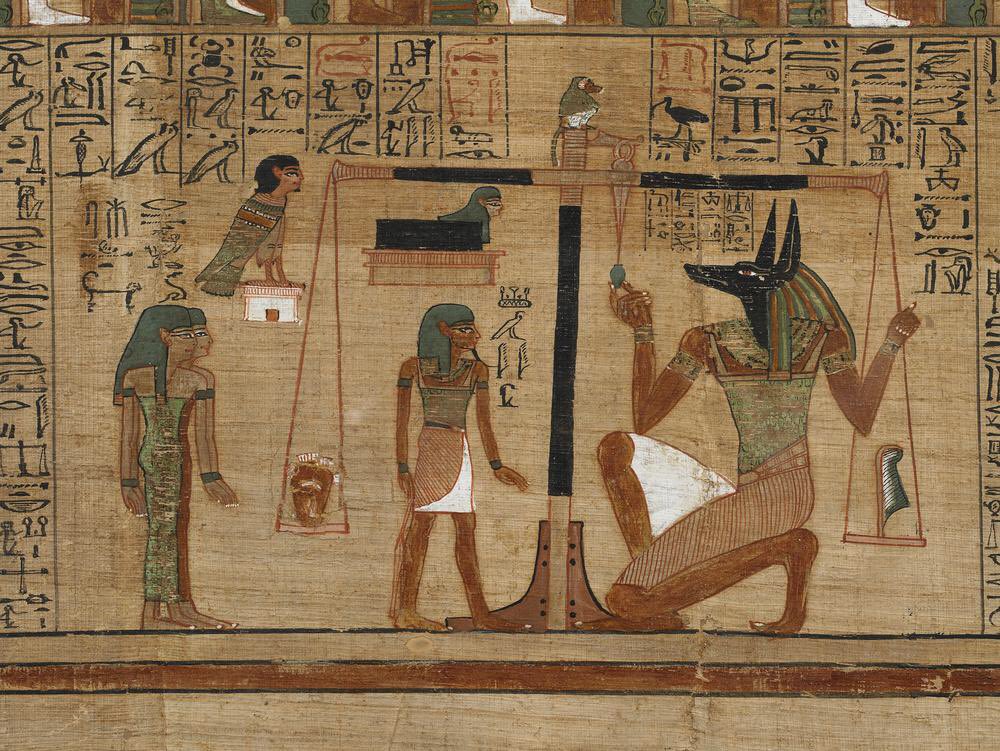
Ma’at was the Ancient Egyptian Goddess of truth, balance, cosmic order, justice and harmony
She was depicted with vulture wings, the ostrich feather of truth in her headdress and carrying the Ankh, the key of life. Ma’at’s worship can be traced to the Old Kingdom ca. 3200 BCE.
According to the Papyrus of Ani (The Book of Coming Forth or Book of the Dead) everyone would be judged before Ma’at to determine whether they were good and able to move on to the afterlife. The feather was weighed against the heart while they stated the 42 Negative Confessions.
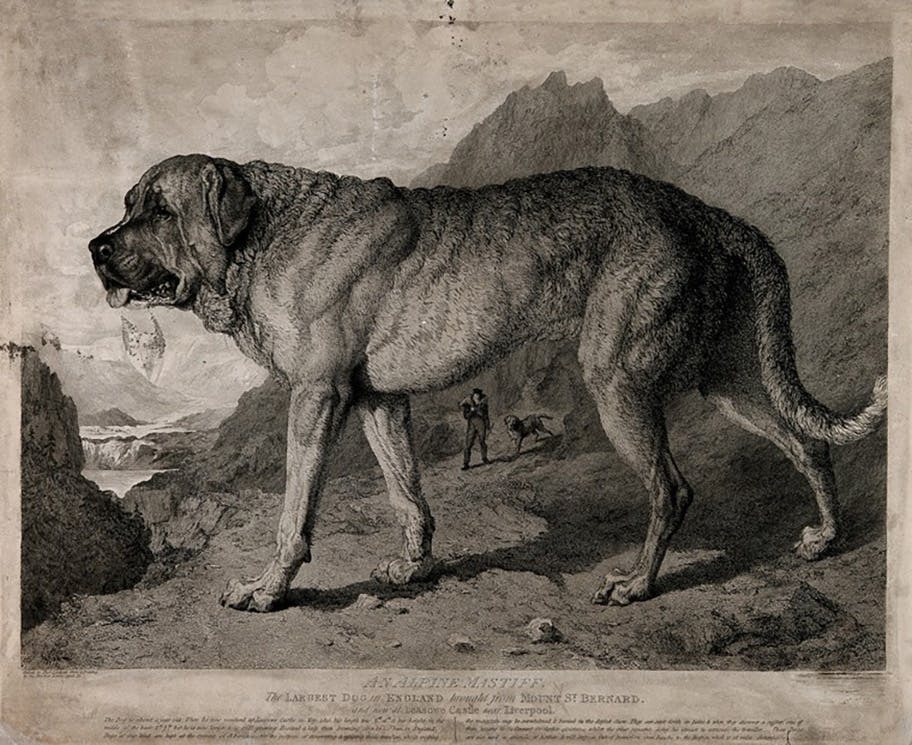
“Monks living in the Great St Bernard Pass in Switzerland may have used dogs to rescue travellers who had become stranded on the snowy mountain roads as early as the late 17th century. Originally introduced as guard dogs, Alpine mastiffs, which were smaller than the St Bernard dogs we know today, became valuable guides for travellers on the mountain pass. Their endurance, resistance to cold and keen sense of smell made them talented at locating those who had lost their way.” more from The Wellcome Collection
“We should try to avoid thinking of ourselves as worthless persons – we are naturally free and unconditioned. We are intrinsically enlightened and lack nothing. When engaging in meditation practice, we should feel it to be as natural as eating, breathing and defecating. It should not become a specialized or formal event, bloated with seriousness and solemnity.”
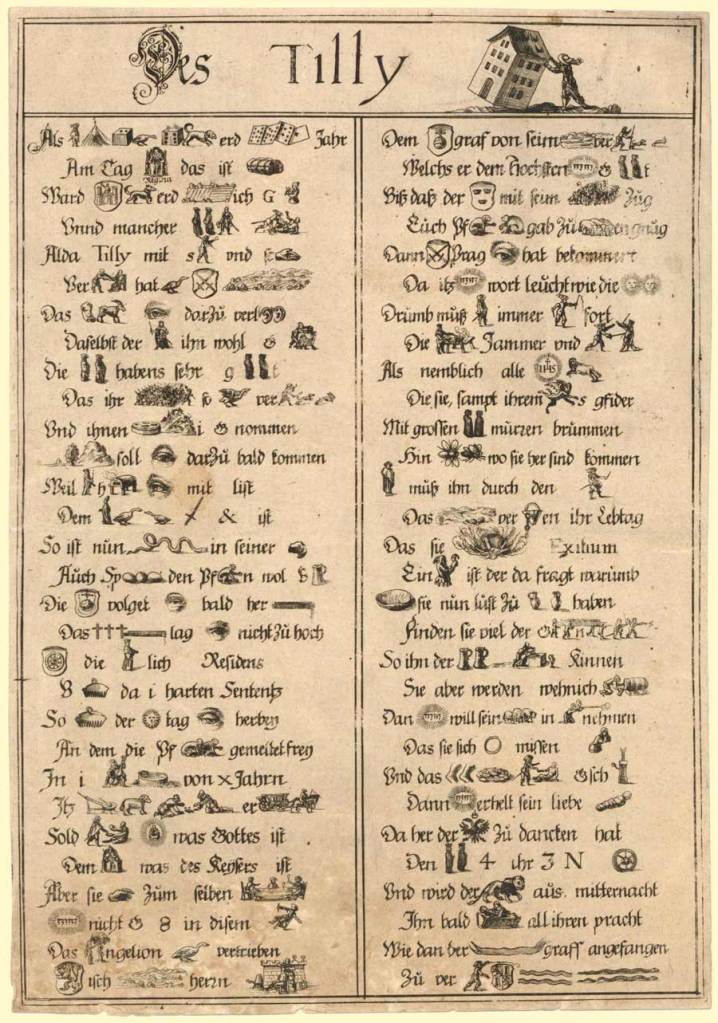
“The ancient Sumerians, Egyptians, and Chinese, to name just a few, used rebuses thousands of years before emoji appeared on our screens. And it would appear that our fascination with symbols, of all kinds, and our willingness to experiment and use them in reshaping how we communicate is motivated by the very same thing that inspired our very distant ancestors — a desire to communicate better.” more on Miscellaneous Details
rebus broadside, satirizing Count Tilly’s defeat at the Battle of Breitenfeld. 1632. The British Museum
Rebus letter from the Duke of York to Mrs Clarke. Hand-colored etching, London, 1809. The British Museum































 Content Catnip
You must be logged in to post a comment.