“When we respect someone, we understand our interconnectedness with them. My friends in Nepal ritualise mutual respect and interconnectedness by putting their hands together and bowing to each other while saying ‘Namaste’, which means ‘ I bow to the divine within you’. This is an expression of the interconnectedness of self and other.
“The first time I met His Holiness The Dalai Lama in the 1980’s, I noticed that he bowed very low when approaching others, as though to say ‘I respect you.’ No matter if he was meeting a Tibetan who had just crossed the frontier, or a head of state, His Holiness always offered the same deep bow of humility, not holding himself above others.
Respect for principles/ moral nerve
“Having moral nerve involves standing by our principles and precepts and recognising the truth of interdependent coarising. ‘This is, because that is’.
“Seeing someone knifing into a steak, I see the links of cause and effect, whether the suffering of animals or the cattle industry’s impact on climate change. I make a conscious choice in that moment to not contribute to more suffering, and order a lentil stew.
Self-respect
“As explained by the author Joan Didion – ‘Self-respect is character. The willingness to accept responsibility for one’s own life. Self-respect is a discipline, a habit of mind that can never be faked, but can be developed, trained and coaxed forth. To have a sense of one’s intrinsic worth, is potentially to have everything: the ability to discriminate, to love and to remain indifferent.’
“Put another way, when we know our basic goodness, we become unlocked from our small self, who is isolated from connections. Instead we can become the inclusive self, who is interconnected with all beings.”
From: Standing At the Edge: Finding Freedom Where Fear and Courage Meet by Joan Halifax
Roshi Joan Halifax PhD is a Buddhist teacher, Zen Monk and Anthropologist who explores the edges of human experience and writes incredibly compelling books about the intersection of spirituality, psychology and human consciousness.
All Hallows Eve, Samhain, Halloween, All Souls Night, Dia de los Muertos – whatever you call it, tonight is auspicious as the time when the veil between the worlds thins and becomes easier to walk through. Faeries, ghouls, ghosts and strange beasts romp and roam in the shadows and await patiently to be welcomed inside.
Who dares to enter the macabre and mystical world of strange beings on this Hallow’s Eve? Here’s some discoveries – many, many more than the usual 10 to tickle your tremor bones…
Condensed down to two minutes, this is a medieval story of a farmer named Snowball dating from circa 1400 and recorded on a manuscript from the Byland Abbey
The second medieval ghost story was a little difficult to condense, but here it is!
In this tale, a tailor named Snowball encounters a ghost that needs his help to move on 👻
I’d suggest checking this tale out on your own if you’re interested. It has some really rich detail! pic.twitter.com/EniJ6YFX0S
This is the night when the gateway between our world and the spirit world is thinnest. Tonight is a night to call out those who came before. Tonight I honor my ancestors. Spirits of my fathers and mothers, I call to you, and welcome you to join me for this night. You watch over me always, protecting and guiding me, and tonight I thank you. Your blood runs in my veins, your spirit is in my heart, your memories are in my soul.
Inside of the walls of Wawel Castle, we watch the gigantic strawberry moon rise on Midsummer’s Eve 2016 and see the ballet in the castle . Copyright Content Catnip 2015
Really great surround sound ambience with natural sounds from an autumnal and slightly creepy landscape. It’s fantastic to listen to on good headphones to appreciate the sound quality, spooky but in a pleasant way, nice work background music.
Bat Costumes were a popular choice of Halloween attire back in the early 1900s, some photographs date back to 1887. There were no professional/specialist costume shops, so these were homemade. #bat#costume#vintage#Victorian#nananananana
There’s something distinctly creepy with seeing a baby in cellophane being suffocated by a stalk with a knowing look….or is it just me? I don’t know how this relates to Halloween other that it’s simply creepy!
A pink kaiju attacking Tokyo is thwarted by heroes with different flavoured Cup Noodles in this new commercial. Also I don’t recommend you buy Nissin cup noodles AT ALL by the way because they are one of the leading deforestation causing companies in the world…but…this is a nice video.
There are few more magical sights than a full moon emerging from behind a bank of clouds, suddenly filling the sky with its silver glow, casting a pale and eerie light onto the treetops, glinting on the damp grass in the fields and sparkling on the flowing water of a river.
While it is the solar cycle that sets the stage for the big festivals of the Wheel of the Year, the Lunar cycle carries with it its own current of myth and magic. Our closest companion, the moon, orbits the earth roughly once a month (27.322 days to be precise), and this orbit causes us to see the moon as ever changing, from a dark new moon to a waxing crescent, to the glorious full moon, to a waning crescent and back to the new moon again.
Inside of the walls of Wawel Castle, we watch the gigantic strawberry moon rise on Midsummer’s Eve 2016 and see the ballet in the castle . Copyright Content Catnip 2015
This cycle of the moon is where we get the word “month”, and forms the basis of lunar calendars still in use around the world today.
Each phase of the moon can, in witchcraft, be associated with different “currents” of magic – waxing to bring increase, waning to let go, new to start new projects, full to bring things to completion. This cycle can be used to time rituals or workings, or to carry out certain jobs in the garden such as planting and harvesting.
The full moons hold particular significance to many witches, both for magical and practical reasons – the easiest time to do an outdoor rite after dark is with the light of the full moon, after all.
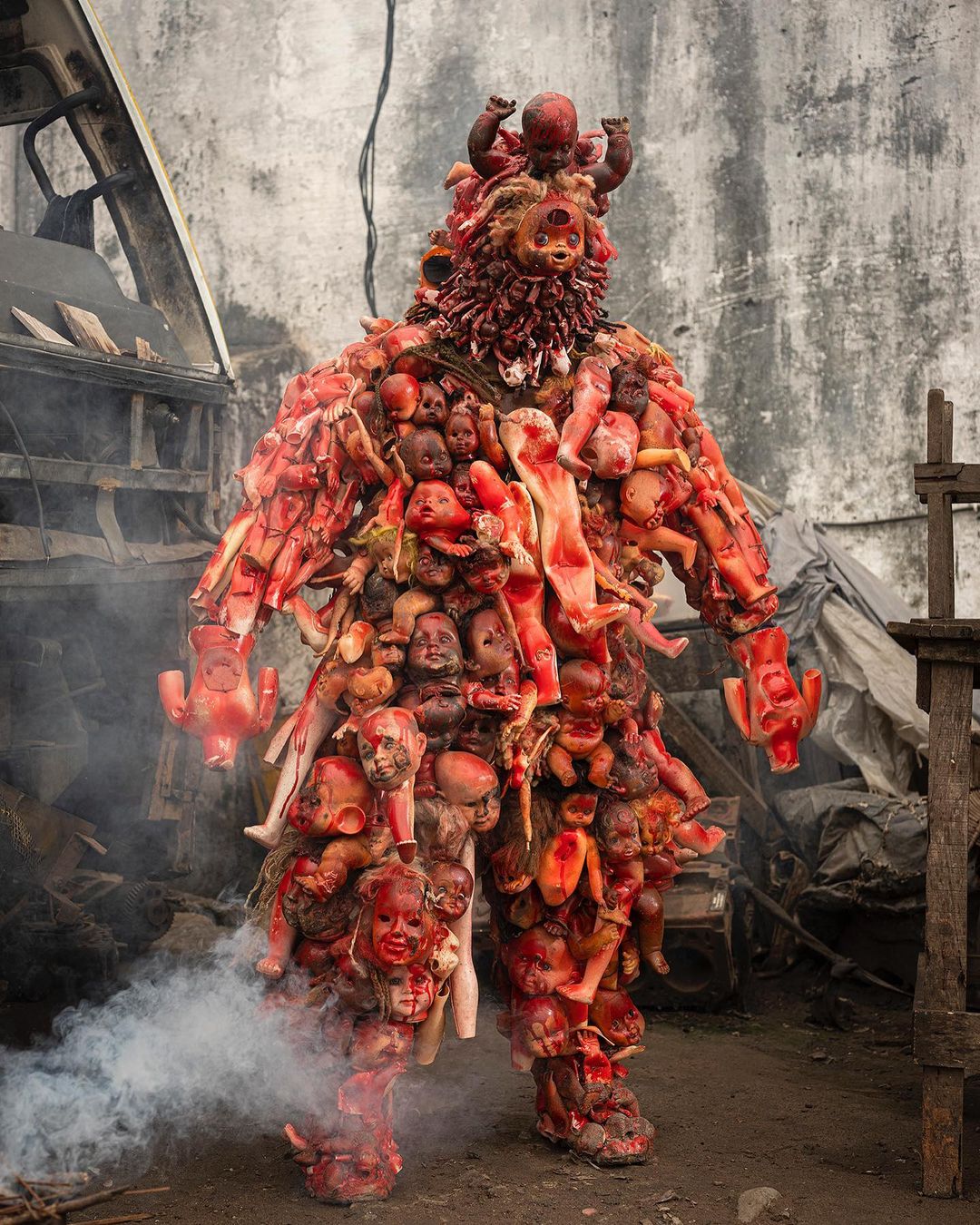
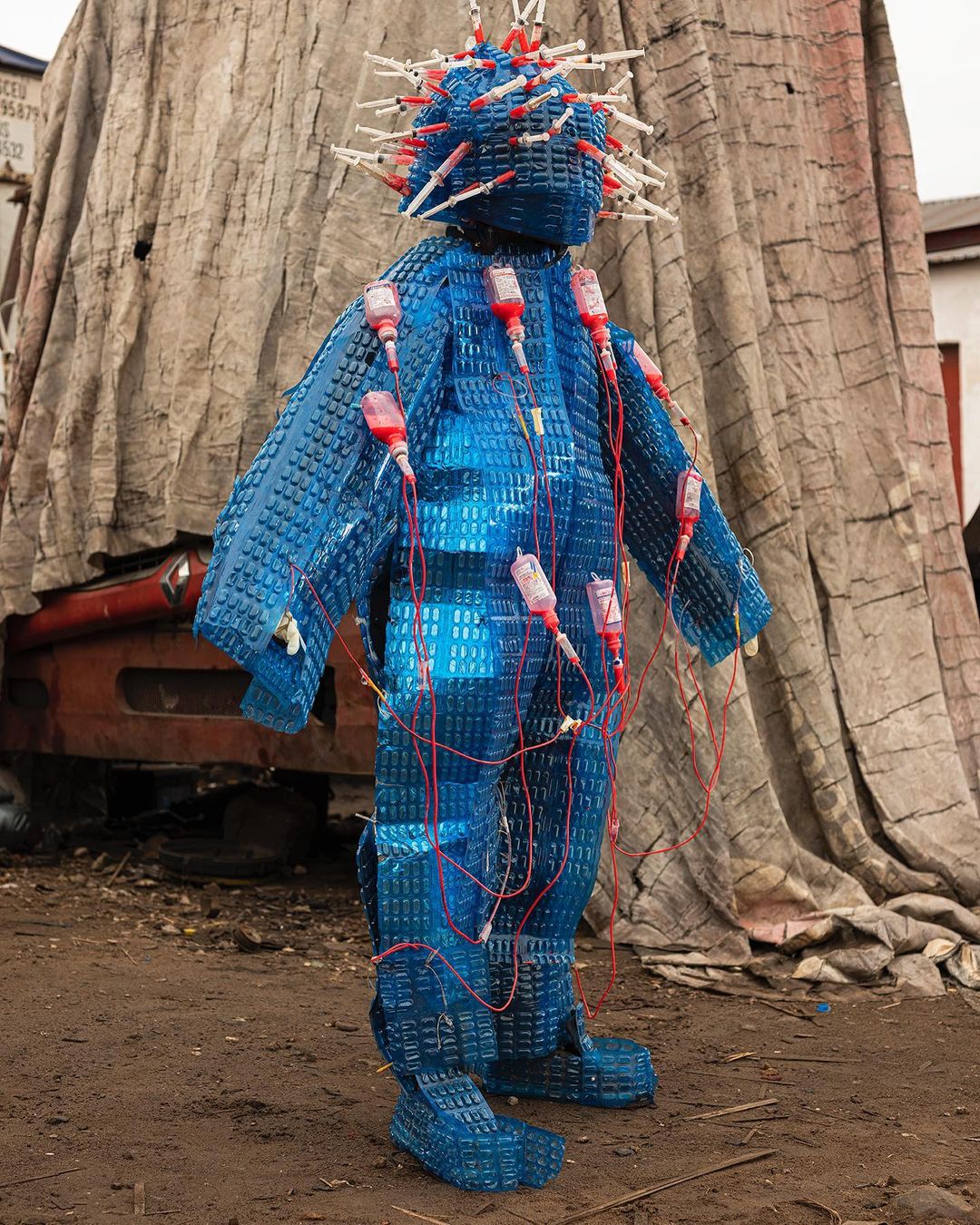
These costumes have absolutely nothing to do with Halloween, but I loved them so much I decided to share them.
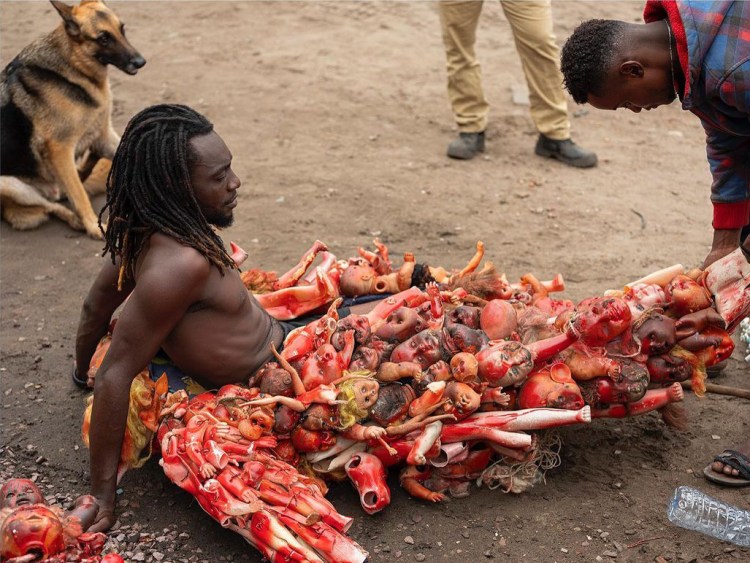
Costumes made from waste by about 20 artists to draw attention to the fraud, conflict and environmental problems in Kinshasa, the capital of the Democratic Republic of Congo. Part of a week long arts festival called “Kin Act”.
The “Matshozi 6 Jours (Six Days of Tears)” This work is made of dolls found in the garbage dump and on the street. The artwork honours the victims of the six-day war in his hometown of Kisangani. It took a year to collect the dolls from the trash can. A work by Shaka Hum Kabaka.
Do you know what Samhain/Samhuinn is? It’s the Gaelic/Celtic pagan celebration of All Hallow’s Eve or Halloween and there is a range of different traditional activities and folklore attached to this celebration. In Edinburgh they have a magnificent fire festival on the top of Calton Hill which is just incredible to see!
In 1835, the NY Sun published a series of articles declaring that famous astrologers had discovered life and civilization on the moon. The reports of bison, unicorns, and intelligent “man-bats,” and places like the “ruby amphitheater” became a sensation.
I hope you enjoyed these terrifying trinkets and that you have a spooky, fun and kooky All Hallow’s Eve. Let me know what you think of these selections below…
To give is to make an imaginative journey into the mind of another person. To give is to put something of our own essence into what we have given. To give appropriately always involves an act of courage. To give is the act of saying ‘I see you and appreciate you and I also make an implicit promise for the future’.
David Whyte
From: Consolations: The Solace, Nourishment and Underlying Meaning of Everyday Words by David Whyte
Genre: Non-fiction, Spirituality, Philosophy
Rating: 3.5 stars
*Contains no spoilers
In this slim and elegant volume of philosophy and inspiration, writer David Whyte tackles the big topics and words that rarely get any airtime in our society, the kinds of things that haunt people but that are difficult to resolve and so are pushed under the rug. Read full review
There is something Hitchcock-esque about this driving cat, I think this was a scene from The Birds or Psycho, the cat has the same look of tense concentration. Via Deep Thot on Twitter.
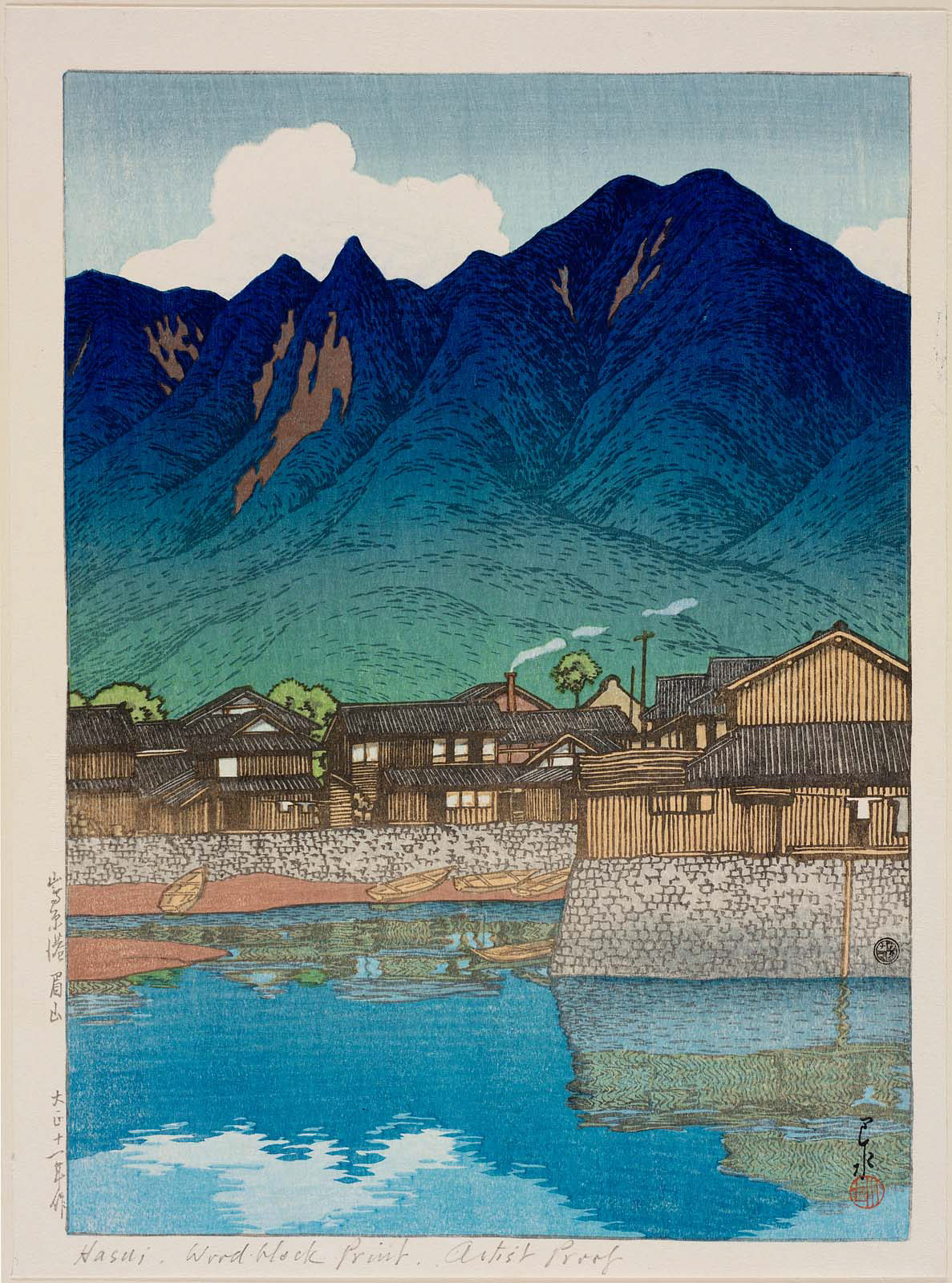
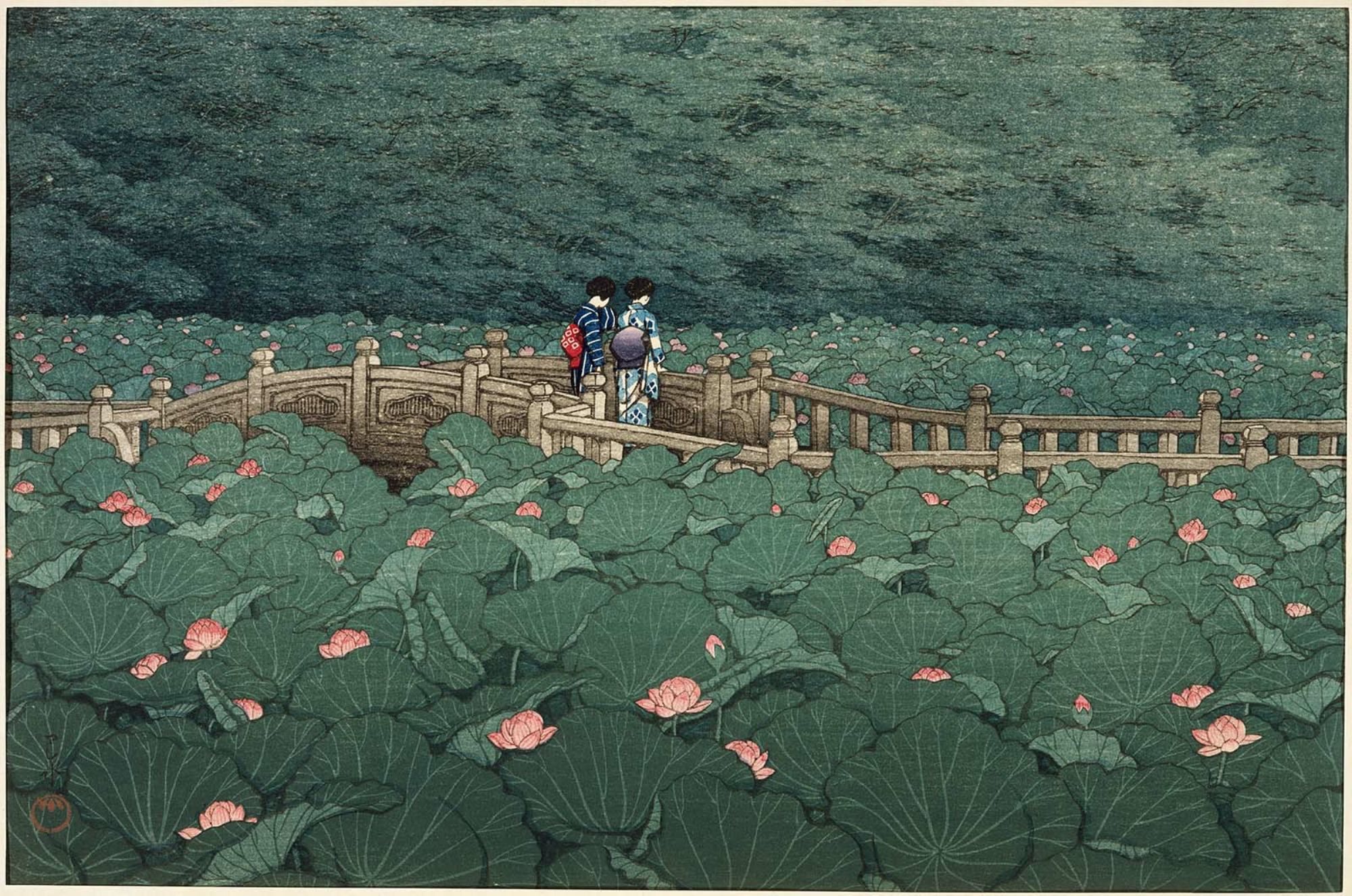
Hasui Kawase was born in Tokyo in 1883 and is regarded as one of the foremost landscape artists of the 20th Century. The son of a silk braid merchant, he studied Japanese-style painting with Kiyokata. His prints are based on small sketches and watercolours that he took from nature. Many of his woodblocks and sketches were destroyed in the 1923 earthquake and the rare few that remain are considered to be priceless in value now.
F.I.F.O. means Fly In and Fly Out – right? That’s what I thought because this is the kind of work my dad was doing for a while. According to Brennan Hart’s hardcore anthem, F.I.F.O. means: Fit In or Fuck Off. I don’t know why, but I find this song, the lyrics and the people in it really funny, let me know what you think of this masterpiece that exists somewhere on the verge of cringe and brilliance.
A swirling shivering mass of reindeers swirl around in the snow making it much more difficult to target individuals and to protect the smaller vulnerable fawns in the centre of the vortex. I can notice there are more stags on the outside protecting the females and children within. This herd is on Russia’s Kola Peninsula, in the Arctic Circle
The video was originally posted on the Facebook page of the Museum of Anthropology and Ethnography Peter the Great, aka Kunstkámera, located in Saint Petersburg, Russia by photographer Lev Fedoseyev. Via Twitter
Wildlife photographer and animal lover Simon Dell created a backyard village for a family of mice living there using old pieces of wood and flotsam and jetsam. The mice love it. The audio is a bit crappy on this video, but just turn it down.
Activism is not all negative, and not all activists do wrong stuff.
Most activists are geared towards activities that are destined to help the community at large. They use their voice, platforms, and resources to fight for what is right, and the oppressed.
They are forced by circumstances and people’s ignorance to go to extremes. Which end up making them associated with negativity.
How frequently do you bump into an activist advocating for something that hurt us? Are their interest selfish?
We should all stand against the injustices and killings of people who are helping to bring our planet back to its senses.
Conclusion – No one is safe
If we continue to be silent as our planet continues to get destroyed, we will end up having nothing. Our wildlife will get extinct and we will suffer our silence. Our forests will completely disappear, and we will roast. Our oceans will have plastics and no more marine life. Sustainable development goals will be history. And our window to make things better will have closed.
Speak up and push for their justice. Let’s not allow their deaths to be in vain, it’s our responsibility to take up from where they left. And show them that we need to breathe.
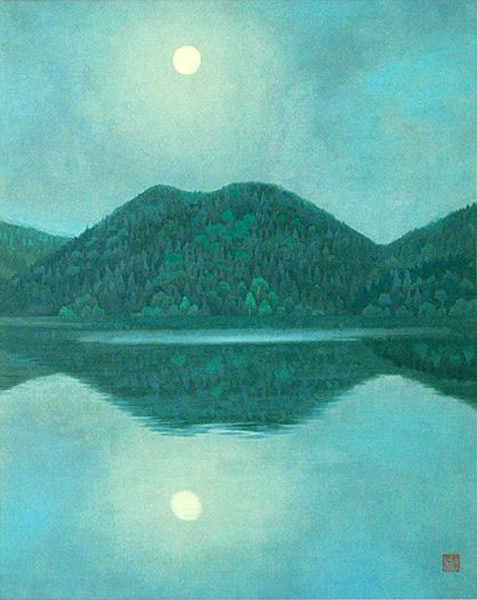
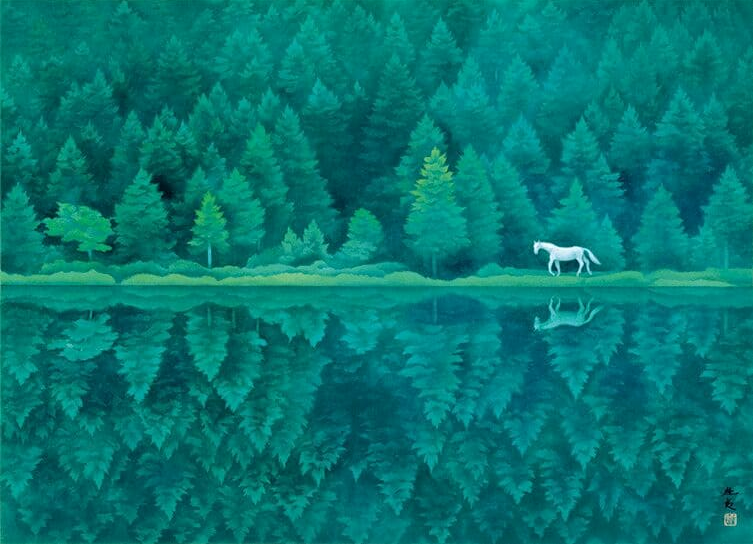
Kaii Higashiyama was born at Yokohama in 1908, he was one of the most popular artists in post-war Japan and is known for his Nihonga style paintings, he died in 1999. I love the deep green serenity of stillness of these paintings and otherworldly feeling of peace about them.
“The phase Mitákuye Oyás’iŋ comes from the Lakota language and was part of the language of resistance used in the Standing Rock demonstration. Translated to English it roughly means ‘All my relations.’
“During prayers and meetings at Standing Rock, the Lakota people used this phrase when they wanted to speak or when they finished speaking. Listeners repeated it back to them to affirm they had been heard.
“Mitákuye Oyás’iŋ is a sign of respect and love, an acknowledgement that we are all connected to everything and everybody else. To the worms and slugs, as well as the eagles…to the brambles and the toadstools and the nettles as well as to the great redwoods and rainbows.
“Prayers extended to even those who opposed the action and who pepper-sprayed them. Their prayers are instead for the water and for the earth. It isn’t a war with a good side and a bad side or an enemy to beat down. We are all in this together. What is good for my descendents is good for yours.
“Mitákuye Oyás’iŋ, all my relations shares with Buddhism the powerful perspective that all beings, all things are interconnected. Water and mountains, police and water protectors, indigenous peoples and their colonisers.
“In the 13th Century, Eihei Dogen, founder of the Soto School of Zen wrote:
“The mind is mountains, rivers and the earth. The mind is the sun, moon and the stars.”
Te Kuri a Paoa
From: Standing At the Edge: Finding Freedom Where Fear and Courage Meet by Joan Halifax
Roshi Joan Halifax PhD is a Buddhist teacher, Zen Monk and Anthropologist who explores the edges of human experience and writes incredibly compelling books about the intersection of spirituality, psychology and human consciousness.
I came across Moon dog on one of those long and meandering trips through obscure music on YouTube.
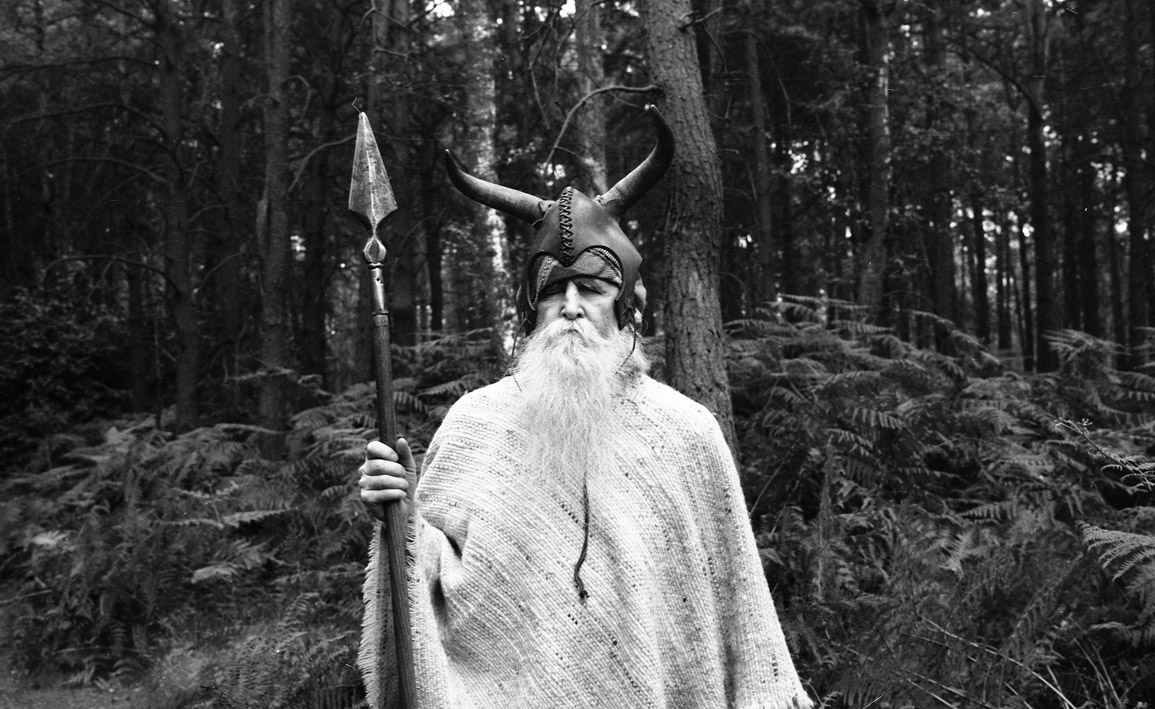
He was a true innovator and an avante-garde enigma. For one he looked like Gandalf or Hagrid. Aside from this, he also invented several new musical instruments including a small triangular instrument he called the Ooo and another he called the Ooo-ya-tsu. The most well-known instrument he invented was the triangular percussive that he christened the Trimba.
Moondog: The enigmatic jazz wizard of post-war NYC
Moondog’s music defies categorisation. It is strange, beautiful and mournful music that comes from a mystical realm, an ancient and long forgotten canon of a lost civilisation.
In this piece below, he gathered his inspiration from the sound of a NYC subway and a naval foghorn. You can hear the rhythmic shudder of a train or a strange post-apocalyptic air-ship.
Bird’s Lament by Moondog
Bird’s Lament by Moondog is one of his most well known and conventionally melodic jazz songs. You will no doubt recognise it, possibly subliminally. It’s the kind of haunting song that gets stuck in your soul. It reminds me of some kind of Raymond Chandler detective novel set in an American city. The song draws you in as though moving through a misty alleyway on a dark night. Best heard through good headphones.
About Moondog
Moondog was born in 1916 in Kansas as Louis Thomas Hardin. He was always musical and begun making musical instruments as a child of five. Following a farming accident as a boy he was left blind.
He attended many blind schools including the Iowa School of the Blind where he cultivated a love for music. He was also largely self-taught.
In 1943 he moved to New York City where he met leading lights of classical music and jazz such as Charlie Parker, Benny Goodman and Leonard Bernstein.
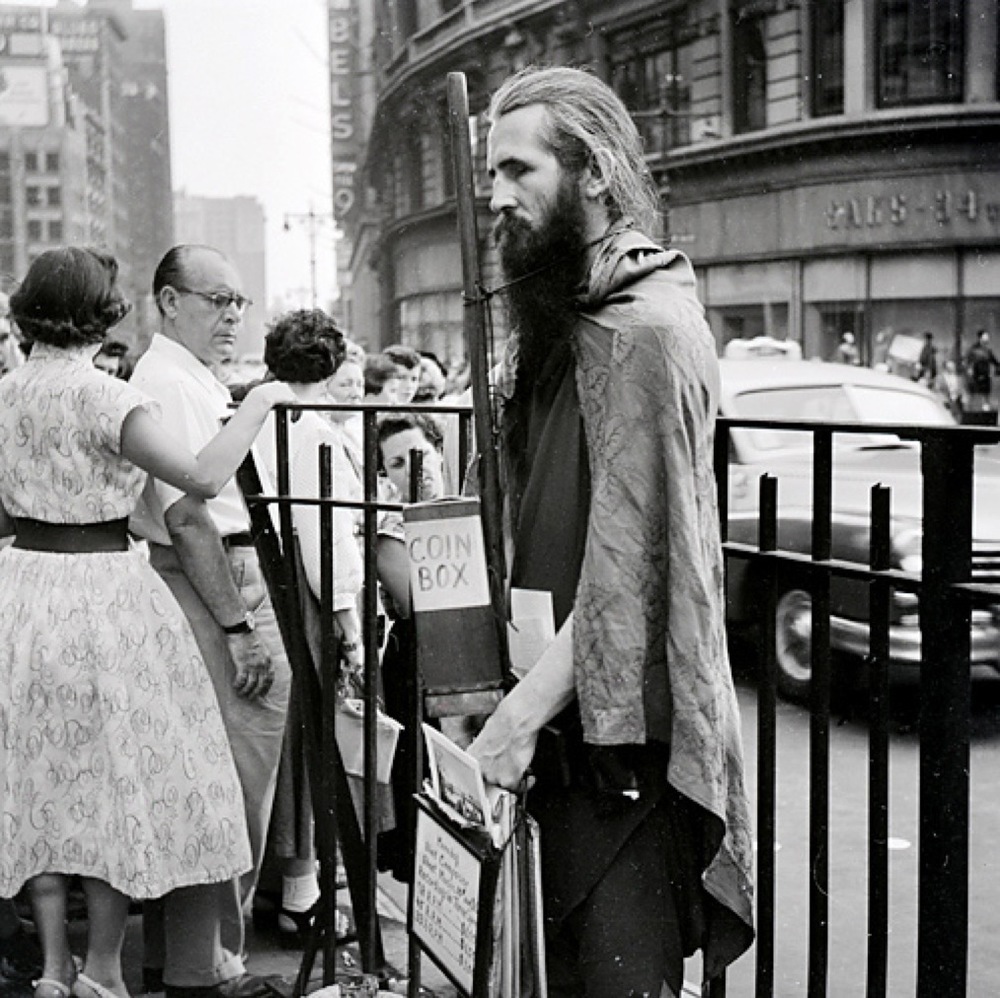
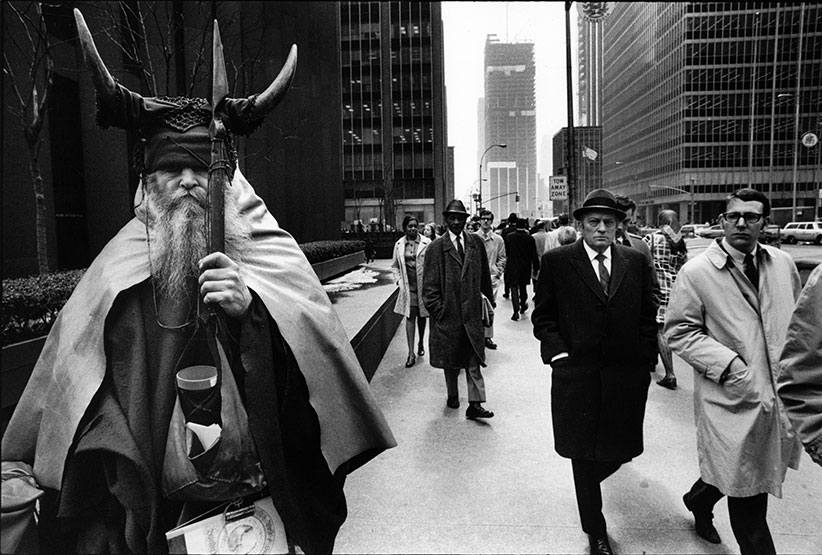
Moondog in Herald Square, New York in 1953
Moondog chose his name in honour of a dog that “howled at the moon more than any other dog I knew of”. He became legendary for his playing on street corners near 6th Avenue, between 52nd and 55th streets. He also donned a remarkably unique and magical cloak and horned helmet, often busking in this outfit, or simply standing there being silent.
He became known by locals as the Viking of 6th Avenue. Most people weren’t aware of his incredible musical talent and thought him to be a common vagrant.
Although Moondog was never homeless, he had an apartment in upper Manhattan along with a country retreat in Candour NY.
He managed to support himself through the sales of his philosophy, poetry and music on the street.
He was a pagan and had rejected Christianity since his boyhood. His Viking garb was a nod of respect to Nordic mythology, he loved this throughout his life. In his county home in Candor he kept an altar to the god Thor.
Moondog on East 51st Street, New York (1970-1979).
Musical Influences
Moondog’s music is a mash-up of many musical influences. He once performed at a Native American Sun Dance in Idaho playing the percussion and flute.
His music blends together classical, contemporary jazz, ambient sounds from his environment such as babies crying, trains, ocean waves, along with the sounds the instruments he himself made.
In his autumn years, Moondog travelled to Germany where he lived in the 1970’s in Munster with his friends, the Sommers. There he composed lots of music. He also toured in his later years throughout the US, France, Germany and Sweden.
This remarkable character Moondog died in Munster Germany in 1999 of heart failure and is immortalised by a statue in a cemetery there.
Moondog: The enigmatic jazz wizard of post-war NYC
Here is his last performed concert and after this he shuffled off this mortal coil. I am sure you will agree it sounds pretty remarkable.
I hope you enjoyed this post and that you just discovered some cool music. Let me know what you think below…
Welcome to another intergalactic edition of cool and interesting things from the internet that I’ve channeled from another dimension straight into your mind. I hope you enjoy these my friends…
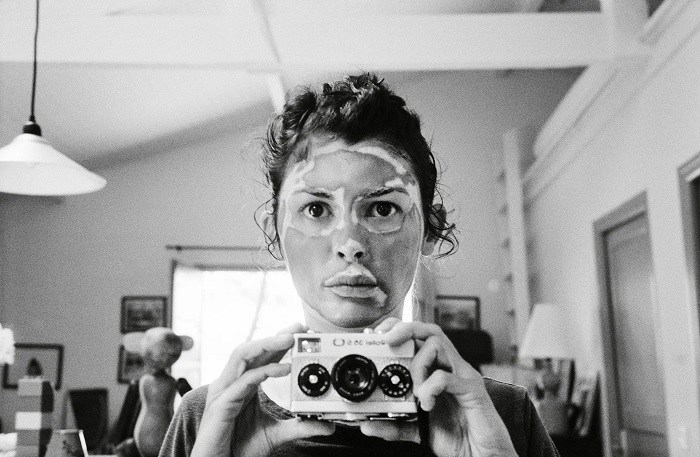
“I’m an actress, but I’m not only an actress. This part of me that has grown and grown and grown for all those years was more important for my balance than I’d thought. Now it’s this part of me I want to express and develop. So to me, it’s something very intimate, it’s not a hobby. It’s a way to become complete.”
I have a physical copy of this book and it is very insightful and soothing for when you have days when you want to and need to come back to yourself, be grounded in your breath and heartbeat.
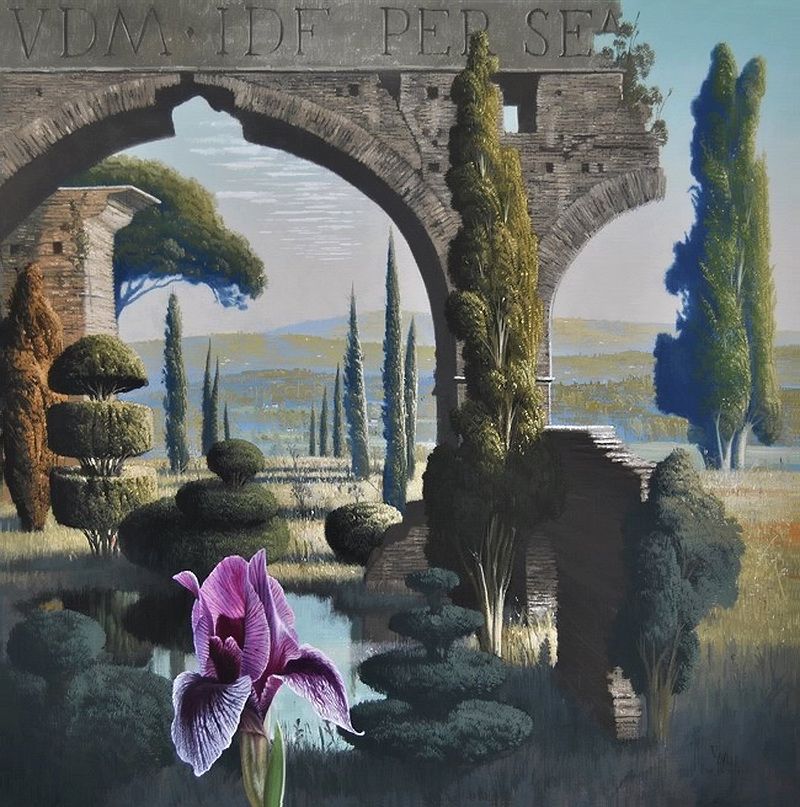
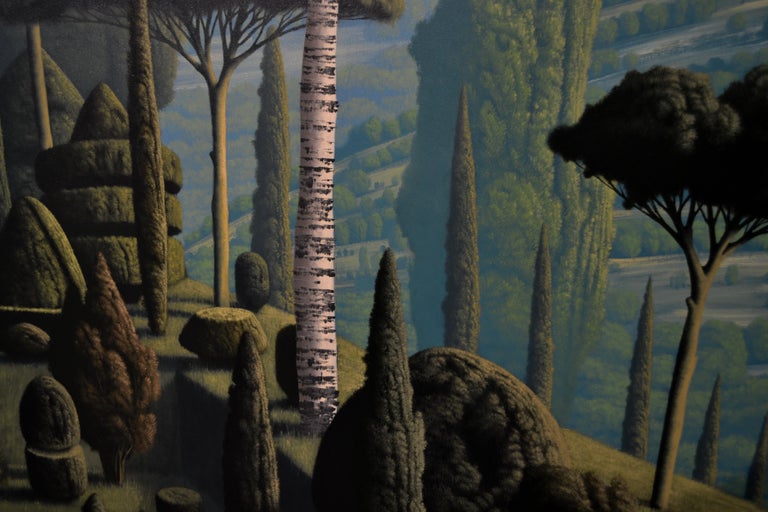
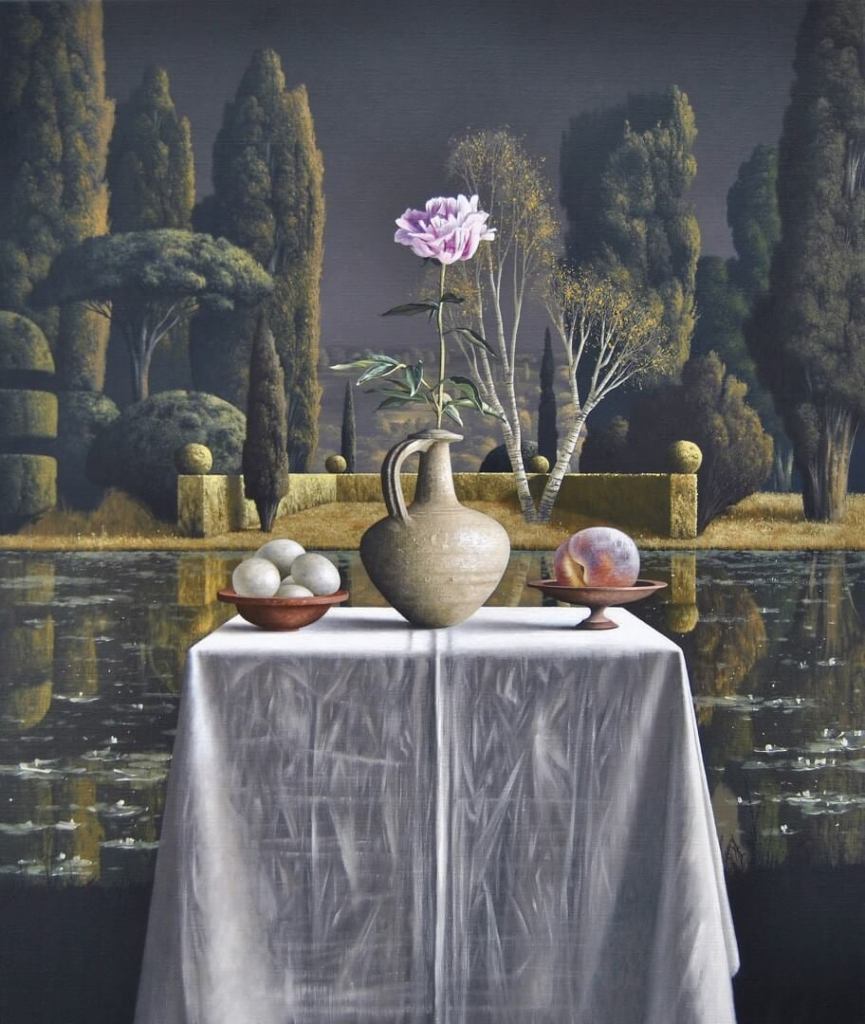
Personally, I love the still silence and the eerie otherworldliness of these paintings, looking at them is like staring into a dream of the unconscious.
Born in 1976 in Den Helder, The Netherlands, Victor Muller studied art at the Willem de Kooning Academie in Rotterdam.
He creates a world he wants to live in, a place of silence, the eternity of the moment where escape from the hectic daily live is achieved. The notion of timeless is very important for him. He combines his landscapes with still lives on the foreground. The still life and the landscape together form a combination of a timeless atmosphere.
The light in his paintings is always muted and filtered, there is no black or whitest white. In the paintings the background is a still life as well as the foreground. Against the backdrop of a tight staged, Tuscan landscape he places a composition of utensils, which each look like coming from ancient times. The matured still life – literally a ‘natura morta’- strengthened the stillness of the ‘eternal’ landscape behind it, an atmosphere of timelessness.
I wish I could go to the markets and have this guy serenade me, “Come on ladies, come on ladies – £1 Fish”, it’s literally better than most of the music of these days.
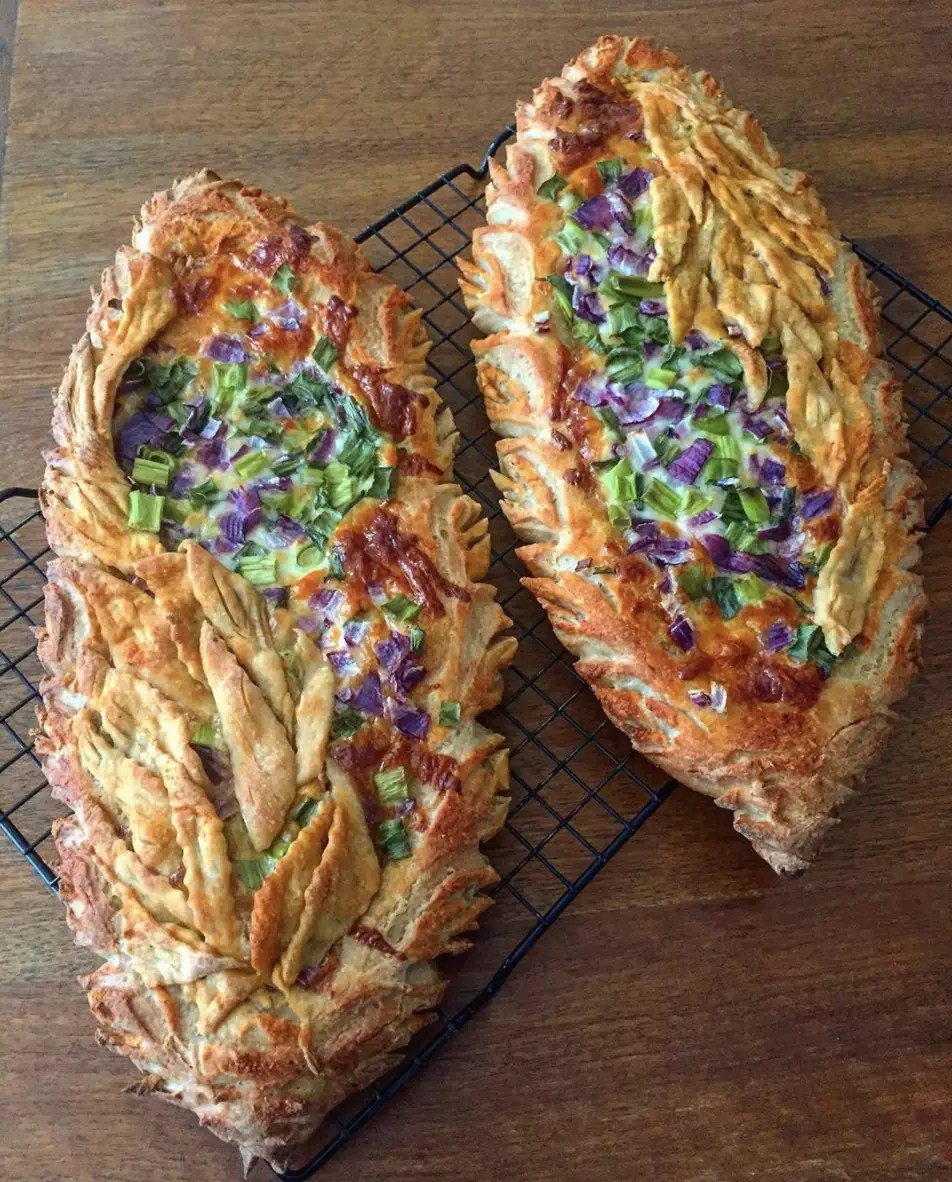
Hannah Page is a baker and artisan who has been making these aesthetically pleasing breads for the past six years in North Carolina. She always uses sourdough and then adds vegetables and taro powder to add gorgeous autumnal, foresty colours.
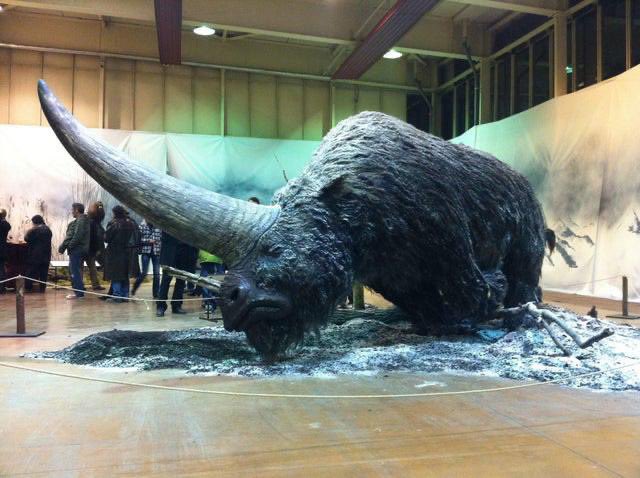
Elasmotherium which was also known as the Giant Rhinoceros or the Giant Siberian Unicorn lived in the Eurasian area in the Late Pliocene and Pleistocene eras. 2.6ml to 29,000 years ago.
The size of a wooly mammoth they had a large horn on their forehead and commanded a strong presence on the tundra, weighing an impressive 4 tonnes, 4.5 metres long and 2 metres high. What an armoured tank!
Elasmotherium was an amazing Siberian unicorn that went extinct circsa 39,000 years ago‘Elasmotherium’ (circa 1920) by Heinrich Harder
I treat my hair regularly and love DIY and homemade concotions of cupboard ingredients, as at least I know exactly what I’m using on my body. Here’s a great decoction (I love this word!) to help if you have dry brittle, colour-treated hair from witchy and wise bloggerCome Home Witch.
An infusion and decoction to treat brittle hair By Come Home Witch
For brittle hair:
COME HOME WITCH
Why does my heart feel so bad? by Moby
This is an orchestral and acoustic, animated version of possibly one of the most powerful and moving of Moby’s songs, ‘Why does my heart feel so bad?’
This time, the song is animated show the devastation wrought on the natural world by humans, in this present extinction event that we are currently living through. Prepare to cry here but if this turns you into an activist – you’re welcome! And if you want to know what you can do to help – start here– you’re welcome!
Something about the slow and hypnotic journeys on train and boat make for cosy viewing. The same can be said for watching animals graze, relaxed and unaware of you peering at them. And also nature visuals and sounds. Here are some great slow TV/streaming video experiences that I really enjoy and have bookmarked to watch again and again on Youtube.
On the train from Trondheim to Bodo in Norway
A 12 hour boat ride in Norway
This reached a record 1.3 million viewers in Norway when it aired. Many thousands of people turned up in person along the boat’s course, waving Norwegian flags.
Baby hummingbird’s nest
African elephant lookout cam
A vibrant live canal in Ponte delle Guglie Venice
This is also great armchair travel while we can’t go anywhere.
Joe Pera talks you to sleep
I have spoken about Joe Pera before on this blog although god only knows where or when. He is endlessly fascinating and has a mystical and soothing speaking voice where he talks about nothing.
In the natural world, hiding is a way of staying alive. It’s a way of holding ourselves until we are ready to come to light.
Hiding is a part of the natural world. It is in the protective quiet of the icy northern landscape. In the held bud of a future summer rose. In the snow-bound and slow pulse of a hibernating bear.
We hide in our mother’s womb until we grow and ready ourselves for our first appearance in the lighted world.
We live in a time of immediate disclosure. Our thoughts, imaginings and longings are exposed to light too much, too early and too often. What is real is almost always, to begin with, hidden.
Hiding is an act of freedom from the misunderstanding of others.
From: Consolations: The Solace, Nourishment and Underlying Meaning of Everyday Words by David Whyte
Genre: Non-fiction, Spirituality, Philosophy
Rating: 3.5 stars
*Contains no spoilers
In this slim and elegant volume of philosophy and inspiration, writer David Whyte tackles the big topics and words that rarely get any airtime in our society, the kinds of things that haunt people but that are difficult to resolve and so are pushed under the rug. Read full review







































 Content Catnip
You must be logged in to post a comment.