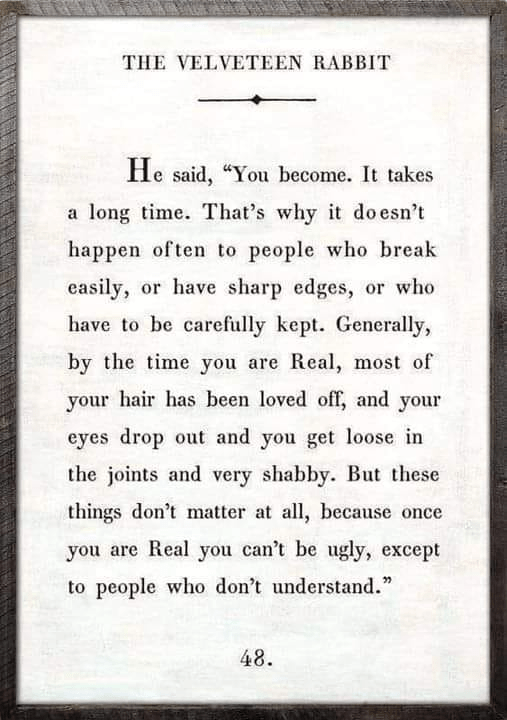
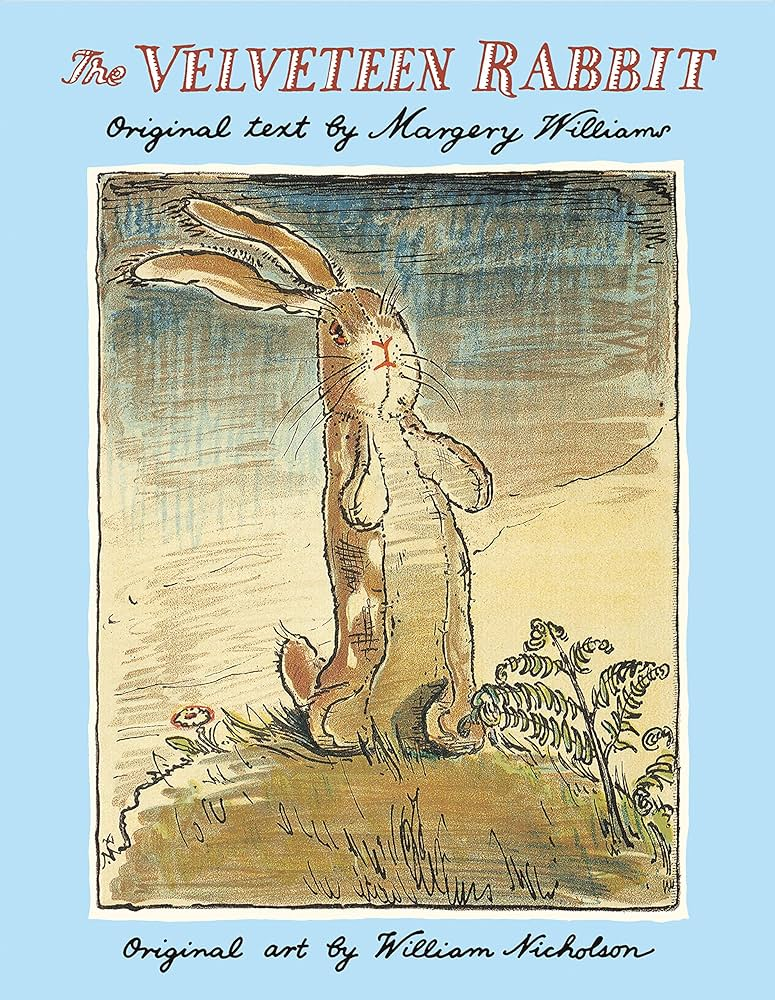
“He said ‘You become. It takes a long time. That’s why it doesn’t happen often to people who break easily or have sharp edges or who have to be carefully kept.
Generally, by the time you are Real, most of your hair has been loved off, and your eyes drop out and you get loose in the joints and very shabby.
But these things don’t matter at all, because once you are Real you can’t be ugly, except to people who don’t understand.”
Extracted from Margery Williams, The Velveteen Rabbit (1927) a timeless book for all ages about a rabbit who wanted to become real.
The world’s mother tongues have blended and intermingled since humans first stood upright and emerged out of the primeval forests. Here’s a really awesome family tree beautifully illustrated by Minna Sundberg. Minna is an immensely talented illustrator who has been creating a wonderful tales set in northern Europe for her online web comic Stand Still, Stay Silent. Over the past few years she has won a massive online following.
This Tolkeinesque family tree was created by Minna using data from ethnologue.com. Trees are a common metaphor for discussing the historical relationships between languages, this gorgeous fantasy-filed infographic compelled me to find out more about Minna’s art.
In the About section I found a prelude to the story which has made me want to read the whole thing…
It’s been 90 years after the end of the old world. Most of the surviving population of the Known world live in Iceland, the largest safe area in existence, while the safe settlements in the other Nordic countries; Norway, Sweden, Denmark and Finland, are small and scarce.
Countless mysterious and unspoken dangers lurk outside the safe areas, the Silent world, and hunters, mages and cleansers will spend their lives defending the settlements against the terrifying beings. Because of a great fear towards everything in the Silent world no official attempts to explore the ruins of the old have been made, and most of the information about it has turned into ancient lore, known by few.
Stand Still, Stay Silent is a world filled with medieval heroes and heroines, mythical creatures like trolls , beasts and giants and breathtaking imagery in the land of the Vikings. Looking forward to exploring this online comic further. This chick has got some serious talent.
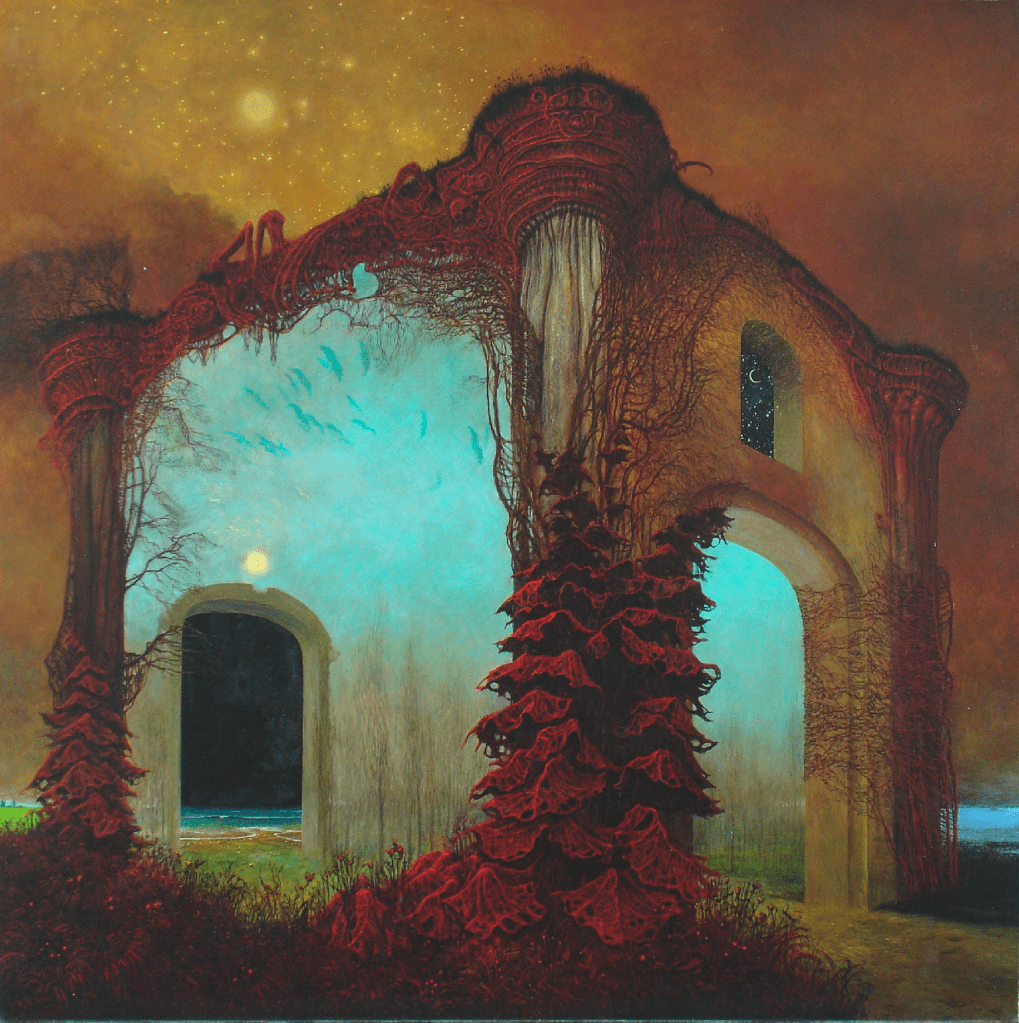
Enjoy funky drum n’bass, tiny quaint junkyard islands, a spinach curry, the art of Zdzisław Beksiński and more, it’s edition #124 of interesting things by #ContentCatnip
To be beautiful means to be yourself.You don’t need to be accepted by others. You need to accept yourself. When you are born a lotus flower, be a beautiful lotus flower, don’t try to be a magnolia flower. If you crave acceptance and recognition and try to change yourself to fit what other people want you to be, you will suffer all your life. True happiness and true power lie in understanding yourself, accepting yourself, having confidence in yourself.
How I love a good miniature sculpture! Simon Laveuve’s contain chaotic and ramshackle worlds of flotsam and jetsam that work together in perfect harmony.
In his piece called “Le Rocher,” which translates to “The Rock,” Laveuve explores notions of time.
“The rock is a survivor. Cataclysm, tsunami, storm. He was there. He saw everything, heard everything. When land and sea give birth to a new world, the rock, against wind and tide, will be there. It’s at the end that everything begins (again).”
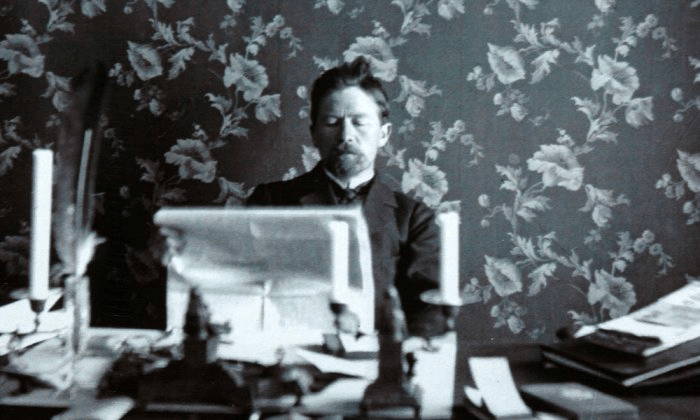
Chekhov’s stories incorporate extremely precise, well-observed details that come from everyday life — the way a farm smells of hay, warm manure, and steaming milk in June; that moment of transformation when a singer goes to the top of her range and sounds more birdlike than human; the violet glow of the sea at sunset in the Crimea. These details are not bits of journalistic color, nor are they mere word-count padding (Chekhov got his start by cranking out comic stories and gags for newspapers that paid by the word). These details were elements of the world that bound his characters in time and place and from which they could not escape.
It was memory itself, with its power to endow a life, no matter how humble, with meaning and, on occasion, states of pure bliss. In his plays and short stories, memory becomes more than a noun. It is a verb, an action fleeting and ephemeral, that makes sense of the otherwise random and senseless lives people lead.
Types of bird beaks and corresponding dietary requirements
Shigeru Umebayashi: Yumeji’s theme (In The Mood For Love) Soundtrack
Non-smoking Lady Bug shares the immortal and timeless ‘Wild Geese’ by Mary Oliver
You do not have to be good. You do not have to walk on your knees for a hundred miles through the desert repenting. You only have to let the soft animal of your body love what it loves.
Tell me about despair, yours, and I will tell you mine. Meanwhile the world goes on. Meanwhile the sun and the clear pebbles of the rain are moving across the landscapes, over the prairies and the deep trees, the mountains and the rivers. Meanwhile the wild geese, high in the clean blue air, are heading home again. Whoever you are, no matter how lonely, the world offers itself to your imagination, calls to you like the wild geese, harsh and exciting – over and over announcing your place in the family of things.
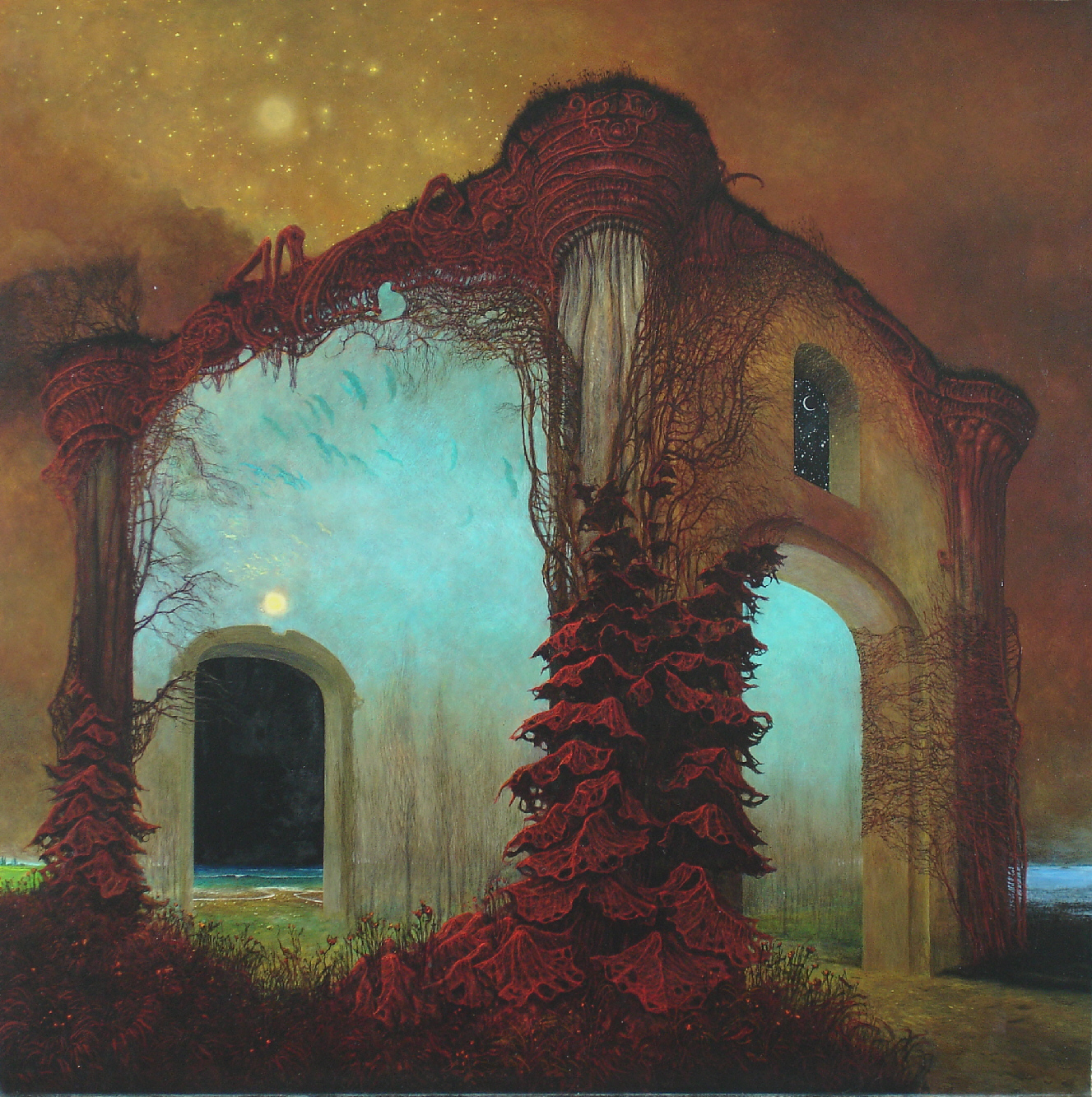
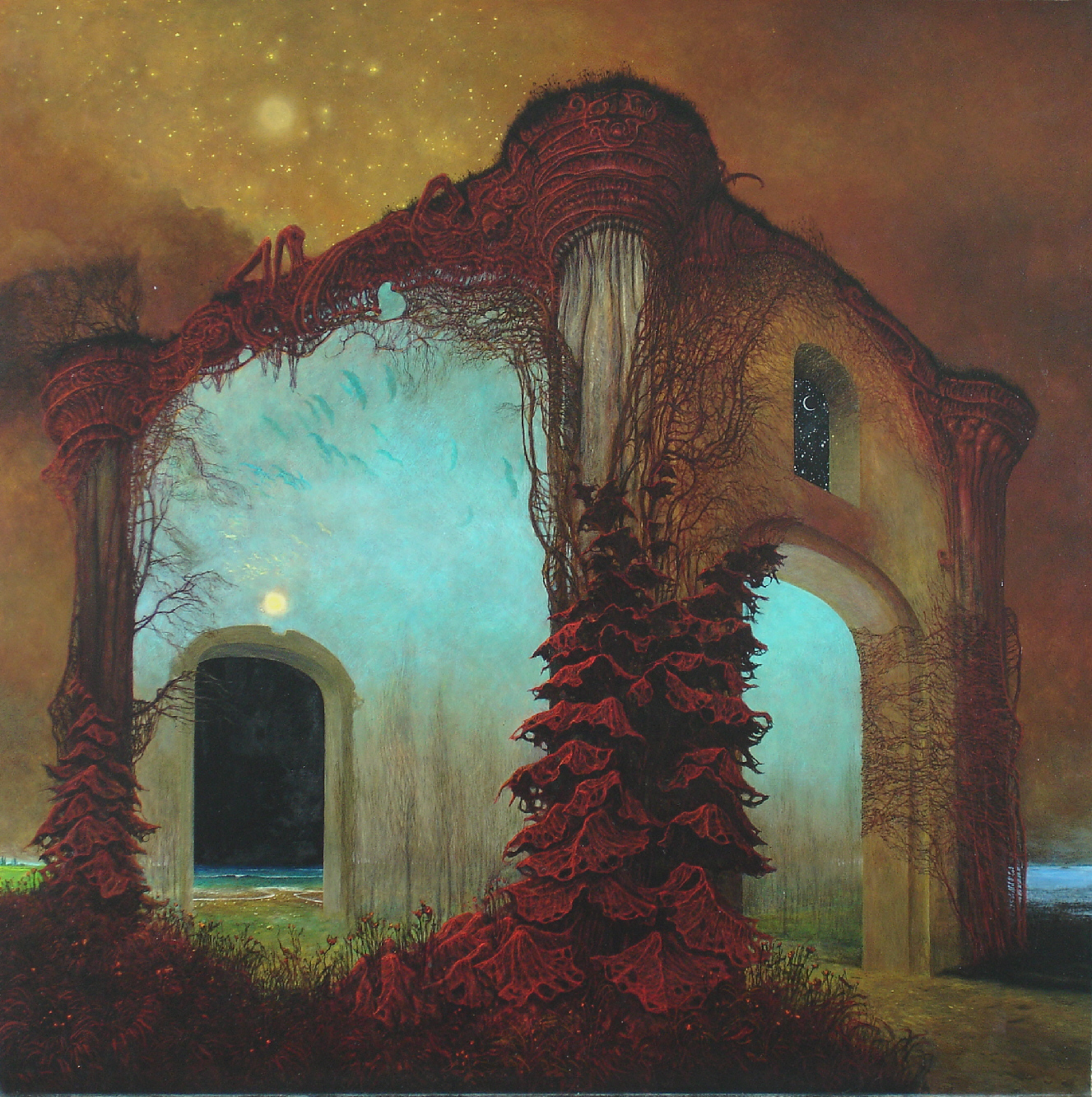
Zdzisław Beksiński, the Polish painter, photographer, and sculptor with a reputation for dystopian surrealism and nightmarish artworks. Beksiński’s life was marked by personal tragedies like the death of his wife and son, as well as his own tragic end. However throughout his life, Beksiński himself resisted such interpretations, preferring to let his art speak for itself and was remembered as a mild-mannered and content person. He was born in Nazi-occupied Poland, the horrors of the era left an indelible mark on his work. This often features emaciated figures and the psychological shadows of war. This artwork below is less menacing and a bit more enchanting which is why I like it.
You are under no obligation to engage with anyone you don’t want to converse with. People selling a mobile phone contract or from gas companies, toxic people you work with, trolls on the internet. Ignoring them is not only an option it is often the best course of action!
How and when to apologise
You are accountable for the consequences of your decisions and actions
Native American style drone flutes are dual chambered flutes, playing a drone through the left, and melodic playing on the right chamber. They produces a deep bass tone creating a peculiar immersive sound experience
If you can examine and face your life, you can discover the terms with which you are connected to other lives, and they can discover them too – the terms with which they are connected to other people. This has happened to every one of us, I’m sure. You read something which you thought only happened to you, and you discovered that it happened 100 years ago to Dostoyevski. This is a very great liberation for the suffering person, who always thinks that they are alone. This is why art is important. ~ James Baldwin
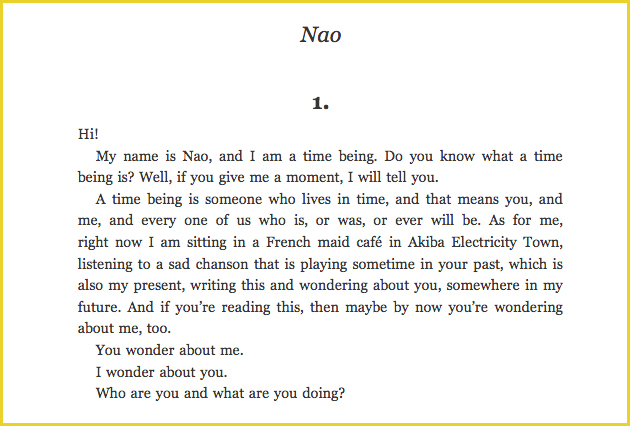
Hi, my name is Nao. I am a time being. Do you know what a time being is? Well if you give me a moment, I will tell you.
A time being is someone who lives in time, and that means you, and me and every one of us who is, or ever was, or ever will be.
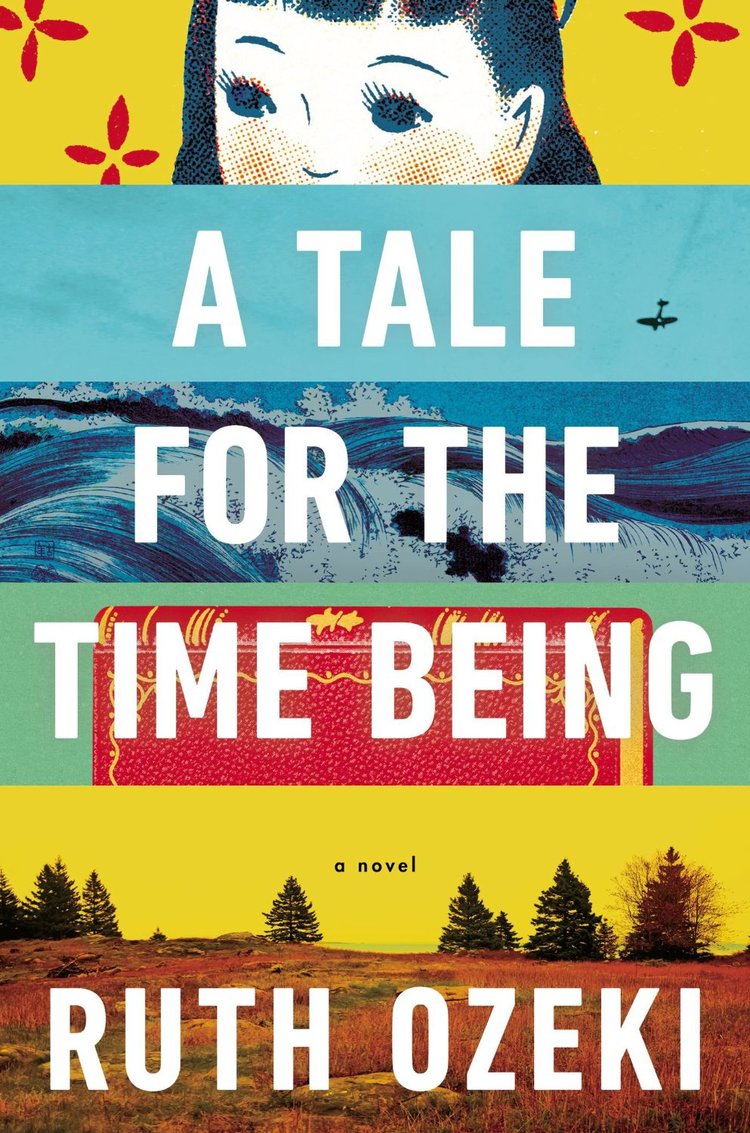
So begins the epic and sublime novel A Tale for the Time Being by author Ruth Ozeki, released in 2013. These first words for a novel captivated me and I am certain that they will captivate you. I was initially dubious about this novel having been recommended it via gushing reviews from other bloggers. However I ate my words because every page of this novel is breathlessly beautiful and crafted with perfection.
Themed around the interconnectedness of all things, a familiar philosophical underpinning of Zen Buddhism, Ruth Ozeki manages to interweave the story of Nao a teenage girl living in a Japan prior to the recent cataclysmic earthquake and a struggling writer living a decade later in a remote Canadian seaside town. The two characters are separated by the vast expanse of the Northern Pacific ocean, time and space and yet they ‘meet’ each other via a Hello Kitty lunch box that washes up on a beach in the Canadian fishing village, containing the diaries of Nao from a decade earlier and an old watch.
Surely one of the most compelling opening paragraphs of a novel I’ve experienced
Using profound linguistic grace and emotive firepower, author Ruth Ozeki manages to capture the relationships between people, time, space and memory in this heartbreaking, poignant, and very human novel. The main character (also named Ruth) begins a delicate and forensic investigation into the beach discovery and Nao’s letters. Ruth feels the encouragement of Nao over time and space and so slowly overcomes her writer’s block and writes her own memoirs.
Book Review: A Tale for the Time Being by Ruth Ozeki
A Tale for the Time Being features characters recalling their fair share of tragedy, soulful personal discovery and Zen-like moments of patient realisation. The characters are vivid and larger than life, including Nao’s feminist, radical great-grandmother a Buddhist monk who moves through life with ease, grace and wisdom and her son (Nao’s grandfather), an ill-fated and poetic Kamikaze pilot in World War II.
However telling you any more would be giving away this novel’s secrets. It’s a warm, compassionate and soulful journey into the heart of what it means to be human. It’s magic lies in the art of discovery. Of how people are delighted to encounter relics of the past and to construct stories of people’s lives. Although in Ozeki’s artful hands, the story is weaved from equal parts Magic Realism and Zen Buddhism for a ride into the sublime unlike any novel out there.
Get a comfy chair and glass of good red wine for this one, it will be a long and lovely night.
A book about experimental archaeology and family violence that’s brimming with glorious dread and that closes in around you like a vice. The novel’s short 160 pages are absolutely electrifying and seem far bigger. Best enjoyed during the witching hours of 11pm and 3 am.
Ghost Wall opens with an ancient hair-raising scene, of a young woman being ritually cast into the depths of a bog by her tribal community.
Next we are ripped out of the past and nearer to the present – sometime in the 1980’s in rural Northumberland. Where Bill ( a moody and aggressive bus driver/amateur historian) along with his long-suffering wife and 17 year old daughter are joined by Professor Slade (a posh out-of-touch gentleman) along with his acolyte students who are similarly priveleged.
Over one week during the height of summer, the group is tasked with recreating a neolithic hunter-gatherer community replete with old scratchy tunics, rudimentary hunting of small animals and foraging for edible weeds close to the shores of an all-consuming bog.
The story is driven by the metallic hollowness of fear and the threat of blood and violence. It’s told from the perspective of Sylvie, a 17 year old girl who has been brain-washed into believing that the will of her father Bill is God, and that every tiny move she makes will be scrutinised by him coldly and with hatred borne out of fear of her growing womanly body.
Bill is a towering and menacing character, he is full of venomous hatred and fear of the women in his life – his wife and daughter. His presence is like the spidery tentacles of an evil bog creature in the book. Bill seeks to control his family through violence and the constant threat of violence. His wife and daughter shudder and quake from this threat.
The tension and horrible feeling of doom and wondering when the next big thumping would come were very intense. So much so that this book should actually come with a trigger warning. It does cut very close to the bone. But that’s what makes fiction so amazing- is that it can provoke in you feelings and emotions which you can then analyse (hopefully) in the relative safety (hopefully) of the present, not the past.
There is a lot going on in this book in terms of class tensions. Bill is resentful, envious of Professor Slade’s privilege and how he ‘plays’at poverty and scarcity before rejoining his comfortable middle-class life. Bill’s intelligence and competence is squandered on his poorly paid bus driver job. He takes out this frustration on his wife and daughter in ruthless, controlling ways.
This possibly makes this book sound hopelessly depressing to read. Well it is, and also it’s not. There is something deliciously exciting about this book too, as though you are taking a journey into the depths of humanity’s violent, tribal and pre-cognitive core. Also, it is incredibly well put together and stays with you always. If you are into British history, archaeology, feminism, thrillers or all of the above then you will enjoy this book! 5*/5
By saying it out loud I hope it genuinely comes true. Law of Attraction and all of that. From what I have experienced, you have to dream big and conceptualise something first in your mind for it to become a reality.
Elements of this fantasy soon-to-be include:
Of course the Polish bear by my side.
Myself and he are in good health and are happy.
We have a couple of ultra friendly and cool little dogs: I’m not fussy what breed and would save them from the pound. But I do love poodles, maltese and king charles cockerspaniels for their intelligence and sweet personalities. Love Scottish terriers and jack russells for their chutzpah and pizzazz.
An art studio to make pottery and other things like weaving.
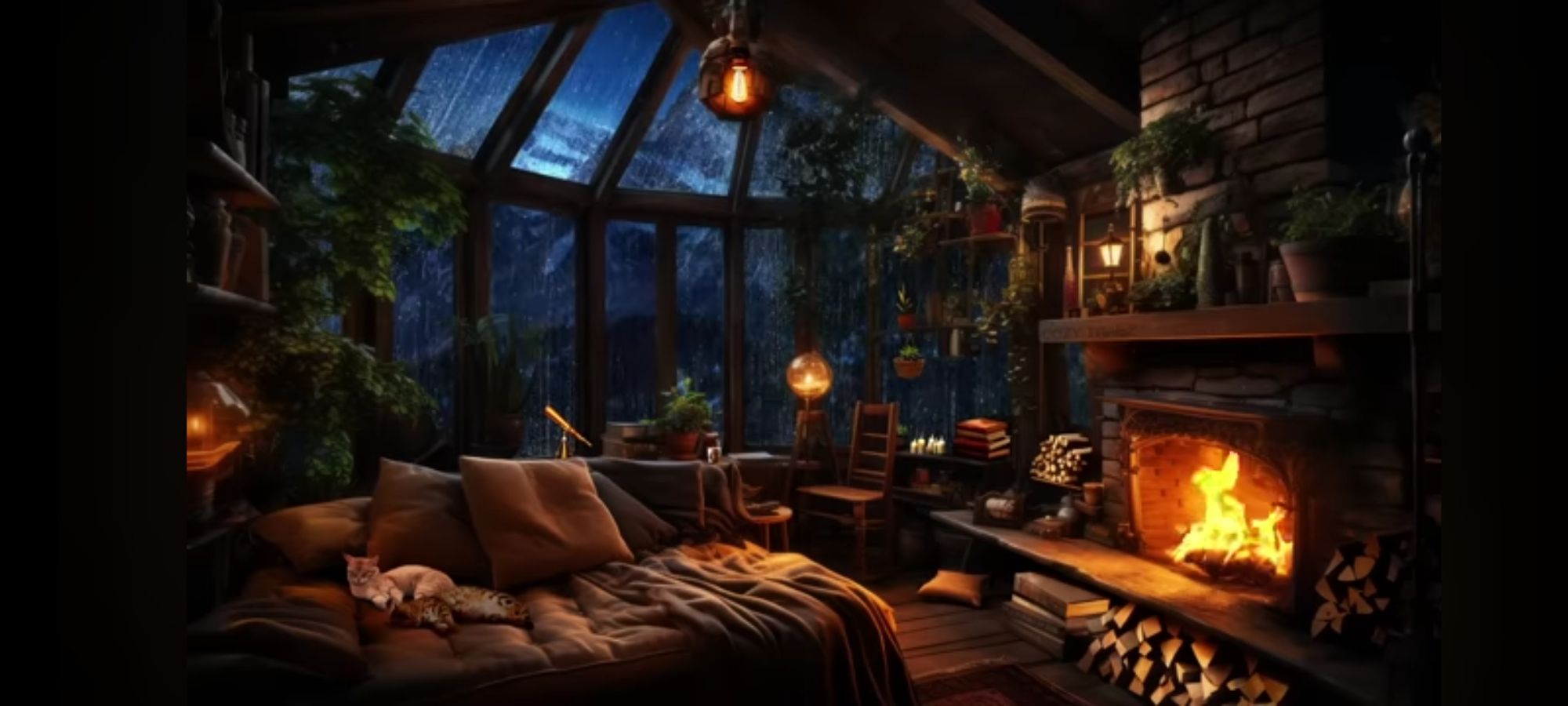
A bedroom in the roof/loft with a skylight that opens to see the stars at night and let sun in.
A large Japanese style onsen bath that is deep and fits two people along with a wooden onsen style bathroom.
Bay windows and a deck overlooking a mountain range and a lake.
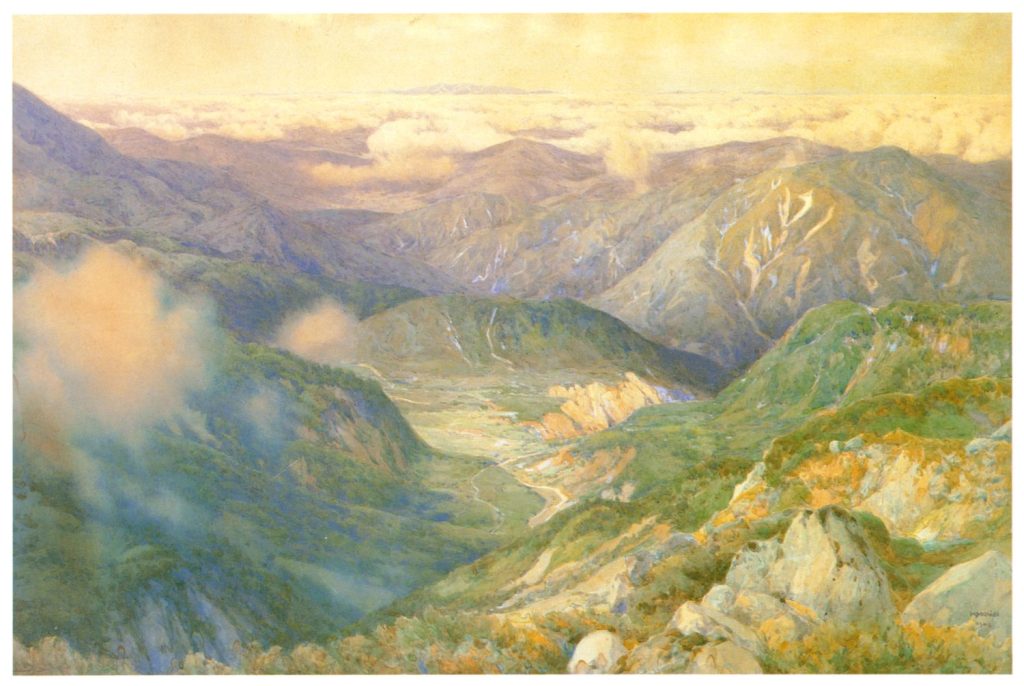
Yoshida Hiroshi – Above the Clouds
An enclosed greenhouse to grow fresh vegetables at all times of year. Along with solar panels and a tank of water to be semi offgrid.
A stove or fireplace powered by electricity.
A great internet connection for remote working.
A library/listening/movie studio that is insulated for sound and where I can keep a vast selection of vinyl, a big collection of books on shelves and a TV projector for watching films with friends of ultra comfy sofas.
A fully equipped kitchen with a large table for entertaining friends.
A job working in a consultancy within an animal rights and environmental advocacy NGO.
An electric car and a close-by railway station so I can get back to civilisation easily and see family and friends.
Here is a cosy video to hear and see the ambience of such a place.
What about you…where do you see yourself in 10 years time?
I don’t know about you but I really struggle to find TV shows and films that are of high quality in terms of: plot, dialogue, costume, cinematography etc. There is a vast amount of content that is churned out, but very little I would consider worthy of my very limited time. I would include in there films like Barbie and Oppenheimer both of which were pretty basic, shallow and boring in my humble opinion. I don’t think they deserve the accolades they gained. Here are some that I really loved….if you have seen these let me know what you thought…maybe others won’t agree with me.
In a dystopian future following a disaster, a community exists in a giant silo that extends hundreds of stories underground, 10,000 people live in a society bound by regulations they believe are meant to protect them. The lie about what happens on the surface above the silo and why they are all there below ground slowly unravels in this deeply compelling and well-executed detective style narrative.
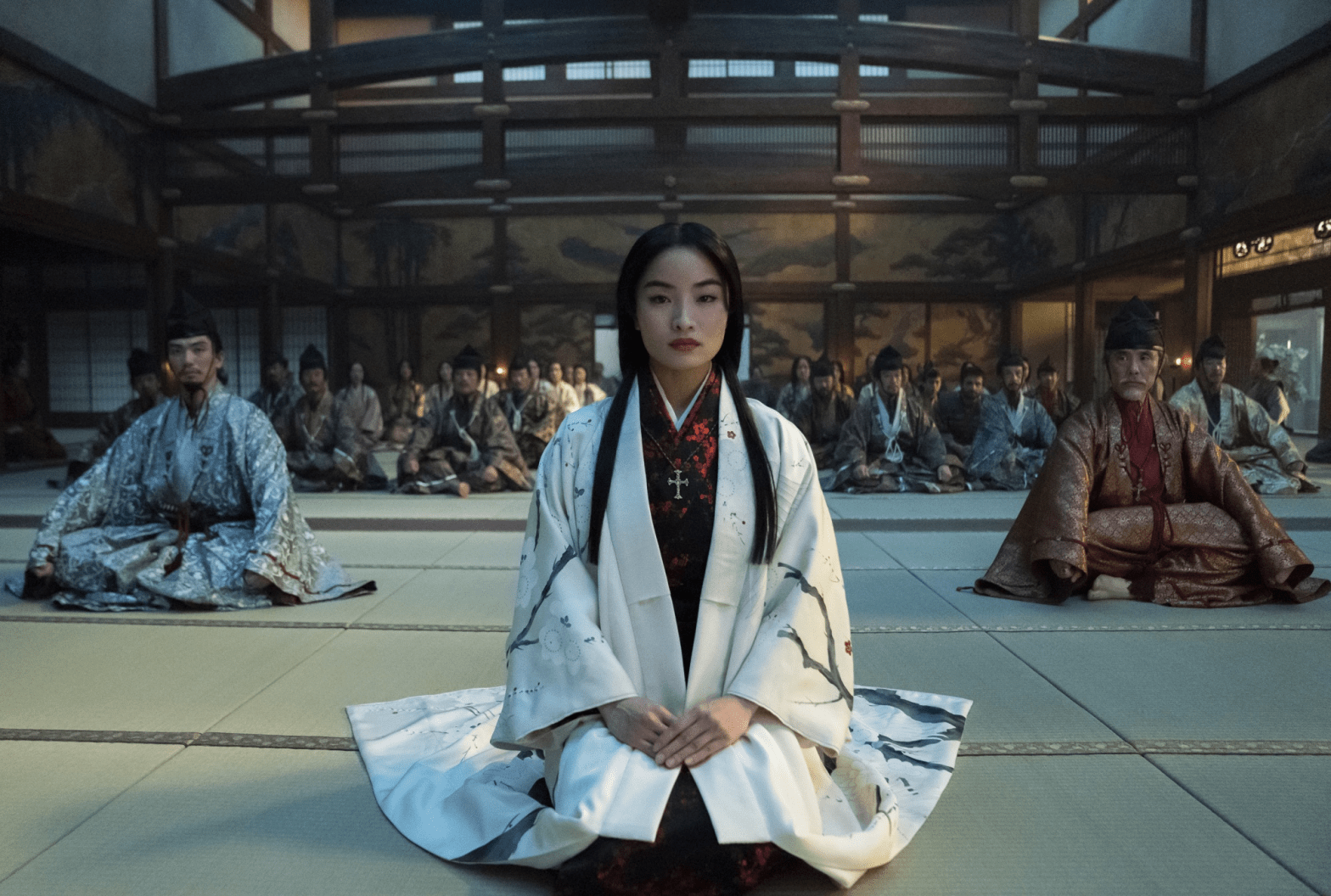
An English sailor ends up shipwrecked in Japan circa 1600. What unfolds afterwards is a deeply complex, nuanced and sophisticated power struggle between minor and major lords involving dangerous political rivalry. Based on the historical fiction novel by James Clavell, it is in English and Japanese. This is an extremely high quality production with exceptional dialogue, acting, costumes and cinematography. Unlike other ‘European people who discover and conquer the New World’ type narratives, there is a distinct narrative focus on the perspective, philosophy and world view of the Japanese and how they saw European interlopers.
A young chef, Carmen “Carmy” Berzatto also known to his friends as ‘The Bear’ inherits his family’s Italian beef sandwich shop in downtown Chicago after his brother (who used to run the place) kills himself. Carmy leaves behind a gilded and successful career as a chef in one of the most feted restaurants in the world. The noisy, chaotic, dirty world of running a malfunctioning diner comes sharply into focus – along with the residue of his family’s trauma. This is a superb masterwork of what it viscerally feels like to work in a busy restaurant kitchen. If you ever have – you will be able to relate to this. Through its fast cuts, montages, superb acting and dialogues, sweary diatribes and evocative soundtrack of long-lost radio classics…The Bear becomes absolutely legendary and has gained a cult-like following.
Poor Things is quite possibly the most genius and darkly funny film I’ve ever seen. Set in Victorian London, it focuses on a woman christened ‘Bella Baxter’ who was created as a crude scientific experiment by eccentric surgeon Godwin Baxter. Godwin salvages the body of an unknown pregnant woman post-suicide and brings her back to life. He uses the brain of the baby inside of her to reanimate her adult female body. If that sounds weird, it is! but nevertheless it is totally hysterical and delightful in its weirdness. The film is directed by Yorgos Lanthimos and all of the actors in this are superb: Emma Stone, Mark Ruffalo, Willem Dafoe. It delves into timeless and modern themes – a woman’s independence versus her reliance upon men, and men’s sexual claim over women. It is absolutely hilarious as well!
The first week that we moved to Wellington we went to see Te Papa Museum’s landmark exhibition: Terracotta Warriors: Guardians of Immortality. Enshrined in darkness and dim light, the exhibition feels like being submerged into the underworld. The exhibition offers you a rare opportunity to have an intimate and immersive encounter with remarkable treasures from 2,000 years ago, from the tomb of Qin Shihuang, China’s First Emperor. I highly recommend it!
#Travel #Wellington: #TePapa #Museum’s landmark exhibition: Terracotta Warriors: Guardians of Immortality. Enshrined in darkness and dim light, the exhibition feels like being submerged into the underworld
The Story of the discovery of the Terracotta Warriors
Equally fascinating was how the treasure trove was discovered. In 1974, local farmers in Xi’an in China discovered the warriors. The figures vary in height according to their roles, with the tallest being the generals. The figures include warriors, chariots and horses. Each figure is completely unique in stature, face, hairstyle and clothing, according to their rank within the army. This makes these life-sized models all very human in appearance.
Estimates from 2007 were that three pits contain more than 8,000 soldiers, 130 chariots with 520 horses, and 150 cavalry horses, the majority of which remained buried in the pits. Although in addition to the warriors there were non-military figures like strongmen, musicians, officials and acrobats.
I loved it so much I made this video of it…
Why was it built?
The Terracotta Army was built to protect the tomb of Qin Shihuang (210-209 BC), the first emperor of China. The sheer extravagance of this construction spoke volumes about his power, and the loyalty of his acolytes and ensured his immortality after death.
Sometimes dubbed Qin’s army, the Terracotta Warriors were buried alongside Emperor Qin in the hope that they would protect him in the afterlife.
Like the Ancient Egyptians, the Ancient Chinese believed that inanimate objects such as statues of people and animals would come alive in the afterlife. At this intersection of the spirit world and the real world there exists an eerie conduit and this became apparent in this moving and wonderful exhibition.
Some people think that the Terracotta Warriors are the eighth wonder of the world. In China the full exhibition of the army is a UNESCO heritage site. It’s a must-see for history buffs.
The Te Papa exhibition features eight warriors standing 180 centimetres tall, and two full-size horses from the famous terracotta army – as well as two half-size replica bronze horse-drawn chariots.
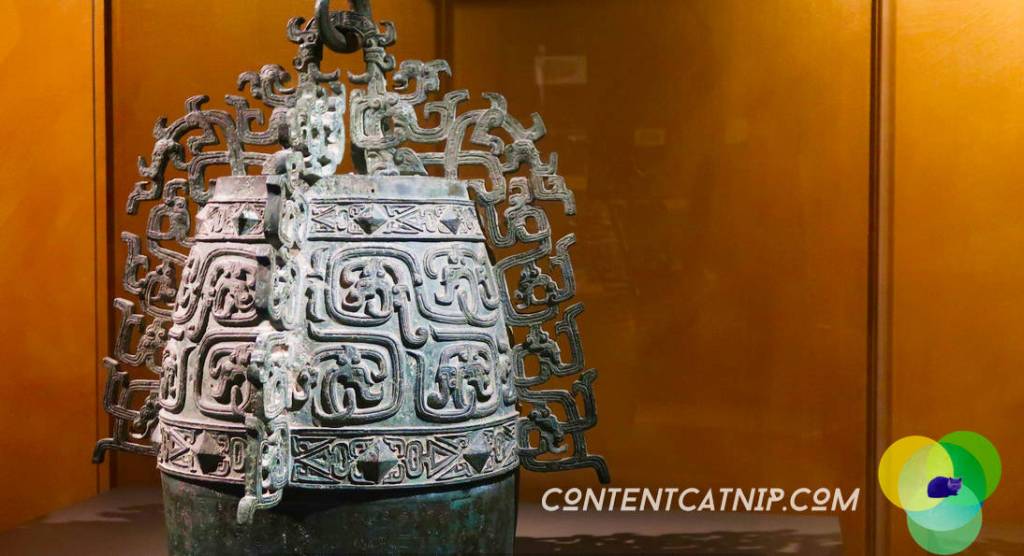
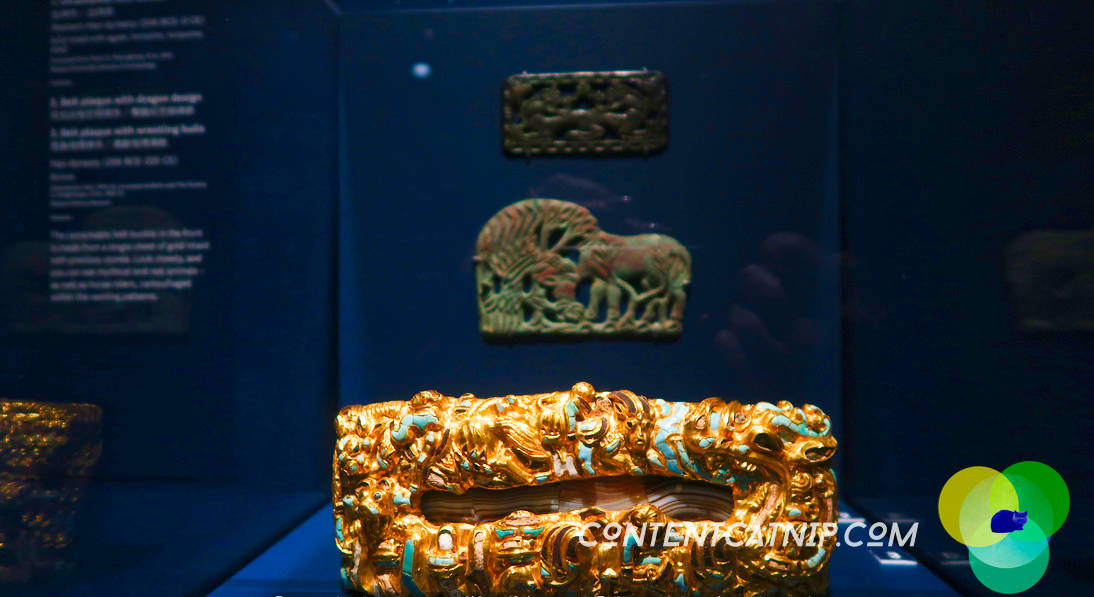
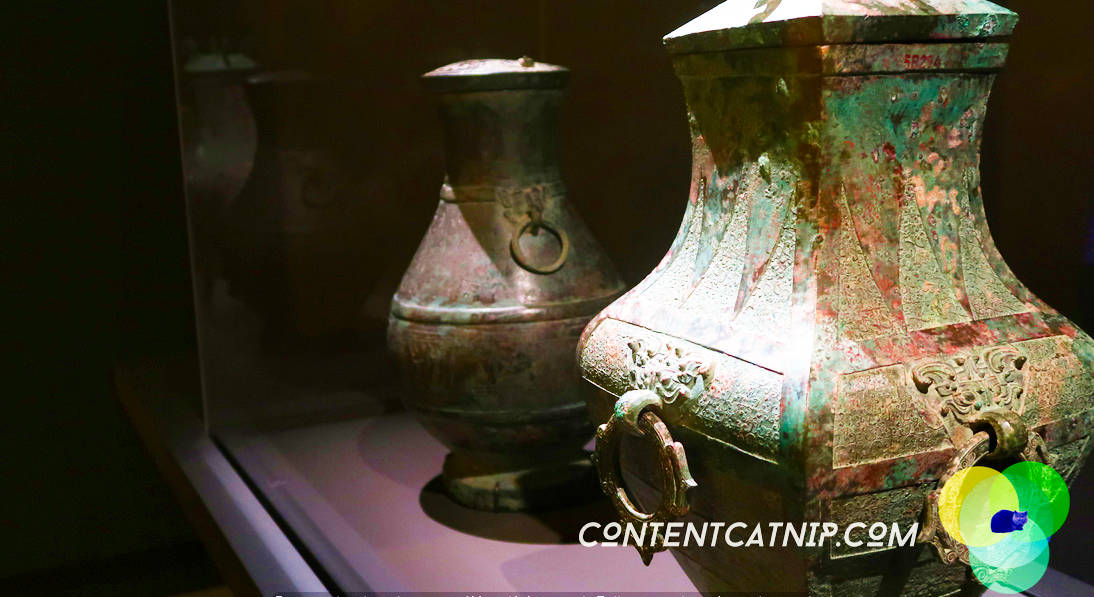
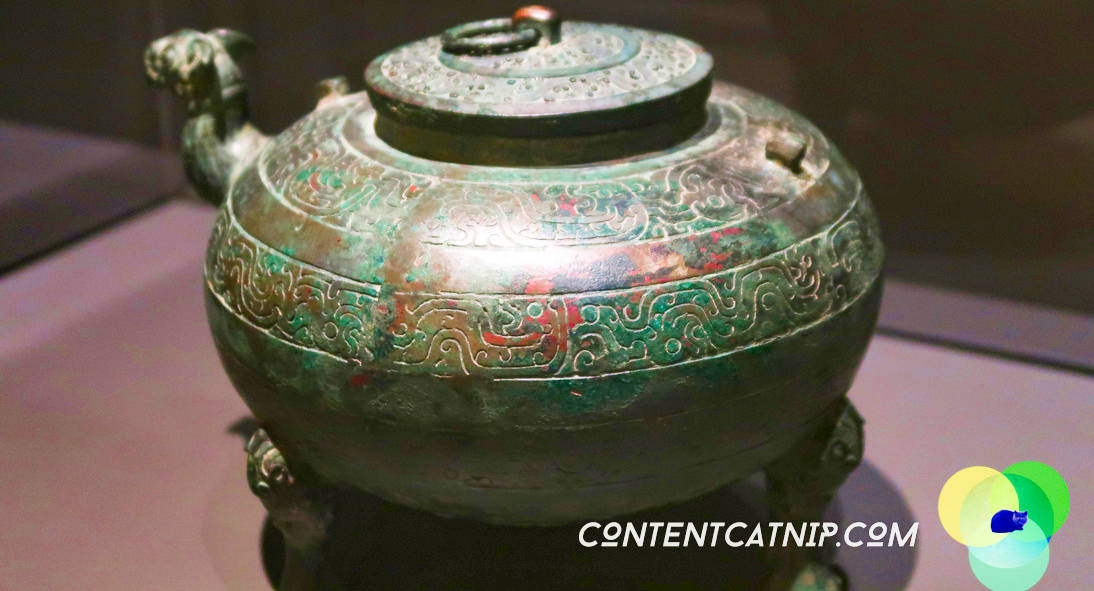
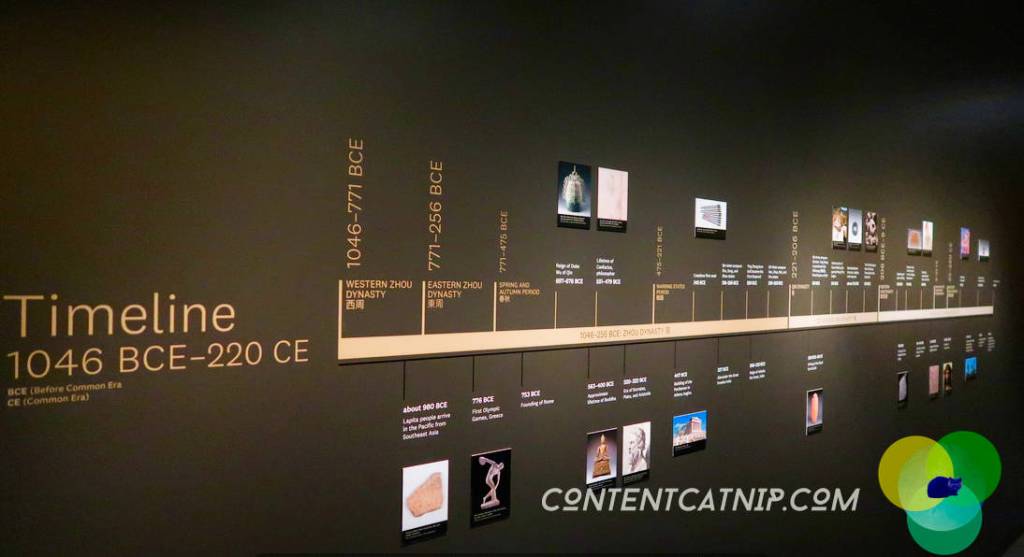
Also on display are more than 160 exquisite works of ancient Chinese art made from gold, jade, and bronze. The works date from the Western Zhou to the Han dynasties (1046 BCE – 220 CE), and were found in imperial tombs in and around China’s ancient capital, Xi’an.
I really recommend getting the audio guide that goes along with the tour. The atmospheric soundscapes and compelling voice of Historian Duncan Campbell bring key treasures in the exhibition to life in a completely vivid and immersive way. We really got more out of this exhibition by paying for the audio tour for $5.50.
“Your days are numbered. Use them to throw open the windows of your soul to the sun. If you do not, the sun will soon set, and you with it.” — Marcus Aurelius (The Emperor’s Handbook)




















 Content Catnip
You must be logged in to post a comment.