In every alleyway and side-street in Kyoto and Tokyo there are thousands of stories. This alley was no exception. I can’t exactly recall what this place was, but I just loved how it looked. Some shop fronts are adorned in such a way as to induce a strange nostalgic longing to go in, explore and investigate further. But there are never enough hours in the day to explore every little back-alley bar or cafe. And I had to get on with doing other things, this place will always remain a delightful mystery!
Night was falling quickly and the clouds were a deep purple and blue. As dusk descended, a violent wind picked up over Auckland city bringing a huge tropical storm and a deluge as I walked home.
Norwegian waffles with brown cheese, jam and yoghurt. I died and went to breakfast heaven. The homely mid-century furniture in Fuglen, Asakusa
On a recent trip to Japan I noticed that the Japanese love to pay homage to different cultures, their foods and aesthetics. This is really great and impressive because they have such a rich culture of their own. And yet they love to get excited about Italian pizza, French cakes, Australian wine, Scandi metal, American Jazz…basically everything.
There’s a real sense that Japanese people are like sponges absorbing lots of other cultures and then selling this within Japan.
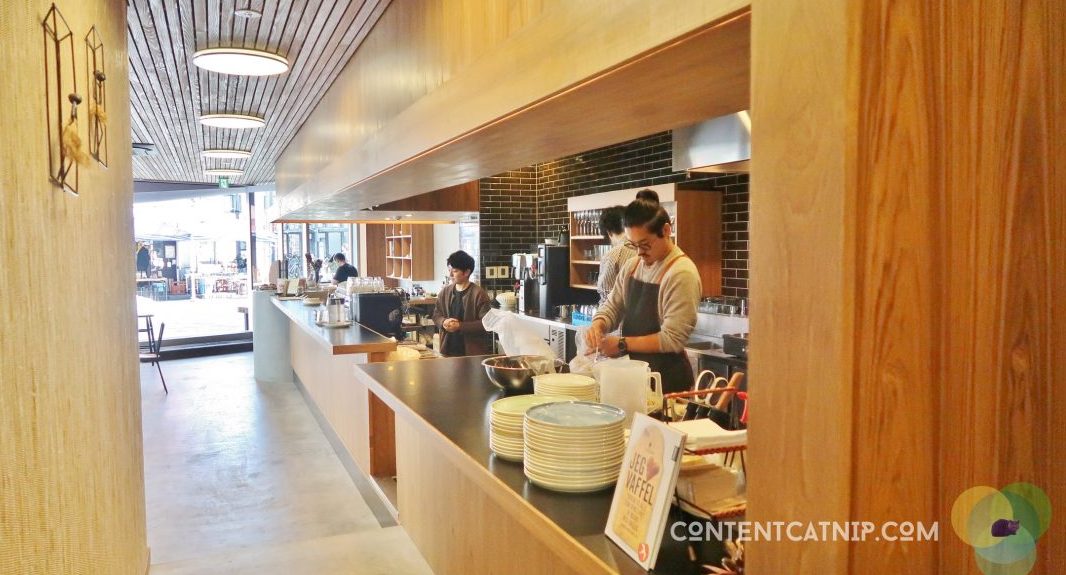
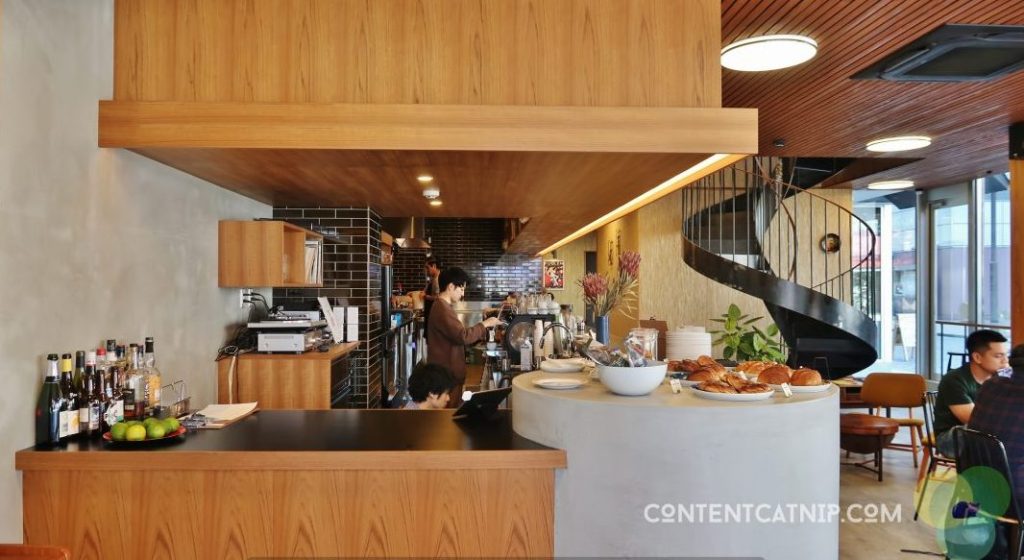
In Asakusa (the old Edo district of Tokyo), there is a Nordic cafe called Fuglen which featured austere and beautiful design, and yummy Norwegian waffles.
This cafe’s design in Asakusa features both Japanese minimalism and the delicate austerity of Nordic design. The result is a super cosy and atmospheric place. While I was in this cafe, I was dreaming of replicating something similar in my (as yet theoretical) dream house of the future.
Japandi is a thing
The fusion of Japanese and Scandinavian is actually a thing on the internet and is called Japandi.
The two styles represent traditional elegance. The fusion of Zen-like minimalism of Japanese design combined with the warm and rustic vibe of Nordic design seems like a logical synergy.
So how to adopt Nordic and Japanese Fusion in your home?
I’m no interior designer, but this look is really fascinating and beautiful. Here’s how to do Japandi.
Look for low-lying mid-century furniture in warm woods.
Clear the clutter from your living space. The style is minimalistic. Invest in good storage options to assist with this.
Use natural and simple design elements
Use darker accents for a Japonica twist
Combine pale and dark timbers
Use the pallette of rich colours from Japanese design for warmth and combine with this with the cool undertones and raw edges of Nordic design.
Use lush leafy house plants to draw the look together.
The kitchen in Fuglen Nice Japandi design in Fuglen, Asakusa, Tokyo
Do you like my writing? Then please subscribe. I always subscribe back.
I recently began a course with one of the most famed writers in the world teaching creative writing. I already know things, having studied creative writing years ago, however at the time I had zero confidence in my abilities. So I languished for a while in a corpo doing finance admin after my degree – silly. Then in the ensuing years, I worked for over a decade as an editor and writer. This has given me some idea about what I am doing.
Writing commercially for money requires no guts at all, in fact it’s a fakers job, a completely insulated and protected way to exist and to pretend you’re doing something creative, when really you are just feeding yourself and writing about things you couldn’t really give a shit about. Fuck that, I’m tired of it.
Still, creative writing takes flow and also guts to put yourself out there. I thought for a while I would simply have to pillage and plunder my (at times) very intense and unusual life for that epic story. However, it seems that under the tutelage of this famous writer’s training, I can now find more ideas for weird stories that I could shake a stick at.
So it turns out, the ideas for a novel are all out there in the far reaches of space, or rather in here, somewhere in the shadows of your and my subconscious waiting to emerge.
Pagan Date: Lammas
Although stories (or even novel-length) ideas emerge like a raw, bloody and pulpy kangaroo baby crawling and clinging on for dear life to its mother in the pouch. It’s hoped that through polishing, feeding and plenty of TLC, what emerges out of that pouch in a few months will be a fully formed baby kangaroo. A rather appropriate metaphor given that I’m writing this from Australia.
In my case it may be a monstrous and horrifying monster, but even if that is the case…it’s hopefully going to be an interesting monster. And if you don’t polish, grow and nurture it, at best it will be a tiny weak and unformed thing that will most certainly die without your loving attention. I can only write and continue to feed the weird little tamagotchi. Also sometimes the most merciful thing to do is to kill the monster if it’s too awful and you can’t stand listening to it or nurturing it any longer. Sometimes that’s even more important to remember than keeping it on life support. Of course, an impartial and brutal advisor with a red pen should be able to tell you when a monster just isn’t worth keeping around. Kill your darlings. Or chop them up and put them in the freezer for further adventures.
This amazing explanation of narrative arcs by Kurt Vonnegut had me laughing out loud. To actually be present at this lecture would have been totally awesome. This video is great starting point for narrative structures and point of view, although really only the tip of the iceberg of a very gigantic topic. I hope other writers or people who love books find this enjoyable and amusing. 🙂
“One of the most calming and powerful actions you can do to intervene in a stormy world is to stand up and show your soul.” Clarissa Pinkola Estes. Women Who Run with the Wolves.
In Bignor, a hamlet close to the ancient Sussex towns of Arundel, Petworth and Pulborough is this grade one listed stone-built medieval Holy Cross church. This church was mentioned in the Domesday Book. The simple chanxcel and arch remain from the 11th century, although the rest of the church was rebuilt in the 13th century. Lovingly restored in the 19th Century by ecclesiastical architect George Edmund Street, it is still used to this day for concerts, talks, poetry readings, art exhibitions and festivals. The haunting ambience, as you can see here is more than ample for attracting people.
At the Bignor Weeds and Wildflowers Festival each year, mounds of earth and steamy, blooming wildflowers are dumped inside of the medieval church and the outside meadows and hedgerows become a part of the medieval grandeur for a while.
Photographs reproduced with the permission from Lucid.Inc, creative butterflies located in Seattle.
I was a bit dubious when I first tried this product because I had never heard of this brand. Although a winning product feature was that it wasn’t tested on animals and was made from all organic ingredients.
This is yet another hair calming and soothing balm. It can be used in place of a conditioner or it can be used as a leave-in conditioner or curl cream to calm down frizz. I found the Miracle Mask to be better than any other competitor’s product on the market. It beats John Frieda and Garnier’s hair masks by a thousand miles. This will now become my go-to hair treatment forever. It is rather pricy at $30, however it comes in a gigantic 500ml tub and this lasts for AGES. The way it feels on the hair is like an instant lift of glossy, lustrous curls. My normally frizzy and out of control hair now looks like it has been salon treated every day.
My Organics is a salon-quality brand from Italy that is sold in the Chemist Warehouse in Australia and New Zealand. Although as far as I can tell, you can’t get it anywhere else. Also the Chemist Warehouse New Zealand has a holding page and no online shop, so if you can’t actually get there in person in Auckland, you won’t be able to get it. Ah…New Zealand….so beautiful, so very backwards.
*I did not receive any financial compensation for this review and I did not receive free products at all. If you would like me to review your products fairly and honestly, you can email me about it at contentcatnip [at] gmail [dot] com
“The doors to the world of the wild Self are few but precious. If you have a deep scar, that is a door, if you have an old, old story, that is a door. If you love the sky and the water so much you almost cannot bear it, that is a door. If you yearn for a deeper life, a full life, a sane life, that is a door.” – Clarissa pinkola estes, women who run with the wolves.
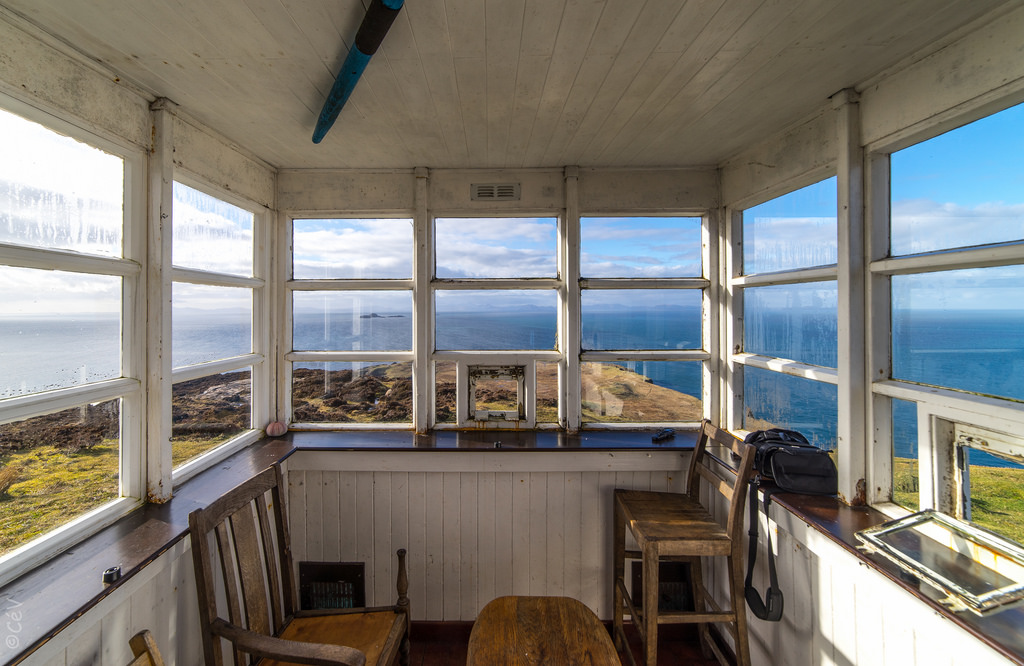
The Lookout Bothy, Rubha Hunish in Trotternish on the Isle of Skye.
There’s something uniquely Scottish about bothys.
These tiny mountain shacks are normally found in remote parts of the Scottish highlands and islands. They can be found in all kinds of conditions – some with running water and a fireplace and even electricity! Other’s don’t have more than an old fashioned hearth where you can throw some logs on to burn.
I never actually stayed in one, because I have a particularly picky partner who would rather sleep in a hotel, however I would love to have the opportunity.
Bothys could be similar to the Kiwi idea of the bach (pronounced batch, and shortened from Bachelor Pad), these are one roomed studios with basic facilities that are normally found near the beach in New Zealand.
However that’s where the similiarity to a bothy ends.
Bothys are a little bit of rugged and rustic Scottish magic. They are communal and community-oriented and this means that if you go on a hike and find the bothie occupied, you either need to share it or find another place to rest your weary head.
Traditionally, bothys aren’t paid accommodation, and so you need to be forgiving if they aren’t posh enough to meet your standards. Originally a place to itinerant workers and herders to rest among other things, bothys are now found on private land. A rule of responsible and fair use goes along with staying in a bothy, which means you need to leave it clean and tidy, leave some chopped wood for the next residents and take your rubbish with you.
The road from our croft. When we stayed on the Isle of Skye we stayed in a old crofters cottage that was the most cosy place on earth! Copyright Content Catnip 2010
Often the social aspect of the bothies can be really enjoyable so people say, as they bring together people from all walks of life. Everyone is keen to share stories and open up in this new and strange environment. I really hope I get to stay in one at least once in my life.
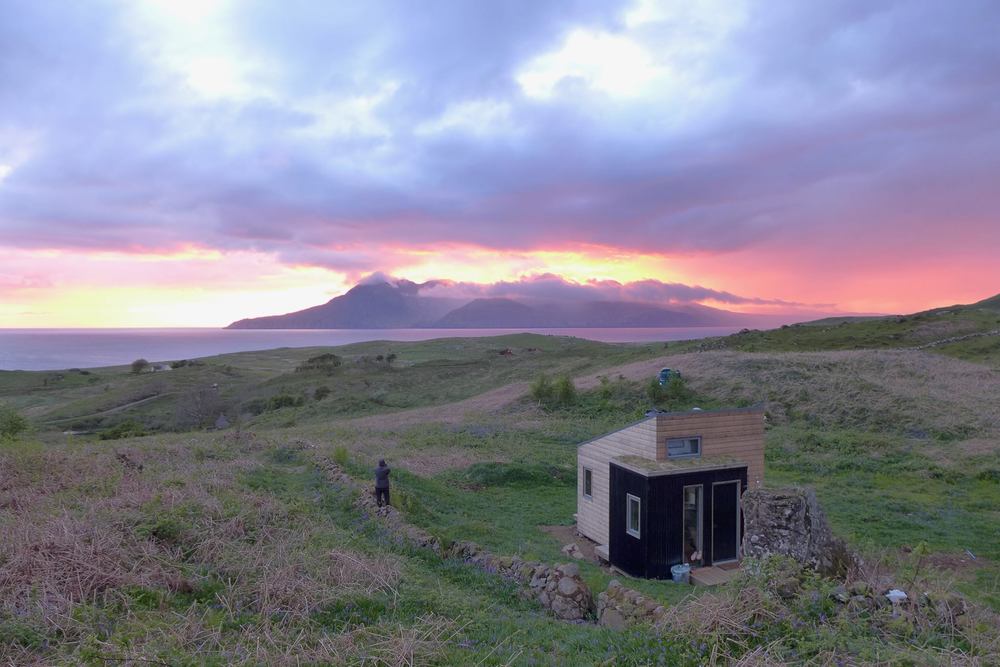
Cosy little mountain bothys to covet
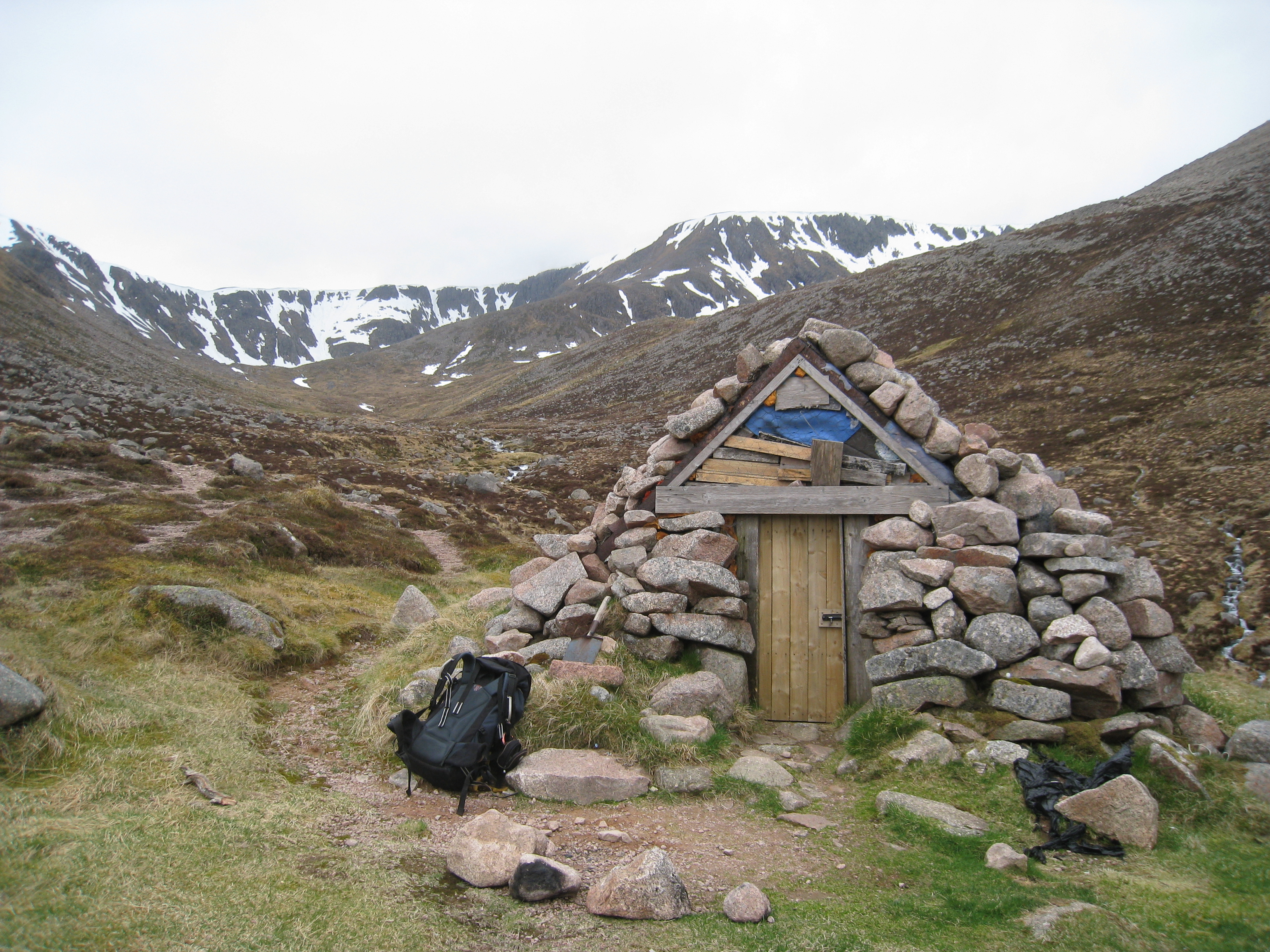
Garbh Choire Refuge
The Garbh Choire Refuge in the Cairngorms, only the basics there.
FYI: Also another tip from this seasoned bothy stayer is to have a tent with you or another place to crash, because if the bothy happens to be full that night, then you may have to sleep outside!
What to expect – many bothy’s aren’t nicely maintained, but some are nice and cosy and have fresh running water and electricity.
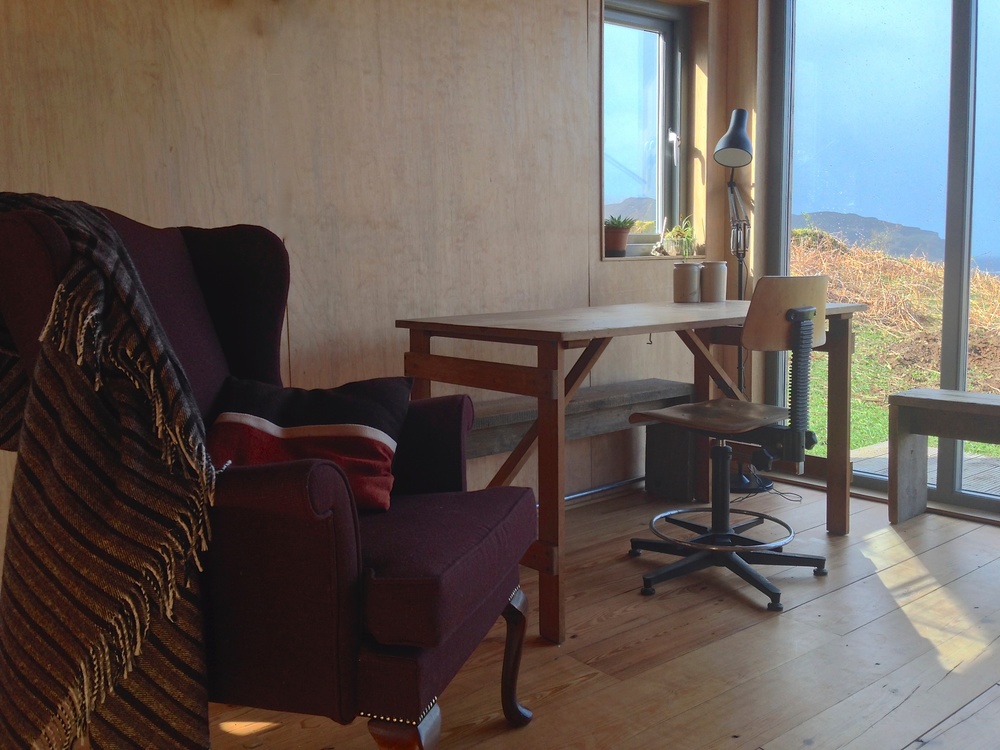
Sweeney’s Bothy
FYI: this is more of a paid tiny house rather than a free bothy, but you get what you pay for here….
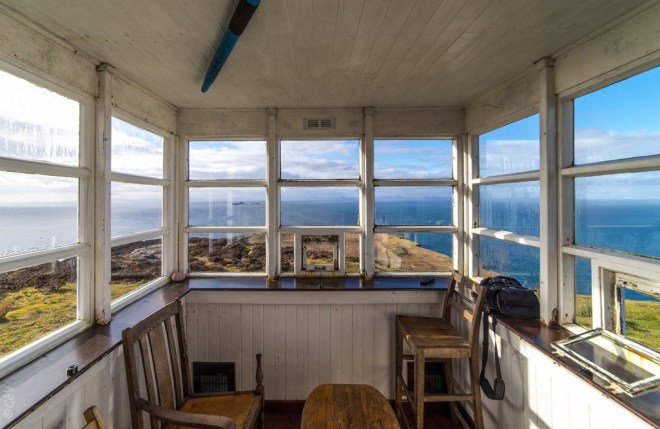
According to the Mountain Bothy Association, the Lookout is a former coastguard watch station. The front part of the building –the watch room –was built in 1928 by Macleans of Mull. It is equipped with a large bay window enjoying commanding views out over the Minch. Over the years, advances in radio communication meant that the building was no longer required for its original purpose and it has been a bothy since the mid-70’s. It was taken over by the MBA in 2006 and renovated in memory of David J J Brown, an MBA member who was a frequent visitor of the North West of Scotland.
Lookout (Rubha Hunish) in Trotternish Isle of Skye
In it’s solitude atop the cliffs of Rubha Hunnish, the bothy has a spectacular view over the Minch, the Isle of Lewis and Harris in the Outer Hebrides. In the wee hours of the morning you may be lucky enough to catch a glimpse of whales and dolphins from it’s large, panoramic windows.
Lookout (Rubha Hunish) in Trotternish Isle of Skye




















 Content Catnip
You must be logged in to post a comment.