
We visited Enoshima in 2018 and we loved it so much we went back in 2019. This is a picturesque beachy island off the coast of Japan in Kanagawa prefecture, about 40 minute by train from central Tokyo. A JR train, local train and then a scenic tram will get you there. This area was famously depicted in the iconic artwork by Hokusai, ‘Great Wave off Kanagawa’. This surfy, ultra chill and slightly magical island was more amazing than ever thought or imagined. While there we discovered a range of mystical and unusual inhabitants, which you can see in my video. Subscribe to see more videos by Content Catnip on Youtube
Comforting Thought: Laugh a lot and often. At yourself in particular
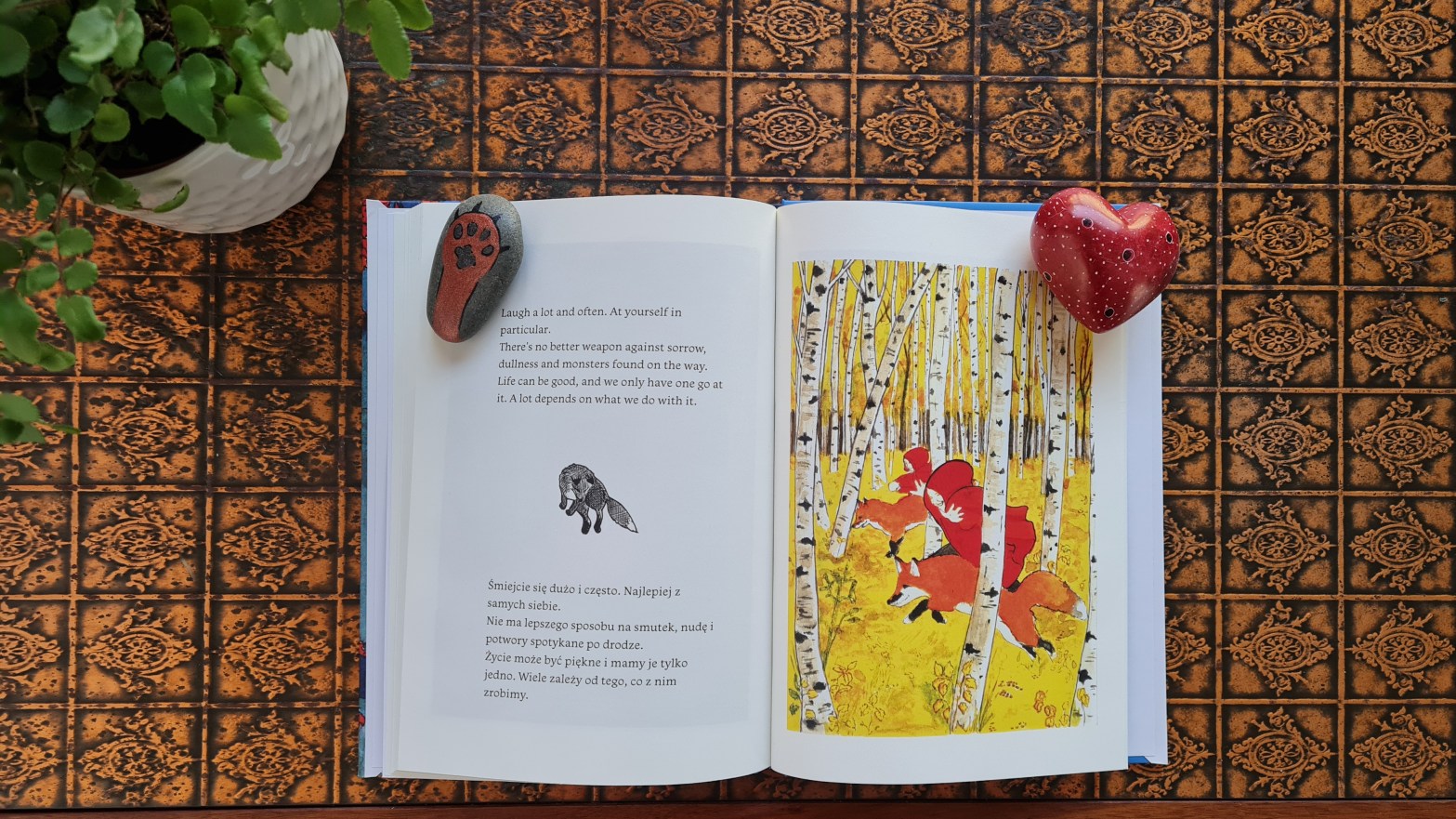
Laugh a lot and often. At yourself in particular.
There’s no better weapon against sorrow, dullness and monsters found along the way.
Life can be good, and we only have one go at it.
A lot depends on what we do with it.
googie mccabe
Laugh a lot and often. At yourself in particular. There’s not better weapon against sorrow. #Bookquote #TwoSisters #DwieSiostry @googiemccabe
Tweet
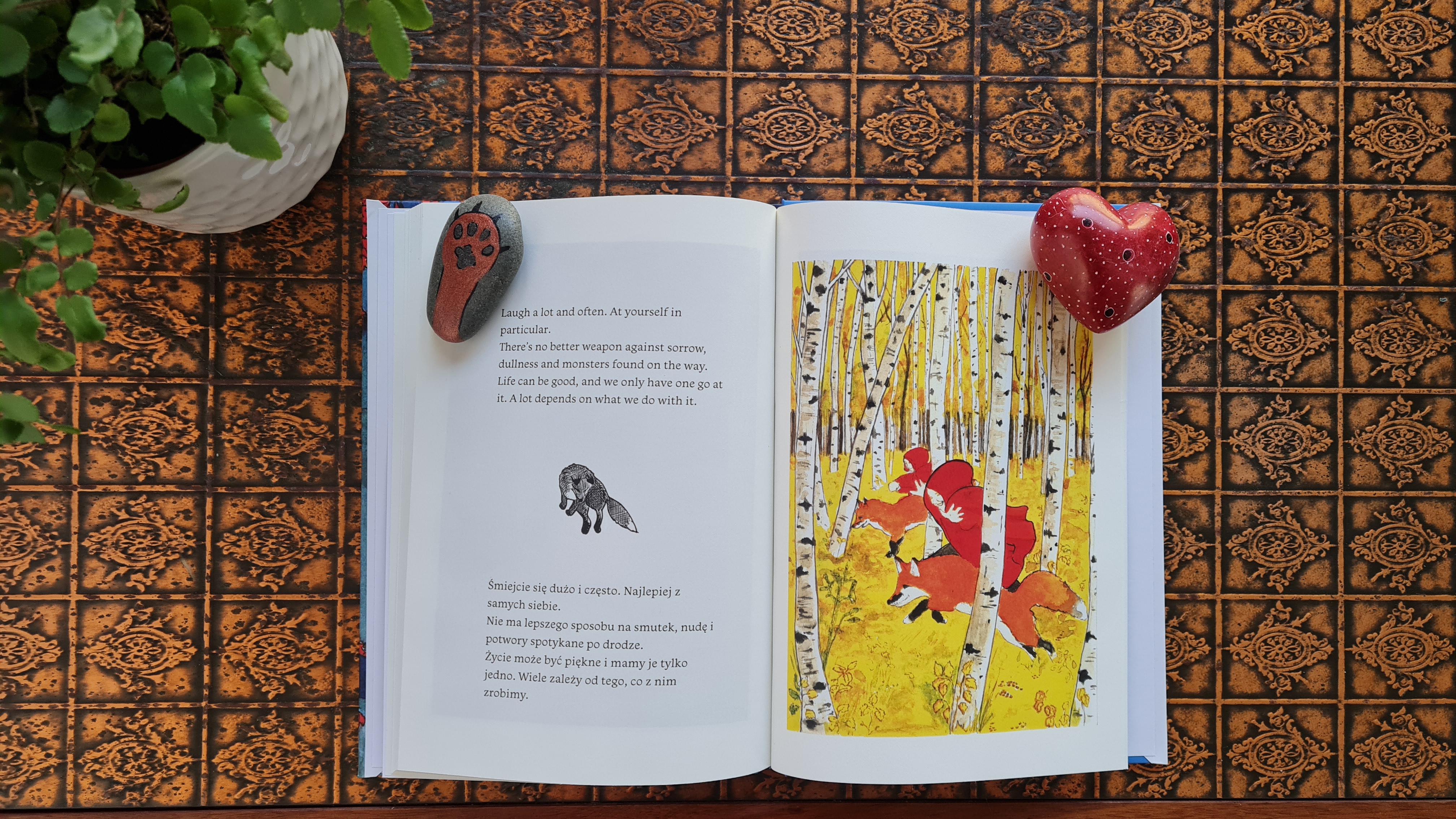
Extract from Book Review: Two Sisters: Unsolicited Advice to my Daughters by Małgorzata ‘Googie’ McCabe
A beautiful compendium of universal wisdom that’s simple, wise, soulful and timeless. I fell in love with this book as soon as I saw it. The illustrations and words are by my wise and kind friend Googie McCabe who wrote this book for her two beloved daughters, as a way of healing and dealing with her depression, and also as a manifestation of her artistry, imagination and love for her two girls. It features advice on life, death, love of self, love of others, finding your calling, and how to deal with life’s dark times.
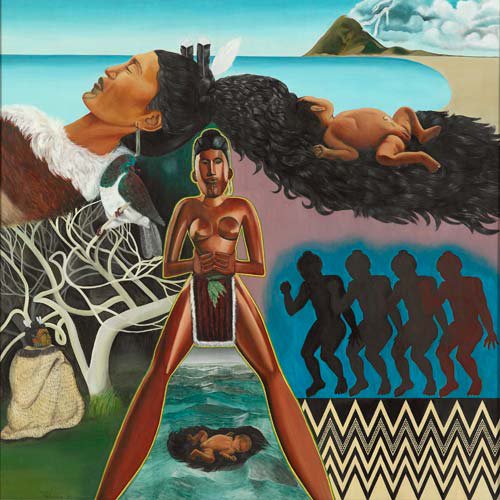
The Māori Goddess Taranga by Robyn Kahukiwa

In Maori legend, Taranga is the mother of the god Maui and her husband is named Makeatutura. When Maui is born prematurely, Taranga wraps his body in her hair and throws him into the waves. In the ensuing years, sea-creatures care for Maui, hiding him in the sea coral and kelp until one day following a fierce storm Maui washed onto the beach. There on the shoreline his ancestor named Tama-nui-a-rangi retrieves him and brings him back from the brink of death. There on the beach Tama-nui-a-rangi educates Maui in the ways of the world.
After this, Maui wanders into his mother’s village and his brother recognises him. His mother Taranga doesn’t remember who he is until Māui reminds her of the circumstances of his birth. Each morning, Taranga would disappear. And Maui became curious about her whereabouts. He eventually follows Taranga into the underworld by assuming the shape of a kereru (wood pigeon). Maui discovered his mother Taranga with his father Makeatutara – they are both guardians of the underworld. Taranga introduces Maui to his father and he performs a karakia (ritual prayer) over his son. However Makeatutara makes some errors in the incantation, and so Maui is fated to die. This is why humankind is mortal.
Comforting Thought: The Five Precepts of Buddhism @jhalifax

“When I am not clear what road to take, I might ask myself: ‘What would Buddha do?’ This is not to ask the impossible of myself. Rather, it is a reminder that the seeds of freedom are already in me. My vows water those seeds, and this seemingly innocent question has helped me to avoid quite a bit of harm.
“I crafted this version, which is greatly simplified from the original Five Precepts of Buddhism, but still covers a lot of ground.
“Knowing how deeply our lives interwine, I vow:
1. To not harm and to revere all life.
2. To not steal and to practice generosity.
3. To avoid sexual misconduct and to practice respect, love and commitment.
4. To avoid harmful speech and to speak truthfully and constructively.
5. To avoid intoxicants and to cultivate a sober and clear mind.”
From: Standing At the Edge: Finding Freedom Where Fear and Courage Meet by Joan Halifax

Roshi Joan Halifax PhD is a Buddhist teacher, Zen Monk and Anthropologist who explores the edges of human experience and writes incredibly compelling books about the intersection of spirituality, psychology and human consciousness.

Ancient word of the day: Algorithm

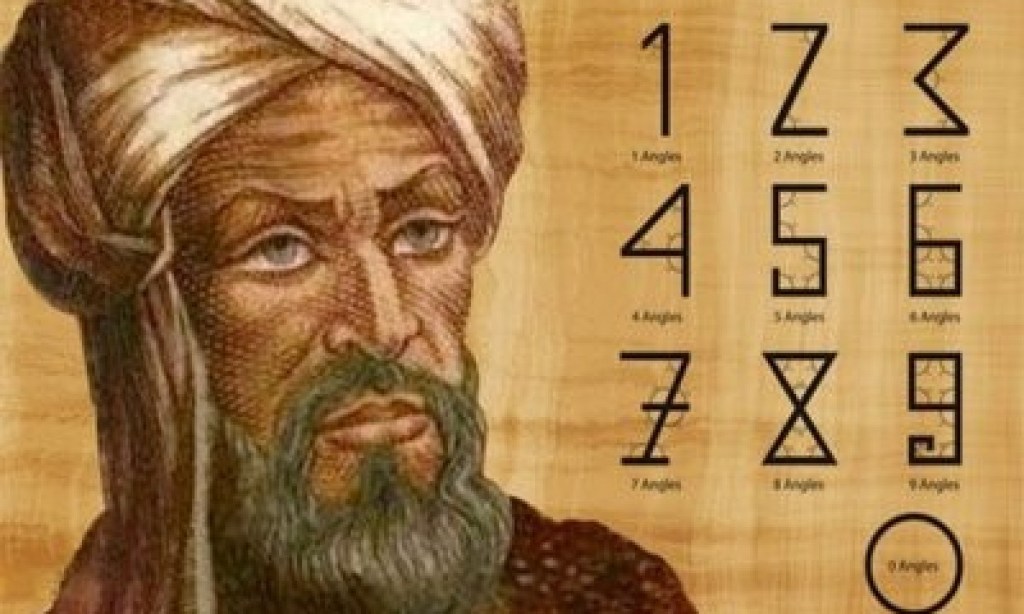
The ancient Muslim empire in the city of Baghdad was the birthplace of the word (and the concept of the) algorithm. In the year 820 AD, a Persian genius named Muhammed ibn Musa al-Khwarizmi created the concept of the algorithm and algebra in an ancient book called Kitab al-Jebr.
The book Kitab al-Jebr (later latinised to be algebra) arose out of practical needs at the time for people to calculate taxes, divide up land for irrigation or food and calculate goods for distribution and trade. Musa al-Khwarizmi is also credited with inventing different kinds of quadratic equations. His ideas were hand-transcribed and copied by monks and abbots throughout the ages and in ancient cities, gradually spreading throughout the world.
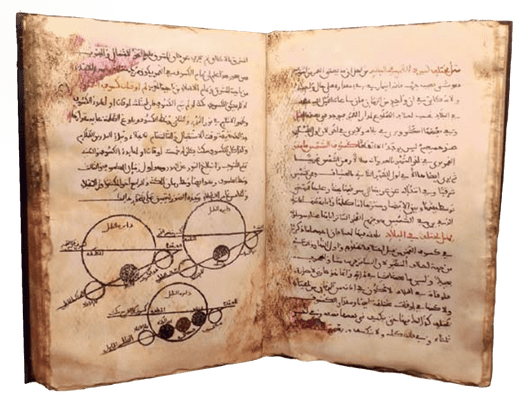
Nowadays algorithms form the basis of all computers and they are used in every kind of calculation, data processing task, automated reasoning and AI. They underpin just about every function of modern life. Amazing that they were invented in dusty ancient city in amongst olive and pomegranate groves by a lone genius who dared to dream.
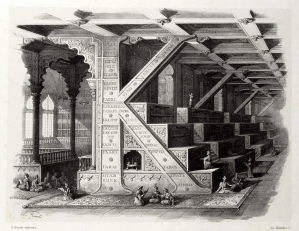
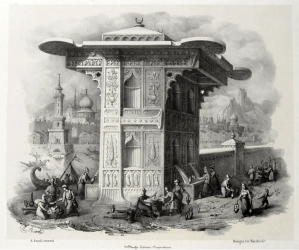
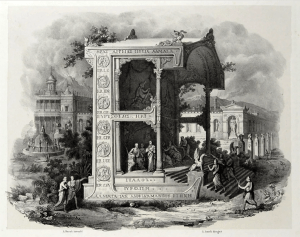
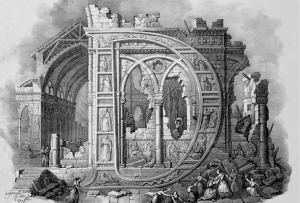
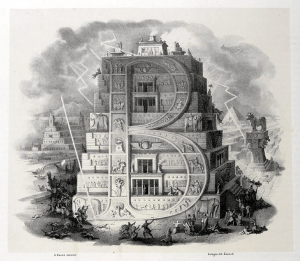
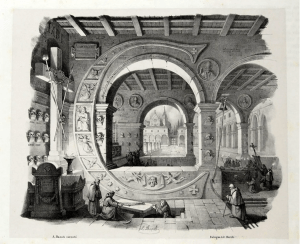
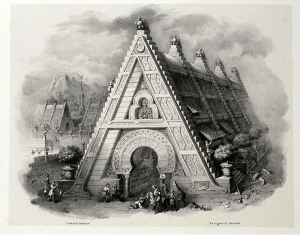
Alfabeto Pittorico: A curious alphabet of splendid architecture

Antonio Basoli was an celebrated Italian artist who lived in the 18th and 19th centuries, working mostly in Bologna. He is known for these beautiful architectural alphabet engravings called Alfabeto Pittorico. I love the ornate architecture and romanticism of these pieces and the sense of depth in these pieces. What do you think?

10 Interesting Things I Found on the Internet #52
Put on your red shoes and get ready to dance the night away to these funky sounds, through the cavernous expansive realms of history, time and space. Don’t forget to pack your space suit and have a safe journey…
What Life Was Like For Pompeii’s Citizens? Pompeii With Mary Beard
The great Mary Beard, my favourite presenter of history documentaries and esteemed historian has created this incredible history of the doomed Pompeii and its inhabitants. Answering the intriguing questions about who they were, how they felt, what was like in their city, what they cared about and loved. It’s a poignant, emotional and fascinating documentary!
Kitsch too, has its masterpieces via Be Kitschig
Within the category of Kitsch we can thus distinguish between more and less successful paintings. Kitsch, too has its masterpieces.
~ Karsten Harries
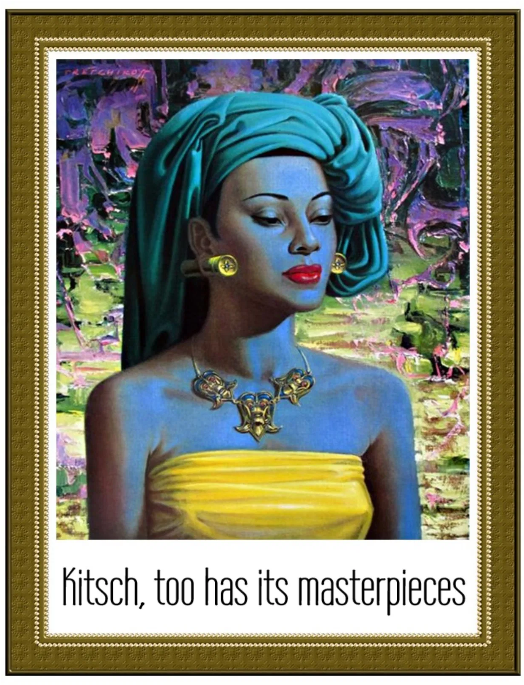
One of my favourite bloggers is Be Kitschig, she is a wonderful purveyor of all things kitschy, cute and quirky. If you also love Kitschy art, I recommend you follow her.
The flower, the bird and the mountain // The Kyoto Connection [Japanese Ambient Music / Atmospheric]
This serene, gentle and melodic song is by The Kyoto Connection. I love the uniquely Japanese vibe of this band, that’s why it’s surprising that they aren’t from Japan, but instead hail from Argentina, they just love Japanese culture. As a fellow Japanophile I understand!
Oh the Huemanity: a fascinating Wired podcast about the history and science of colour

Oh, the Huemanity – Uncanny Valley | WIRED
For as long as humans have existed, we've been obsessed with color. Everything from the color of your clothes to the brightly illuminated pixels on your screen is an attempt to recreate—and enhance—the vibrant hues found in the natural world. In fact, the pursuit of pretty colors (and how we understand them) can be seen as a driving force behind some of the biggest technological advancements and societal shifts in human history.This week on Gadget Lab, we talk with WIRED senior correspondent Adam Rogers about his new book Full Spectrum: How the Science of Color Made Us Modern and the wild ways color affects our brains.Show Notes: You can find Adam’s book, Full Spectrum, here. Read an excerpt from Adam’s book about how Pixar uses color to hack your brain on WIRED. Read Adam’s story about the science of The Dress here. Also check out Proof, Adam’s book about the science of booze. Read Lauren’s story about the internet and memories.Recommendations: Adam recommends the show Beforeigners on HBO Max. Lauren recommends fly fishing. Mike recommends the memoir Good Morning, Destroyer of Men's Souls by Nina Renata Aron.Adam Rogers can be found on Twitter @jetjocko. Lauren Goode is @LaurenGoode. Michael Calore is @snackfight. Bling the main hotline at @GadgetLab. The show is produced by Boone Ashworth (@booneashworth). Our theme music is by Solar Keys.If you have feedback about the show, or just want to enter to win a $50 gift card, take our brief listener survey here.
Learn about your ad choices: dovetail.prx.org/ad-choices
A grey wolf howls and others in his pack howl back in the snowy misty mountains
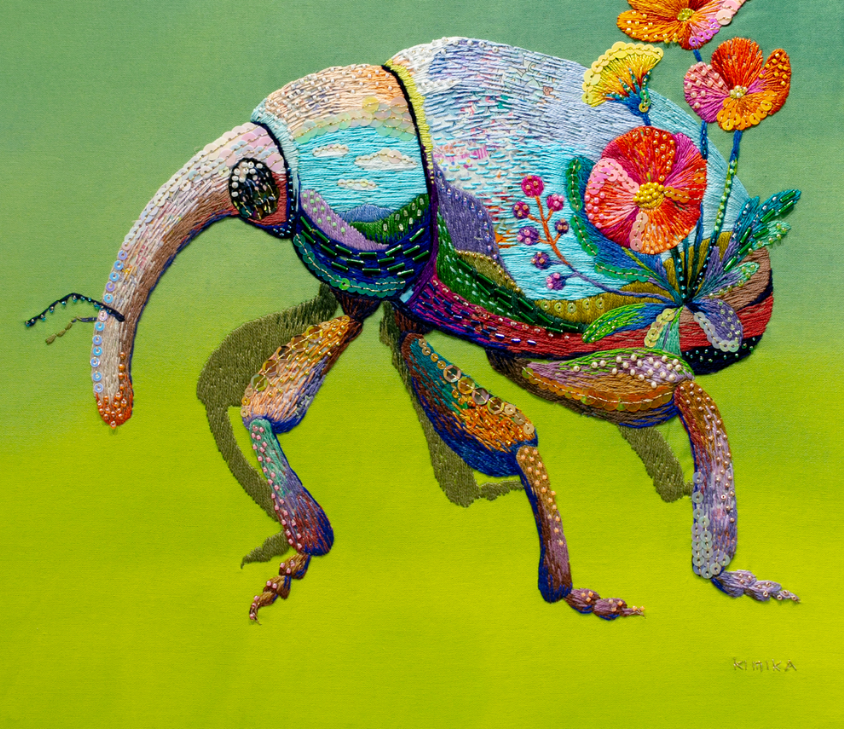
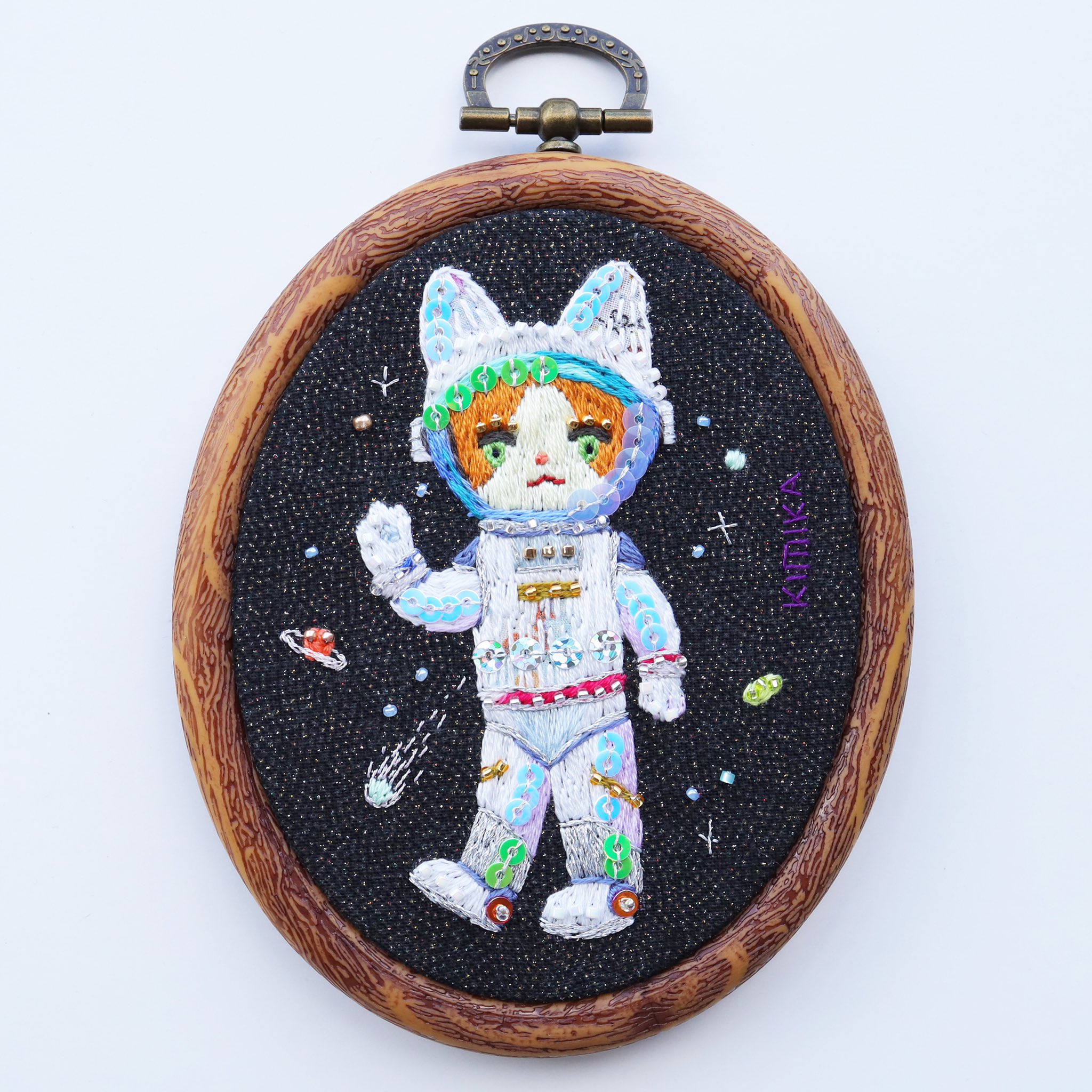
Kimika Hara’s kawaii and exquisite embroideries
Kimika Hara is an embroidery artist and illustrator, born in 1984 in Kyoto. She embroiders with free hand stitches and uses cute fabrics, colourful threads, acrylics and beads.
Via Twitter and Kimika Hara’s website



The movement of polar bears throughout the arctic tundra in the 80’s and 90’s
Animated map shows the movement of 130 polar bears in Alaska throughout the 1980s and 1990s. Source:
Originally tweeted by Simon Kuestenmacher (@simongerman600) on June 11, 2021.
Vegan sticky and spicy Korean tofu
70’s African funk album has infectious vibes
Prepare your bright and stretchy pants for this one and I dare you to refrain from moving your money-maker.
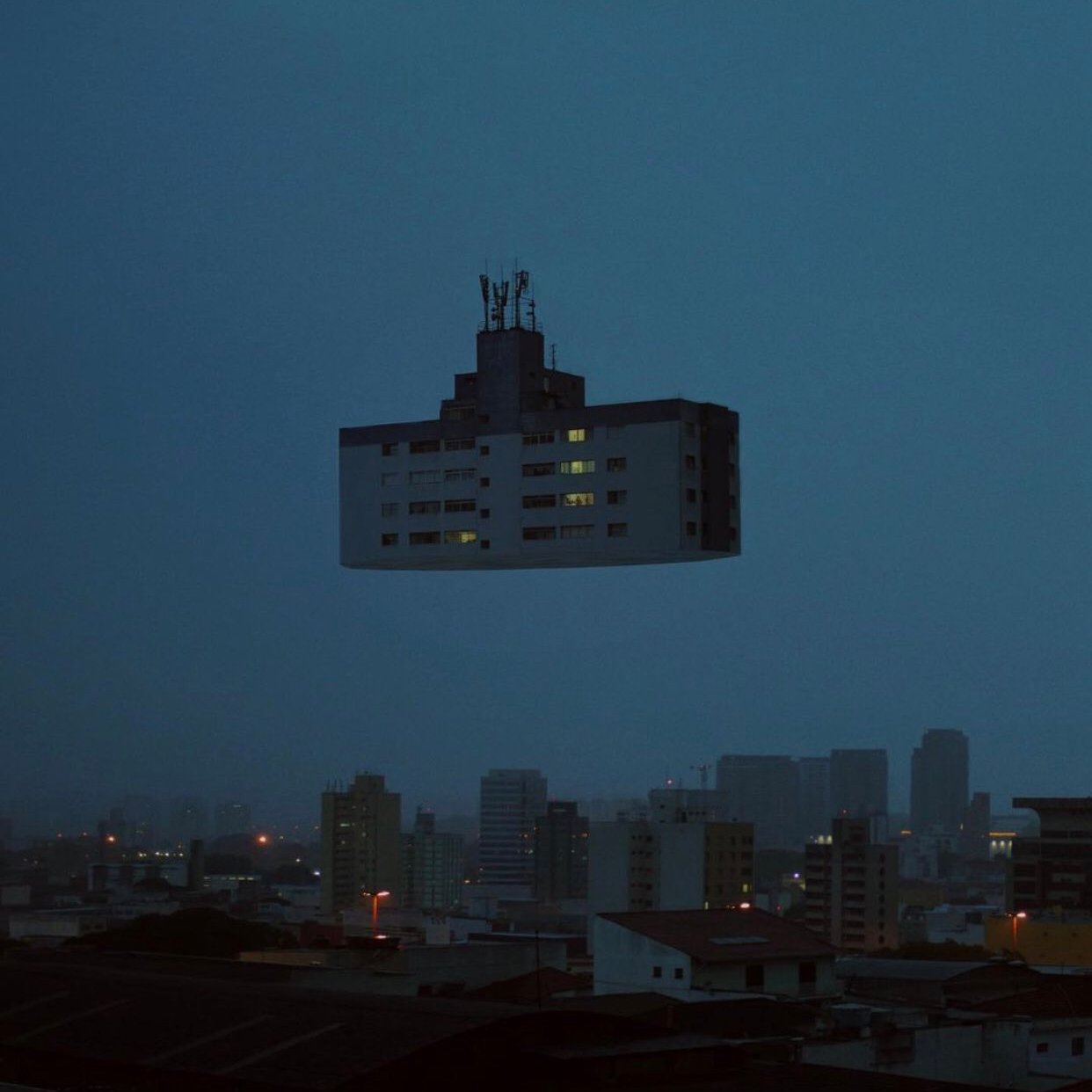
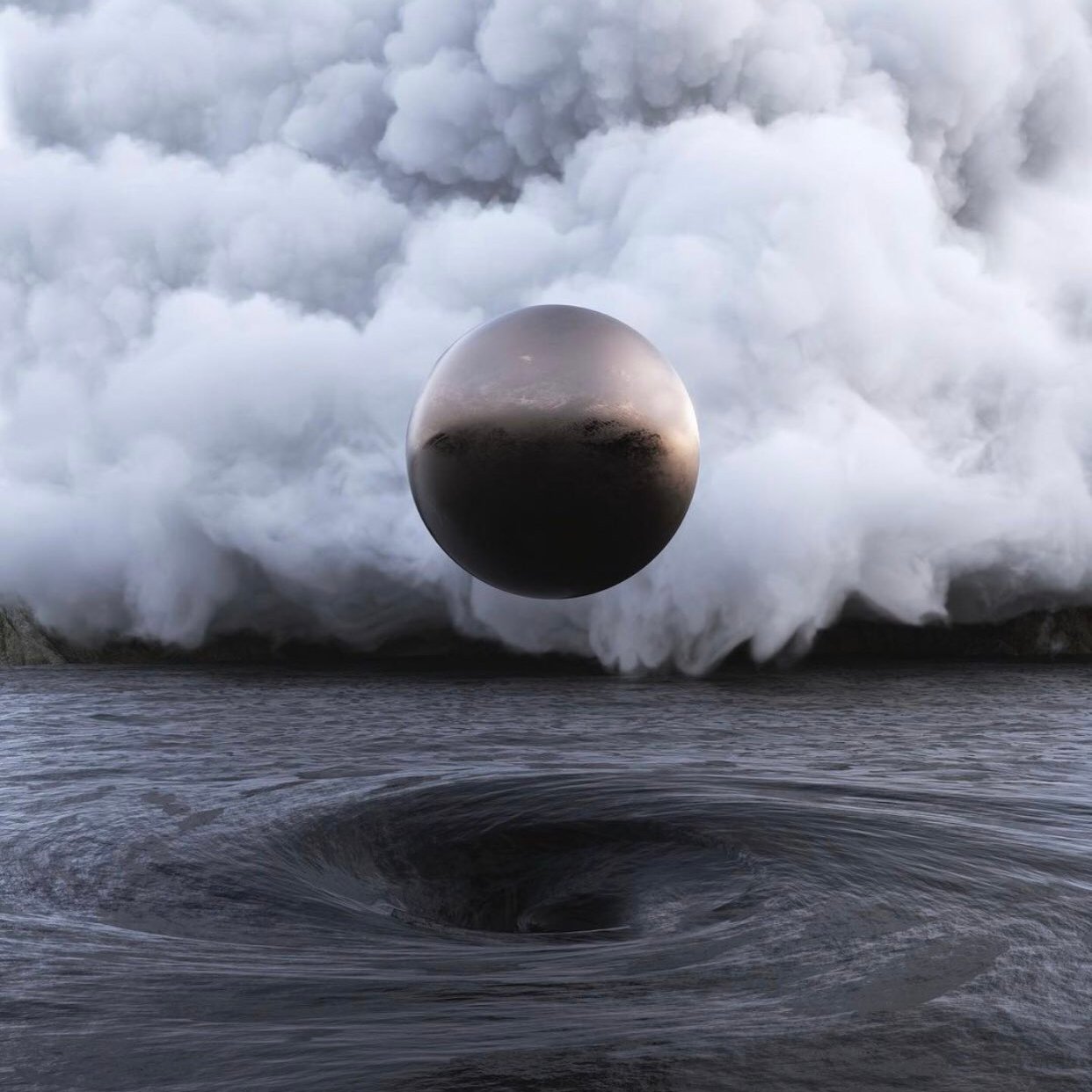
Surreal and menacing landscapes by Eliseo H. Zubiri
Eliseo is a multi-disciplinary 3D artist based in Buenos Aires, Argentina. Via Twitter



I hope you enjoyed this foray into the unusual and macabre reaches of humanity. Let me know what you thought below…
My All Time Favourite Top-Ten Non-Fiction History Books
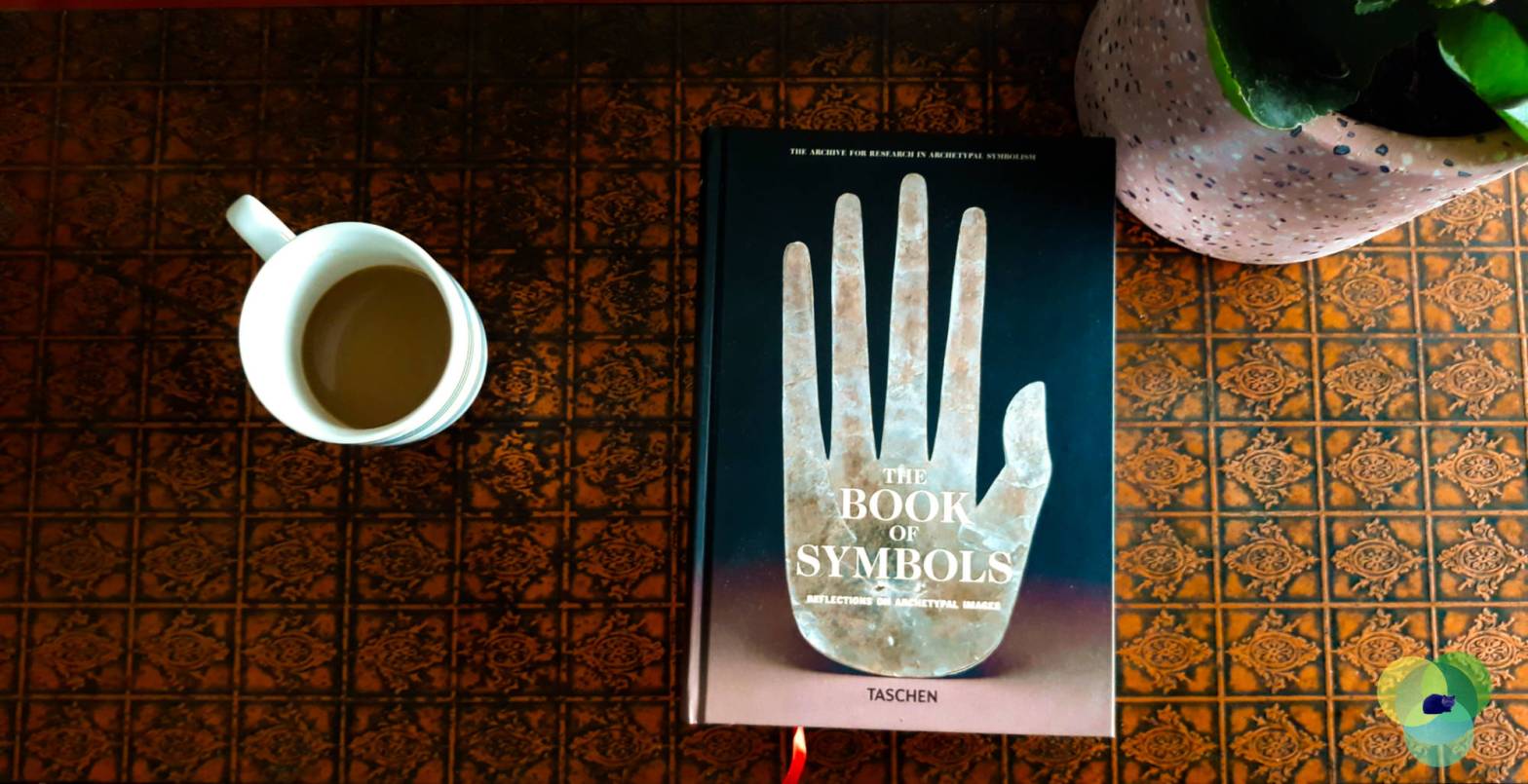
Here’s a collection of some of the non-fiction I have reviewed in the past, ranked as a top ten. The subject matter and time periods vary, but I really like the history of medicine, psychology, symbolism, medieval history, animals and more.
1. The Book of Symbols by the Archive for Research in Archetypal Symbolism (ARAS)
This is my favourite book of all time. That’s a big statement because I’ve read many books. Aside from being a superb reference book, this book is for anyone who has a curious nature, enjoys quirky history and appreciates art and beauty. It is hard to not feel a sense of awe at the beautiful typesetting and illustration along with the evocative and fascinating write-ups. The storytelling is weaves together the Jungian archetypal, the Freudian and post-modern into a cohesive whole. It achieves what most other books can only dream of achieving, an accurate description of the material world we live in, in all of its splendour and wonder. Read more
2. Medieval Bodies Life and Death in the Middle Ages by Jake Hartnell
Medieval Bodies is an incredibly enjoyable read. How medieval people saw themselves and their own bodies in relation to the medieval world could be a boring book, but Hartnell is an exceptionally skilled writer, making for an entertaining and yet erudite read. He deftly shifts between ancient mysticism, religion, politics, medicine, art and culture. Almost every page features amazing full colour illustrations which vividly bring to life beliefs about the body in ancient times. Read more
3. The Book of Barely Imagined Beings by Caspar Henderson
The Book of Barely Imagined Beings takes its cue from medieval bestiaries. Author and playful intellectual Caspar Henderson sets out to write a modern compendium of beasts, and show, in the process, that truth is a lot weirder than fiction. Forget about dragons, cyclops and faeries, the world of extant species such as the thorny devil, nautilus and puffer fish are enough to inspire wonder. Read more
4. Life in a Medieval Castle by Frances and Joseph Gies
Life in a Medieval Castle focuses on Chepstow, a crumbling Norman castle that survived the turbulent Middle Ages and has remained battle scarred but still standing today. Husband and wife historians, the Gieses take us through the full cycle of a medieval year, governed by the rhythms of the harvest and occasionally punctuated by war, invasion and a bad crop. We learn all about how lords and ladies thought about themselves and others, and what they ate, wore, did for pleasure and how they imagined the world to be.
The book is all the more compelling because it’s factual and this adds further weight and colour to the already colourful descriptions of medieval falconry, sumptuous banquet menus, honourable knights, forthright and strong women and the currencies of power that flowed through these iconic castles. The medieval magic and romance of castles isn’t dismantled in this book, but rather is celebrated in all of its imaginative glory and colour. Read more
5. Book Review: The Butchering Art by Lindsey Fitzharris
This is an electrifying book about the history of surgery from the point of view of one of its pioneers, Joseph Lister. A humble and unassuming Quaker, Lister managed to rise up through the ranks of Edinburgh’s medical community and gained a reputation along the way for his serious dedication to experimentation and the empathetic and personalised care he offered to his patients. Read more
6. The Map of Knowledge by Violet Moller
The Map of Knowledge: How Classical Ideas were Lost and Found A History in Seven Cities is a really great book for curious minds, history lovers and anybody who simply enjoys romping through ancient cities.
Writer and historian Violet Moller brings to life the vibrant and bustling stories of ancient cities of Alexandria, Baghdad, Cordoba, Toledo, Salerno, Palermo, Venice and beyond. Along the way we learn how iconic texts and manuscripts including Euclid’s Elements, Ptolemy’s The Almagest and Galen’s works on medicine and psychotherapy were passed down through generations and via the steady, determined hands of various key people (many who are obscure in the history books). Read more
7. The Sky Atlas by Edward Brooke Hitching
The Sky Atlas is a definitive history of the sky from folklore and mystical origins of weather gods, wizards, daemons, medieval aliens, sky-dwelling dragons and other splendid mythological creatures. It’s a treasury and history of some of humankind’s most beautiful maps and charts. Yet this book is more than that, it’s a sparkling and glittering array of sky-bound achievements. It’s a visual history of what it has felt like over aeons to look up at the heavens in wonder. Read more
8. Weatherland by Andrea Harris
Weatherland by Alexandra Harris is a sweeping panorama and magic carpet ride through the history of England using a quirky weathervane to measure the changing culture – the weather.
Author Alexandra Harris’ debut book won The Guardian’s Book of the Year. It’s no surprise either because this is a far-reaching, expansive book written in an engaging, poetic and erudite way.
Harris casts her curious eye and nimble mind over how weather has been portrayed since ancient times in literature and art in Britain. The prose is tight, imaginative, deliciously inventive. You are swept along as though you’re reading a great fictional novel. This is no prosaic story of a mundane subject. Instead it’s a majestic and all-encompassing history of England as a whole, and it’s beautiful. I relished every page and was sad when it ended. Read more
9. The Fashion Chronicles: Style Stories of History’s Best Dressed by Amber Butchard
History is awash with stories of battles and important events, but not enough attention is paid to what people were wearing at the time and how clothing and adornment makes the personal political, and often has revolutionary consequences. This book is an important part of the puzzle of history. Read more
10. Lost Wisdom by Una McGovern and Paul Jenner
This is a wonderous and obscure treasure that I found in the library. Written by Compiled by Una McGovern and Paul Jenner in 2009 it is designed to completely wallow in; with beautiful images and areas of interest grouped logically. Lost Wisdom is a part of a trilogy of books that provides us with insight into ways and methods of everyday living, crafts and lore and it glimmers with the shared knowledge of our foremothers and forefathers.
This is a compendium of old wive’s tales and medieval European wisdom that has guided and sustained people for many centuries before modern technology ran the whole show.
I hope you have found a few books you will put into your TBR list, have you read any of these? If so, what did you think. Do you have any others you can recommend?
Comforting Thought: Disappointment is a measure of our courage
What we call disappointment may just be the first stage of our emancipation into the next great pattern of our existence.
The measure of our courage is the measure of our willingness to embrace disappointment. To turn towards it rather than away from it. Disappointment is the understanding that every real conversation of life involves having our hearts broken at some point. There is no sincere path we can follow where we will not be fully and immeasurably let down and brought to earth.
Remember that what initially looks like a betrayal eventually puts real ground underneath our feet.
David Whyte

From: Consolations: The Solace, Nourishment and Underlying Meaning of Everyday Words by David Whyte
Genre: Non-fiction, Spirituality, Philosophy
Rating: 3.5 stars
*Contains no spoilers
In this slim and elegant volume of philosophy and inspiration, writer David Whyte tackles the big topics and words that rarely get any airtime in our society, the kinds of things that haunt people but that are difficult to resolve and so are pushed under the rug. Read full review

Travel: Arashiyama boat ride, Kyoto

This is a nostalgic trip down memory lane for me and the Polish Bear, we went on a boat tour in Arashiyama in Kyoto in 2019, it was unforgettable. I took a lot of footage from my Canon and used a gimbal to smooth out the rocking on the boat and put it together as a vlog.
Hozugawa River Cruises (保津川下り, Hozugawa Kudari) are sightseeing boat rides down the Hozugawa River from Kameoka to Arashiyama. The cruises feature traditional style, flat bottomed boats piloted by boatmen who guide the craft with oars and bamboo poles. The boats take about two hours to leisurely wind their way down the river. You can also combine this with the Sagano scenic railway to come back if you like.
Here is my video of the boat ride
The nice little snack boat sidling up alongside us was a great surprise and that they sold beer was even more amazing on the summery hot day, we needed refreshment. Highly recommend this as a day trip if you ever go to Kyoto. It’s not as crowded or popular with western tourists as many of the other Kyoto sights and is pretty tranquil overall.
About the Hozugawa River
The Hozugawa River was originally used to transport logs that were used to build many of Kyoto and Osaka’s famous temples and castles. During the Edo Period the river was cleared of obstructions so that boats carrying grain, firewood and other cargo could safely navigate it. Trains and trucks eventually made river transport obsolete. However the picturesque nature of the river has made it great for sightseeing cruises.
 Content Catnip
You must be logged in to post a comment.