Bodytalk is a scientific a tool which allows visitors to produce their ideal body shape in terms of female and male form. It’s a crowd-sourced version of a Cosmopolitan magazine, where the collective hive mind can look at linguistic descriptions of 3D shape parameters. There’s something slightly macabre about this idea of crowd-sourcing the ideal body, but perhaps it could also be used in pscyhological studies into eating disorders or have some other positive impact. I’ve written extensively about body image in the past. I like how the visual, semantic and scientific elements of this will contribute to scientific studies.
Locallingualis the brainchild of a programmer named David. It’s a web-based app that allows visitors to contribute their voices and accents according to regions, towns, countries, languages, and gender. It’s a fascinating online archive of people’s voices and can allow you to hear nuances in accents in regions and it’s also a valueable language learning tool.
It’s incredible how much of a groundswell of interest that this app has gotten with even the most obscure areas having a multitude of people contribute their voices, accents and local sayings.
Like a cross between Urban Dictionary and a toilet wall in a pub, Localingual is filled to the brim with anonymous, cheeky, sweary, shouty, sometimes awful and sometimes downright hilarious contributions from random anonymous people all looking to ironically capture the lingo of their home towns. Some people take it very seriously and others seeing it as an opportunity to attempt to shock the (unshockable) internet.
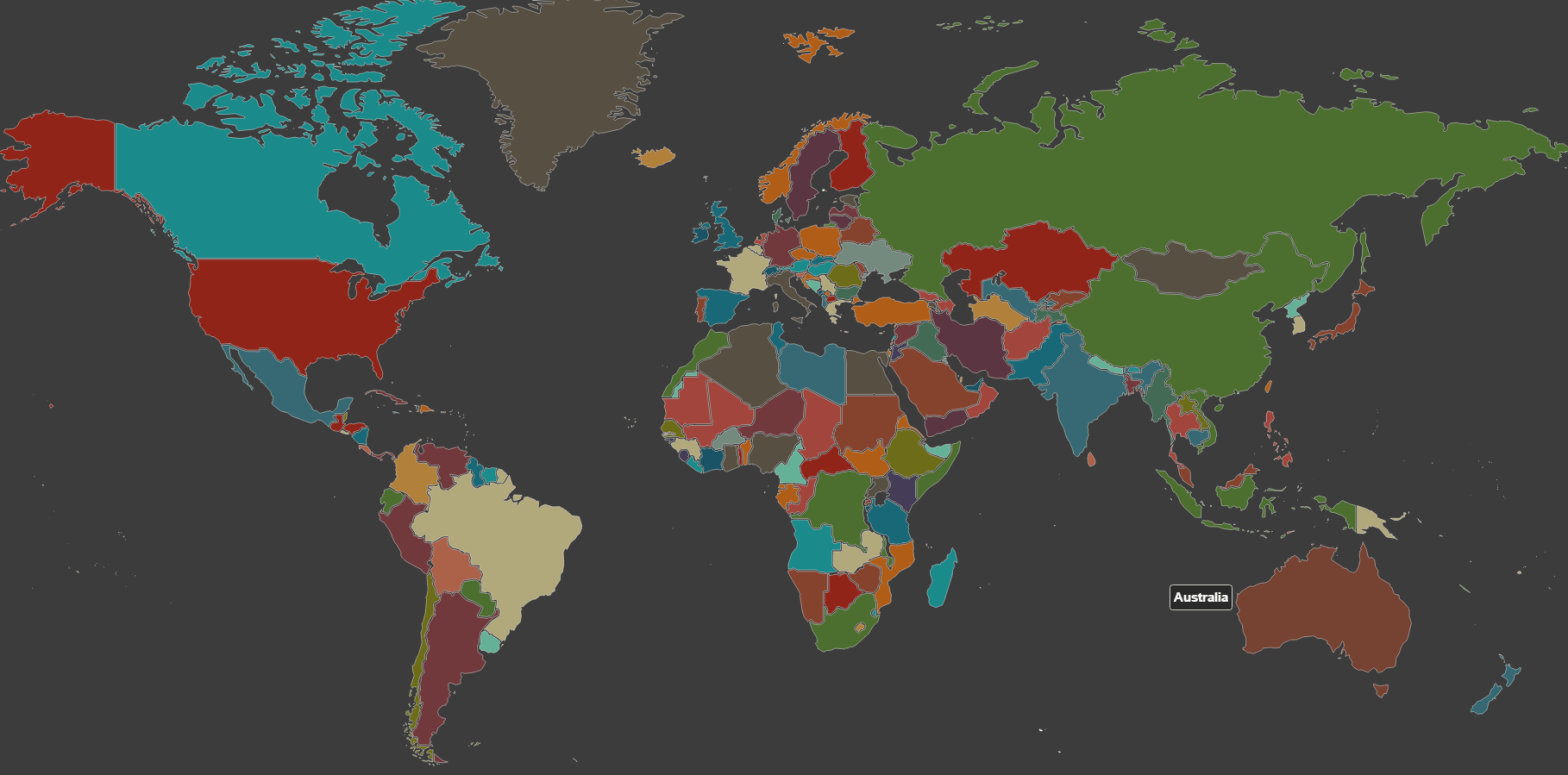
Localingual starts off with a simple landing page with an interactive map of the world – click on your area to contribute your voice
Here’s what David has to say about the inception of Localingual.
The idea for Localingual came to me while I was on a backpacking trip through Europe. I’ve always been fascinated by the different languages and cultures around the world – being raised bilingual made me appreciate both the vast differences and subtle characteristics of human languages.
Around 3 months into my backpacking trip, I was wandering around in Ukraine while trying to learn a few words. As hard as I tried, I would butcher the simplest of phrases such as “Good day” (Доброго дня). It was difficult to find Ukrainian vocals online, as it is not a widely spoken language, so I practiced by making a few voices recordings of Ukrainians I befriended.
Soon afterwards, I had the idea to post the recordings I’ve made online in an appealing fashion, and Localingual was born! My dream for this site is for it to become the Wikipedia of languages and dialects spoken around the world. For that, I’ll need your help :). Localingual is still in its infancy, so please help me improve the site by sending feedback/feature requests to david@localingual.com
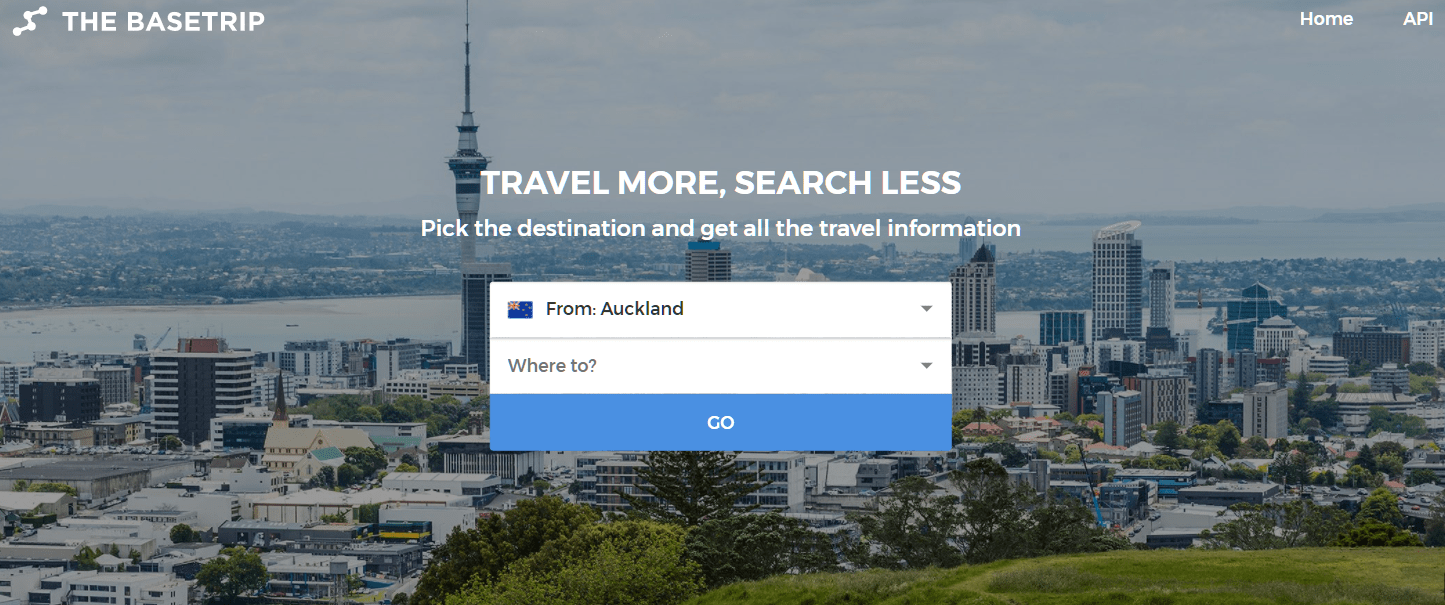
Basetrip is a unique travel app in that it tailors practical information to you according to where you live. So you can find out about time zones, weather, electricity sockets, currencies, exchange rates, costs of living, internet speeds, mobile data prices, health, vaccinations, road rules, embassies, visa information etc. together with travel tips from the community. The main point of difference is that this is compared to the country you’re currently living in. Costs are compared to your country, along with internet speeds, laws and so on.
Not only is it great for practical and personalised travel information, it’s a great cultural comparison tool.
Here’s why the team created it
Driven by an idea to connect people whose lifestyles’ are a combination of innumerable ideas, immense energy and extraordinary talent, The Basetrip recognizes the needs of a new generation of young people who strive to explore the world, widen their perspective and enhance their skills by travelling to some amazing places out there.
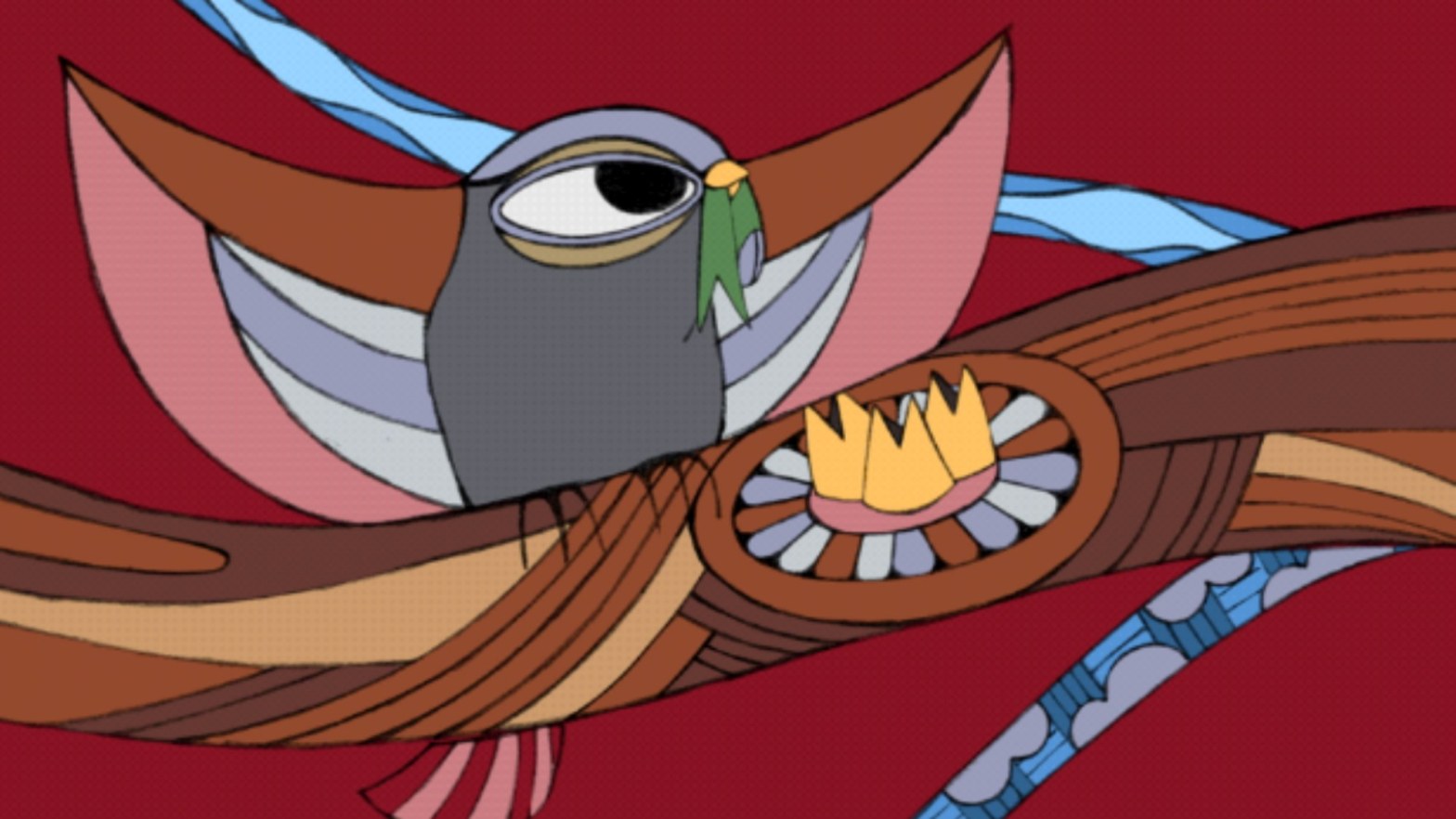
This is a luscious trip into a parallel microcosmos where colours, sounds and mystical beings all abound and swirl together. Lebensader is a short film with a sweetness, innocence and curious wonder about it that will stay with you for a long time afterwards. It was created in 2009 by animator Angela Stefffen who works as an independent director and animator at Studio FILM BILDER. Angela’s animations and series have won many awards over the decades.
Born in Dannenberg, Germany in 1979, she spent time in Saudi Arabia as a child before returning to Germany during the Gulf war. Angela studied animation at the Animation-School-Hamburg and then at the Institute of Animation, Filmakademie Baden-Württemberg, graduating in 2009. Whilst at the Filmakademie she developed a personal and poetic style culminating in Lebensader, a surreal masterpiece.
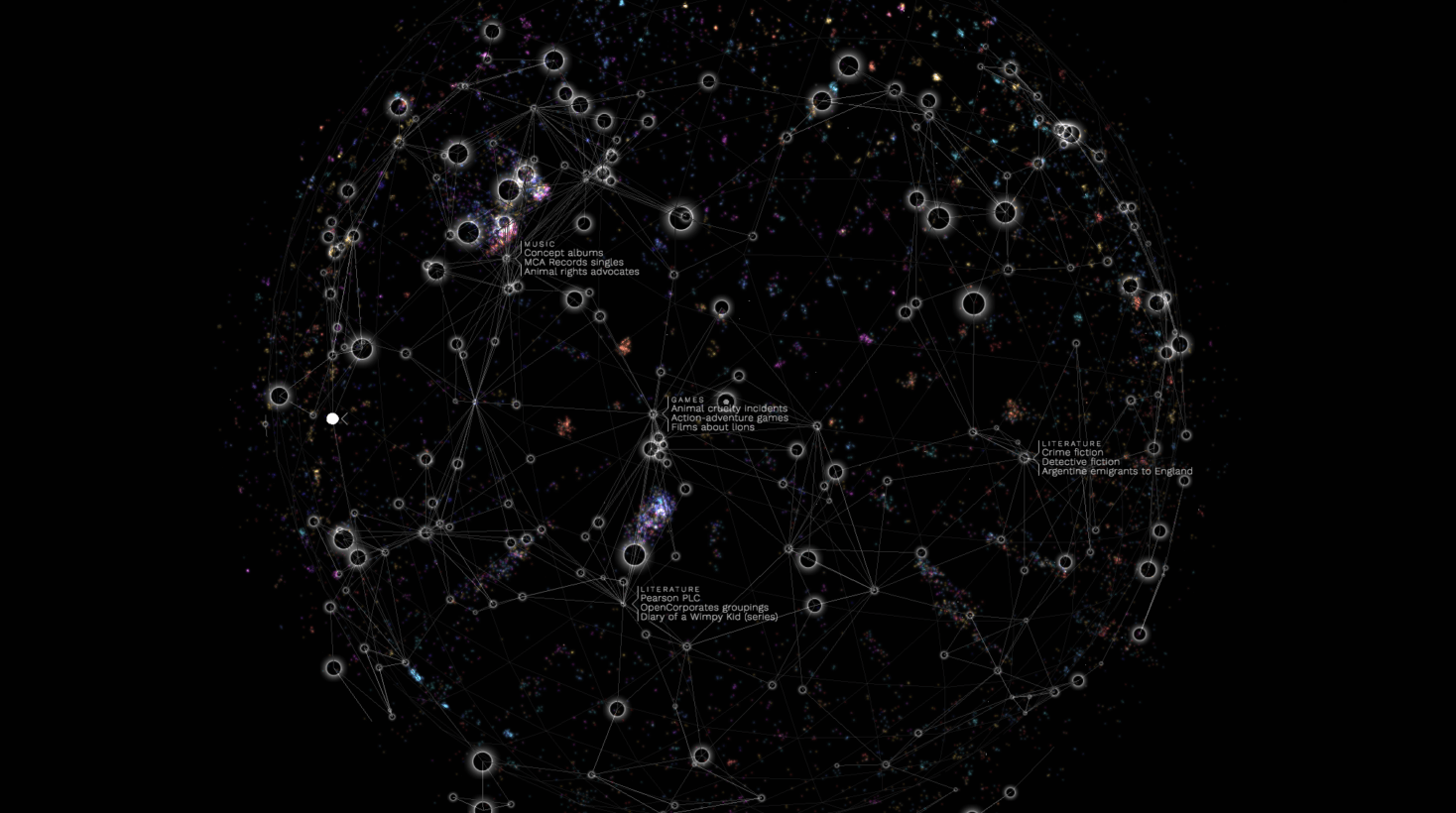
Built by programmer Owen Cornec, Wikiverse is a Web-based interactive 3D map of Wikipedia that visualizes the website as a cosmic web of information, literally turning it into a marvelous galaxy of knowledge you can conveniently explore with your mouse.
Whether you find it frustrating trawling through hundreds of Wikipedia entries or if you’ve simply got a curious temperament like me then Wikiverse is going to become a new handy tool.
Wikiverse sources thousands of articles from Wikipedia and then generates a map where it showcases the countless connections between nodes of information.
In Wikiverse, each article appears as a star within larger domains and clusters of knowledge. To access any entry on Wikipedia, simply click on a star and Wikiverse will pull up the information for you.







 Content Catnip
You must be logged in to post a comment.