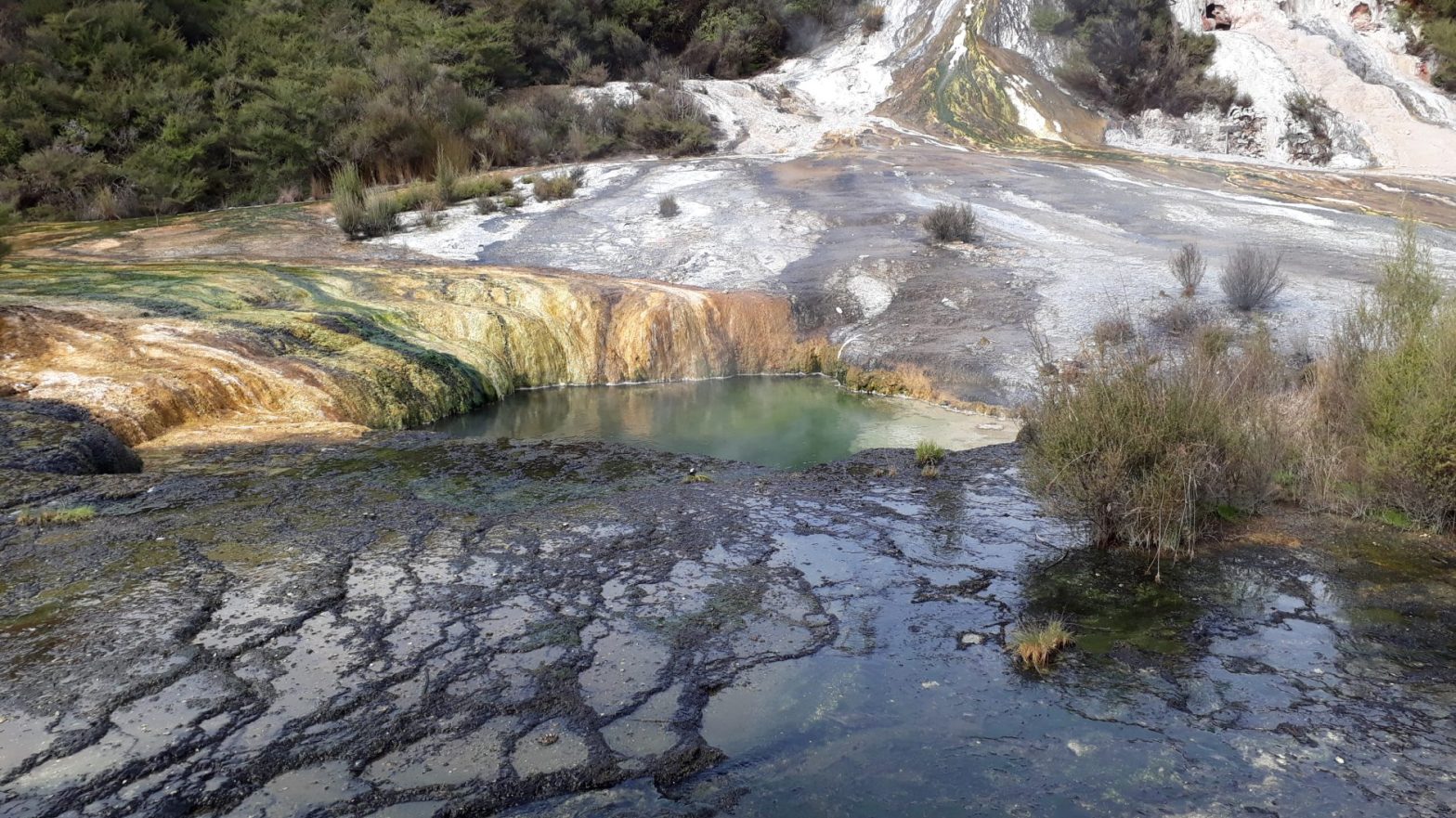
Hell Kettle: n. A deep abyss or bottomless pool The deep pools in Darlington, Co. Durham in England are a part of fearsome local legend. These mysterious pools are said to have inspired Lewis Carroll’s endless rabbithole, where Alice tumbles into another world – in his classic book Alice in Wonderland. They are known asContinue reading “Ancient Word of the Day: Hell Kettle”
Tag Archives: language
Ancient Word of the Day: Cuneiform
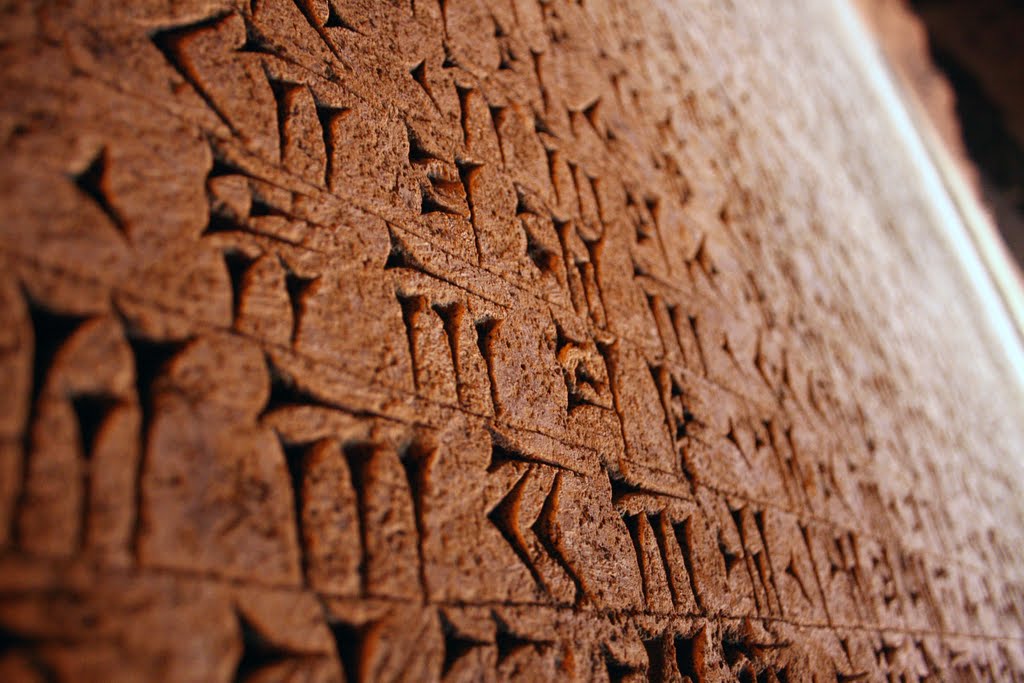
Cuneiform: n. The oldest known writing system that originated in Mesopotamia circa 3400BC. It was etched onto wet clay tablets using a wedge-shaped stylus. Cuneiform is the original ancient written language that underpins all modern forms of written communication. Many languages throughout a vast geographical span over thousands of years were written in cuneiform, includingContinue reading “Ancient Word of the Day: Cuneiform”
10 Interesting things I Found on the Internet This Week #17
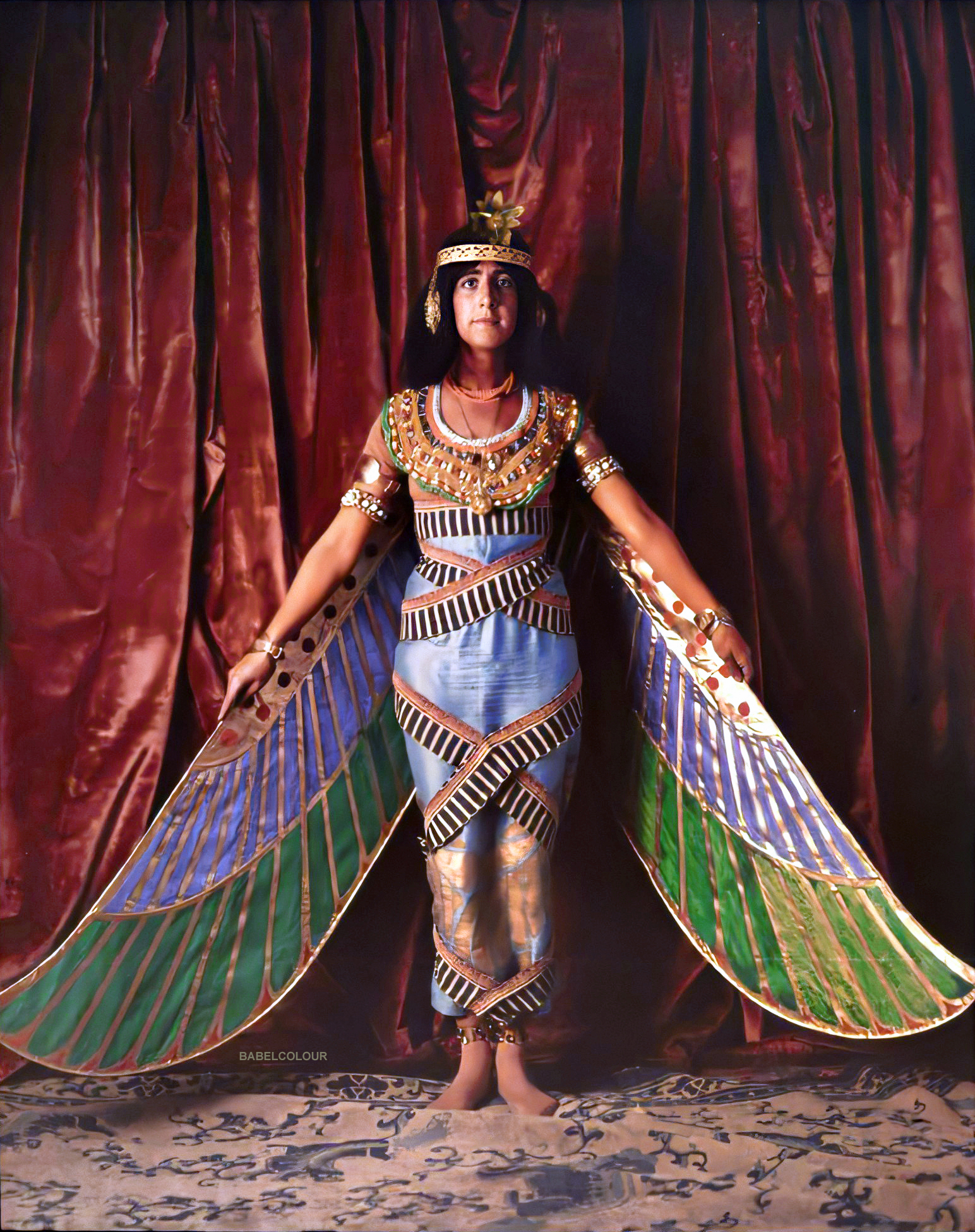
A Shelf-Portrait with Alanis Morissette Rock goddess, highly sensitive person and all-round legendary bookworm Alanis Morissette talks about the books that have shaped and improved her life. A lot of great non-fiction here about mindfulness, spirituality and personal growth. The mystical beauty of an Ancient Egyptian daughter of Osiris (1913) An anonymous autochrome photograph takenContinue reading “10 Interesting things I Found on the Internet This Week #17”
Explore the tomb of Ramesses VI in the The Valley of Kings, Egypt
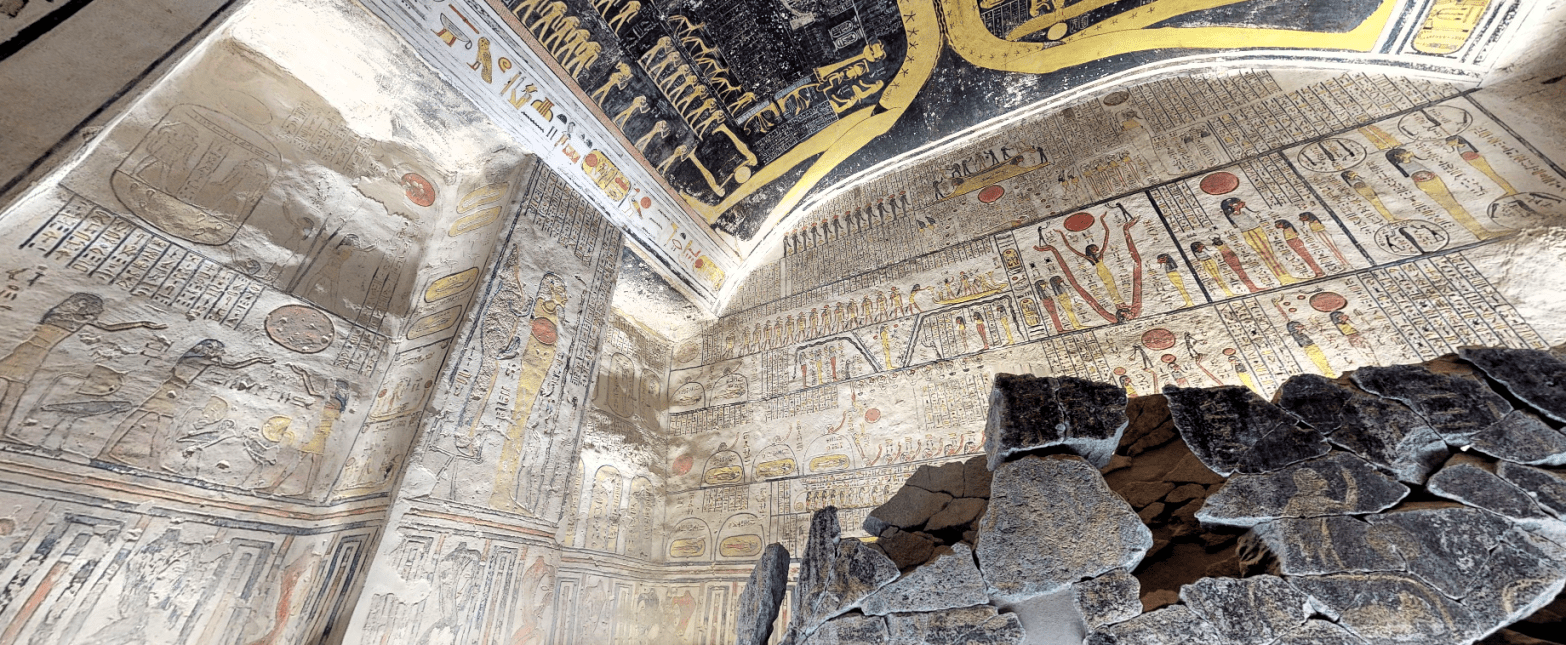
Take a virtual tour of the tomb of the great pharaoh Ramesses all without leaving your home and while staying in your pyjamas. Take the tour here
Opening Pandora’s Box: Phrases Borrowed from the Classics and the Stories Behind Them by Ferdie Addis

If you are in love with language, storytelling, folklore or classical history then you will love this book. It’s short at only 162 pages. However Opening Pandora’s Box punches well above its weight in terms of quality with many amusing and shocking stories from classical history to enjoy.
Mark Forsyth’s Elements of Eloquence Part 2: The Cheat Sheet
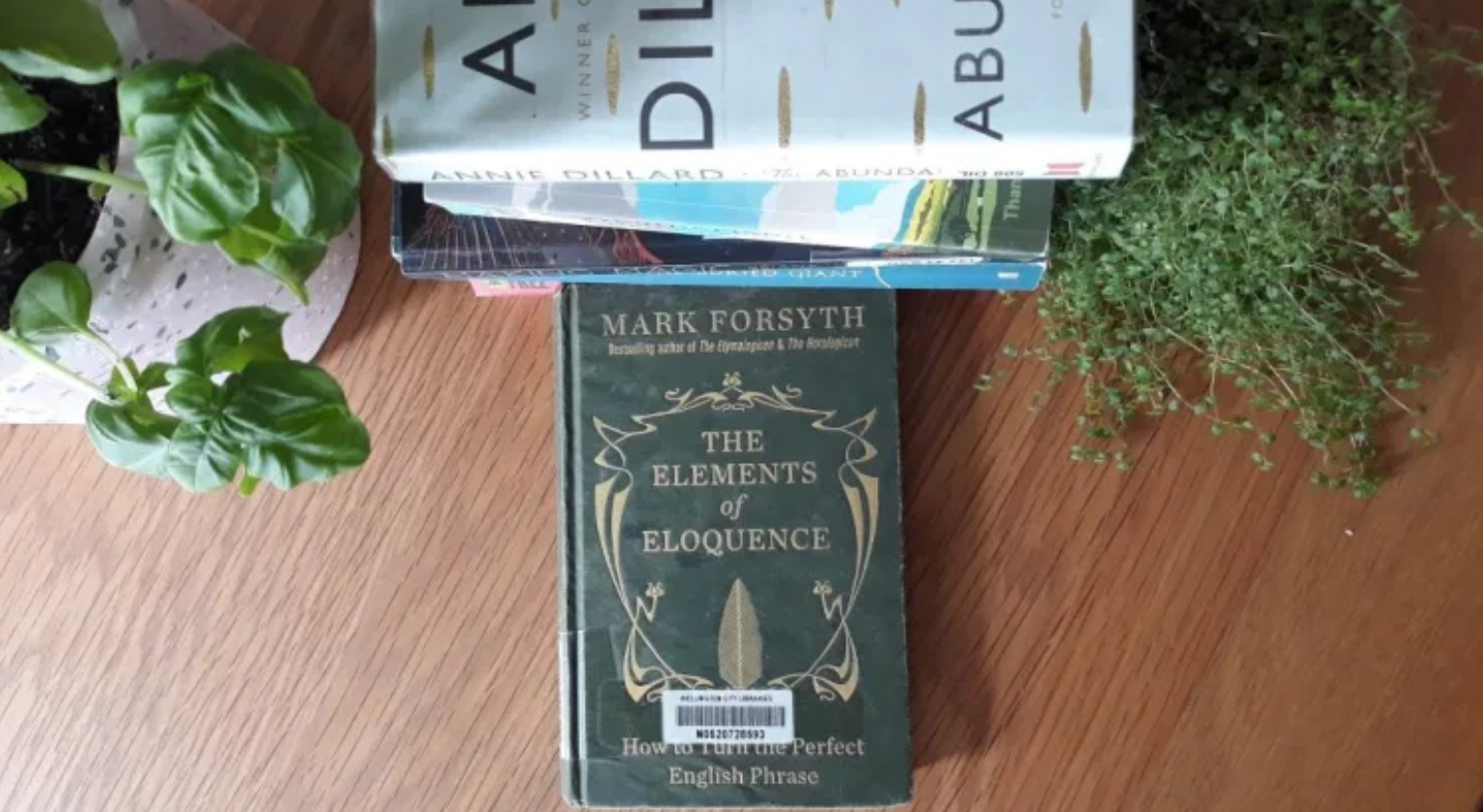
Here are the classical rules of rhetoric, illustrated and made simple. Based on Mark Forsyth’s Elements of Eloquence. I hope that you enjoy them and that this handy cheat sheet helps you to improve your writing.
Book Review – Word to the Wise by Mark Broatch

Although I am an experienced writer, sometimes I get it wrong, either through laziness, tiredness or ignorance. The first two are under my control which is why I tend to circle back the day after I write, to re-edit professional work before I send it out. I’m the first to admit that I make mistakes.Continue reading “Book Review – Word to the Wise by Mark Broatch”
Ancient word of the day: Dægeseage

The ancient word of the day is Dægeseage. This is an old English word for daisy. The origin of Dægeseage is literally daisy or day’s eye. Which makes sense when you think about the quaint little flower and its tendency to follow the arc of the sun through the sky from dawn to dusk, soaking in as much light and goodness as possible.
Ancient word of the day: Bóithrín

The word bóithrín comes from small (ín) Cow (bó) path. This is a path can either be man-made or created by cow meandering. Bóthar for road and botharín for small road – in the diminutive form. This became boreen or bohereen in Hiberno-English.
List of the week: Adult words I used as a teenager to make myself sound more intelligent

As a teenager I was incredibly precocious at times, spouting big words to make myself feel older and more worldly in high school. Later on, as my vocabulary developed at University, I dropped these intellectual bombs into conversations to make myself feel better in the company of people more middle class and posh than I was.
 Content Catnip