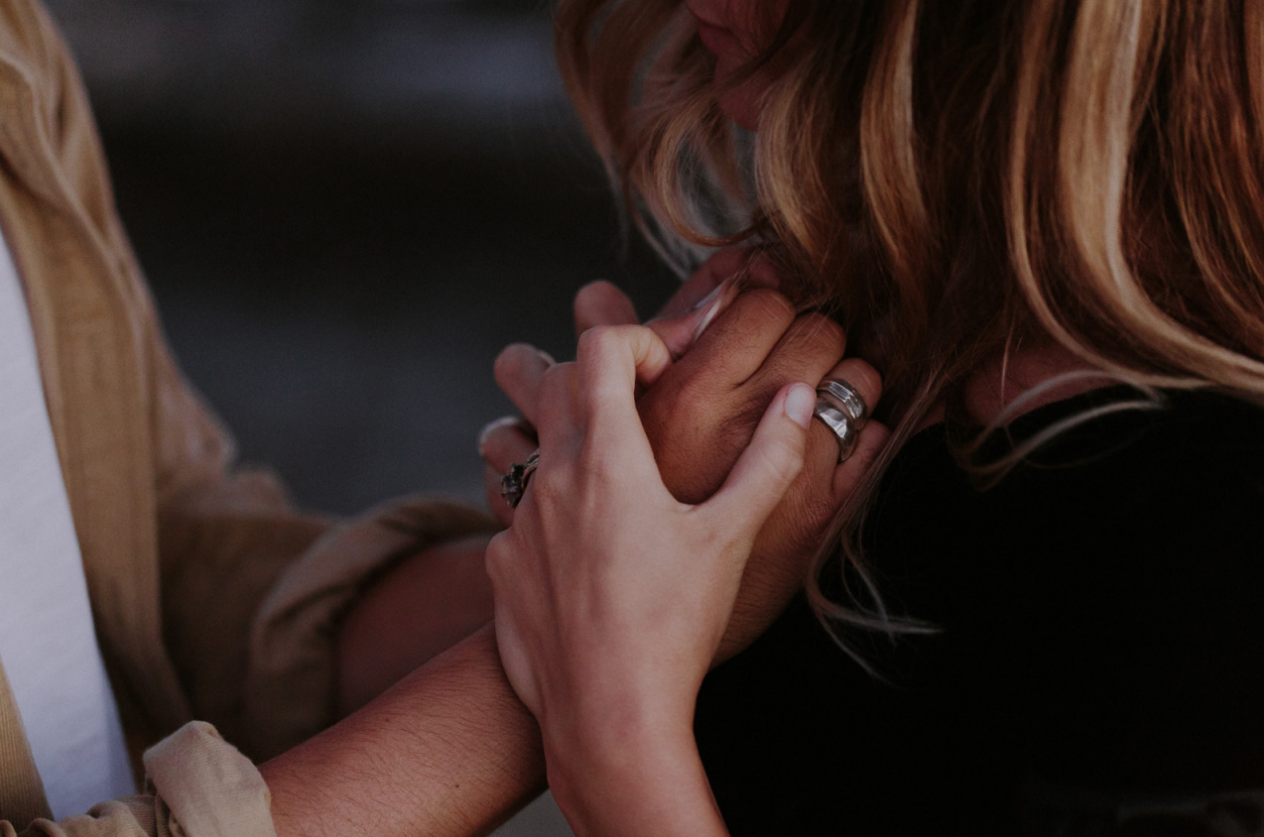
“It seems funny to think that healing or coming to terms with loneliness and loss, or with the damage accrued in scenes of closeness, the inevitable wounds that occur whenever people become entangled with one another, might take place by means of objects. It seems funny, and yet the more I thought about it theContinue reading “People make things to express their need (or fear) of connection”
Tag Archives: writing
Ancient word of the day: Uncanny

The ancient word of the day is Uncanny. This is the feeling of encountering a landscape, person or object that is both frightening and unsettlingly dissonant. Freud coined a similar word for this “unheimlich”— which is to say, eerie and both homely and unhomely. I’m sure you would be able to recall some uncanny encounters,Continue reading “Ancient word of the day: Uncanny”
Ancient word of the day: Thalassophile

A thalassophile is a lover of the sea or someone who is powerfully drawn to and by the ocean. This ancient word comes from the Ancient Greek θάλασσα (thálassa, “sea”), and φίλος (phílos, “dear, beloved”). I took this photo on Enoshima Island in Kanagawa prefecture, Japan back in early October 2018. As the sun set,Continue reading “Ancient word of the day: Thalassophile”
The high-spirited thoroughbred

The great affair, the love affair with life, is to live as variously as possible, to groom one’s curiosity like a high-spirited thoroughbred, climb aboard, and gallop over the thick, sunstruck hills every day. Diane Ackerman
Ancient word of the day: Cirrocumulus

Origin: 1650s. Cumulus ” a heap, pile, mass, surplus ” in Latin *keue “to swell” in Latin. Cirrocumulus are flocks of fleecy clouds that whisk past us on a glorious spring day. Often their appearance in the evening foretells of a stormy morning the following day. At least thats old shepherd’s wisdom. German Schäfchenwolken: LittleContinue reading “Ancient word of the day: Cirrocumulus”
Behold the tui: seductive songstress of the shaky isles
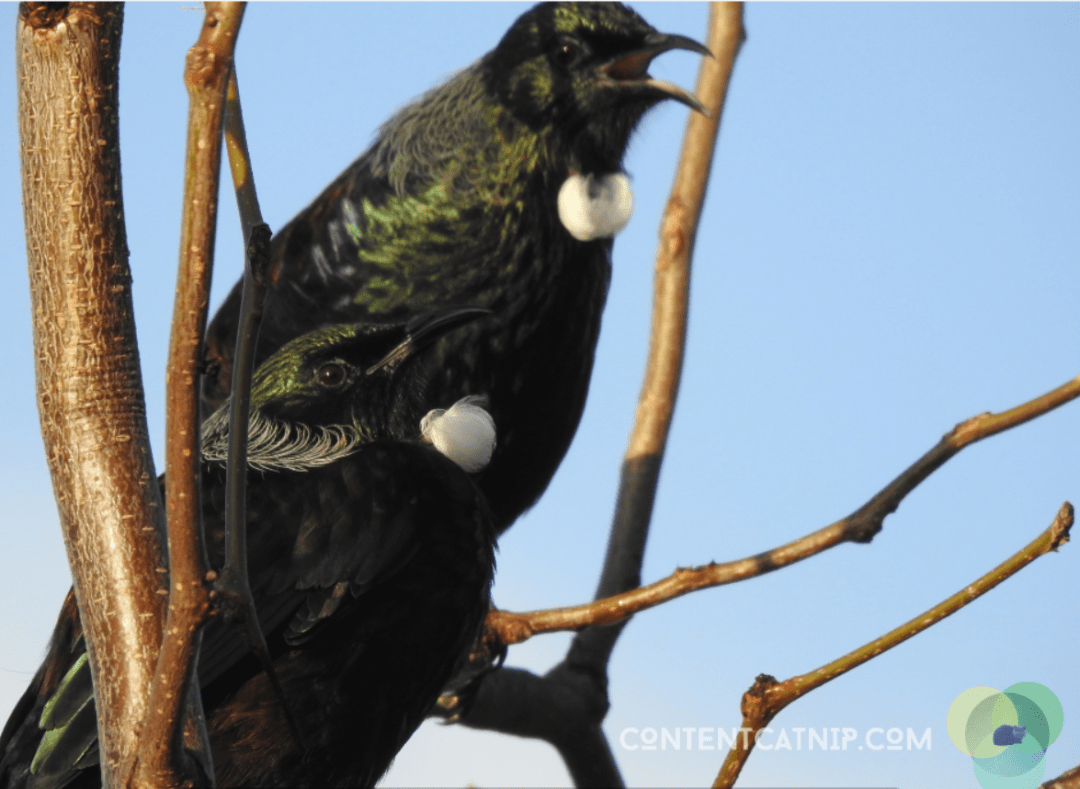
This is a bit of a remix. We had a resident tui when we were living in Auckland in 2014 to 2018, she (I prefer to think of her as a she) was very vocal, flirty and beautiful. The Polish Bear got a very impressive Sony camera that was great for these close up shotsContinue reading “Behold the tui: seductive songstress of the shaky isles”
A brief and enchanting history of Australian milk bars

Originally the concept of the milk bar in America was also a spin-off from the ever-popular apotheke-style pharmacists who dispensed medicines and often refreshing milk-infused tinctures to waiting customers. The customers often milled around or sat on bar stools at a long galley-style counter top. Originally, the pharmacists mixed the medicine with their backs turnedContinue reading “A brief and enchanting history of Australian milk bars”
Art shows us that not all scars are ugly
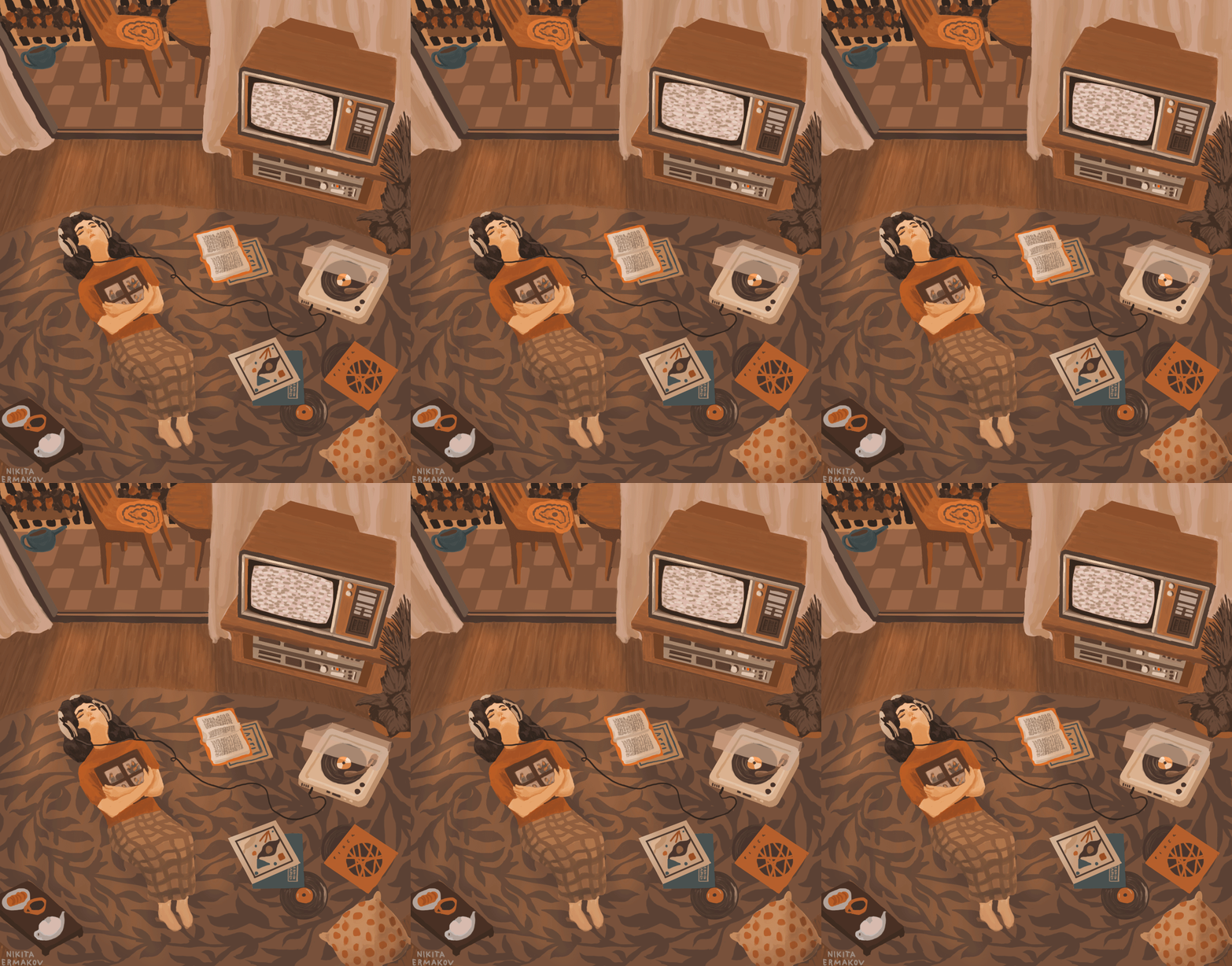
Art has a strange negotiating ability between people, including people who never meet and yet who infiltrate and enrich each other’s lives. It create intimacys; it does have a way of healing wounds, and better yet of making it apparent that not all wounds need healing and not all scars are ugly.
Begin with brokenness, begin again

“Stories have endings, that’s why we tell them, for reassurance that there is meaning our lives. But like a diagnosis, a story can become a prison, a straight road mapped out by the people who went before. Stories are not the truth. Begin with brokenness, begin again. We are not all, not only, the charactersContinue reading “Begin with brokenness, begin again”
Ancient Word of the Day: Rema
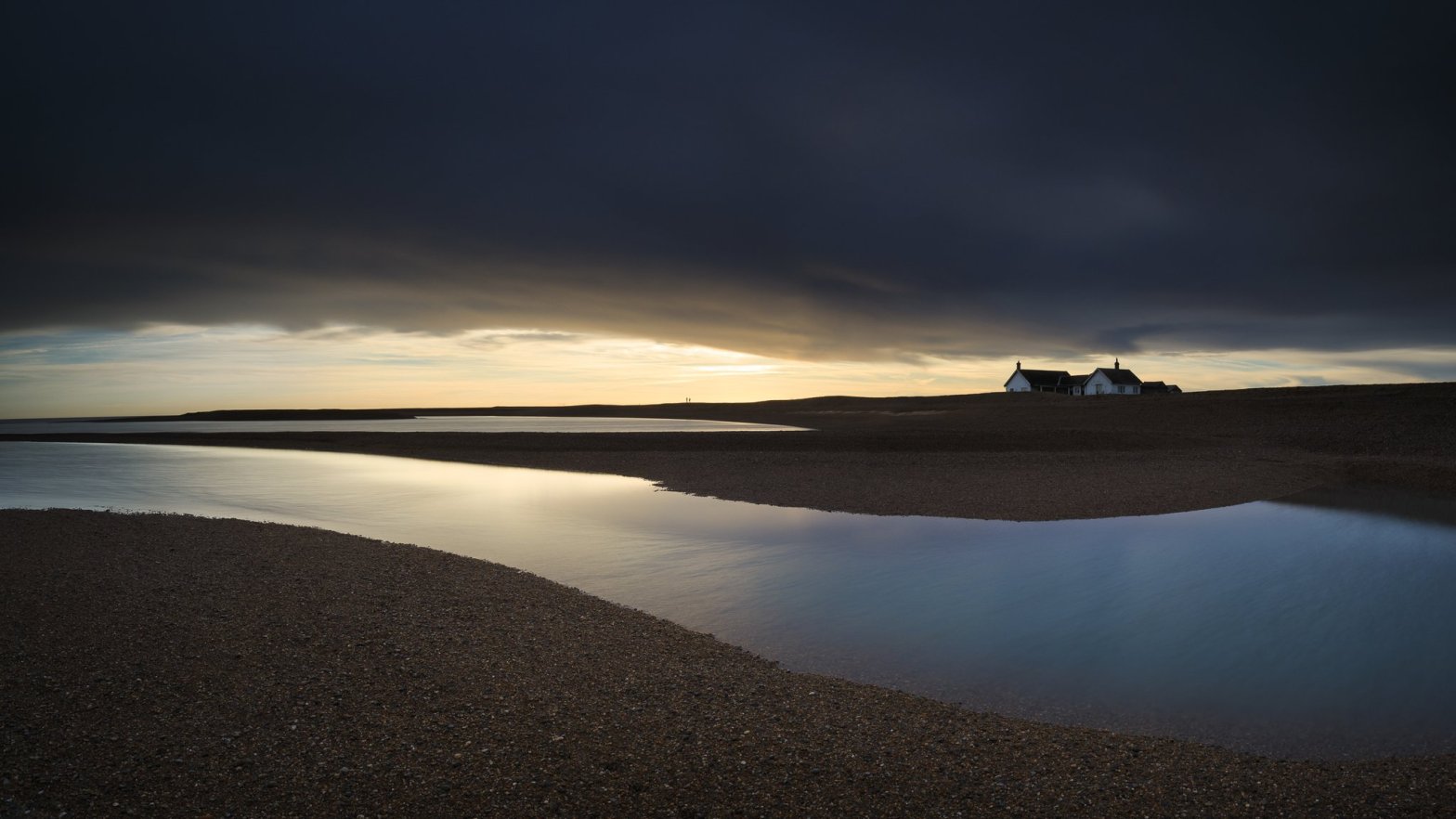
Rema (Shetland Scots) The mirror-calm surface of the sea on a calm day. A body of water with a surface as smooth as cream. Comes from the Scots word “reyme”, meaning “cream”). Rjómalogn (Icelandic) Cream-calm, used to denote profoundly tranquil weather or sea. Arafin (Welsh) Calm or slow weather in Welsh. blikkstille./ blekkstille (Norwegian) AContinue reading “Ancient Word of the Day: Rema”
 Content Catnip