

Although similar to the gloaming, grimmelings is a slightly different natural phenomenon at both ends of the rotating sun’s traverse across the sky. Grimmelings – The first or last gleams of the day (Scots, esp. Orkney). From the Norwegian “grimla”, to glimmer before the eyes, to twinkle or blink. Also “grimlins”. Or “the harlot’s hour”:Continue reading “Ancient Word of the Day: Grimmelings”
Tag Archives: words
Ancient Word of the Day: Hibernal

Hibernal From Latin hībernālis (“wintry”), from hiems (“winter”), hibernal is term for something that refers to winter. On this, the long, long night of Winter Solistice of the southern hemisphere, the dawns and the gloamings grow ever deeper and more thickly velveteen black. Although this point in time marks the darkest, longest night and from this kernel grows the essence ofContinue reading “Ancient Word of the Day: Hibernal”
Ancient words of the day: Glamour and grammar

Glamour is an 18th Century corruption of the word grammar. Or the occult processes that were traditionally associated with learning during the middle ages. The words grammar and glamour are also associated with the word grimoire – a spell-book. Glamourie: witchcraft, magic, fascination or a spell Glaumerify: to cast a spell over or bewich Glamour-bead:Continue reading “Ancient words of the day: Glamour and grammar”
The Ruthless Unspoken
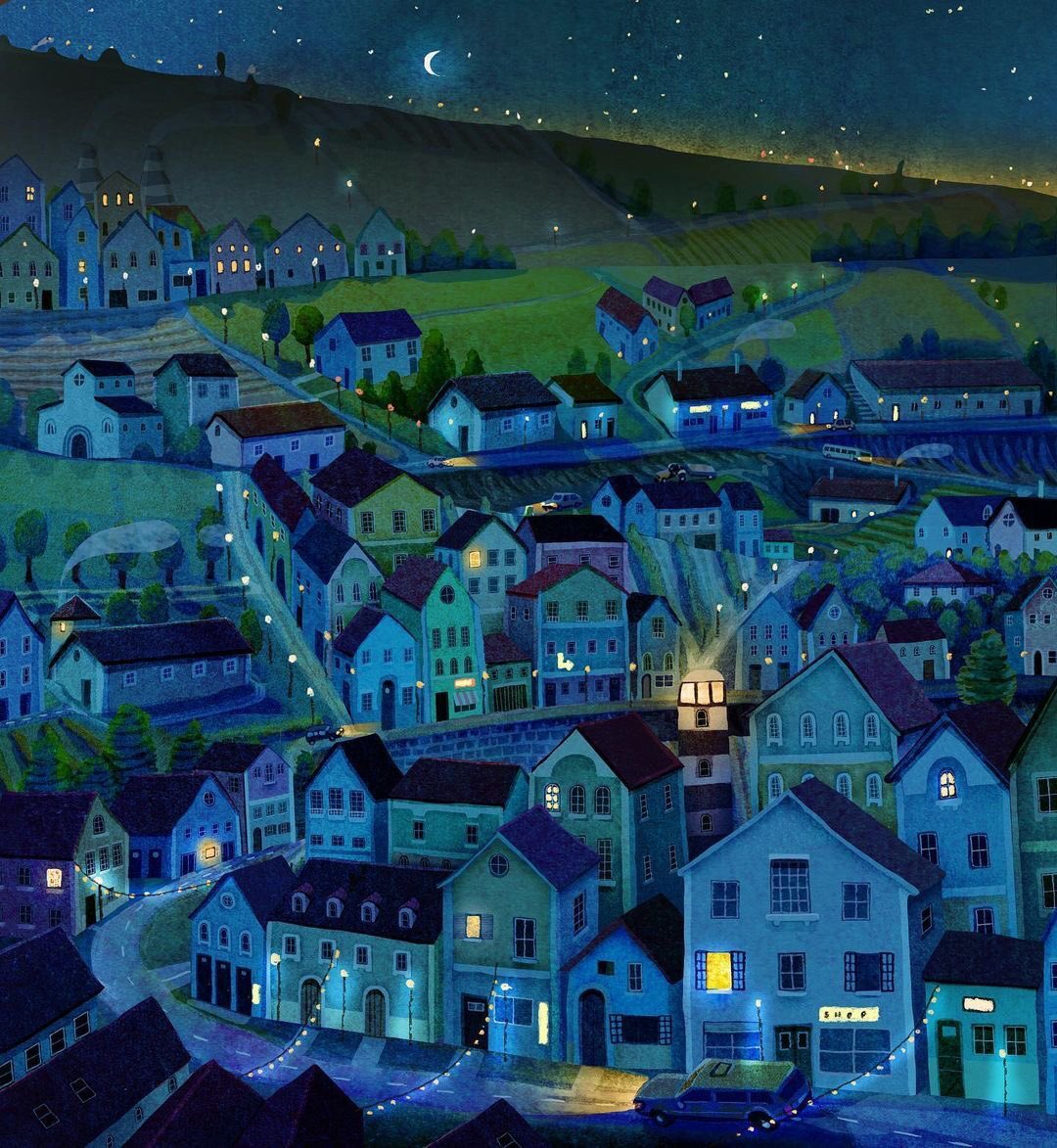
At night I lie awake In the ruthless Unspoken, knowing that planets come to life, bloom, and die away, like day-lilies opening one after another in every nook and cranny of the Universe… Diane Ackerman
Ancient word of the day: Tsundoku

The Japanese word, “Tsundoku”, which literally means “reading pile”, dates back all the way to the Meiji era (1868-1912). It’s a unique word for which there is no English equivalent. If you’re an avid reader though, you will well understand that feeling…it’s pure happiness, the feeling of knowing that you have many more books readyContinue reading “Ancient word of the day: Tsundoku”
Jisei: Haunting Japanese death poems from history

Japan has a long history of jisei, or death poems. Jisei is the “farewell poem to life.” These poems were written by literate people, often monks, royalty or courtiers just before their death. A Jisei from Prince Otsu in 686 BC is one of the earliest recorded death poems. Not all death poems are writtenContinue reading “Jisei: Haunting Japanese death poems from history”
The book blogger confessions tag

I saw this tag at the wonderful book blog by Diana Ideas on Papyrus. I simply had to do this book tagging exercise, even though this apparently happened AGES ago. Still, it’s a very cool and fun idea. So here are some books that have imprinted themselves onto my soul. Please share the love and doContinue reading “The book blogger confessions tag”
You have been nominated for the Content Catnip award for most Interesting Blog on WordPress

You have been nominated for the Content Catnip award for most Interesting Blog on WordPress
Book Review – Word to the Wise by Mark Broatch

Although I am an experienced writer, sometimes I get it wrong, either through laziness, tiredness or ignorance. The first two are under my control which is why I tend to circle back the day after I write, to re-edit professional work before I send it out. I’m the first to admit that I make mistakes.Continue reading “Book Review – Word to the Wise by Mark Broatch”
Ancient word of the day: Bóithrín

The word bóithrín comes from small (ín) Cow (bó) path. This is a path can either be man-made or created by cow meandering. Bóthar for road and botharín for small road – in the diminutive form. This became boreen or bohereen in Hiberno-English.


You must be logged in to post a comment.