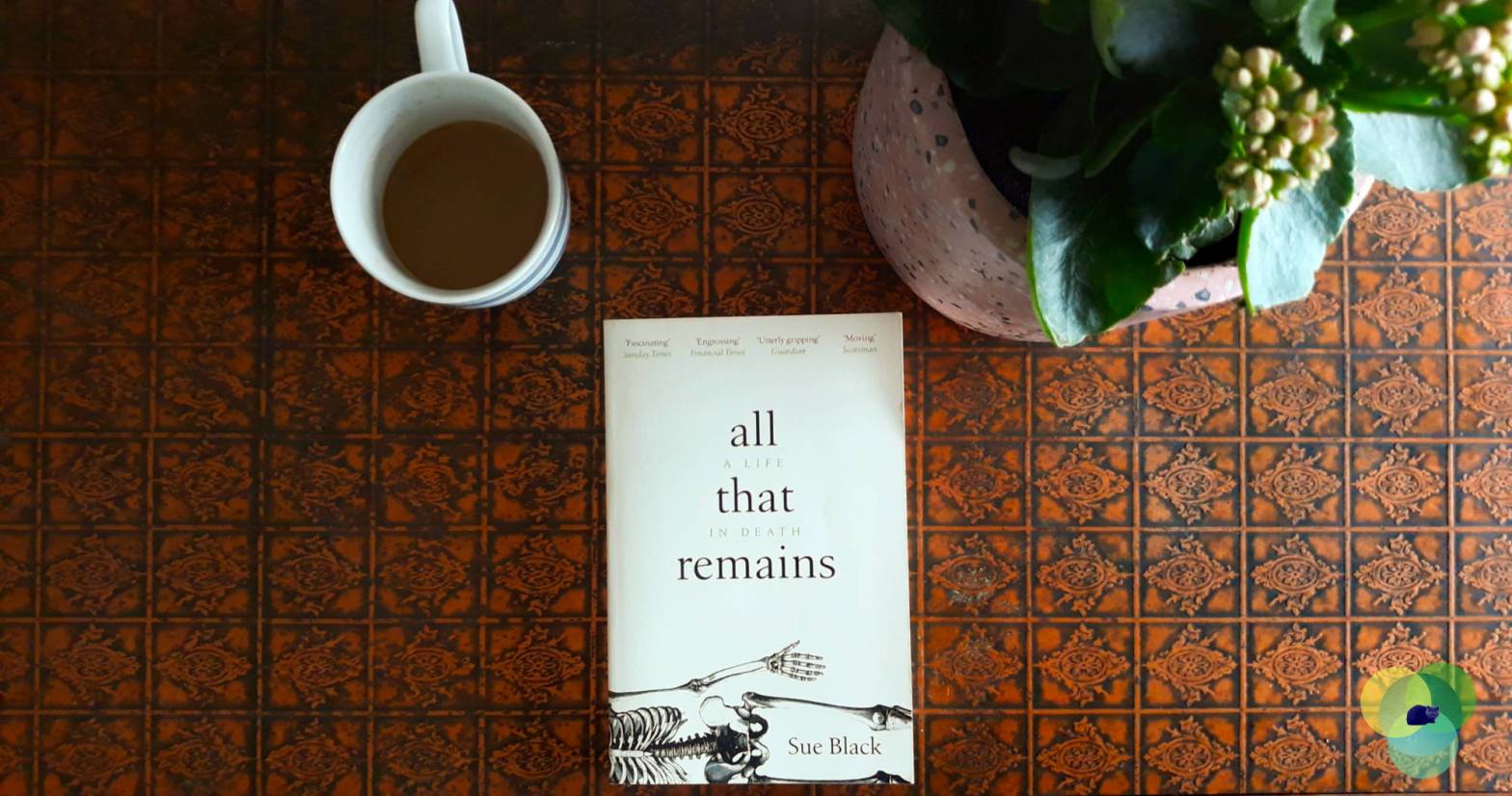
* No Spoilers Rating: 🌟🌟🌟🌟 Scottish Forensic Anthropologist and Professor Sue Black’s memoir about her life confronting death won the Saltire Book of the Year in 2018. Forensic anthropology (in case you are wondering) is the study of human remains in order to solve criminal cases. I was very excited to read this book. YetContinue reading “Book Review: All that Remains: A Life in Death by Sue Black”
Tag Archives: Scottish history
Book Review: The Butchering Art by Lindsey Fitzharris
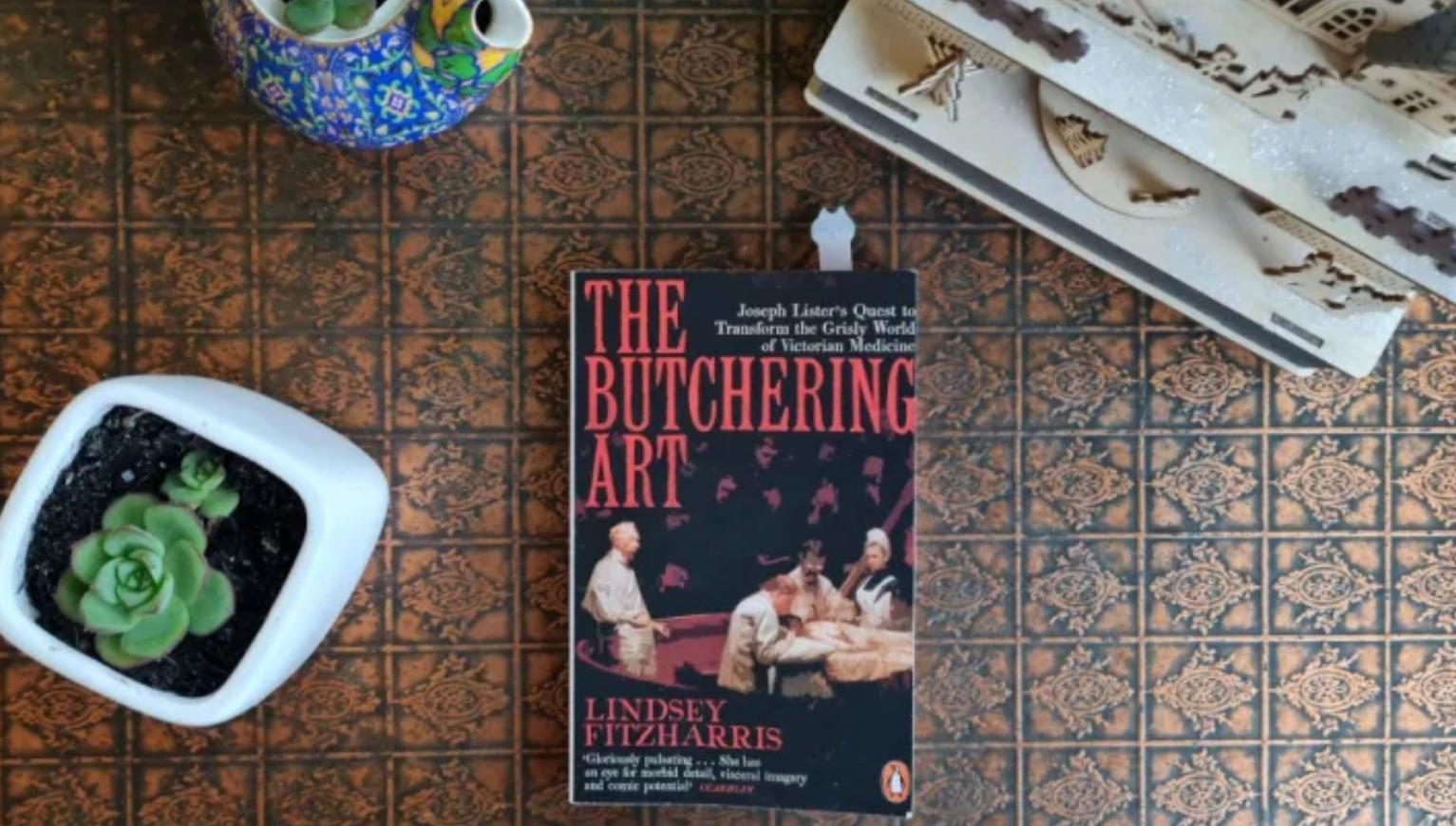
This is an electrifying book about the history of surgery from the point of view of one of its pioneers, Joseph Lister. A humble and unassuming Quaker, Lister managed to rise up through the ranks of Edinburgh’s medical community and gained a reputation along the way for his serious dedication to experimentation and the empatheticContinue reading “Book Review: The Butchering Art by Lindsey Fitzharris”
10 Interesting Things I Found on the Internet #49

Roll up, roll up to this multi-tent travelling circus of bizarro delights. I promise a hall of funny mirrors, weird alien creatures and music to get your hips thrusting, just be careful not to thrust openly on the train, but if you are in a car or in a bed with someone it may beContinue reading “10 Interesting Things I Found on the Internet #49”
A History of the Beautiful Highland Cow
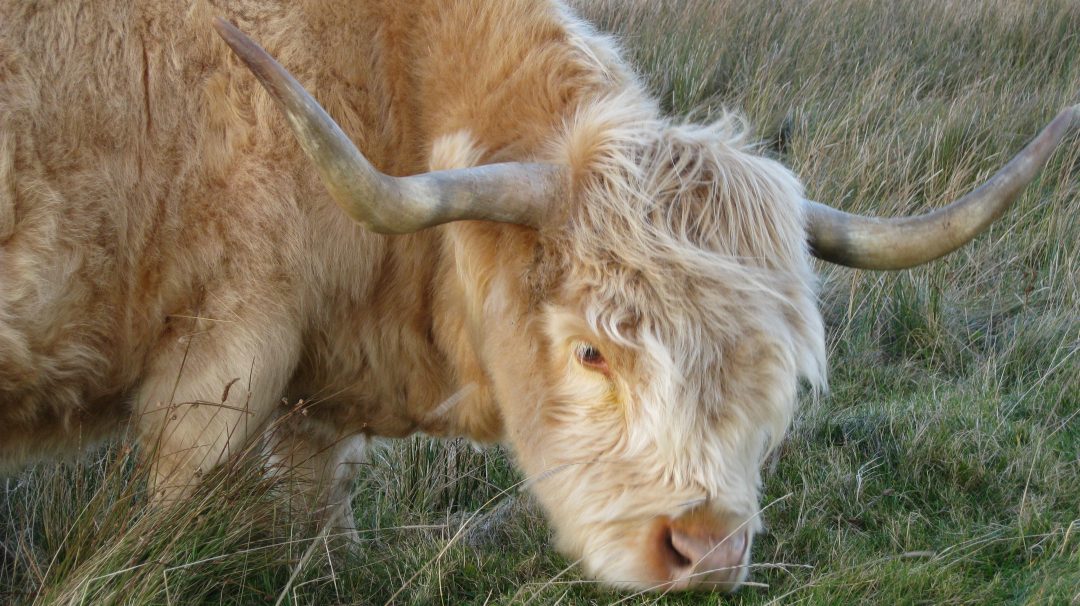
Highland Cows or as they are commonly known in Scotland Highland Coos are an ancient breed known to have grazed the rugged Scottish landscape since the sixth century. Their genetic origins are still up for debate. They may be native to Scotland or introduced by the Vikings to Great Britain. One scientific train of thoughtContinue reading “A History of the Beautiful Highland Cow”
Ancient Word of the Day: Uiscebeatha

Uisgebeatha: n Irish Gaelic uisce “water”, and bethu “life” or Water of Life. Another variation is the Scots Gaelic Uisge beatha. Pronounced Ish-ka ba-ha. This was a Gaelic name given by Irish and Scottish monks in the early Middle Ages to describe distilled alcohol. It’s a translation of the Latin aqua vitae ‘water of life‘.Continue reading “Ancient Word of the Day: Uiscebeatha”
Ancient Word of the Day: Deliquium

Latin v. delinquere: “to lack, to fail In 1836, Francis Baily travelled to the Scottish Borders to see a solar eclipse. He witnessed a macabre and beautiful phenomenon. A row of lucid points, like a string of bright beads of irregular distance and size from each other. These suddenly appeared around the circumference of theContinue reading “Ancient Word of the Day: Deliquium”
Ancient Word of the Day: Hooly

Hooly or Huly: Adv. ‘To proceed gently or softly, with steadiness or caution.’ Scottish/Irish The word Hooly first appeared in English in the 14th Century. It was found in the Scottish expression Hooly and Fairly, meaning ‘to proceed slowly, carefully and cautiously.’ Over time, the word came to have negative connotations and hooliness or hulinesssContinue reading “Ancient Word of the Day: Hooly”
Travel: Roaming in the gloaming in the land of soft colours and dramatic firmaments

Around ten years ago, I had the best trip of my life when I went to the Isle of Skye, Scotland with the Polish bear. We cozied up in the most comfortable little croft in all of the Scottish isles. Located in Borreraig, the farthest point of the Isle of Skye and as far awayContinue reading “Travel: Roaming in the gloaming in the land of soft colours and dramatic firmaments”
Ancient Word of the Day: Grimmelings
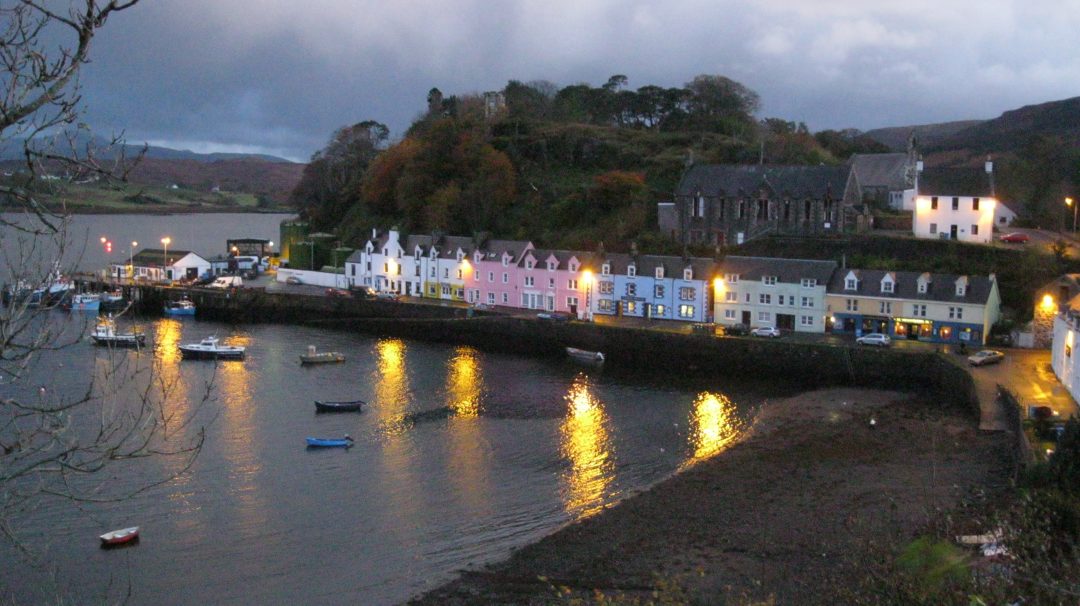
Although similar to the gloaming, grimmelings is a slightly different natural phenomenon at both ends of the rotating sun’s traverse across the sky. Grimmelings – The first or last gleams of the day (Scots, esp. Orkney). From the Norwegian “grimla”, to glimmer before the eyes, to twinkle or blink. Also “grimlins”. Or “the harlot’s hour”:Continue reading “Ancient Word of the Day: Grimmelings”
Ancient word of the day: Bóithrín

The word bóithrín comes from small (ín) Cow (bó) path. This is a path can either be man-made or created by cow meandering. Bóthar for road and botharín for small road – in the diminutive form. This became boreen or bohereen in Hiberno-English.
 Content Catnip
You must be logged in to post a comment.