

In the age of omnipresent news and digital devices dominating our every waking moment, this poem by 18th century Japanese hermit poet Ryokan seems very relevant. No news of the affairs of men. How lovely to be without the news of the world. Whatever the news of the day, Ryokan sure as hell didn’t giveContinue reading “No news of the affairs of men”
Tag Archives: nature
Ancient Word of the Day: Borbhan

The word Borbhan comes from Gaelic. It’s the gentle murmuring or purling sound made by a stream; also the sound of small stones falling.
The Empty Boat by Chuang Tzu
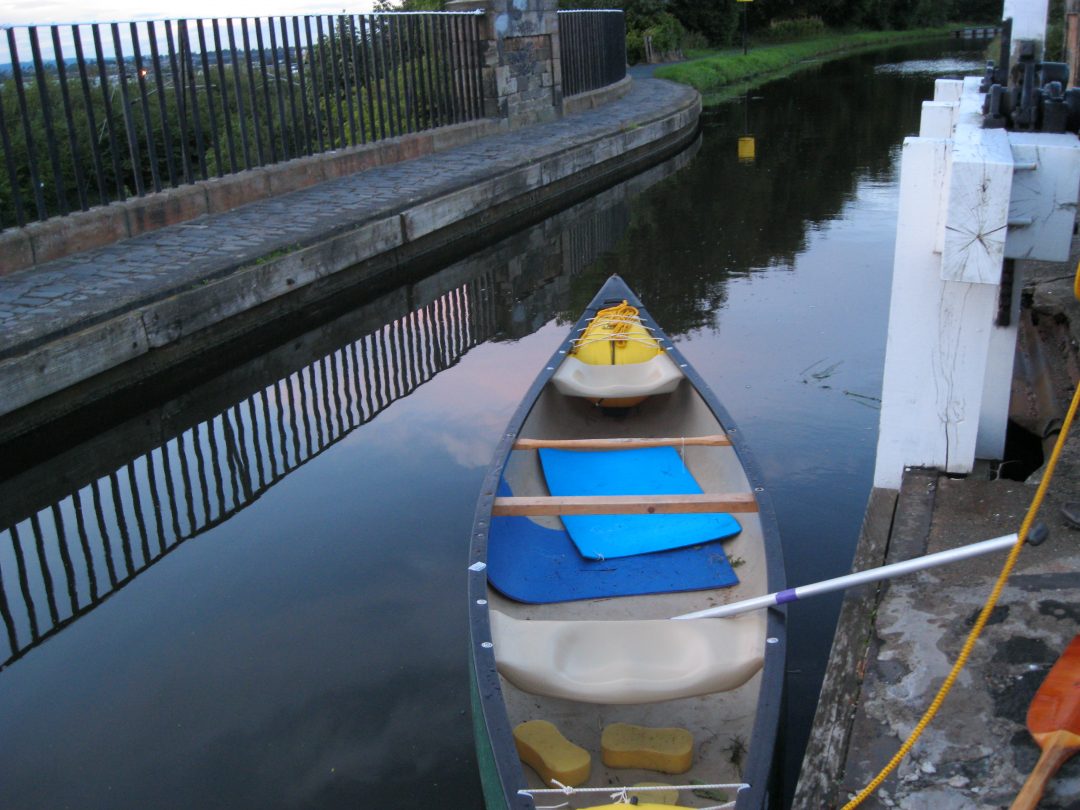
He who rules men lives in confusion;He who is ruled by men lives in sorrow.Yao therefore desiredNeither to influence othersNor to be influenced by them.The way to get clear of confusionAnd free of sorrowIs to live with TaoIn the land of the great Void. Chuang Tzu (300 B.C.)
Ancient words of the day: Arcadian Idyll

Arcadian Idyll: an idealised vision about rural life, a country paradise. Arcadia was and still is, a mountainous region in Greece. It was populated mainly by shepherds and the sleepy and fluffy flocks of sheep. In reality, rural life in Arcadia was harsh, poor and beholden to the ravages of unpredictable weather. However thatContinue reading “Ancient words of the day: Arcadian Idyll”
Book Review: Awaken in the Wild: Mindfulness in Nature as a Path of Self-discovery by Mark Coleman

Awaken in the Wild is a really great introductory book about the connection between mindfulness and the natural world. Published in 2006, it feels before its time in terms of the themes of overstimulation from technology and mindfulness. There are around 40 brief and themed sections in the book, with a short lesson and thenContinue reading “Book Review: Awaken in the Wild: Mindfulness in Nature as a Path of Self-discovery by Mark Coleman”
Unusual augurs of thunder in medieval England

In times of yore ( yore occurring around 1389) the appearance of thunder was a mixed bag. Thunder during January augured bumper crops, along with war when it crackled over the sky. However, thunder in December heralded abundant fruit trees, provisions and harmony among people. Harry the Hayward’s Thunder Prognostication Chart (1389) Sources: The BodlieanContinue reading “Unusual augurs of thunder in medieval England”
Vladimir Nabokov on butterflies and timelessness

Vladimir Nabokov on butterflies and timelessness
Strange Victorian Journeys Into the Fourth Dimension

The last gasp of Victorian spirituality infused cutting-edge science with old-school mysticism. Theosophy was all the rage; Many weird and and wonderful ideas being developed at the turn of the century around death, ghosts, the fourth dimension filled the Victorians with a palpable sense of possibility.
The Enlightenment of Everyday Objects

In ancient Japanese tradition, when a treasured household item reaches the end of usefulness, it is given the proper funerary send off that it deserves. This unusual ritual harks back to two ancient philosophies. The Shinto Animist philosophy that all things alive or otherwise have a soul. And the Nichiren Buddhist philosophy that when aContinue reading “The Enlightenment of Everyday Objects”
Ancient Word of the Day: Grimmelings
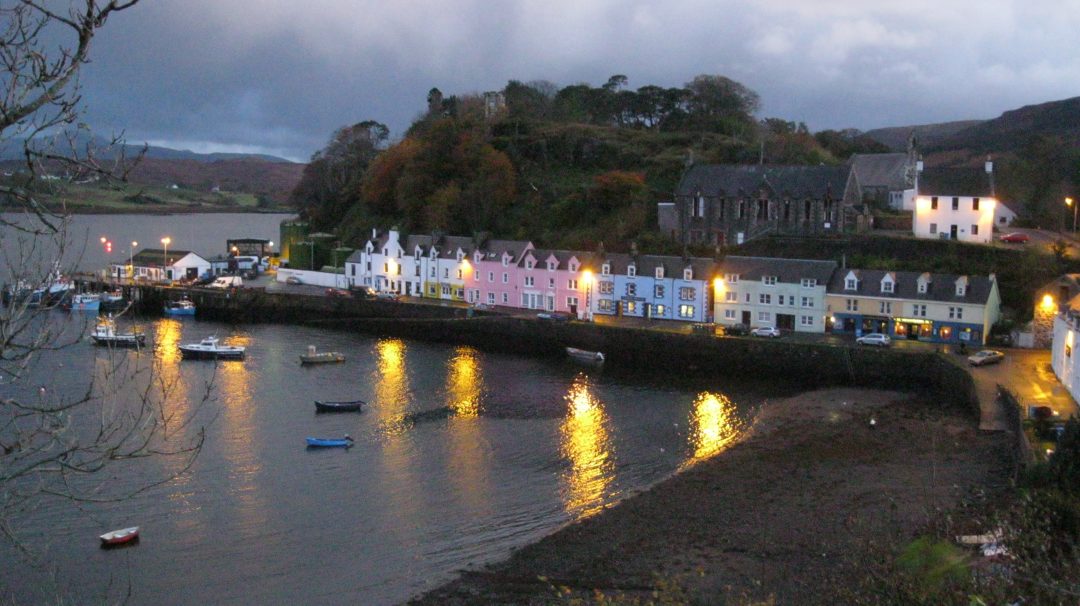
Although similar to the gloaming, grimmelings is a slightly different natural phenomenon at both ends of the rotating sun’s traverse across the sky. Grimmelings – The first or last gleams of the day (Scots, esp. Orkney). From the Norwegian “grimla”, to glimmer before the eyes, to twinkle or blink. Also “grimlins”. Or “the harlot’s hour”:Continue reading “Ancient Word of the Day: Grimmelings”
 Content Catnip
You must be logged in to post a comment.