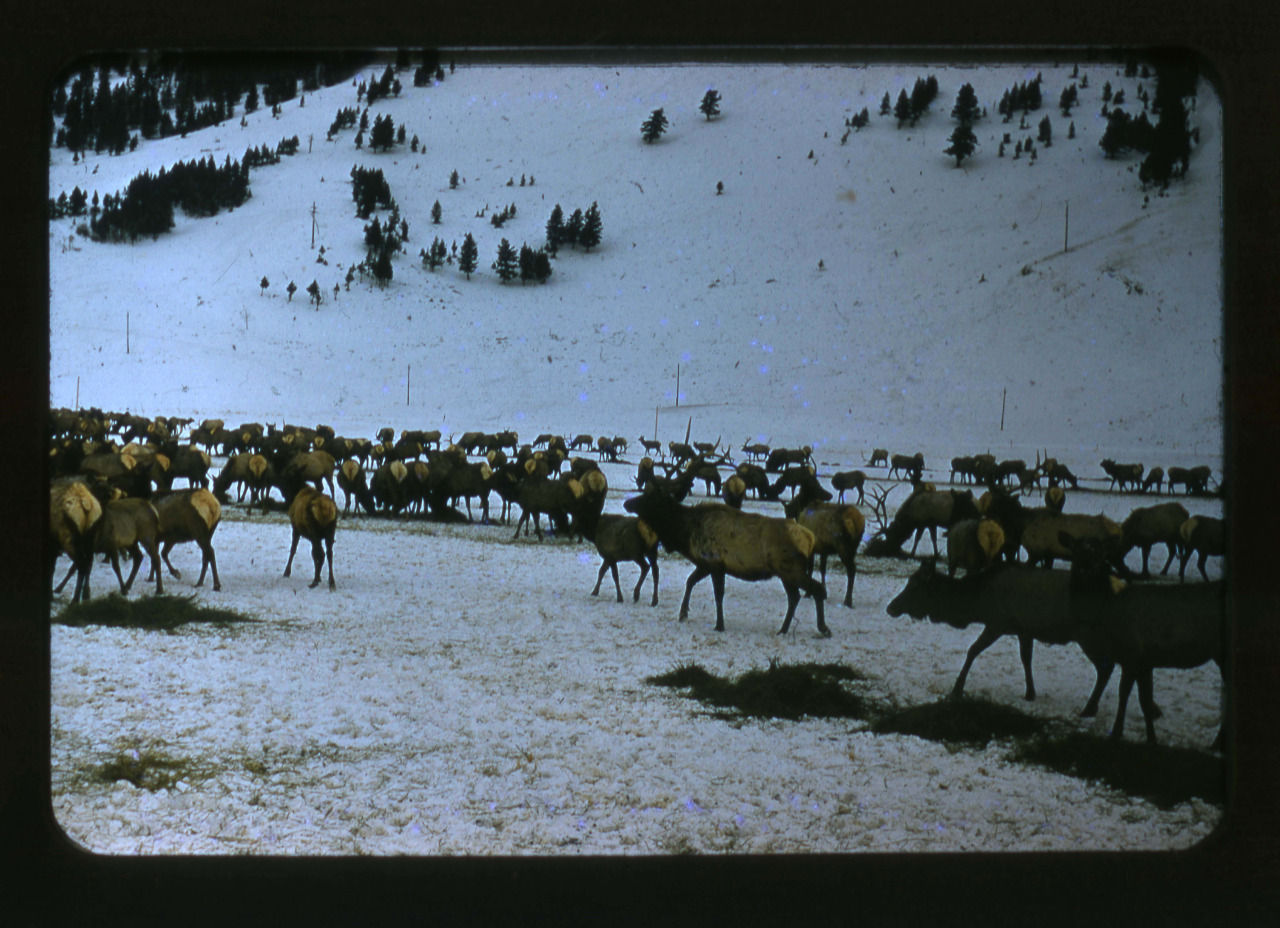
In 1976, prompted by advice from Bishop Omer Robidoux (1913-1986), Churchill dog handler Brian Ladoon made it his mission to preserve and breed Canadian Eskimo Dogs also known as Inuit Dogs or Qimmiq, the rarest registered breed of dog in the world. His efforts have inspired both admiration and fierce criticism, largely because Ladoon’s dogs share their pitiless natural environment with itinerant wild polar bears, and his practices are seen by some to be mysterious or inhumane.
New Zealander Caleb Ross moved to Canada when he saw a job notice on a hostel wall to go to Churchill, Manitoba a tiny speck of a town in the far north of Canada, to look after 150 eskimo dogs. There he met Brian and the two have built a shared friendship and a passion for saving some of the most rarest and endangered dogs in the world from going extinct.
“These dogs have learnt to handle the most harshest climate on the planet. They are here, because they are supposed to be here. We have tried to preserve their character and their lives. How do we do that? do we keep them inside like lap dogs? No! They have got to be the toughest fuckers on the planet in their environment” – Brian Ladoon.
Forget Netflix, YouTube has some incredible vintage documentaries about art and history. Made during the days of analogue, these docos may seem pixellated and blurry by today’s standards. Yet if you persevere, you’ll be rewarded with terrific storytelling, great production values and enigmatic and fascinating subject matter.
Here for you are some great documentaries about material culture/ancient art (The Sutton Hoo treasure), contemporary art (Tracy Emin) and an iconoclastic musician (Bjork) who have shaped our world.
The Southbank Show: Tracy Emin (2001)
A compelling look at contemporary artist Tracy Emin. Her work is interesting (to me at least) because she’s so earnest and her work is devoid of irony. Instead it’s full of sentimentality, raw sexuality and emotion. This short doco features Tracy in her earlier years after recently winning the Turner Prize.
I don’t know why I love her so much, actually I think it’s because I can relate to being immersed in that troubling and painful early 20’s period. It’s this time of being young, confused and also feeling like you’re constantly being slut-shamed by society for being a sexual person.
This slideshow requires JavaScript.
Tracy is unbelievably gutsy for displaying her entire internal (sexual, physical and emotional) geography in galleries for the world to see.
She’s also a genius because she’s managed to harness and manifest all of that tormented inner landscape and turn taboo ”things we don’t discuss” as women: sex, abortions, one night stands, using drugs and drinking alcohol into decades of compelling, unique art. I’ve noticed that all of the Tracy Emin haters tend to be men and that’s telling. Certain weak and insecure types of men find women who own their sexuality like Tracy, inherently terrifying. Great documentary.
One of the most important Anglo Saxon finds of all time. It was buried in the grave of a warrior chieftain and thought to be connected to the poem Beowulf.
Found in a mound on a prestigious property in East Anglia just before the outbreak of WWII, this Anglo-Saxon treasure included a vast array of weaponry, jewelry, coins and armour enshrined in the boughs of a mammoth ancient 27 metre long boat.
The poem Beowulf was written at around the 9th Century A.D, at a similar time to the Sutton Hoo treasure, it’s thought that the treasure may relate to Anglo-Saxon King Redwald. Sutton Hoo was a spectacular jewel and gold encrusted treasure trove with jewels and artistic influences which indicated a complex trade network with sophisticated gifts often exchanged among the highest tiers of society.
There’s a clear Scandanavian influence with this helmet and whoever made it used Pagan Nordic motifs in it, including feirce looking animal heads. The helmet renders the wearers voice deeper and louder than it really is – the sight on the battle field of a king wearing this helmet would have been truly terrifying.
Charts the early Pre-Sugar Cubes and childhood years of Icelandic Ingenue Bjork to the (then) present time after releasing second album Post and before the release of Homogenic.
Bad Art for Bad People
This documentary is unsettling. Almost sick and yet its thought-provoking and compelling because it’s traversing that other taboo subject – gratuitous, grotesque ultra-violence. Do serial killers find such content enjoyable? The idea that someone could watch or consume this sort of art and find it beautiful or enjoyable is deeply scary. That begs the question, does art need to be beautiful or be enjoyable to be called art? I would go and see it in a gallery because it’s a sensory experience, repulsive and deeply strange though it is. What does that say about me, am I going along because it’s like a Disney ride or something? This documentary opened up a squirming can of worms for me.
Follow these channelsVHS Pile, and Art Documentariesfor more free curated documentaries – while they may be dodgy in image/sound quality, the story telling and productions are timeless.
As a young and upcoming photographer, Stanley Kubrik landed a job for Look Magazine in 1949. This meant he got paid to trail in the wake of stunningly beautiful showgirl Rosemary Williams through the rainy Gothic streets of NYC and to capture her in her intimate surroundings of home along walking the film noir streets of New York after dusk. Found on Imgur but you can discover more of Kubrik’s photography for that shoot on the Museum of the City of York’s tumblr blog.
Are you lonely and nostalgic for all of the crappy, interminably slow and dull-as-dishwater computers that you have possessed in the past. If you answered yes then enter into the timewarp that is the Vintage Restart Page. This features all of the crappy clip art graphics and quaintly exaggerated shadowing on buttons that you have grown to miss on your iPad.
With so many restart buttons at your fingertips you probably feel a keen sense of urgency.
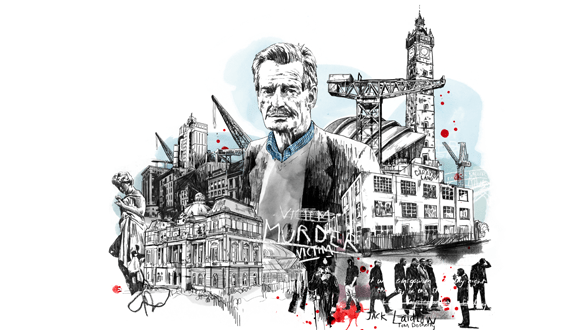
William McIlvanney or Willie to his nearest and dearest was single-handedly responsible for the genre of Tartan Noir, the bleak and rainy Glaswegian streets, grisly crime screnes steeped in whisky and venomous characters that were the stomping ground of characters like Inspector Laidlaw (changed to Taggart for the famous TV show).
All other Scottish crime writers like Ian Rankin and so on, were only dreaming of their creations before him and all other Scottish writers are influenced by him. McIlvanney is the writer’s writer. He was born into a working class family from Kilmarnock (a town 30 miles out of Glasgow) during the war years. He vividly depicted the beauty, heroism sorrow at the heart of Scottish working class life.
In Docherty, probably one of my favourite books, and listed as one of the 100 best Scottish books of all time. McIlvanney takes us into the strangely familiar surrounds of a west coast town (the Kilmarnock of his youth becomes the fictional Graithnock) at the beginning of the 20th Century. Central character, miner Tam Docherty has an impulse to do the right thing which often ends to troubling violence. Tam and his sons Conn, Angus and Michael wrestle with inarticulacy about how they can properly express their experiences of poverty, hard labour, war and love.
At the launch of the Papers of Tony Veitch
It was his stated purpose to create a series of books that would give flesh to “the unfulfilled stature” of people’s dreams, or at least their daily struggle.
It’s the kind of writing and kind of story that stays in your mind long after you’ve finished it. After reading Docherty, I saw McIlvanney at the 2013 Edinburgh Book Festival and listened to him read it live to the crowd. There was a visible hush of awe in the audience as he read. A whole generation of grey haired people born during the war in Scotland all nodded in deep kinship to the reading. Here was a man who could reach into the psyche of what it means to be Scottish. Who could accurately capture a sense of time and place, the right mix of personal, social and political and made it come together with seamless craftsmanship.
He was a tall, dapper good-looking guy with a wispy moustache and high cheekbones
McIlvanney wrote his novels longhand and then got them typed up
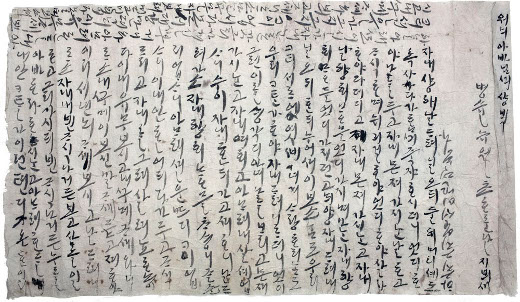
A new Massive Online Open Course (MOOC) aims to involve people are volunteer historians who are needed to decrypt and decode 1,500 pages of medieval manuscripts from the Cathedral of Burgos (Spain). Even better, there is a Massive Open Online Course that accompanies the process.
Deciphering Secrets: Unlocking the Manuscripts of Medieval Burgos
This Massive Open Online Course explores Spain’s complicated history of Jewish, Christian, and Muslim cultural coexistence. Although it’s about medieval Spain the course is in English and the level of knowledge required to do it is minimal. You will learn about medieval manuscripts along with kings and knights, religious minorities and tradesmen, and bishops and churchmen – shaped the formation of Catholic Spain. Along with the Spanish Reconquista, a convoluted Christian crusade that focused on reclaiming Iberia from Islam, and the curious alliances among Christians and Muslims.
They use an interesting and novel technique that means you don’t need to know spanish to decode the manuscript. It’s called paleographical training.
It’s free to audit the course and participate in this. Sounds totally fascinating and I will be giving it a go. As a woman absolutely fascinated by ancient texts and mysterious medieval cultures, this course is definitely for me.
How it works
You may not understand Spanish but once taught how to do it – you will be able to decode the symbols. In the words of the course creator: “Sometimes it is more desirable for a person to not understand the language so that they do not read words that are not there.”
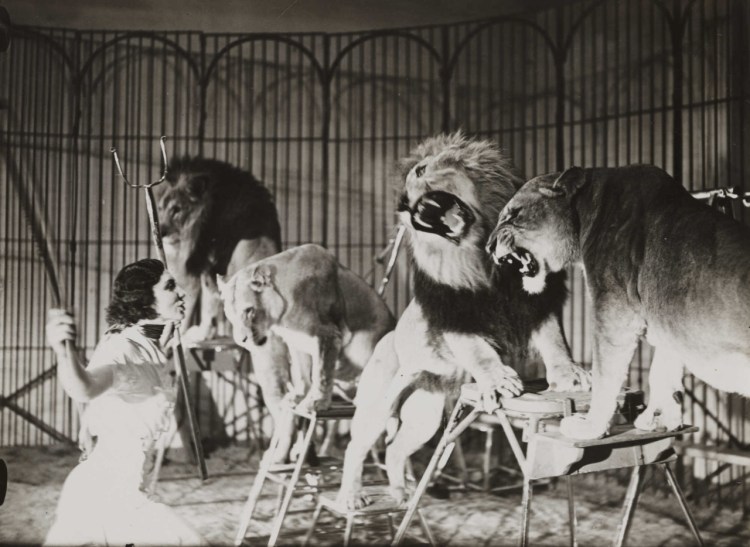
A fearless lion tamer goads and encourages her intimidating charges during the Bertram Mills Touring Circus at Ascot. Shot by Edward G Malindine in 1936.














 Content Catnip
You must be logged in to post a comment.