

The Japanese word, “Tsundoku”, which literally means “reading pile”, dates back all the way to the Meiji era (1868-1912). It’s a unique word for which there is no English equivalent. If you’re an avid reader though, you will well understand that feeling…it’s pure happiness, the feeling of knowing that you have many more books readyContinue reading “Ancient word of the day: Tsundoku”
Tag Archives: japan
Book Review- Picnic in the Storm by Yukiko Motoya

* Contains no plot spoilers Japanese author Yukiko Motoya’s collection of short stories have a definitive style and are matched with substance. It’s obvious that she gets a bit of inspiration from Murakami’s magic realism style, although seen through Yukiko’s lens, the world is from a woman’s perspective. Her stories seem to feature unremarkable everydayContinue reading “Book Review- Picnic in the Storm by Yukiko Motoya”
Jisei: Haunting Japanese death poems from history

Japan has a long history of jisei, or death poems. Jisei is the “farewell poem to life.” These poems were written by literate people, often monks, royalty or courtiers just before their death. A Jisei from Prince Otsu in 686 BC is one of the earliest recorded death poems. Not all death poems are writtenContinue reading “Jisei: Haunting Japanese death poems from history”
The book blogger confessions tag

I saw this tag at the wonderful book blog by Diana Ideas on Papyrus. I simply had to do this book tagging exercise, even though this apparently happened AGES ago. Still, it’s a very cool and fun idea. So here are some books that have imprinted themselves onto my soul. Please share the love and doContinue reading “The book blogger confessions tag”
Every picture tells a story: In transit in the JR station
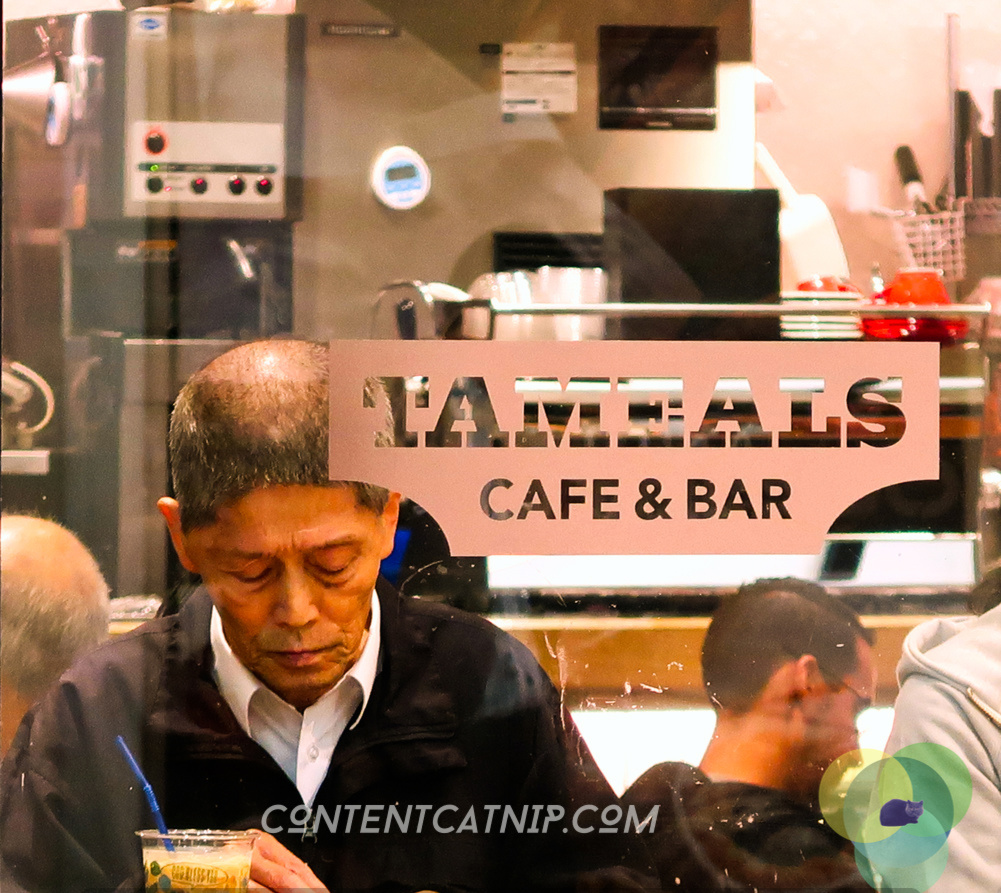
Everyone is always in transit and a great metaphor for life is that we can only ever trust in the constant flux of change. Forget about the serenity of temples, impermanence is ever-present in JR stations, subway stations and airports. There is something magnetic about these places because as you flow through there, you areContinue reading “Every picture tells a story: In transit in the JR station”
Travel: Himeji Castle, Japan
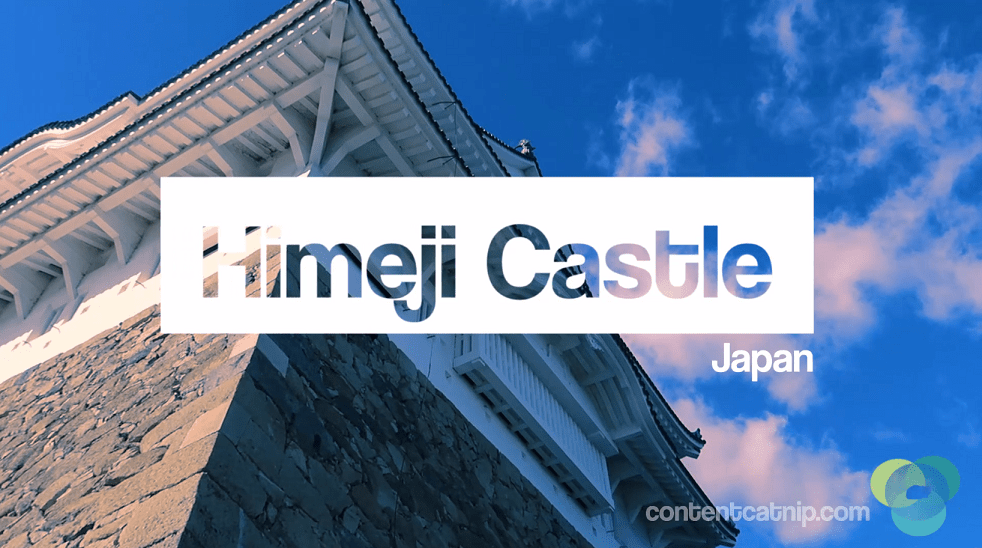
Himeji Castle was the first place in Japan to become a UNESCO World Heritage site in 1993, after this there were dozens of others named. It’s actually the largest and arguably most impressive castle in in Japan and has 83 buildings. It takes hours to walk around inside of it, like a medieval Disneyland, it’sContinue reading “Travel: Himeji Castle, Japan”
Travel: Tenryu-ji temple and gardens Arashiyama Kyoto

Tenryū-ji is a temple and gardens founded by Ashikaga Takauji in 1339. It’s purpose at the time was to venerate Gautama Buddha. It’s considered as one of Kyoto’s so-called Five Mountains. In 1994, it was registered as a UNESCO World Heritage Site. Tenryuji dates from the Muromachi period in Japan’s 14th-16th century. Among its manyContinue reading “Travel: Tenryu-ji temple and gardens Arashiyama Kyoto”
Travel: Bustling Ueno markets, Tokyo

Ueno markets are tucked into a unique pocket of Tokyo filled with interesting characters selling unusual goods. It’s a world within a world. The funky music you are hearing is by 70’s British funk band Cymande, the track is called Dove. It gives the video a lovely vintage feel. I don’t own copyright to theContinue reading “Travel: Bustling Ueno markets, Tokyo”
Travel: A curious history of Nara’s holy deer

Nara has had sacred significance long into the ancient mists of time in Japan. Long before Tokyo and Kyoto became the capital of Japan, Nara reigned as the most important city in Japan, its capital from 710-784 AD, before this mantle was passed on to Kyoto. By decree of the emperor of Japan in 724AD,Continue reading “Travel: A curious history of Nara’s holy deer”
What makes a bad tourist? It’s a cultural thing!

Although it’s very easy and possible to typecast people from specific countries as being (in general) bad tourists. I have neatly avoided that here. It’s a cultural thing though, for sure.
 Content Catnip