
For every force, there is a counter force.
Violence, even well intentioned,
Always rebounds upon oneself.
Tag Archives: Buddhism
No news of the affairs of men

In the age of omnipresent news and digital devices dominating our every waking moment, this poem by 18th century Japanese hermit poet Ryokan seems very relevant. No news of the affairs of men. How lovely to be without the news of the world. Whatever the news of the day, Ryokan sure as hell didn’t giveContinue reading “No news of the affairs of men”
The Empty Boat by Chuang Tzu
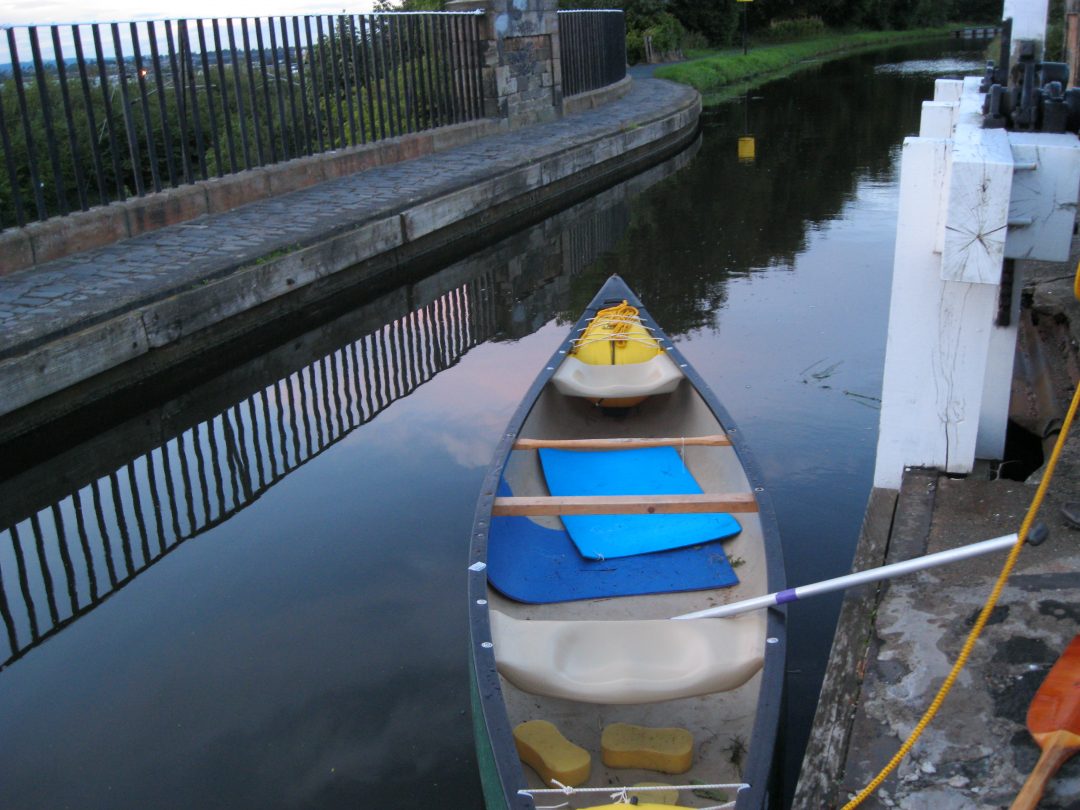
He who rules men lives in confusion;He who is ruled by men lives in sorrow.Yao therefore desiredNeither to influence othersNor to be influenced by them.The way to get clear of confusionAnd free of sorrowIs to live with TaoIn the land of the great Void. Chuang Tzu (300 B.C.)
Inspirational People: Tenzin Gyatso

“If we look at human history, we will find that a good heart has been the key in achieving what the world regards as great accomplishments in the fields of civil rights, social work, political liberation and religion for example. “A sincere outlook and motivation do not belong exclusively to the sphere of religion; theyContinue reading “Inspirational People: Tenzin Gyatso”
Book Review: The Mindfulness Survival Kit by Thich Nhat Hanh
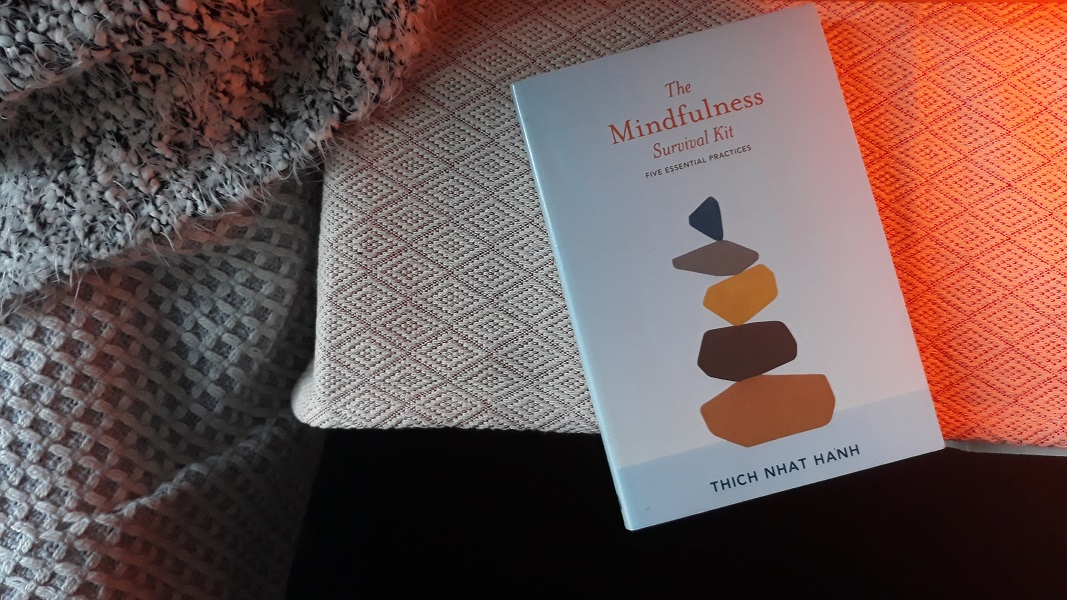
This is a handy guide for mindfulness for busy people living at full throttle in the world. It’s a gentle calling to slow down and to heed the five mindfulness training precepts which are: not to kill, steal, commit adultery, lie, or take intoxicants. These are the basic ethics and morality in Buddhism. Zen masterContinue reading “Book Review: The Mindfulness Survival Kit by Thich Nhat Hanh”
The Enlightenment of Everyday Objects

In ancient Japanese tradition, when a treasured household item reaches the end of usefulness, it is given the proper funerary send off that it deserves. This unusual ritual harks back to two ancient philosophies. The Shinto Animist philosophy that all things alive or otherwise have a soul. And the Nichiren Buddhist philosophy that when aContinue reading “The Enlightenment of Everyday Objects”
Jisei: Haunting Japanese death poems from history
Japan has a long history of jisei, or death poems. Jisei is the “farewell poem to life.” These poems were written by literate people, often monks, royalty or courtiers just before their death. A Jisei from Prince Otsu in 686 BC is one of the earliest recorded death poems. Not all death poems are writtenContinue reading “Jisei: Haunting Japanese death poems from history”
Travel: Tenryu-ji temple and gardens Arashiyama Kyoto

Tenryū-ji is a temple and gardens founded by Ashikaga Takauji in 1339. It’s purpose at the time was to venerate Gautama Buddha. It’s considered as one of Kyoto’s so-called Five Mountains. In 1994, it was registered as a UNESCO World Heritage Site. Tenryuji dates from the Muromachi period in Japan’s 14th-16th century. Among its manyContinue reading “Travel: Tenryu-ji temple and gardens Arashiyama Kyoto”
Travel: A curious history of Nara’s holy deer

Nara has had sacred significance long into the ancient mists of time in Japan. Long before Tokyo and Kyoto became the capital of Japan, Nara reigned as the most important city in Japan, its capital from 710-784 AD, before this mantle was passed on to Kyoto. By decree of the emperor of Japan in 724AD,Continue reading “Travel: A curious history of Nara’s holy deer”
Love letters sent by the wind

Every day, priests minutely examine the Law And endlessly chant complicated sutras. Before doing that, though, they should learn How to read the love letters sent by the wind and rain, the snow and moon. ~ Ikkyu (1394–1481, Japanese Zen Buddhist monk, saint and poet)
 Content Catnip
You must be logged in to post a comment.