Utopia is veteran and respected journalist John Pilger’s
attempt to tell an extraordinary story, one hidden from the eyes of everyday
Australians, of Australia’s first people. Pilger uses words like apartheid and hidden genocide to
describe it. And the evidence he presents in this documentary is overwhelmingly
convincing.
It’s difficult to do justice to this movie in hindsight
through words alone. It’s the kind of documentary that any compassionate, aware
and community-minded person in the world should see. Particularly Australians.
The documentary centres around a remote indigenous community called Utopia in the middle of the Australian outback. Although it is no coincidence that this ancestral land where these people have lived for the past 40,000 years is also heavily rich in minerals and oil that’s incredibly lucrative to the powers-that-be. And so the wheel turns and the machinations of power dictated that a reason needed to be concocted to remove these people from the land, permanently, to make way for the mining.
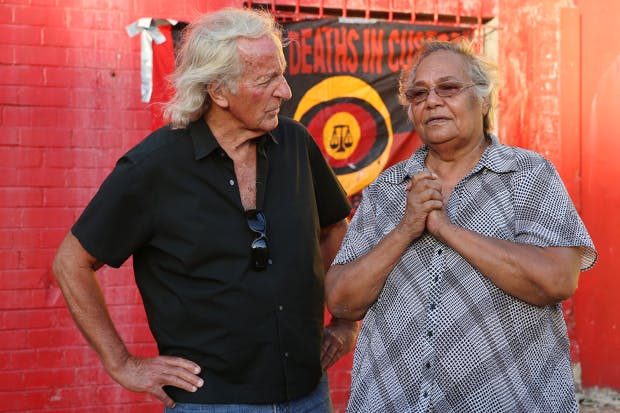
John Pilger and Aboriginal elder Bronwyn Kunis-Monks
The former Australian (Howard) government made unfounded claims of pedophile ring existing in the Utopia community. Several in-depth independent investigations into these allegations concluded that they were completely groundless, absolving the local indigenous people of the accusations. But the damage in the media had already been done. And no media outlet published a retraction to immense public smear campaign against them.
Utopia is a story of centuries of intervention into
Indigenous lives, of disenfranchisement and isolationism. Australia loves to
lock people up, especially black and brown people – it’s deeply embedded into
the culture and seems to be a hangover from being a penal colony. Australia
also loves to implement policies over half a century to literally ‘breed out
the black’ of half-Indigenous children. Giving hundreds of thousands of these
kids over to white families without permission from their birth families.
It’s the shameful story of how governments and land and
resource-hungry companies have dictated the common discourse of Australia on
Indigenous people. This means that there has never been a formal apology for
centuries of murder, rape, the removal of land and the removal of children from
remote Indigenous communities. The reason is obvious – to apologise would be tantamount
to admitting that access to the land – so rich in the resources that make
Australia fiscally strong, would be compromised.
Australia is a wonderful country if you aren’t Indigenous. It’s wealthy, full of opportunity. This documentary is a real hidden story of what is happening hundreds of thousands of miles from comfortably middle-class Australia.
Director and journalist John Pilger – idiots would argue he’s Un-Australian or Unpatriotic, but he wants Australia to be better. He’s the agitator Australia needs so it can own up to its immense historical fuckery and move forward, building a truly equable society which includes indigenous people.
Himeji Castle was the first place in Japan to become a UNESCO World Heritage site in 1993, after this there were dozens of others named. It’s actually the largest and arguably most impressive castle in in Japan and has 83 buildings. It takes hours to walk around inside of it, like a medieval Disneyland, it’s enormous and quite magnificent to behold.
It was built all the way back in 1333 as a fort on top of the Himeyama hill. The fort was then dismantled and turned into the Himeyama Castle in 1346.
It’s pretty much impossible to miss Himeji Castle
as soon as you get out of the Shinkansen (bullet train) station in Himeji. This
is only 40 minutes on the Shinkansen from Kyoto, so perfect for a day trip or
even half day trip.
Himeji Castle is perched majestically on the hill
and gleaming in white and gold. The nickname for the castle is Hakuro-jō or
White Heron Castle because of its white, magnificent appearance, like a bird
perched on a rock.
Watch my video from Himeji Castle
Over the centuries and subsequent feudal rulers,
the castle has become ever more intricate, confusing and elaborate in structure,
with almost endless labyrinths and spiral corridors that go around in circles.
This was an intentional design feature to foil would-be invaders from getting
to the castle keep and killing the royal family.
The strange curved walls of the castle resemble
sensu or gigantic fans and are made of stone and wood. A tour of the inner
boughs and guts of the castle (bare-footed of course) involves taking a tour
through tiny rabbit warrens and cavernous little rooms. Each room had intimate
stories contained in it of princesses, handmaidens, children, illicit love
affairs and death. If only the walls could talk, they would have revealed some
compelling stories. I could feel the rarified and ancient energy of the place.
Although sparsely furnished and almost empty, there was an interesting and
regal energy in the place, it was very obvious that the rooms were made for royalty
even though they were now bare.
After almost 30 sets of incredibly narrow and
steep stairs (not for the grossly overweight or unfit) eventually huge groups
of people were spat out of the top of the castle onto the roof-top viewing
platform.
This confusing journey I would later find out was
designed in ancient times to stop people from invading into the keep, which
made it more meaningful afterwards. No invading force ever tried to breach the
castle in this way before, so nobody knows if the network of tiny rooms and
stairs actually works. This journey into the labyrinth is testing to anyone
with even mild claustrophobia. But I still recommend you give it a go because
the view from the top was incredible.
The despite many attempts to destroy the castle –
it’s still standing. Many earthquakes,
bombing during WWII and a plan to demolish the castle back in the 1870’s all
failed. – Himeji castle has strong bones and withstood all of it.
Just a few weeks shy of his 35th birthday, Kasper Bjørke, a Danish ambient producer, discovered a tumor. The next five years of his life were spent in the clinical surrounds of hospitals and clinics. So he decided to document his feelings into his newest release, The Fifty Eleven Project. It’s deeply moving, fragile ambient soundscapes take you into his mind.
The first track on the album, “Line of Life (Prologue)” is rather epic at 12 minutes long. There’s a deep drone that peters out until there’s a glorious moment of piano notes that enter like sunshine through the clouds. Then, darkness and light battle it out in terms of drone and piano with the piano entering in a dramatic way. This is strongly emotional narrative music that seems to generate a lot of mindspace, across vast expanses of sea and land.
Kasper Bjørke Quartet – Line Of Life (Prologue) [KOMPAKT393]
As with many enormously satisfying works of art, the real genius tends to come out of times of hardship and adversity. You can really sense that here in Kasper’s tracks which trace the emotional upheavals and physical and mental pain of going through cancer. The great news is that he got the all clear and is now in good health.
Kasper Bjørke Quartet – The Antiphon (Epilogue) [KOMPAKT393]
Kasper Bjørke normally makes must faster dance music, but this style of ambient music suits him. I feel as though I’m drifting through a low bank of clouds at dusk while listening to this.
As a fellow cancer survivor, perhaps this is the reason for my understanding this musical narrative here so intimately. It’s as though someone cracked open my brain like a watermelon and pulled out various memories. But I hope that others will love this as much as I do too.
I had my mind bombarded by a lot of great music and a lot of crappy music growing up. This was thanks to Rage (an Australian version of MTV).
Also my dad had a massive vinyl collection that was filled with some great albums – Led Zeppelin and Kate Bush, as well as some really outrageous stuff like Boney M, Meatloaf and Modern Talking. I suppose it all depends on how you define bad and cringey really. I think that cringe is generated by a combination of the following variables:
Memorably bad video clip.
Silly lyrics.
Songs that are insane in terms of concepts and themes.
Nevertheless, it’s still fun to watch them. I hope you will enjoy these cringey gems, be sure to wear a Hazmat suit and a gas mask to protect yourself from this….dangerous to consume!
Bonnie Tyler – If you were a woman and I was a man
Boney M – Rasputin
Cameo – Word Up
The Weather Girls – It’s Raining Men
Cher – Half Breed
OH GOD! Put on your welding mask for this one…the cringe will be bright and may permanently damage your eyes.
Modern Talking – Brother Louie
Murray Head – One night in Bangkok
Pia Zandora and Jermaine Jackson – When the rain begins to fall
East 17 – Alright
Wham! Last Christmas
Dshingus Khan – Rom
I hope you wore some cotton buds in your ears to muffle out some of the cringe when you consumed these. Or else you may actually start to enjoy them! Any other suggestions for 70s and 80s cringe, please feel free to add them below…
In the southern hemisphere, today marks the date of the Spring Equinox, also know n as Eostara. This is a time to celebrate new beginnings, regeneration, growth and the conception of new ideas. The venerable Bede mentions the name in reference to Eostre, the Germanic goddess of spring. In the northern hemisphere this rite coincides with Easter, but down here we celebrate it during the opposite part of the wheel of the year.
This list is inspired by Anthony Fantano AKA The Needle Drop‘s list of the most cringe-worthy songs that he loved as a teenager. In case you don’t know of his channel, Anthony normally reviews amazing music both new and old in a really interesting way.
Every generation has its own Steps 5,6,7,8 but here it is to remind you of all of the shit music everyone listened to in the 90’s
Nickleback – How You Remind Me
I have to say that this song belongs on every shitty 90’s throw-back soft rock compilation.
Ween – Push Th’ Little Daisies
A song about weird semi-retarded…oh I mean…you know…people. Back when it was ok to openly mock people who weren’t actually all there. At the time it seemed appropriate to watch this on Rage late at night, sink a bucket bong and laugh. It does not stand up to sobriety, maturity and the test of time.
Wayne G – Twisted
Drunken dance floors in 90’s nightclubs erupted to people singing the lyrics to this song. I thought I was super rebellious singing this. Oh god…
Run DMC & Jason Nevins
The song itself here is actually pretty solid and has some great beats. The video clip though is pure late 90’s cringe.
SASH! Adelante
King of Eurotrance in the late 90’s, SASH! (exclamation mark included in his name) was riding high with his intense avaitor sunglasses, Matrix-inspired long coats and pan-European voiceovers – this one in Spanish.
Adelante was a song particularly redolent with exploding canons, torrents of water and lightning along with dancers. I actually really loved SASH! as a teenager. I thought nightclubs would look like in this video clip. The answer is – yes, they do if you are on something.
Crazy Town – Butterfly
Actually I always hated this song. But many others loved it and bought the single. It was on the radio everywhere and I wanted to kill myself every time I heard it. It’s that fleeting, hip-hop/rock/metal fusion of the late 90’s that didn’t last long -thank god. Also in Anthony Fantano’s list. Listen to the lyrics…it’s about the most queasy thing you will ever hear.
Goo Goo Dolls – Iris
I hated everything about this song. It was the most emo, most revoltingly overly emotional and overly romantic pile of shit ever, just listen to the lyrics!!! Also the name Goo Goo Dolls…just so over the top. WHat the hell happened for a while there in the 90’s with all of these overly sad and emo love songs? Vomit.
White Town – Your Woman
I’ll take your pop music and raise you some hip-hop fusion with an old sounding voice singing over it and some trip hop and jazz grooves thrown in. Honestly…the most musically strange and confusing combination with so many moving parts – it’s a complete cacophany and one it’s difficult to even understand, let alone like.
Every era has bad songs. Do you have any songs you loved as a teenager than make you cringe now? There are many songs that sit right at the very edge of cringe, they are both good and bad. Let me know your thoughts below…
Tenryū-ji is a temple and gardens founded by Ashikaga Takauji in 1339. It’s purpose at the time was to venerate Gautama Buddha. It’s considered as one of Kyoto’s so-called Five Mountains. In 1994, it was registered as a UNESCO World Heritage Site.
Tenryuji dates from the Muromachi period in Japan’s 14th-16th century. Among its many attractions is the Sogenchi pond and garden. Ths is the only original feature of the temple that has survived the centuries – designed by the famous priest and garden designer, Muso Soseki.
Watch my video from Tenryu-Ji temple
When we went there last year, the autumn leaves were on the verge of warming into feiry explosions of colour. Although we only got a bare hint of that. Even still, the video and stills from the walk through Tenryu-Ji were beautiful. You are guaranteed beautiful views at any time of year.
Ueno markets are tucked into a unique pocket of Tokyo filled with interesting characters selling unusual goods. It’s a world within a world. The funky music you are hearing is by 70’s British funk band Cymande, the track is called Dove. It gives the video a lovely vintage feel. I don’t own copyright to the music, I just love it and all credit (and advertising revenue) from my video goes to the original artist.
People seldom visit the Eastern Cape of the North Island
because of its complete isolation from the rest of the country’s bustling travel
routes. It’s quiet in terms of other cars – there are none, except for the
occasional local farmer and logging truck ferrying wood from forests to the
port in Gisborne. It’s an eight hour
long drive between Gisborne and Opotiki in the eastern cape, but one you should
make if you want to stay away from the usual tourist haunts. It’s just you,
your car and the road – there is something profoundly kiwi about that kind of
isolation.
My video of the trip
Gisborne
We started our road trip in Gisborne to see my nan. What can
you really say about Gisborne. It has lovely beaches but mostly the place lives
up to its namesake of Poverty Bay, because there are a lot of Maoris living
there who don’t get the right opportunities to reach their full potential there.
This makes me feel really sad when I go there and slightly depressed, because mostly
they belong to the same Iwi as me and so we are all extended whanau.
Although I won’t harp on about the negatives about Gisborne,
there are strong positives as well, as wherever there are Maori communities you
have a lot of people banding together to genuinely help each other, to make ends
meet and see things through. If you have a car break down here you will get
five people stopping within the first ten minutes. I saw this in action when I
had a cousin break down on the main street, within minutes she had three
carloads of people stop and help her. Life’s tough here, but there’s a lot of
love here, and that’s beautiful.
This was a rugged, beautiful beach about 16km out of
Gisborne with gigantic conch shells and driftwood that visitors had formed into
lovely huts. A local artist has erected a sign saying Turihaua which made me
remember the name . It was particularly windy and sunny this day, which made
the windswept beauty more vivid and enjoyable. There’s a camping
ground there and not much else, but if you are after complete isolation and
a beautiful wild beach, then this is the place and probably my favourite beach
in the Eastern Cape.
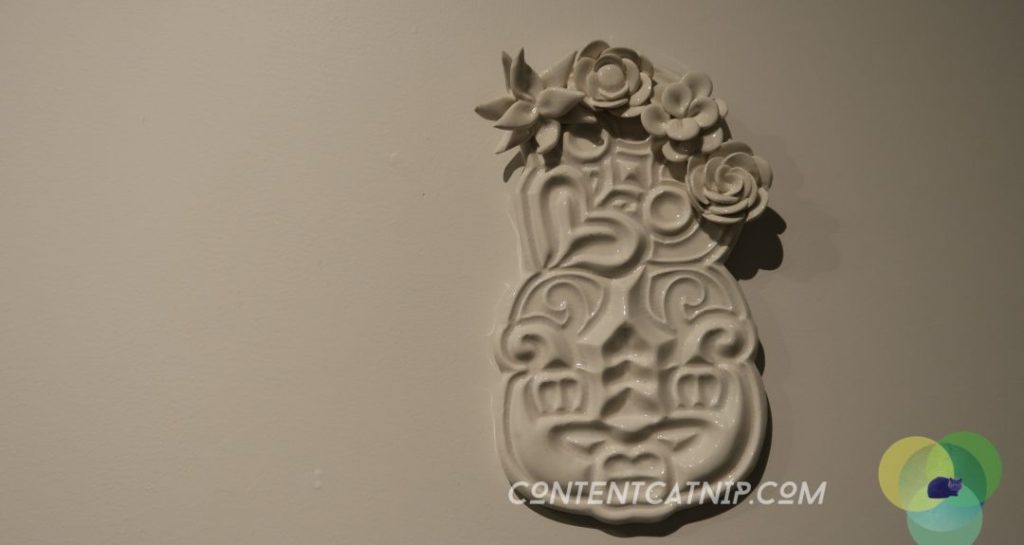
A gorgeous ceramic tiki for sale in Whakatane’s library/art gallery
Sea grass looking beautiful
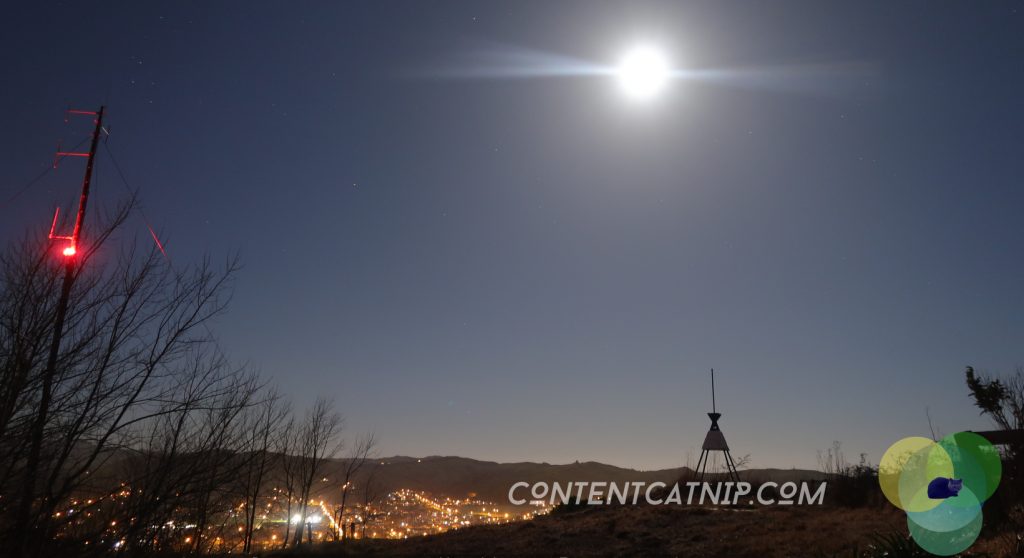
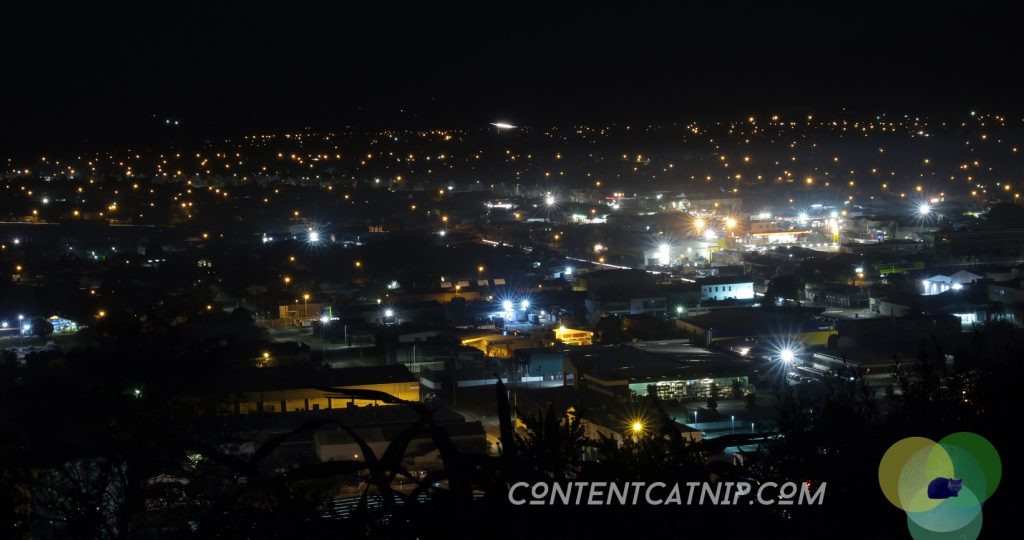
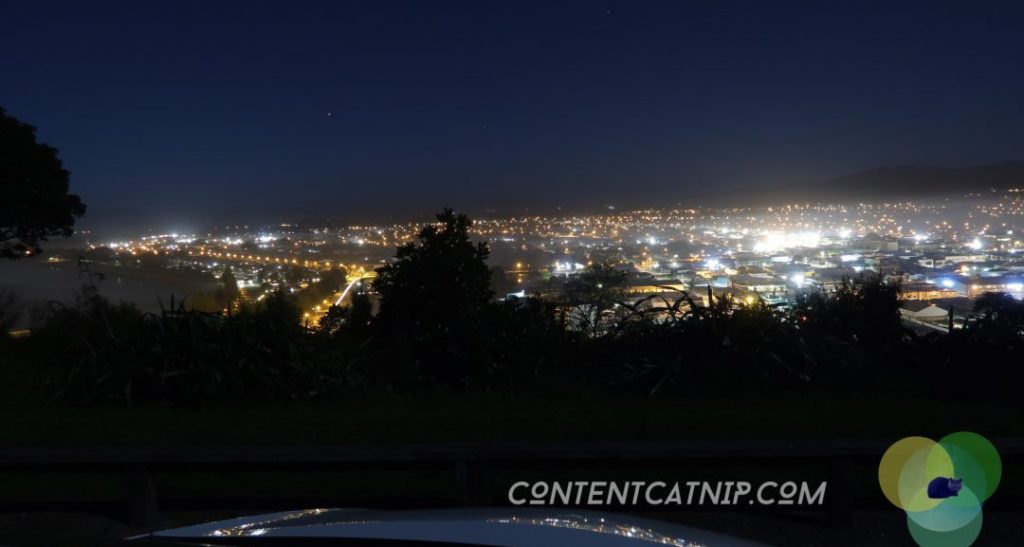
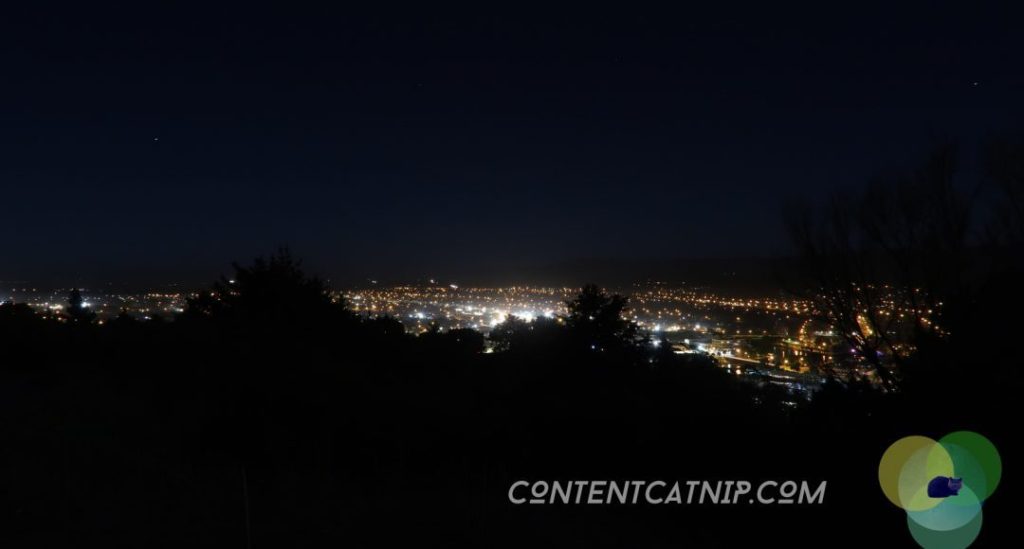
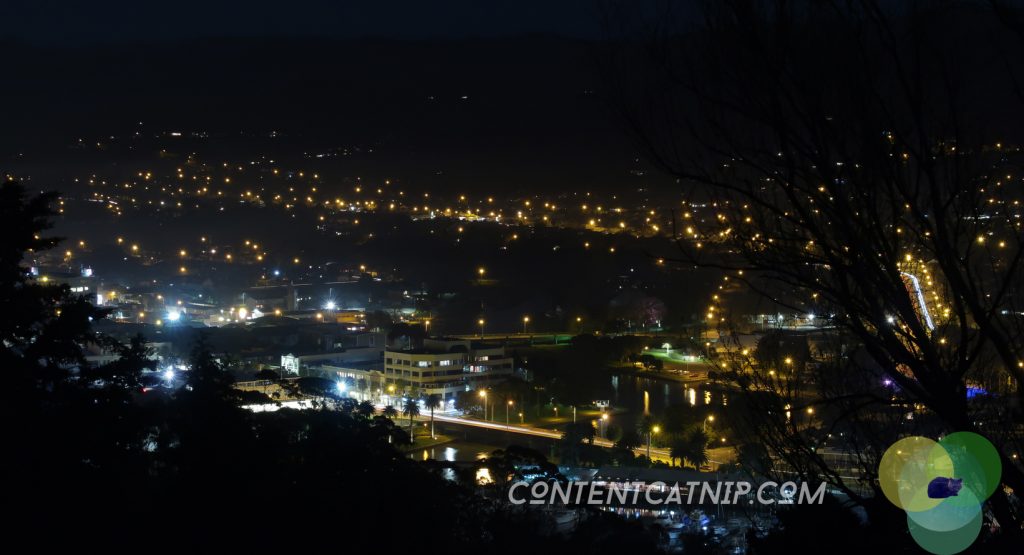
Gisborne at night from on top of Kaiti Hill
Gisborne lit up at night from the viewing point on Kaiti Hill
Gisborne lit up at night from the viewing point on Kaiti Hill
Gisborne lit up at night from the viewing point on Kaiti Hill
Gisborne lit up at night from the viewing point on Kaiti Hill
Gisborne lit up at night from the viewing point on Kaiti Hill
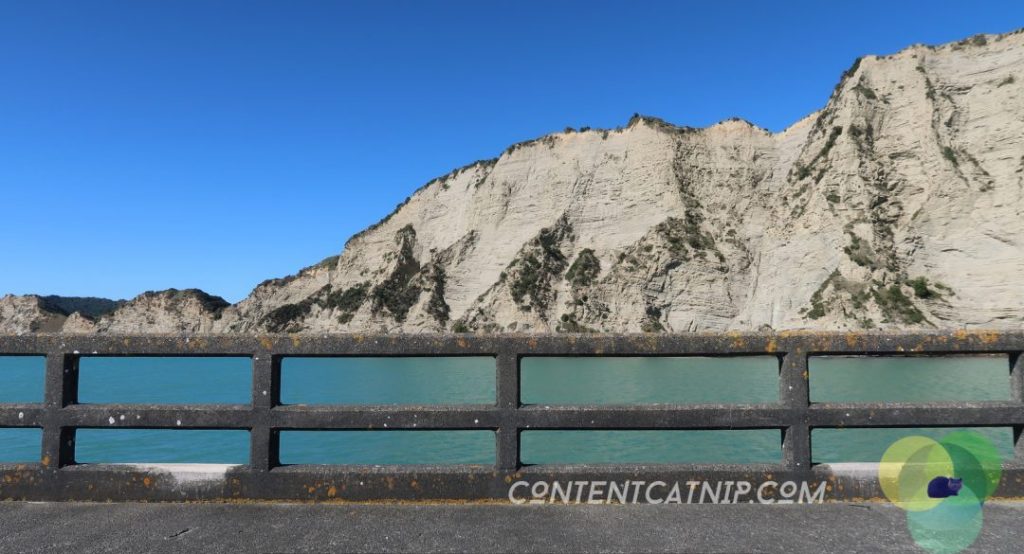
Continuing up the eastern cape, we came to Tolaga Bay wharf.
This is a crumbling relic of a bygone era that has been faithfully restored by
the local community. It stretches out 100m and used to be used to ferry goods
to the area before the Second World War, after this it fell into disuse.
Walking along it with the white cliffs, the whole area was very scenic and
great for photos.
We stopped along the way in Tokamaru Bay. This area had a
real hippy, slightly abandoned atmosphere, as though it had seen better times.
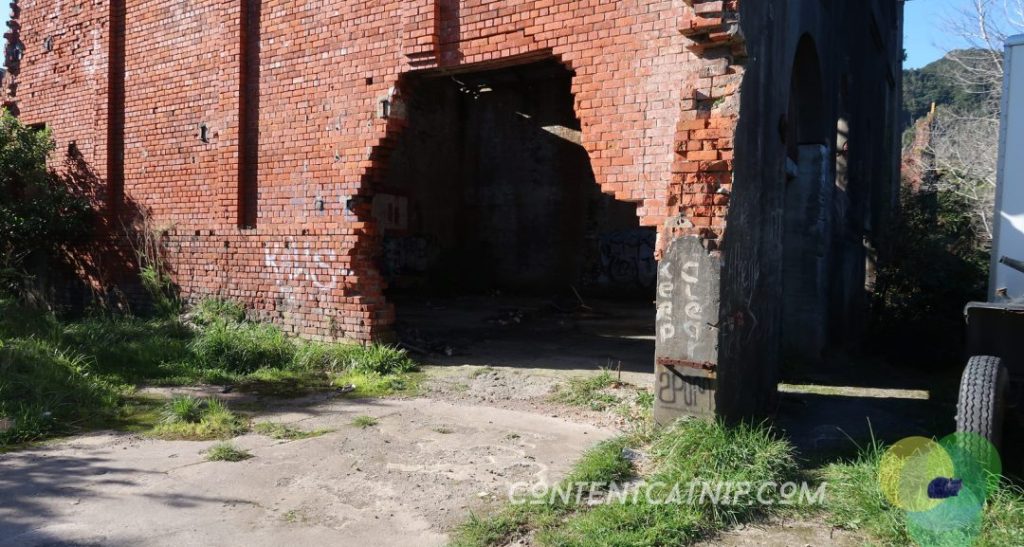
Some of the buildings had been completely abandoned, or otherwise looked
shabby, which gave an eerie feeling to the place. A tiny beach hidden in a cove
there with a jetty was home to some local artists and sculptors, what a lovely
place to go off the grid!
We ended up road trip through the East Cape in Pukehina
Beach, a little beachside hamlet located in the Bay of Plenty in the North
Island of New Zealand between Opotiki and Tauranga.
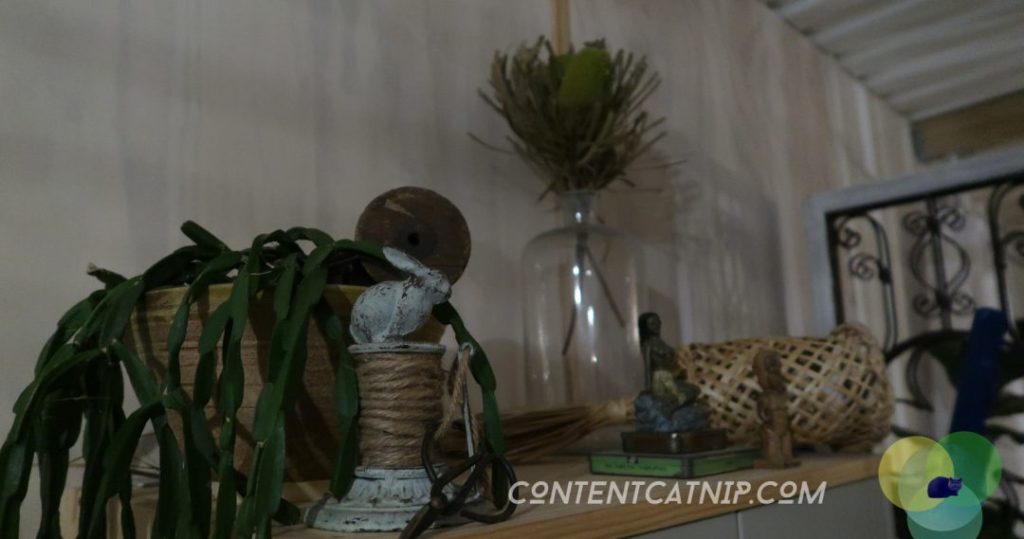
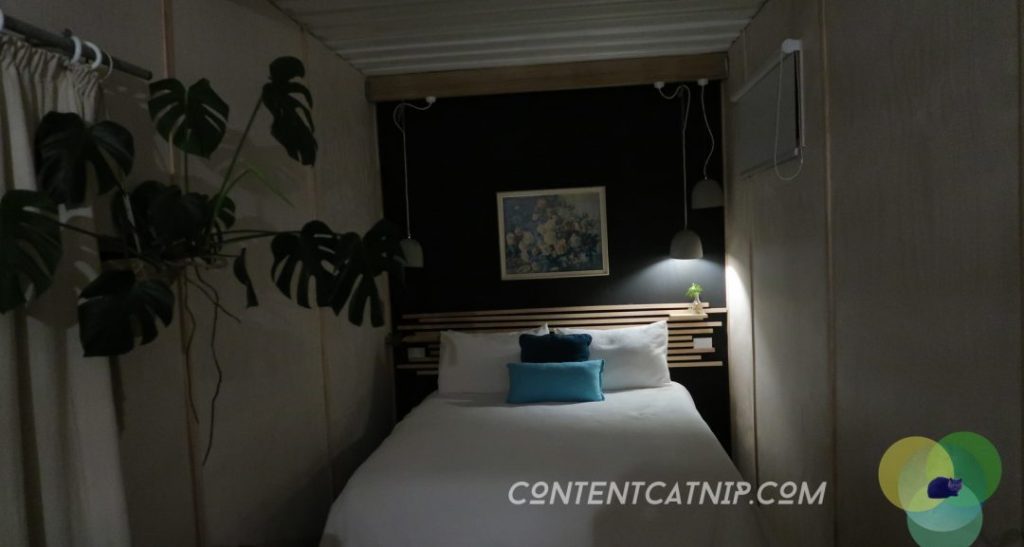
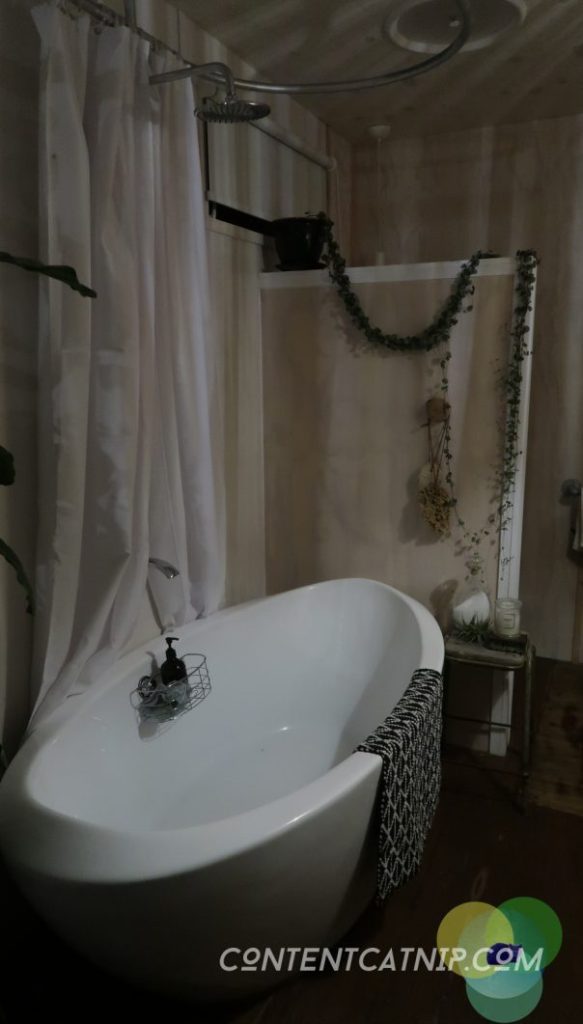
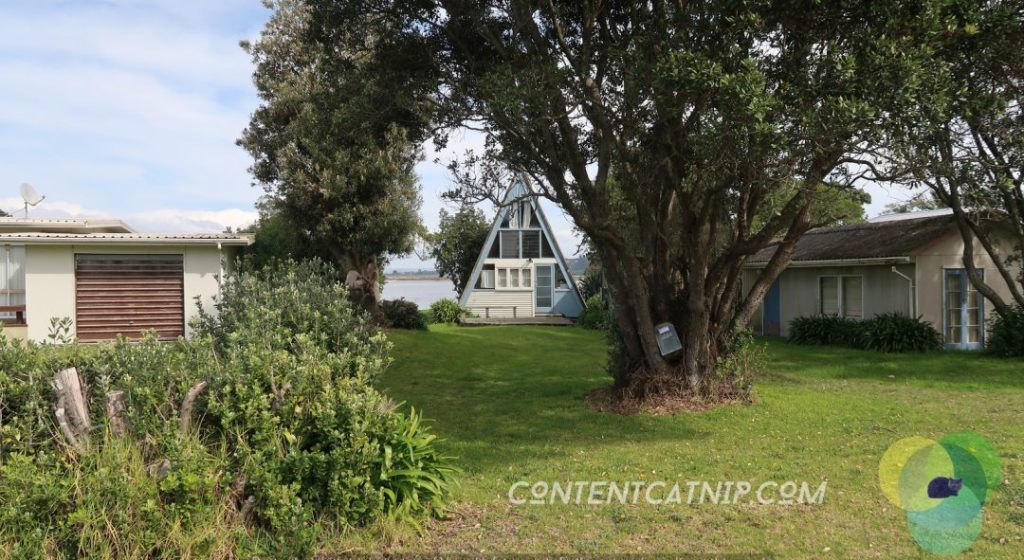
We stayed in an amazing accommodation there – a renovated
shipping container with funky retro décor inside.
Staying in a shipping container through Air Bnb Pukehina beach
The area features a long peninsula of land with the Pacific
ocean on one side and a wetlands behind it. A long, long road of about 10 km in
length features baches (Kiwi beach houses) and a quirky, arty, laid-back vibe.
There is one pub which doubles as both a café and dairy during the day along
with a small fish and chip shop. There is something genuinely Kiwi about this
place that made me want to live here.
Staying in a shipping container through Air Bnb Pukehina beach
Staying in a shipping container through Air Bnb Pukehina beach
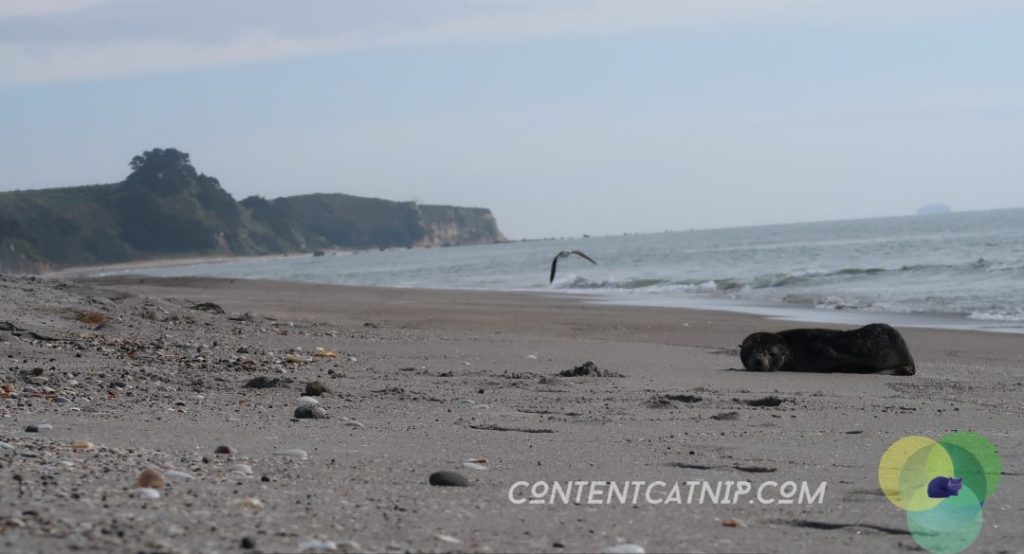
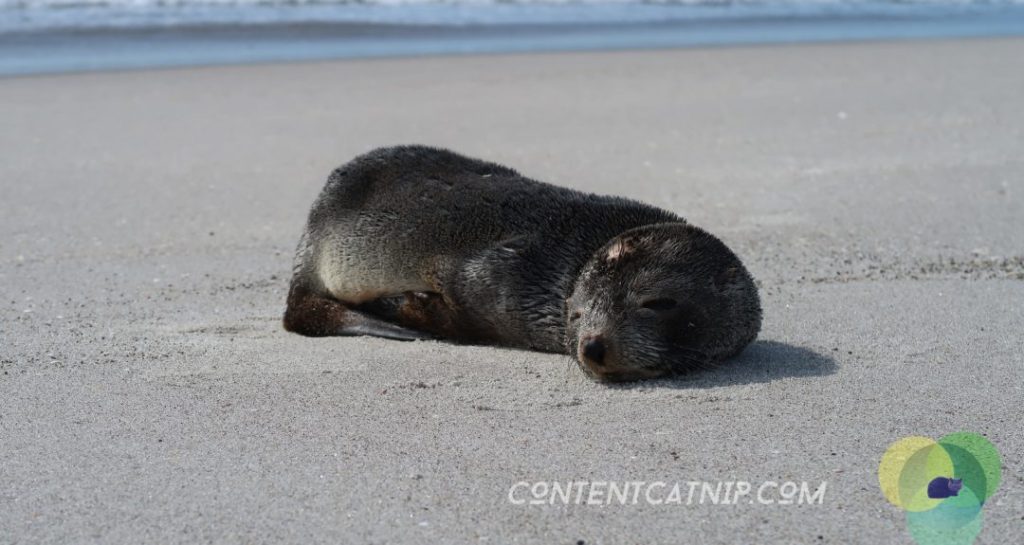
A seal on Pukehina Beach
A seal on Pukehina beach
A seal on Pukehina beach
Pukehina beach
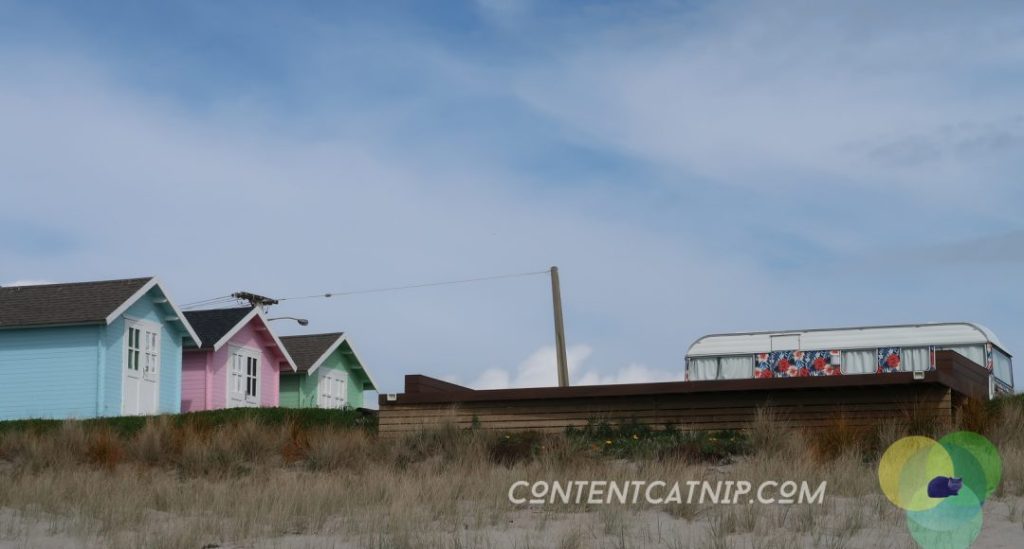
People have set up unconventional houses here, with
renovated corrugated iron sheds and shipping containers as homes. I really
admire this kind of DIY aesthetic, where anything goes and it’s a bit chaotic.
This kind of approach to design tends to result in a lot of weird eclectic
things which go towards making a place unique.
Pukehina beach
On the beach there were kms of houses facing the ocean,
along with vacant blocks. On browsing online I found that these blocks were
selling for about 300K. Not bad compared to Auckland prices. I had fantasies
about moving here, although really there’s nothing you could do here in terms
of work unless you either worked remotely, worked in the local fish and chip
shop or sold weed. Any of those options might work. It’s idyllic, very quiet,
and almost somnambulant in pace.
While walking along the sand we came upon a sea-dwelling
visitor. A baby seal which looked slightly bothered by us walking past. He
seemed to have a minor head injury, as though a dog had tried to take a piece
out of him. Although that didn’t stop this plucky little beast from rearing up
at us and chortling in a strange and amusing way.
A few years back I
made the mistake of calling up Department of Conservation about baby seal that
was wiggling itself perilously close to the road in Ruatoria, and was without
its mother. I was told by the ranger to leave it alone and let nature run its
course. This is a bit harsh in my opinion but anyway. So this time, seeing a
seal with a minor head wound – I knew not to meddle any further.
A seal on Pukehina beach
We also made a lot of aimless walks along completely remote
and windy stretches of beach, which was enjoyable. Collecting flotsam and
jetsam on the beach is pretty much compulsory on these journeys.















 Content Catnip
You must be logged in to post a comment.