Beyond cutely frolicking through meadows in Iceland and Scandinavia, arctic foxes are also aiding the local ecological balance in the way they keep house underground. Their dens are often a century old and topped with lush gardens and dune grass. The domains of arctic foxes are a splash of colour in an otherwise dull brown and grey Arctic tundra.
According to National Geographic scientists, these gardens create such a stark contrast on the tundra that scientists who recently published the first scientific study on the dens have dubbed the foxes “ecosystem engineers.”
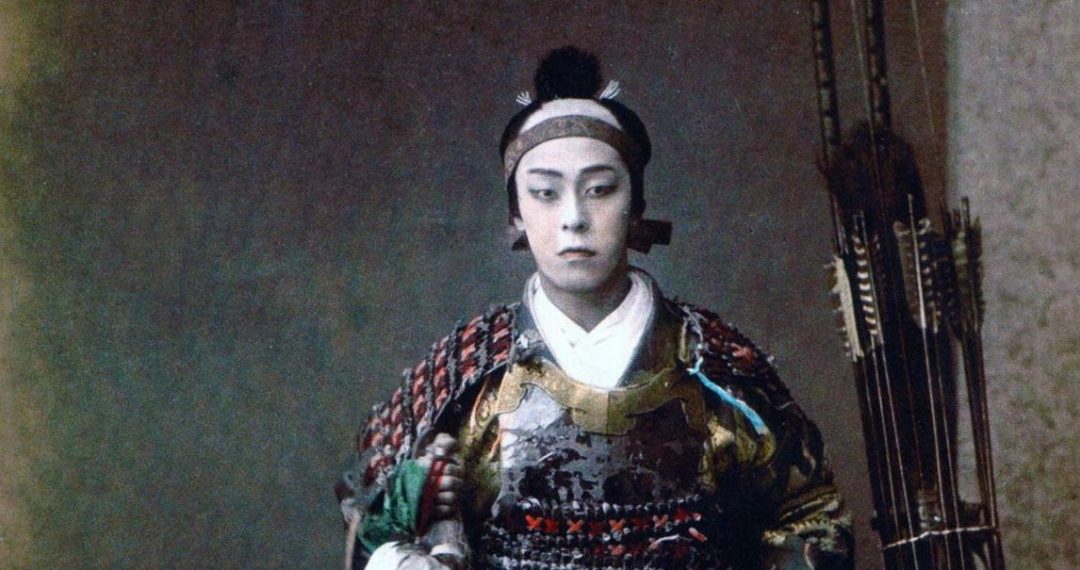
For roughly a thousand years, from about the 800s to the late 1800s, warfare in Japan was dominated by an elite class of warriors known as the samurai. Horses were their special weapons: only samurai were allowed to ride horses in battle.
Like European knights, the samurai served a lord (daimyo). In 1600, after a long period of conflict among rival daimyo, the victorious Tokugawa Shogun discouraged armed warfare but maintained the samurai’s traditional status. The sword and the horse remained symbols of their power.
Knights Versus Samurai
European knights and Japanese samurai have some interesting similarities. Both groups rode horses and wore armor. Both came from a wealthy upper class. And both were trained to follow strict codes of moral behavior. In Europe, these ideals were called chivalry; the samurai code was called Bushido, “the way of the warrior.” The rules of chivalry and Bushido both emphasize honor, self-control, loyalty, bravery, and military training.
Death Before Dishonor
The samurai warriors who ruled Japan until the late 1800s followed a strict code of behavior. Proper behavior was so important that a samurai would kill himself rather than accept dishonor. Most samurai carried a special sword called a wakizashi for this purpose.
No Guns For Shoguns
In the late 1500s, the Japanese had more guns than any nation in Europe. Using guns, an army of peasants could be very powerful, threatening the social order. So in the 1600s, the samurai leaders, or shoguns, banned guns. With their traditional power secured, the samurai ruled in peace for 250 years.
Cut Copy are electro-pop icons of Australia. The band is known primarily for glitchy, synth-laden and uplifting beats that are perfect background music for pool-side BBQs in the endless Australian summer.
Although quite unexpectedly this September, Cut Copy released a limited edition, 44 minute collection of ambient music entitled the January Tapes. It’s their first release since 2013.
According to frontman Dan Whitford, January Tapes exemplifies the band’s new age meanderings and could provide a hint as to what comes next.
“I think a lot of people with casual interest in our music or just a bit of knowledge of what we’re about might think it’s a bit odd that we’d work on an ambient tape idea, but I think we’ve always sort of had a pretty solid interest in ambient music and experimental music. Certainly those influences appear in our albums – an idea might get incorporated into a track as a detail than really be front and centre. We explored those ideas that in the past had been incidental and turned them into the point of the whole project – the more esoteric ideas, taking them and really expanding on them and exploring them. We wanted to try and make something different from what we would usually make.” – Dan Whitford.
Melbourne’s Cut Copy have been around the block quite a number of times. Originally a solo project for DJ and Graphic Designer Dan Whitford, the band grew out of Whitford’s interest in dance music in the early 00’s.
He released demos to Modular Recordings in 2001 and they subsequently signed him. Bennett Foddy and Harry Howard later joined the band which got its name from a random place – the wandering of a mouse on a computer screen to the words Cut/Copy – the phrase soon grew on the band and they found it suited their mixing and production values perfectly.
Many praised albums and EP’s ensued for Cut Copy, such as 2008’s In Ghost Colours and its follow-up full-length Zonoscope in 2010.
The ambient album January Tapes arose out of a fascination for 70’s and 80’s New Age music, that were primarily released on cassette. The January Tapes was released in September 2016 as a limited edition cassette prior to being available on ITunes and Spotify. It’s a sun-soaked and lush wandering into another world with some subtle nods to New Age innovators like Andreas Vollenweider and the Orb.
“There was some old Windham Hill stuff and some really odd almost hippy-looking kind of covers. A really bizarre range of tapes. I would love to go back to this guy’s house and tell him it was the inspiration for this project. The idea of a physical format is still really cool to me, even though it’s a bit outdated. Obviously tapes are really outdated. Most people have thrown away their Walkmans or whatever tape players they once had. It’s really only a limited range of people who can play this format. But I think that’s what makes it interesting. It’s almost one of those weird things that a lot of people almost like the idea of a tape but may not have a tape player. There is probably a percentage of people who have gone and bought it and don’t have a way of playing it. It would be kind of funny to release a completely blank cassette and half the people wouldn’t even know if they’d gotten music or not.” – Dan Whitford.
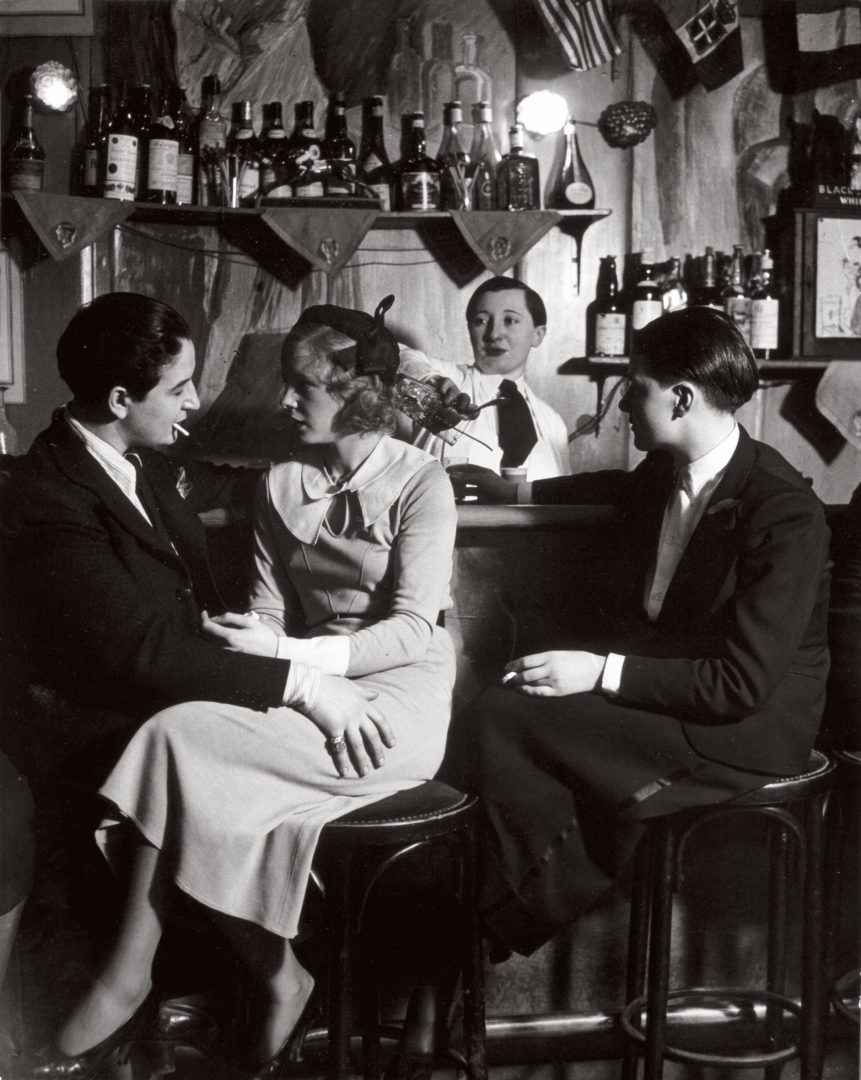
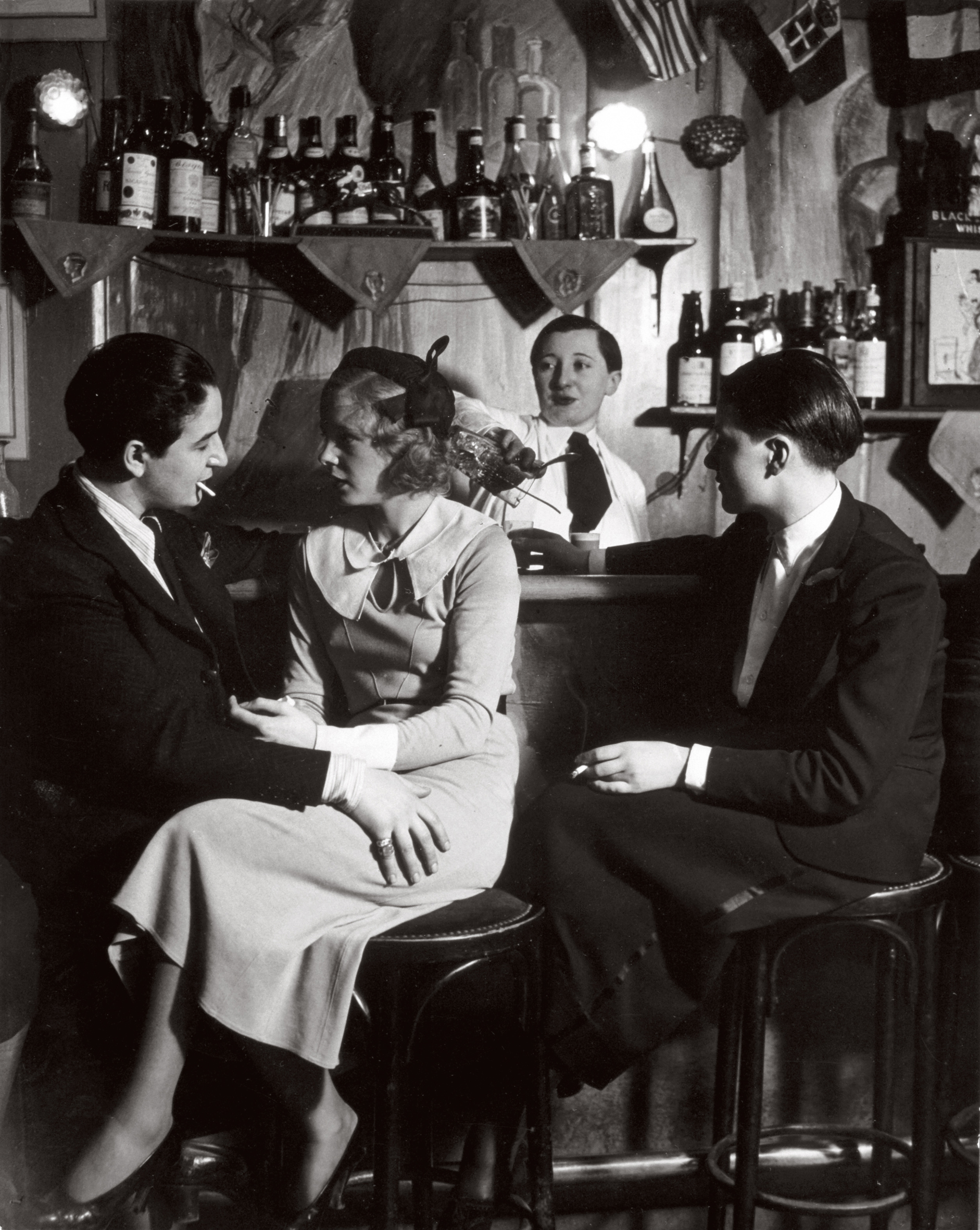
If you lived in Paris and particularly Montmartre during the 20’s and 30’s of last century then you were in for a night of debauchery and decadence after dark at a bar called Le Monocle. This part of Paris was where artists, bohemians, can-can dancers from the Moulin Rouge, business men, and the queer community all let their hair down and spent quality time together.
Montmartre is also the spiritual home of Amelie de Montmartre, ingenue and beauty – the character in my favourite film of all time. Le Monocle was a bar run by the formidable owner Lulu until it shut during World War II.
A tell-tale trend of being a lesbian at the time was wearing a monocle, so women wanting to signal and attract same-sex mates would wear one proudly along with a tuxe and cropped hair style.
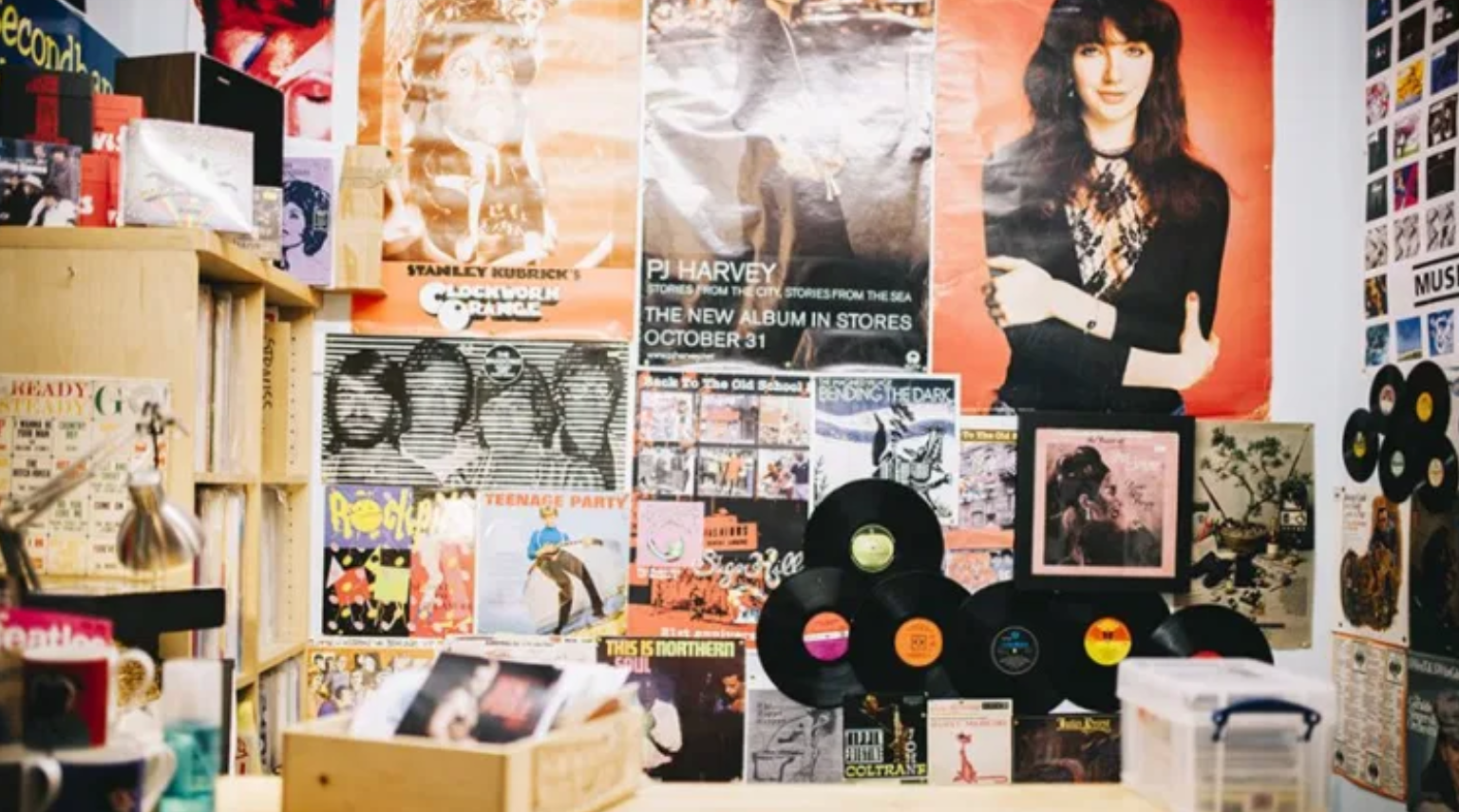
Pat Moon is the artist name of 26 year old musician Kate Davis. She’s a busy woman whose record label Track and Field in Portland Oregon is in its third year of existence and pulling in eclectic musical talent from LA, Australia and beyond.
Don’t Hide from the Light by Pat Moon is a holy cathedral-like epic album, with plenty of organs, soaring ethereal voices, echoing drum machines and synth. It’s an impressive album in scope and holds enough reverb and echoing spiritual cadences to please a group of medieval monks. “I would describe it as dark ambient”, Davis says. Download Pat Moon on iTunes
Davis is also a member of the Portland dream-pop band Cemeteries which released the great album Barrows in 2015. Don’t Hide from the Light is her first solo album and it shimmers with a unique spirit.
“It’s kind of about overcoming or figuring out the process of making this album, or like figuring out who I am and being okay sharing this part of myself.”- Kate Davis
“I have written music as Pat Moon for around two years now and I released my first album this summer. Half of the songs were written in the fall of 2015. I did some traveling last December and finished writing and recording when I returned to Portland, OR earlier this year. Playing music has been a part of who I am since I can remember. I grew up with my great grandmother’s piano in the house and writing and playing came very naturally to me at a young age. I listened to a lot of classical music and have memories of watching musicals as a kid and being totally fascinated by how the performers communicated through singing.” – Kate Davis.
In the sweeping, cathedral echoes of Don’t Hide From the Light, you can hear a certain vibrant religiosity and spiritual tendency to it. This is big exquisite music to listen to from on top of a mountain or in a vast sweeping meadow below the cathedral of a large open sky. The first thing that came to my mind on listening to this album was the strong influence of floating ethereal music like Kate Bush, Enya, and Cocteau Twins in the sound. I asked Davis if this was correct.
“No, not off track at all. Kate Bush and Cocteau Twins are both artists that I got really into in the last 3 or 4 years and are now two all-time favorites. It’s funny that you mention Enya too because I listened to her and a lot of new age music as a teen and in school, and you can definitely hear it in the music I wrote then I think. It’s not something I thought about when I made the album but I think that it’s still engrained in me somehow. Some big influences in my life right now are Molly Nilsson, Fever Ray, and Julia Holter to name a few.” – Kate Davis
Kate hopes that her music reaches far and wide and that she has the opportunity to tour.
“I really want to tour, yes! I’m hoping to do a small run of west coast shows in the spring. I love the songs so much more than the recordings and I feel like I can really bring them to life when I play them live. It’s an emotional experience for me but I don’t think there’s anything that I love more. My plan was to go right back into recording and working on an album to release next year, but I want to take some time to learn and I don’t want to rush it. I think there was a little bit of rushing when it came to this album because I was working and writing and playing alone and no one really knew about it, and it got to the point where I couldn’t keep it to myself anymore. I’ve been very fortunate to have a lot of support online from friends and I would love to reach more people in a real life environment.” – Kate Davis
I’m really glad to have had the opportunity to interview Kate Davis a.k.a Pat Moon and to share her lush and heavenly soundscapes.
You can hear the heavenly and exultant ambient music of Pat Moon along with other ambient treasures on this podcast by Slow Motion.
The Krazy Kat Klub (alternatively, Krazy Kat Club, Krazy Kat Klubb, etc.) was a Bohemian cafe, speakeasy and nightclub that operated at No. 3 Green Court near Washington, D.C.’s Thomas Circle during the early decades of the 20th Century. The club was run by portraitist and theatrical scenic designer Cleon “Throck” Throckmorton and its name was borrowed from the titular character of a comic strip that was popular at the time.
The Krazy Kat Klub’s entrance was in an alley that led out to Massachusetts Avenue, and during 1921 the entrance door bore a small sign reading “The Krazy Kat” along with a chalk-written warning at the top of the door that read, “All soap abandon ye who enter here.” The club included both an indoor dance floor and an outdoor courtyard for al fresco dining and art exhibitions. The courtyard featured a small tree-house, accessed by a ladder. The Club was also the site of painting classes during the 1920s.
In 1919, a reporter for the Washington Post described the Krazy Kat Klub as being “something like a Greenwich Village coffee house”, featuring “gaudy pictures created by futurists and impressionists.” It was also mentioned in the published diary of Washington, D.C. resident Jeb Alexander, who wrote that the club was a “Bohemian joint in an old stable up near Thomas Circle . . . [a gathering place for] artists, musicians, atheists (and) professors.”
The Krazy Kat Klub was raided by the police several times during the Prohibition period. One raid in February 1919 was reported as having interrupted a brawl inside the club, during which a shot was fired. The raid resulted in the arrests of 22 men and 3 women, described in a Washington Post report of February 22 as “self-styled artists, poets and actors, and some who worked for the government by day and masqueraded as Bohemians by night”.
Many people lament the death of ‘real cinema’ and ‘real films’ because of the number of people now downloading films illegally. This means that the investment into film is jeopardised by piracy.
Although the same was said about cinema being dead when Television first came out as well, right? Could streaming TV and films be the way forward? In any case, film hasn’t died or even faded, nor has independent cinema. It has gone from strength to strength when it comes to being loved and adored by audiences.
So what are the film classics of new century?
In the post-internet world, BBC Culture has brought together 177 film critics together to review world cinema since the year 2000. The BBC spoke to experts from academia, prominent film websites, film magazines and cinema curators.
See how many you’ve watched already and use this list to find some other classics to watch
On a personal note some of these films I downright hated or found annoying. You will be able to see myfavourites from this list in bold bold below, including my favourite movie of all time – Amelie. Happy watching.
100. Toni Erdmann (Maren Ade, 2016)
100. Requiem for a Dream (Darren Aronofsky, 2000)
100. Carlos (Olivier Assayas, 2010)
99. The Gleaners and I (Agnès Varda, 2000)
98. Ten (Abbas Kiarostami, 2002)
97. White Material (Claire Denis, 2009)
96. Finding Nemo (Andrew Stanton, 2003)
95. Moonrise Kingdom (Wes Anderson, 2012) 94. Let the Right One In (Tomas Alfredson, 2008)
93. Ratatouille (Brad Bird, 2007)
92. The Assassination of Jesse James by the Coward Robert Ford (Andrew Dominik, 2007)
91. The Secret in Their Eyes (Juan José Campanella, 2009)
90. The Pianist (Roman Polanski, 2002)
89. The Headless Woman (Lucrecia Martel, 2008)
88. Spotlight (Tom McCarthy, 2015) 87. Amélie (Jean-Pierre Jeunet, 2001)
86. Far From Heaven (Todd Haynes, 2002)
85. A Prophet (Jacques Audiard, 2009)
84. Her (Spike Jonze, 2013)
83. A.I. Artificial Intelligence (Steven Spielberg, 2001)
82. A Serious Man (Joel and Ethan Coen, 2009) 81. Shame (Steve McQueen, 2011)
80. The Return (Andrey Zvyagintsev, 2003)
79. Almost Famous (Cameron Crowe, 2000)
78. The Wolf of Wall Street (Martin Scorsese, 2013) 77. The Diving Bell and the Butterfly (Julian Schnabel, 2007)
76. Dogville (Lars von Trier, 2003)
75. Inherent Vice (Paul Thomas Anderson, 2014)
74. Spring Breakers (Harmony Korine, 2012) 73. Before Sunset (Richard Linklater, 2004)
72. Only Lovers Left Alive (Jim Jarmusch, 2013)
71. Tabu (Miguel Gomes, 2012) 70. Stories We Tell (Sarah Polley, 2012) 69. Carol (Todd Haynes, 2015)
68. The Royal Tenenbaums (Wes Anderson, 2001)
67. The Hurt Locker (Kathryn Bigelow, 2008)
66. Spring, Summer, Fall, Winter…and Spring (Kim Ki-duk, 2003) 65. Fish Tank (Andrea Arnold, 2009)
64. The Great Beauty (Paolo Sorrentino, 2013)
63. The Turin Horse (Béla Tarr and Ágnes Hranitzky, 2011)
62. Inglourious Basterds (Quentin Tarantino, 2009) 61. Under the Skin (Jonathan Glazer, 2013)
[Incidentally adapted from an eponymous book by the exciting author Michel Faber]
60. Syndromes and a Century (Apichatpong Weerasethakul, 2006)
59. A History of Violence (David Cronenberg, 2005)
58. Moolaadé (Ousmane Sembène, 2004)
57. Zero Dark Thirty (Kathryn Bigelow, 2012)
56. Werckmeister Harmonies (Béla Tarr, director; Ágnes Hranitzky, co-director, 2000) 55. Ida (Paweł Pawlikowski, 2013)
54. Once Upon a Time in Anatolia (Nuri Bilge Ceylan, 2011)
53. Moulin Rouge! (Baz Luhrmann, 2001)
52. Tropical Malady (Apichatpong Weerasethakul, 2004) 51. Inception (Christopher Nolan, 2010)
50. The Assassin (Hou Hsiao-hsien, 2015)
49. Goodbye to Language (Jean-Luc Godard, 2014)
48. Brooklyn (John Crowley, 2015)
47. Leviathan (Andrey Zvyagintsev, 2014)
46. Certified Copy (Abbas Kiarostami, 2010)
45. Blue Is the Warmest Color (Abdellatif Kechiche, 2013)
44. 12 Years a Slave (Steve McQueen, 2013)
43. Melancholia (Lars von Trier, 2011)
42. Amour (Michael Haneke, 2012)
41. Inside Out (Pete Docter, 2015)
40. Brokeback Mountain (Ang Lee, 2005) 39. The New World (Terrence Malick, 2005)
38. City of God (Fernando Meirelles and Kátia Lund, 2002)
37. Uncle Boonmee Who Can Recall His Past Lives (Apichatpong Weerasethakul, 2010)
36. Timbuktu (Abderrahmane Sissako, 2014)
35. Crouching Tiger, Hidden Dragon (Ang Lee, 2000)
34. Son of Saul (László Nemes, 2015)
33. The Dark Knight (Christopher Nolan, 2008) 32. The Lives of Others (Florian Henckel von Donnersmarck, 2006)
31. Margaret (Kenneth Lonergan, 2011)
30. Oldboy (Park Chan-wook, 2003) 29. WALL-E (Andrew Stanton, 2008)
28. Talk to Her (Pedro Almodóvar, 2002)
27. The Social Network (David Fincher, 2010)
26. 25th Hour (Spike Lee, 2002)
25. Memento (Christopher Nolan, 2000)
24. The Master (Paul Thomas Anderson, 2012) 23. Caché (Michael Haneke, 2005) 22. Lost in Translation (Sofia Coppola, 2003)
21. The Grand Budapest Hotel (Wes Anderson, 2014)
20. Synecdoche, New York (Charlie Kaufman, 2008) 19. Mad Max: Fury Road (George Miller, 2015) 18. The White Ribbon (Michael Haneke, 2009)
17. Pan’s Labyrinth (Guillermo Del Toro, 2006) 16. Holy Motors (Leos Carax, 2012)
15. 4 Months, 3 Weeks and 2 Days (Cristian Mungiu, 2007)
14. The Act of Killing (Joshua Oppenheimer, 2012)
13. Children of Men (Alfonso Cuarón, 2006)
12. Zodiac (David Fincher, 2007)
11. Inside Llewyn Davis (Joel and Ethan Coen, 2013)
10. No Country for Old Men (Joel and Ethan Coen, 2007)
9. A Separation (Asghar Farhadi, 2011)
8. Yi Yi: A One and a Two (Edward Yang, 2000)
7. The Tree of Life (Terrence Malick, 2011) 6. Eternal Sunshine of the Spotless Mind (Michel Gondry, 2004) 5. Boyhood (Richard Linklater, 2014)
4. Spirited Away (Hayao Miyazaki, 2001)
3. There Will Be Blood (Paul Thomas Anderson, 2007) 2. In the Mood for Love (Wong Kar-wai, 2000)
Here are some curated images from Reddit’s Creepy Old Pics a subreddit that will give you the creeps for sure. Haloween is really about the Pagan ritual of Sammhuin, although some people claim that Haloween has Christian roots, there is no denying that the two Haloween and Sammhuin are culturally interrelated.
The idea of a scary holiday appeal to some. It’s one of the only times that it’s acceptable to don a costume and roam around as an adult and to revert back to world of make-believe. Therein lies its appeal. And yet, here are some vintage creepy images that may scare the crap out of you.
You have been warned…
Creepy ass dolls
The grisly reality of early Victorian medicine
Creepy mechanical doll that crawls along the floor – from the Victorian era
Be careful or they might hear you…Children of the Corn
The People of the Izu Islands in Japan (Colourised)















 Content Catnip
You must be logged in to post a comment.