
When you walk with ‘Kairos’ you learn how to tip yourself out of chronological time and are able to decommodify your footsteps to walk in sacred time and to the rhythm of your creative mind.
Category Archives: Ancient Word of the Day
Ancient Word of the Day: Humus

From the word ‘Humus’ come many of the words for being human and humility. For millennia and across many cultures, walking with your bare feet in the earth has been a sign of humility.
Ancient Word of the Day: Lavender

If you think that humble fragrance of lavender is only loved by aromatherapists and older ladies with a penchant for scented drawer sachets – think again. Lavender was officially the scent of elicit medieval sex, according to History of Sex author Kate Lister! Unlike exotic and expensive perfumes, lavender grows wild and plentifully all overContinue reading “Ancient Word of the Day: Lavender”
Ancient Word of the Day: Brumation

A word coined in 1965 by American Zoologist Wilbur W. Mayhew. Brumation denotes a state of torpor and sluggishness brought on by winter. Mayhew used the word to describe the cold-weather dormancy of reptiles. Brumation is also a term commonly used in Biology to describe the dormant period for reptiles. As with hibernation in mammals,Continue reading “Ancient Word of the Day: Brumation”
Ancient Word of the Day: Ubuntu

A beautiful and ancient word that denotes the deep collective power of empathy and humanity. Ubuntu is a Xhosa word that denotes sharing what you have. As in, my humanity is inextricably linked and bound up in yours. Ubuntu recognises that true healing is impossible without recognition of our common humanity and common destiny. ‘TheContinue reading “Ancient Word of the Day: Ubuntu”
The quirky meander through the origins of language in the Polish calendar

With a few exceptions that are Latin, the Polish month names of the year take more from the Pagan world of seasonal changes, rather than from the Latin calendar that we all know and use in English.
Ancient Word of the Day: Siamang
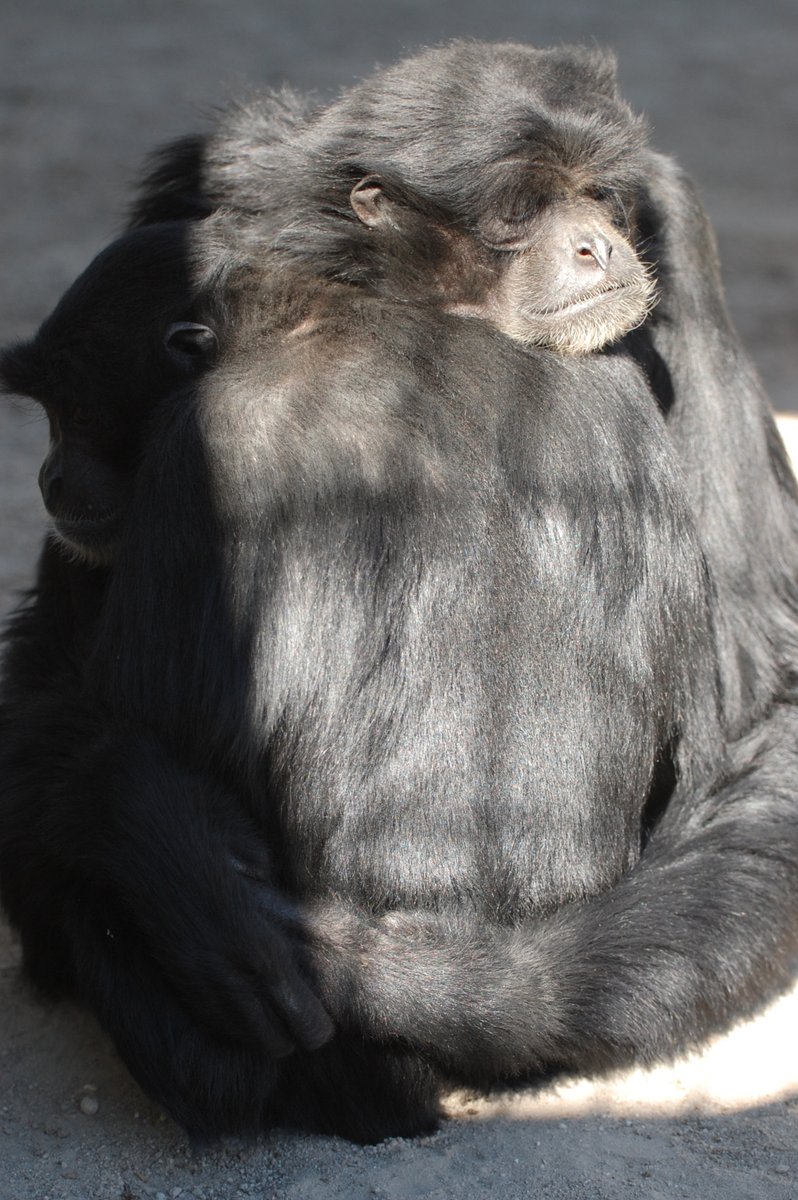
Endangered siamangs are the largest type of the gibbon family. They have distinctive black coats and communicate using a complex system of booming calls. They have gorgeous throat sacks that swell up as they sing together. Like other gibbons they form gregarious and close-knit family groups. They face a major existential threat from palm oilContinue reading “Ancient Word of the Day: Siamang”
Ancient Word of the Day: Sussurate

Sussurate: n: to whisper or murmur. The noise produced by a hive of bees, a rustling of leaves in the forest or the crackling of a fire It turns out that elemental experiences for ancient humans echo and whisper back over aeons and are universally received and recognised. No matter where we are on thisContinue reading “Ancient Word of the Day: Sussurate”
Ancient Word of the Day: Shizen
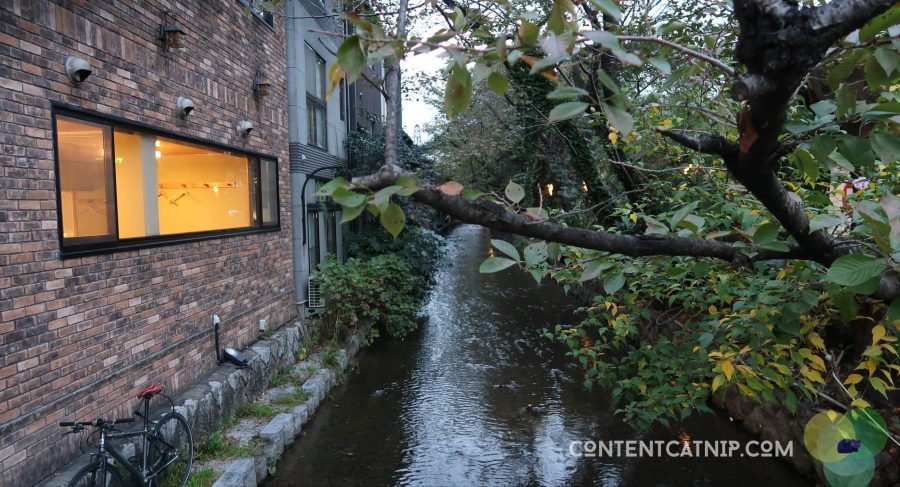
Nature is not separate from humankind in Japanese culture. It is a part of us. And the need to keep the two in harmony can be seen in every aspect of life, from the design of gardens that incorporate the natural landscape, to the design of houses that blur inside and outside by means ofContinue reading “Ancient Word of the Day: Shizen”
Ancient Word of the Day: Kodama

Many Japanese folk stories are about kodama, a kind of nature deity that lives in a tree, a bit like a Greek Dryad. Some people believed that kodama travel throughout the forest, moving from tree to tree. Others believe that they inhabit a particular tree.
 Content Catnip