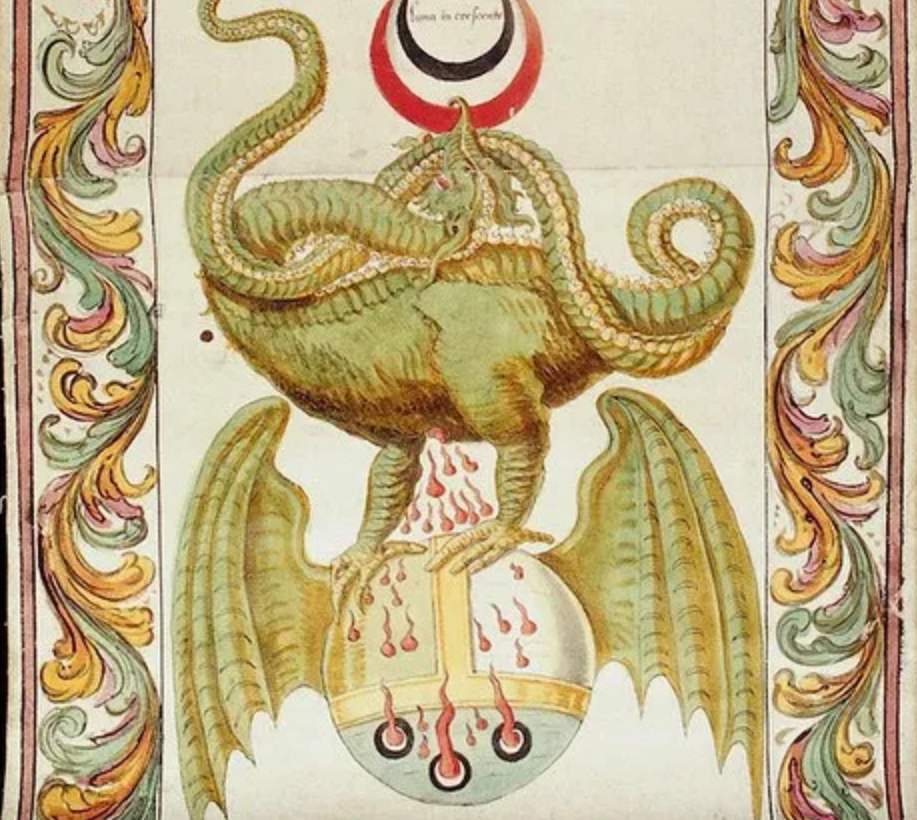
Khemeia: The extraction of juices for medicine, from Ancient Greek Related to the word Khumos meaning plant juice. This word khemeia travelled from Greece to the Medieval Arabic world where it came to mean al-khemeia or alchemy. The goal of alchemists was to bring a mystical fifth element known as the ‘quintessence’ from the divineContinue reading “Ancient Word of the Day: Khemeia”
Tag Archives: language
Ancient Word of the Day: Rema

Rema (Shetland Scots) The mirror-calm surface of the sea on a calm day. A body of water with a surface as smooth as cream. Comes from the Scots word “reyme”, meaning “cream”). Rjómalogn (Icelandic) Cream-calm, used to denote profoundly tranquil weather or sea. Arafin (Welsh) Calm or slow weather in Welsh. blikkstille./ blekkstille (Norwegian) AContinue reading “Ancient Word of the Day: Rema”
Ancient Word of the Day: Emacitus

Emacitus: The desire to buy things from Latin. The English version of this word ‘Emacity’ fell out of use at the beginning of the 20th Century. This was replaced by less beautiful terms to describe the same thing, such as shopaholic, consumerism and retail therapy. Emacitus derives from the even older Proto-Indo-European word Em YouContinue reading “Ancient Word of the Day: Emacitus”
E Pii, e Paa: A poem by Haare Williams

This week is Māori Language Week/ Te wiki o Te Reo Māori. So I will be sharing some beautiful poems, proverbs and words in Māori and English for you to enjoy. Here is a poem by Haare Williams from his incredible book of wisdom: Words of a Kaumātua. E Pii, e Paa tiny bees swarmingContinue reading “E Pii, e Paa: A poem by Haare Williams”
Ancient Word of the Day: Dam

Dam: To Tame or domesticate from Proto-Indo-European Other words that originate from Dam are: Domesticate: Hunter gatherer tribes needed to be able to trust dogs to watch out for bears, wolves and other carnivores. They had to be safe to keep around children and become domesticated. Tame: The first wolves were domesticated and made tameContinue reading “Ancient Word of the Day: Dam”
Ancient Word of the Day: Thule
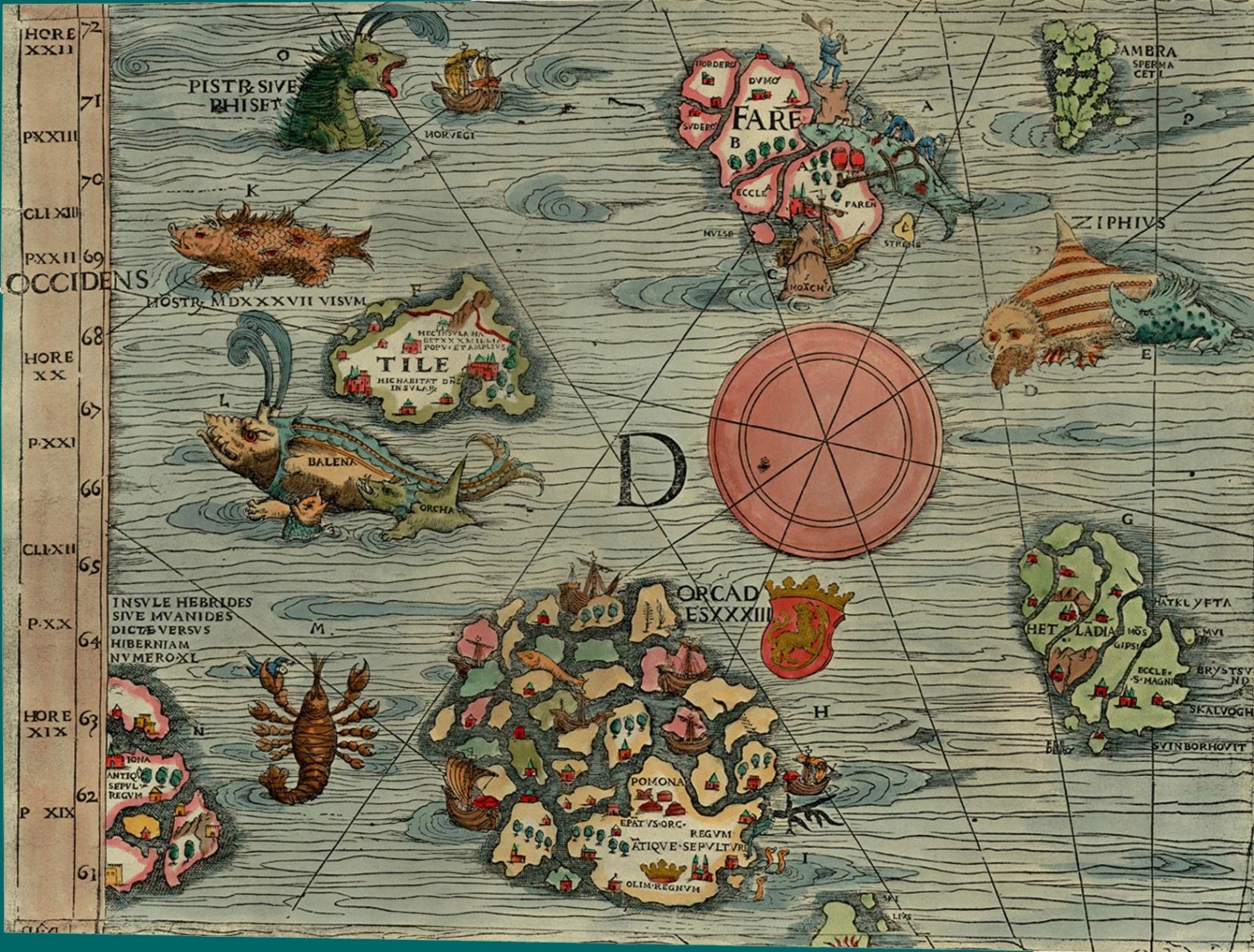
Thule or Tile is a legendary island in the North Europe, which was first written about by Ancient Greek Explorer Pytheas of Massalia during his travels between 330-20 BC. Later, a Roman citizen named Strabo wrote about Thule in his treatise named Geographica c. 30 AD. Thule – is the great unknown. The land ofContinue reading “Ancient Word of the Day: Thule”
Ancient Word of the Day: Bhleu

Bhleu: ‘To Blow or to swell’ from Proto-Indo-European Life flows and leaves, wind, clouds, fire and storms bhleu/blow. From this ancient word comes many other beautiful nature words we know and love today, such as: Blossoms Bulbs Bellows Blast Bleat Belly Bells Ball Balloon Bladder Blót, an ancient Norse rite of blood sacrifice, also derivedContinue reading “Ancient Word of the Day: Bhleu”
Ancient Word of the Day: An

An: ‘To breath’ from Proto-Indo-European If you empty your lungs you make an AHHHH sound on the exhale. The Proto-Indo-European word for this onomatopoeic sound is An. The word an remains the same in Anglo-Saxon, Old English, Icelandic, Swedish and Dutch. The ancient sound of an even exists within the word Human and Anmal. AfterContinue reading “Ancient Word of the Day: An”
Ancient Word of the Day: Serendipitist

Serendipitist: n. A person who benefits from a chance or serendipitous event Serendipity: happenchance or providence. This beautiful term was originally coined by writer Horace Walpole in 1754. Walpole was inspired by the ancient Persian tale The Three Princes of Serendip, about some titular characters who ran around in ancient Persia having some marvellous luckContinue reading “Ancient Word of the Day: Serendipitist”
10 Cool Things I Found on the Internet this week #26

Sometimes you just need a happiness infusion straight into your veins, so here is a little shot of endorphins I hope you enjoy it… A Day in the Life of my favourite artist family The lovely and soulful Bartons in their cosy den of creativity The macabre story of The Sorceress by Jan van deContinue reading “10 Cool Things I Found on the Internet this week #26”
 Content Catnip