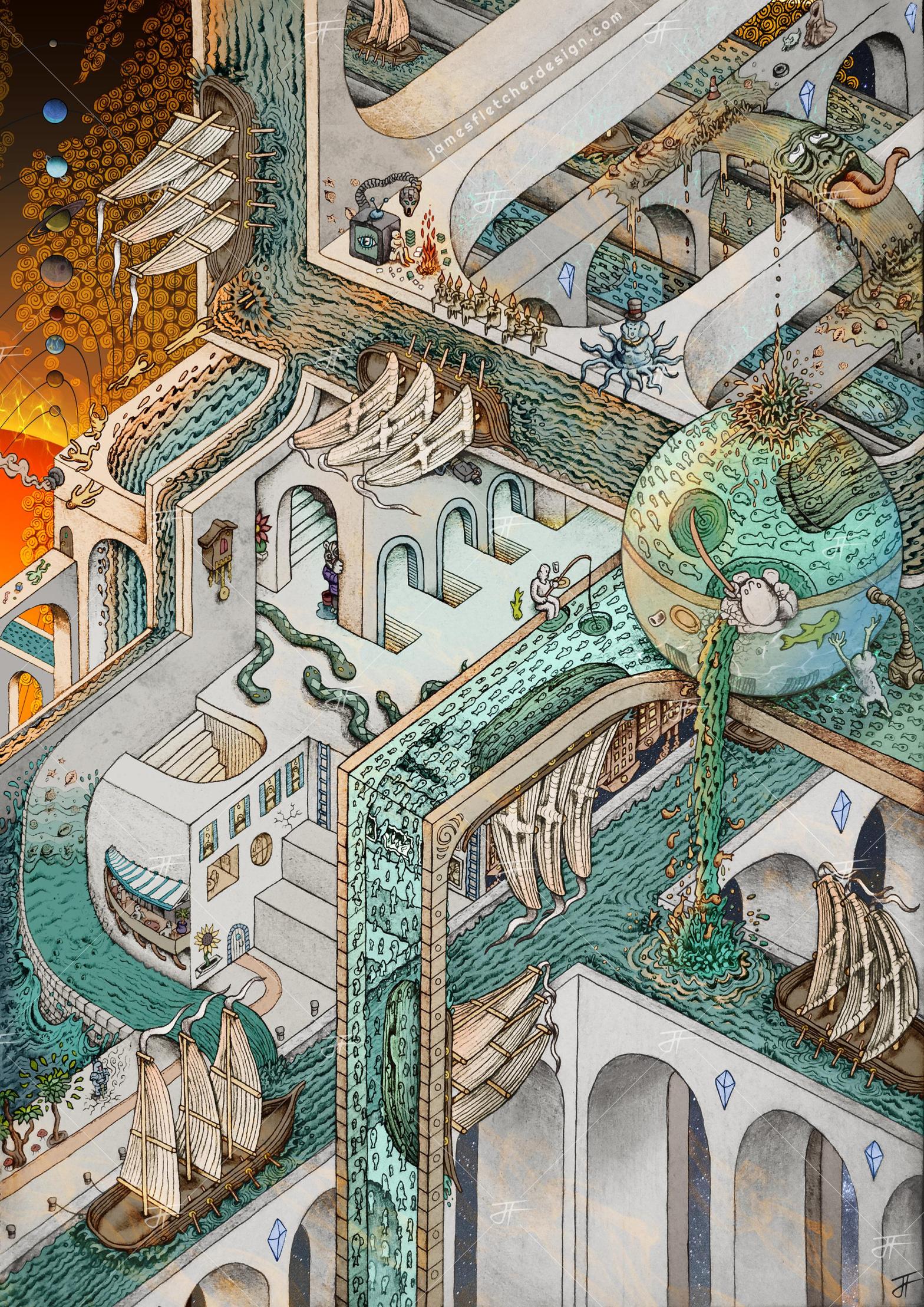
The interplanetary movements of celestial bodies is really having an effect on my aura this week, and so I made these notations below to calm myself down, the trembling stopped but suddenly my skin has turned bright green and scaly, might have to check in with you later…. The movement of the sun on theContinue reading “10 Interesting Things I Found on the Internet #51”
Tag Archives: art
Interesting Things I Found on the Internet #50

Hoooooey! the 50th edition of 10 Things! In this fat and bulging edition, we take a foraging foray into some rude relics, some ethereal ambient music, a few risque clips from the olden days, some inspirational animals of past and present and we journey into trippy realms with scientists. Hope you enjoy it. The rare,Continue reading “Interesting Things I Found on the Internet #50”
Ancient word of the day: Uncanny

The ancient word of the day is Uncanny. This is the feeling of encountering a landscape, person or object that is both frightening and unsettlingly dissonant. Freud coined a similar word for this “unheimlich”— which is to say, eerie and both homely and unhomely. I’m sure you would be able to recall some uncanny encounters,Continue reading “Ancient word of the day: Uncanny”
10 Interesting Things I Found on the Internet #49

Roll up, roll up to this multi-tent travelling circus of bizarro delights. I promise a hall of funny mirrors, weird alien creatures and music to get your hips thrusting, just be careful not to thrust openly on the train, but if you are in a car or in a bed with someone it may beContinue reading “10 Interesting Things I Found on the Internet #49”
Paperholm: A delicate ever-expanding paper universe
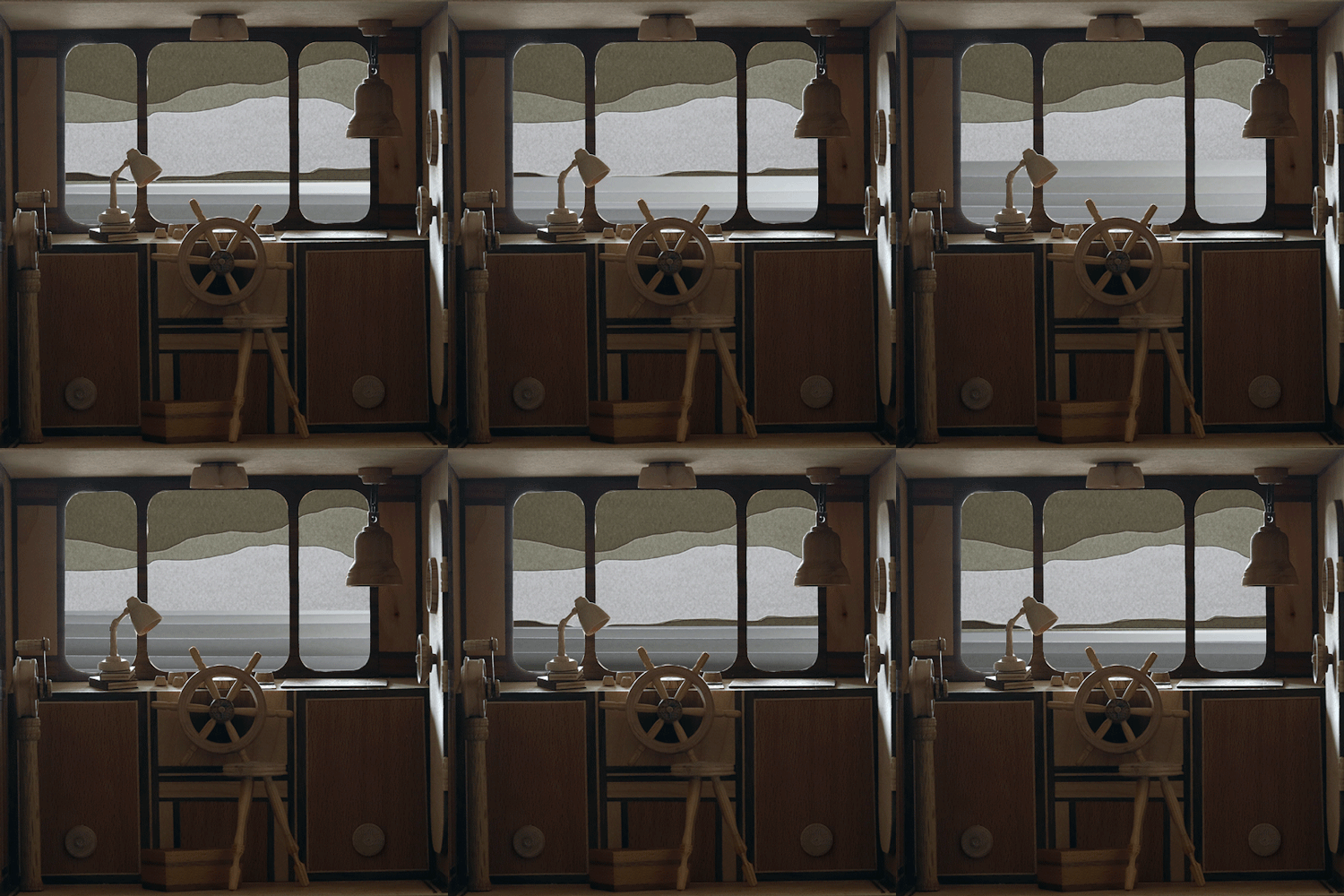
Paperholm is a tale of the dedication and tenacity of one very talented determined Scotsman named Charles Young. It all began in 2014 with 200 gsm watercolour paper and PVA glue. Young set himself the challenge of building a tiny paper model of a building every day for a year. Then 365 paper models laterContinue reading “Paperholm: A delicate ever-expanding paper universe”
10 Interesting Things I Found on the Internet #48
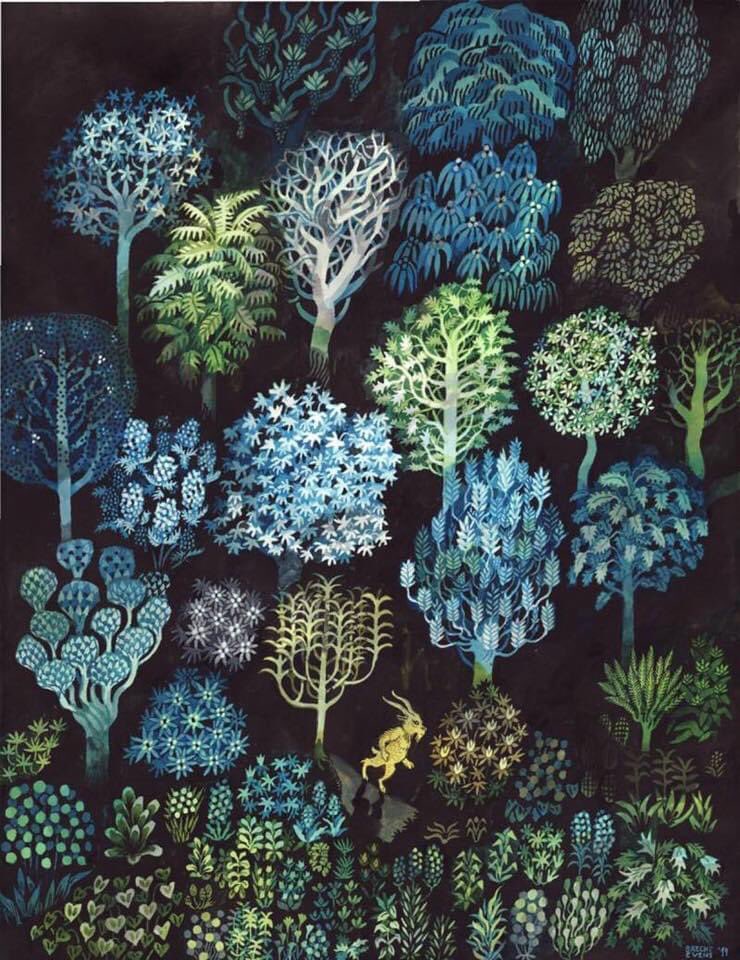
Take a magical mystery tour into the twilight zone with this week’s ten things which I carved out of a giant ancient stone from the red centre of Australia, I hope you like them! Sublime and summery jazzy hip-hop beats by Lewis Parker Even if it’s not summer where you are right now, this albumContinue reading “10 Interesting Things I Found on the Internet #48”
Book Review: Two Sisters: Unsolicited Advice to my Daughters by Małgorzata ‘Googie’ McCabe
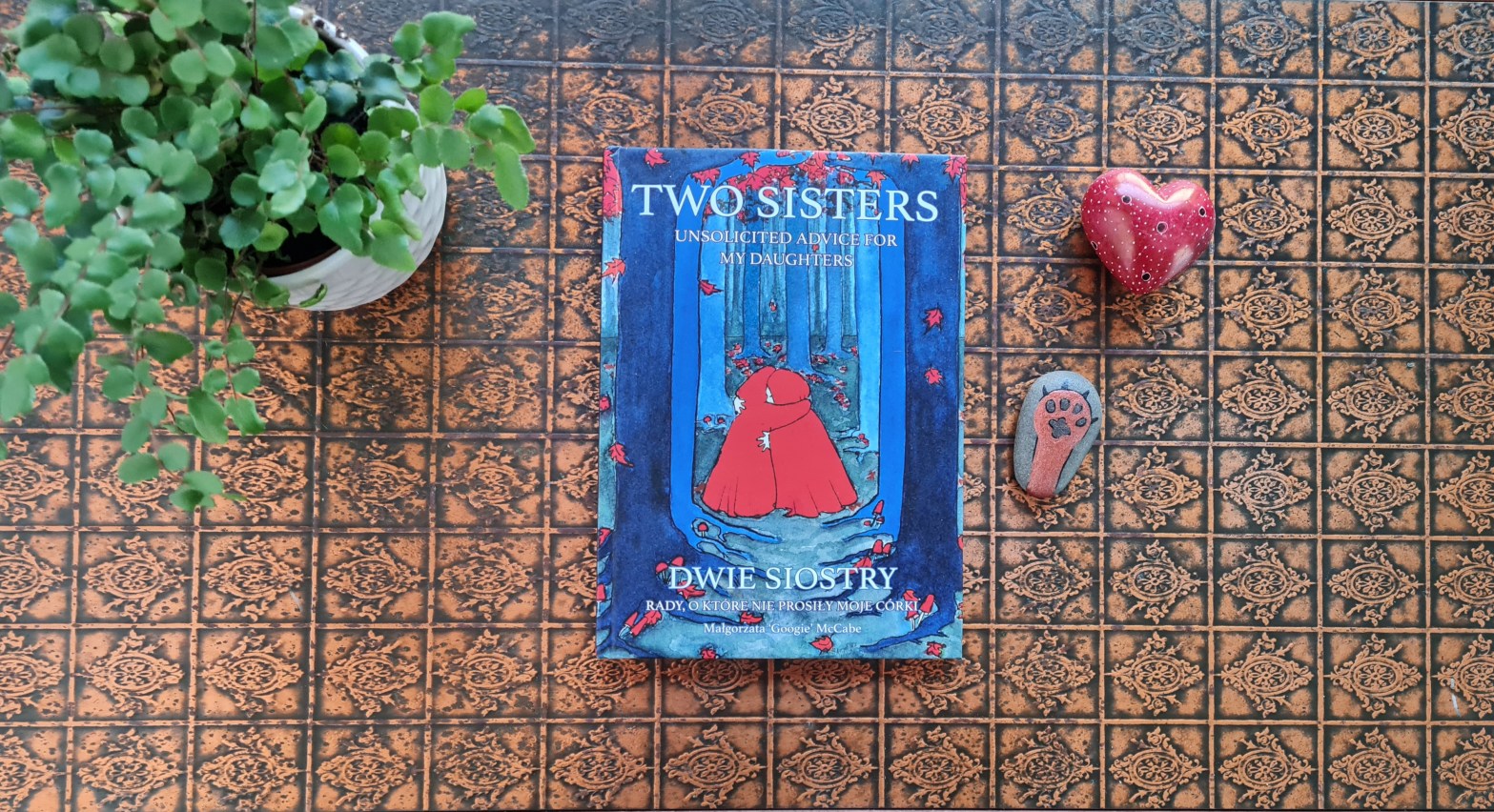
A beautiful compendium of universal wisdom that’s simple, wise, soulful and timeless. I fell in love with this book as soon as I saw it. The illustrations and words are by my wise and kind friend Googie McCabe who wrote this book for her two beloved daughters, as a way of healing and dealing withContinue reading “Book Review: Two Sisters: Unsolicited Advice to my Daughters by Małgorzata ‘Googie’ McCabe”
10 Interesting Things I Found on the Internet #47
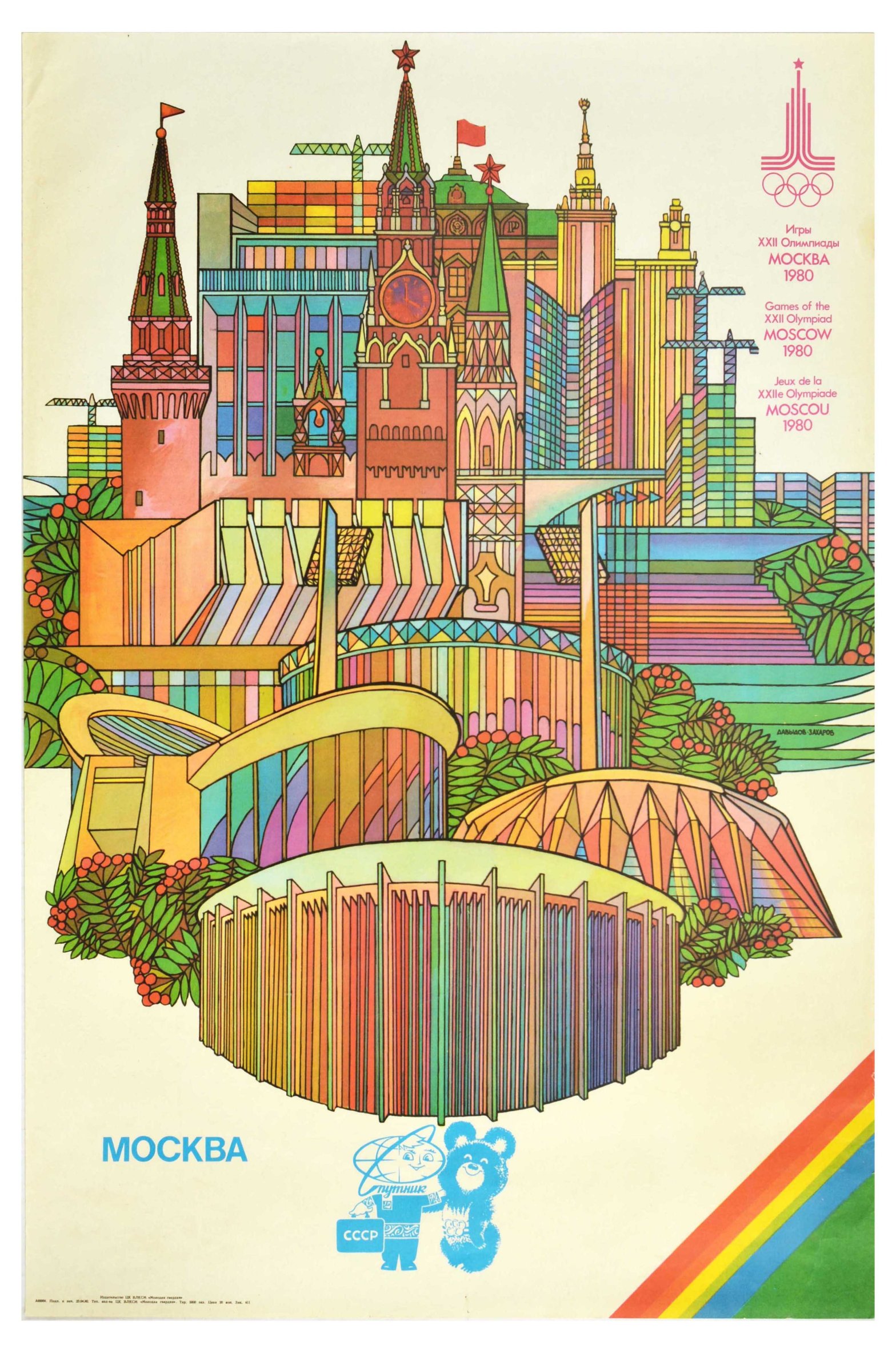
I hope you are sitting somewhere cosy and that you’re ready to have your senses delighted by this week’s interesting finds from the pelagic zone of the internet, where whale sharks and dugongs float by in Poseidon’s dreams… How to make flying dragons (1634) The flying dragon is somewhat troublesome to compose, it must beContinue reading “10 Interesting Things I Found on the Internet #47”
Book Review: Widow Basquiat: A Memoir by Jennifer Clement

A mesmerising portrayal of New York City’s art scene in the early 80s and one its luminaries: Jean-Michel Basquiat seen through the eyes of his partner Suzanne Mallouk. 🌟🌟🌟🌟🌟 Canongate Books 2014 If you are expecting a stock-standard art biography you are in for surprise. This is a strikingly different biography that is written inContinue reading “Book Review: Widow Basquiat: A Memoir by Jennifer Clement”
10 Interesting Things I Found on the Internet #46
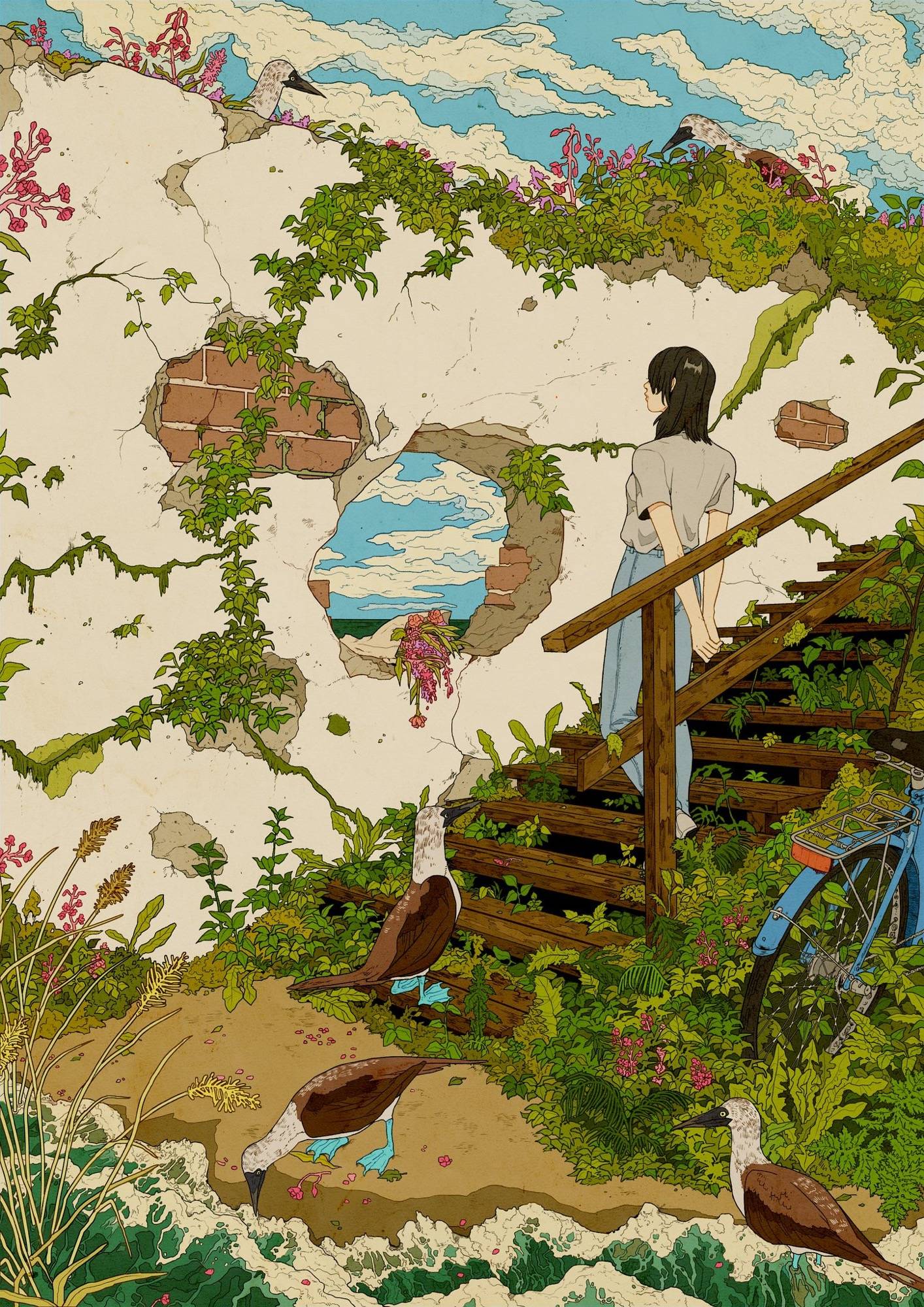
Bonjour et bienvenue. This weeks wild and wooly wonders blew off the neighbours washing line into my backyard and now I’m just sifting through them! The first lines of famous books infographic This infographic definitely makes me want to check out some of these books I haven’t gotten around to reading yet. What about you?Continue reading “10 Interesting Things I Found on the Internet #46”

