

Hibernal From Latin hībernālis (“wintry”), from hiems (“winter”), hibernal is term for something that refers to winter. On this, the long, long night of Winter Solistice of the southern hemisphere, the dawns and the gloamings grow ever deeper and more thickly velveteen black. Although this point in time marks the darkest, longest night and from this kernel grows the essence ofContinue reading “Ancient Word of the Day: Hibernal”
Tag Archives: Ancient Word of the Day
Ancient words of the day: Glamour and grammar

Glamour is an 18th Century corruption of the word grammar. Or the occult processes that were traditionally associated with learning during the middle ages. The words grammar and glamour are also associated with the word grimoire – a spell-book. Glamourie: witchcraft, magic, fascination or a spell Glaumerify: to cast a spell over or bewich Glamour-bead:Continue reading “Ancient words of the day: Glamour and grammar”
Ancient word of the day: Tsundoku

The Japanese word, “Tsundoku”, which literally means “reading pile”, dates back all the way to the Meiji era (1868-1912). It’s a unique word for which there is no English equivalent. If you’re an avid reader though, you will well understand that feeling…it’s pure happiness, the feeling of knowing that you have many more books readyContinue reading “Ancient word of the day: Tsundoku”
Ancient word of the day: Dægeseage
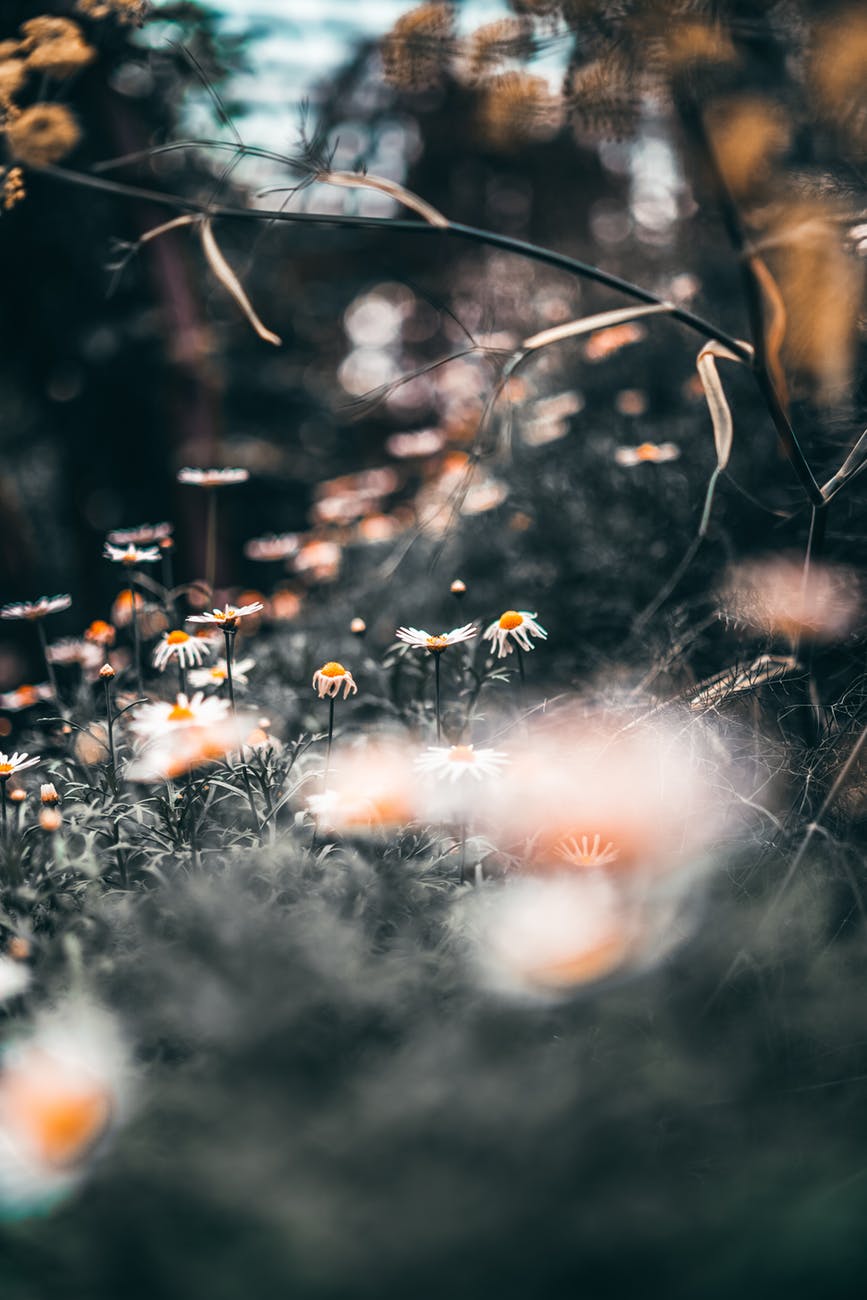
The ancient word of the day is Dægeseage. This is an old English word for daisy. The origin of Dægeseage is literally daisy or day’s eye. Which makes sense when you think about the quaint little flower and its tendency to follow the arc of the sun through the sky from dawn to dusk, soaking in as much light and goodness as possible.
Ancient word of the day: Bóithrín

The word bóithrín comes from small (ín) Cow (bó) path. This is a path can either be man-made or created by cow meandering. Bóthar for road and botharín for small road – in the diminutive form. This became boreen or bohereen in Hiberno-English.
Ancient word of the day: Landschapspijn
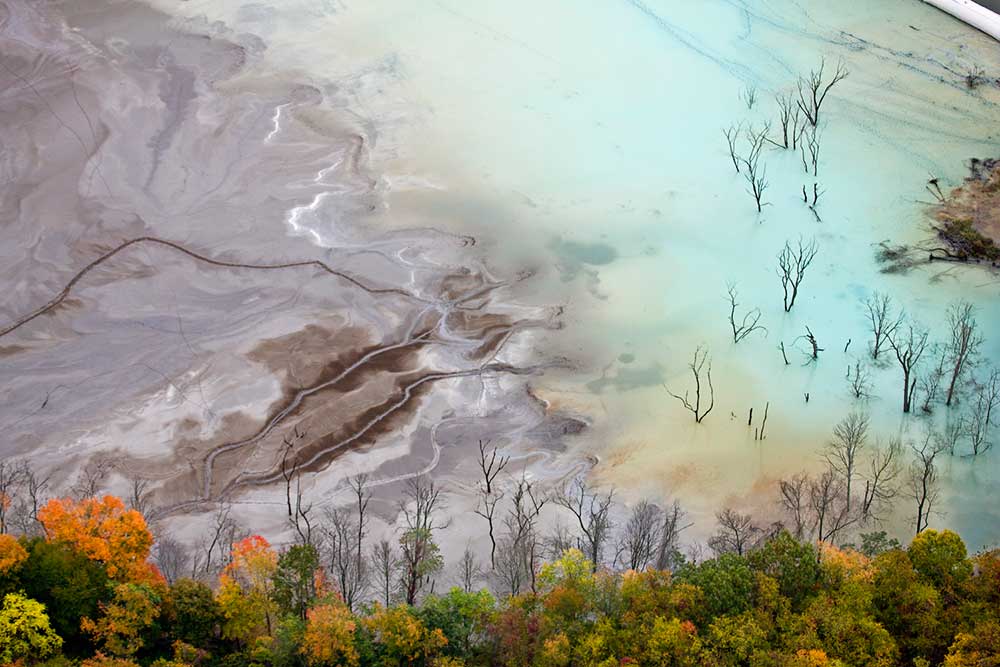
Landschapspijn comes from Dutch and translates to “landscape-pain”, “place-pain” (Dutch). This is a word with no real equivalent in English.
Ancient Word of the Day: Reave
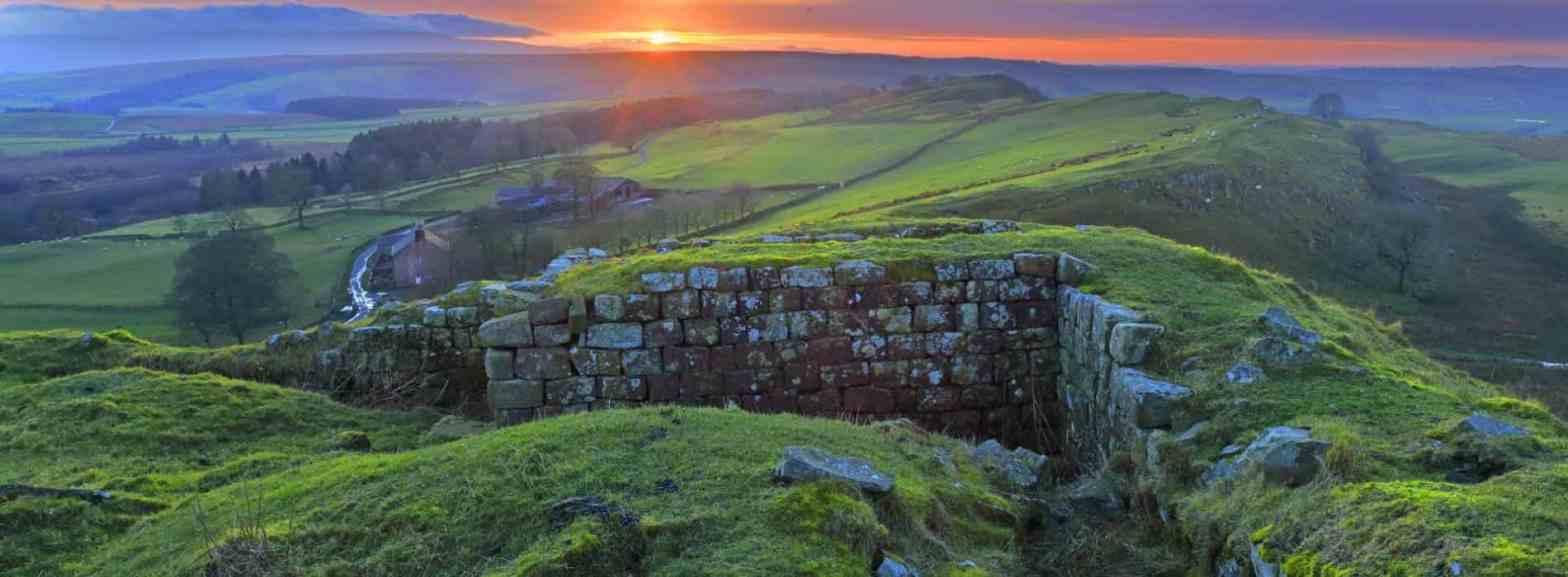
Reave A long and low boundary wall or bank, found especially on Dartmoor and in Devon, mostly now sunk back into the landscape. Also, as a verb, to tear, split, divide or cleave. Rof/rifa An Icelandic word meaning to rip or tear something. Rof á landi refers to the rupture of the top soils ofContinue reading “Ancient Word of the Day: Reave”
11 Archaic Words That Deserve Full Revival

Here are eleven words that I have collected in much the same way as other people collect smooth stones from a riverbed or iridescent shells from a beach. With so many words and shells floating around, how can you be sure that you have the prettiest ones? Here are eleven of my favourite ancient words,Continue reading “11 Archaic Words That Deserve Full Revival”
How Old Norse Became English: A Viking Epic
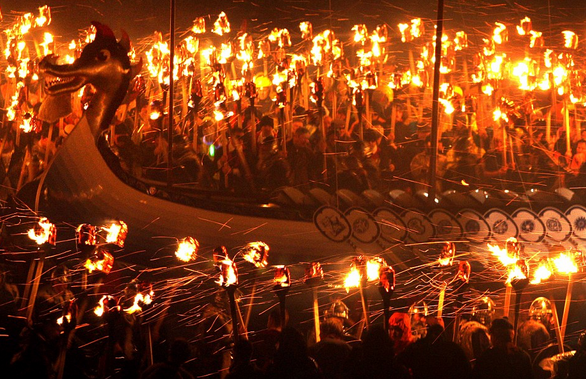
Now I can’t take credit for this one, I found it here on Babbel, but it was just so so so amazing that I needed to share it with all of you bookworms. I’ve written about Vikings before and I also love that Vikings drama series on History, soon be coming into its third season,Continue reading “How Old Norse Became English: A Viking Epic”
 Content Catnip
You must be logged in to post a comment.