
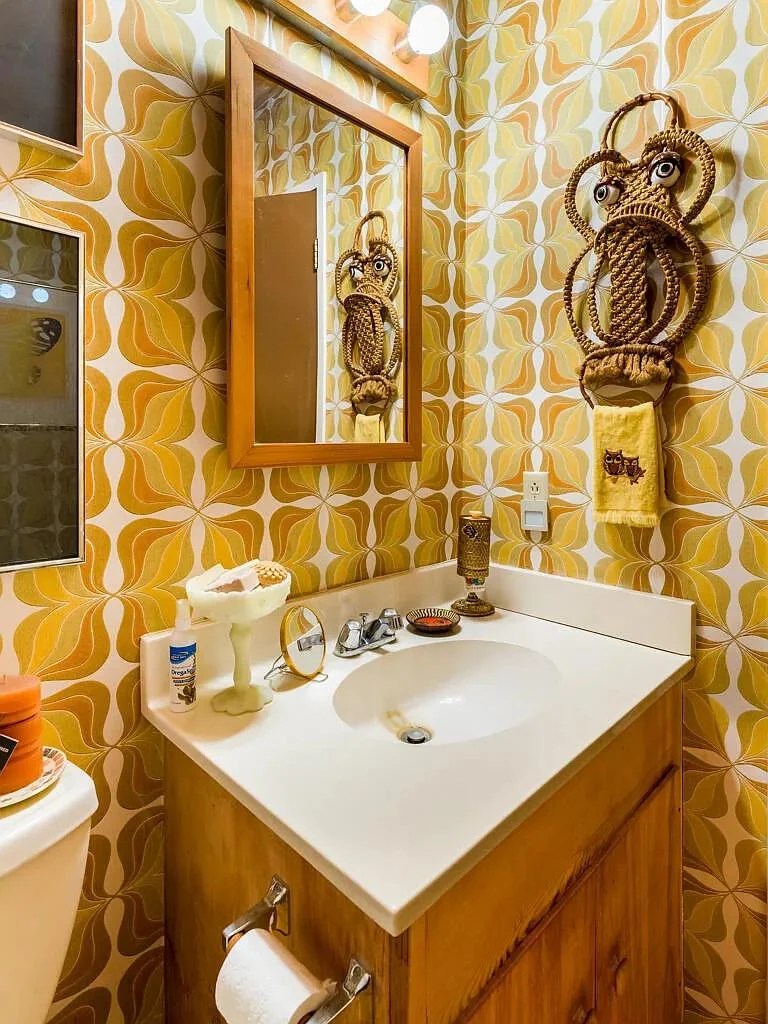
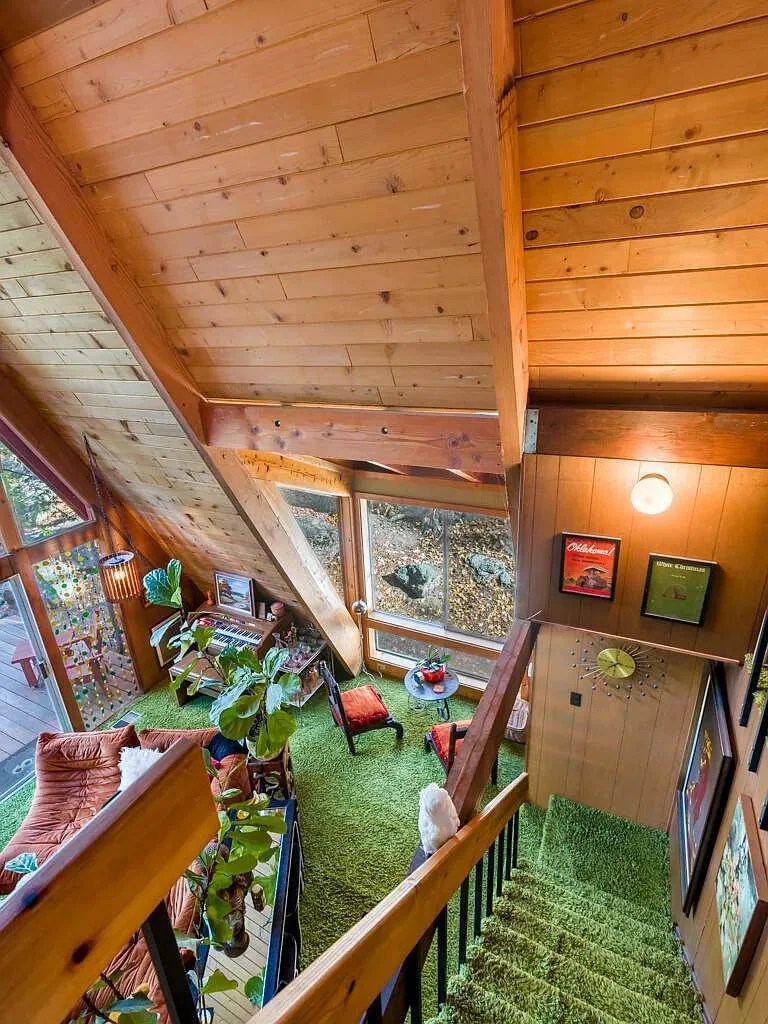
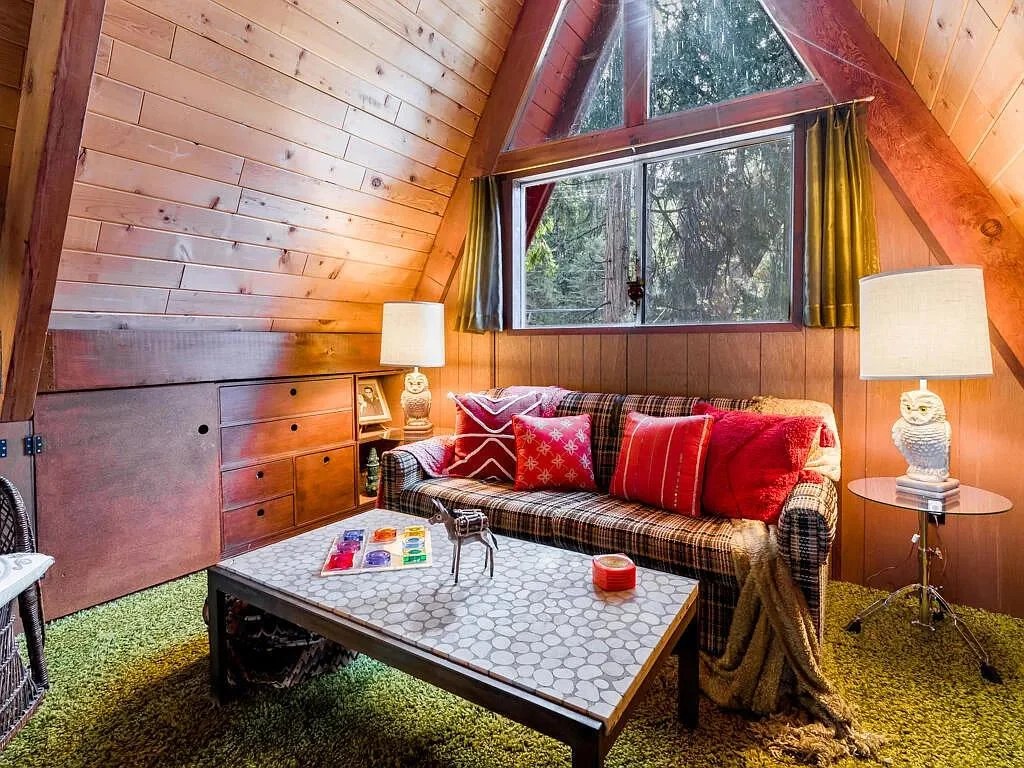
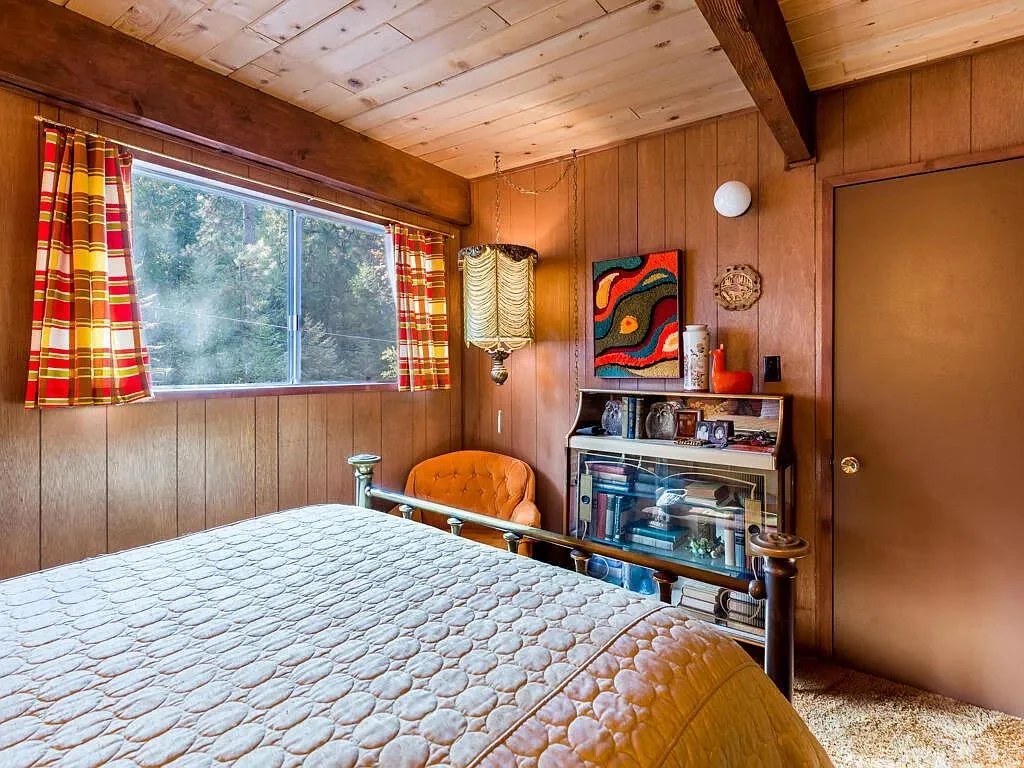
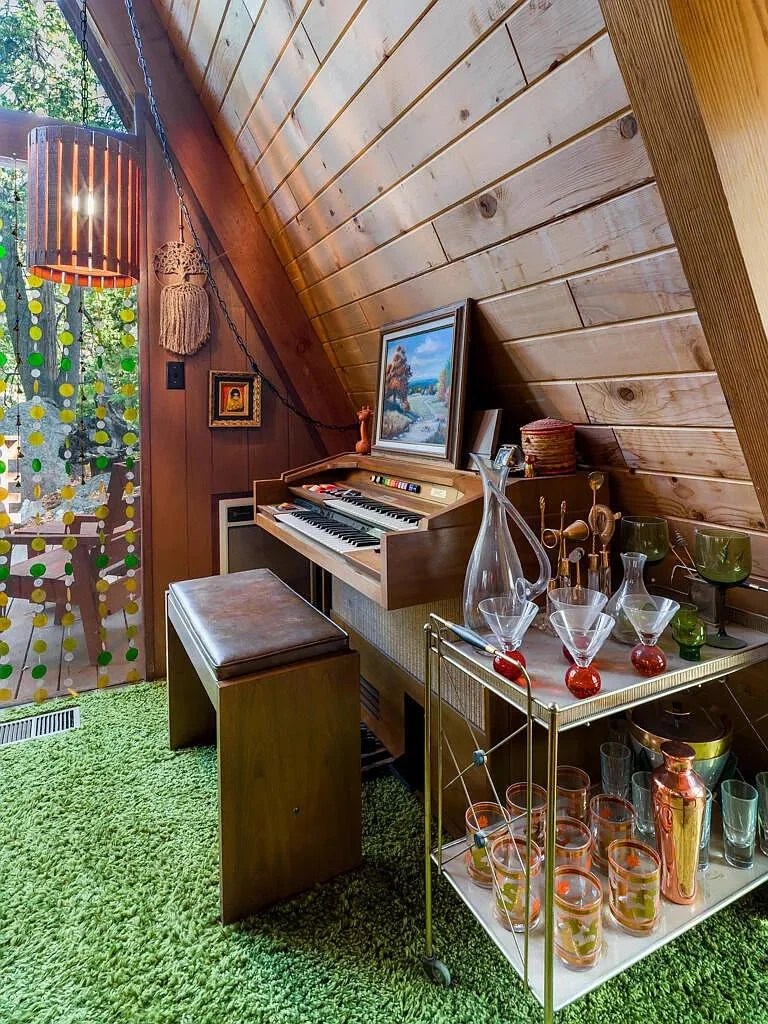
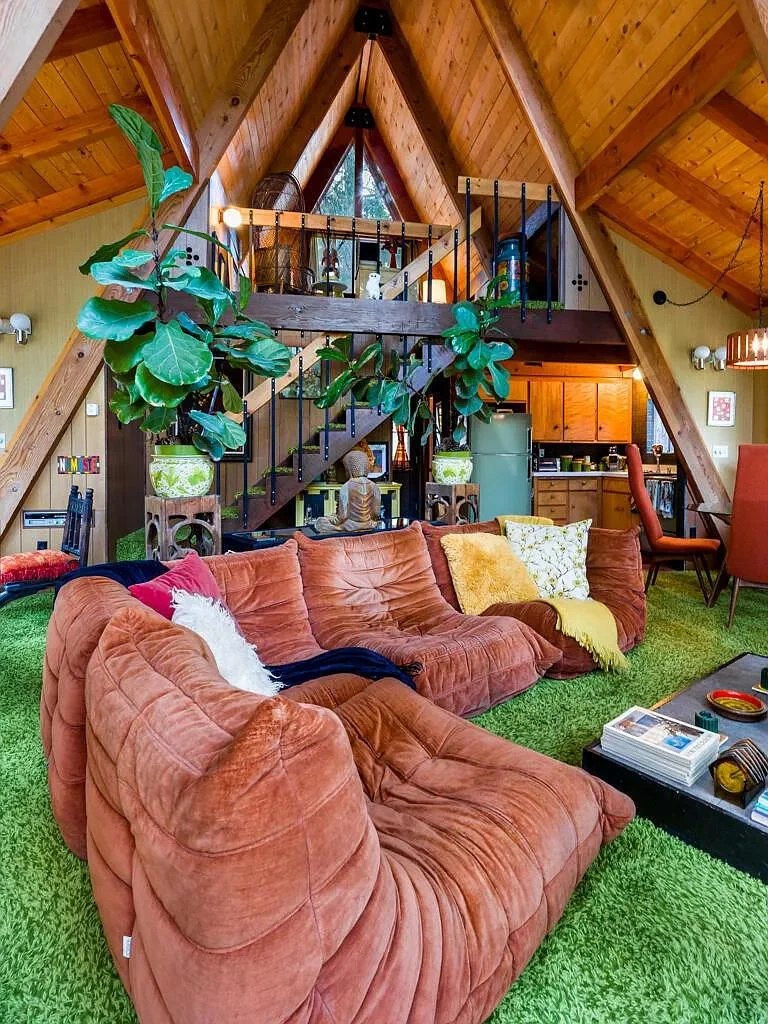
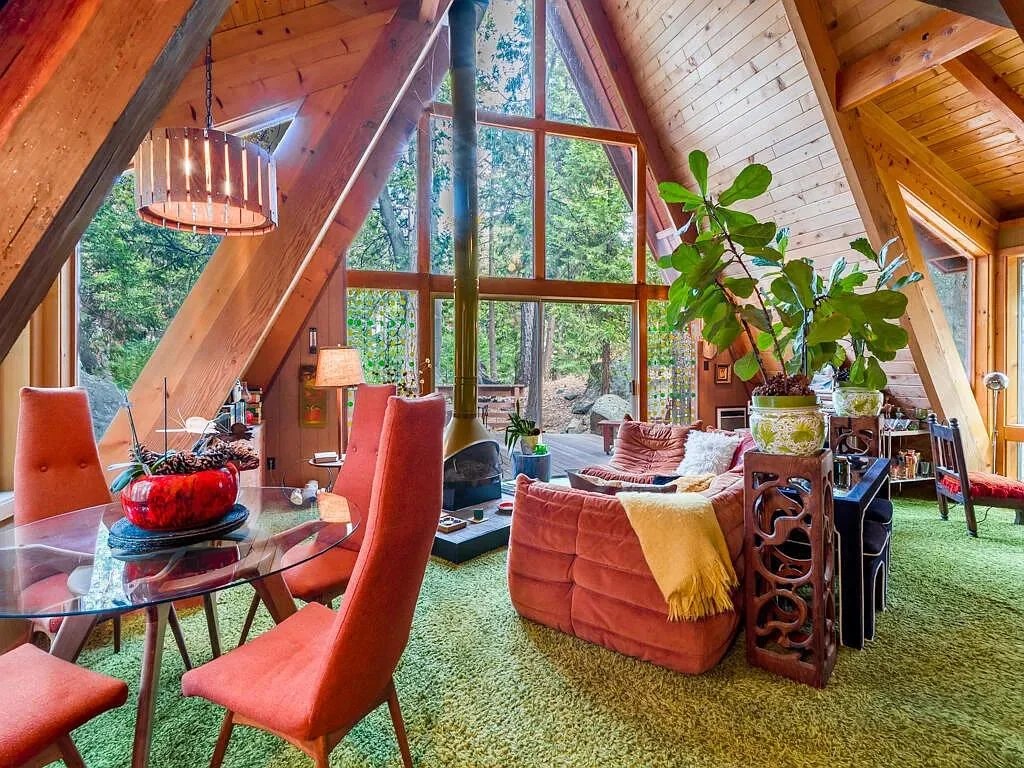
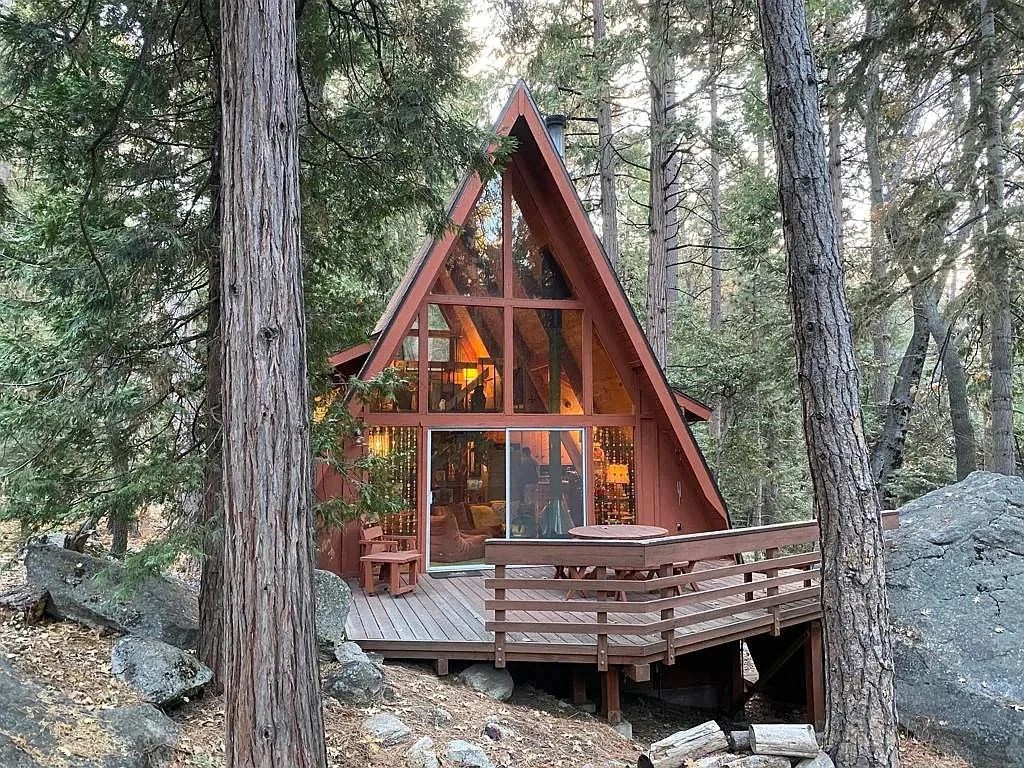
Hello 1970’s Dreamhome!
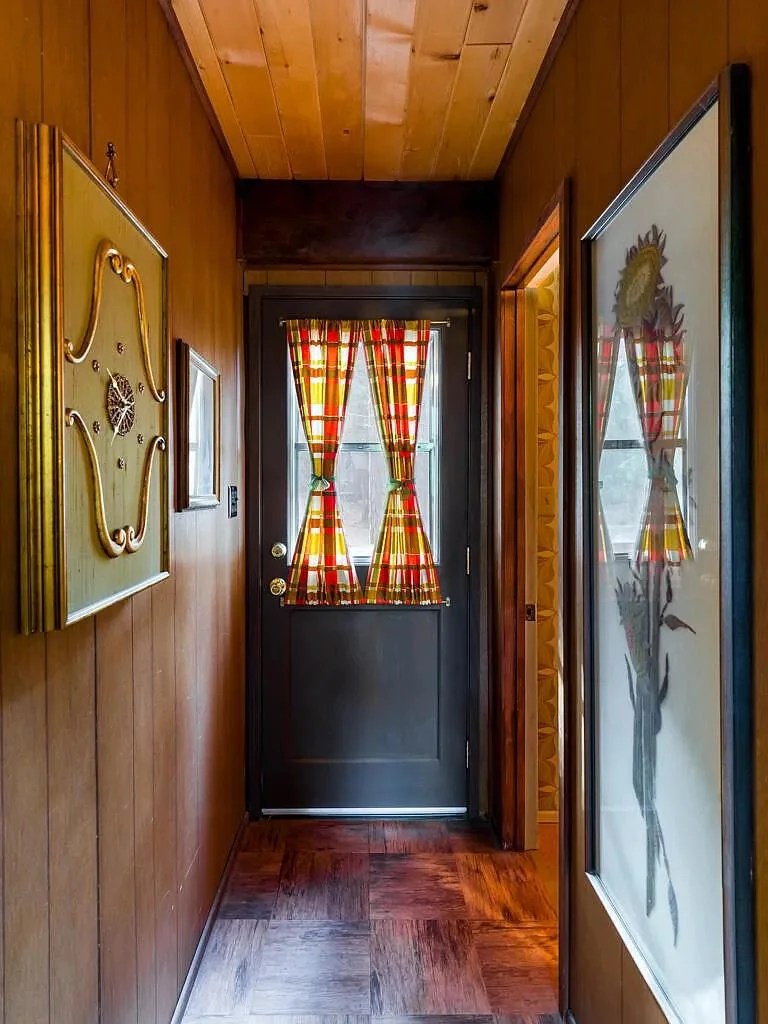
I love this aesthetic! The green shag carpet, the cute owl towel-holder, the gigantic plants, all of the fluffy and textural decor in warm colours…If I had one of these triangle forest cottages I would decorate it this way and when I was there with people I love I would feel so cosy…what do you think? Via 70’s Design on Reddit.
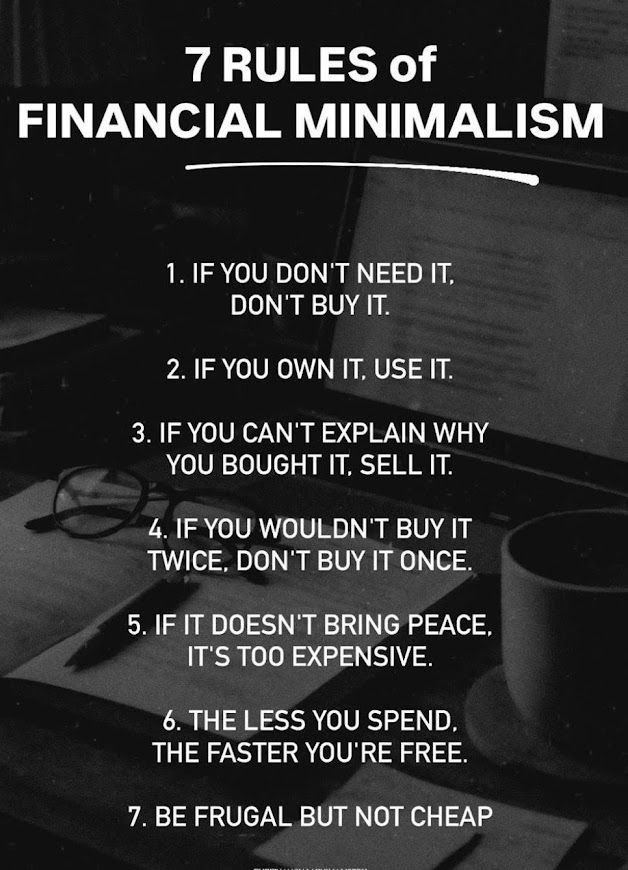
The 7 rules of financial minimalism
- If you don’t need it, don’t buy it.
- If you own it, use it.
- If you can’t explain why you bought it, sell it.
- If you wouldn’t buy it twice, don’t buy it once.
- It it doesn’t bring peace, it’s too expensive.
- The less you spend, the faster you’re free.
- Be frugal, but not cheap.
- Via EDC on BlueSky
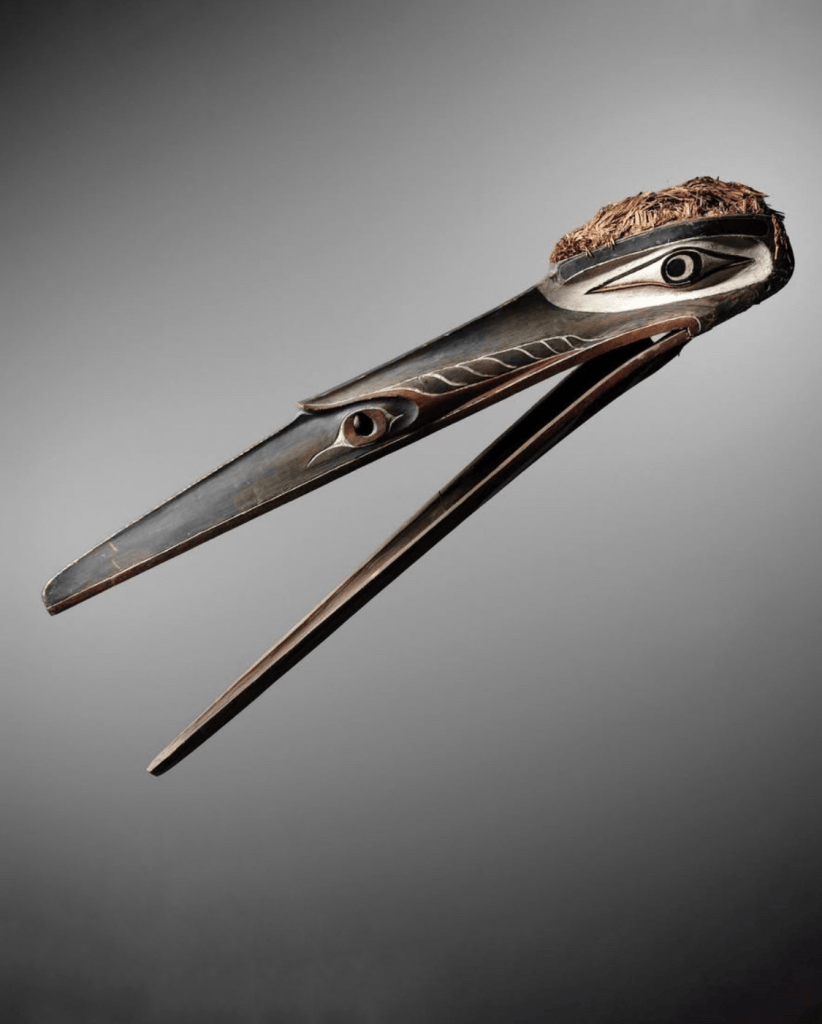
Ceremonial raven mask
Ceremonial Raven mask
carved wood, pigments
late 19th century
Kwakiutl aka Kwakwaka’wakw culture
British Columbia, Canada
Dom Whiting in Madrid
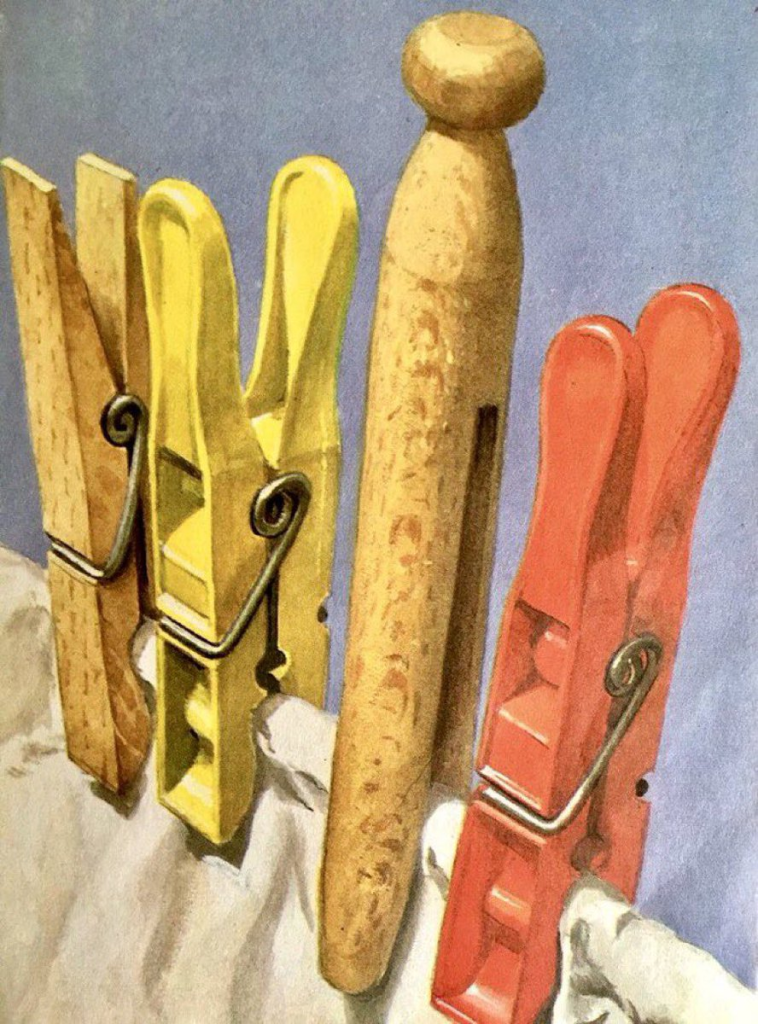
Clothes Pegs: Beautiful Everyday Ladybird Things (1971)
For those too young or unfamiliar with Ladybird, these books were an incredibly popular series for children that depicted a nostalgic and sweet vision of British life from the post war period up until the 80’s. These books are a bit of collector’s item. The illustrations are sublime in a delightful mid-century kind of way. I vaguely remember seeing these books around as a young child but this Twitter account is really my first proper introduction to them. I hope you enjoy this hyperrealistic artwork of clothes pegs by Harry Wingfield from 1971’s ‘Beautiful Everyday Ladybird Things’
Dream on feat. Taloula by Common Saints
Reminds me of a euphoric, summery album from the early 00’s by Zero 7 or Air. Same vibe! Also that album cover is really cool…a bit Pink Floyd, a bit Daft Punk.
Human rites
Rituals bind us, in modern societies and prehistoric tribes alike. But can our loyalties stretch to all of humankind?
My colleagues and I were pressed up against each other on the back seat of a police car as it wove through the narrow streets of Urfa, a medieval Turkish city nestled in the watershed of the Euphrates. We stopped in traffic. Somewhere behind a tangle of washing on the rooftops a baby was crying and a television was blaring. On the pavement a group of Kurdish youths stared at us. One hour earlier, near the excavations we had come to see, there had been killings. Some said the bomb was launched from over the border in Syria. Others said it was a Kurdish attack on the police. The policeman at the wheel glanced at the youths and then over his shoulder at us. ‘Bad people,’ he said.
I found myself wondering how many times that kind of sneering encounter had occurred in this ancient landscape, a cradle not only of civilizations but of the divisions between them. A minaret burst into song. In the distance, another joined in, then another. We turned a corner and the high fortifications of the city loomed into view. Two years before, I had stood at the top tracing ancient landmarks of the silk trade. Now the city gazed out at the troubled hills of an Arab Autumn.
Earlier that day, I had eaten lunch with an archaeologist living in Jordan. He viewed the sufferings of the Middle East through the lens of deep history. His eye twinkled when I pointed out this quirk. ‘Actually,’ he said, ‘I see it the other way around. Most people view the Middle East through the lens of very shallow history.’
We were in town with a group of scholars and scientists who were trying to reconstruct a world that blossomed more than 10,000 years ago. Some 15km away, Göbekli Tepe comprises a series of Stonehenge-like circles of stone slabs, faintly resembling giant phalluses. In fact, these stones were quarried much, much earlier than Stonehenge — some 12,000 years ago. And each spectacular ring of towering monoliths was probably buried within days or weeks of its completion. The sheer effort of human labour involved is mind-boggling. Nobody knows how it was done without bulldozers, winches, cranes, or even steel hand tools. And nobody knows why. What inspired ancient foragers to push their stone-age technology to the very limits, cutting 20-tonne stones out of the hillside, dragging them up to the summit and placing them in painstakingly dug holes several metres deep? Why carve exquisitely realistic high reliefs of animals into their sides, only to hide these staggering creations from view under a pile of rubble?
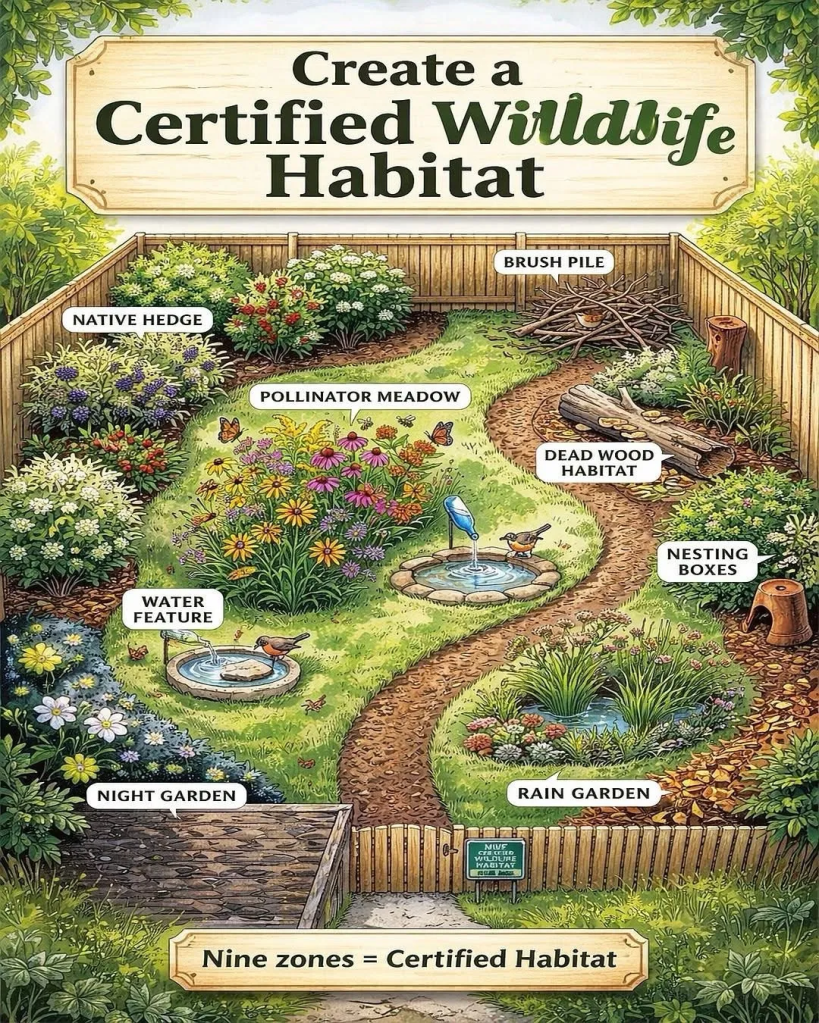
How to create a certified wildlife habitat
Do you have some spare space in your backyard? Please forget the idea of a lawn which is essentially an ecological wasteland, and if you’re a total dick who has a fake lawn then unsub from me right now as I don’t want to know you. Why? Because nothing lives on or under a fake lawn, it is an ecological dead zone. No ants, no bees and no birds benefit from it. Am I being a bit feisty about this? Maybe…but consider that 80% of bee species are endangered because of pesticides, fake lawns and deforestation. If you still don’t give a shit then please consider that 50% of all food in the world for humans and all other animals only exists thanks to pollinators. Please don’t have a lawn…instead create a space for birds and bee species.
A Jewel by the Creator Writings

You have been gifted with a multitude of emotions, a many-faceted jewel of human expression. Good or challenging, they are each beautiful in their own way. Take joy in knowing that, whatever you choose to indulge in today is perfect, right and much beloved by The Universe. ~ Jennifer Farley
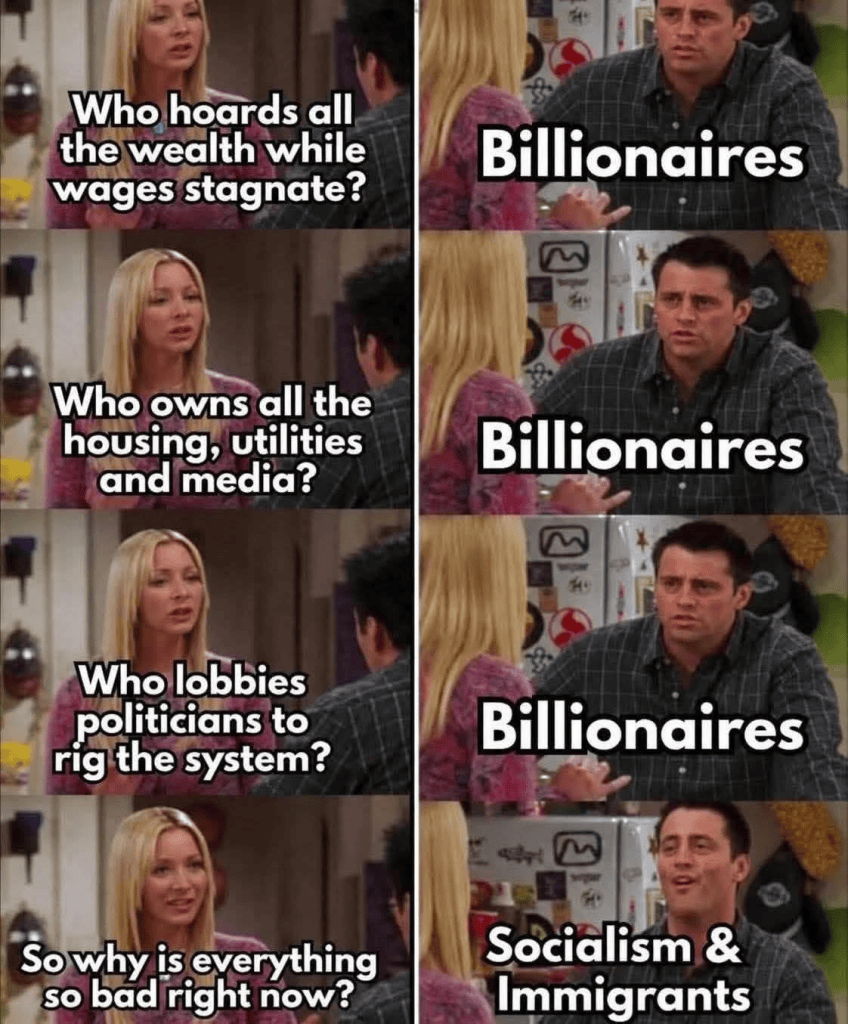
The lies billionaires tell to us
Ever wonder why the world is so f*cked? It is not because of poor people, migrants or brown people…punch upwards, not down.
“Forest of Opal Shadows” by Sergiu Ciochina via Bologna

Quazar – Sunflower (1994)
Did you enjoy this collection? let me know what you think of it below. Thank you for reading my dear friends!