

Passionate devotees of books from throughout history share a common thread with all of us modern-day bibiophiles, they longed to celebrate their books and mark their ownership with an Ex Libris book plate. Ever since Pharaonic Egypt, marking one’s ownership of a book has been a thing. Ex Libris bookplates are more than the stamped or printed marks denoting ownership. They represent the taste, values of their owner, how they saw themselves and the aesthetic styles of the eras when they were made.
Ancient pharaohs and their early book plates
The concept of marking books with ownership dates back to ancient Egypt. Pharaoh Amenhotep III, who reigned in the 14th century BC, had an extensive library where each scroll bore a unique identifier, signifying royal possession. These early ownership marks, though not bookplates in the modern sense, were the precursors to ex libris, highlighting the timeless human desire to denote ownership and protect literary treasures. This practice reflects the early recognition of books as valuable assets worth safeguarding.

The dawn of Ex Libris
The earliest known ex libris bookplates emerged in 15th-century Germany, coinciding with the birth of the printing press and a burgeoning literary culture. One of the earliest known bookplates belonged to Johannes Knabensberg, also known as Igler, around 1480. His design featured a playful hedgehog and the Latin inscription
“Hanns Igler das dich ein Igel küsst,” translating to “Hanns Igler wishes you to be kissed by a hedgehog”
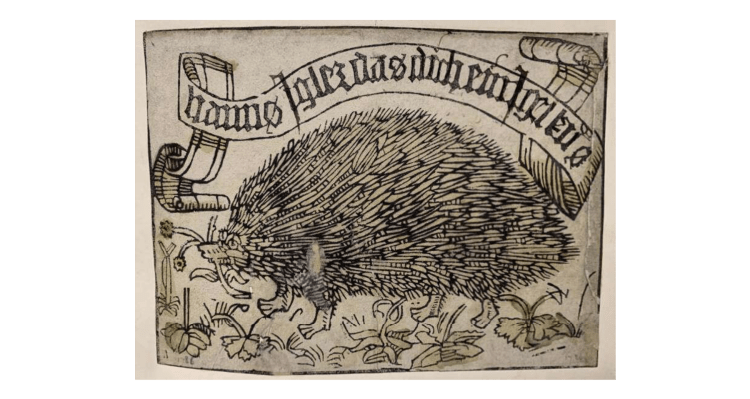
This charming illustration encapsulated the essence of early bookplates—merging personal identity with artistic flair. These bookplates were often pasted inside the front cover of books, serving as both a practical tool for identification and a blank canvas for personal expression.





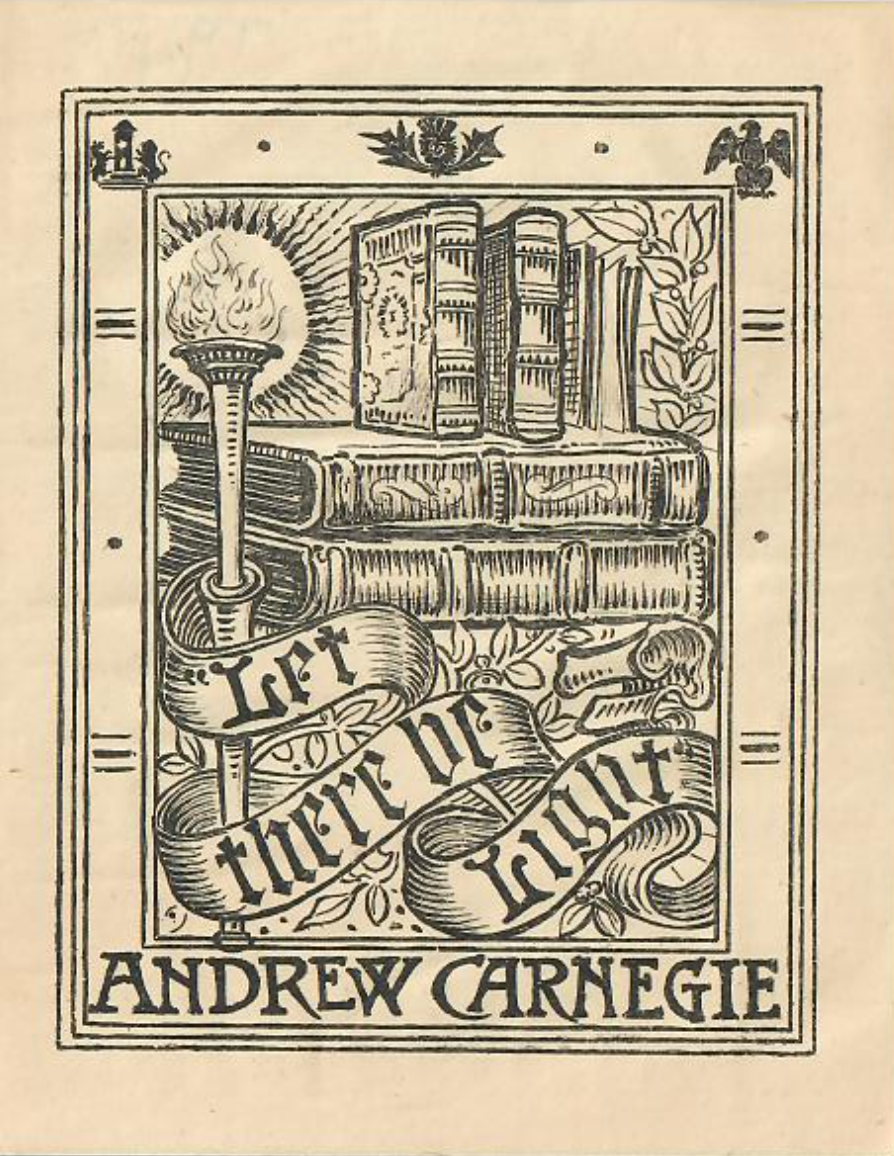
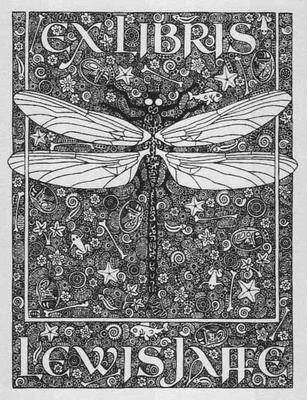

Ex Libris evolution and artistry
Once the printing press democratised book ownership; books expanded beyond monasteries and exclusive libraries of the nobility. They become a mark of prestige and status amongst the emerging wealthy merchant’s class. Bookplates evolved from symbolising practical ownership to marks into statements of personal taste and social status. The rise of humanism and the Renaissance spurred a newfound appreciation for art, prompting book owners to commission renowned artists and engravers to design their bookplates. These designs ranged from intricate heraldic emblems to elaborate illustrations depicting scenes from mythology, nature, or personal interests. The artistry involved in creating these bookplates transformed them into collectible treasures, often passed down through generations as family heirlooms. Bookplates became a way for individuals to express their intellectual pursuits, values and beliefs, artistic sensibilities, and social roles.
Book plates are windows into culture and personality of the owner
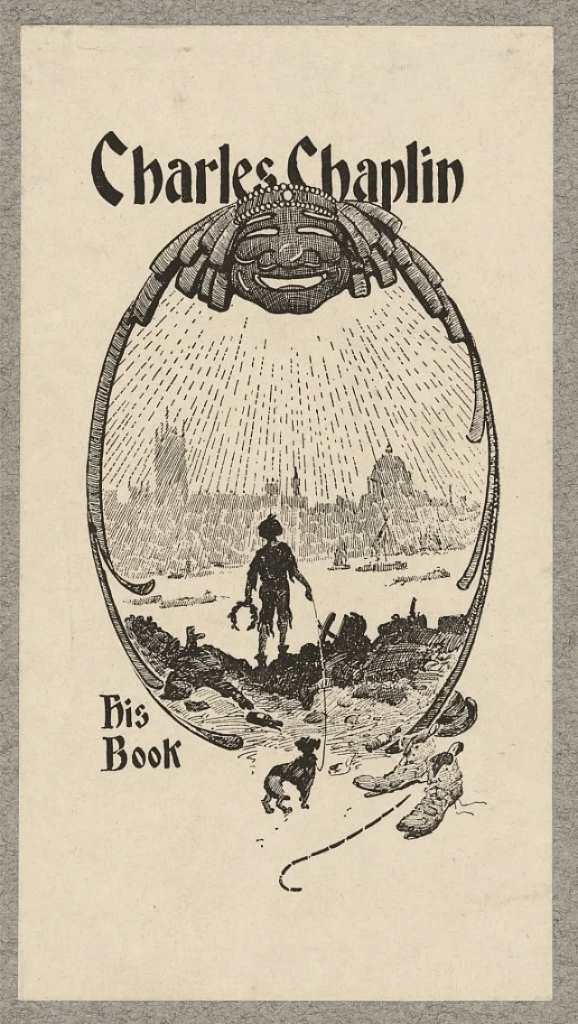
Ex libris bookplates are more than just decorative labels; they provide insights into the lives, loves and personalities of iconic historical figures. They reveal as much about the ego of the owner as they do the social mores and dominant symbolism of the era when they were created.
For example, the bookplate of Charles Dickens, featuring a portrait of himself and elements reflecting his literary works, provides a glimpse into the author’s self-perception and the era he lived in (The British Museum, 2024).

The extravagant heraldry found in the bookplates of European nobility speaks to the importance of lineage and status in their lives. There is so much history and psychology packed into such small artefacts that a lot of analysis can be undertaken about them.



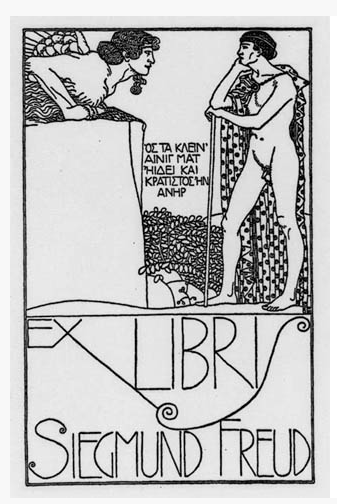
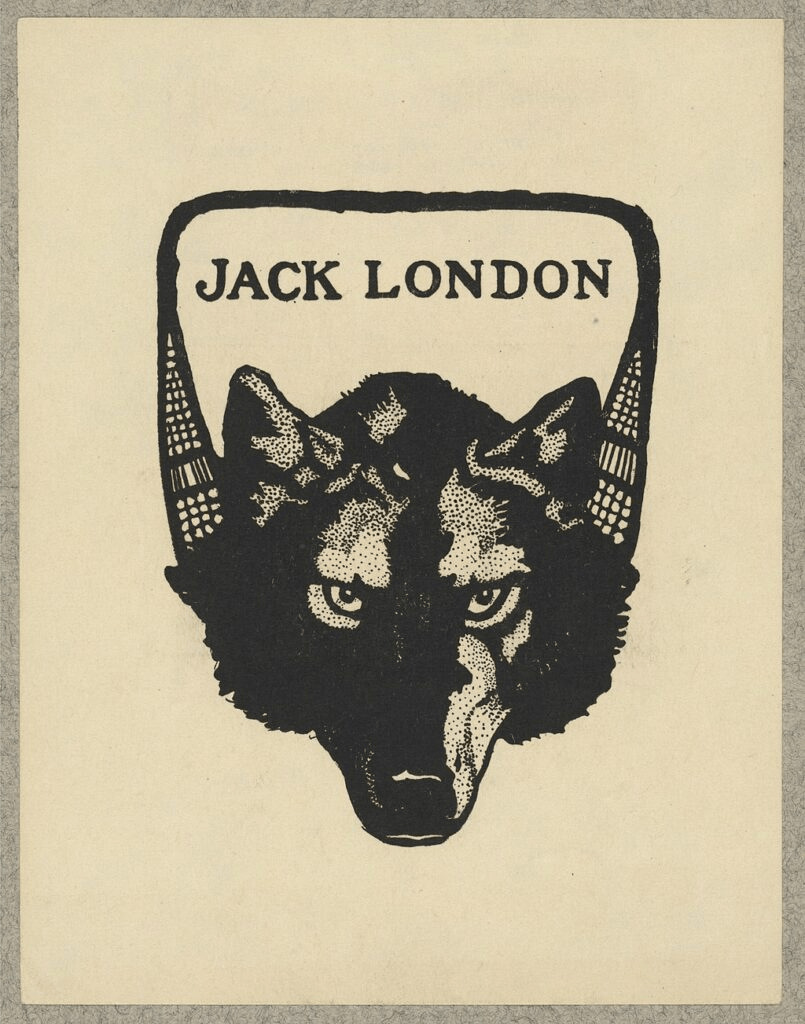
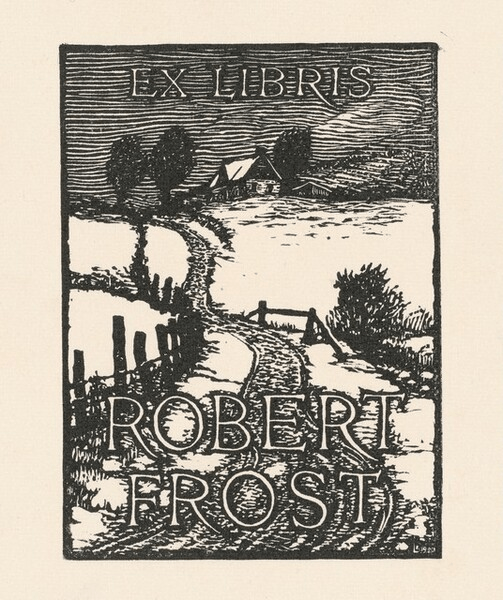

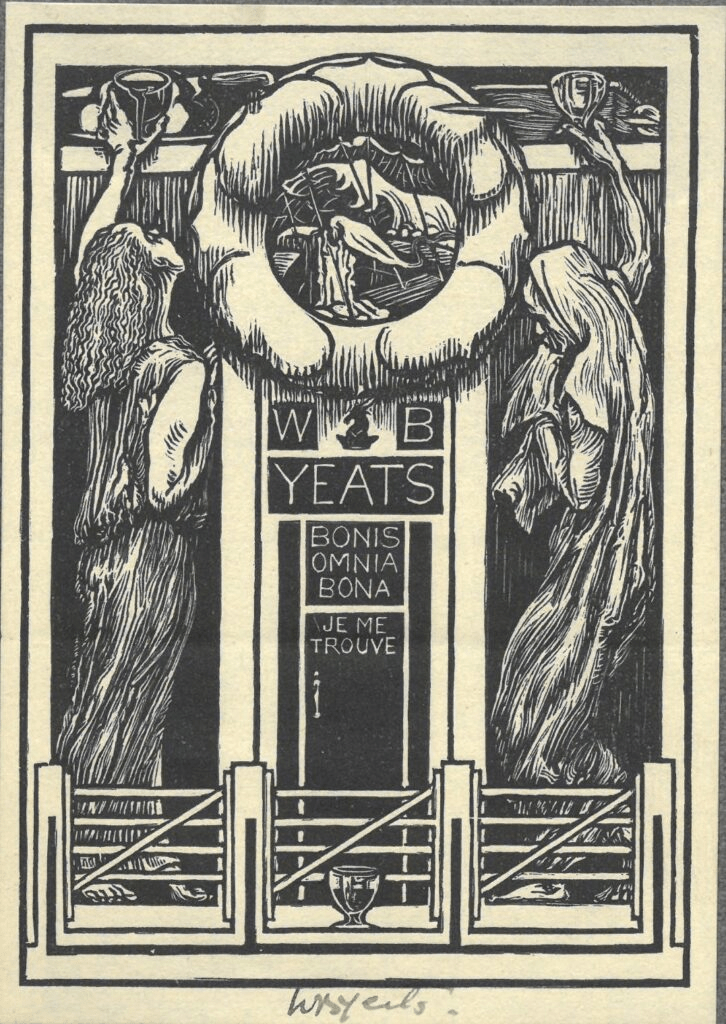

A symbol of your love of books
Since the dawn of civilisation, books have engendered strong feelings of passion and possession. People seek them out with all of the fervour of a rum starved sailor far from shore. If you have a collection of books that you don’t ever intend on parting with, maybe consider getting a customised book plate that tells your own personal story. There are makers and artists specialising in bookplates on Etsy if you want to check them out, look up customised book plates next time you’re on there.
References
Oatman-Stanford, H. (2015, October 13). When book lovers guarded their prized possessions with tiny artworks. Collectors Weekly. https://www.collectorsweekly.com/articles/when-book-lovers-guarded-their-prized-possessions-with-tiny-artworks/
British Museum. (n.d.). Bookplate of Hans Igler (Johannes Knabensperg), a hedgehog walking to the left, with a flowering plant in its mouth; a scroll above printed with Gothic lettering: ‘hanns Igler das dich ein igel ku[e]s.’ The British Museum Collection Online. https://www.britishmuseum.org/collection/object/P_Franks-German-1786
Norman, J. (n.d.). The earliest bookplates, or ex-libris: 1391 to 1353 BCE. History of Information. https://www.historyofinformation.com/detail.php?id=3185
Roos, D. (2019, August 28). 7 ways the printing press changed the world. History. https://www.history.com/news/printing-press-renaissance

 Content Catnip
This has got to be the most interesting post I’ve read this week. I had no idea book plating went that far back, and have only recently learned about it anyways. I love Charles Dickens one! Truly, this was a fun read and thank you for sharing!
LikeLiked by 1 person
Thank you so much friend. You know what the feeling is very much mutual as I adore your blog it’s very interesting. Thank you for reading and I’ll do more similar posts like this soon. Recently I read a few history books you might enjoy so will review those. Take care love CC aka Athena
LikeLiked by 1 person
I’ll be looking forward to those reviews!
LikeLiked by 1 person
These are amazing, you can sense the tone and feel the story that comes form them 🙂
LikeLiked by 1 person
Thank you so much Simon. Yes I agree that there is so much packed into each one…it says a lot about the person and how they see the world and the prevailing culture. Hope you have a great weekend friend, take care 🙂
LikeLiked by 1 person
Thank you 🙂
I hope your week is good 🙂
LikeLiked by 1 person
You too my friend have a great week 🤗
LikeLiked by 1 person
Thank you – I’m doing my best 🙂
LikeLiked by 1 person
I love the covers! So many cool covers. Thanks for sharing
LikeLiked by 2 people
Thanks so much my dear 😘 glad you enjoyed
LikeLiked by 1 person
When I was a young girl, I was so obsessed with books that one Christmas, I received a set of Ex Libris bookplates as a gift.
“Ex libris”, is a Latin phrase that translates to, “from the books”, or ,”from the library”, in English. It is commonly used to indicate ownership of a book, often seen on bookplates inside the front cover of a book from my childhood. 😉
What a wonderful post!
LikeLiked by 1 person