

Serendipitist: n. A person who benefits from a chance or serendipitous event Serendipity: happenchance or providence. This beautiful term was originally coined by writer Horace Walpole in 1754. Walpole was inspired by the ancient Persian tale The Three Princes of Serendip, about some titular characters who ran around in ancient Persia having some marvellous luckContinue reading “Ancient Word of the Day: Serendipitist”
Tag Archives: words
Ancient Word of the Day: Deliquium

Latin v. delinquere: “to lack, to fail In 1836, Francis Baily travelled to the Scottish Borders to see a solar eclipse. He witnessed a macabre and beautiful phenomenon. A row of lucid points, like a string of bright beads of irregular distance and size from each other. These suddenly appeared around the circumference of theContinue reading “Ancient Word of the Day: Deliquium”
Ancient Word of the Day: Hell Kettle
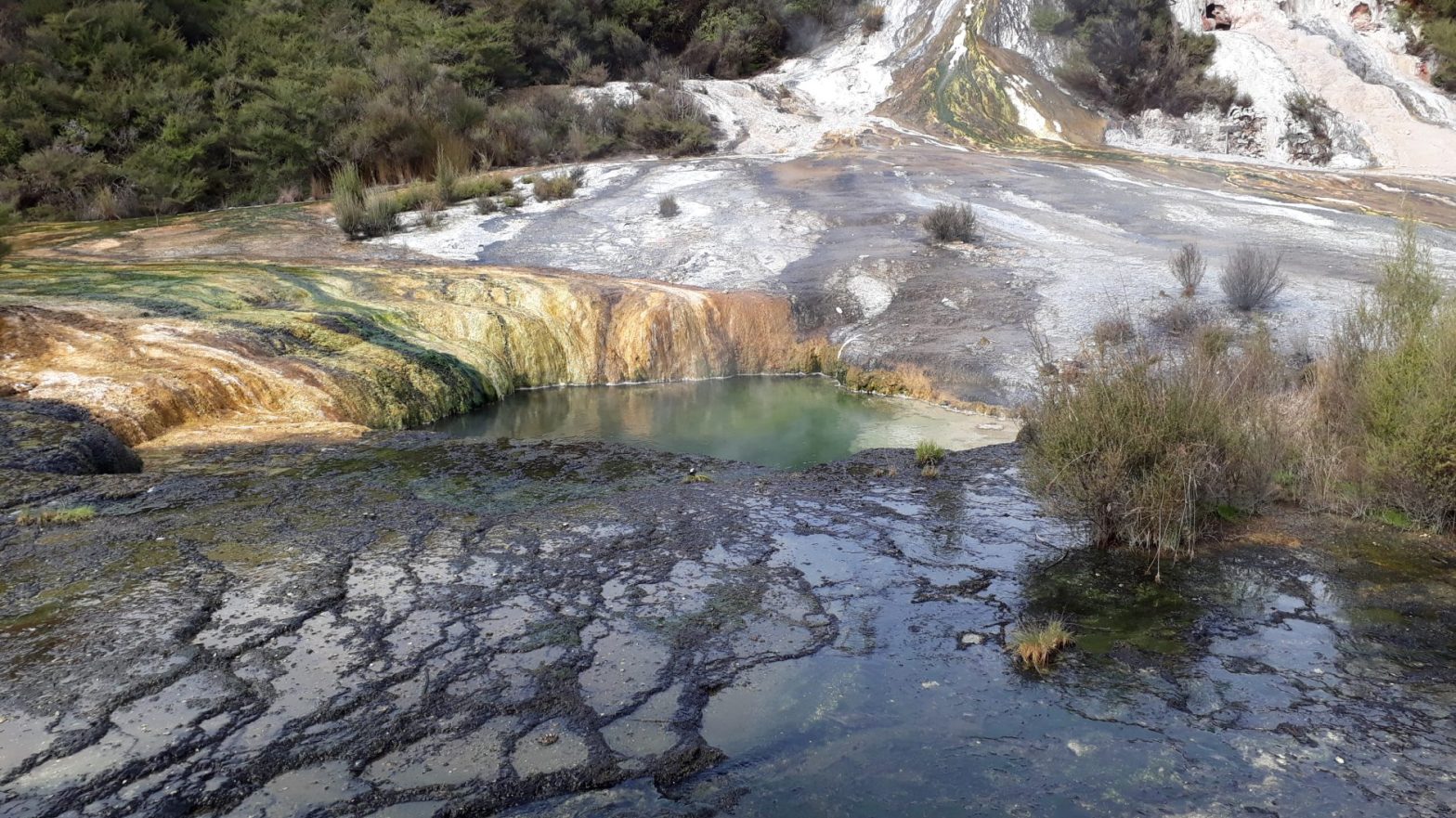
Hell Kettle: n. A deep abyss or bottomless pool The deep pools in Darlington, Co. Durham in England are a part of fearsome local legend. These mysterious pools are said to have inspired Lewis Carroll’s endless rabbithole, where Alice tumbles into another world – in his classic book Alice in Wonderland. They are known asContinue reading “Ancient Word of the Day: Hell Kettle”
Ancient Word of the Day: Cuneiform
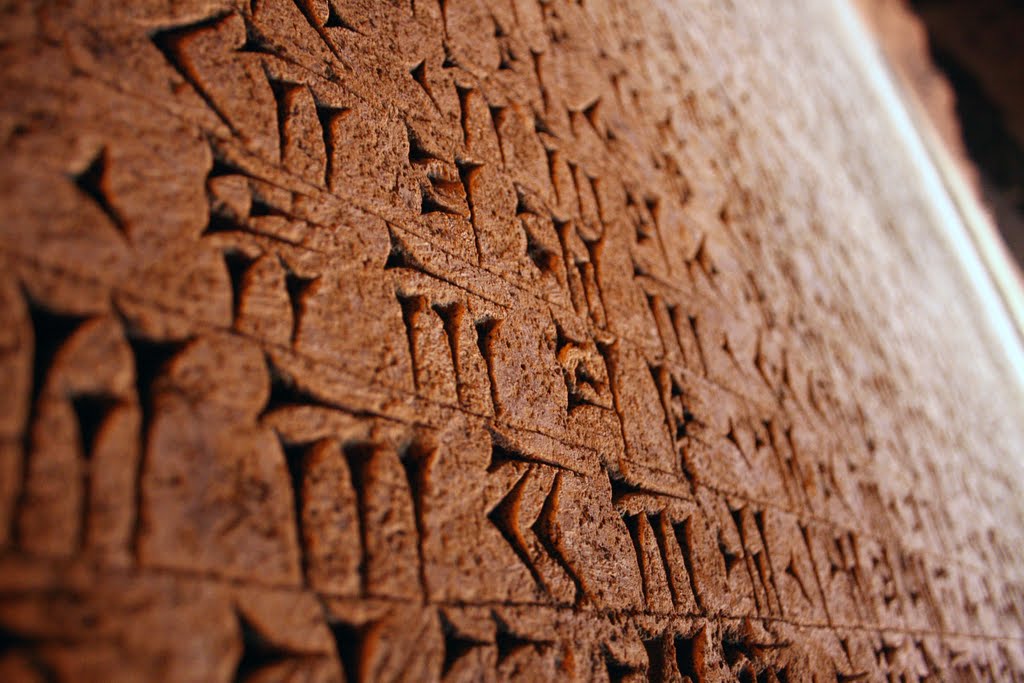
Cuneiform: n. The oldest known writing system that originated in Mesopotamia circa 3400BC. It was etched onto wet clay tablets using a wedge-shaped stylus. Cuneiform is the original ancient written language that underpins all modern forms of written communication. Many languages throughout a vast geographical span over thousands of years were written in cuneiform, includingContinue reading “Ancient Word of the Day: Cuneiform”
Ancient Word of the Day: Hooly

Hooly or Huly: Adv. ‘To proceed gently or softly, with steadiness or caution.’ Scottish/Irish The word Hooly first appeared in English in the 14th Century. It was found in the Scottish expression Hooly and Fairly, meaning ‘to proceed slowly, carefully and cautiously.’ Over time, the word came to have negative connotations and hooliness or hulinesssContinue reading “Ancient Word of the Day: Hooly”
Ancient Words of the Day: Anglii/Angle/Ankle
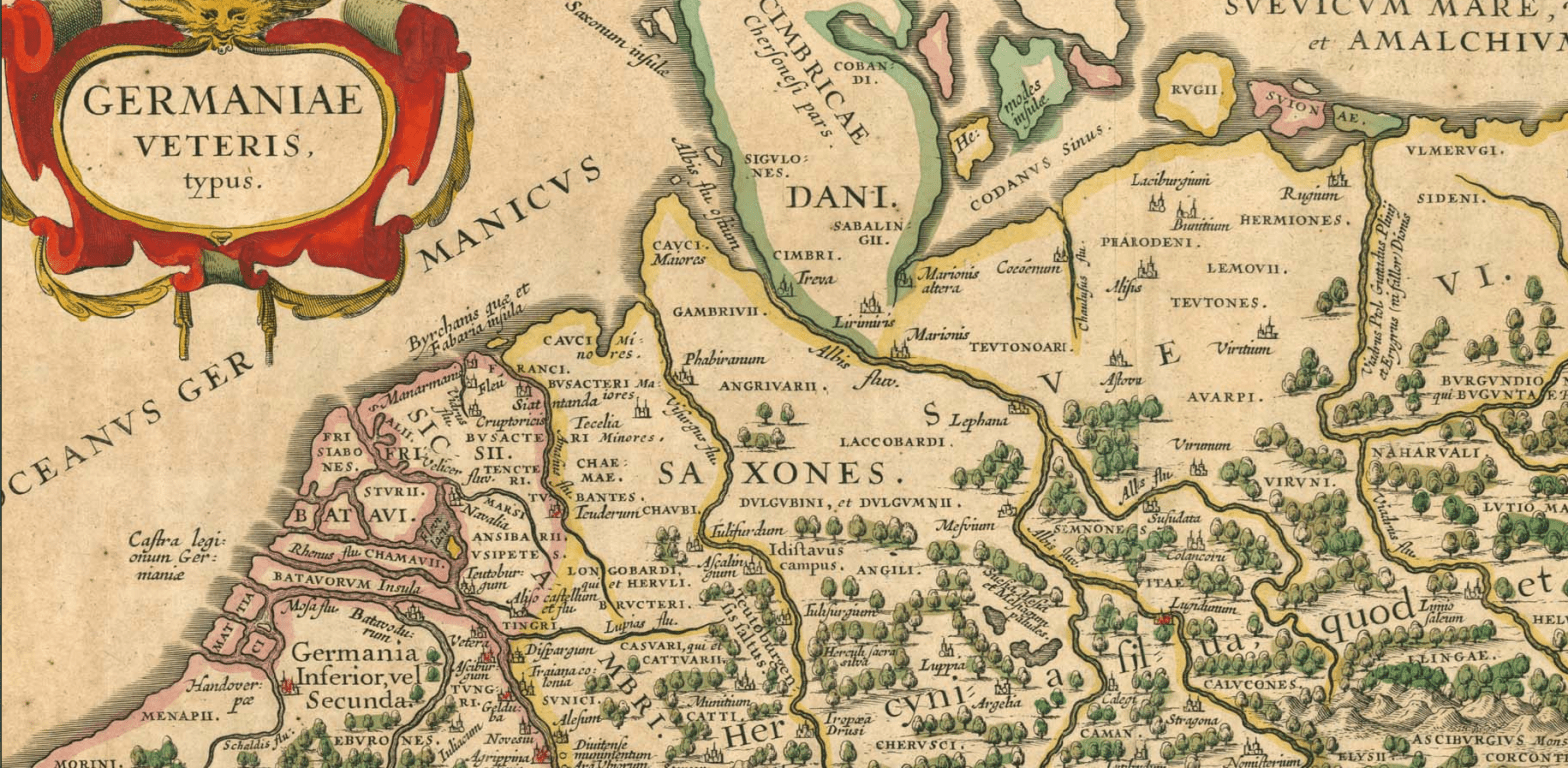
One of the oldest English words recorded is Anglii used first in the year 98 AD by Roman historian Gaius Cornelius Tacitus (ca. 56-120 AD) Anglii i.e “the Angles,” literally “people of Angul” (Old Norse Öngull). Tacitus wrote in 98AD in his book ‘Germania’ about the various Teutonic tribes he came into contact with includingContinue reading “Ancient Words of the Day: Anglii/Angle/Ankle”
Ancient Word of the Day: Nadir

Nadir ˈnā-ˌdir (from Arabic) The lowest or worst point. The sunken place of great depression or degradation. Astronomically, it is the point to opposite to the zenith. Merlin by Ralph Waldo Emerson He shall not seek to weave,In weak unhappy times,Efficacious rhymes;Wait his returning strength,Bird, that from the nadir’s floor,To the zenith’s top could soar,TheContinue reading “Ancient Word of the Day: Nadir”
I Saw Your Name on a Wall [Short story]
Soundtrack for story – Hear playlist I saw your name on a wall. I paused and couldn’t look away. It was a busy day in our cathedral to capitalism, our hive of activity where there was a lot of people milling around but mostly they were seated, with headsets on like train drivers of theContinue reading “I Saw Your Name on a Wall [Short story]”
Weirdly…I am getting almost no likes on my posts nowadays?!

I’ve been doing it regularly as usual and making each post high quality. I’ve been getting the same amount of traffic but hardly no likes or comments. I know you all aren’t ignoring me, because on Twitter I seem to get a lot of feedback from people saying that they like these posts. Anyway ifContinue reading “Weirdly…I am getting almost no likes on my posts nowadays?!”
Ancient word of the day: Flukra

As the southern hemisphere turns now towards the colder months we are all finding comfort into our nests and getting cosy for the winter. In New Zealand and the southern parts of Australia we are experiencing snow in the alpine regions. So it seems appropriate now to talk about the many ancient words for snow.Continue reading “Ancient word of the day: Flukra”
 Content Catnip
You must be logged in to post a comment.