90’s Hip-Hop golden era classics with DJ Afrosia
Nice people dancing to good soul music, a sign at the Do Drop In.

All of the supermodels of the 90’s in one fabulous documentary
I couldn’t stop watching all of the beauty!
Cycling the Klausenpass with Nala cat
One of my favourite vloggers, Nala’s World in the Swiss Alps taking the wee moggy on an alpine adventure.
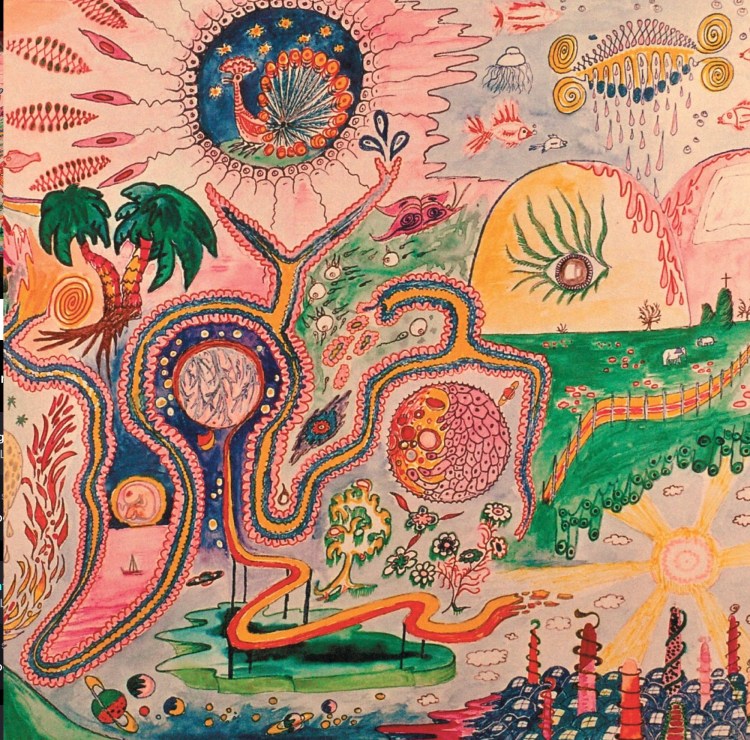
The wonderous bughouse by Youth Lagoon
How good is this album cover? I love the handmade, psychadelic and organic vibe of this intricate otherworldly piece. Hear the music on Bandcamp below.
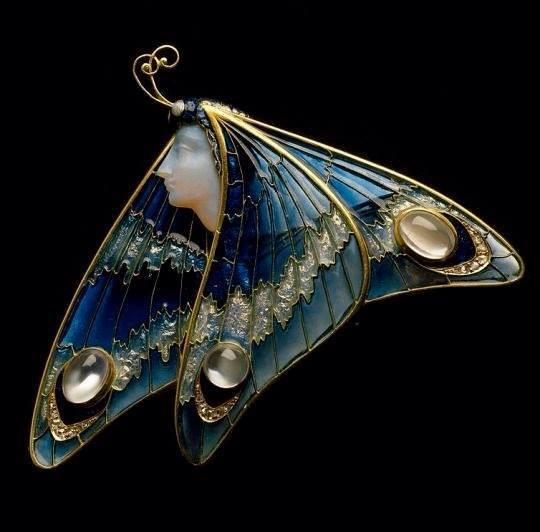
The winged maiden by Rene Lalique
Moonstone enamel brooch in an Art Nouveau style. Now on display at the Gulbenkian Museum in Lisbon, Portugal. Via Global Musuem on Mastodon
Lençóis Maranhenses in Brazil is a special place
Lençóis Maranhenses looks like a place of magic and wonder…while watching this I found myself hoping that tourists DO NOT go there and ruin its untouched beauty.
Beavers could help reverse ‘dramatic’ decline in pollinating insects – study
Researchers at the University of Stirling said landowners should be incentivised to allow beavers on their land.
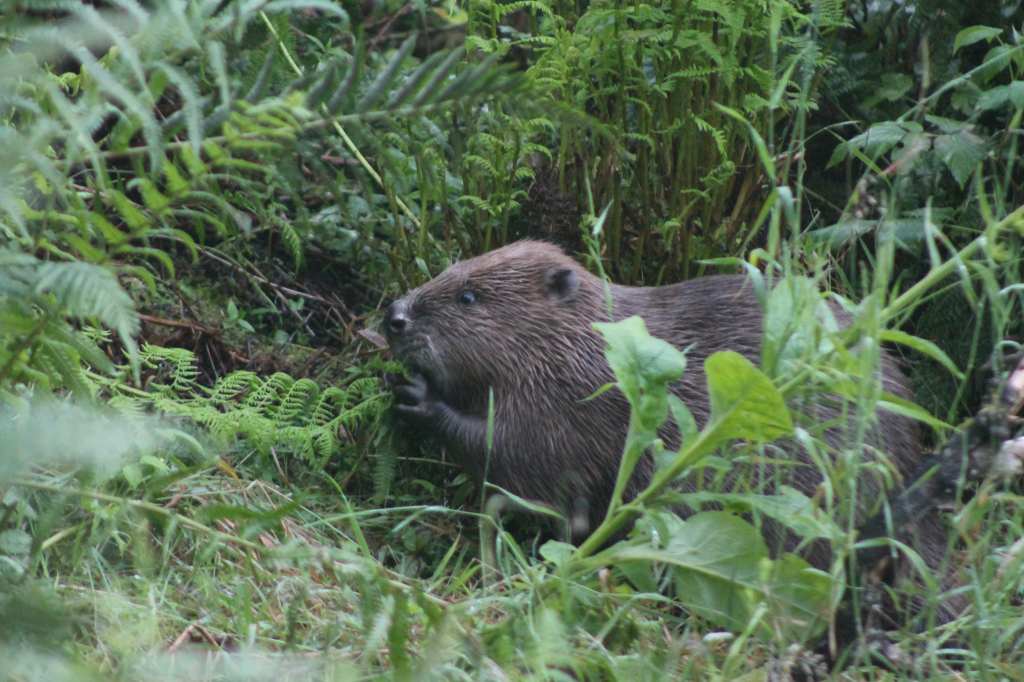
Wetlands created by beavers could help reverse the “dramatic” decline in the numbers of pollinating insects, a study has found.
Researchers at the University of Stirling compared the pollinators found around wetlands made by beavers to those found around artificial ponds.
They found beaver-created wetlands showed a 29% increase in hoverfly species, 119% more hoverfly individuals and 45% more butterflies than those that were artificially created.
The team pointed out hoverflies play a vital role in pollination while butterfly populations are suffering from an ongoing decline – with 80% of species showing either a drop in population or decrease in the number of areas where they are found.
The study also found beaver wetlands “diversify” the flower-foraging opportunities for pollinators, highlighting the role they can play in boosting pollinator numbers within agricultural landscapes.
Study lead Patrick Cook, a PhD researcher at the university’s faculty of natural sciences, said incentives for landowners should be changed to encourage more beaver wetlands.
“Pollinators, such as bees and butterflies, are undergoing widespread and dramatic declines in the size of their populations,” he said.
“This has negative effects on the delivery of pollination, but it is also leading to the loss of some of our most charismatic species from the countryside.
“We urgently need methods to reverse these declines.
“Currently, in the United Kingdom, most agri-environment subsidy schemes support human pond creation, with little financial incentive for landowners to accommodate beaver wetlands – despite the potential boost in pollination services.
“This position needs to change if we are to benefit from the buzz, flutter and hum of pollinators that beaver wetlands promote.”
The team surveyed land around the edges of beaver wetlands and human-created ponds in 2023, counting species and individuals of bees, butterflies, hoverflies and day-flying moths.
They also recorded any interactions between these groups and flowers, with the pollinator surveys repeated six times from May to August at the Bamff Wildland rewilding estate in Perth and Kinross, and two neighbouring private farms.
Mr Cook said: “Our work adds further important evidence of the beneficial effects of beaver wetlands for wildlife, in this instance pollinators.
“If we want to realise these benefits, we need to go beyond removing dams and incorporate these wetlands fully into agri-environment schemes to support landowners with beavers on their land.”
Professor Nigel Willby, professor of freshwater science at the university, said there may be valid reasons to remove a beaver dam “on occasion”.
He said: “But we should remember that for every beaver dam removed a beaver wetland dies, along with a multitude of attached benefits, including for pollinators.”
The findings were welcomed by Sophie Ramsay, manager for Bamff Wildland, who said: “This brilliant new research shows once again that beavers are vital to the agricultural landscape as well as to biodiversity in general.”
The study, Beaver wetlands create a buzz and a flutter for pollinators, was published in the Journal of Applied Ecology, and was funded by the Natural Environment Research Council’s Iapetus programme. Via The Independent
Baba ganoush by Chef Tariq

Ingredients
- 2 Eggplants medium
- ½ cup Onion chopped finely
- ½ cup Tomatoes chopped finely
- 1 tsp Salt
- 2 Garlic Cloves minced
- 2 tbsp Lemon Juice fresh squeezed
- ⅓ cup Tahini
- 2 tbsp Parsley chopped (for garnish)
- Olive Oil for topping
Instructions
- Place whole eggplants on tray. Poke each eggplant three times with a fork to break the skin. (This will ensure your eggplant doesn’t explode in the oven.)
- Bake at 400°F (200°C) for one hour or until the eggplant is thoroughly cooked.
- Once cooked scoop out the insides of the eggplants and place in a bowl. Discard skins.
- Using a potato masher, fork or similar utensil mash up eggplant until completely mashed.
- Add onions, tomato, salt, garlic lemon juice, and tahini.
- Stir until completely mixed with a rough consistency.
- Place on a plate, garnish with chopped parsley, top with extra virgin olive oil.
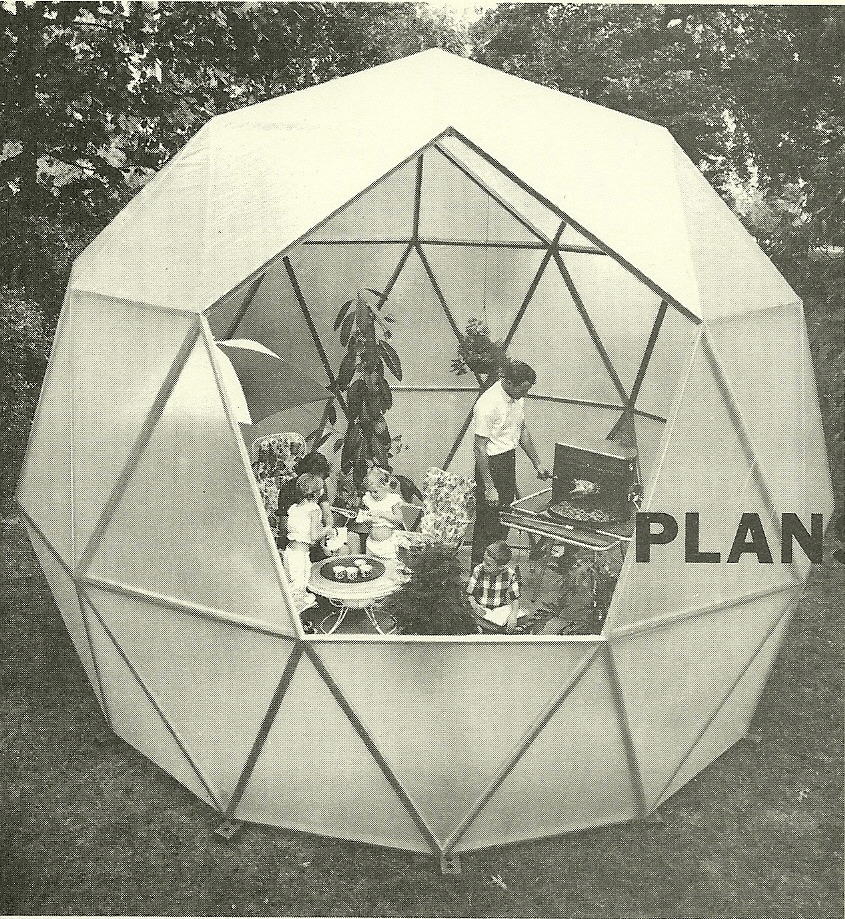
From ‘How to Build Your Own Living Structures’ by designer Ken Isaacs, 1974
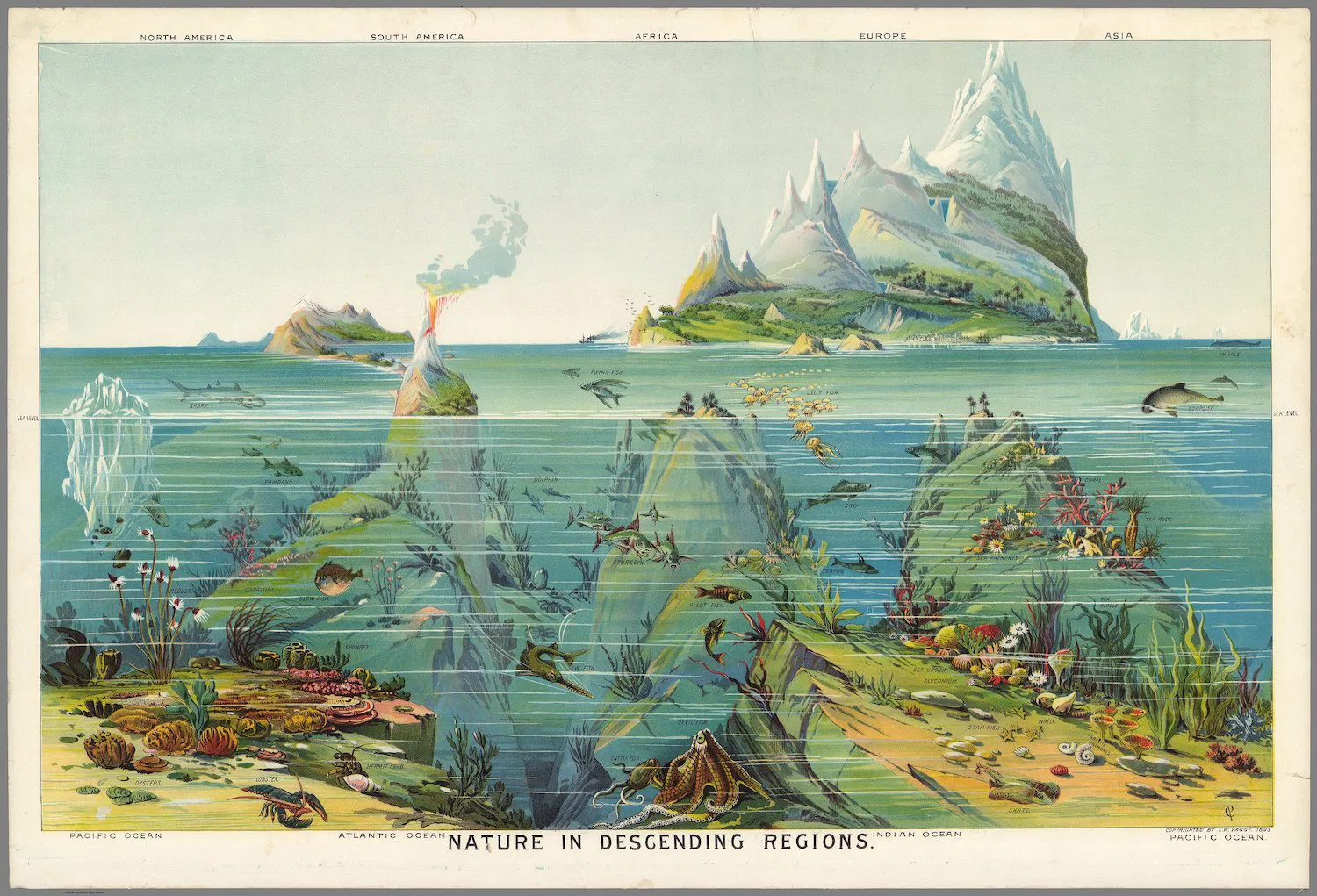
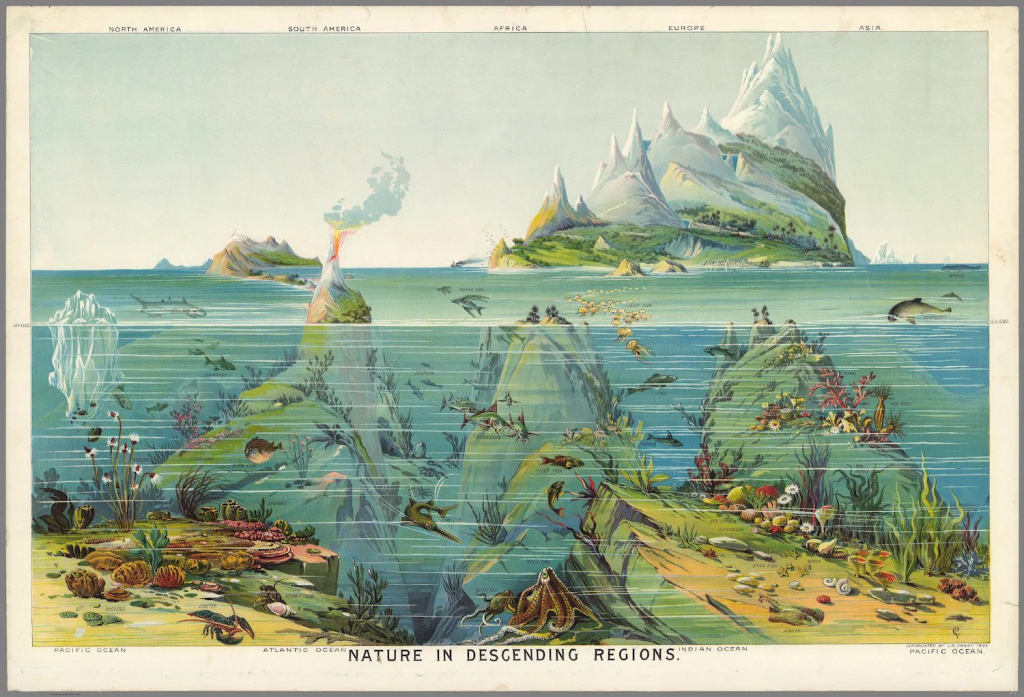
Nature in Descending Regions by Levi Walter Yaggy
Levi Walter Yaggy was a man of many talents: mapmaker, inventor, businessman, and conservation advocate. He was overall very successful and from his Chicago publishing house, Western Publishing and his bestselling book The Royal Path of Life he built a mansion along with a Swiss-style topiary maze. His biggest legacy was 1893’s Geographical Portfolio.
Yaggy took huge liberties with his fantastical compositions that aimed to both thrill and educate Victorian audiences. This chromolithograph “Nature in Descending Regions,” shows spectacular arrays of underwater marine life across descending ocean depths and in different oceans. More via Public Domain Review.
Did you enjoy this collection? let me know what you think of it below. Thank you for reading my dear friends!