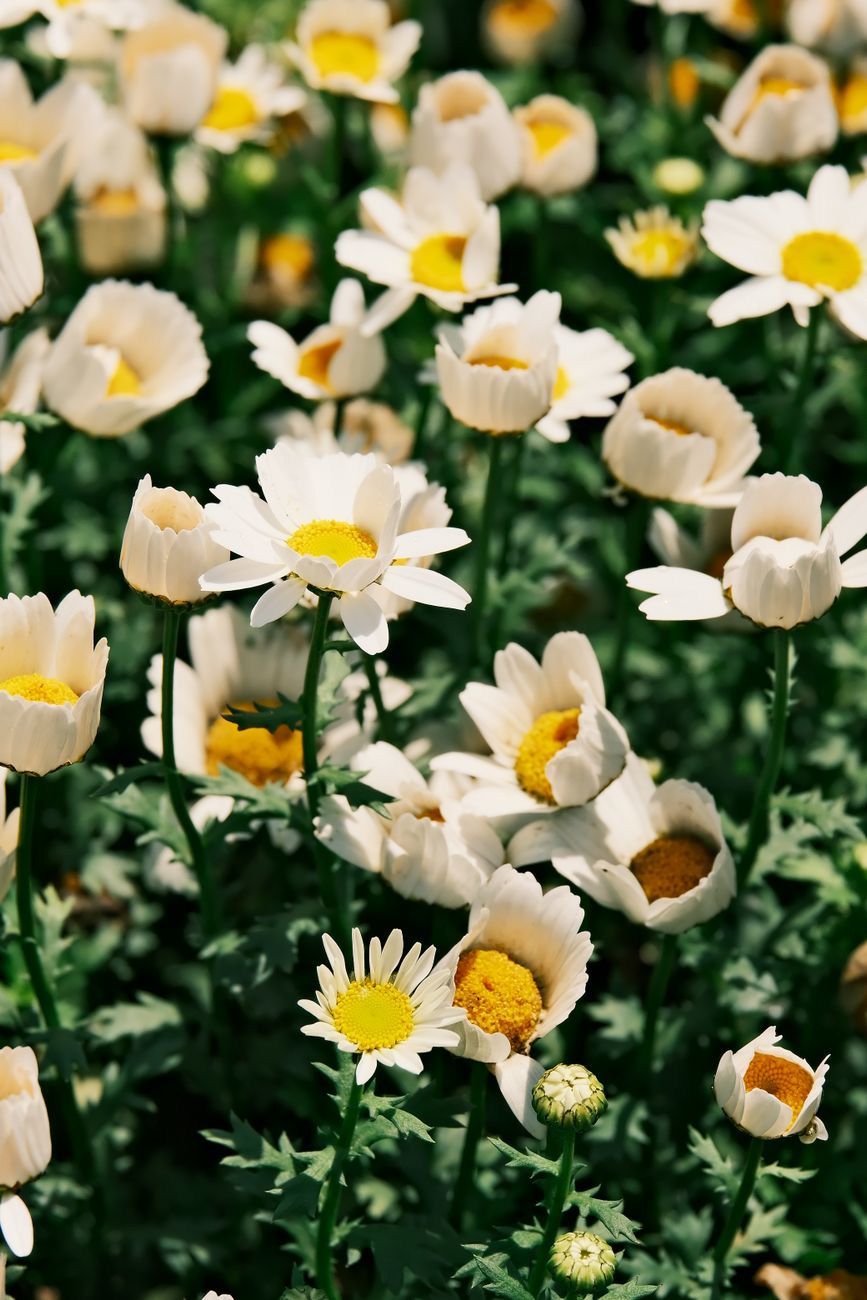
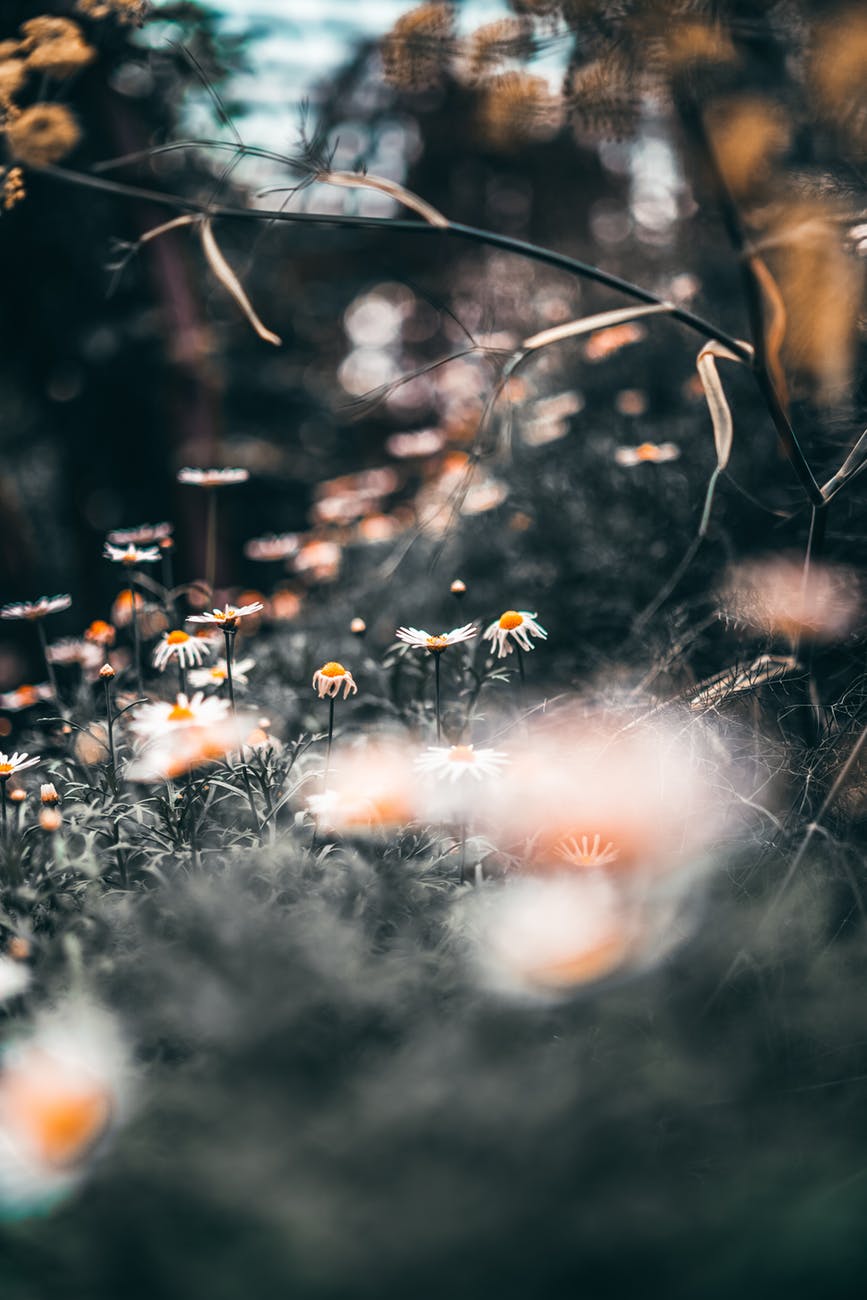
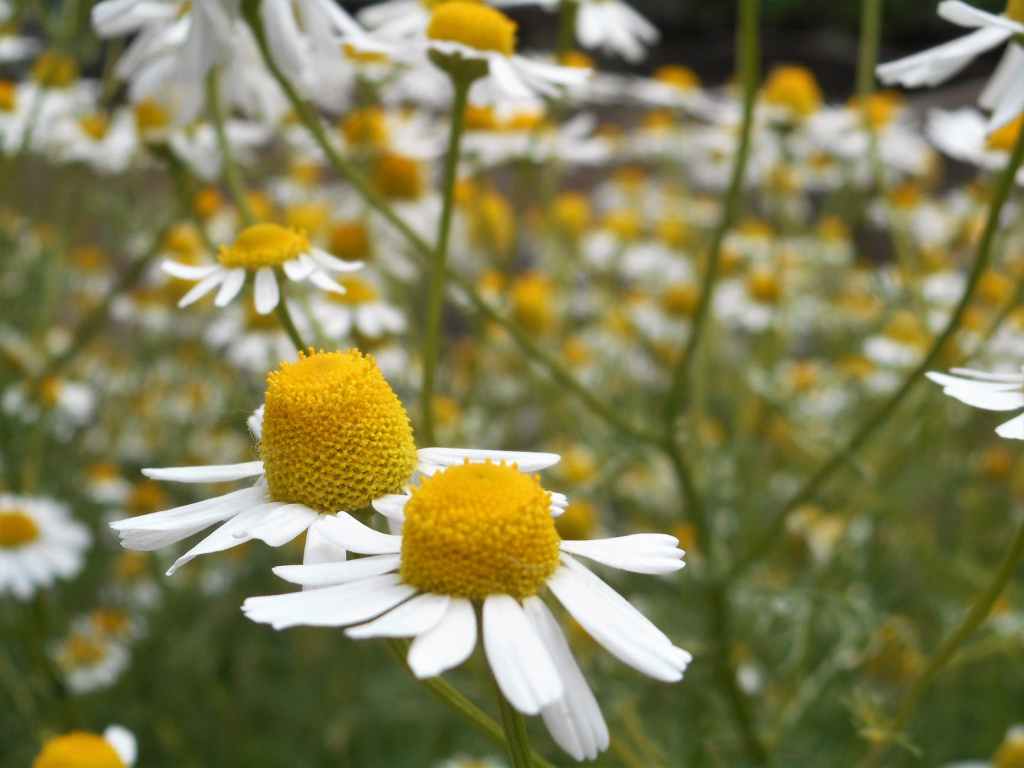
The ancient word of the day is Dægeseage, the old English word for daisy.
Dægeseage literally means daisy or day’s eye.
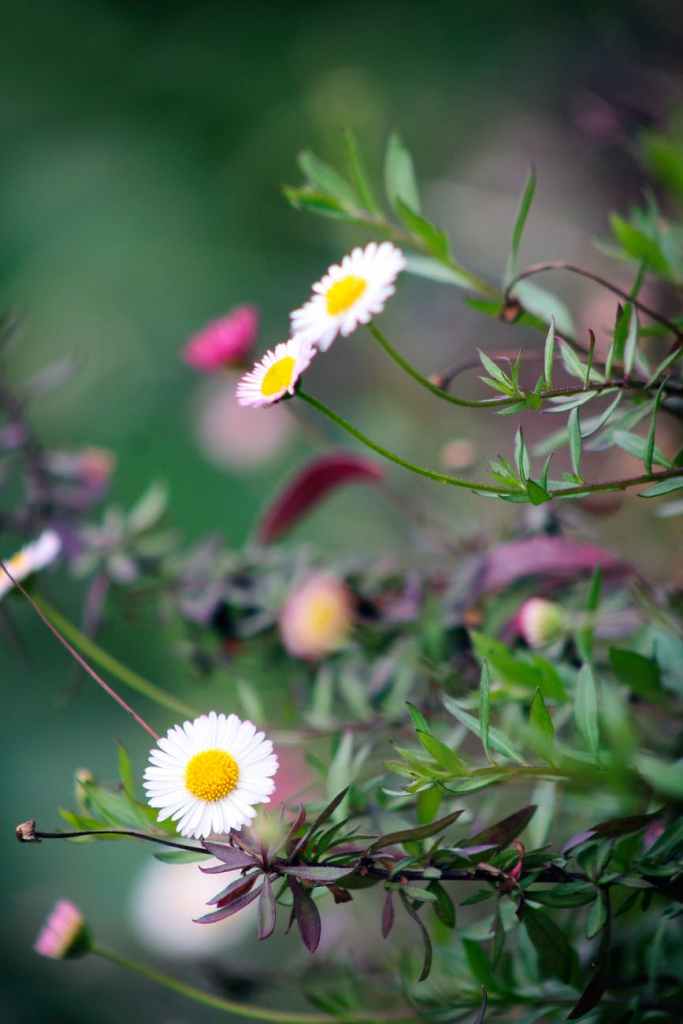
Which makes sense when you think about the cute and joyful little flower and its tendency to follow the arc of the sun through the sky from dawn to dusk, soaking in as much light and goodness as possible.
The idea is that the daisy or day’s eye works hard all day and then closes and rests overnight, echoing the work of farming folk in days of yore.
The Legend of Good Women, Chaucer (1380)
Down full softly I began to sink;
And leaning on my elbow and my side,
There the long day planned I to abide,
For no reason else, no lie you see,
Than there to look upon the daisy,
That for good reason men do name
The ‘day’s-eye’ or else the ‘eye of day,’
The Empress, and flower of flowers all.
| In Norse: Dagens øye “Dagens øye” or “Dagens auge” means ‘Days eye’ in Norwegian. | In Dutch: Madeliefje Meaning ‘sweet virgin’ |
| In Welsh: Llygad y dydd Meaning ‘day’s eye’ | In German: Gänseblümchen Little goose flower. |