
There are 17 types of Māori kites. Traditionally made from strong timber framing like manuka wood they were woven with flax and the paper and bark of the mulberry plant until the plant went virtually extinct.
Birdman kites have a powerful symbolism for all Māori iwi including for my own, Ngaī Tamanuhiri and Ngā Puhi. One such taonga was gifted to the British Museum in 1886 although like most taonga it wasn’t gifted by a Māori, but by a white colonialist, which infuriated many people and so it came as a great relief when this kite was returned to Auckland Museum in recent years.
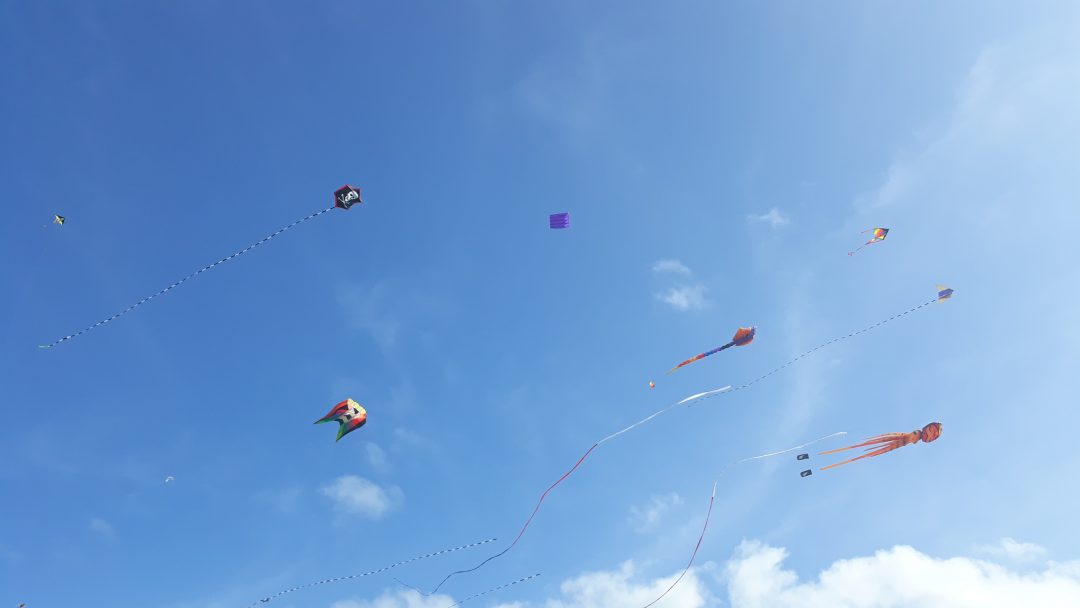
Māori kites are still flown today as part of Matariki celebrations although the tradition has waned over the past century.
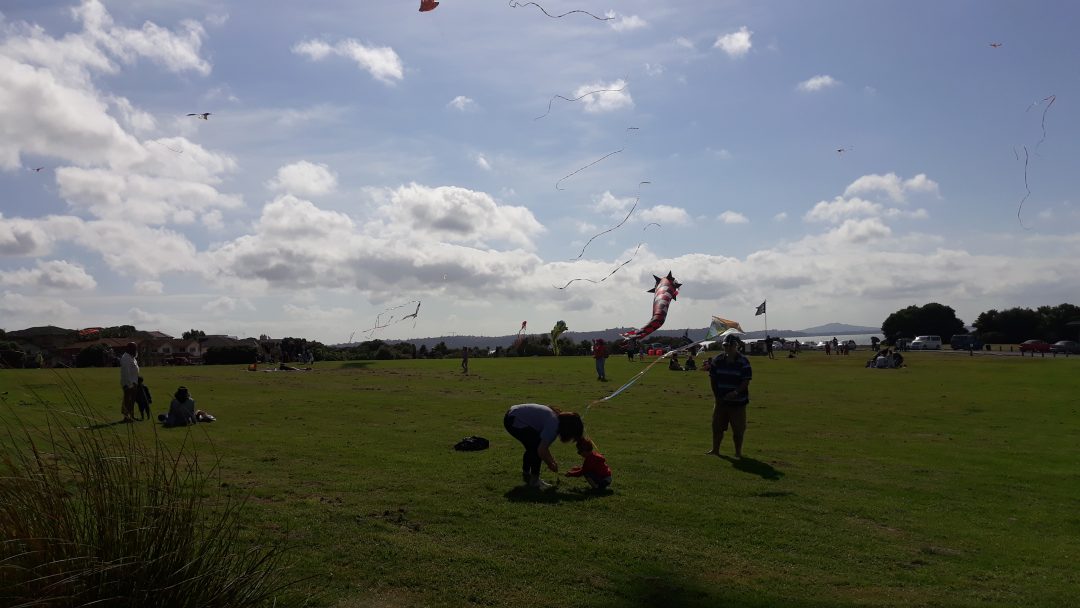
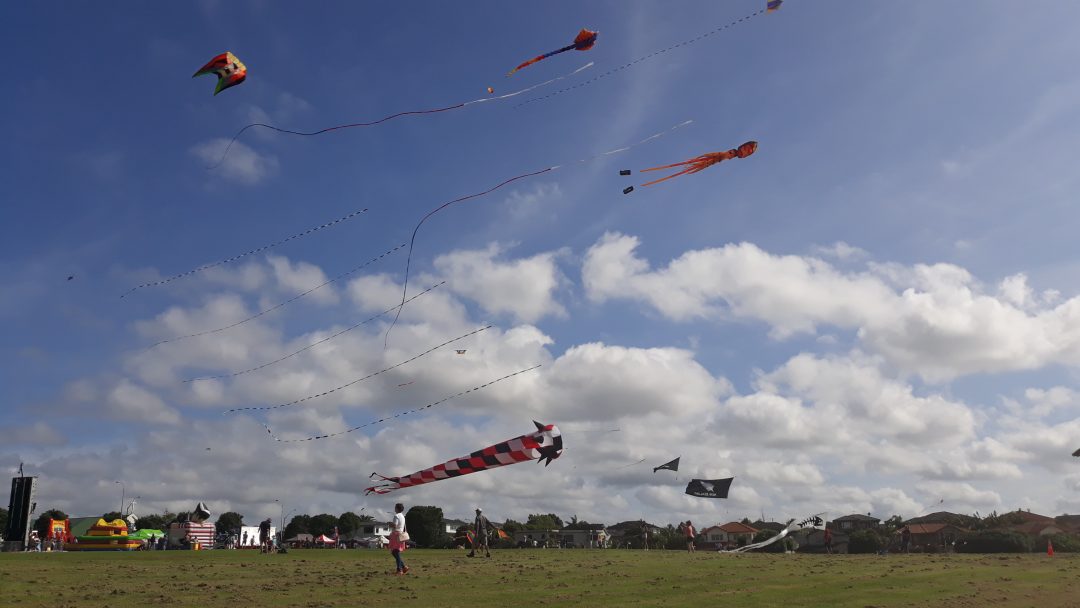
One day cycling through Te Atatu peninsula in Tāmaki Makaurau I came upon a Māori and pakeha kite celebration in the park. Kite-making and kite-flying traditions are well and truly alive in Aotearoa.
Māori kites were used as a form of communication and divination with the god Tāne. They are seen as a connection between the earth and the sky or Rangi and Papa and the connection between the physical world and spiritual world.
As the kite soars, swoops and dives, a karakia or prayer is said silently to satisfy the gods and bring about a bounty of birds and game for the tribe.
More about Maori Kites at New Zealand Geographic
More about the conservation status, behaviour and biology of New Zealand birds at the Department of Conservation website
More about Maori symbolism and New Zealand native birds


One thought on “All About Māori Kite Making”