

The #history of #UBI, how to get a job in #HumanRights marine #iguanas, what makes for a #happy life, how to let #animals into your heart, beautiful #art and much more, its edition 139 of #InterestingThings baby!
A really funky progressive breaks mix
Human Rights Watch: How to get a job in human rights
Great advice for anyone currently working in human rights or environmental advocacy or looking to get into this field from HRW’s newsletter:
How to Get a Job in Human Rights
Lire la version en français / Hier auf Deutsch lesen
It’s a question that comes up often from Daily Brief followers and others: how do you get a job working in human rights?
It usually comes from someone who’s younger, maybe a bit idealistic, and eager to do something useful with their life.
There are, of course, many others who get involved in human rights not because they want to but really because they have to – as a survivor, for example, connected to a cause through tragic personal experience.
But the following seven points are for the former: for those attracted to the job as a profession and who have a choice of doing something else. Beware: this may not be the advice you expect.
1) Accept you will never earn as much as you could doing something else. If you’re younger and just starting out, this may not seem very important, but you should still give some thought to how this type of work will impact your earnings negatively over the course of your lifetime. If you’re mid-career and thinking about shifting to human rights work “to give something back,” then calculate very carefully how much you’re giving back – you may be unpleasantly surprised.
2) Understand it’s not romantic. It’s many things, but it’s also a job. Yes, the issues are important, and the work can give you a sense of purpose, but that has plusses and minuses. If you go into it with self-sacrificing zeal, if you make it your whole life, you will burn out.
3) Understand it’s not glamorous. You may get to meet some truly incredible people. You will very likely be inspired by them. But fanboyism weakens over time, and you may occasionally even realize why people say, “Never meet your heroes.”
4) Realize people who work in human rights are just like everyone else – not always easy to get along with. We all share a spirit and strive together for our larger goals, but we still have disagreements. There are egos, jealousies, and frustrations. Office politics don’t magically disappear just because you’re all working for a good cause.
5) Realize it’s emotionally draining. You never get used to the daily whiplash of feelings – one moment contemplating the depths of human depravity and the next moment marveling at human resilience in the face of it. You will need to develop strategies to protect yourself, like not looking at the worst photos if you can avoid it.
6) Know you will lose often and never be satisfied. You will learn about many more horrors than you will ever be able to even try to help end. Human rights work can achieve significant wins, but honestly, losing is more common. You and your colleagues are always in an underdog’s position, fighting against governments, large corporations, and other powers that have far more resources, money, and people than human rights organizations do.
7) Realize that where you can do the most good may not be where you first think it is. Many folks want to work on the frontline, gathering evidence in challenging situations. Some may even have the language skills and cool-headed temperament for it.
But that doesn’t mean you’ll get that job. You still may not be the right person for getting survivors to feel comfortable relating their stories, nor the right messenger for convincing authorities to change their policies.
You may find you can contribute more to the cause by sitting at your laptop reviewing expense forms or coordinating a Zoom meeting about advocacy strategies. For every one person out in the field listening to victims of human rights abuses, there are 20 people doing something else somewhere else to support the work. The cause needs all sorts of people doing all sorts of jobs.
You may even find you can serve the cause best by doing something else entirely, making some money, and donating some of it to human rights causes. It’s as frontline as anything else: very little would happen in human rights work without such generous folks.
The Deep and Enduring History of Universal Basic Income

While the concept stretches back centuries, it has garnered significant attention in recent decades. Via MIT Press Reader
Pyramid structures of the world

What makes for a happy life?

Have goals but prepare to let them go
Goals can be helpful. They give direction in our day-to-day lives. But it’s easy to get wrapped up in attaining an outcome, believing our happiness depends on it.
Rather than being in what psychologists call flow – an immersive, in-the-moment state of being – we might doggedly push on towards a goal. Even though achieving our goals won’t always bring us happiness.

Don’t be misled by stories
There are many stories about what a happy life entails, but they’re not always backed up by reliable evidence. An example would be the “when I achieve this, I will be happy” story described above. Another popular story is that money buys happiness. I spent much of my research career examining this (and travelling humbly for 18 months).
What is clear is that having more money (beyond the point of meeting basic needs) is inconsequential when compared with having good quality relationships, looking after our mental and physical health, and living meaningfully in line with our beliefs and values. Yet, sadly, these things often get sacrificed in pursuit of more.
These stories persist because they support an economic system that is designed to increase GDP rather than improve the wellbeing of people and the planet.
Allow others to give
Warm and loving relationships are essential for living a happy life. Yet that doesn’t mean these are easy to come by.
As an academic, I saw how important relationships were for happiness in the data. But like many, I had a difficult time realising them in my own life. We’re not taught that way and often think people will only love us when we meet certain criteria, rather than unconditionally for who we are.
What shocked me most on my cycle journey was people’s kindness and generosity. People would invite me into their lives, offering me food or a place to stay, even when they owned little. When I set off, I was either suspicious of this generosity or racing too quickly onwards to consider stopping. But with time, I learned to let people in, and this led to deeper connections and more happiness.
You can get through a crisis
I wouldn’t have been able to reach Bhutan on a bicycle without facing a crisis or two. We will all face a crisis at some point. We might lick our wounds and get back in the saddle, but to find our way through a crisis psychologically, we need support from others. We also need to give ourselves time to make sense of what has happened and to ensure we move forward purposefully. These are all essential for resilience, and what helped me on my journey.
You can’t beat the million-star hotel
Nothing beats lying under the stars after a full day’s cycle through the mountains. Humans are of nature, yet we spend so much of our time indoors in built-up, often contrived, social spaces that do not meet fundamental needs. Nature is essential for our wellbeing – not just to feel calm and peaceful in the moment, but to sustain human life for generations to come.

The animals we eat could be our friends if we let them into our hearts
Beautiful and ancient marine iguanas
These ancient looking reptiles look fierce but they are actually herbivores and will only bite people when they feel threatened. Marine Iguanas (Amblyrhynchus cristatus) are the only marine lizard species in the world and live in the Galapagos Islands. They can dive up to 30m and remain submerged for more than 30 minutes. Via Wonder of Science on Mastodon
Video credit: Kenzo Kiren
Ultimately – you are unlimited
From the amazing and inspirational blog of Susana Cabaço
Keep using your human experience to intentionally open your mind to greater understanding and your heart to greater compassion. Let them expand naturally, as they are meant to, beyond the limitations acquired one way or another along your life journey. Allow yourself to see and feel beyond what you were taught to. There is so much more to it, for ultimately, you and the Whole you are part of are unlimited.
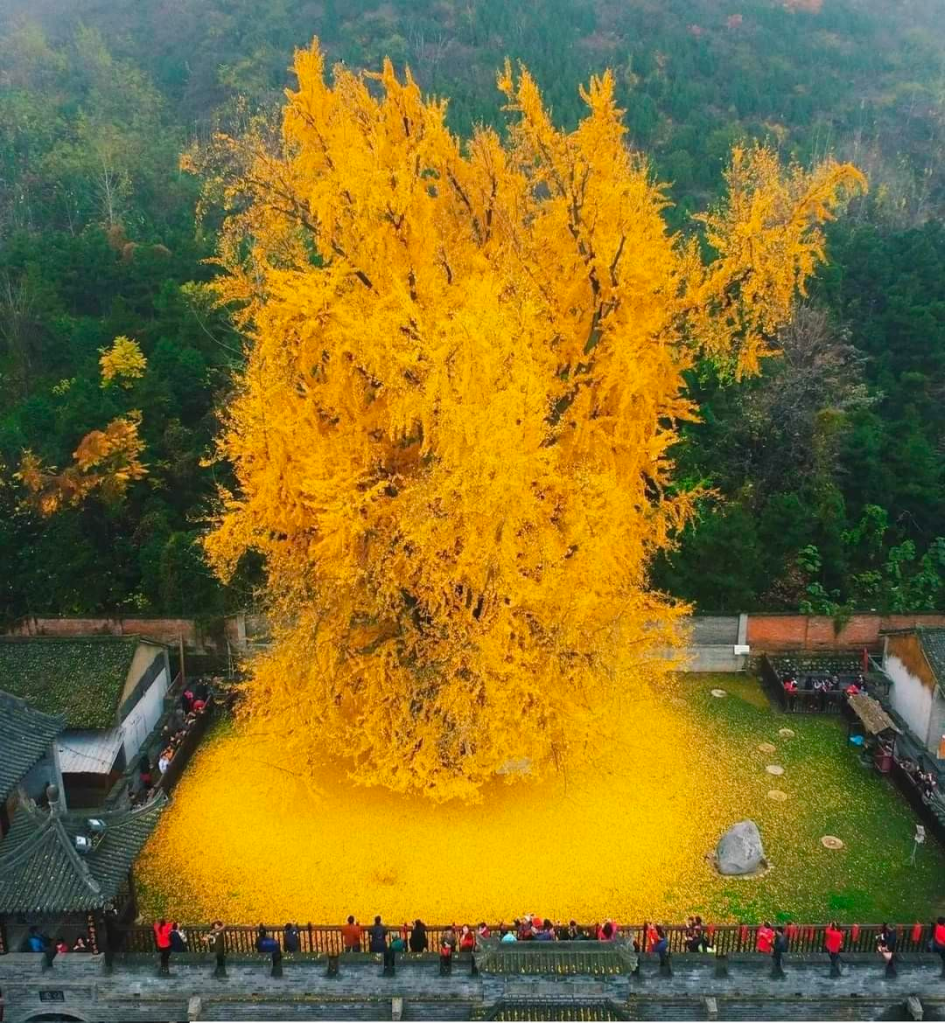
Mesmerising mellow-yellow giant Gingko Biloba
A 1400-Year-Old Ginkgo Biloba Tree in China’s Zhongnan Mountains mesmerises and shimmers with its yearly golden autumn display, drawing crowds from far and wide. Nestled behind a Buddhist temple near Gu Guanyin. This ancient tree, once thought extinct, has been leaving a breathtaking golden carpet each November since its discovery by a German naturalist in the 1600s. Via Archaeohistories on Mastodon.
Rise above the difficult times
From the nourishing and insightful blog of Thomas Slatin
So, as I navigate through these challenging times, I hold onto the knowledge that every obstacle we encounter is an opportunity for growth. Though the path ahead is uncertain, I am confident in my ability to weather the storms and emerge stronger on the other side. After all, it is not the hardships we face that define us, but rather how we choose to rise above them, with unwavering courage and resilience.
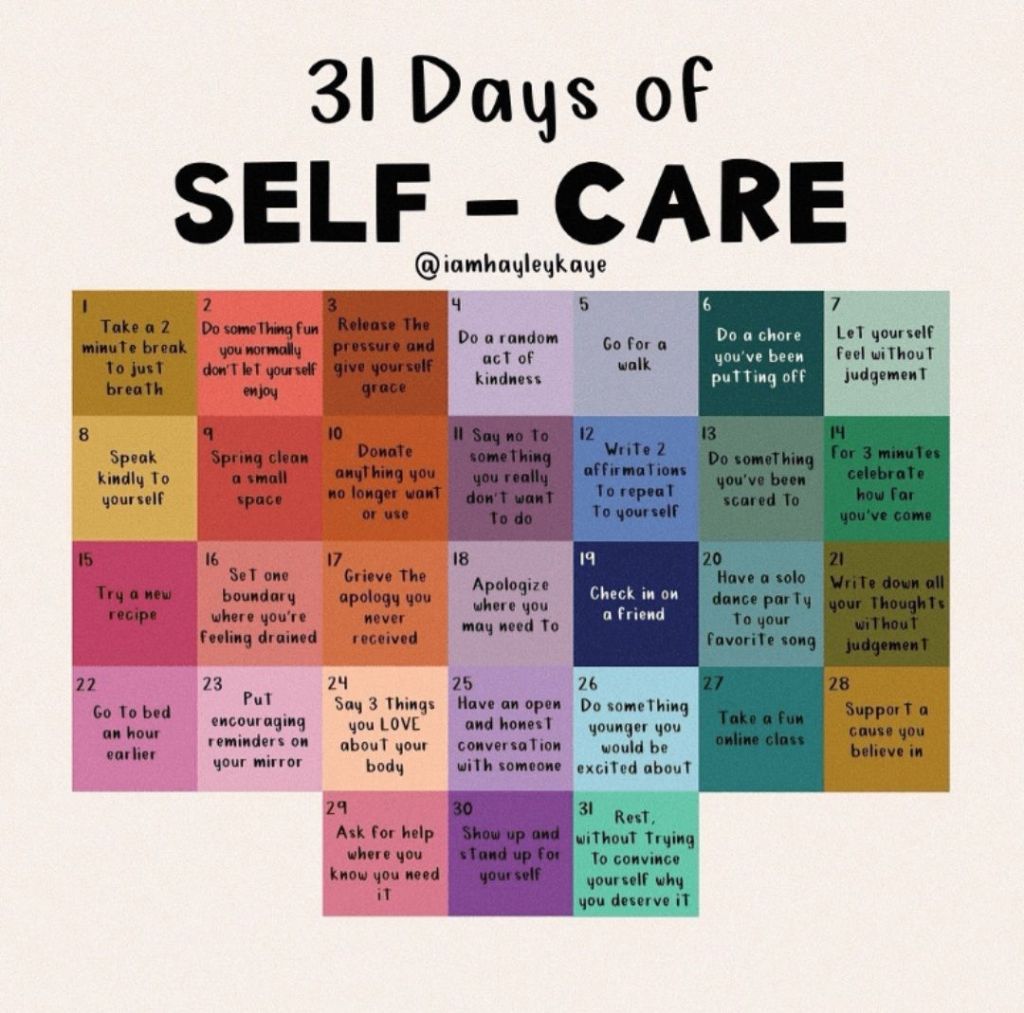
31 days of self-care
The musical influences of Björk and who she has influenced

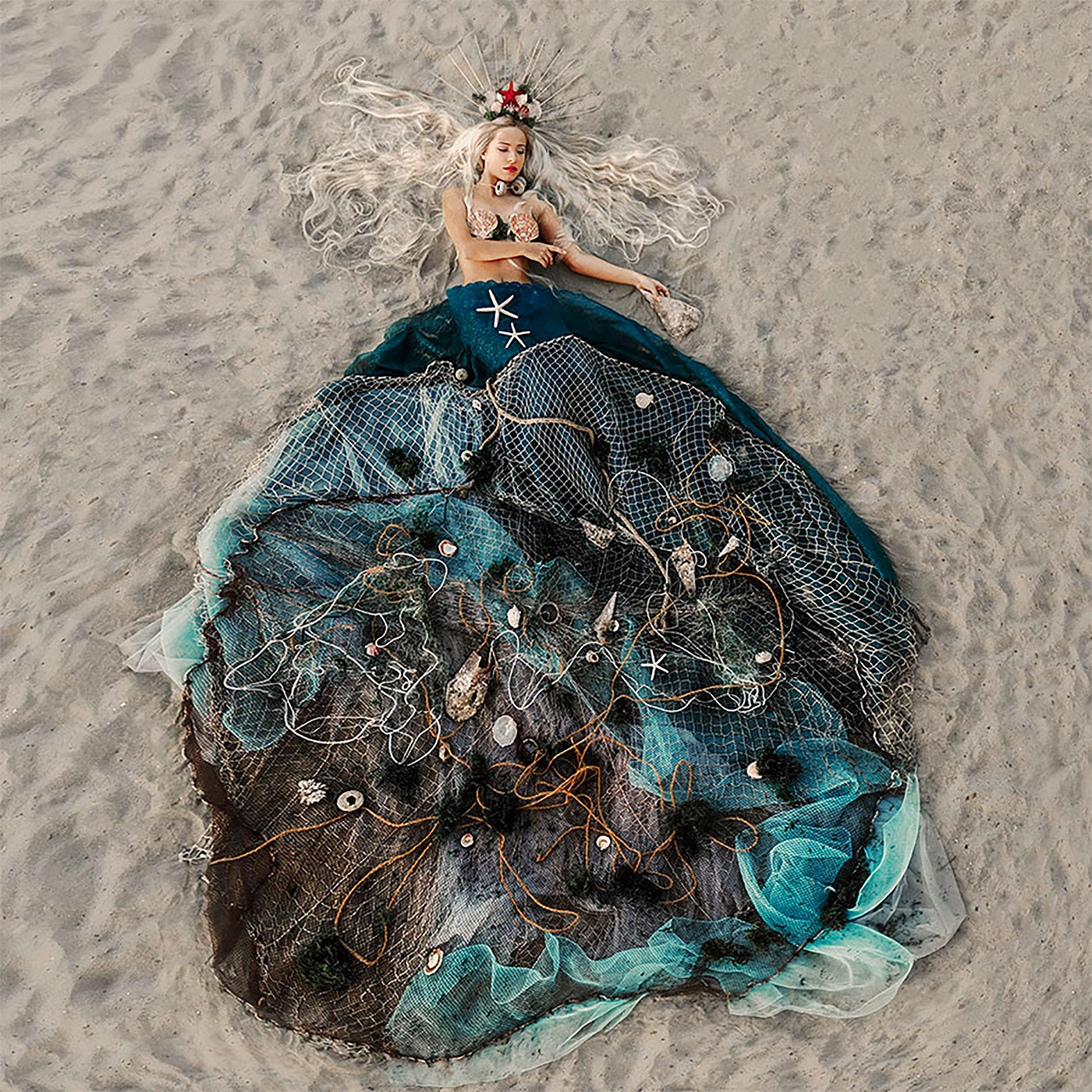
Dreamy art photography of women as goddesses by Serbian artist Jovana Rikalo
Serbian photographer and visual artist Jovana Rikalo creates dreamlike images inspired by pastel tones, fairytales and the surreal world. Found via Inspiration Grid on Mastodon.


Henryk Waniek’s surreal shimmering dreamworld
This painting is by Henryk Waniek, a Polish surrealist painter known for his dreamlike landscapes and intricate details. His works often blend elements of nature with geometric forms, creating a sense of otherworldliness. This particular piece showcases his signature style, with a rainbow arch and transparent columns set against a backdrop that transitions from day to night, illustrating his unique ability to merge the fantastical with the familiar. Via Deep Thot

Did you enjoy this collection? let me know what you think of it below. Thank you for reading my dear friends!


These are always great! Thank you for sharing–I love all these gems.
LikeLiked by 1 person
Thank you for reading 📚
LikeLiked by 1 person
I’m glad you mentioned a Universal Basic Income. I’m all for that one as well, as long as it’s high enough. Nobody wants to live on the poverty line. It has to be higher than what is considered the lowest acceptable point. Probably not less than $1100.
LikeLiked by 1 person
Thank you for reading 📚 I really hope for UBI too especially once AI takes everyone’s jobs…I hope this is a long time from now. On the bright side having UBI means a lot of creative people will have more time to master things that are meaningful to them 😀
LikeLiked by 1 person
So true.
LikeLike