This week prepare yourself to understand the difference between a seal and a sealion, explore obscure solarpunk art, a pigment library, an ancient song as a haiku to life and death, Scots Gaelic words and much more, it’s edition #103 I hope you like it friends…
What’s the difference between a seal and a sea lion? Now you know!

An interesting rare pigment library
I did not know that such places exist. The history of pigments is a fascinating one, many of the colours we now take for granted come from poisonous and toxic substances and people paid to use them with their health.
Sorrow is a river
“What is older than desire?
the bare tree asked.
Sorrow, said the sky.
Sorrow is a river
older than desire.”
— Robert Hass
Photography: Ansel Adams

Originally tweeted by Gayle Blackston (@gayle_dallas) on February 3, 2023.
Speakman Sound – Babamimoun ft Simo Lagnawi (Directed by Eidy Knowles)
The immersive and evocative video storytelling with the Berber people in the desert and then the music which starts off as being traditional sounding and then turns electronic is really fascinating. I loved this song!
This ensemble may in fact be what you will hear once you reach the afterlife
They sound really great!
Enough of Self Care – It’s Time for Other’s Harm
I love where this meme is going…even if it is a bit wild!

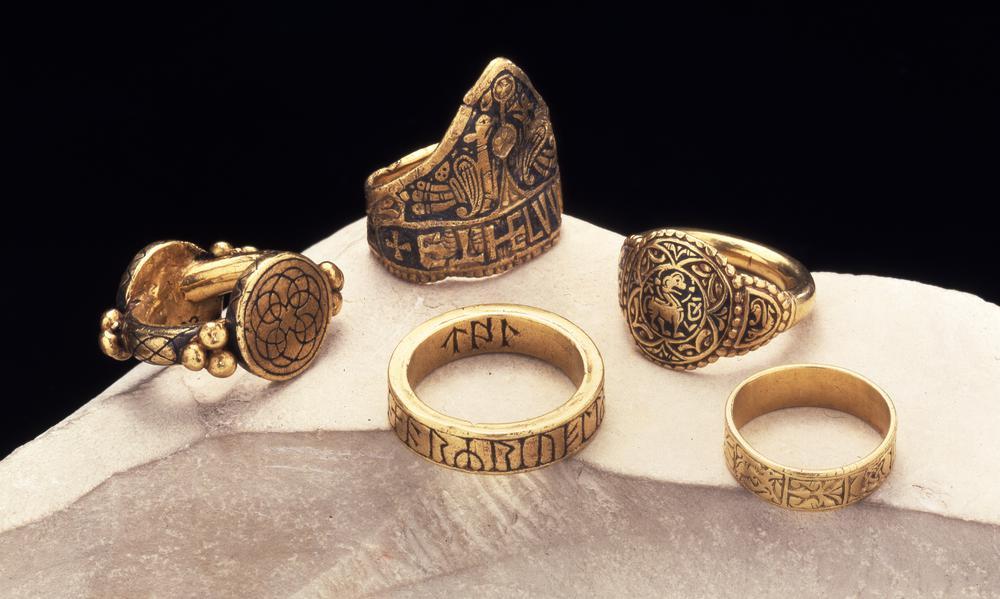
Gorgeous Anglo-Saxon rings
Rings from Anglo-Saxon England. Date: c. 8th-10th century AD. Excavated/Findspot: Aberford, British Isles, UK. Inscription transliteration: + EA⃒ÐELSVIÐ⃒REGNA. Inscription translation: Queen Æthelswith. Materials: gold and niello. Collection: British Museum.
Originally tweeted by Archaeology & Art (@archaeologyart) on December 6, 2022.
Mado Kara Mieru: ‘Calling all Dawns’ is an ancient song in Haiku about the seasons of life
Mado Kara Mieru is a sweeping epic from Christopher Tin’s two-time Grammy-winning album ‘Calling All Dawns’. Sung in Japanese and translating to English the song is a setting of five haiku about the seasons: spring, summer, autumn, winter and spring. Each verse is sung by a different singer in a different stage of their life: a child, a young woman, an older woman, a chorus of old men, and a child. The song represents the cycle of life: youth, old age, death, and then rebirth again. This is truly EPIC! I am well and truly a Christopher Tin fan now.
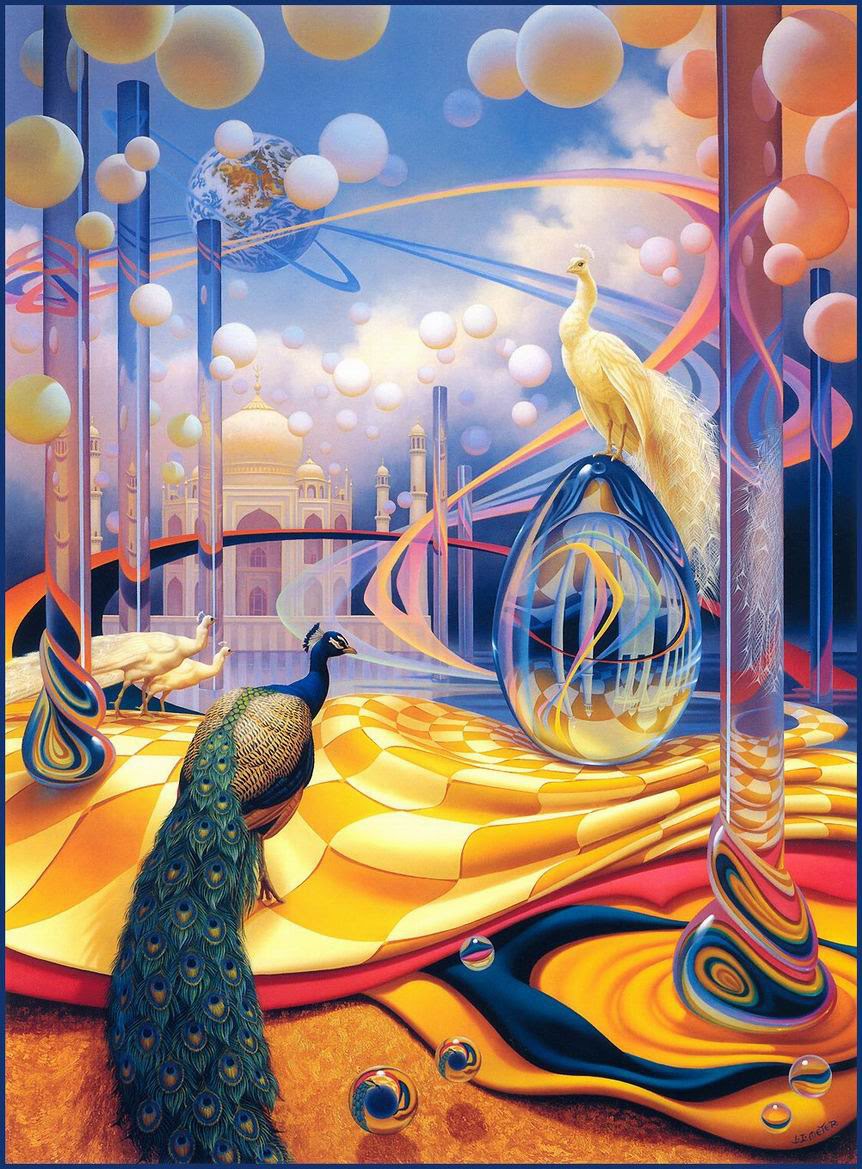
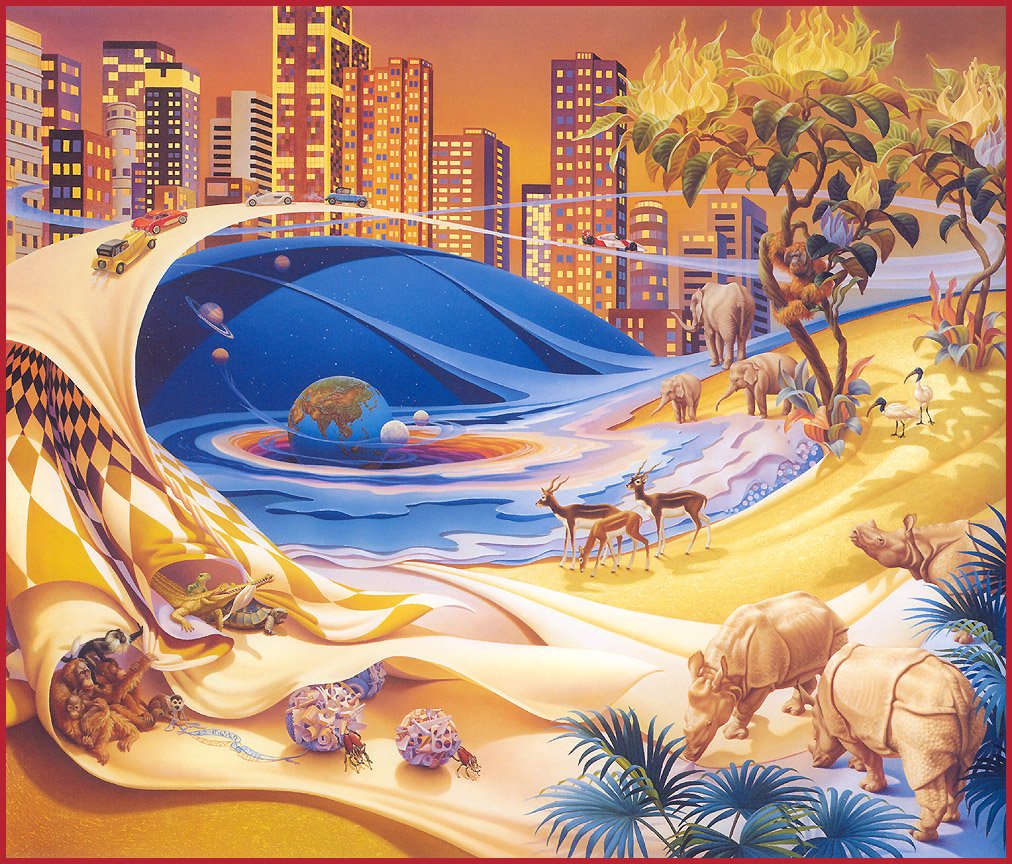
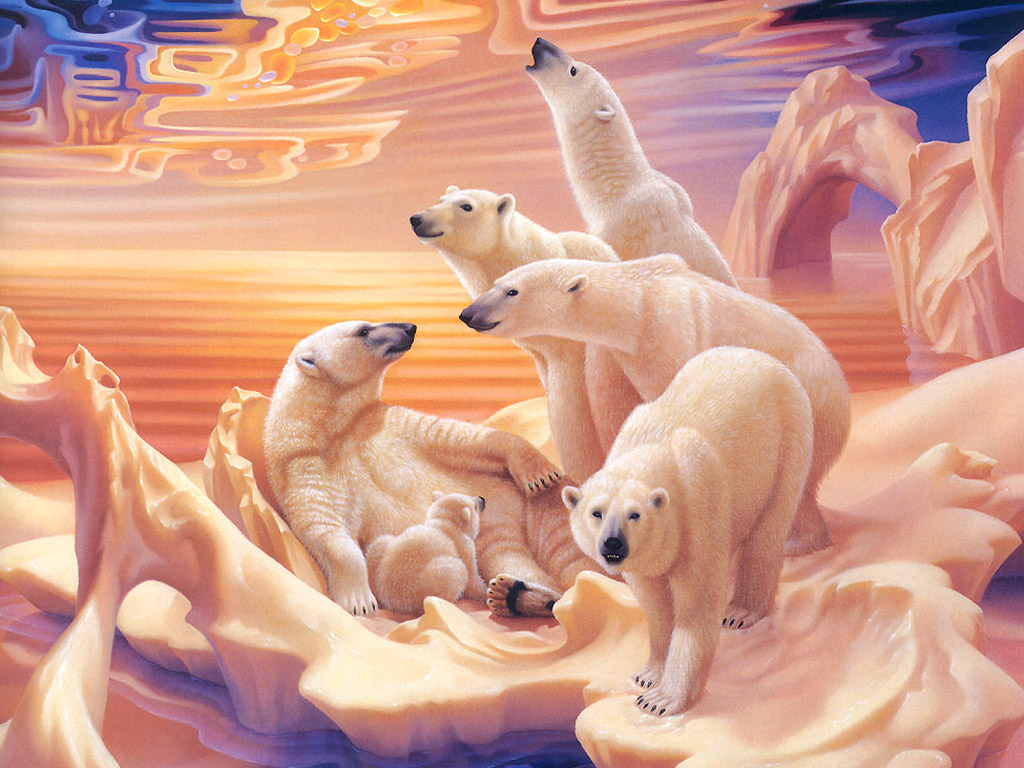
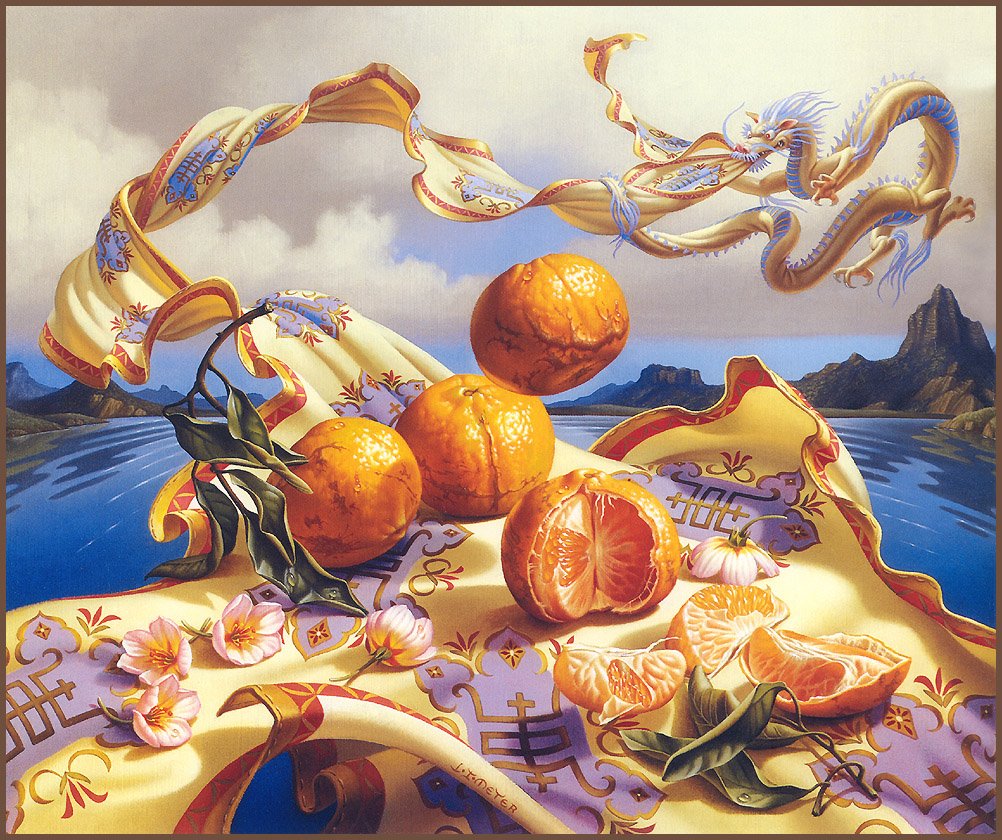
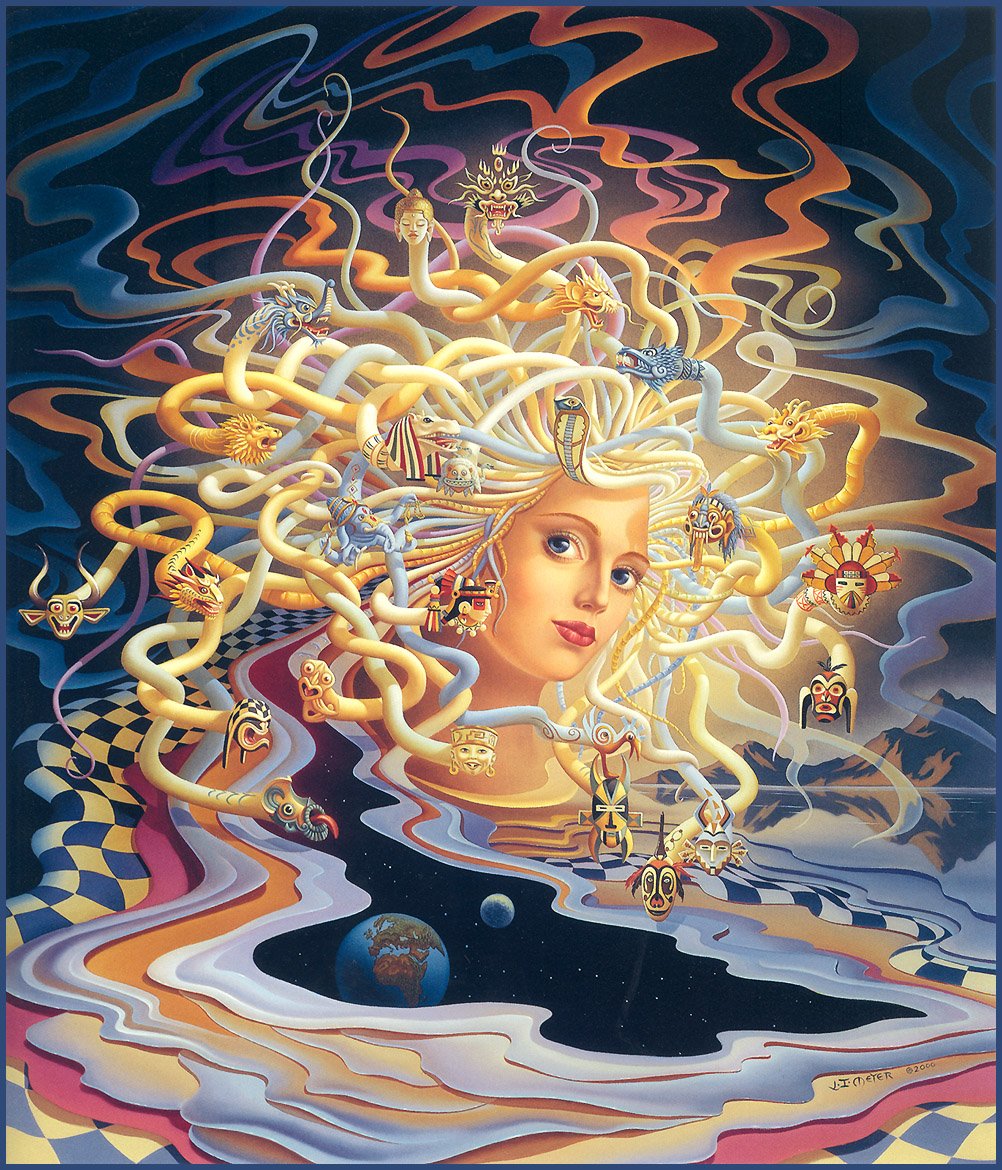
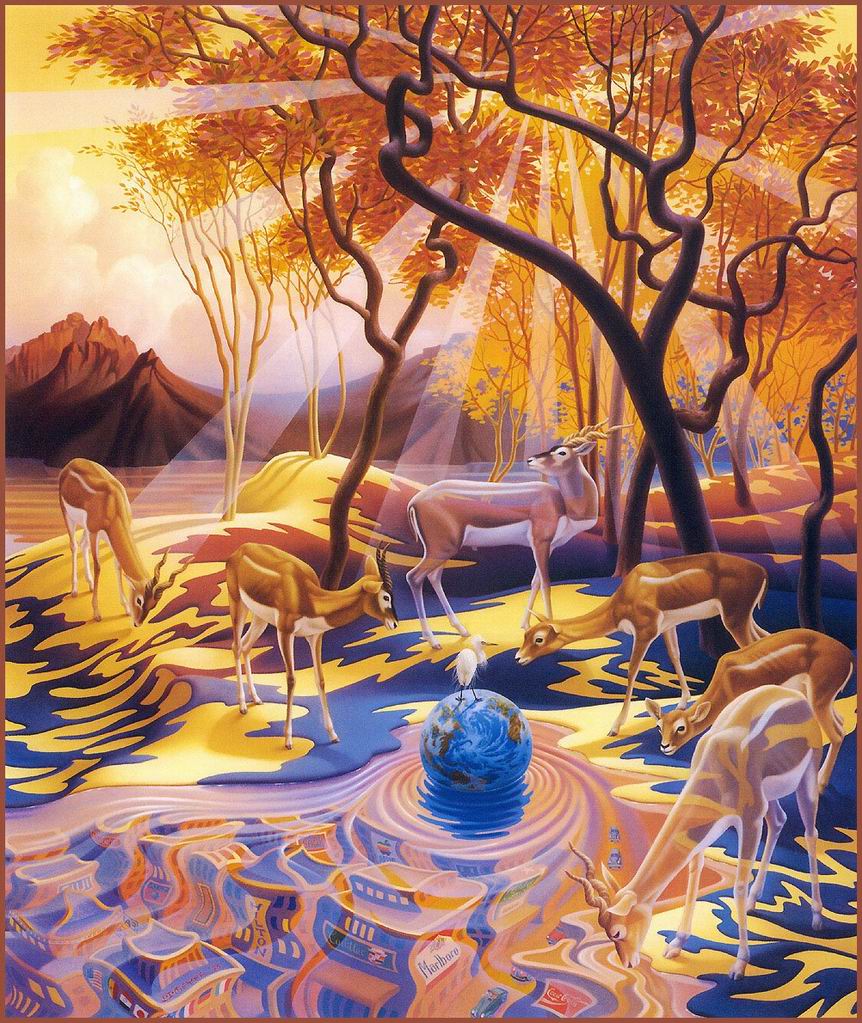
Imagining a Solar Punk future with the art of Ilene Mayer
If Cyberpunk is our worst nightmare imaginings of a future dystopia, then Solarpunk is the opposite. A far more optimistic future fable that unfolds involving the cooperation between all sentient beings, an end to human supremacy, reverence of technology and ancient mystical lore and wisdom. If apprehension about the future of our natural world is getting to you, Solar Punk is an alternative to soak your mind in for solace.
Ilene Mayer who I have featured in this series before seemed to take her cue from Solar Punk in her work, well before the concept of Solarpunk was well known. Ilene Mayer (1938-2009) was a self-taught oil painter whose work is a stunning example of fantasy, surrealism, and psychedelic colours and patterns. She rose to prominence when her art was used on the cover of science fiction novels by many writers including Philip K Dick. Found on this incredible blog by Sam Woolfe.




A list of English words of Scottish Gaelic origin
Bard[1] The word’s earliest appearance in English is in 15th century Scotland with the meaning “vagabond minstrel”. The modern literary meaning, which began in the 17th century, is heavily influenced by the presence of the word in ancient Greek (bardos) and ancient Latin (bardus) writings (e.g. used by the poet Lucan, 1st century AD), which in turn took the word from the Gaulish language.Ben[1] From beinn[peiɲ], mountain.
Bodach: Old man.
Bog[1] From bog[pok], soft (related to boglach swamp), from Old Irishbocc.[2] 14th century.[3]
BothanA hut, often an illegal drinking den. (cf Bothy)
Caber tossAn athletic event, from the Gaelic word “cabar” which refers to a wooden pole.CailleachAn old woman, a hag, or a particular ancient goddess.
Cairn[1] From càrn. The word’s meaning is much broader in Gaelic, and is also used for certain types of rocky mountains.Camana shinty stick.
Capercaillie[1] From capall-coille[kʰaʰpəl̪ˠˈkʰɤʎə], meaning “horse of the woods”
CèilidhA ‘social gathering’ or, more recently, a formal evening of traditional Scottish Social Dancing.
Canntaireachdoral notation for pipe music.
Clan[1] From the compound form clannpronounced [ˈkʰl̪ˠãũn̪ˠ], from clann, children or family. Old Irish cland.[2]
Claymore[1] A large broadsword, from claidheamh mór[ˈkʰl̪ˠajəv ˈmoːɾ], great sword.
Coireliterally a “kettle”, meaning a corrie, from the same root.
Crag[1] From creag[kʲʰɾʲek], a cliff.Deoch an dorus (various spellings)meaning a “drink at the door”. Translated as “one for the road”, i.e. “one more drink before you leave”.Fear an taighean MC (master of ceremonies), Gaelic lit. “the man of the house”
Eàrlaid[4] the right sometimes sold by an outgoing to an incoming tenant to enter into possession of the arable land early in Spring.
Galore[1] From gu leor, enough.
Gillie[1] a type of servant, now usually somebody in charge of fishing and rivers, and also ghillie suit used as a form of camouflage, from gille[ˈkʲiʎə], boy or servant.
Glen[1] From gleann[klaun] a valley.
Gob[1] From gob, beak or bill.Kyle or KylesStraits from Gaelic Caol & Caolais.
Lochaber axeFrom Loch Abar, Lochaber + axe.
Mackintosh[1] After Charles Macintosh who invented it. From Mac an Tòisich[ˈmaʰk ən̪ˠ ˈt̪ʰɔːʃɪç], son of the chieftain.
Mod[1] A Gaelic festival, from mòd[mɔːt̪], assembly, court.
Pet[5] From peata, tame animal.
Pibroch[1] From pìobaireachd[ˈpʰiːpɛɾʲəxk], piping.
Pillion[1] From pillean[ˈpʰiʎan], pack-saddle, cushion.
Plaid[1] From plaide[ˈpʰl̪ˠatʲə], blanket. Alternatively a Lowland Scots loanword [1], from the past participle of ply, to fold, giving plied then plaid after the Scots pronunciation.
Ptarmigan[1] From tàrmachan 16th Century.
Shindig[1] From sìnteag to skip, or jump aroundSlogan[1] From sluagh-ghairm, battle-cry
Sporran[1] Via sporan from Old Irish sboran and ultimately Latin bursa, purse.[6]Spunk[1] From spong, tinder and also sponge. From Early Irish sponge, from Latin spongia, from Greek σπογγιά, a sponge.[2]
Strontium[1] from Sròn an t-Sìthein meaning “the point at the fairy hill”,[7] name of a village, near which the element was discovered.
Tack & Tacksman (a lessee)From Scots tak (take) cf. Old Norse taka.
Trousers[1] from triubhas via “trews”.
Whisky[1] Short form of whiskybae, from uisge-beatha
Janis Joplin being her fabulous self
She was one of a kind and will never be forgotten.

“All my life I just wanted to be a beatnik. Meet all the heavies, get stoned, get laid, have a good time. That’s all I ever wanted. Except I knew I had a good voice and I could always get a couple of beers off of it.”
“I had these tie-dyed satin sheets, the most beautiful fuckin’ sheets in the world, and I started makin’ it with this cowboy and he shredded them up with his cowboy boots. Three hundred dollar satin sheets shredded by cowboy boots. I loved every minute of it.”
“I always wanted to be an artist, whatever that was, like other chicks want to be stewardesses. I read. I painted. I thought.”
Did you enjoy this collection? Consider making a one-off donation to say thanks, this helps to pay for the website costs. Thank you for reading
 Content Catnip
Another fascinating collection! Thank you!! 🙂
LikeLiked by 1 person
By coincidence, just on Saturday a professional painter was telling me about the toxicity of some brands/hues of paint. Such that he got regular blood tests, and even taking precautions, the test results indicated that he was somehow involved with toxic stuff. The doctor just had to ask, and when he said ‘painter’ – bingo!
LikeLiked by 1 person
Sorry for the delay in replying to this Mike I sometimes dont come on here that often I’m really glad your friend managed to catch the toxic paint before it caused serious health issues. Hope you are going well dear friend 🤗
LikeLike