
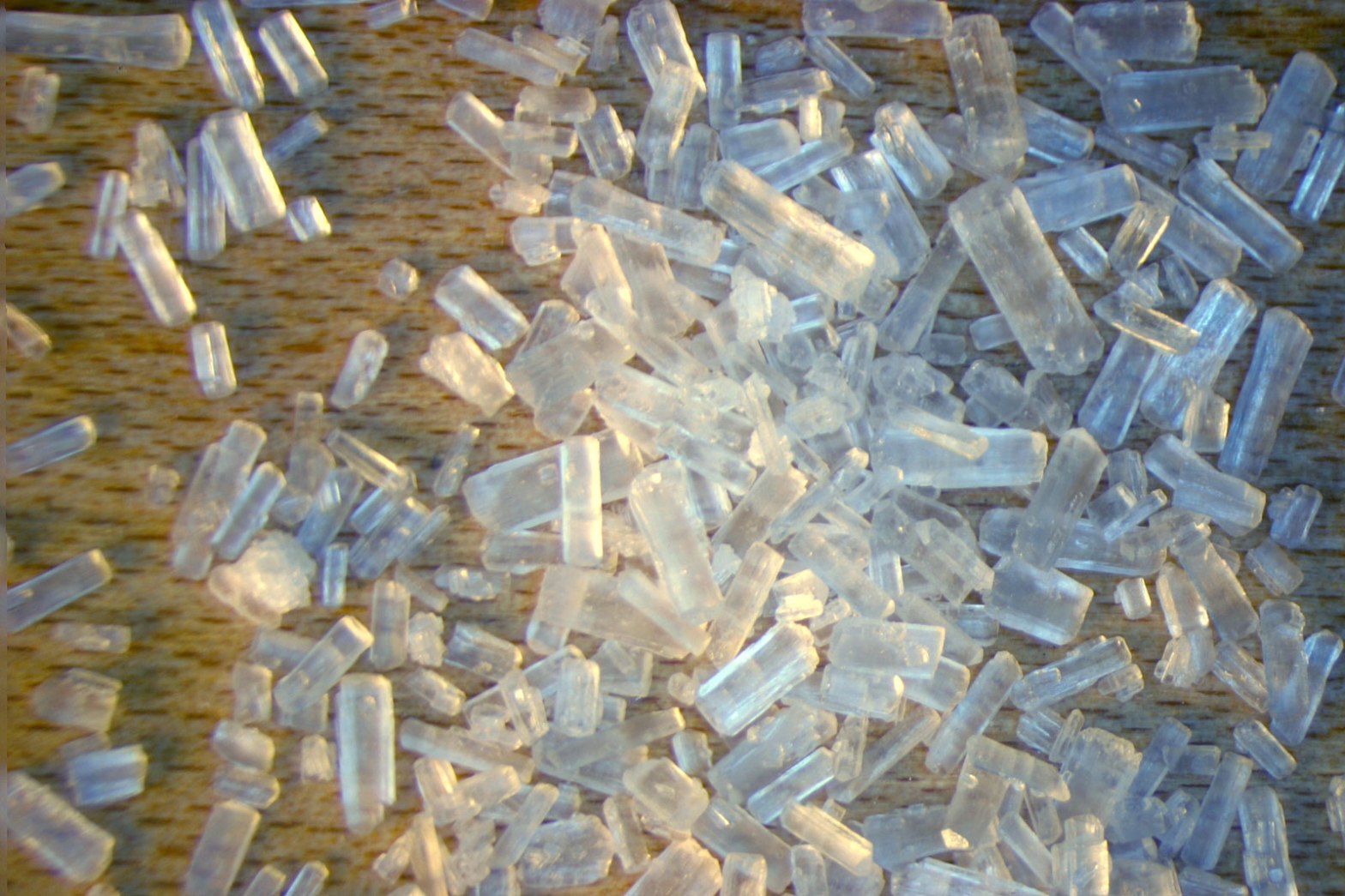
Mono Sodium Glutamate was a buzz word from the 80’s and 90’s. It seemed that everyone had a story to tell about the after-effects of this flavour enhancing food additive. MSG used to be a dirty word, but it seems that in the past decade, the tide of scientific evidence has turned the other way. Do we have anything to worry about?
After moving to Auckland my boyfriend and I were frequenting some Asian food courts. Then we started experiencing these overwhelming…let’s just say….amplified, severe and hallucinogenic affects after tucking in to Asian food. This led me to investigate into MSG and other nefarious ingredients. Perhaps we all should be more vigilant about the additives, preservatives and flavour enhancers allowed in our food?

Here are the facts…
Monosodium Glutamate (MSG) consumption Is Associated with Urolithiasis and Urinary Tract Obstruction in Rats. According to open-access peer researched journal PLOS:One.
What to look out for on the labels
Preservative 635, monosodium glutamate, preservative 621 or anything that says flavour enhancer.
Common foods that contain MSG
Chicken Twisties
Cheese Twisties
Cheetos Cheese and Bacon Balls
Doritos Cheese Supreme
CC’s Nacho Cheese
Cheezles Original Cheese
Arnott’s Shapes Nacho Cheese
Smith’s Cheese and Onion chips
Smith’s Chicken chips
Smith’s Barbecue chips
Smith’s Salt and Vinegar chips
Homebrand BBQ flavoured rice crackers
Kraft Snackabouts cheese spread
Maggi chicken flavoured noodles
Maggi beef flavoured noodles
Fantastic Chicken and Corn noodles
Fantastic Chicken noodles
Suimin Chicken noodles
Soy sauce
Oyster sauce
Common Symptoms of ingesting MSG
Studies indicate that up to 36% of us are sensitive to MSG and other flavour enhancers and preservatives. Symptoms can range from everything from a simple skin rash to asthma, migraines, headaches, heart palpitations, tachycardia, seizures, heightened awareness, incoherent thoughts, and insomnia. These symptoms can occur anywhere between 2 to 8 hours later.
It’s not considered important enough for public disclosure in Australia and NZ
In 2002, consumer health body Truth in Labelling submitted an application to the NSW Health seeking to mandate that all restaurants and food outlets disclose when their food contains MSG. This mandate was refused. This despite many people’s violent and severe reactions to food additives!
Artificial food additives have long been a part of our eating lives, but are they really innocuous?
The list of approved food additives in New Zealand and Australia is long and exhaustive. However despite the government’s insistence that these additives are safe, consumers are nowadays taking back the food that they eat. With the recent move towards buying non-GMO and organic produce, free-range eggs, guerilla gardening and veganism. These are all reasonable and rational consumer responses to these concerns.
A recent documentary about GMO foods called GMO OMG revealed that scientific studies done about genetically modified foods, were funded by the companies who cultivate these foods.
See filmmaker Jeremy Seifert talk about his documentary here
Consumer concerns about MSG go unanswered
Consumer concerns about the long term health effects of MSG have not been adequately addressed with appropriate peer-reviewed research. This leads the curious and inquisitive people (like myself) to question why there is a distinct lack in reliable scientific information about the long term affects of the human consumption of mono sodium glutamate. There have been many studies done, but so far none have provided concrete proof of serious long term side effects. However speak with anyone who ingests MSG and they will report violent and scary symptoms.
Consumer information is rather sketchy about MSG
This pamphlet explodes the ”myths” associated with MSG. It was commissioned by a respected healthcare body in the US. The factsheet seems informative and genuinely factual. Until I had a closer look at who commissioned it. A consumer health and food information portal called International Food Information Council Foundation. This supposedly non-profit, non-partisan group has board members from major corporations like Mars, McDonalds, McCormicks and Danone. This makes the pamphlet and all other information on this pristine website take on a much more uncertain character. I’m not saying that it’s necessarily wrong, but corporations have unfairly influenced the way that the facts are presented here.
What can we do about food additives?
Well if the government won’t change anything, then it’s up to people to change their food habits. We should start being granular and picky about our food choices. And stop buying highly processed foods and to lobby for more clear labelling on food products in Australia and New Zealand.


Wow!!! I am currently in day 2 of horrible insomnia and I just came across this post. I have been trying to work out what is causing this as I didn’t think I had done anything differently over the last 2 days. But your post made me realise I have eaten from 2 Asian food courts which I do not usually go to, one of dinner on Sunday and one for lunch today… could it be the MSG?
LikeLiked by 1 person
Hallucinations!? If you think you are sensitive to MSG always request no MSG (and no soy sauce) when eating out.
I saw some pro MSG propaganda the other day and I assumed it was new science. It said that MSG has been part of a smear campaign when it is naturally occurring and even present in our bodies. It also said that the was no scientific evidence to show MSG cause adverse reaction. All of it is anecdotal and the factions are not repeated in controlled studies. You should put yourself up for study to get to the bottom of it! I do sometimes wonder if it is the MSG or other environmental reasons why people feel out of sorts after a meal. Many Asian food places today do not use MSG. I know because my family owned some. Do you seek out those places and are do you feel better after?
I also wonder if Asians are immune to the ill effects of MSG? That might explain some things. I have never felt effects of MSG but I do believe all foods should be labeled. Real food does not require MSG, though I have to admit, I do have a soft spot for sauces.
I wonder, how much soy sauce would cause you to feel weird? And do you feel weird eating food with naturally occurring MSG such as tomato, seaweed and cheese?
LikeLiked by 1 person
Hi lady 🙂 I have to say I never feel weird when I eat things like tomato, seaweed and cheese. Sad thing is my favourite foods are Japanese and Korean so I have to stop eating them, or have them rarely and face the consequences when I do. I would love to find out some places where they don’t use MSG so please let me know
LikeLike
I don’t know of a list of msg-free restaurants, but if you go onto Zomato.com, you can search “MSG” to find some that do not use MSG. The search engine will also show up places that do use MSG, but it is a start! As I mentioned before, you can request no msg or just ask at your next meal. I think you will find many do not use MSG. Dishes are hardly ever pre-prepared with MSG, it’s usually something added at the end to enhance the flavours that are already there.
LikeLike
Yep I agree. But many of the sauces come loaded with MSG in them if you know what I mean…that’s where it comes from and it’s hard to get out of that. Also some of the other stuff they put in there is pretty whack too, and yet it’s all allowed. I don’t think our bodies are designed for artificial things, it doesn’t feel right to me…know what I mean?
LikeLike