
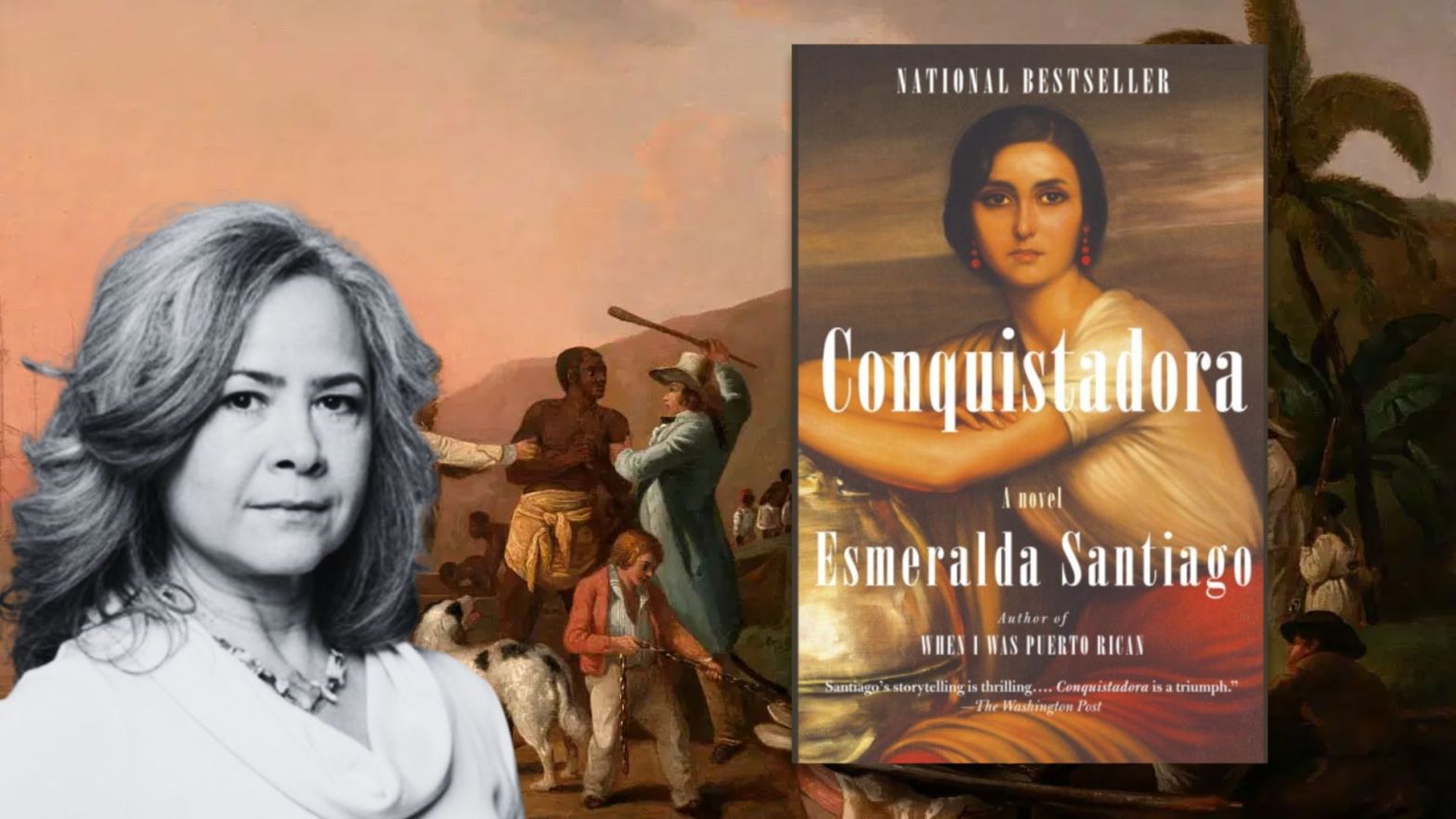
A novelised tour Puerto Rico’s colonial history from the perspective of a determined and yet unlikeable heroine and the people she enslaves for a sugar hacienda in the 19th Century. It could have been improved with more focus on the lives of the slaves.
Rating: 🌟🌟🌟
Genre: Historical Fiction, Colonial fiction, Puerto Rican history, colonisation, slavery.
Publisher: Alfred K. Knopf Publishing
Review in one word: Powderkeg
Esmeralda Santiago’s Conquistadora is a sweeping and compelling historical fiction set between old Europe in 19th Century Spain and the New World of Puerto Rico. I have to admit that I don’t know much about Puerto Rico but recently watching the Superbowl half time performance of Bad Bunny sparked my imagination and curiosity about the culture and people of Puerto Rico, which made me want to read this book.

Protagonist Ana is resentful of being born female into a world of hushed parlours where women are seen and not heard in 19th Century Spain. She’s a tomboy and a rebel and longs to have adventures like her ancestors. Along with this goal of exploration is her desire to dominate another land and other peoples, whom she sees as lesser than herself.
So she escapes the strictures of her class and gender by way of marriage to ambitious Ramón along with his twin Innocente set sail for the American colony Puerto Rico. Ana is a complex and generally unlikeable character in my opinion, due to her emotionless ambition to tame the new land she moves to, and her brutal exploitation of African slaves on her sugar plantation Hacienda los Gemelos.
Ana’s pride and liberation that she feels in the new place is as a result of the blood, sweat and tears of countless slaves. This is one of the major tensions in the book as Ana does struggle to rationalise her decisions and how she feels about these people, whom she “cares” about but ultimately sees as less than herself and less than human.
Would she discipline the old, the crippled, the children she was taking on as her responsibility? She remembered Jesusa slapping her servants, then being shocked that they quit their jobs.
But she now wondered if it was in her blood. Subjugating the native people was the first thing the conquistadores did, always by force, always by violence.
She was now in the position Jesusa had wished for: one of undisputed power over others. So far, none of her workers had challenged Ana, but of course, they could. They should, Ana thought. She would, if she were one of them. And that made all the difference.
“So long as they’re slaves,” Ana said to Ramón and Inocente, “they have to do what I say. I’ll train them, and if they refuse their work, yes, I’ll punish them. That’s what it means to be an hacendada, doesn’t it?”
Excerpt from Conquistadora by Esmeralda Santiago
The ‘strong-willed mistress’ of a colonial plantation is a literary character done to death and could even be considered cliched. I found the character of Ana a bit one dimensional and boring for this reason.
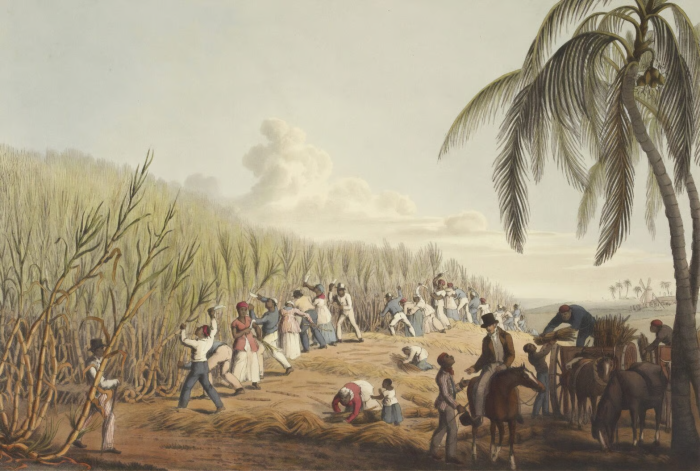
Santiago does a brilliant job of diving between perspectives. The strongest writing in the book, in my opinion, comes from her delving into the perspective of the people enslaved on the plantation.
Flora observed these changes because it was important to notice everything. A new master meant that she must pay close attention so that she could learn what kind of people they were. Would the masters bother the women? Would the lady spend only a few days a year at the hacienda and live the rest of the time in the city? Would they have much company, or would they prefer to visit others? Would the lady sit against cushions whining that she was bored while ordering maids and complaining that things were not clean or neat enough?
Flora had lived among blancos for years, and she knew that they were an indolent but violent race. To survive among them, she watched them, and could read them as well as they read their books and letters.
Flora was a Mbuti, and her clan lived in dense forests, hunting, fishing, and gathering, moving from place to place along the Congo River, following the availability of fruits, vegetables, and game.
Their low stature and highly developed senses made them agile and stealthy. Children were taught to revere their environment because taking the forest for granted could be deadly.
As they moved through the bush, the Mbuti sang to the gods in gratitude and exultation for the gifts of food and shelter.
Among her people she was named Balekimito. When she was blessed with the blood, her clanswomen and friends celebrated Balekimito’s first menstrual period in the elima ceremony.
They built a house from supple branches and broad leaves, and the women and pubescent girls moved in. The elder women taught the girls how to keep embers alive so that they could revive the fire in their next camp. They taught them the adult women’s songs and sang about the responsibilities of womanhood and motherhood. Boys congregated around the yard of the elima house and sang to the girls, hoping that one would choose him to be allowed inside. The days in the elima house were the happiest time of Balekimito’s life.
Three moons later, Portuguese slavers captured her and her mother. They raped them, then made them walk to a village where they were thrown into a shack and roped to other captives for two nights.
Excerpt from Conquistadora by Esmeralda Santiago
Reading about colonisation and slavery from the perspective of the slaves was riveting to say the least. Mainly because I feel like deep in my own history my own ancestors were enslaved or colonised, in Aotearoa and in Ireland by powerful people from elsewhere who took away the riches of their own land. So for me these parts of the book had a personal lens of understanding, a deep ancestral understanding.
“The dead time, for the slaves, was as arduous as the zafra, with the added burden of the bone-rattling thunder, sizzling lightning, and sudden downpours of hurricane season that made outdoor labor hazardous. Rain or shine, dead time or zafra, the slaves fulfilled their duties under the watchful foremen and supervisors who were either white men or light-skinned mulattos with short tempers and quick hands. Locked in for the night in windowless cuarteles, the slaves led an existence defined by the demands of others, the needs of others, the caprice of others, and by the insistent throaty call of the watchtower bell.”
Excerpt from Conquistadora by Esmeralda Santiago
I recommend this novel more of an anthropological record of what occurred to the oppressed, but only as a partial side story rather than the main narrative. The story of the oppressors and colonisers (Ana and Severo) which is the ‘main course’ of the book is far less compelling and more stereotypical. These main characters lack the charisma and likeability to carry the book in my opinion.
This novel could have been radically improved, and also radicalised by showing equal perspectives in the narrative of the enslaved peoples, whose stories should have been given more time. These were harrowing stories of survival, resilience and will to survive against unspeakable odds and racism, which make these far more interesting stories than the coloniser’s version of history. An approach like this would have made the book far more interesting. For this reason I give this book a rating of three stars.