Lee Scratch Perry’s rules for life
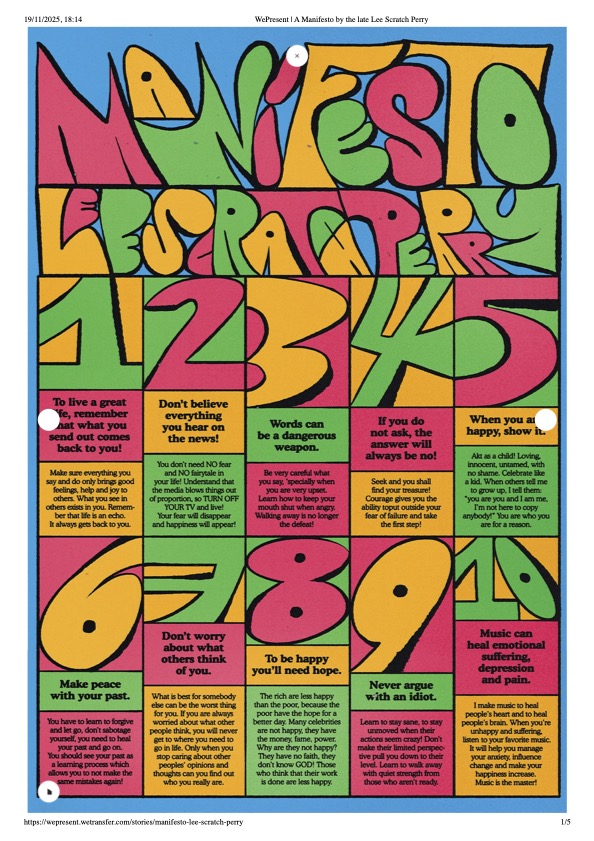
Here are 10 life rules from a man who lives in a truly extraordinary way. Jamaican artist Lee Scratch Perry is a wildly creative musician and producer who has sprinkled his inimitable magic on to projects in collaboration with the likes of Bob Marley and the Wailers, The Clash, The Beastie Boys and many more. He’s a true legend, and his sage rules for living reflect that.
Jungian art therapy – discover your inner symbol
Why I’m writing about the sublime, by Robert Greene
One of my favourite non-fiction authors who writes about the human experience and philosophy Robert Greene is going to be putting out a book soon about experiencing the sublime, here he talks about why the sublime is important to everyone.
Deer by Gaston Phoebus (1470)
Deer. Gaston Phoebus, Le Livre de la chasse, Paris ca. 1407. NY, Morgan, MS M. 1044, fol. 7r.
#medieval #MedievalArt via Medieval Illumination

The Neon Judgement – The Fashion Party
‘Eliminate the nonessential’ and Other Advice for Artists
Artist and teacher Kit White offers a toolkit of ideas and a set of guiding principles for creative thinking via MIT Press Reader.
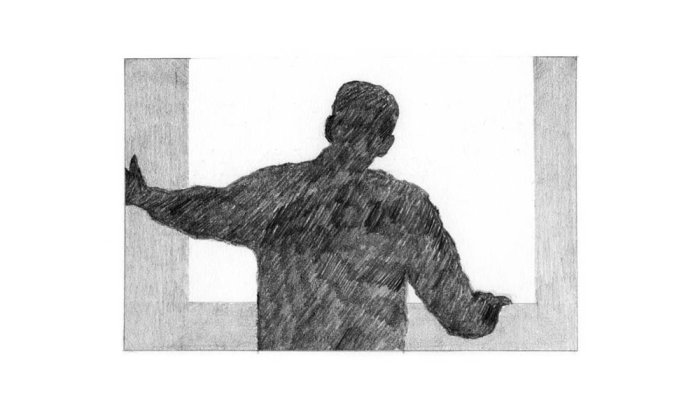
“Art is an idea that belongs to everyone,” writes artist and teacher Kit White in the opening pages of his book “101 Things to Learn in Art School.” “Whatever physical form it might take, whatever emotional, aesthetic, or psychological challenge it may offer, it is vital to every culture’s sense of itself.” As such, art is not separate from life, says White, but the very description of the lives we lead.

The 101 maxims, meditations, and demonstrations contained in White’s book offer both a toolkit of ideas and a set of guiding principles for the artist. Complementing each of the 101 succinct texts is an expressive drawing by the author, often based on a historical or contemporary work of art, offering a visual correlative to the written thought. “Art can be anything” is illustrated by a drawing of Duchamp’s famous urinal; a description of chiaroscuro art is illuminated by an image “after Caravaggio”; a lesson on time and media is accompanied by a view of a Jenny Holzer projection; advice about surviving a critique gains resonance from Piero della Francesca’s arrow-pierced Saint Sebastian. “101 Things to Learn in Art School” is a guide to understanding art as a description of the world we live in, and using art as a medium for thought. We’re pleased to offer a selection of lessons from the book below.
—The Editors
For every hour of making, spend an hour of looking and thinking.
Good work reveals itself slowly. You cannot judge a work’s full impact without hours of observation. It is also a good idea to step away from what you are doing at regular intervals. The immediate impression a work makes when it is reencountered is critical. A good work is satisfying both upon immediate encounter and after long periods of concentrated viewing. If any work fails on either approach, keep trying until you feel satisfied that you have succeeded on both counts.
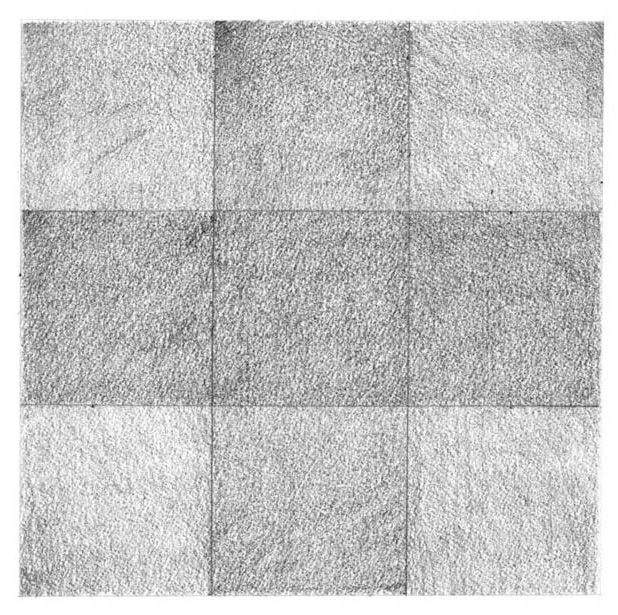
Making art is an act of discovery.
If you are dealing only with what you know, you may not be doing your job. When you discover something new, or surprise yourself, you are engaging in the process of discovery.
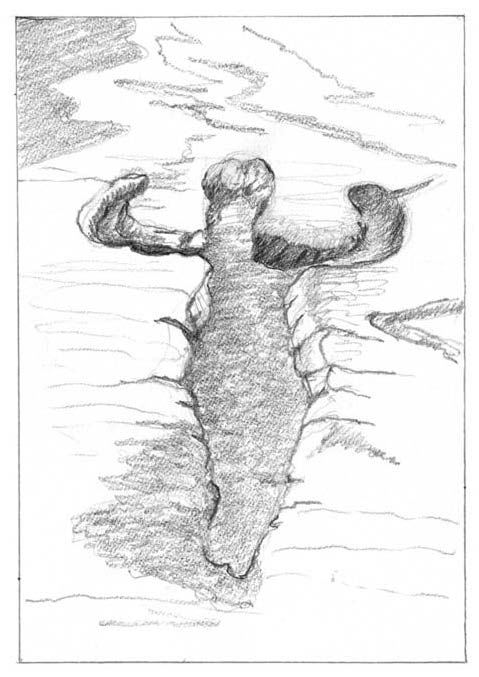
The human brain is hardwired for pattern recognition.
It has the capacity to distinguish tens of thousands of variations of the human face, which is composed of slight differences in a small set of features. The brain looks for what it knows. This has an upside and a downside. It makes it possible to create a recognizable image with very crude means. But it also makes it more difficult to render the world new or unfamiliar. To make an image different enough to bypass the brain’s pattern recognition and force it to reassess the meaning of an image is a challenge for every artist. To make the familiar unfamiliar is a large part of making new visual language.
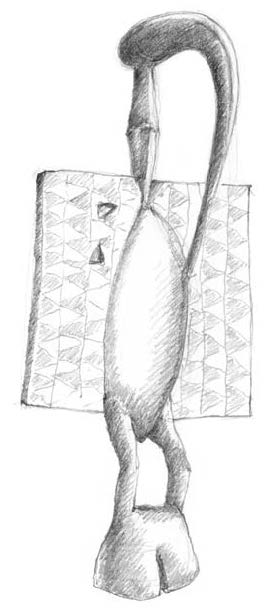
Art is a form of experimentation.
But most experiments fail. Do not be afraid of those failures. Embrace them. Without courting the possibility of something miscarrying, you may not take the risks necessary to expand beyond habitual ways of thinking and working. Most great advances are the product of discovery, not premeditation. Failed experiments lead to unexpected revelations.
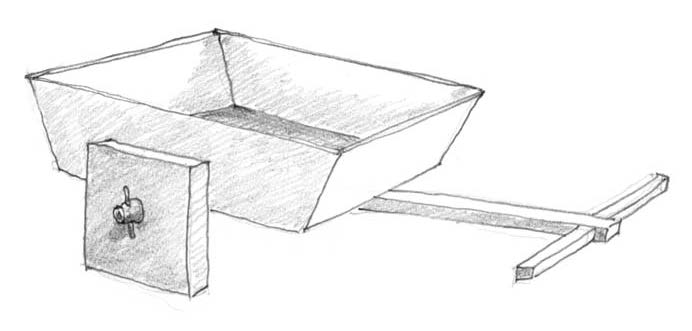
Color is not neutral.
It has an emotional component. Certain colors have specific associations and induce certain responses. Learn what they are. When you use color, try to determine and understand the accompanying emotional response and how to use it effectively. Color has a visceral impact.
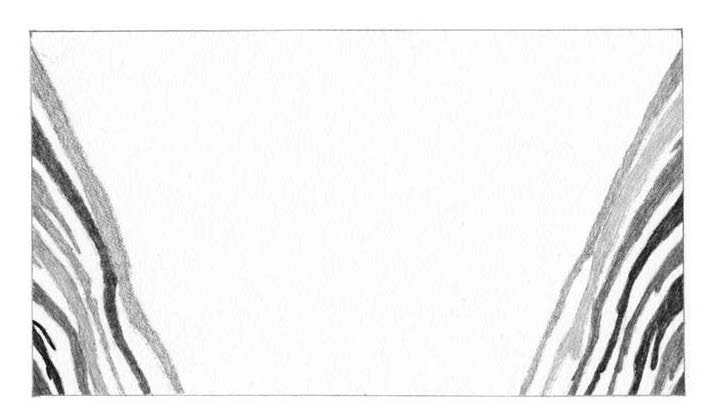
Meaning does not exist in the singular.
It is a transaction between two or more conscious minds. Your work is an attempt to bridge understanding between you and others. For this reason, there is no such thing as private symbolism. Meaning derives from communication.
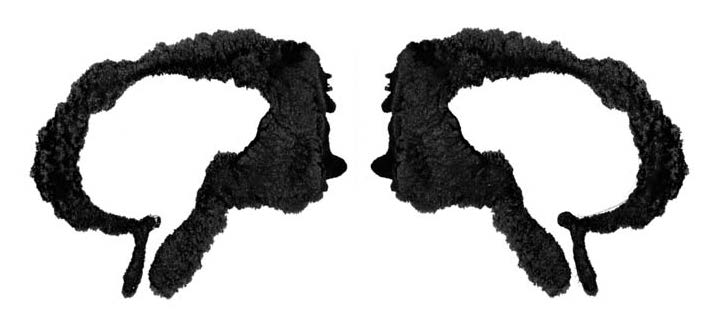
Eliminate the nonessential.
Every work of art should contain whatever it needs to fulfill its descriptive objective but nothing more. Look at the “leftover” parts of every composition. Successful images have no dead spaces or inactive parts. Look at your compositions holistically and make sure that every element advances the purposes of the whole.
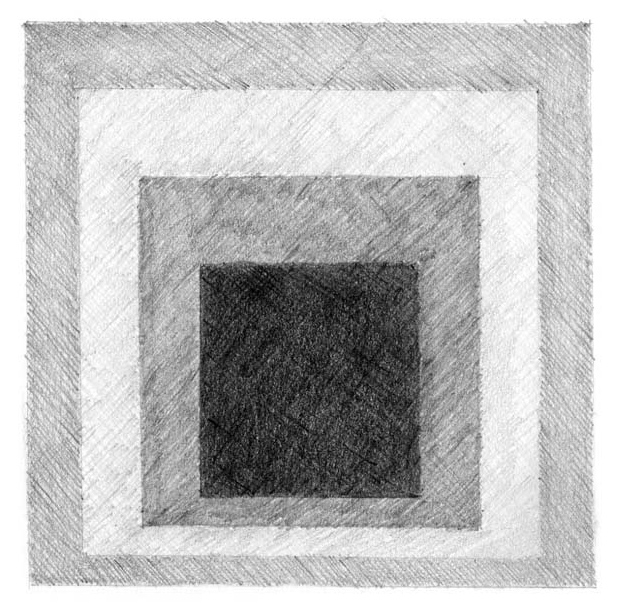
An idea is only as good as its execution.
It is important that you master your medium. Poorly made work will either ruin a good idea or make the lamentable execution itself the subject. Overly finessed technique can mask a lack of content or can smother an image. At the same time, roughness and imprecision has its place in rendering. One can only gauge the need to throw technique away if one has first achieved the mastery of it.
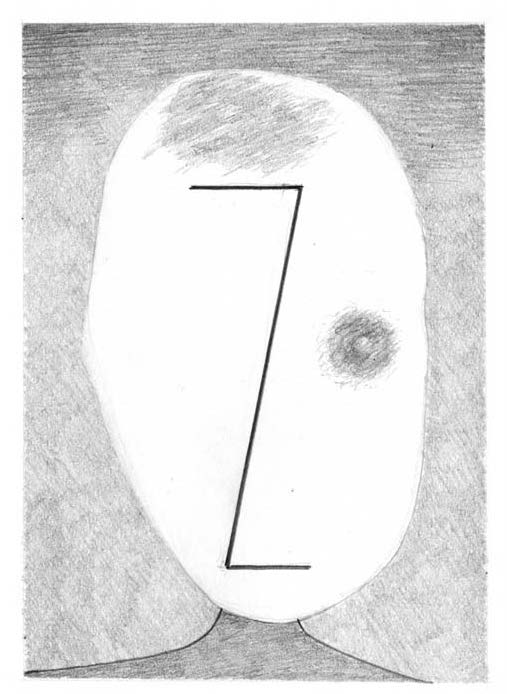
Kit White is an artist and former professor of painting at Pratt Institute, Brooklyn. His work is in the permanent collections of many museums, including the Guggenheim Museum. He is the author of “101 Things to Learn in Art School,” from which this article is excerpted.
Scott Marsh is a legend of political art!
Scott Marsh is a prominent Australian street artist, recognised for his large-scale, provocative, and politically charged murals. His street art is characterised by sharp satire and social critique, often created in rapid response to current events.

One of his most famous pieces was created in 2017 during Australia’s same-sex marriage referendum. This art in Sydney’s Redfern depicted then Australian Prime Minister Tony Abbott in a wedding dress marrying himself an allusion to his deep narcissism.
In another notable work, Marsh painted then-Prime Minister Scott Morrison who was holidaying in Hawaii while devastating wildfires ravaged Australia, a pointed critique that helped raise over $60,000 for bushfire relief.
More recently, he created a mural in Melbourne depicting Benjamin Netanyahu, Prime Minister of the genocidal Zionist regime of Israel. The artwork shows Netanyahu in a military uniform with an Israeli flag armband, set against a backdrop of a burning, bombed-out Gaza, clearly showing his central role in the destruction in Palestine. The portrait’s composition, including the uniform and posture, intentionally evokes propaganda imagery from Nazi Germany and the Third Reich. This creates a disturbing visual parallel between historical fascist regimes and the current actions of the Zionist leadership, calling out the genocide in Gaza for what it is – Hateful and Fascist.
Energetic comfy UK garage mix by Opi
Sweet Potato Soup by Nagi

- Leeks and onions – These add a flavour boost without having to resort to loads of cream or tons of spices to make this soup really tasty. If leeks are a bit pricey (as they can be during some months of the year) just use an extra onion instead. Just one onion to replace two leeks. Why? Because leeks have a more subtle, mild taste than onion. Two extra onions would make this soup too oniony, I think.Bonus – Leeks don’t make your eyes water when you cut them! 👏🏻
- Sweet potato – 2 medium ones totalling 1 kg / 2 lb (unpeeled weight), or one gigantic one.
- Cumin powder – A spice that really compliments the sweet flavour of sweet potato. Gives this a flavour reminiscent of Moroccan food which you know is a good thing!
- Garlic – This soup was never going to happen without garlic!
- Butter and oil – Because of the sheer volume of onion and leek that is sautéed, we need 4 tablespoons of fat to cook them. I felt like using just butter makes the soup a little too buttery, but using just oil isn’t as fun. So I took the best of both worlds by using equal amounts of each.😎 You can double up on either of them, if you prefer.
- Chicken stock (or vegetable stock) – I know it’s counterintuitive to use chicken stock for an otherwise vegetarian soup. But it really does give the soup deeper flavour than vegetable stock. However, I freely substitute vegetable stock.
- Cream – Any dairy cream will work here. Thickened or heavy cream, pure cream, single cream, double cream etc.Alternatives – I haven’t tried coconut milk or cream but I think they’d work nicely here. Sour cream and yogurt can also be used but they won’t add that touch of creamy mouthfeel that cream gives this soup. I’d rather use an extra knob of butter, personally.
- Sauté leek, onion and garlic for 5 minutes until sweet and softened.
- Stir sweet potato and cumin for 3 minutes so it’s nicely coated in the flavoured oil and the cumin gets toasted, which brings out the flavour.
- Simmer 20 minutes – Add the stock and simmer for 20 minutes with the lid off.
- Blitz with a stick blender until smooth.
- Stir in cream.
- Serve – Ladle into bowls and shower with something crispy!
How to Forgive Yourself for a Painful Past
This excerpt is from the thoroughly wonderful subscription I have to IFS expert and psychotherapist Dan Roberts. Definitely well worth getting this regularly to your inbox!
Looking back over your life, how do you feel about it? I hope mostly good, but I suspect that there are aspects of your life you regret, feel embarrassed or even ashamed about. Even though that might be painful, in some ways it’s a good thing – the concept of ‘healthy shame’ means that we are conscious when we have hurt someone, behaved badly or done something regrettable. This is like a message from your conscience that helps you learn from your mistakes, so you never do it again.
This is quite different from what psychologists call ‘toxic shame’, which is when we feel, deep down, that we are bad or wrong because of something we have done. This kind of shame is horrible, has no possible benefit and is the core work of most psychotherapy, helping you process and eventually let go of this corrosive emotion, like you would throw out some long-forgotten, mouldy food from the darkest corner of your fridge. Viewed through a parts lens, of course we wouldn’t throw out the part feeling that shame, just the shame itself, which hurts that poor part as much as it does the rest of you.
It’s also helpful to distinguish between guilt and shame. We feel guilt when we make a mistake, like sending an insensitive message or forgetting a friend’s birthday. We would then think, ‘Oh crap, I did something bad.’ But shame is when we make the same mistake and then think, ‘I am bad.’ This is far more destructive and almost always untrue, because we usually think we are bad when we made an all-too-human mistake. Or, especially for folks with a trauma history, someone did something horrible to us and we blame ourselves for it in some way, thinking we deserved this horrible treatment and so should suffer for it. This is patently untrue and, again, is often the core work of psychotherapy, especially if it’s trauma therapy.
Try making amends
The key to letting go of all this inner turmoil is to forgive yourself, whatever you might have done. But forgiveness is tricky, especially if you have actually hurt someone or done something that jars with your values, like being mean to your kids or having an affair. In that case, I think the ninth step in 12-step recovery programmes is very helpful: make amends to the person you hurt. This can be on a spectrum, from minor trangressions like being snappy with your daughter to major ones like betraying your partner, but the fundamental principles remain the same.
Either way, it’s helpful to own what you have done – let’s take the first example, which would look like sitting your daughter down and apologising for being snappy. In therapy, we call this a ‘non-defensive apology’ and it’s really powerful (unlike one of those politicians’ non-apology apologies which seems fake and just makes things worse). You might say, ‘Darling, I’m so sorry for getting cross with you earlier. I was tired and stressed out, but that doesn’t make it OK. I totally messed up and I am truly sorry.’
You can then make amends by adding, ‘How can I make this right? What would help you feel better?’ She might want a bowl of ice cream, or a hug. Perhaps she would want something more, like asking for you to work on your anger, or promise to be more patient with her. At this stage, unless she’s asking for a new puppy or an infinite supply of chocolate, you have to say yes, because this is the second step to repairing the ‘rupture’ you caused earlier.
Dr John Gottman, eminent couples therapist and co-founder of the Gottman Institute, says the secret to a good relationship is not to never have ruptures, because that’s impossible. Whether that relationship is with your partner or kids, you will sometimes rub each other up the wrong way, bicker or hurt the one you love, however hard you try not to. Instead, the key is how you heal those ruptures: how skilled you both are at repair. And the non-defensive apology and making amends are key stages in repair after a rupture.
Now forgive yourself
When you have healed the rupture, given your daughter a big hug, promised to work on your stress and anger in future, it’s time to forgive yourself. This is a key step, because what many of us do is now turn ‘I did something bad’ (hurt my beloved child) into ‘I am bad’ (only a terrible person would hurt their kid) and carry the toxic shame this triggers in our heart and mind for years. Why? What possible good could that do? None. In fact, the more shame you feel, the more likely you are to feel thin-skinned and defensive and get snappy again the next time your daughter is challenging. Say sorry, make amends, let it go.
This is, of course, easier said than done. But it’s still a useful ambition to hold – that instead of carrying shame for all the things you did wrong, or wish you could undo, try making amends to that person and then letting it go. After all, carrying the radioactive gloop of shame inside will only cause you suffering. And life is hard enough already, without punishing yourself for mistakes you made in the distant past, which everyone else involved has probably long forgotten. Via Dan Roberts
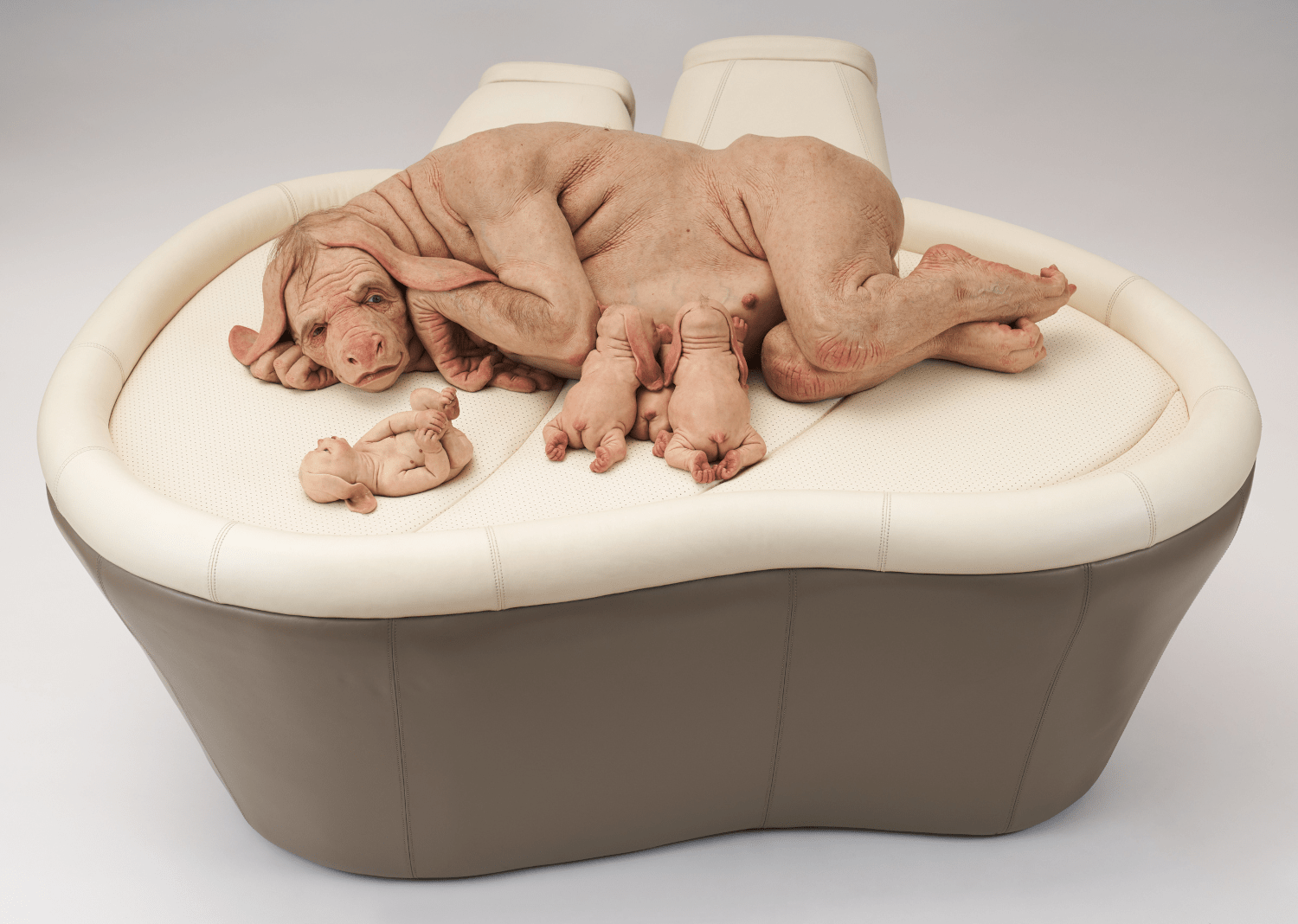
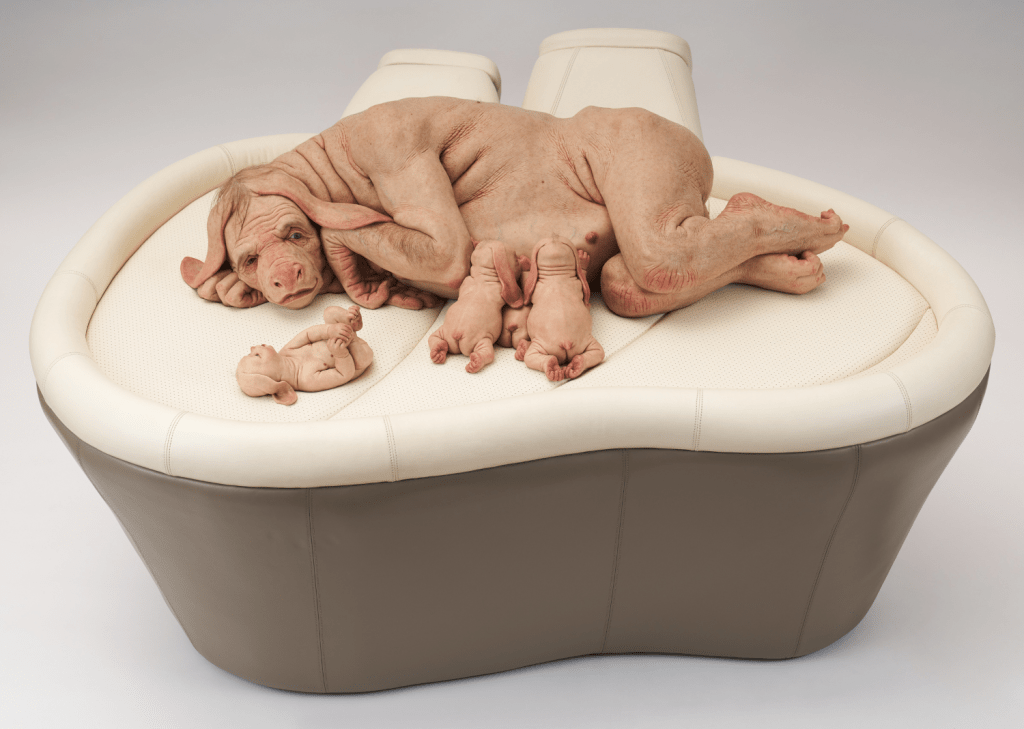
The Young Family by Australian artist Patricia Piccinini
Since the 1990s Patricia Piccinini has challenged conventional views of the duality of nature and culture through compelling material experiments that manifest in human/technology hybrids. Her sculptural objects question Western philosophical traditions privileging mind over body and the placement of the human subject and human intelligence at the apex of life on Earth.
How do we build our lives together with other, more-than-human animals? And how can it be a nurturing relationship? How can we have an understanding and experience of nature, which is not just about this very traditional idea of pristine nature, untouched by humans? Because that doesn’t exist, and the idea is not workable anymore.
Artist Patricia Piccinini
Did you enjoy this collection? let me know what you think of it below. Thank you for reading my dear friends!
 Content Catnip
This was a great collection, especially the Jungian collage exercise and guidance for self-forgiveness. Though, I’ve got to be honest–that dog-woman is bizarre piece of art, but I suppose that evocative nature is the goal.
LikeLiked by 1 person
Thank you so much for reading Erin. I’m so glad you liked the Jungian collage and guidance on self-forgiveness. Yes the art is really strange, I like strange art like this as it sort of shocks me out of the normal every day and makes me feel a bit uneasy, which in a strange way I enjoy. I understand how other people might find it a bit creepy too though.
LikeLike