
Macabre and unsettling furry #puppets, the #psychology of #colour in popular #films, British seaside simulator app, neon #art by AK Berlin that are a blast from the 80’s, eerie and strange portals and much more. #InterestingThings #ContentCatnip
An Ode to the Pleasures of ‘Hanging Out’ at Home and Adult Friendship by Carolin Würfel
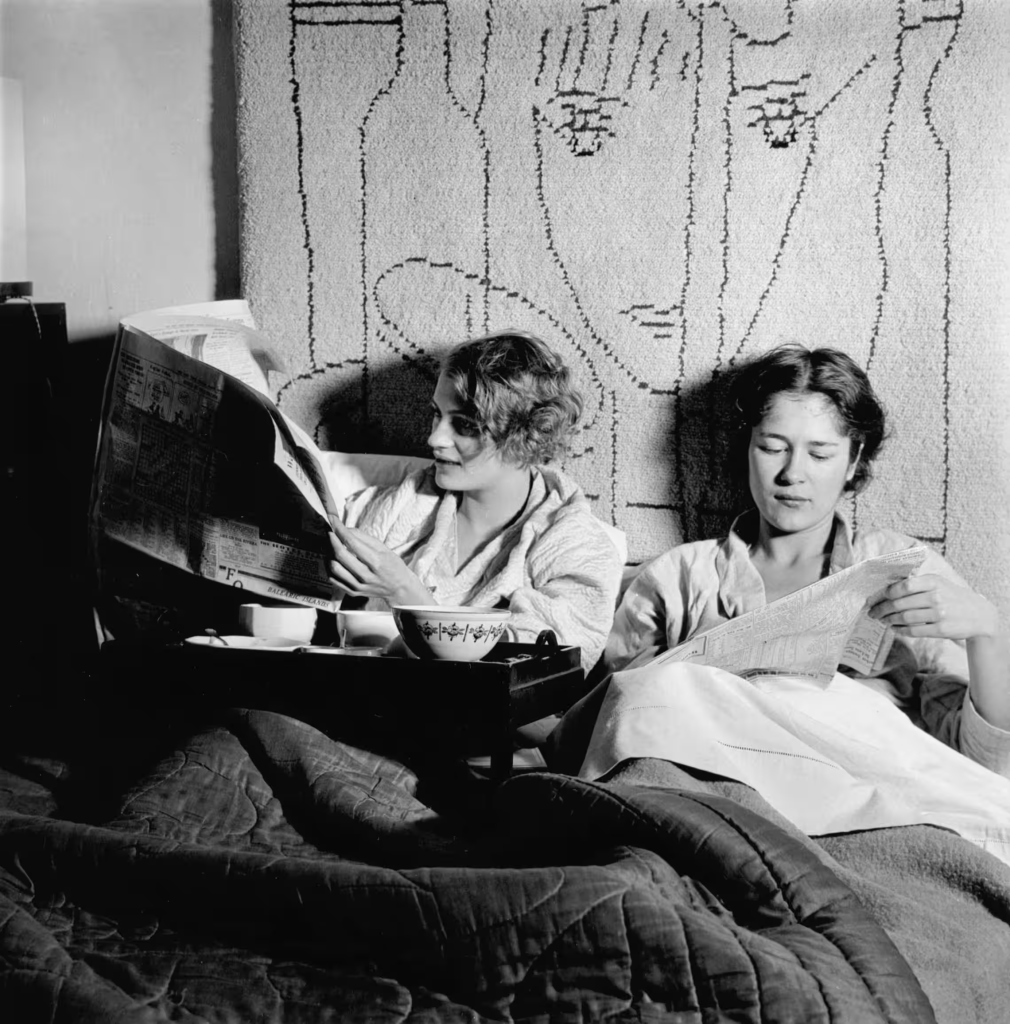
There’s a black and white image of the photographer and war correspondent Lee Miller and her friend Tanja Ramm. The two are having breakfast in bed at Miller’s studio in Paris, casually reading newspapers. Their faces are framed by untamed hair and they’re dressed in cotton shirts, with coffee cups in front of them. The image, captured in 1931, is quiet and intimate. They share a blanket, their arms touch. There’s no rush, no urgency. It’s a scene about love but, above all, it’s about friendship.
When was the last time I lay in bed with a friend like that? For most of us, it was probably during school or university, when staying over or crashing at someone’s house was a regular occurrence – sometimes a necessity, but mostly just part of our routines. It kept us close. Staying in a friend’s room or apartment felt like being on an island – safe, cosy and fun. It was about whispering, giggling and sharing secrets. And sometimes it was about nothing at all except being together.
As an adult whose usual habitat is a large European city, when I meet friends now, it starts with a text that goes something like: “Hey, how are you? Would love to see you. Maybe we can grab dinner or drinks?”
Then the struggle begins to find a date. It’s a messy process, especially in Berlin. Days pass. Sometimes, weeks. Finally, if we are lucky, the day arrives and we meet – at a restaurant or a bar, somewhere public, where we’re expected to behave, sit properly and engage in “polite” chat. We update each other on our projects, gossip a little, sigh, complain about circumstances at home or work and then we part ways.
Sometimes, a few hours later, or the next morning, I’ll send or receive a message: “I’d missed you. It was so good to see you. We should do this more often.” An honest message, but an empty one at the same time. Because we won’t do it more often. We’ll continue rushing through our daily lives and responsibilities, fitting each other in where we can.
How close can you really be to someone you only see for a couple of hours every now and then? What can you actually share? In these meetups, we present condensed versions of ourselves. So much of who we really are stays in the dark. We talk. And talking is the only way to feel connected and to bond.
It was simpler as kids and teenagers. After school, back in Leipzig, I’d ask a friend, “Do you want to come over to play?” or I’d just knock on their door. At university in Berlin, we’d spend all day together on campus or meet after class at one of our homes. Getting together was easy. And it wasn’t just about talking. It wasn’t sitting across from each other, throwing words back and forth. We’d sit on sofas or the bed or on the floor, watch TV, play games, draw, flip through magazines, do sports, or listen to the latest music. We’d try things for the first time – a cigarette, a drug. We’d dream. We’d sometimes be silent together. It was sweet.
Do we even know how to just be? To sit beside someone in silence, without needing to entertain or update or explain ourselves? I miss that. Friendship doesn’t always need a plot.
In her diaries, Brigitte Reimann (1933-1973), one of the icons of East German literature, vividly describes idyllic scenes of friends simply hanging out together. When she was living in Neubrandenburg in her late 30s, one friend – the writer Christa Wolf – would visit spontaneously to check in and just be with her. There was also Juergen Schulz, a young journalist at the local radio station who was 10 years her junior. The two of them would stay up all night listening to jazz records and dancing. I don’t think it’s a coincidence that the typical toast back then was “auf die Freundschaft” (“to friendship”).
But times have changed. As mature, 21st-century adults, nearly everything has to be scheduled in advance. We meet when we’re well composed. If we’re not feeling up to it, we cancel. No one knocks on anyone’s door spontaneously any more. That would be crazy. Insane, even. We no longer play or fool around. We don’t hang out for hours without a plan.
Maybe that’s also why some friendships just fade away, and others turn weird. One of the quietest heartbreaks of adulthood is realising that a friend has become indifferent, or no longer wants the best for you. The hardest part is knowing when it’s time to let go – especially when you’ve shared years.
No one knocks on anyone’s door spontaneously. That would be crazy.
But friendship can’t be based only on memories. It’s also about energy. And in trying to hold on to old friendships, we often forget how fragile new connections can be. They happen, but it’s rare. It’s not often that you meet someone new and think, yes, I want to see you again. I want to spend a whole day doing nothing with you. Mostly, it’s coffee once or twice, maybe an invitation to a birthday gathering if we manage to overcome the polite distance. People’s diaries are already full – with families, work and the handful of old friends they barely manage to keep. There’s just not much room left, not emotionally, not practically. So we stick to the friends we already have, even when the contours of those friendships keep changing.
I wonder why I’m thinking about all this now. Perhaps it’s because I don’t have children or any family structures forcing me into a regulated daily life. I could hang out. I could see friends more often. When the American writer and film-maker Nora Ephron compiled her list of things she would and wouldn’t miss at the end of her life, she named her friends twice in the list of things she would.
Ephron was also the person who said: “It’s hard when you don’t like someone a friend marries. First of all, it means you pretty much have to confine your friendship to lunch, and I hate lunch.”
I hate lunch too. There’s a clear beginning and a clear end. It’s a set scenario and my least favourite meeting opportunity of all because there is no room for surprises: you eat, then go back to work. I believe this downgrading to lunch happens not only when a friend marries someone you don’t like, but also when a friend has children. Let’s be honest: you lose that friend and mourn them. We’re supposed to be adults and handle what life throws at us with generosity, empathy and understanding. But it’s hard.
And even if you like the person your friend marries, you still have to do lunch because otherwise, you’ll never see them again alone. Suddenly, it’s always “dates as couples”, where you have to behave even more properly. And there’s also this: if you’re a woman and your friend is a man, it’s very likely that his girlfriend or wife won’t love you two spending time alone.
I’ve always found it difficult to imagine long-term, deep friendships between men and women. There is almost always a moment – spoken or unspoken – when one of you wonders: what if? That doesn’t mean anything will happen. But the question will hang in the air. And that changes the dynamic, no matter how much we pretend it doesn’t.
Is that already toxic? We’re so good now at identifying red flags, drawing boundaries, spotting “bad, dangerous vibes”. But are we also too quick to call someone toxic just because they’re going through something we can’t quite deal with?
I’ve seen friendships fall apart as a result of this and I know it’s difficult, but there is beauty in loyalty, when someone still shows up – not for a perfect version of you, but for you just as you are. That’s gold. Too often, we confuse support with advice, or think texting back is enough. Real solidarity is quieter. It lives in presence, not performance.
OK, I do remember the last time I lounged in bed with a friend – it was two weeks ago. Maybe that was why I started to think about adult friendships again.
My close friend of 15 years and I were invited to a literary awards ceremony in Cologne. She lives in Berlin and Rome, which means we don’t see each other a lot. The organisers of the awards had booked hotel rooms for us – mine on the fourth floor, hers on the first. At the end of the night, we said goodbye in the lift, then paused for a second. “Shall I come and sleep in your room?” I asked. “Yes please,” she replied immediately.
I went to my room, put on my pyjamas and waddled through the corridors to her room. We brushed our teeth, made funny faces in the mirror and chatted in bed until our eyes closed. The next morning, we woke up smiling. We had both slept blissfully. I felt safe with her. The room was our island. We stayed in bed talking under the thick, white sheets until I almost missed my train to Berlin.
In the afternoon, I received a text from her: “It was so cosy in bed this morning. This is how life should be.” Yes. Exactly that. Not lunch.
- Carolin Würfel is a writer, screenwriter and journalist who lives in Berlin and Istanbul. She is the author of Three Women Dreamed of Socialism and a regular contributor to Die Zeit via The Guardian
Furry Puppet Show
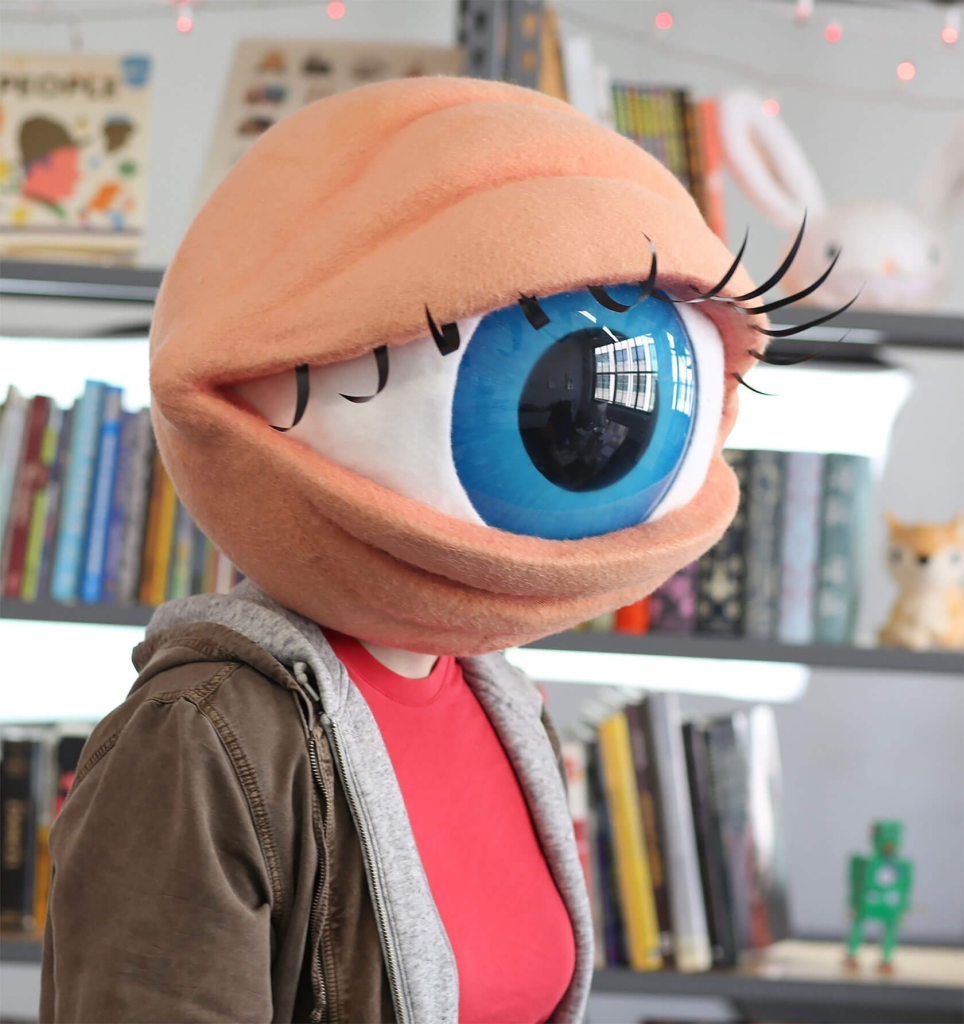
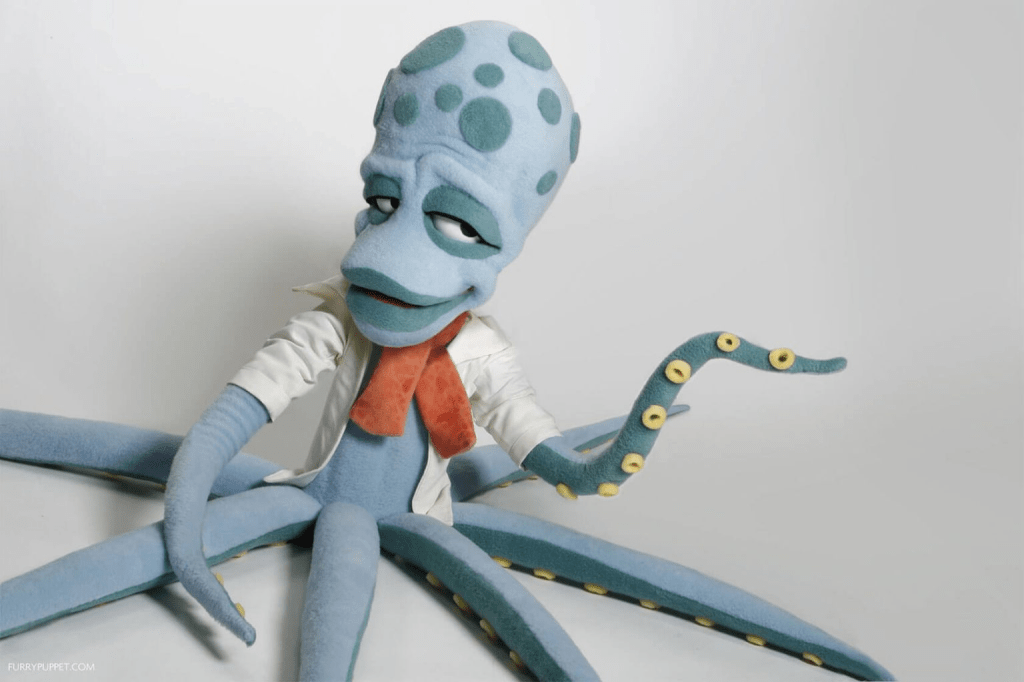
In a world where digital media often dominates the narrative, Furry Puppet Studio is making sure puppetry remains relevant as a charming and effective form of storytelling. If you’d like to continue exploring their quirky and adorable creations, take a look at their website.

Infographic: How To Use Colour in Film
Absolutely fascinating! I’ve written extensively on the theory of colour, it’s one of my favourite topics in the world, here’s an amazing infographic about it from Studio Binder.

British seaside simulator
https://vole.wtf/british-seaside/

Summer Light, 2015, Jia Li

Nostalgic Flashback to the 80’s in these neon artworks by AKBERLIN
“Eighties Excess” by Berlin-based artist Akber Ahmed (AKBERLIN) is a detailed, nostalgic artwork capturing 1980s flamboyance with vibrant colors and over 350 hidden references. Beyond its lively surface, it subtly highlights the decade’s economic disparities and social issues. Explore the full piece on his website.


Lebanese moussaka with five-garlic-clove sauce

You’ll need a blender to make this.
Prep 10 min
Cook 1 hr
Serves 4
For the moussaka
3 medium aubergines (1kg)
Extra-virgin olive oil
1½ tsp fine sea salt
2 brown onions, peeled and finely diced
4 garlic cloves, peeled and crushed
2 tsp ground cumin
1½ tsp ground cinnamon
¾ tsp ground allspice
800g tinned chopped tomatoes (ie, 2 tins)
400g tinned chickpeas, drained
40g flat-leaf parsley, leaves and tender stalks finely chopped
Sumac, to finish
Greek-style flatbreads, to serve
For the sauce
150g tahini
5 garlic cloves, peeled and chopped
2 tbsp fresh lemon juice (from about ½ lemon)
3 tbsp extra-virgin olive oil
½ tsp fine sea salt
Heat the oven to 240C (220C fan)/475F/gas 9. Quarter each aubergine lengthways, then cut each quarter into wedges about 4cm at their widest part. Pop these in a large bowl, add four tablespoons of oil and a teaspoon of salt, and toss to coat. Arrange the aubergine wedges in a single layer on a large oven tray, then bake for 18-20 minutes, until cooked through. Remove and put to one side.
Put four tablespoons of oil in a wide frying pan for which you have a lid and set it over a medium heat. When hot, add the onions and garlic, and cook, stirring regularly, for 15 minutes. Stir in the cumin, cinnamon and allspice, then add the tomatoes, chickpeas, the cooked aubergines and half a teaspoon of salt, cover the pan and leave to cook on a low heat for 30 minutes, stirring occasionally and adding water, if need be (I added 100ml). At the end of the cooking time, fold in the parsley.
Meanwhile, make the garlic sauce. Put the tahini, garlic, lemon juice, olive oil, salt and 115ml water in a blender and whizz until smooth and creamy.
Decant the aubergine and chickpea mixture on to a platter, then top with some of the garlic sauce, drizzle with more olive oil and sprinkle with sumac. Serve with the rest of the garlic sauce and warm Greek flatbreads on the side.
Via Meera Sodha for the Guardian
Four Seasons in a Day
Please enjoy an excerpt from a stunning, glimmering jewel of a poem by the amazingly talented poet, Ana Lisa De Jong
It gets so much better.
And if it doesn’t, we get more practiced
seeing the good.
At panning for it like gold,
sifting through the river’s sediment
for something shining.
And when we find it
we run around
exclaiming at our good fortune,
the nugget that weighs little
more than a feather,
enough to dine on for the months aheadRead more on Living Tree Poetry, and definitely worth a subscribe on WordPress.
Ask Reddit: What amusing lies were you told as a child that you believed?
If you poke yourself in the belly button your ass will fall off.
That driving in a car with the car’s internal light on is illegal and you will be pulled over by the cops.
That I had a sister in Australia called Sarah
That the rumble strips on the highway are for blind people.
That when it thundered, that was Jesus bowling in heaven/ God moving furniture etc.
That if you swallow fruit seeds, a plant will grow in your stomach.
That euthanasia was a study of young people in Asia.
Eating too much sugar will glue your ass cheeks together.
That if you wear tight jeans you will become infertile.
Marilyn Manson had a rib removed so that he could felate himself.
That if you swallow gum, it will stay on your insides and eventually block all food, meaning you die of starvation.
That mountain goats have two shorter front legs helping them to climb mountains.
Only brown cows can make chocolate milk.
Sitting too close to the TV or staring at it too long can give you square eyes.
The icecream truck playing music means that they are out of icecream.
That the real name for McDonald’s is McRangles and the real name of Ronald McDonald is Rangle McDangle.
Eerie and Strange Portals
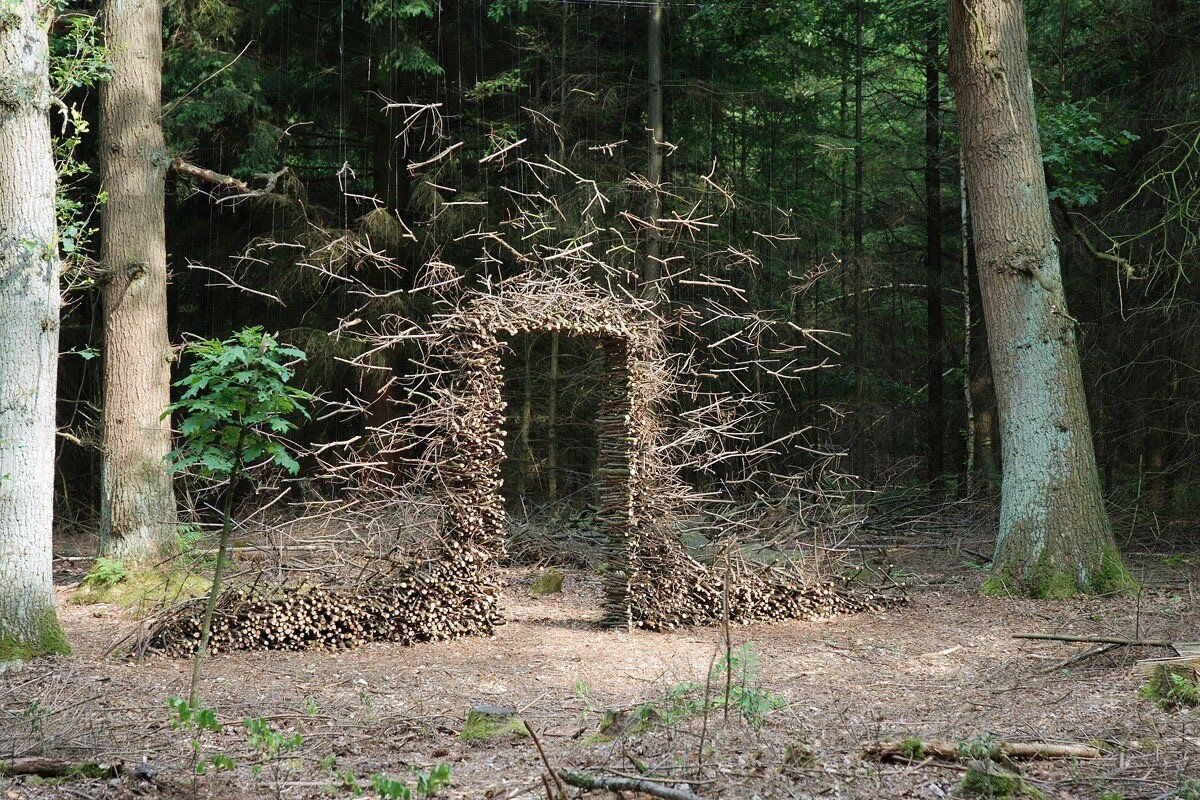



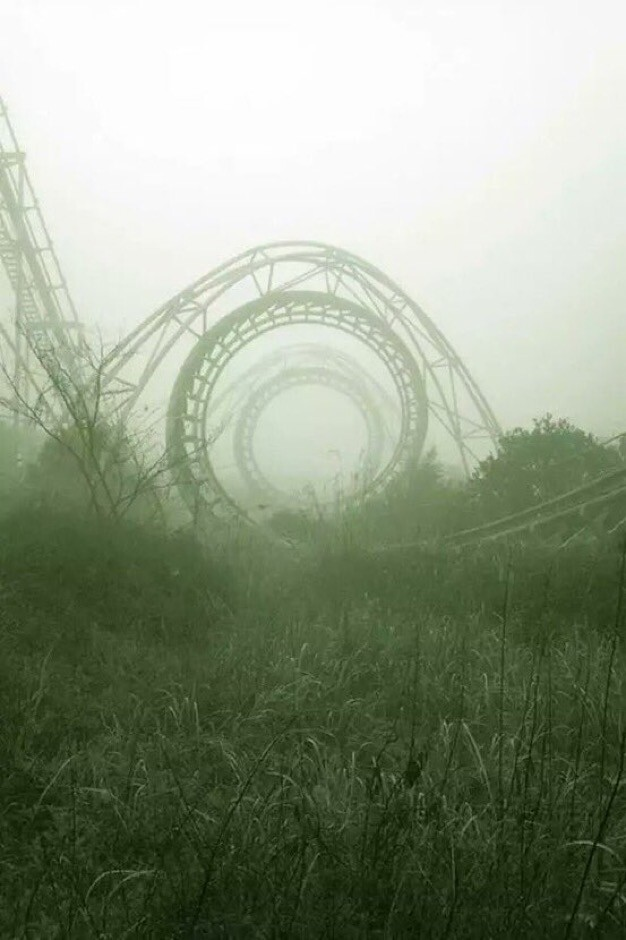
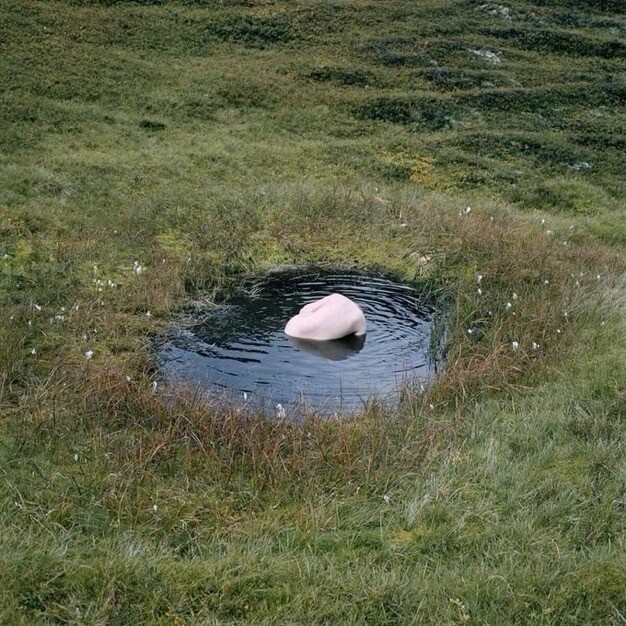

A tiny and exquisite diorama to celebrate chocolate shops by Hanabira
Hanabira is mastercraftsman of miniature worlds. Here he recreates a picture perfect tiny chocolate shop by upcycling an actual chocolate box. I’ve been following Hanabira for years on YT and this episode is great.
“Here then may be lived a life of the senses so pure, so untouched by any mode of apprehension but their own, that the body may be said to think.”
~ Nan Shepherd, ‘The Living Mountain’ A Summer Evening by Kallsjön
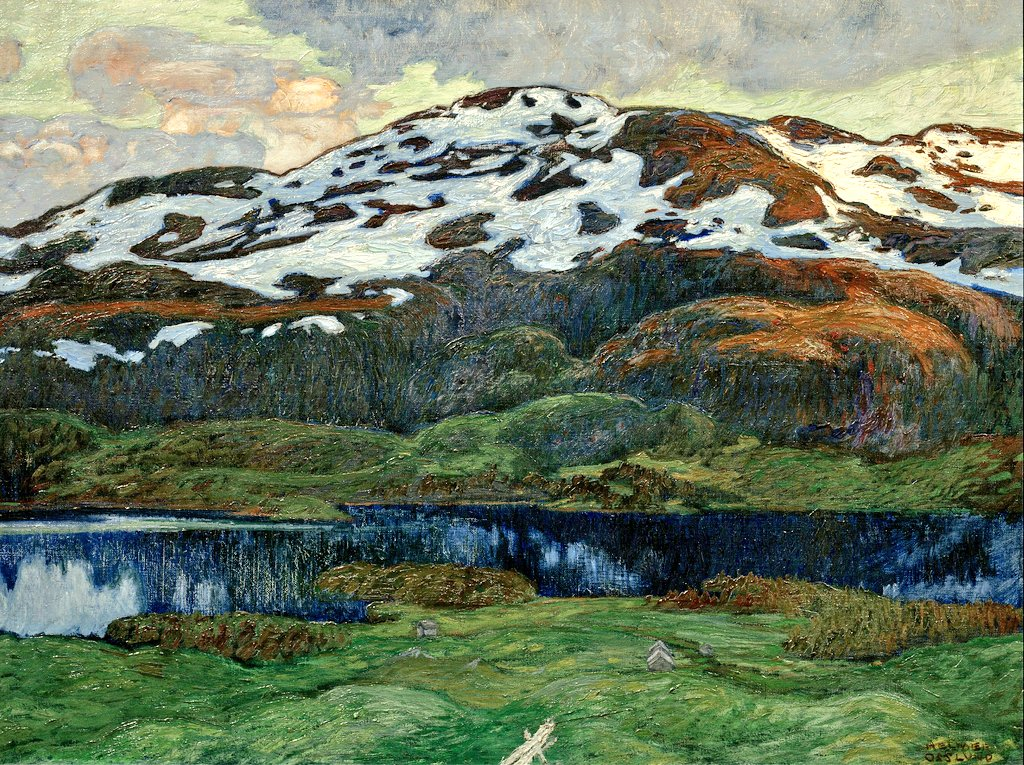
Art: A Summer Evening by Kallsjön Helmer Osslund
Morris Hirshfield’s incredible later-life art
Morris Hirshfield (1872–1946) was a Polish-American self-taught artist known for his folk art style and vivid, whimsical paintings. Originally a tailor and shoe manufacturer, Hirshfield began painting later in life. His work is characterized by bold colors, meticulous patterns, and a dreamlike quality. Despite facing criticism from some art critics, his unique style garnered appreciation, leading to exhibitions at the Museum of Modern Art (MoMA) in New York.
“Zebra Family” (1943) shown below is one of Morris Hirshfield’s notable works, depicting a fantastical scene of zebras in an intricately patterned landscape. The painting is celebrated for its vibrant colors and the imaginative, almost surreal, depiction of the animals. Hirshfield’s use of patterns and symmetry reflects his background in textile design, creating a whimsical yet structured composition that exemplifies his distinctive folk art style.

Did you enjoy this collection? let me know what you think of it below. Thank you for reading my dear friends!
 Content Catnip
LOVE: A Summer Evening by Kallsjön Helmer Osslund
Gavin.
LikeLiked by 1 person
Thanks so much Gavin, glad you liked it! I wish I could live in a place with a view like that….just beautiful 😍
LikeLiked by 1 person
My mother in law used to make moussaka. I am delighted to see the recipe. Definitely going to try it
LikeLiked by 1 person