Be kind, it’s free: a young woman passes a note on a Melbourne train
This happened 20 mins ago. While travelling in Mernda line, a lady was visibly upset on phone. I know as she was speaking in Hindi which i can also speak. She was to go to Craigieburn after going to Mernda which is another 30 min commute. Her daughter it seems was also not well and she was going to miss a friend’s birthday function. Pretty understandable!
Then there was this Asian girl, around late teen or early twenties, who was sitting next to me, She was earlier sitting a bit far but she gave up her seat to an elderly men so he and his wife can sit next to each other. Anyways, 10 mins in- she took out the notebook from her bag started drafting a note. Just before the train fully stopped- she handed over this note to this lady and rushed out.
Now as this lady started reading this note her expression changed, she called someone up on phone again and told her the note said- “dear stranger, just want to say you are beautiful always keep smiling”. As she was talking on phone- she also looked at me and we both noded at each other and give a quick smile.
This lady then neatly folded the piece of paper and put it in her bag. She doesn’t look upset now as we are about to reach Mernda.
I guess, my point is- a little act of kindness goes a long way. Its free, A good soul really turn around an apparent bad day for someone today. Good on her!
Nile Rodgers and CHIC Tiny Desk Concert
I challenge anyone to not have a massive smile on their face or to stop dancing watching this from start to finish. I’m gutted I didn’t get to see Nile Rodgers and CHIC when they toured recently, I hope I get to see them live, even though he is really getting on in years now. Apparently it’s a transcendental experience, as this video shows! This is the side of America the soul of America: that is just legendary and joyful and that many people shouldn’t forget and should embrace given the current political situation.
Melting Afghan Chickpea Curry by Nagi

A nice, straightforward recipe. There’s a total simmer time of 45 minutes but it’s low maintenance, you don’t need to worry about stirring.

- Toast cinnamon sticks – Melt the ghee (or butter) then toast the cinnamon sticks. This brings out the flavour and flavours the ghee too.
- Sauté – Add the onion, garlic and ginger. Cook for 3 minutes until the onion is translucent. Keep it moving so the garlic and ginger doesn’t catch.

- Spices and lentils – Next, add the spices and toast them for 30 seconds, then in go the lentils. Stir to coat them in all the tasty spice flavour. Right about now, you know you’re onto something really tasty!
- Simmer lentils – Add the stock and salt. Stir well and simmer for 15 minutes with the lid on.

- Chickpeas – Then add the chickpeas, water and bakings soda. Simmer for a further 30 minutes with the lid off.
- Ready to serve! During this second simmer time, the baking soda will work its magic and turn the chickpeas into the most creamy chickpeas you’ve ever had, and the lentils will breakdown to thicken the sauce. It will be like a thick soup consistency, not as thick as the sauce of popular Indian curries, like butter chicken. But it shouldn’t be watery – if it is, just keep simmeringThen, it’s ready to serve!
Aim to be curious of others
And I have realised that what I really want to communicate to her isn’t “Push through your nerves” or even “Be more self-confident” but rather “Trust that people will like you and don’t worry too much if they don’t, so that you can really be present with them.”
Committing to the performance, the handshake, the conversation, is the best way to achieve the best payoff, and failure is never as world-ending as it seems. But, if I’m being entirely honest, this is more a lesson for me than for her—I’ve been projecting my own self-conscious paralysis onto her when I have plenty of data points that show she’ll be just fine.
Game theory shows us that our own behaviour rationally follows from our level of confidence in others, and our biology reflects this—though with an out-weighed influence given to threats, meaning we need to think rationally to get around our instincts.

And that’s why the downward spiral is not inevitable, because people are actually nicer than our biological hardwiring would have us believe. So, the more trust we extend, the more confident we become in others, and consequently in ourselves (a virtuous cycle). My hope is that this helps me to be present with others, to listen without self-consciousness, and remember what is important to them, including their name.
Via James, NonZeroSumGames
No no vocals music for deep concentration
Where have all the flowers gone? by Peter Blunt
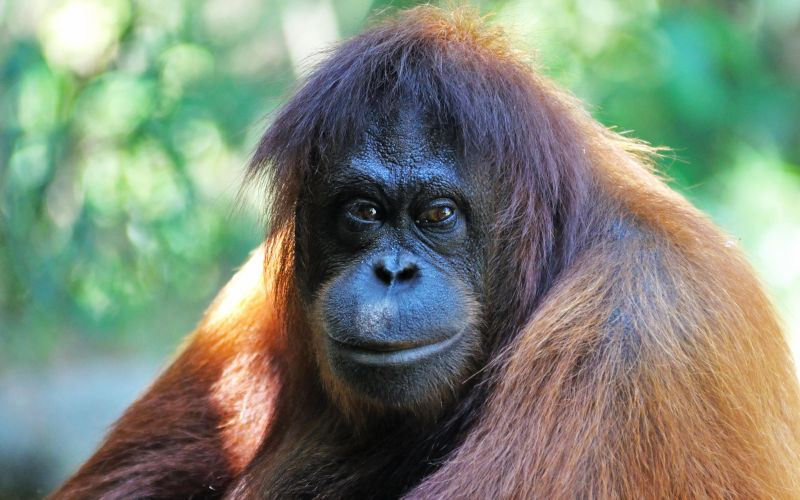
One of my most memorable interspecies encounters was many years ago with an orangutan in a nature reserve in Sabah on the island of Borneo.
As they do when unthreatened, this kind and trusting animal gently held my hand and, mournfully, it seemed, looked me straight in the eye as if to say, “really nice to meet you despite everything your lot has done to ruin my life”.
Her friendliness and vulnerability heightened the dread, the sorrow, and the guilt that I felt about the devastating effects of savage capitalism, not just on habitat loss for such “people of the forest”, but on all habitats and the knock-on effects on global warming. And it marked the beginning of my mounting fury and my disgust with the tiny subset of humanity (mainly in the West) that is largely responsible for our planet’s dire predicament and has the power — but refuses — to prevent the looming catastrophe (e.g., the August 2025 UN treaty on plastic pollution).
In terms of the richness and diversity of plant and animal life, the freshness of the air, and the deep blues of plastic-free oceans and pollution-free skies, baby boomers like me have been around long enough for the comparisons between what it is like now in these and other respects and what it was like where and when we grew up to be glaring and stark, depressingly so.
In my case, the bright colours of such contrast come from the colobus monkeys at the bottom of our garden in the highlands of Kenya where I grew up, the flocks of aptly named superb starlings, the lilac-breasted (rainbow) rollers, the helmet crested guinea fowl, the Thomson’s and Grant’s gazelles, the pink flamingo that garlanded the lakes of the Great Rift Valley and all of the other animals of paradise which as a child I took for granted.
For reasons set out in articles like Julian Cribb’s, in places where they were once plentiful, many of these beautiful creatures — and others like them — now exist in vastly reduced numbers, sometimes only in small, furtive bands, or they have fled in search of ever-diminishing places of safety and are endangered.
I say this because the mass of statistics that convey the speed with which animals and plants are being lost (forever) or decimated, the glaciers and permafrost are melting, the atmosphere is warming, the land is being destroyed and the seas are rising, has become part of the background cacophony of capitalist business as usual as it crunches its way inexorably through what is left of our planet.
The avalanche of such information can overwhelm and induce a kind of disaster fatigue that habituates us to the prospect of self-annihilation.
In the process, the increasingly desolate world that we inhabit is being normalised and our anger defused.
Thanks to Chomsky, we know that the manufacture of such consent is deliberate. The Machiavellian “masters of the universe” are adept at keeping the oppressed majority so preoccupied with survival, so cowed by the fear of losing their jobs or falling ill, so distracted by popular culture and identity politics, and so misinformed and befuddled by the mainstream media, that they do not have the resources, the energy, or the will to revolt and express their rage.
Or their rage has been channelled against soft targets like dark-skinned immigrants and refugees and away from anything that might undermine consumption and profit, as is happening now under the Trump administration in the US and in parts of Europe.
And for those of us who can tear themselves away from the soothing emptiness of social media (etc.) and are able to look further, the bad news statistics on climate must compete with the plethora of bad news statistics on genocide and starvation and ethnic cleansing and crime and poverty and inequality – all in the carefully controlled spaces allocated to these subversive types of information by the corporate media.
In 2021, Chomsky noted that about three years earlier, Oxford physicist Raymond Pierrehumbert (a lead author of the then current Intergovernmental Panel on Climate Change report) had warned, “it’s time to panic… We are in deep trouble”. Chomsky added that “what has been learned since [about global warming] only intensifies that warning”. The cause for alarm is, of course, heightened by the growing threat of nuclear war and by the suppression of debate about these matters in supposedly democratic societies.
Hastened by the lingering aftermaths of the 2008 financial crisis and the COVID-19 pandemic, the war in Ukraine, the genocide in Gaza and its ethnic cleansing, and increasing hostility between the US and China, since 2021, the global condition has worsened significantly. Enough to make Chomsky conclude in early 2023 that unless the US could be persuaded to co-operate with its adversaries and capitalism could be overthrown or “defanged”, there was little hope for survival.
In the two years since then, like “rats racing across the ruined landscape with dollar signs in their eyes” ( Roy, 1997, p. 143), fossil fuel corporations and their government partners in crime have accelerated the pace of our wild gallop towards the precipice.
The modest purpose of this essay has been to suggest that our resistance to the losses conveyed by the overwhelming numbers to which we have grown accustomed will be stronger if we can personalise those losses; if we can calibrate their significance against our recollections of the wonders of the worlds that we knew when we were growing up.
Anything that helps “to defang [and mitigate] the savagery while recognising that dismantling the anti-human capitalist order is a longer-term and continuing project” ( Chomsky, 2023) is worthwhile.
The talismanic Pete Seeger antiwar song of the 1960s that is the title of this essay is both a lament and a rallying cry whose time has come again – for sustained resistance against the three main fangs of late-stage capitalism: global warming, the increasing risk of nuclear war and the rise of authoritarian rule.
The views expressed in this article may or may not reflect those of Pearls and Irritations.
Peter Blunt is Honorary Professor, School of Business, UNSW (Canberra); a former full professor of management in Australia, Norway, and the UK; a consultant for UN and other development agencies (40 countries); and an editorial board member of several international journals. His commissioned publications on governance and public sector management informed UNDP policy on these matters and his books include the standard works on management in Africa and, most recently, (with Cecilia Escobar and Vlassis Missos) The Political Economy of Bilateral Aid: Implications for Global Development (Routledge, 2023) and The Political Economy of Dissent: A Research Companion (Routledge, forthcoming 2026).
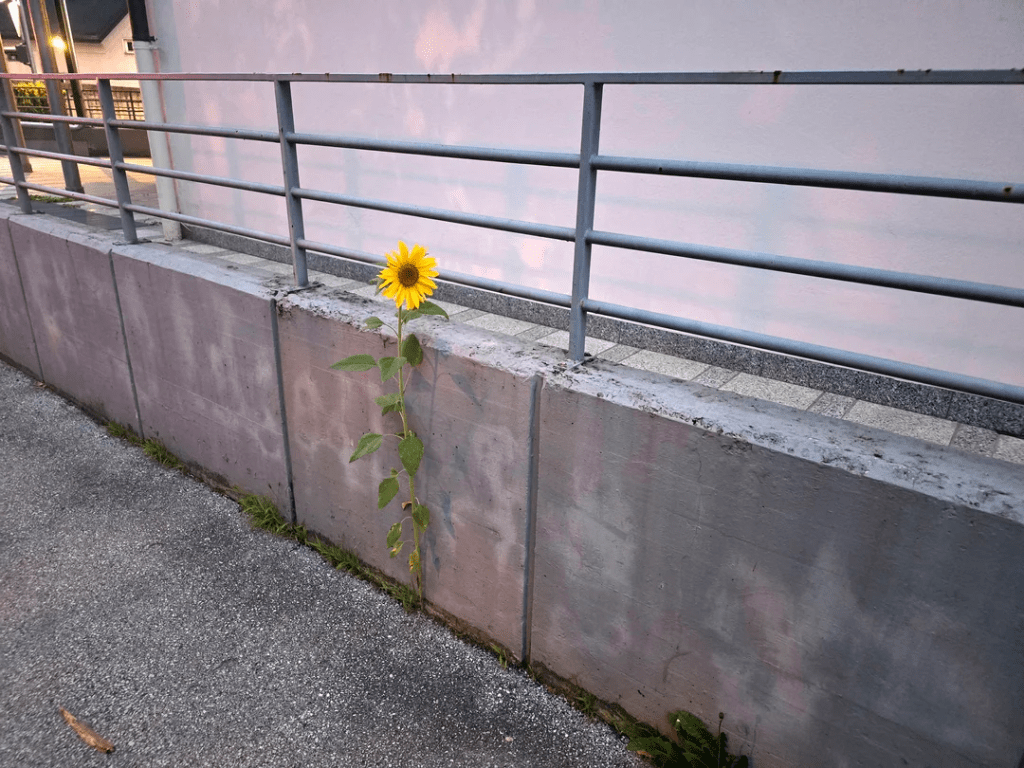
Nature’s determination is amazing
When in doubt, be like this sunflower and never give up! via Reddit
Mass Thriller dance in NYC on Halloween!
Zeta Reticula EP 2 (A1) – UMEK
An electro/techno stormer from back in the day.
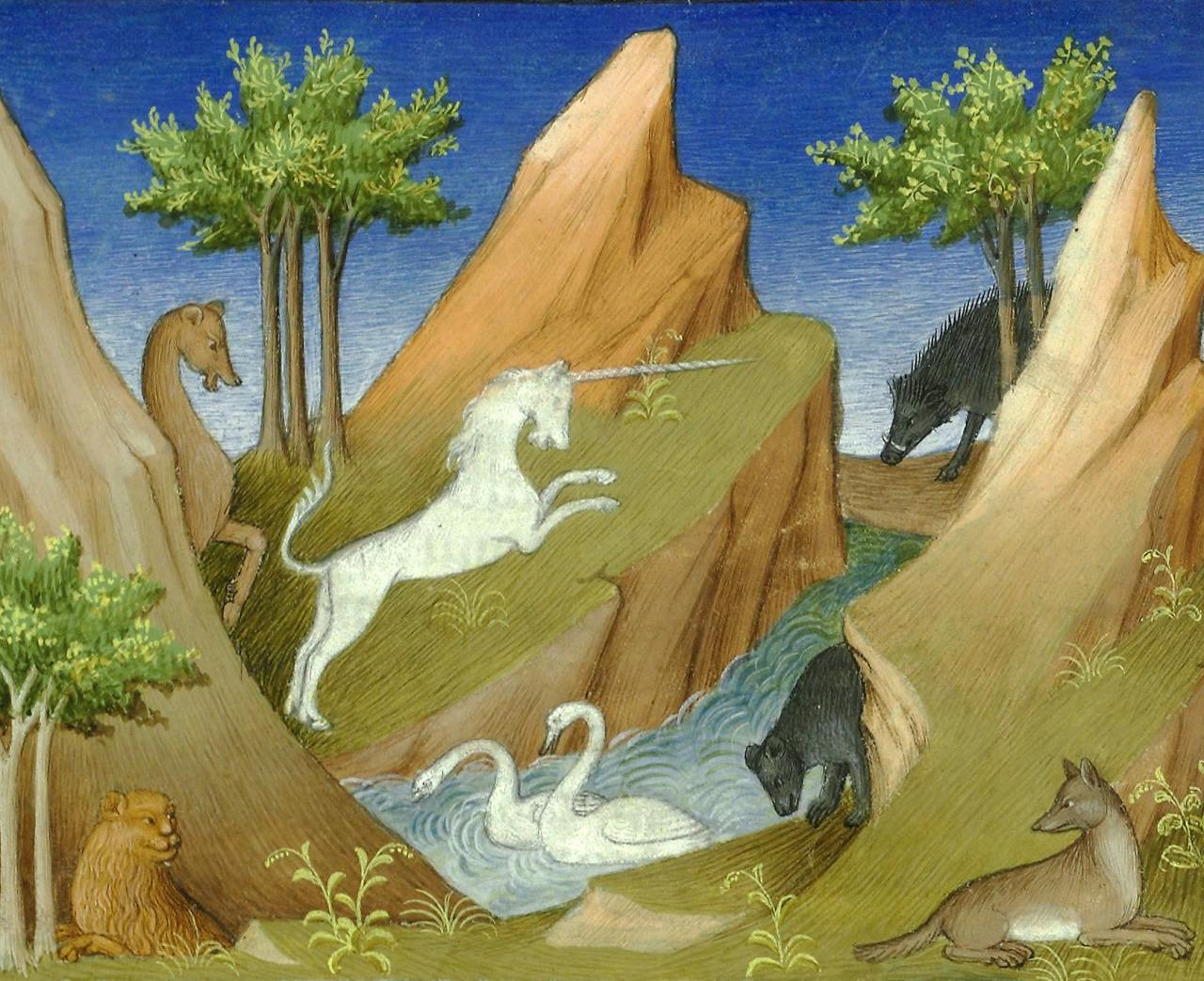
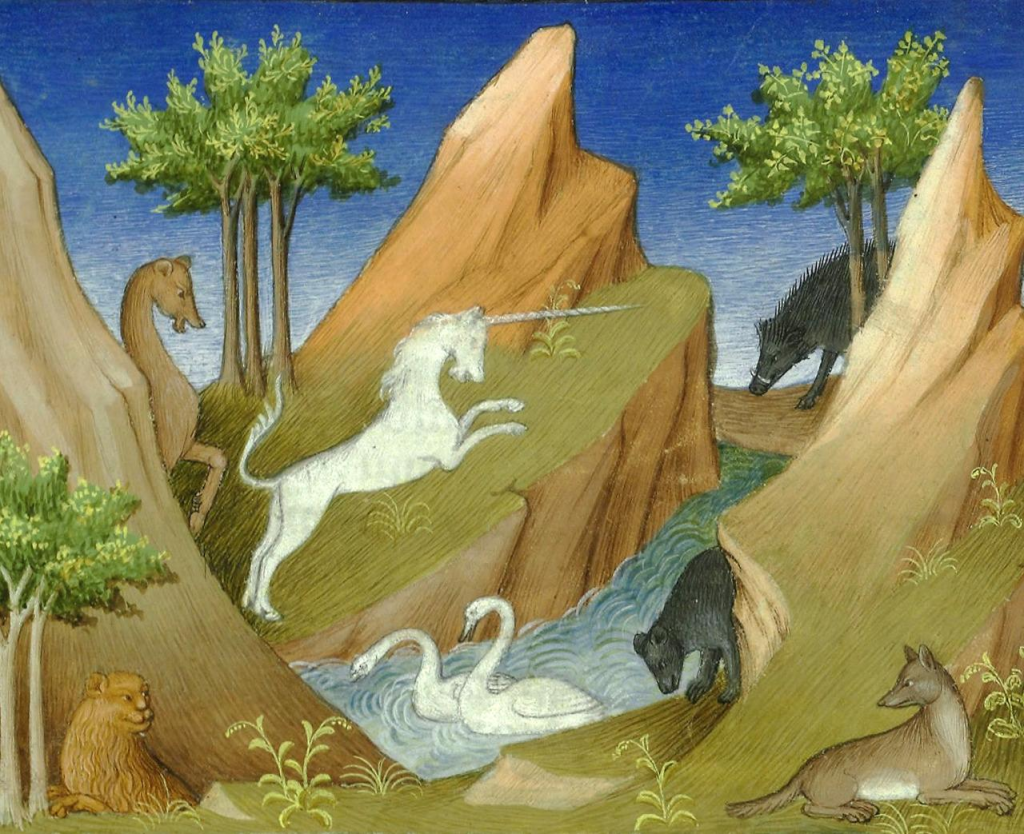
Wildlife of Malabar (1412)
Wildlife of Malabar. compilation of the travel writings (including Marco Polo, John Mandeville, Odoric of Pordenone, Riccoldo da Monte di Croce and others), Paris 1410-1412. BnF, Français 2810, fol. 85r.
#medieval #MedievalArt via Medieval Manuscripts on Mastodon
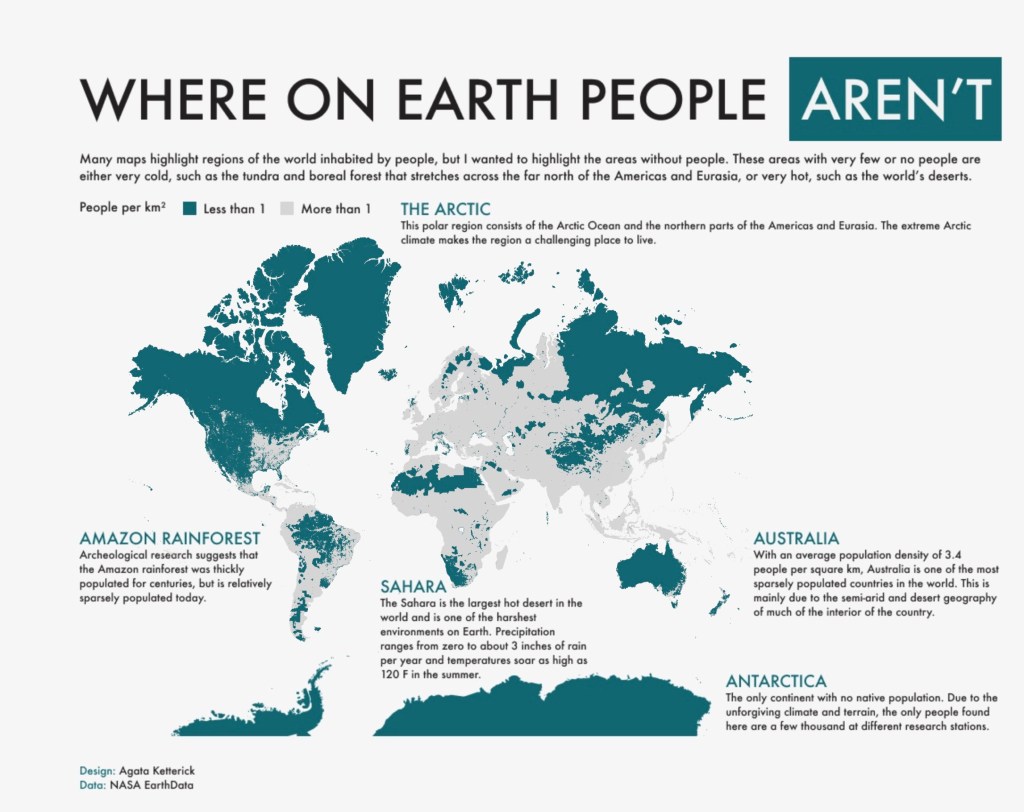
Where on earth people aren’t, an infographic
Did you enjoy this collection? let me know what you think of it below. Thank you for reading my dear friends!
 Content Catnip
The story of note on the subway/bus is so sweet! I used to leave little notes like that around my college campus when I was bored; maybe I need to start up something similar again.
While I’m very familiar with the theories of non-zero sum games, the site in new to me and I love how that post is presented. Thanks for sharing!
“Rats racing across the ruined landscape with dollar signs in their eyes” is such an apt description of where the world is right now. I don’t have much more to add beyond agreeing how heartbreaking it is what we’re doing to the world and it’s beautiful flora and fauna.
LikeLiked by 1 person