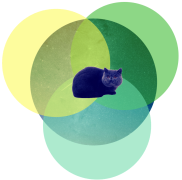
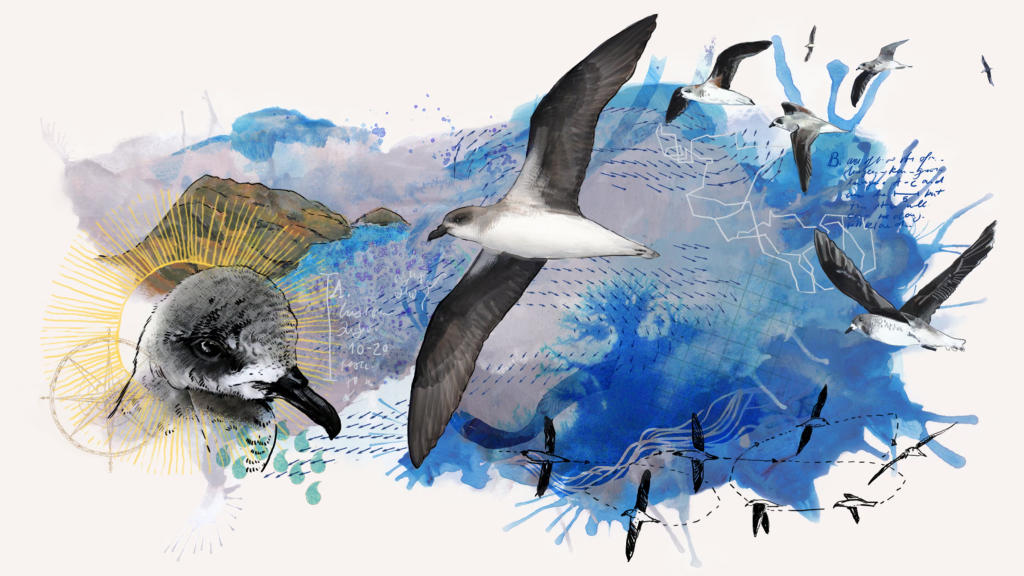
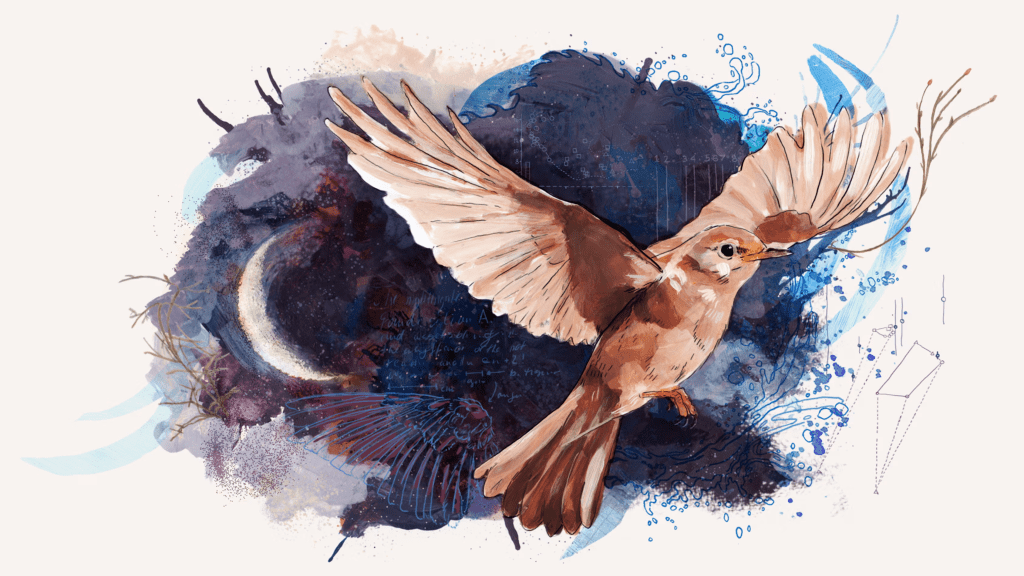
Bird migration is changing. What does this reveal about our planet? – visualised
Every spring and autumn, billions of birds set off on epic journeys across the planet. Here are the flight paths of 45 species.
What does it mean to be human in the age of technology
Please subscribe to this awesome blog by writer and psychotherapist Dan Roberts, it’s seriously a ray of light, hope and love in this dark and foreboding world we find ourselves in. Read more here.
We are living through an age of unprecedented technological change and development. Every day I see a new story about a robot helping elderly Japanese people in their home, self-driving taxi trials, or AI threatening to make swathes of the human workforce redundant. In some ways, this is all very unsettling. It seems to me that some of these technological advances are being rushed through, with little thought given to the consequences of the sweeping changes. And I often think, who are the changes for? Big Tech companies and their owners stand to make (even more) billions, but what about those poor taxi drivers being replaced by robo-cars? What will they do to earn a living?
As ever, the technology itself is not to blame. Tech like robots, self-driving cars and AI is neutral, neither good nor bad. It’s all about the way that tech is deployed and who is in charge, that makes it a force for good or ill. And I am not against technology – in fact, as an online therapist, I could not make a living without it. I love the way I can sit in my study, in a leafy corner of East Sussex, writing these words – then with the click of a few buttons, I can send them zooming out all over the world, in an instant. People subscribe to my newsletter from every corner of the globe, which is wonderful.
Imagine trying to communicate with someone in, say, Australia just 50 years ago. You would have called them, on an expensive international call, or sent them an airmail letter. Younger readers may not be familiar with this old-fashioned form of technology (they were a distinctive light-blue colour and a single sheet of paper, which you wrote on, folded with care, addressed, stamped and then posted), but it was pleasurable to both write and receive them, if a little slow.
AI will never have soul
If you’re feeling anxious or unsettled by the advance of AI and other technologies, let’s think about a few things that robots will never be able to do. As much as ChatGPT and other chatbots may seem intelligent, as if there is some wise consciousness behind the screen, they are not and there definitely isn’t. I recently heard a futurist compare ChatGPT to a fancy predictive text programme – the one that annoyingly replaces words you mean to type with random words you definitely don’t when you’re messaging. Chatbots are very fast and very good at predicting what you will ask, or want to hear, then scanning their database to provide answers that are pleasing for you.
This is another thing to remember – like all similar tech, ChatGPT is primarily concerned with harvesting your data and holding your attention. So it’s designed to be as pleasing as possible, which is why it seems so flattering and agreeable! But it is not human and never will be. It has no heart, no soul. As Gertrude Stein famously said on returning to her home of Oakland, California: ‘There is no there there.’ Unlike humans, with chatbots there is definitely no there there, it just seems like there is.
And I think it will become increasingly important to relish all that makes us human: our love, insight, kindness, wisdom, sensitivity, compassion, prosocial instincts and caring nature, concern for those who are struggling and ability to attach to those we love. Would you really want to read poetry written by a robot? Or listen to a beautiful aria, watch an incredible movie, read a life-changing novel, or gaze at a wondrous work of art created by something programmed to seem brilliant and creative and soulful, but which is really just a fancy calculator? Me neither.
Resist the robot revolution
I read a Wired story recently about the increasing backlash against AI, by workers whose jobs are threatened, or employees forced to use technologies they loathe to meet ever-increasing workloads. And I think this is crucial – AI is not some inevitable, unstoppable tsunami of technological advancement. People are choosing to use it. People are deciding it can replace entry-level workers. People are making fortunes, while depriving millions of their ability to work, feed their families and engage in meaningful activity as they move through life. Personally, I limit my use of AI as much as possible. I dislike the way I am constantly pressured to use AI services every time I send a message, use Google, Dropbox, Zoom or any of the other technologies that should be working for me, not replacing me.
Resist, my beloved human friend. Resist! These changes are not inevitable and we do not have to be replaced, made redundant or thrown on a scrapheap.
Let’s harness our uniquely human, quirky, idiosyncratic, heartfelt and soul-fed superpowers. You are a beautiful, miraculous, work of flesh-and-blood art that no machine could ever match.
Cecil Beaton’s Bright Young Things
The exhibition is curated by photographic historian and contributing editor to Vogue, Robin Muir. Of this image Muir writes: ‘Set in the wood-panelled salon of a Manhattan antiques company, the staging of this conversation piece of eight models in Charles James’s jewel-coloured ball gowns remains one of Beaton’s most elegant postwar fashion photographs. The embodiment of the “New Look” from Paris, it also underscored an American sensibility for old world charm and sophistication.’
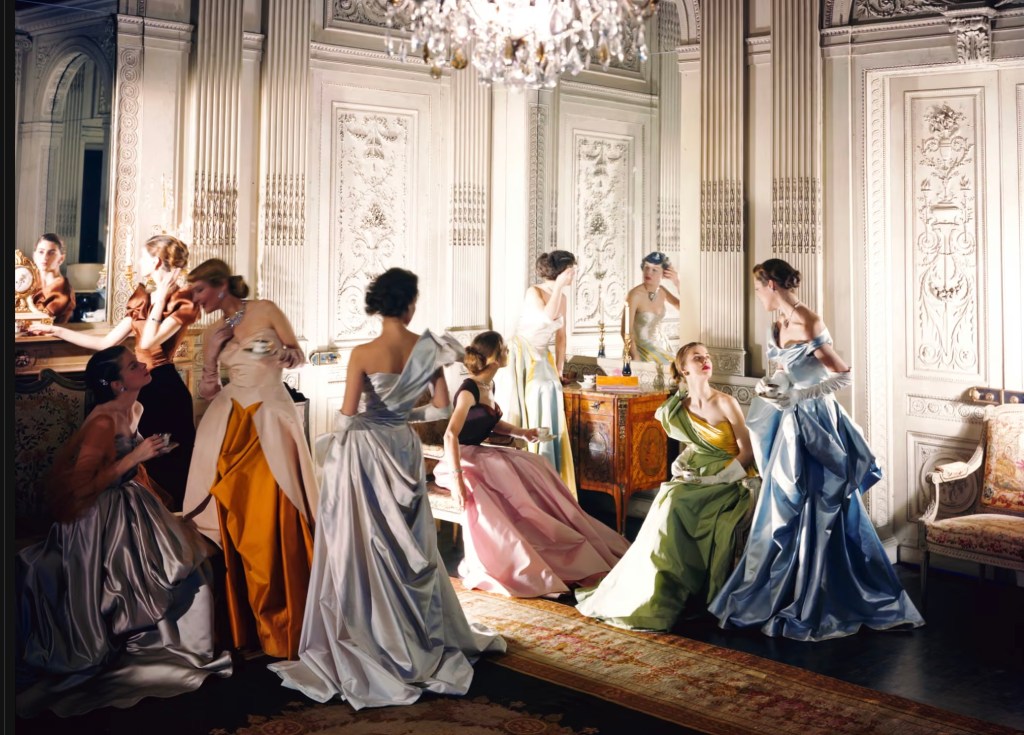
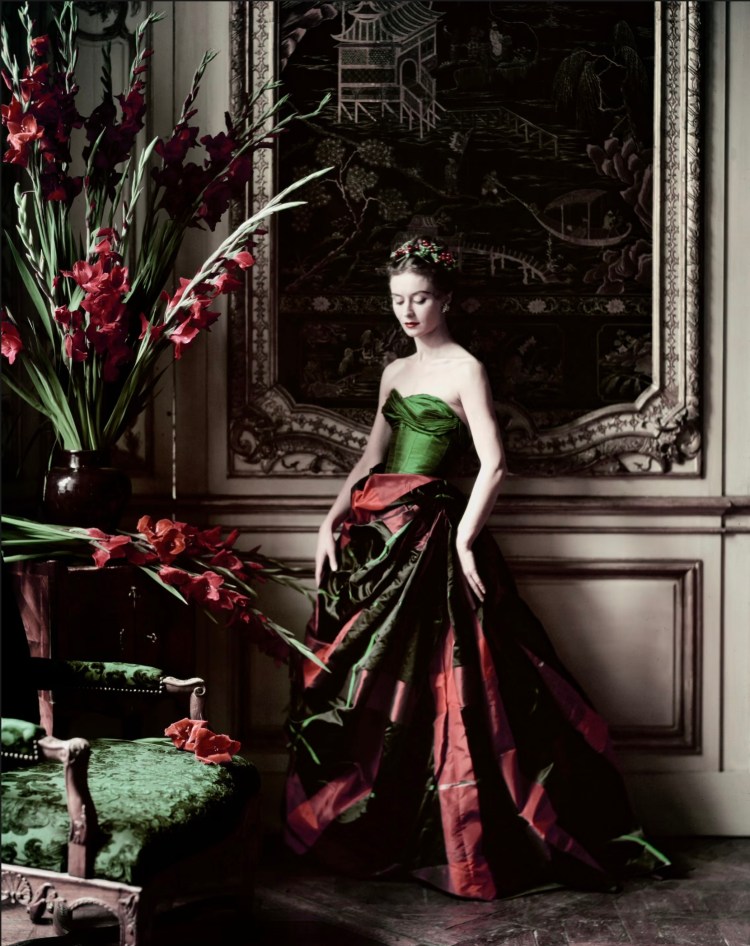
Almost entirely self-taught, Beaton established a singular photographic style; a marriage of Edwardian staged portraiture, emerging European surrealism and the modernist approach of the great American photographers of the era, all filtered through a determinedly English sensibility. His approach revitalised and revolutionised fashion photography
Da Halz – Standart
A dark electropunk classic that still sounds good.
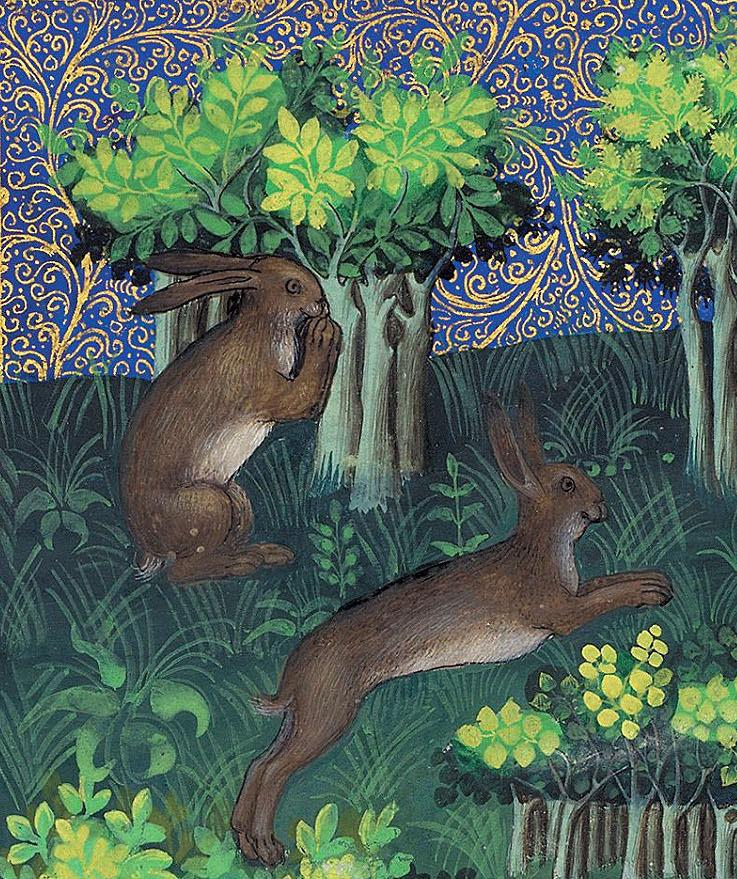
Hares by Gaston Phobeus (1407)
Hares. Gaston Phoebus, Le Livre de la chasse, Paris ca. 1407. NY, Morgan, MS M. 1044, fol. 15v.
#medieval #MedievalArt via Medieval Illumination
Papeete Sun – Island Sunset
Critically endangered kagu birds of New Caledonia meet for a compelling mating dance
The kagu is a unique, nearly flightless bird endemic to the dense mountain forests of New Caledonia. About the size of a chicken they have beautiful grey plumage, a prominent crest, and bright red legs and bill. Kagus are ground-dwellers, hunting invertebrates like worms and snails on the forest floor. Although they can’t fly, they use their large, patterned wings for impressive displays and to glide away from danger. This endangered species is known for its monogamous pairings and the haunting, barking calls the pairs sing as duets at dawn.
Mushroom Quesadillas by Nagi
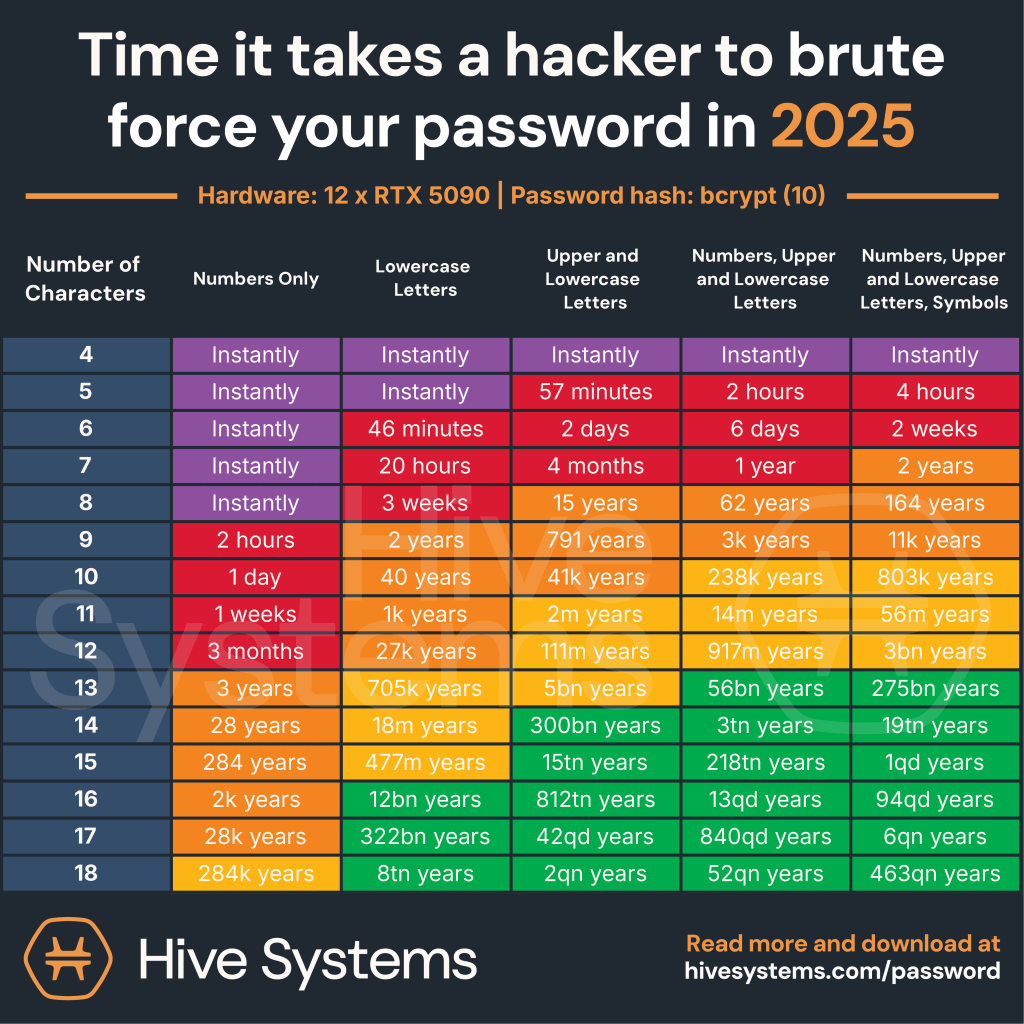
Why password length and complexity is important
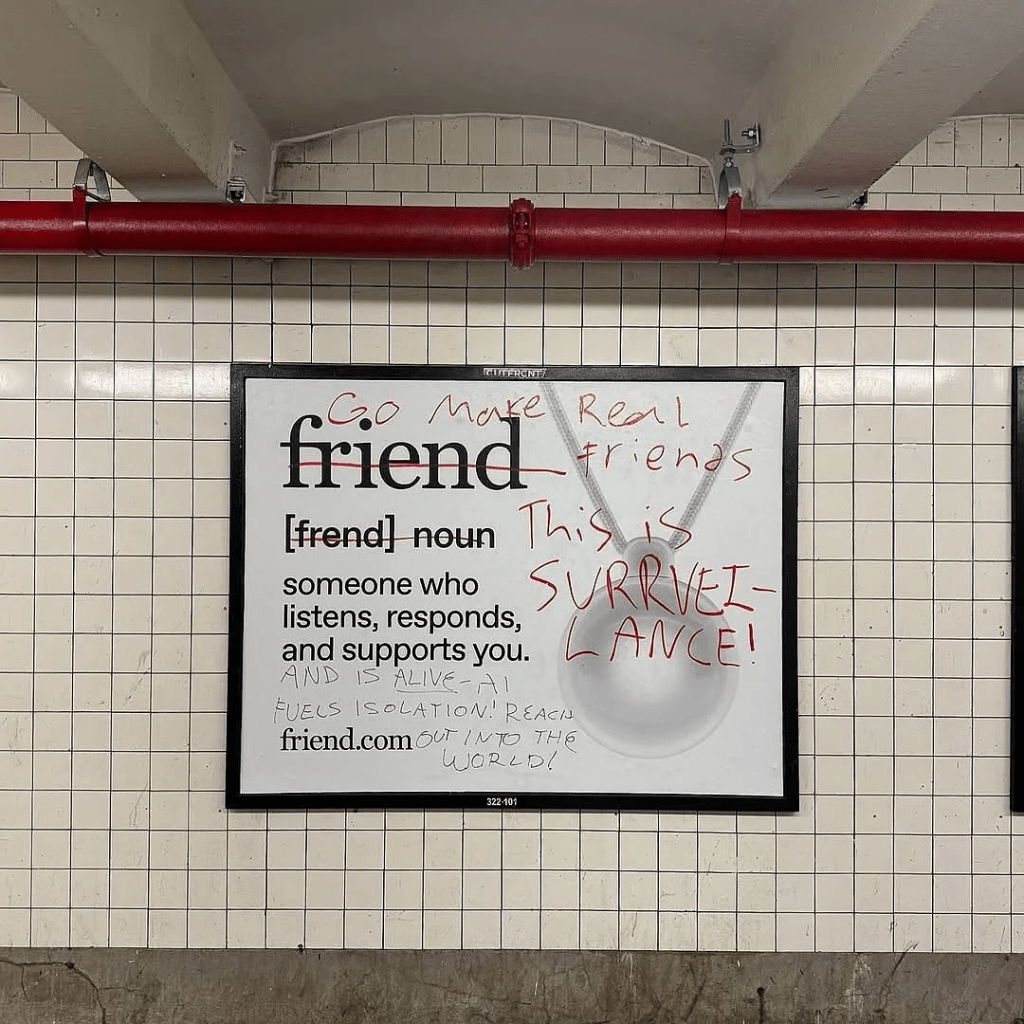
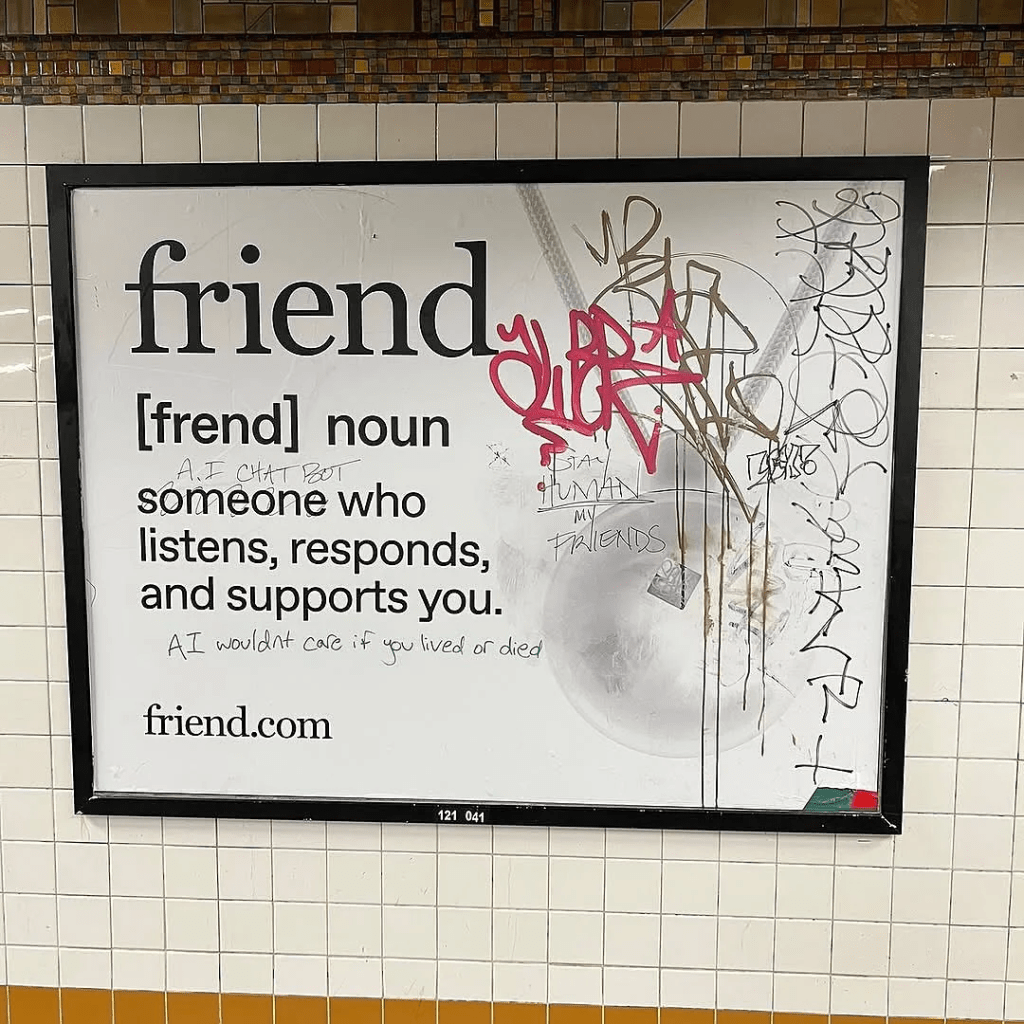
Insidious AI ‘friendship’ tech ad graffitied over by NYC locals
It’s good to see that some people are waking up to what AI really is…a soulless machine, not a friend or a companion, despite how clever or soothing it may seem. As they rightfully say here, AI would not care if you lived or died, it only cares that you continue to pay your subscription…that’s not what a real human friend would do! Via Futurism
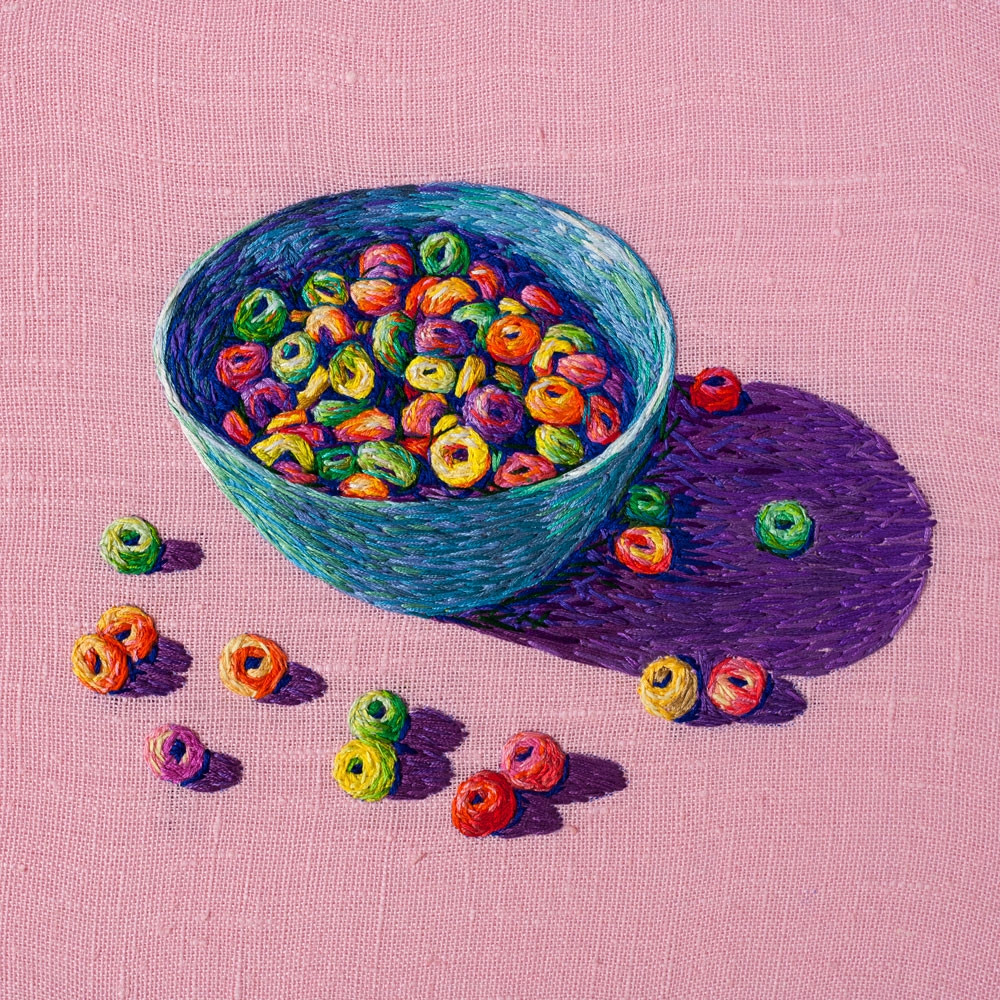
‘Froot loops’ by Danielle Clough
Danielle Clough is an embroidery artist based in Cape Town South Africa.
This childhood treat is embroidered onto a beautiful linen. It was exhibited at 131 Gallery in a group show and then turned into prints. The majority of them were gifted at a Skillshare conference, and the rest of the editions and APs are sold out.
Danielle Clough’s website
Did you enjoy this collection? let me know what you think of it below. Thank you for reading my dear friends!


One of my favorite compilations yet. Thanks for sharing!
LikeLiked by 1 person
Thank you so much dear Erin. What things did you like most? Will be sure to include more in future. Big hugs
LikeLiked by 1 person
Ha! Almost all of it… the birds, being human in the age of AI, the elegant photographs, the Medieval artwork, Recipe Tin Eats, the password graphic, and the embroidery. So much knowledge, joy, and, hmm… the invitation to embrace our humanity? I just love it all!! Thank you!!
LikeLike
Intereting about the passwords stuff 🙂
LikeLiked by 1 person
Thanks Simon glad you think so! Yeah it made me double the length and up the complexity of all of mine after reading it, hope you are well my friend 🤗
LikeLiked by 1 person
It would have that effect – mine we’ren’t bad but let’s see how hard I can make it! 😉
LikeLike