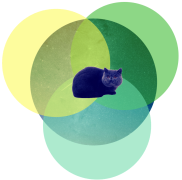

People were taking silly pics of their pets in 1875
This white fluffy blob looks just as cute and fetching now as then. I’ll bet he or she was immaculately well-behaved as I believe these old photos required sitting in one position for a long time to get the shot. Via Reddit

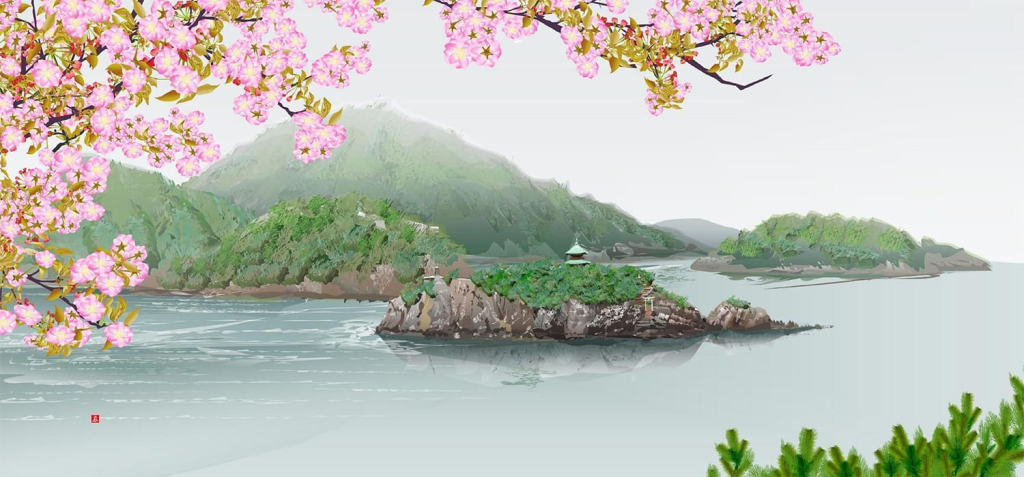
Japanese Octogenarian Tatsuo Horiuchi painstakingly creates stunning art using Microsoft Excel
Tatsuo Horiuchi proves that creativity knows no bounds—or budgets. For over 20 years, the now-octogenarian Japanese artist has painted breathtaking rural landscapes using nothing but Microsoft Excel. Blossoming cherry trees, misty mountains, and traditional village scenes come to life through the program’s humble graph tools. Shunning costly art supplies, Horiuchi reimagines Excel as his digital canvas, crafting detailed vector masterpieces pixel by pixel. A quiet rebel of the art world, he transforms office software into a meditative tribute to nature and tradition. Via This is Collossal


Wolong Grove’s Live Panda Cam
They’re always moving, always rolling and always up to something ultra cheeky
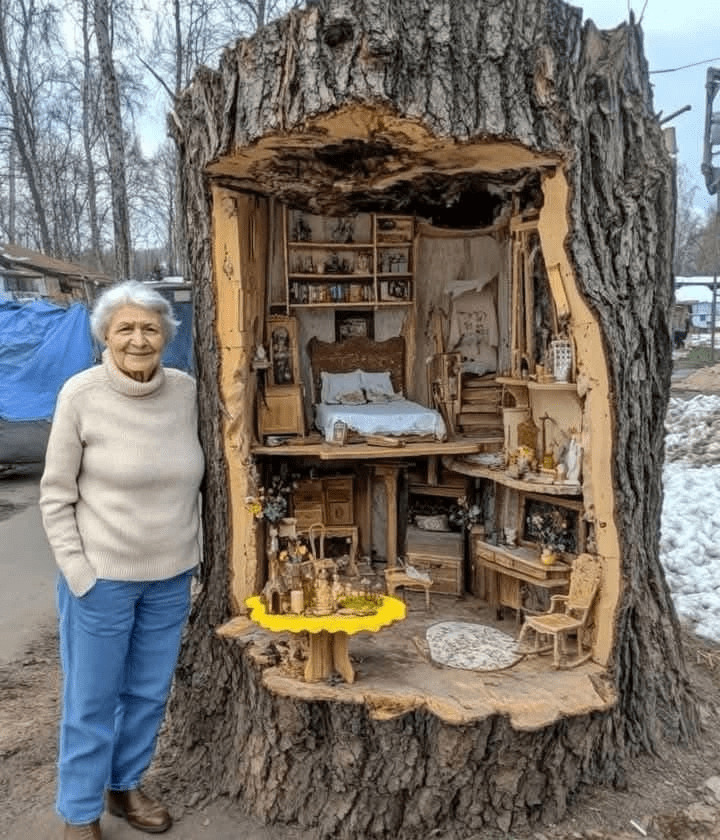
Wholesome Meme: An Enchanted Fairy Tree
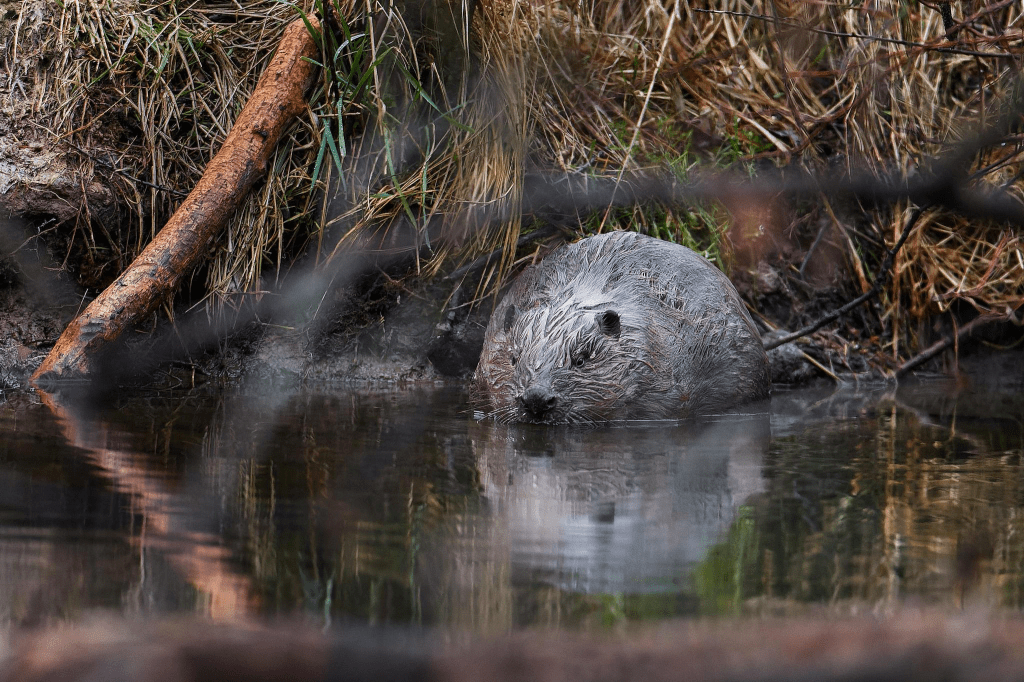
Eight beavers in Czech Republic complete dams in a few days saving 1.2 million Euros
In early 2025, a colony of eight beavers in the Brdy region of the Czech Republic accomplished a remarkable feat by constructing a series of dams that restored a degraded wetland ecosystem. This natural intervention occurred after a government-planned dam project had been stalled for seven years due to bureaucratic hurdles and land ownership disputes. The beavers’ efficient engineering not only achieved the environmental restoration goals but also saved the Czech government approximately $1.2 million in projected costs.
The beavers selected optimal locations for their dams, effectively creating a thriving wetland that benefits various species, including aquatic insects, fish, amphibians, and birds. Experts praised the beavers’ innate ability to enhance ecosystems, noting that their constructions often surpass human-designed plans in effectiveness.
This event highlights the significant ecological and financial impact that wildlife can have when natural behaviours align with conservation objectives. It underscores the potential for integrating wildlife activity into environmental management strategies, offering cost-effective and sustainable solutions to ecological restoration projects.

Matcha sesame balls recipe
I love the slow-moving cosy vibes!
Lighting striking an erupting volcano in Chile
This stunning photograph captures the most violent moment during an eruption of the Calbuco volcano in Chile. Volcanic lightning occurs in the plumes of eruptions when volcanic ash particles collide, generating static electricity. Additionally, water vapor in the plume condenses and freezes as it rises, adding ice to the mix. And voila! The eventual electrical discharge causes lightning. Credit: Francisco Negroni, https://www.francisconegroni.com/index via SETI on Mastdon.

Goobie and Doobie explains why he decided not to have kids
He made the decision for similar reasons to me, based on how screwed the environment is, and how the world already has more than enough people on it. How he doesn’t dislike children or think people with kids are bad people, (same as me) he just decided it for himself. If he was living in a different era, his decision for having kids would likely be different (same as me) He is an incredibly wise person and I’ve enjoyed his videos of meanderings and insights in the wilderness. His videos have a slow meditative and soothing quality to them.
Study suggests we don’t just hear music, but ‘become it’
An international study co-authored by McGill psychologist Caroline Palmer suggests our brains and bodies don’t just understand music, they physically resonate with it. These discoveries, based on findings in neuroscience, music, and psychology, support Neural Resonance Theory (NRT).
NRT maintains that rather than relying on learned expectations or prediction, musical experiences arise from the brain’s natural oscillations that sync with rhythm, melody and harmony. This resonance shapes our sense of timing, musical pleasure and the instinct to move with the beat.
“This theory suggests that music is powerful not just because we hear it, but because our brains and bodies become it,” said Palmer, Professor in the Department of Psychology at McGill and Director of the Sequence Production Lab. “That has big implications for therapy, education and technology.” The study’s publication in Nature Reviews Neuroscience marks the first time the entire NRT is being published in a single paper, she said.
The theory suggests that structures like pulse and harmony reflect stable resonant patterns in the brain, shared across people independent of their musical background. According to NRT, how we hear and produce music can be explained by fundamental dynamical principles of human brain mechanisms that apply from the ear all the way to the spinal cord and limb movements.
Researchers say potential applications of the theory include:
- Therapeutic tools for conditions like stroke, Parkinson’s and depression
- Emotionally intelligent AI that can respond to or generate music more like humans
- New learning technologies to support rhythm and pitch education
- Cross-cultural insight into why music connects people around the world
Journal Reference: Eleanor E. Harding, Ji Chul Kim, Alexander P. Demos, Iran R. Roman, Parker Tichko, Caroline Palmer, Edward W. Large. Musical neurodynamics. Nature Reviews Neuroscience, 2025; 26 (5): 293 DOI: 10.1038/s41583-025-00915-4
Homo Longi: The Dragon Man | Prehistoric Humans Documentary
LTJ Bukem: Progression Sessions 4
Even if you don’t like ambient jungle I defy you to not become immersed into this…
Did you enjoy this collection? let me know what you think of it below. Thank you for reading my dear friends!
 Content Catnip
beavers are so delightful to watch.
LikeLiked by 1 person