

The Botanic Garden of the Jagiellonian University (or as they are known in Polish: Ogród Botaniczny Uniwersytetu Jagiellońskiego) is a stunningly beautiful botanical garden that I visited back in 2014 just outside of Kraków in Poland. This was one of the main highlights for me on a busy trip to see the Polish Bear’s family.
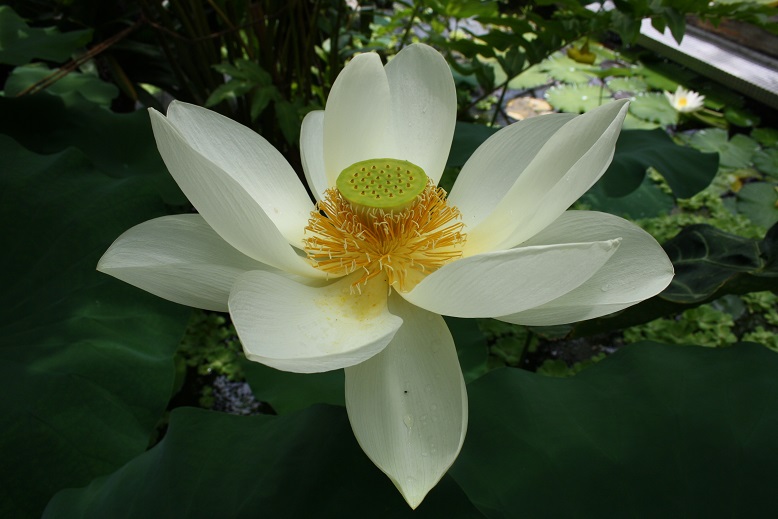
A place of immense beauty and escapism
The Ogród Botaniczny of Kraków has a long scientific heritage that dates back to 1783. They are the oldest scientific gardens in Poland and were established by Professor Józef Bogumił Rogaliński.
Throughout this time many inquisitive and curious minds have peered into the depths of floral wonders and the garden was pivotal during the Enlightenment period in Poland, as a centre for botanical research and the dissemination of botanical knowledge across Europe.

The ogród covers a lush expanse of 9.6 hectares, featuring lush landscaped gardens, several glasshouses and conservatories and exotic plant collections like orchids and even different types of Australian wattle and New Zealand flax plants. There are plentiful ponds where gigantic carp swim around and gaggles of geese glide past. It’s designed as a French baroque style and is perfect for meandering the time away on a sunny day.

I love the hushed quiet and peacefulness of these places, the world is stilled to a hush and the natural gurgle of a creek, the probing antennae of a snail and the impatient rustle of trees, and when the sun peaks through that it’s as though the world is shining and dreaming just for you.
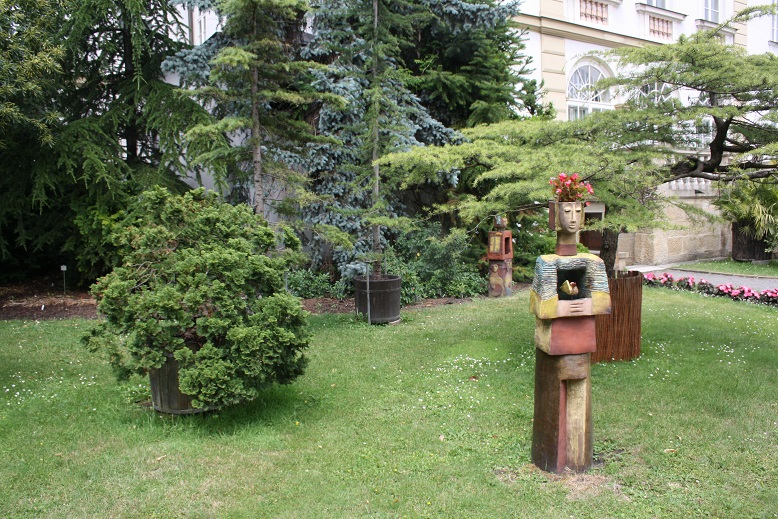
Part of the Jagiellonian University, the garden has existed in one form or another for specimen growth and analysis since the 16th century. This heritage is evident there in their beautifully landscaped surrounds, the entire place is vibrant and buzzing with life.


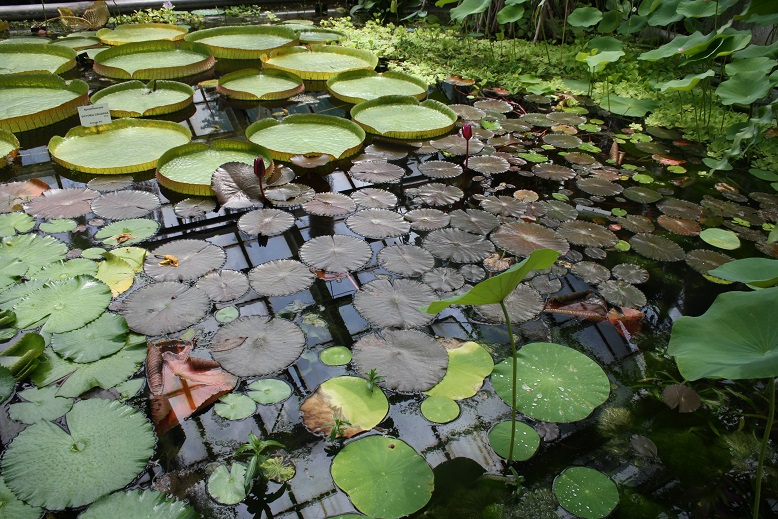
This greenhouse complex known as “Victoria” was refurbished in 1882 and then rebuilt in the 20th century and again reconstructed in 1993–1998.
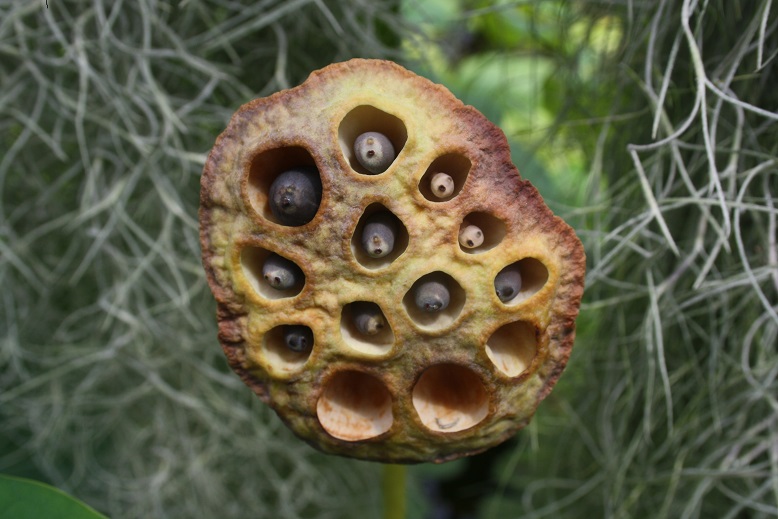
The “Jubilee” palm house was opened in 1966 alongside a group of tropical greenhouses. In 1954 came “Dutch” – low emissions, which covers collections of orchids.
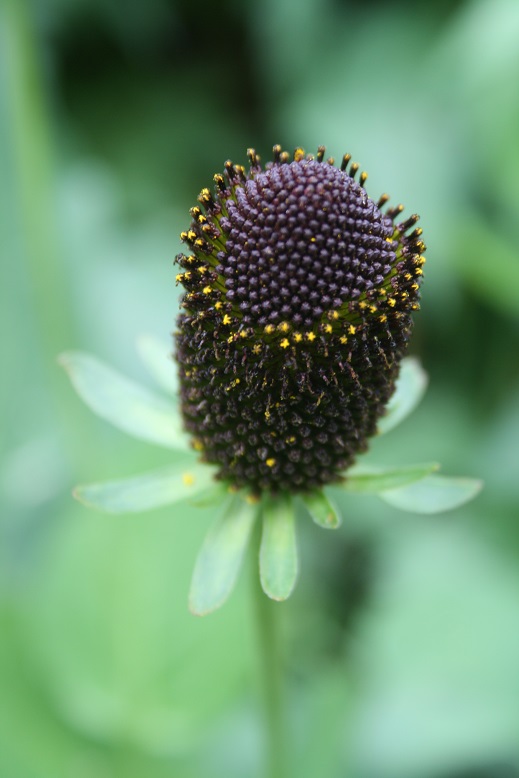
On the day that we went there, a collection of beautiful clay artworks lined the pathways which seemed to portray mother earth-style figures in mutual embrace and union with the spirits of the earth and celebrating verdant growth.

 Content Catnip