
In Australia there are more than 250 Indigenous languages including around 800 dialects. Languages are living things that connect people to Country, culture and ancestors. Many words for Australian native animals come from these languages.
‘Keriba gesep agiakar dikwarda keriba mir. Ableglam keriba Mir pako Tonar nole atakemurkak.’ — The land actually gave birth to our language. Language and culture are inseparable.
Bua Benjamin Mabo, Meriam linguist

Language is identity
‘Language is part of our songlines, stories, spirituality, law, culture, identity and connection. Language transfers important knowledge passed down from our Ancestors and Elders that guides us.’
– Lynnice Church, Ngunnawal
‘Bandicoot’: an Indian name for big Asian rat
Emu – Portuguese/South American in origin, named for the rheas in South America, big flightless birds like those endemic to Australia.
Goanna – comes from the word ‘iguana’.
‘Echidna’ and ‘platypus’ – these started off as scientific names and quickly made their way into the Australian vernacular.

There is now a push towards giving Australian native animals the names originally given to them by Australia’s First Nation’s peoples instead of foreign Latin names with no cultural meaning attached to place.
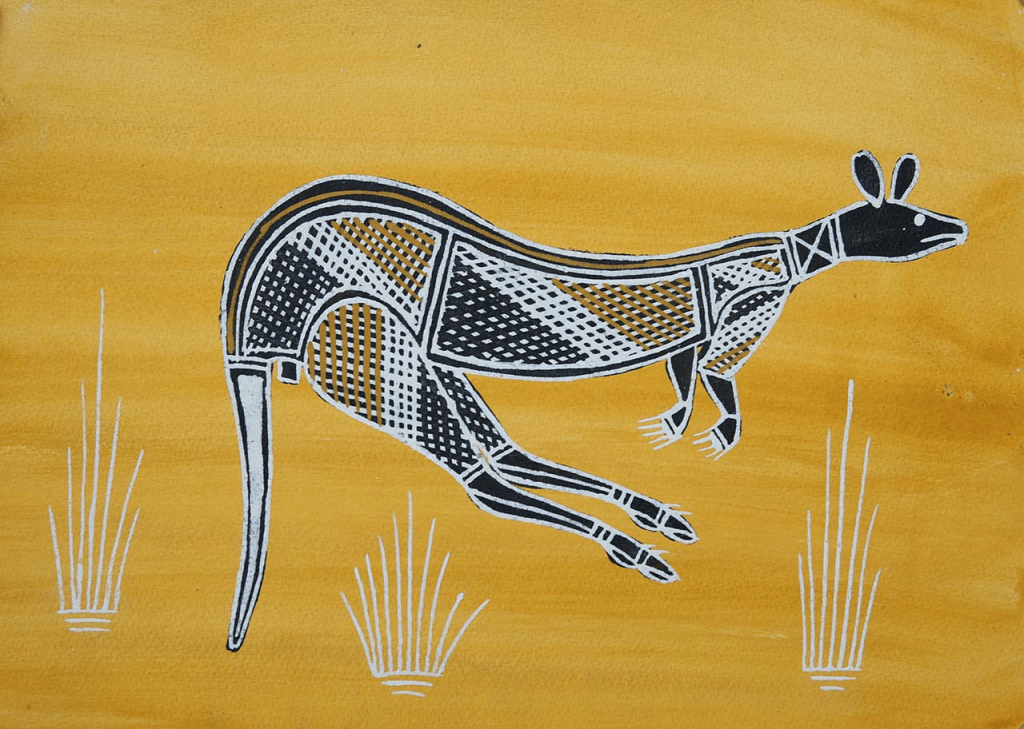
Aboriginal mythology incorporates Ancestor spirits that are related to important animals into Dreamtime law, and animals like kangaroos, emus, koalas and wombats features prominently in the culture of Indigenous groups across Australia. Their images are seen in paintings from the furtherest south to the most northern regions of the continent.
Many Aboriginal names have a pleasing phonetic sound on the tongue and mouth when spoken. Like the ‘Woylie’, or in English the ‘brush-tailed bettong’; or ‘kakarratul and itjaritjari’ in place of ‘northern and southern marsupial mole’.

There is also a growing trend for using scientific names that draw upon Aboriginal words. One striking example is the red and yellow mountain frog or the Philoria kundagungan. In the Kabi language of southern Queensland, ‘kunda’ means mountain and ‘gungan’ means frog.
By using these phonetically beautiful and interesting words, it’s just another way that everyone can honour and respect the traditional custodians of the land – by using the original names of the animals living there. Below are some of the original names so that you know.
| Local animals | |
| badagarang | eastern grey kangaroo |
| banggarai | swamp wallaby |
| buduru | potoroo |
| bugul, wurra | mouse, rat |
| bungu | flying phalanger |
| burumin | possum |
| dingu | dingo |
| djubi | sugar glider |
| dun | tail |
| ganimung | Gaimard’s rat-kangaroo |
| marriyagang | tiger cat |
| mirrin | brown marsupial mouse |
| wanyuwa | horse |
| wirambi | bat |
| wiring | female animals |
| wubin | feather-tail or pygmy glider |
| wulaba | rock wallaby |
| wularu | wallaroo |
| wumbat | wombat |
| Reptiles | |
| bayagin | leaf-tailed gecko |
| daning | death adder |
| gan | reptiles (snake, goanna or lizard) |
| malya, | diamond python |
| ngarrang | bearded dragon |
| wirragadar | bandy-bandy |

| Birds | |
| binit | tawny frogmouth |
| binyang | bird |
| bubuk | boobook owl |
| buming | redbill |
| bunda | hawk |
| bunyarinarin | masked lapwing |
| burumurring | wedge-tailed eagle |
| diamuldiamul | whistling kite |
| dyaramak | sacred kingfisher |
| dyuralya | brolga |
| gaban | egg |
| garadi | glossy black cockatoo |
| garrangabumarri | pelican |
| garrawi | sulphur-crested cockatoo |
| girra~girra | seagull |
| gugurruk | black-shouldered kite |
| gulina | rufous night heron |
| gulungaga | red-browed finch |
| guma | king parrot |
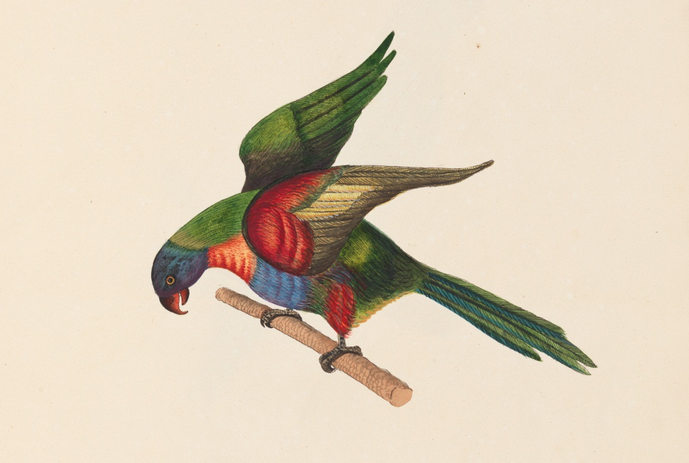
| guriyal | parrot, parrakeet |
| guwali | shag, cormorant |
| marrigang | sittella |
| mulgu | black swan |
| munu. | bill |
| murradjulbi | singing bushlark |
| muruduwin | fairy wren |
| ngunyul | feather |
| ngurra | birds’ nest |
| nuwalgang | magpie goose |
| urwinarriwing | eastern curlew |
| wangawang | ground parrot |
| wilbing | wing |
| wirgan | noisy friarbird |
| wugan | crow |
| wungawunga | wonga pigeon |


 Content Catnip
Interesting post and beautifully illustrated.
LikeLiked by 1 person
Thank you Belinda stopping by and saying that. Hope you have a nice weekend 🙂
LikeLiked by 1 person